There is a particular kind of invitation, rare in a genre that usually hands you a map and a sermon about destiny, in putting a sling in a teenager’s hands and discovering that the entire product is a country that used to be a home. The rats are still rats. The light is still light. The first flood that tries to teach you a lesson is not a metaphor. A Plague Tale: Requiem, the sequel from Asobo Studio and Focus Entertainment, is built on that walk south, and the walk is ruder, brighter, and more expensive than a hide-and-seek sequel has any right to be.
I played the PlayStation 5 version, the 18 October 2022 launch that Asobo Studio walked onto living rooms, Xbox Series, PC, and a cloud version on Nintendo Switch. Steam lists the game at $49.99. You are Amicia de Rune. You are still keeping Hugo alive. Six months after Grand Inquisitor Vitalis Benevent, the curse looks quiet and the road looks like a second chance, until it does not. Thirty-five Steam achievements sit in the dust. I am scoring it 9.0, because a comparatively small French studio built a world and a set of visuals that punch above the scale the industry usually reserves for much larger rooms, and because the game has the nerve to make that beauty cost something.
Six Months Is Not a Cure
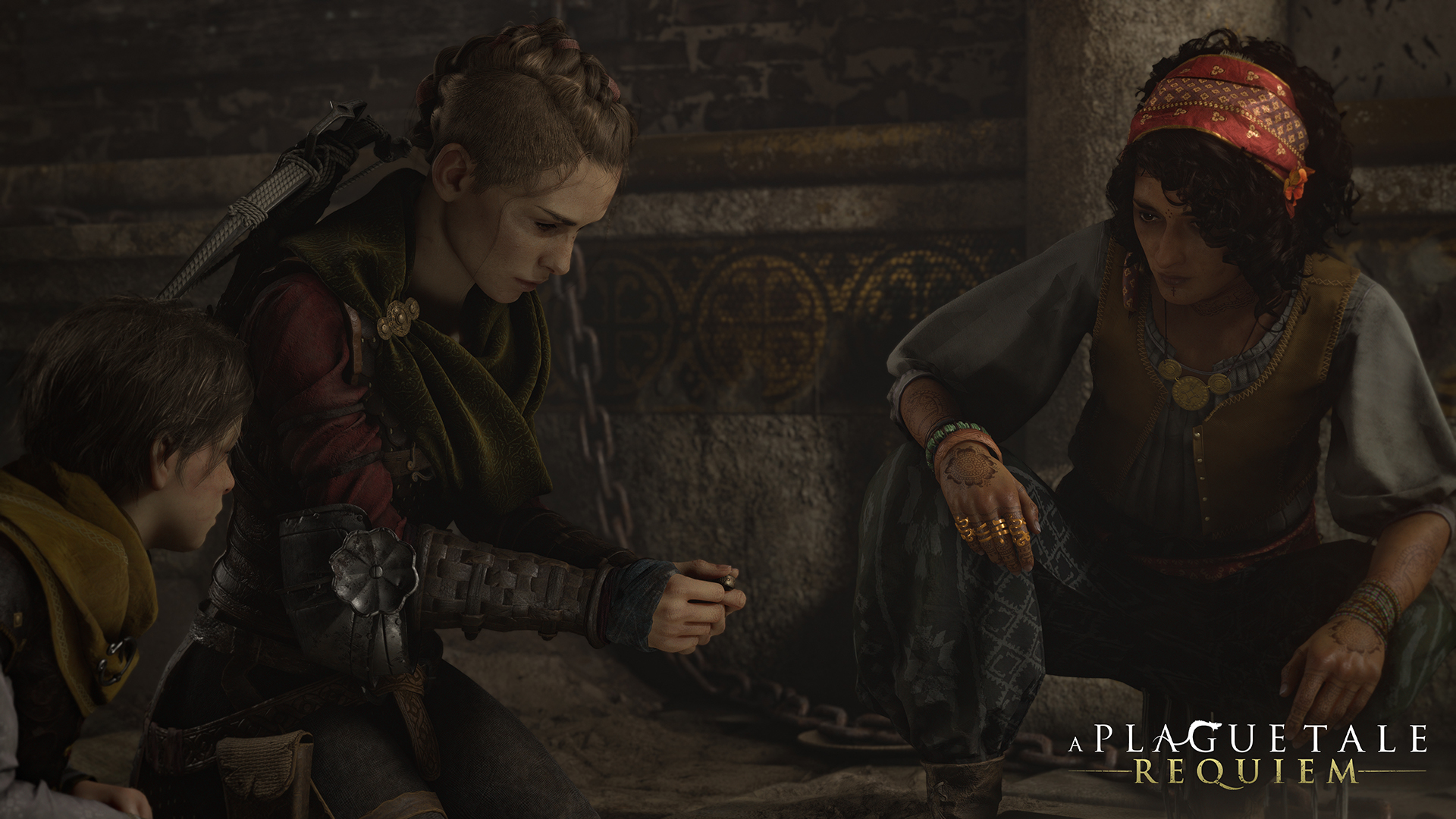
Most sequels begin with a speech about how the last war is over. Requiem begins with a rumor of peace that already knows it is lying. Official copy places the siblings six months after they defeated Vitalis Benevent and foiled the Inquisition, with Hugo’s curse seemingly under control, then asks them to escape a devastated homeland and travel far south, toward new regions and vibrant cities, in search of a definitive cure. That is not flavor text. It is the design refusing to pay for a coronation when a road will do.
You start walking because the alternative is becoming a rumor in a place that does not keep rumors. The first stretch is staged like a kindness. Markets. Sun. A chance to put the sling down and pretend a teenager can still be a teenager. Then Hugo’s powers reawaken, and death returns in a flood of devouring rats. Forced to flee once more, the siblings place their hopes in a prophesized island that may hold the key to saving him. The shop said the quiet part on the store page. Discover the cost of saving those you love. The rest of the campaign is that sentence becoming a place.
I like a premise that prices love as a hazard and then lets you walk toward it anyway. Amicia is older than the girl who learned to throw a stone in the first game, and the extra months have not made her gentler. They have made her competent, which is a different kind of scar. She still protects. She also decides. A protector who only hides will lose a brother to the next closed door. A protector who starts choosing violence will lose something else, and Requiem is interested in the invoice.
Story is environmental and stingy in the wild, talkative when a companion needs to keep you from turning into a rumor, which is the right instinct for a game that wants your hands more than your diary. You are not reading a manifesto. You are looting a second chance that is still happening. Workbenches, signs, and the way a city changes temperature when the rats remember your name do the work a cutscene would have charged more for. Late chapters will turn the prophecy toward a door I will not spoil. The walk there is the product. Hugo is still a child. The Macula is not. That argument is the rest of the map.
Light Is the Law, Rats Are the Architecture
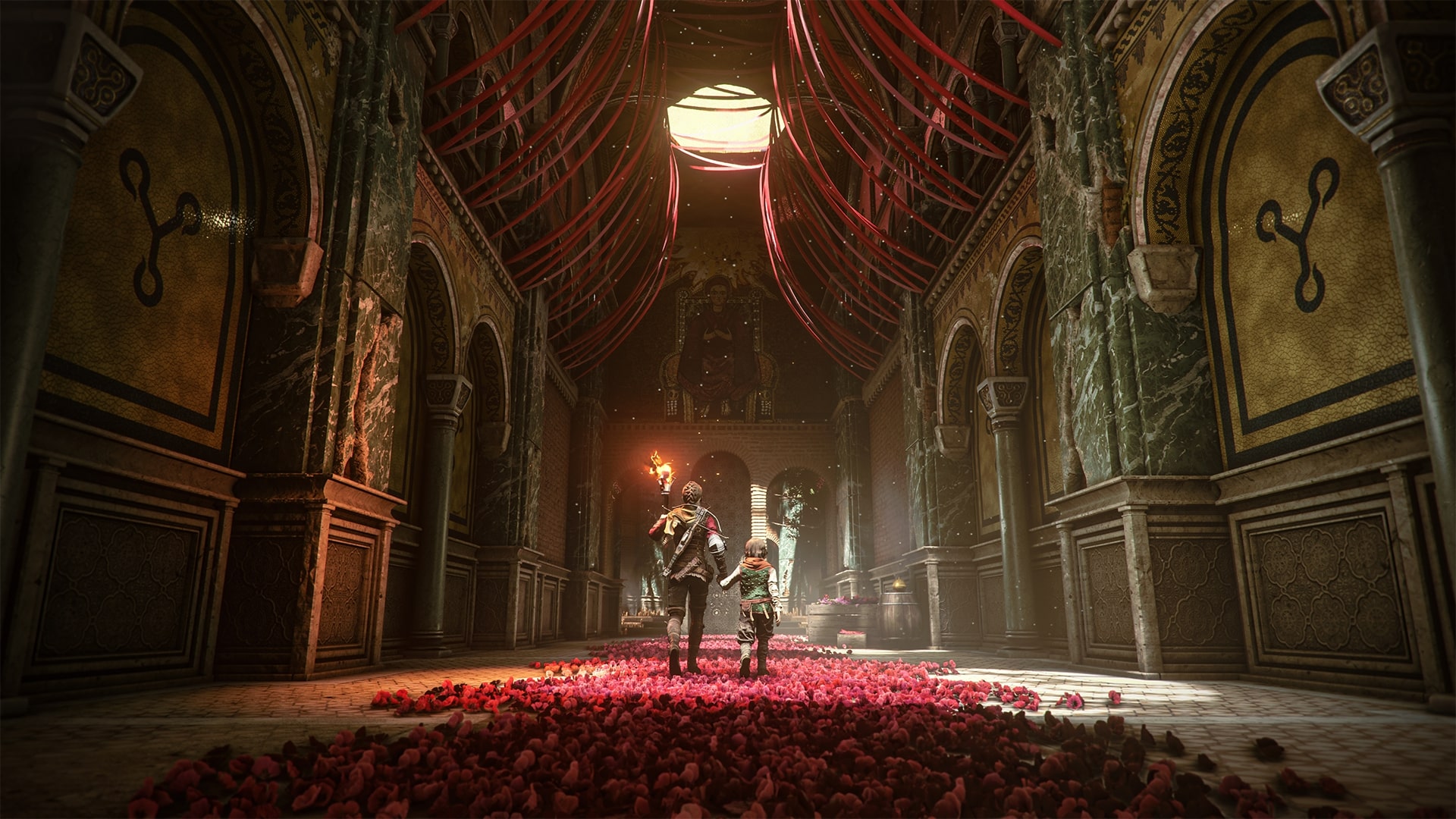
The loop is the old religion and Asobo Studio does not pretend otherwise. Stay in the light. Treat darkness as a crowd. Use fire, noise, and a brother’s unearthly weather to open a path that a soldier would rather you did not see. None of that is a revolution. All of that is the sentence the rest of the toybox has to live in, and Requiem is wiser about that sentence than a sequel that only wanted more rats.
Play is physical in the way a good alley is physical. You are not drowning in menus. You are looking at a street and deciding whether you have been useful enough this minute. A torch handles the general population of problems. A pot of something that should not be thrown handles the rest. Looking twice is a strategy, not a cowardice.
Rats are not wallpaper. They are architecture that happens to have teeth. Official copy asks you to sneak, fight, or unleash hell and rats, and that last option is not a novelty button. It is a verb. You herd them with fire. You starve them with light. You feed them a patrol you would rather not meet again. The swarm is the closest the game comes to a weather system, and I like it more than a new silhouette. Mastery, here, is logistics with a pulse. You gather a little alchemy. You stash a pocket of light. You send a flood through a hall that tried to eat your certainty last chapter.
The map does not get smaller because the developers deleted France. It gets smaller because you invented commuting through a plague. Early chapters still teach the old grammar, the hide-and-seek that made the first game feel like a secret. Later chapters open the rooms until a secret becomes a district. A tighter corridor makes a rat feel like a god. A wider street makes a rat feel like weather, which is scarier if you have been paying attention, and slightly less personal if you have not. Official features promise extra freedom inside a more open environment, and the promise is mostly kept. You can often choose a shadow, a fight, or a disaster you started on purpose. You cannot always choose when Hugo is in the frame.
A Crossbow Changes the Argument
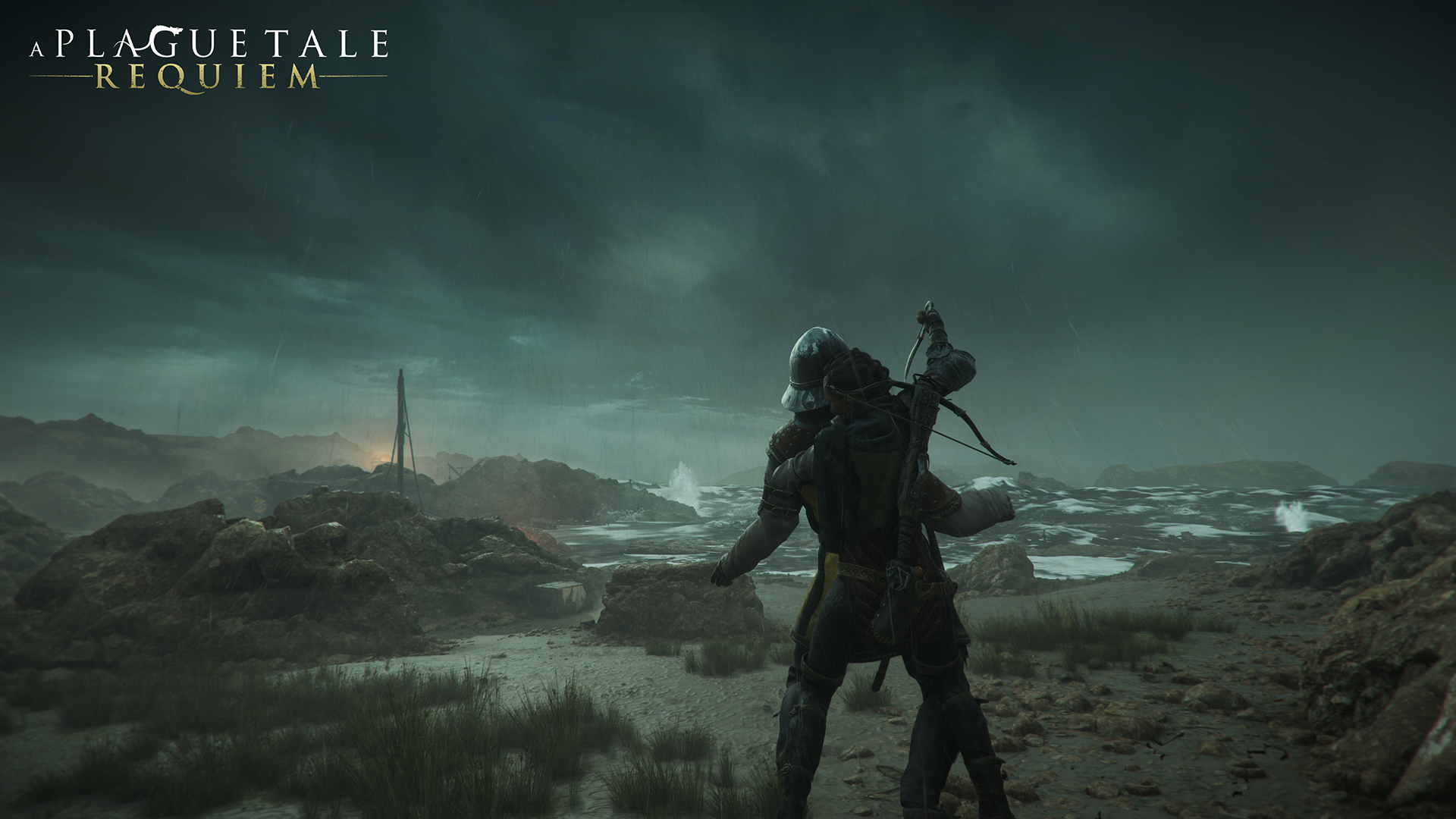
Tools are the temperature change. The sling is still a religion. The new kit is the heresy that makes the religion useful. Official copy grants Amicia alchemy to manipulate fire, the long-distance manners of a crossbow, a cunning use of terrain, and the ability to wrestle out of an enemy’s grasp. That last sentence is the shop admitting that a teenager who has been running for a year will eventually put a hand on someone and refuse to be a rumor.
Stealth is still the cleanest answer and no longer the only adult one. You can strike from the shadows. You can also stop pretending that every soldier is a puzzle you are too polite to break. The crossbow is not a power fantasy in the old sense. It is a punctuation mark. It is loud, limited, and honest about what it costs. Alchemy is the other half of the pitch. Fire is a language. Darkness is a crowd. Tar, pots, and the little recipes you cook at a workbench turn a street into a sentence you can edit. If you want a week that turns a pocket of fire into a conversation, you will feel hired.
I should be clear about the shift, because it is real and it is not a footnote you hide after the score. Players who loved the first game for how small it made you feel will notice that Amicia has grown a spine with edges. She can be caught. She can also get out. She can hide. She can also decide that hiding is a luxury the next ten seconds cannot afford. That change will delight one kind of player and bruise another. I am in the first camp with caveats.
Workbenches and a modest tree of manners sit behind the loop for people who like a receipt. You are here to keep a brother alive and then find out what the keeping is for. Upgrades make the sling less of a prayer and the crossbow less of a dare. They do not turn Amicia into an army. They turn her into a person who has been practicing, which is a colder compliment. A wrestle out of a grab is the meanest little idea in the kit and the first one that treats Amicia like a body instead of a cursor. You feel the weight of a hand. You feel the cost of getting free. Then you put the sling up and go back to being a planner, which is the shop refusing to let the new violence become the whole religion.
Provence Light, Then the Water
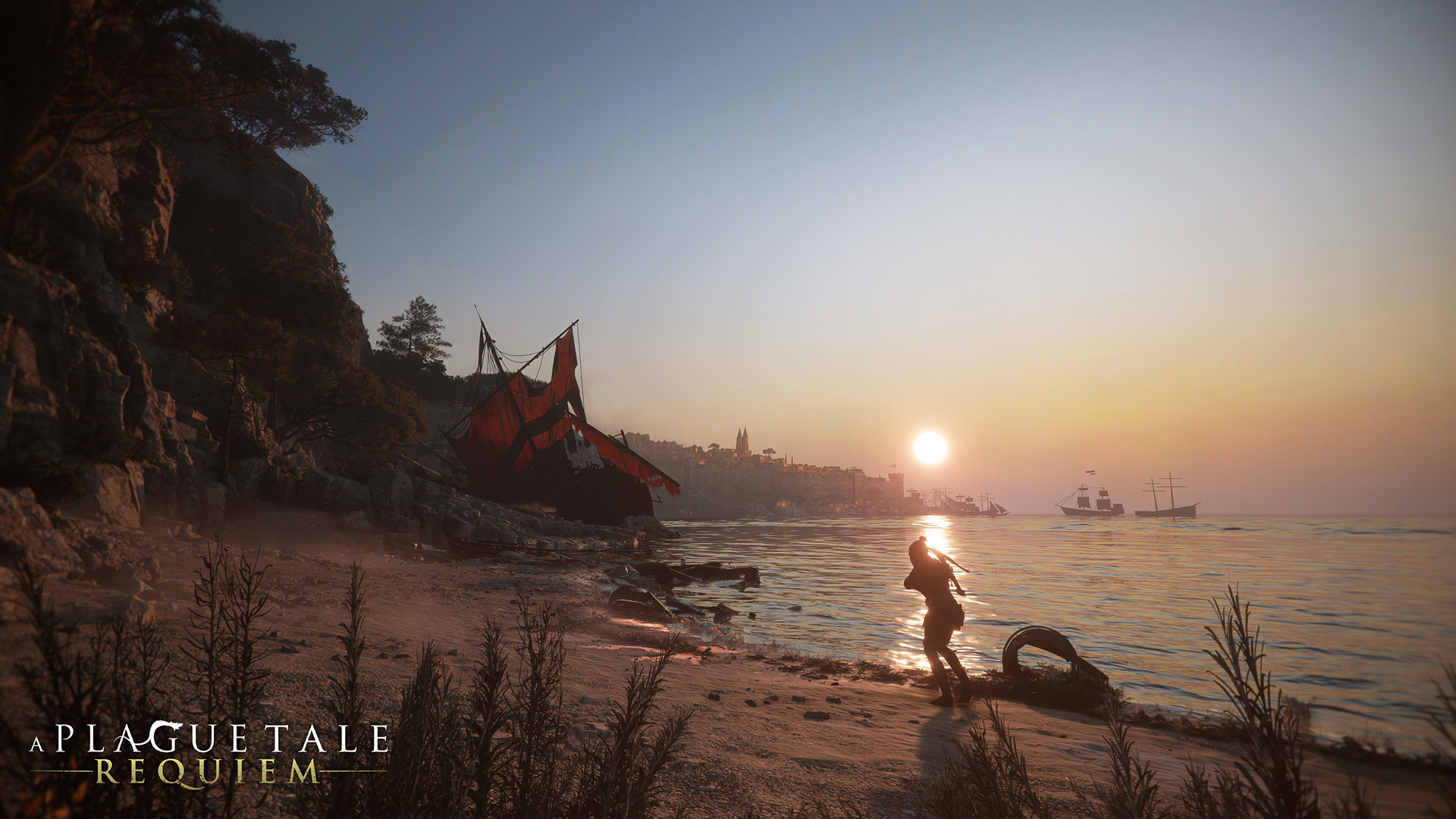
Presentation is the identity and the argument. Official copy talks about a sublime visual experience through a bright new Mediterranean setting and the series’ characteristic contrast between light and dark. The palette does the work. You can tell a devastated north from a southern market from a coast that has decided to be a dare at a glance. If you cannot read a biome, the hunt dies and the country becomes homework. These spaces are atmospheric enough to carry a scare and clear enough to carry a plan. You always know where you are. You do not always know why a rat is already there.
Asobo Studio is a comparatively small team, and Requiem looks like a dare they issued to themselves and then paid. Faces hold up in the kind of close-up a larger studio would treat as a budget line. Cloth moves like cloth. Stone remembers weather. Horror that never lets you love the world is just a hallway. Horror that lets you love the world, then fills the street, is a country. Light is a mechanic. Beauty is the bait. The rats are the punchline that forgot to be funny.
Sound is the other half of the hospitality. Official copy promises an enthralling score, and the shop is not being cute. Choirs arrive like weather. A quiet market uses less music than pride would recommend, then a flood reminds you why the silence was a courtesy. The voice of the game is the country, and the country talks in bells, swarms, and the occasional knock that is not weather.
Some rooms are handsome. Some rooms are a commute. Both rooms are the job. I like a map that prices curiosity as a hazard and then lets you walk toward it anyway. The island is the dare the store page has been making since the first sentence. Far across the sea, an island calls. You will go. The arriving is the bill.
The Brother Who Is Also Weather
Hugo is the other half of the short description and the crueler half of a week. Official copy asks you to do whatever it takes to save your brother from a supernatural curse, then has the nerve to mean both halves of that sentence. Saving is the mission. Whatever it takes is the design. The Macula is not a status effect you wait out. It is a weather system that lives in a child you are supposed to keep human.
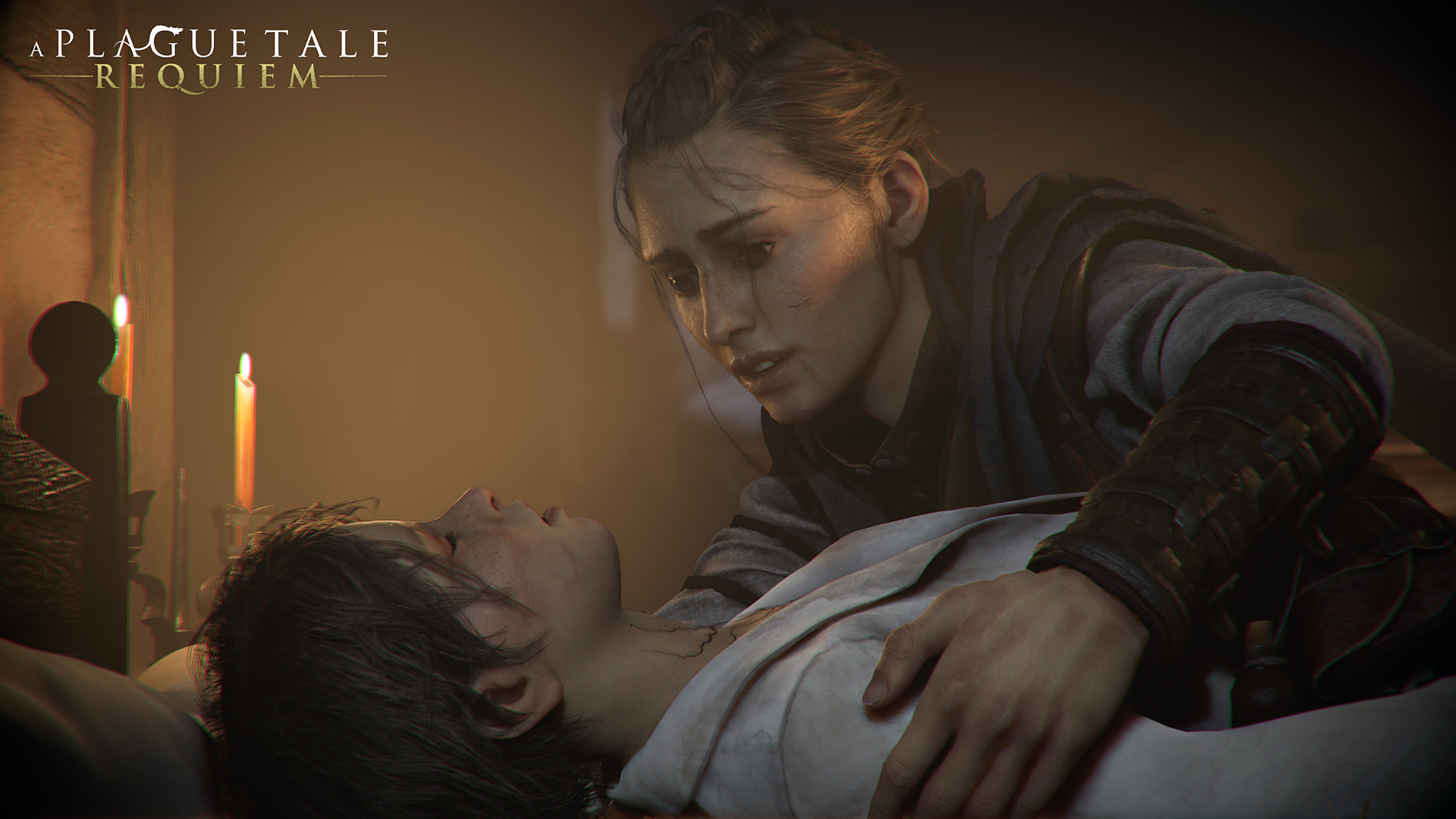
I have a rule for stories about a younger sibling. If the child is only a key, the game is broken. If the child is only a wound, the game is dishonest. Requiem is mostly honest. Hugo can be a tool. Hugo can be a boy who wants a flower, a joke, a minute that is not about dying. The tension between those two jobs is the closest the campaign comes to a power fantasy, and I like it more than a new pot. Mastery, here, is attention. You look at him. You take his hand like a person who still believes a boy can stay a boy.
Companions arrive as the shop refusing to leave Amicia alone with the invoice. Official copy promises unlikely new allies, and the promise is kept without turning the road into a committee. People show up. People have jobs. People leave a mark you will still be carrying when the island starts talking. The allies feel like they have somewhere else to be, which is how you know they are not furniture.
The relationship is the content you cannot craft at a workbench. Amicia can become the kind of older sister who solves a room by emptying it. Hugo can become the kind of brother who notices. That noticing is the game’s best joke and its least funny one. A child who understands what you did for him is a blessing. A child who understands what you did to other people is a review of your work. Requiem lets both readings sit in the same cart. The hours that stay with you are the ones where you thought you were keeping him safe, then the swarm started answering him like a congregation. That is not a twist I am spoiling. It is the premise wearing its real coat.
What a Small Studio Built With a Whole Horizon
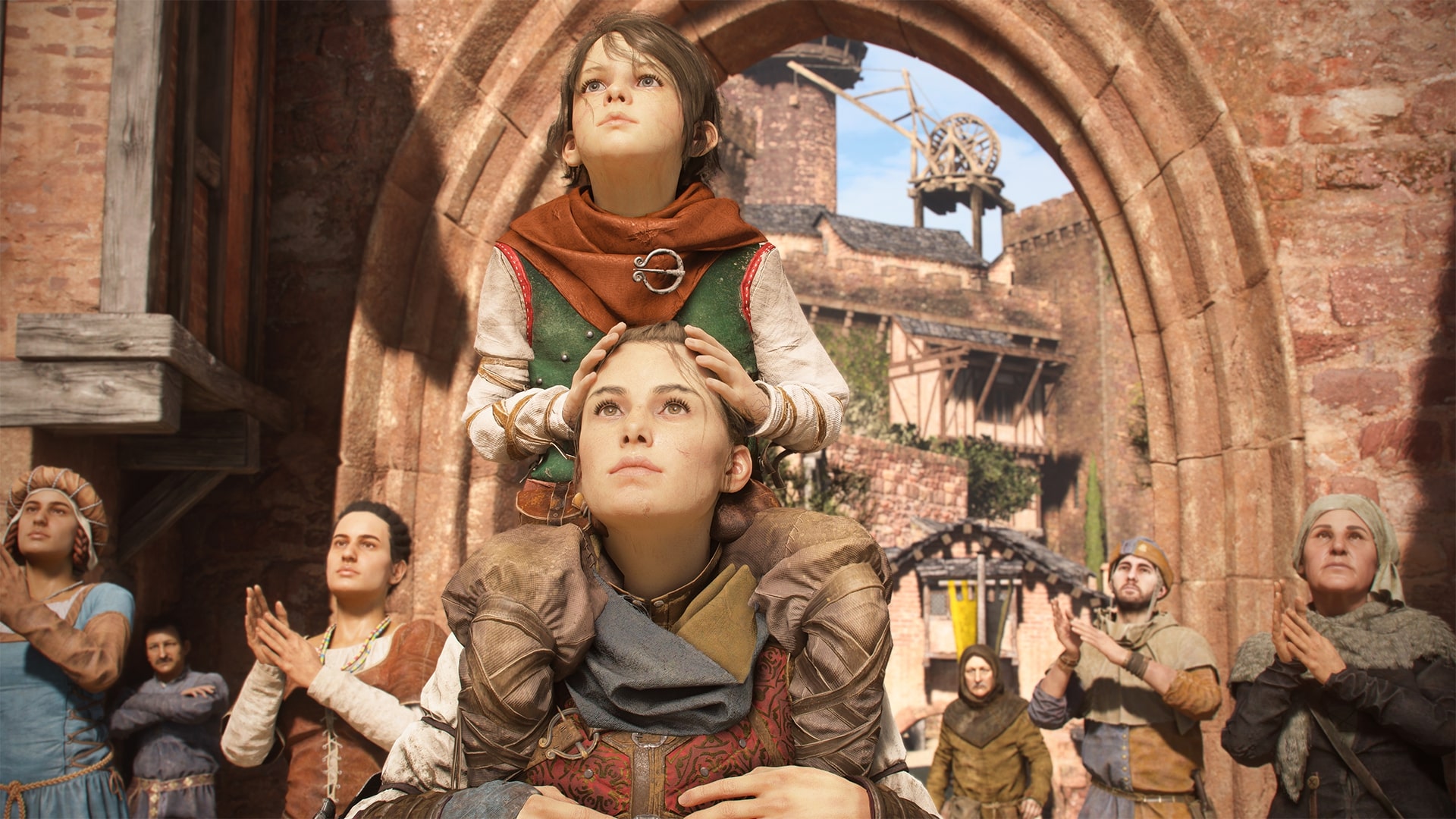
I should be clear about the friction, because it is real and it is not a footnote you hide after a 9. Requiem looks like a game that was built by a shop that wanted a country more than a showcase, then discovered the country was a whole sequel. The rat-and-light grammar can rhyme. A chapter can linger in a room you already understood. Companion pathing can sulk when a doorway decides to be stubborn. Stealth can become a suggestion in a stretch that would rather be a set piece. None of that is unique to this plague. All of that is the tax on a handmade adventure that left 2019’s smaller miracle and walked into 2022 with a bigger sky.
Technical manners can stutter when a dense swarm decides to remember it is a miracle and a burden at the same time. I will not invent a frame census. I will say the country sometimes forgets to stock the smoothness you need and then shrugs like weather. You can still tell a soldier from a civilian from a pocket of night at a glance.
The other argument is taste. Requiem is more willing to let Amicia win an encounter with force than the first game was, and that willingness will feel like growth or like a loss of nerve depending on who you were when you finished Innocence. I think it is growth with bruises. A teenager who has been hunted for a year should not still play like a tutorial about hiding. She should play like a person who has learned that the world does not grade stealth on a curve. The bruises are the chapters that forget to let you be quiet after they have taught you to be loud.
Compared with the giants of the doomed-journey business, Requiem is not trying to be a decade you finish this week. It is trying to be a place you keep seeing when you close your eyes. Asobo Studio did not have the headcount of a coastal landmark. It had a French room, a publisher that let the room keep its nerve, and a sequel that decided the last game’s alleys were a sketch. The sketch became a coast. The coast became an island. That is a lot of world for a shop this size. It is the reason the score sits where it sits. Single-player is the whole offer, and the offer is honest. The shop is not ashamed of asking you to look twice.
Still Walking After the Last Bell
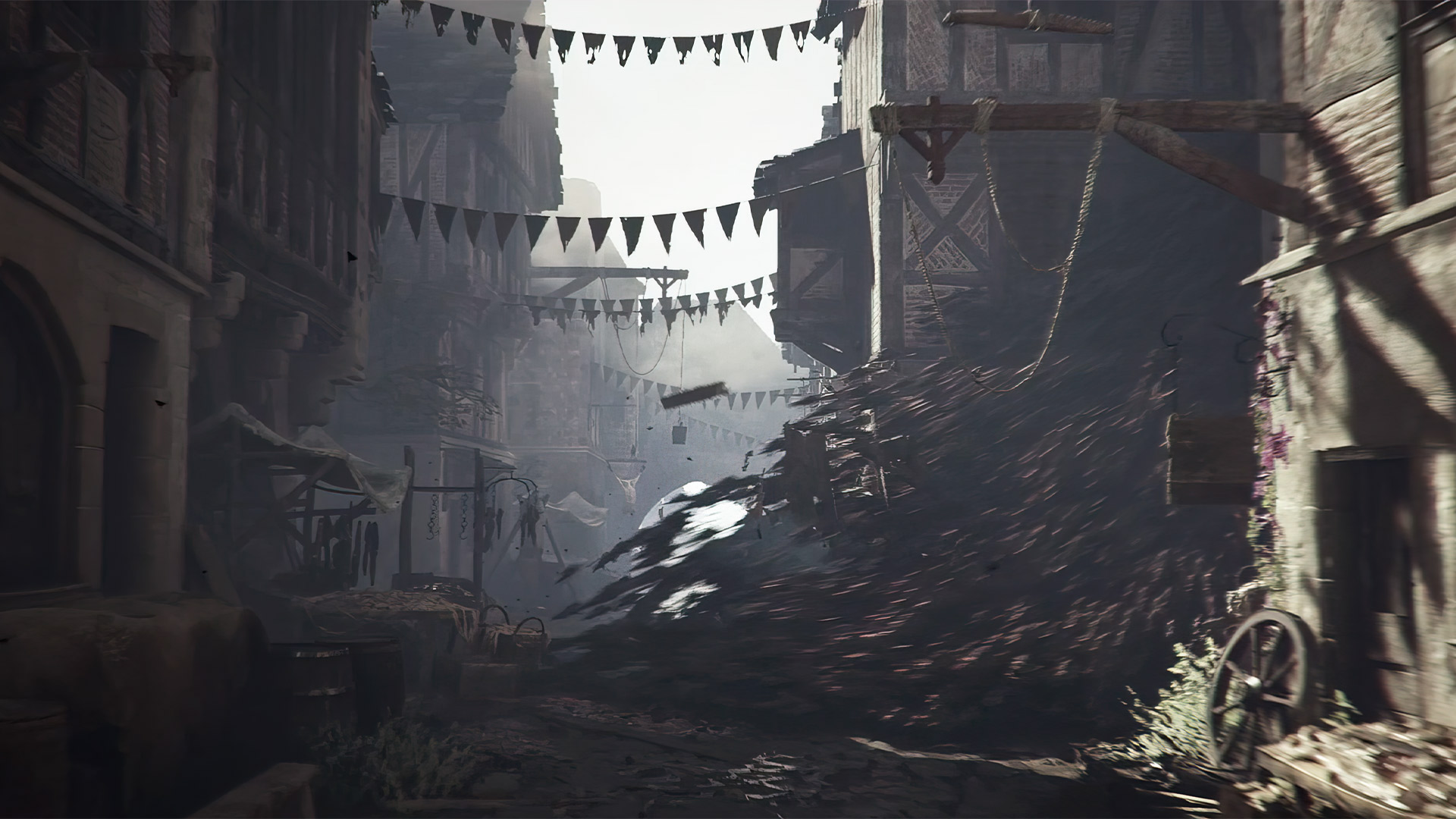
A Plague Tale: Requiem is a rare sequel that understands its own joke and then has the nerve to make the joke a country. Asobo Studio built a road about love, a toolkit about teamwork you do with fire, and a world that looks like it was made by a much larger room and plays like it was made by people who still remember every alley. The loop is the hook. The light is the spine. The walk from a false peace to an island that has been calling since the title screen is the scar.
It is better with patience than with a checklist. The late rooms can clunk in the way a handmade spectacle is clunky. The rat grammar can repeat itself. The new willingness to fight will bother anyone who wanted the old hide-and-seek to stay the whole religion. All of that is true, and all of that is already priced into a 9.0 from a studio that punched above the scale it was handed. You are not buying a decade. You are buying a journey that can turn into several evenings if you like being responsible for a child who is also a storm, or being the person who has to explain the storm to a street.
I am scoring it 9.0 because the identity is this clear and the limitations are the limitations of a focused plague story, not an empty one. I would recommend it to anyone who likes a world that has weight and a sister who is allowed to be rude. Distinctive southern light, a swarm that shrinks the horizon, a toolkit that turns survival into conversation, and a comparatively small team that built visuals the larger industry should be embarrassed by are a lot of game for the ask. The systems repeat their manners. The manners are still useful.
The country is still out there, still hiring a night shift, still asking what a home was before the rats arrived. After a few chapters you will understand why the job is not finished, and why you keep taking Hugo’s hand anyway.
We prepared this review with a digital copy of A Plague Tale: Requiem for the PS5 version provided by Focus Entertainment.