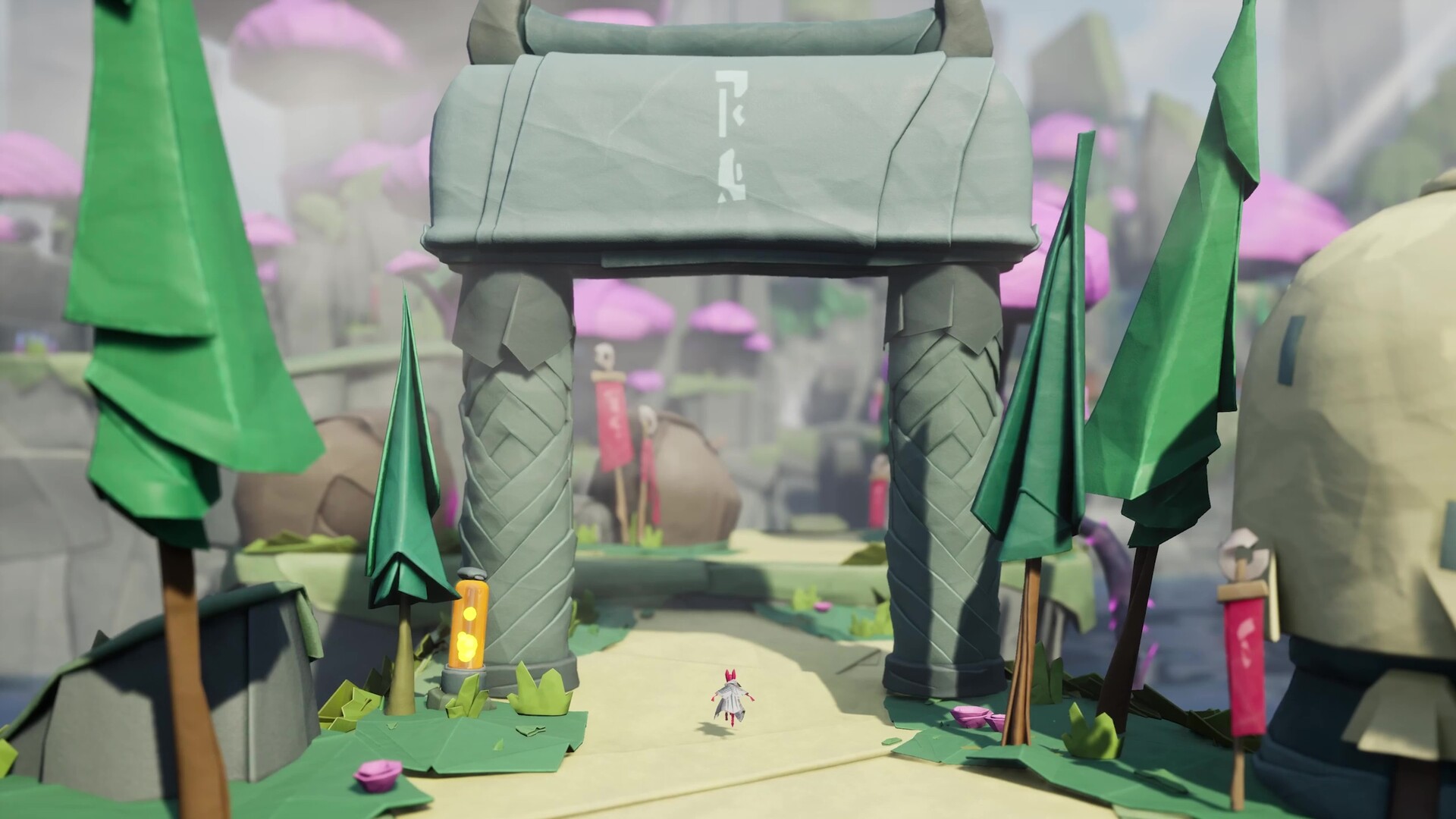
There is a particular kind of invitation, rare in a genre that usually hands you a double jump and a sunny ridge, in waking up as a paper performer and discovering that the entire product is a fold that used to be a world. The village is still a village. The fan is still a fan. The first crease that tries to teach you a lesson is not a metaphor. Hirogami, the 3D action platformer from Bandai Namco Studios Singapore Pte. Ltd. and Bandai Namco Studios Malaysia Sdn. Bhd., is built on that quiet, and the quiet is ruder, prettier, and more useful than a twenty-dollar sheet has any right to be.
I played the PS5 version, the 3 September 2025 launch that Kakehashi Games walked onto Steam, PlayStation, and the Epic store after a demo that already knew how to fold a fan. You wake as Hiro, an enigmatic performer from Shishiki village. You take on animal forms. You cleanse a digital force called the Blight. You bring peace back to a paper land that would rather stay paper. Thirty-five Steam achievements sit in the crease. The Steam purchaser sample is Mixed, 66 percent of 27, which is the honest weather of a quiet launch and not a dare. Great, not huge, and very much a fold I would recommend you open if you like a platformer that knows it is a platformer.
The Paper Does Not Care What Digital Means
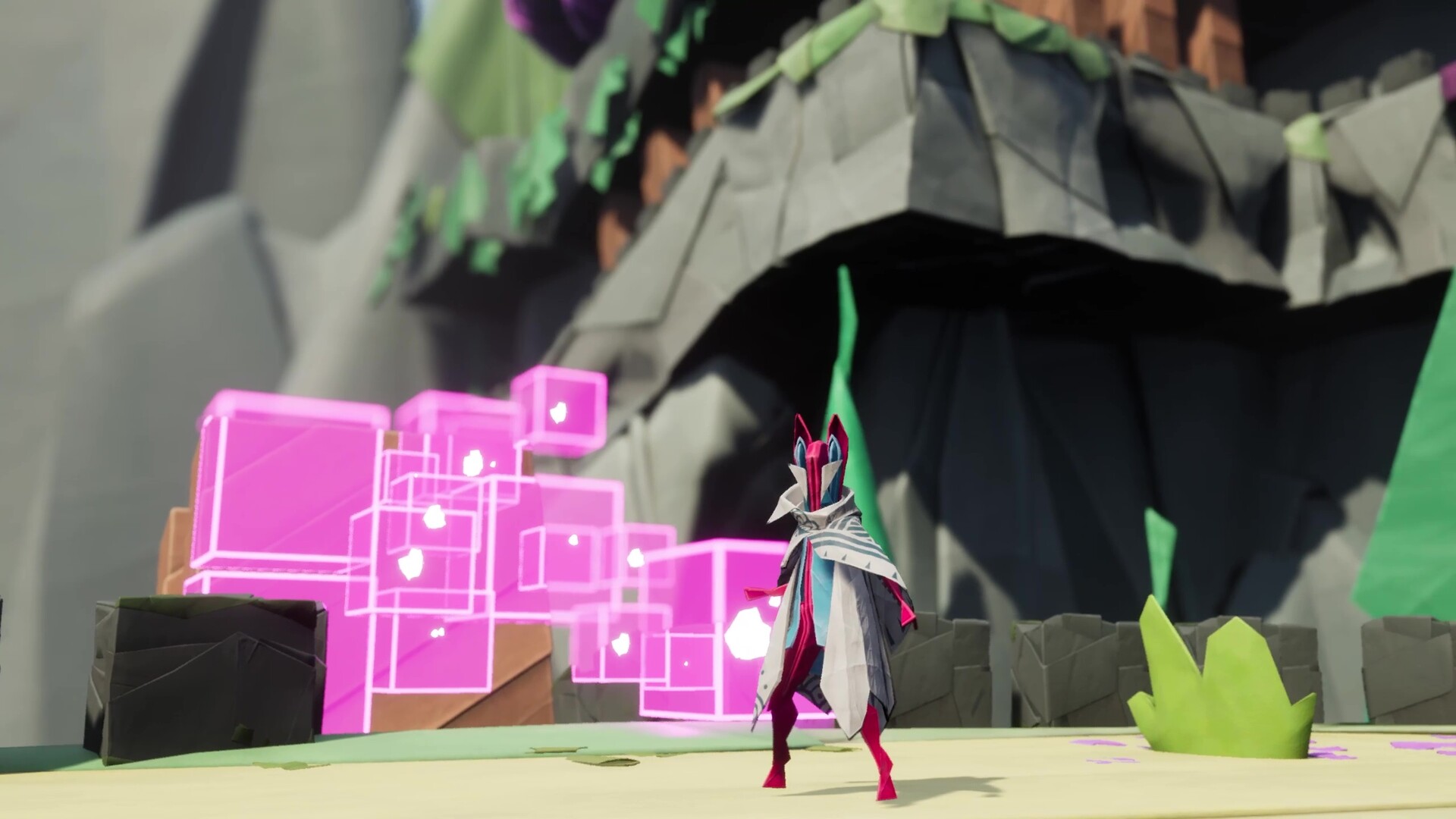
Most action platformers begin with a speech and a surname. Hirogami begins with a crease. Official copy on Steam says this is a 3D action platformer inspired by the ancient Japanese art of origami, then asks you, with the grammar of a person who has already lost the uncreased life, to save a fragile home from deadly digital invaders. You are a performer and a master of folding. Discover new forms. Solve puzzles. Best your foes. That is not flavor text. It is the design refusing to pay for a chosen-one monologue when a sheet of paper will do.
You start folding because the alternative is becoming a rumor in a place that does not keep rumors. The first stretch is staged like a punchline that forgot to be funny. You lift a fan. The village thinks about it. Something digital thinks about you. The script, still a little breathless and still very sure of its papercraft, asks you to cleanse the mind-warped inhabitants of this world. Nobody else will. That is the rest of the map.
I like a premise that prices curiosity as a hazard and then lets you walk toward it anyway. Official copy says a powerful force of digital creatures, the Blight, is invading the world and defiling the delicate natural balance that has held sway for an age. Why are there villages and no quiet. What was that inhabitant before the pixels got in. The more you explore, the more the paper answers with another ledge and another thing that would like a piece of your fan. Story is environmental and stingy, which is the right instinct for a game that wants your hands more than your diary. You are not reading a novel. You are looting a disaster that is still happening, and the disaster is printed on both sides.
The fantasy is not mastery of a lore bible on day one. The fantasy is competence arriving about half a chapter after you invent a habit of becoming something else mid-stride. You will fail in ways that would be funny if the paper were not so sincere. You miss a ledge. You come back. You become the kind of person who thinks a crease is a personality. Hiro does not arrive as a soldier. He arrives as a performer who has decided the show is now a rescue.
Fold a Fan, Then Invent an Animal
The loop is the old religion and Bandai Namco Studios Singapore Pte. Ltd. and Bandai Namco Studios Malaysia Sdn. Bhd. do not pretend otherwise. Run. Fold. Cross. Cleanse. Do it again until the Blight learns manners. None of that is a revolution. All of that is the sentence the rest of the toybox has to live in. Official features ask you to discover new forms to traverse the world, solve puzzles, and best your foes. That is not a costume menu. It is a verb.
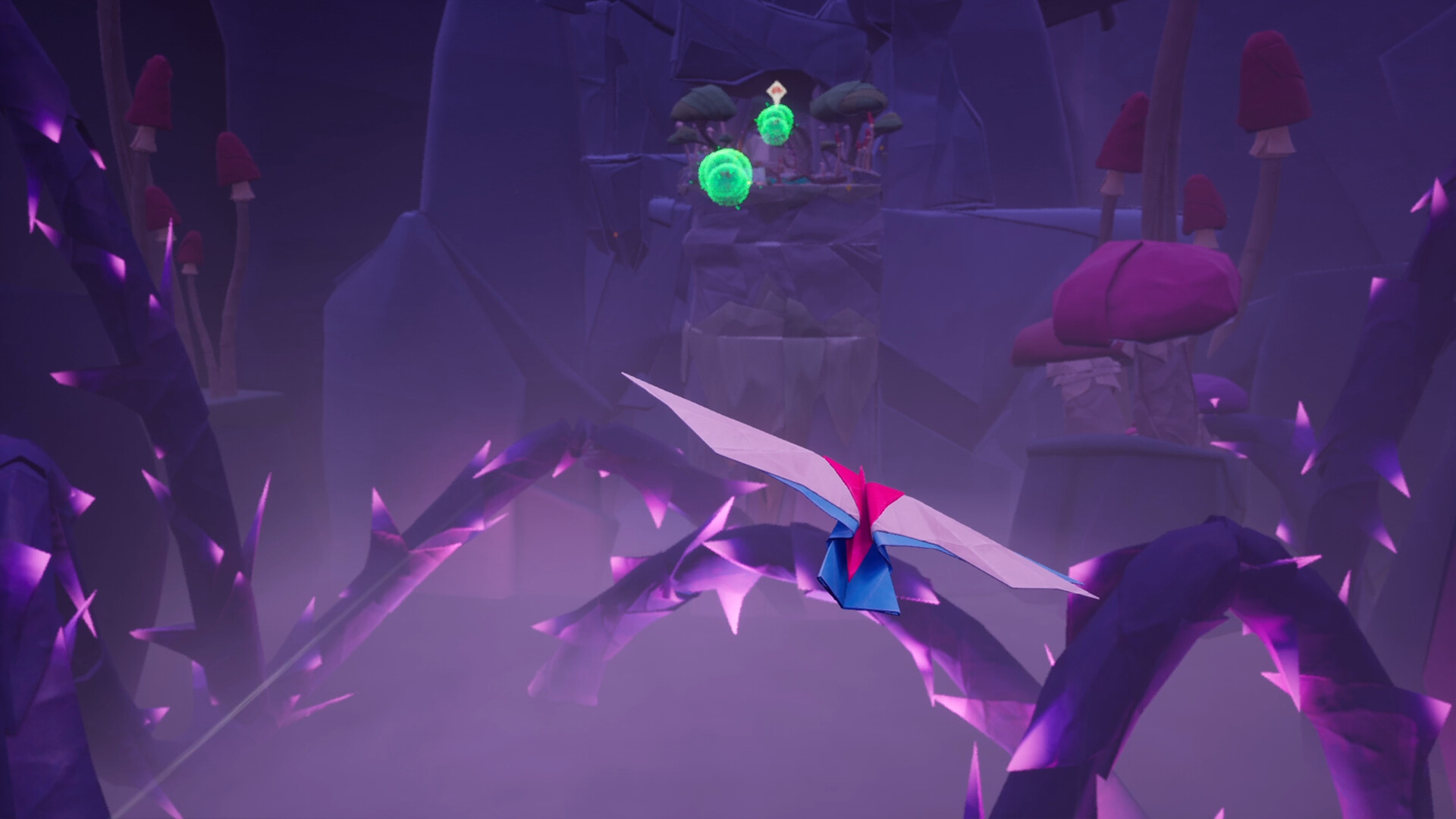
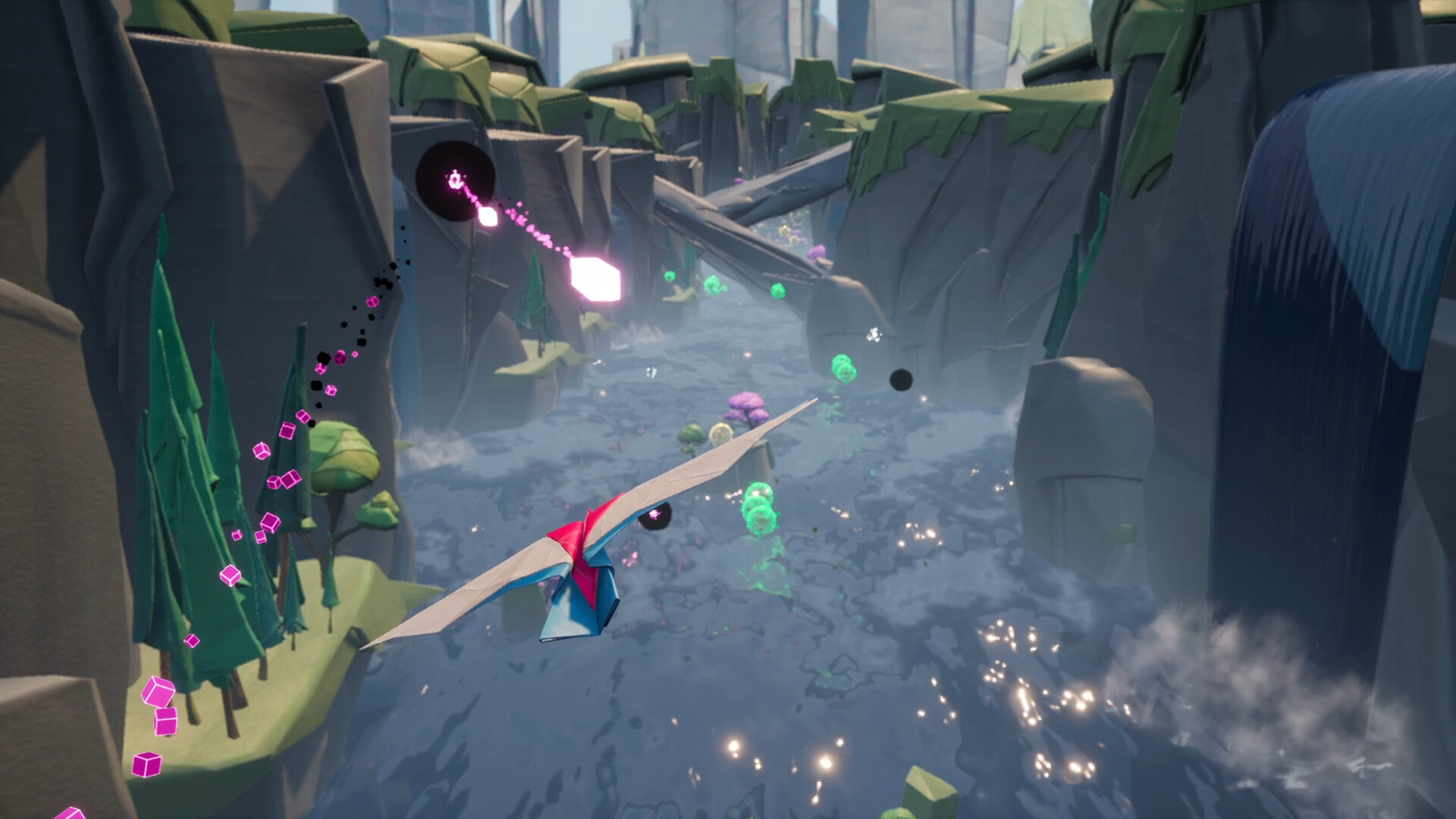
Traversal is physical in the way a good fold is physical. You are not only drowning in abilities. You are looking at a hardy Armadillo that can roll through obstacles and enemies alike, a mighty Ape that can take the treetops and pound pests, and a formidable Frog that can leap to previously unreachable heights, and you are deciding which of them has been useful enough this second. Steam news from the shop later named a fourth form, a Bird, and an achievement called Bird is a plane is a bird sits on the sheet like a receipt. Switching mid-path is the closest Hirogami comes to a power fantasy, and I like it more than a new sword. Mastery, here, is timing.
I have played a lot of games that treat the first form as a tutorial and the tenth form as a spreadsheet. Hirogami is lighter than that on purpose. Official copy says you unfold into a sheet of paper to ride fiery updrafts or to slide under deadly traps, or become a paper plane to traverse dangerous chasms. If you want a loadout that never asks you to flatten on purpose, you will feel underemployed. If you want an evening that turns a crease into a conversation, you will feel hired.
Combat is the other half of the short description and the softer half of a week. Wield Hiro’s paper fan to blow away the Blight, or pound, pummel, or poison them using a litany of papery powers. That sentence is both a promise and a warning. A fan handles the general population of problems. The later, nastier rooms will empty your patience if you treat them like scenery. Getting a hit with actual manners takes a while. Until then, a roll is a strategy, not a cowardice. I left the greedy path on for an evening and the careful path on for another. The paper did not mind. The Blight minded either way.
Armadillos, Frogs, and a Village That Matters

The village is the other half of the pitch and the kinder half of a week. Official copy places Hiro in Shishiki village and then asks him to bring peace back to the land. The mission is not platforming for its own sake. It is a continuation. That shift is the closest Hirogami comes to a grown-up fantasy, and I like it more than a new collectible. Mastery, here, is logistics wearing a costume. You gather, you stash, you fold a ridiculous little armadillo over a place that tried to eat your landing last chapter, and you arrive like a person who has mail.
An NPC voice will ask you to cleanse things if you would like the fantasy of purpose without a city. Places and paper will take the junk you have been tripping over and turn it into a history. Those two voices keep the world from feeling like a nature documentary that learned to punch. They are not a capital. They are a reminder that someone else survived long enough to leave a fold. I sold minutes I was sure I needed and then needed them, which is the oldest platformer joke in the book and still a good one.
I will not invent a highlight reel with fake timestamps and tidy chapter counts. The nights that stay with you are the ones where you thought the path was finished, then something started knocking in a rhythm that was not wind, and then you were on the wrong side of your own architecture. Combat can feel like two pieces of paper agreeing to take turns being disappointed. That softness is real. It is also priced into an action loop that would rather you fold, retreat, and come back dressed. Distance helps. A working form helps more.
The Armadillo is the commute. The Frog is the argument with height. The Ape is the reminder that a tree is a hallway if you insist. The Bird, once it arrives, is the joke the map has been telling since the first chasm. None of them change the central truth. You are here to fold a land back into itself and then find out what the land is for.
Planes, Updrafts, and the Map Getting Smaller
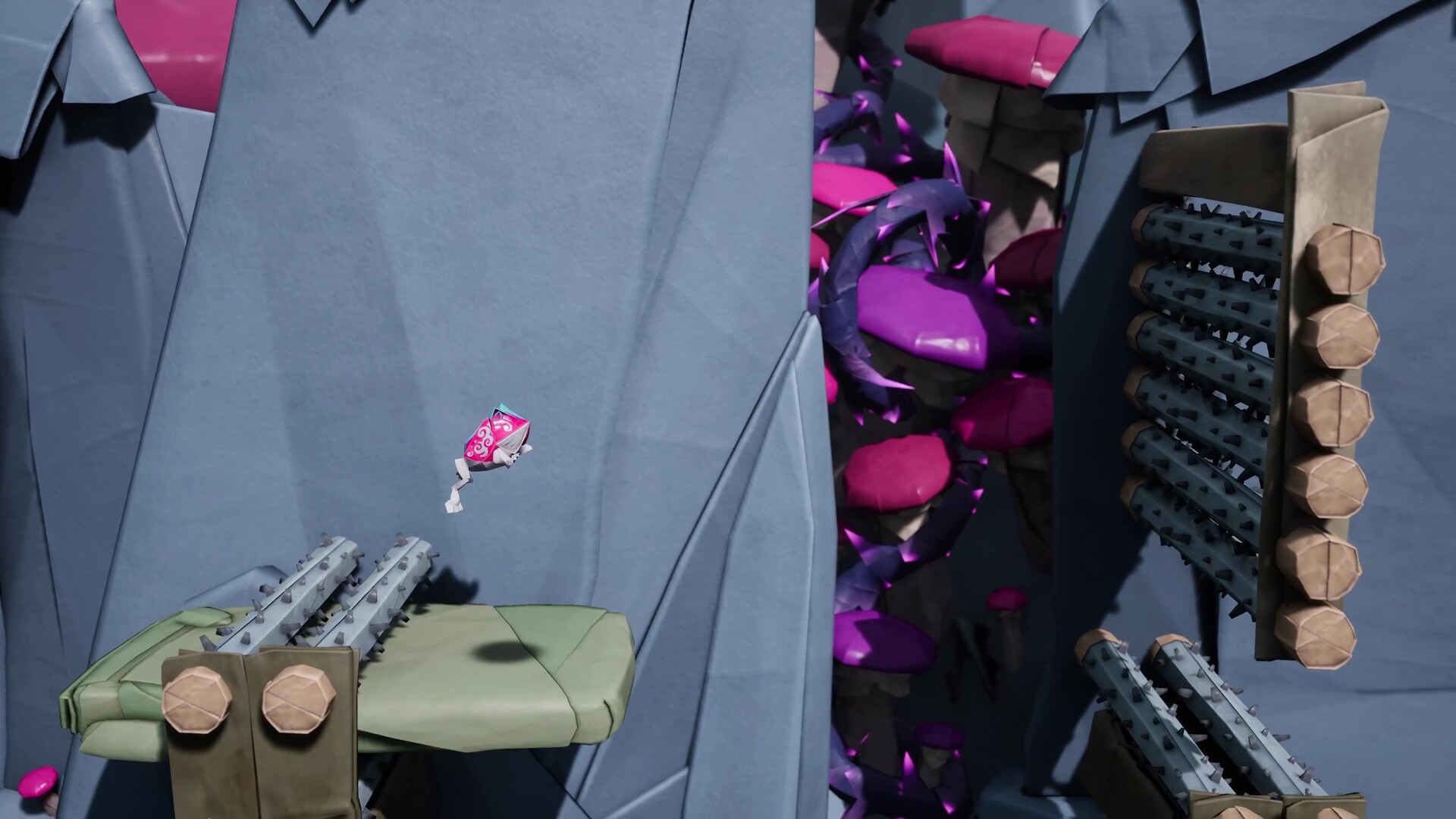
Pressure is the variety. A ledge that holds is a better reward than a new silhouette if the silhouette is just another way to miss a landing. Hunting secrets is good practice and a grocery run. Official copy says explore every nook and cranny and discover all the world’s hidden secrets. Sparks happen. The store page is not shy about it. What the store page cannot tell you is how quickly you will start treating a successful fold as a mood stabilizer. You eat air. You drink updrafts. You put the fan down and look at a village like a person who has decided civilization is a craft table.
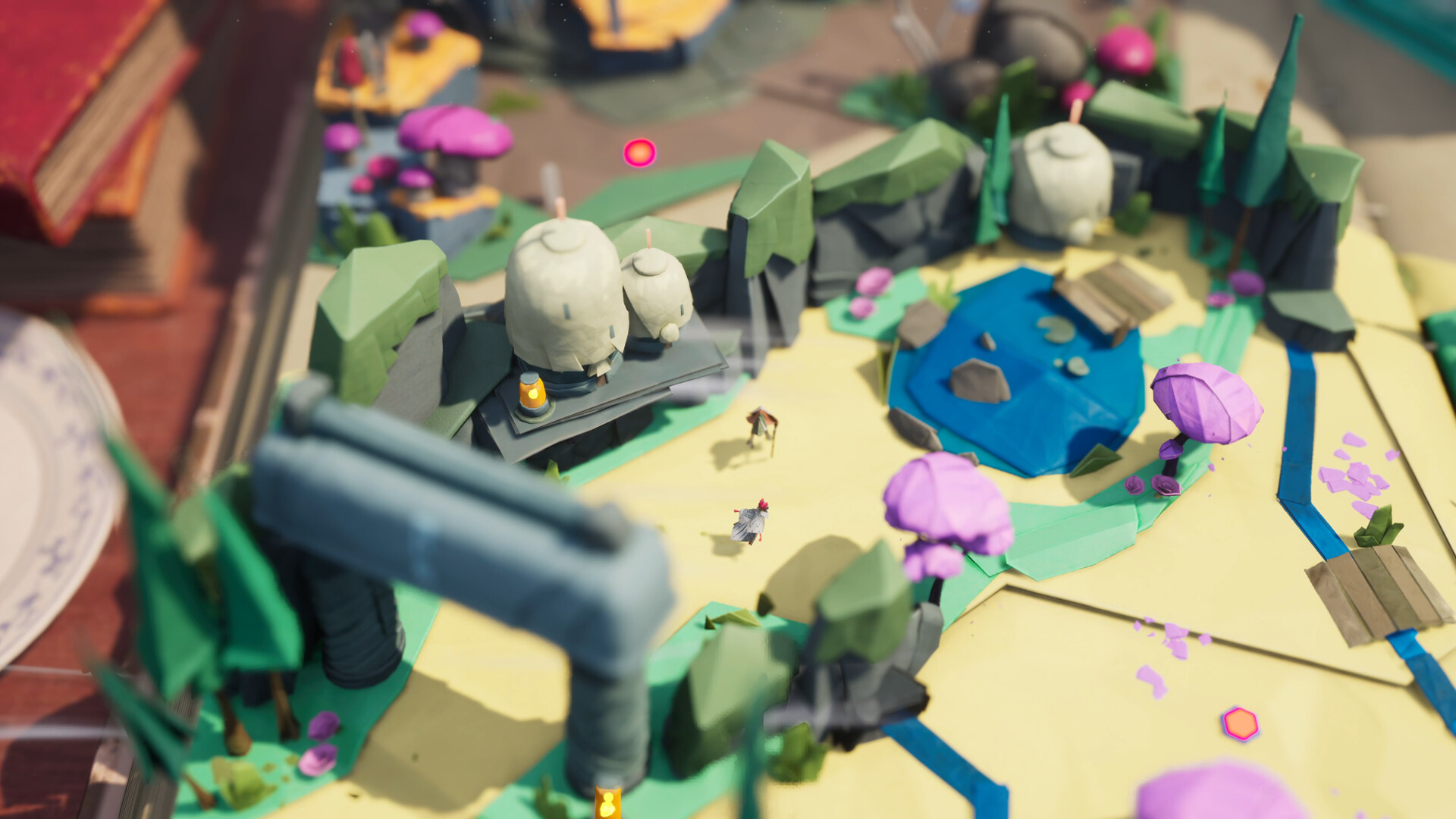
The world has history if you will walk toward it. Official features list animal forms, paper sheets, paper planes, and a soundscape composed using traditional Japanese instruments and styles, specially crafted to evoke the variety of themes, characters, and settings of Hirogami. The story is uncovered through places, inhabitants, and the remains of a balance that tried to outlive its own invaders. I like a map that prices curiosity as a hazard and then lets you fold toward it anyway. Some rooms are handsome. Some rooms are a commute. Both rooms are the job.
The shop later wrote the length with the candor of a team that has already lost the argument with a sprawling map. Ten chapters of papercraft platforming. Four unique origami animal forms. Collectables and achievements that unlock rewards in a Gallery. That sentence is both a promise and a warning. If you want a year of biomes, you should look elsewhere. If you want a place that is already a place, and a weekend that can turn into a few weekends if you like being a coordinated disaster in paper, you are the audience.
Thirty-five achievements sit behind the loop for people who like a receipt. Names like Rock and Roll, Ribbityy, Ape come swinging, and Bird is a plane is a bird tell you the shop has a sense of humor and is not ashamed of it. Shining shiny and Jingle jingle sit further down the list like a gallery that wants you to come back dressed. None of them change the central truth. You are here to raise a fold and then find out what the fold is for.
Handmade by Design, Soft by Habit

I should be clear about the friction, because it is real and it is not a footnote you hide after the score. Hirogami looks like a game that was built by a small shop that wanted an adventure more than a showcase, then discovered the adventure was a whole paper country. Landscapes can be handsome. Animations can be stubborn. A swing can arrive a half-second late to its own impact. Performance can sulk when a late chapter decides to remember itself. I will not invent a frame census. I will say the paper sometimes forgets to stock the snap you need and then shrugs like weather.
Technical manners can stutter when a late-game point of interest decides to be a theology problem. Enemies can get philosophical in a doorway. Hits can land with the conviction of a greeting card, which is a sentence no designer writes for fun. The Mixed Steam purchaser sample is not a mystery if you have spent an evening asking a fan to do a sword’s job. None of that is unique to this fold. All of that is the tax on a handmade action platformer that launched in September 2025 and is still explaining itself in 2026.
Presentation is readable, which matters more than prestige. You can tell a village from a blighted ridge from a chasm at a glance. If you cannot read a biome, the hunt dies and the fold becomes homework. These spaces are atmospheric enough to carry a scare and clear enough to carry a plan. You always know where you are. You do not always know why a digital creature is already there.
English is the Steam language with a long list of interface cousins, which is how a wider audience gets in the door. Full controller support is on the sheet. I will not turn this into a localization seminar. The voice of the game is the paper, and the paper talks in fans, weather, and the occasional digital knock.
The developers wrote the terms of the toybox with the candor of a shop that would rather be pretty than cruel. A demo sits on Steam for anyone who wants to fold a fan before they buy the rest of the village. Family Sharing and Steam Cloud sit on the sheet. Single-player is the whole offer.
Better With a Fold Than With a Checklist
I have a rule for mid-priced platformers. If a game is worse with a fold than with a checklist, it is broken. If it is only good with a fold, it is honest. Hirogami is honest, and that honesty should sit next to the price.
A checklist night is a competent weekend. You punch the ridge, you invent the animal, you miss a ledge, you fold back, you put a better crease on the joke. A fold night is the version the systems were quietly designed around. Someone farms updrafts. Someone planes. Someone learns, too late, that the Blight does not respect architecture. The paper becomes a shared instrument you play with yourself instead of a commute.
The Steam sample around a game this quiet is always going to look like weather. Mixed is the official purchaser report, 66 percent of 27 Steam voices, and that split is fair. The English sample is kinder, Positive, 81 percent of 32, with 44 reviews across languages and a Mostly Positive 80 percent if you count every tongue. Players who wanted a deeper scrap, a harder hit, or a combat economy that never hides the softness bounce off. Players who wanted a 3D action platformer with a fan and a bad idea about animals stay. I am in the second camp with caveats, which is the only honest place to stand.
Compared with the giants of the handmade-world business, Hirogami is not trying to be a career you finish this week. It is trying to be a place you keep returning to. The shop said the quiet part on the store page. A beautiful origami world. A mystical journey. Fun if you will meet the game where it lives.
Nineteen dollars and ninety-nine cents on Steam buys you ten chapters, a village argument, and a platformer that knows it is a platformer. Kakehashi Games later set that ask as the base price, which is the shop doing the unglamorous work of meeting the length it actually shipped. That is not a dare. It is a receipt. If you want a polished 2025 original with a thicker punch, you should look elsewhere. If you want a place that is already a place, with better paper than the last time a digital invader tried this joke, you are the audience.
Still Standing After the Crease
Hirogami is a rare mid-priced platformer that understands its own joke and then has the nerve to make the joke a village. Bandai Namco Studios Singapore Pte. Ltd. and Bandai Namco Studios Malaysia Sdn. Bhd. built a paper about purpose, a fan about teamwork you do with an animal, and a toybox that looks a little homemade and plays a lot more sincerely than that sentence suggests. The loop is the hook. The forms are the spine. The walk from a crease to a cleansed land is the grin.
It is better with a fold than with a checklist. The late rooms can clunk in the way a handmade scrap is clunky. Combat can sulk. The presentation has indie fingerprints, from the stubborn animations to the story that would rather be a place than a cutscene. All of that is true, and all of that is already priced in at $19.99 on Steam. You are not buying a decade. You are buying a season that can turn into several evenings if you like being a coordinated disaster, or being the person who has to explain the disaster to a frog.
I am scoring it 8, Great, because the identity is this clear and the limitations are the limitations of a focused paper adventure, not an empty one. I would recommend it to anyone who likes a fold that has weight and a map that is allowed to be rude. Distinctive origami weather, a village that shrinks the horizon, a fan that turns salvage into conversation, and a price that respects a long week are a lot of game for the ask. The systems repeat their manners. The manners are still useful.
The paper is still out there, still hiring a night shift, still asking what a village was before the pixels arrived. After a few chapters, you will understand why the job is not finished, and why you keep waking up in Shishiki anyway.
We prepared this review with a digital copy of Hirogami for the PS5 version provided by Pressengine.