
Remedy Entertainment spent a generation teaching us that a Finnish studio can make a hallway feel like a novel. FBC: Firebreak is the first time that same shop has asked us to clock in with two other people, pick a Crisis Kit, and treat the Oldest House like a workplace that is still on fire. It is a three-player cooperative first-person shooter set in the Control universe, developed and published by Remedy itself, and it is not Control 2. It is the Bureau’s first-response unit, dropped into a years-long siege, trying to contain paranatural crises before the building finishes eating the org chart. I played the PlayStation 5 version of the June 17, 2025 launch, listed at $39.99 on Steam, Epic, PlayStation 5, and Xbox Series X|S. I am scoring it 8.5, because a studio famous for single-player stories built a session-based job that still looks like Remedy, and because the chaos is funnier than a spin-off deserves.
Volunteer Badges in a Building That Eats Maps
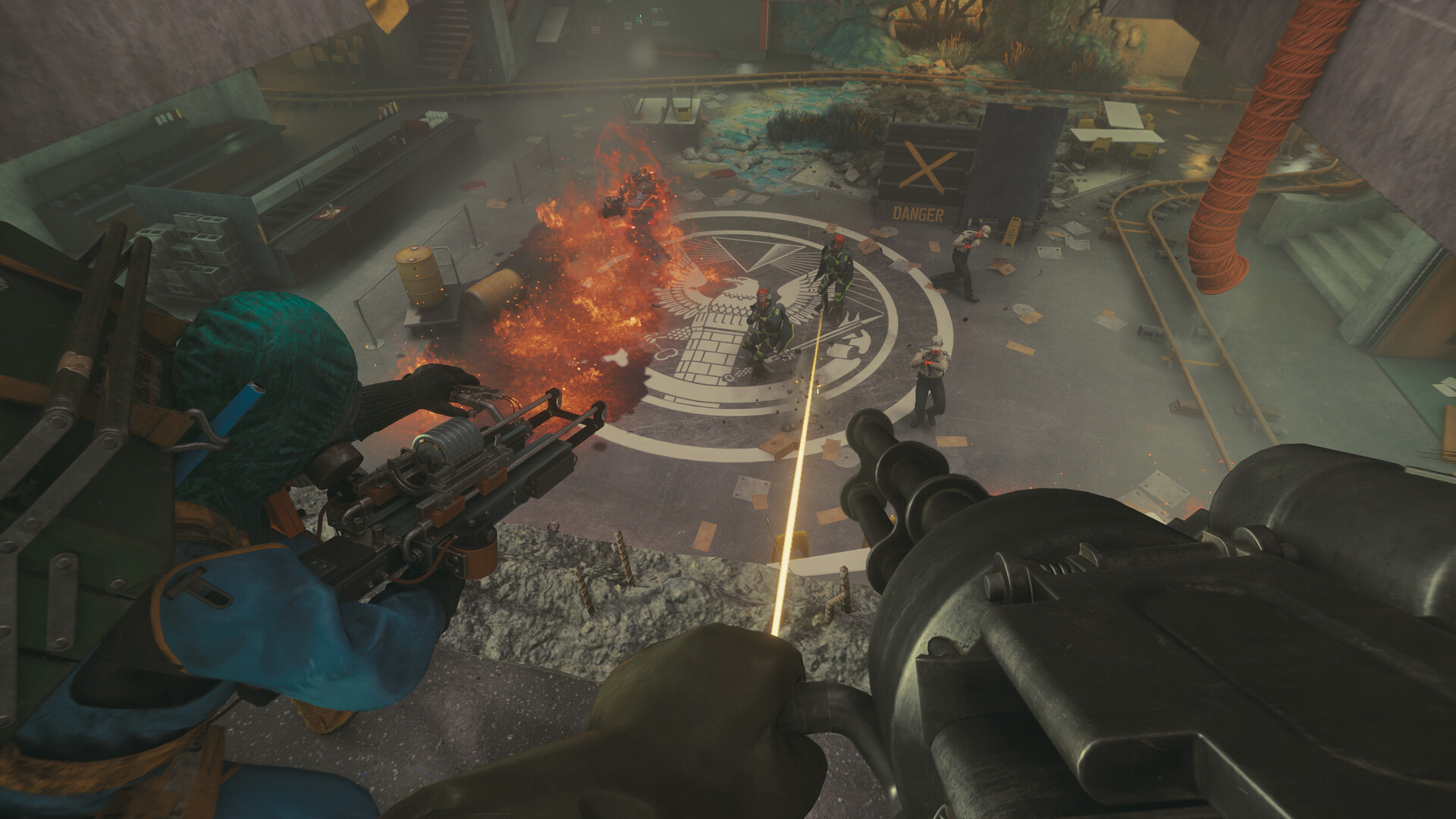
The pitch is rude in its clarity. The Federal Bureau of Control has been under assault by otherworldly forces for years. Headquarters, the Oldest House, has reached a breakpoint. Firebreak is the unit with the gear and the guts to go back in, restore order, contain the chaos, and fight to reclaim control. You are not Jesse Faden on a mythic errand. You are a volunteer first responder with a badge that looks like it was laminated in a hurry, and the house does not care that you showed up on time.
That distinction matters. Control asked you to become the Director and then made the building a character that argued with you. Firebreak asks you to be the night shift that the Director still needs. Official copy is honest about the invitation. Return to the strange world of Control, or walk in for the first time, in a standalone multiplayer experience. Discover the headquarters from an entirely new perspective as a team that will stop at nothing to save what is left of the Bureau. The sentence is corporate until you are inside it, then it is a joke about overtime that learned how to levitate office supplies.
I like a premise that treats heroism as a work order. The House is still brutalist, still extradimensional, still willing to rearrange a floor because a ritual got bored. The Hiss is still a resonance that would rather be a choir than a polite invasion. Firebreak’s answer is not a monologue. It is three people in a lift, arguing about who brought the wrench. The Bureau has always been funny in the way a well-run cult of paperwork is funny. This game just lets the joke wear a hard hat.
You deploy into Jobs, not chapters. Each Job is a crisis with its own objective, its own slice of the House, and its own idea of what “containment” means today. Paper Chase, the one Remedy has been happy to show, sends you into the Executive Sector to destroy sticky notes that have decided to be an organism. Hot Fix, Freezer Duty, and Frequency Shift keep the same grammar and change the weather. Threat Level sets how loud the combat wants to be. Clearance Level sets how long and how tangled the crisis is allowed to get. That is a cleaner pair of dials than most live games bother to print, and it is the first sign that the studio understood the difference between a campaign and a shift.
Paper Chase and the Jobs That Refuse to Stay Put
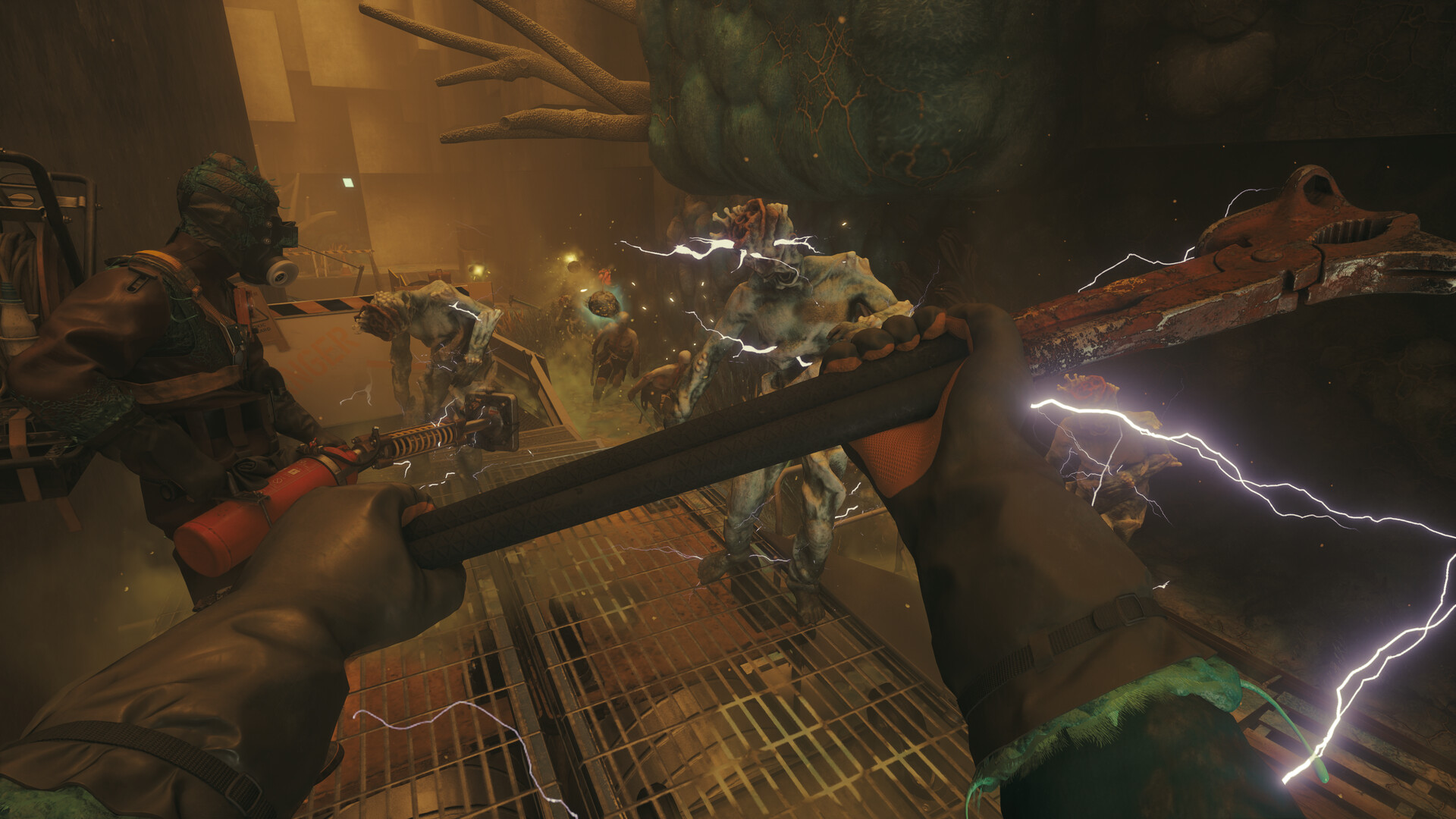
Paper Chase is the mission I keep recommending to people who think a sticky note is a harmless object. It is not. The notes colonize walls, huddle in piles, and eventually assemble themselves into Sticky Ricky, a boss that looks like a performance review learned how to walk. Water soaks them. Shock pops the soaked ones. Fire will do in a pinch. If too many notes land on you, your visor becomes a scrapbook and then you go down, or worse, you start shuffling like the furniture. A shower, a sprinkler, or a friend with a hose is the difference between a clean extract and becoming the next pile.
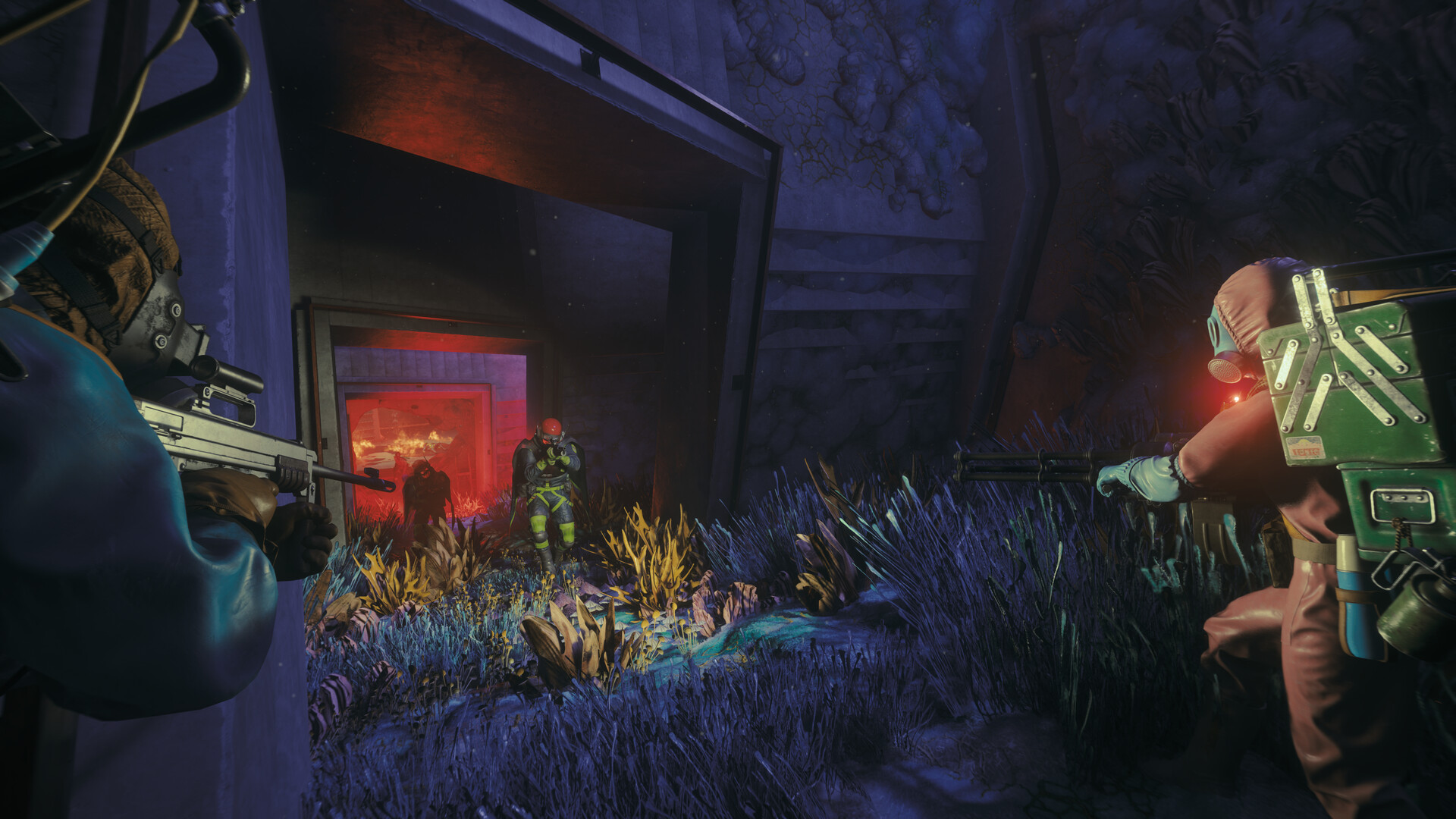
That is the design in miniature. A Job is a unique crisis, not a reskin of last night’s corridor. Official language talks about raging paranatural crises across unexpected locations, and the shop is not being cute. One shift you are chasing paper through executive carpet. Another you are keeping machines alive, or arguing with cold, or trying to make a frequency sit still. The Hiss shows up to hinder the work because the Hiss has never needed a better reason than resonance. Objectives change the way you look at a room. A photocopier is no longer set dressing. A sprinkler is a tool. A garden gnome and a piggy bank are not Easter eggs so much as Bureau-approved improvisation, which is the most Remedy sentence I have written this year.
Replay is the actual product. Session-based PvE lives or dies on whether a second run feels like a second shift, not a second loading screen. Clearance Level stretches a Job without turning it into a homework packet. Threat Level turns the same floor into a louder argument. The best nights are the ones where your crew already knows the joke and then the House adds a verse. The weaker nights are the ones where you realize you have already washed this wallpaper, and the sticky notes are still the same species of rude.
I should be clear, because honesty is part of the score. The launch roster is not a continent. It is a well-made week of work with room to grow. Remedy has said it will keep adding Jobs after launch, that the playable additions are free, and that cosmetics will not be the tax that buys you a better wrench. That is the right posture for a first self-published game from a story studio. If you need a bottomless live slate on day one, you will feel the edges. If you want a handful of crises that are actually designed, you will feel hired.
The House helps the repetition more than a new skybox would. You can tell an executive warren from a plant room from a freezer that has opinions. Northlight still photographs concrete as if concrete were a religion. When a Job rhymes, it rhymes in a place you still want to stare at. That is the reason I kept queuing anyway. A crisis that takes place in a boring building is a checklist. A crisis that takes place in the Oldest House is a story you tell in voice chat, even when the objective is “please stop the stationery.”
A Wrench, a Spark, and a Hose With Opinions
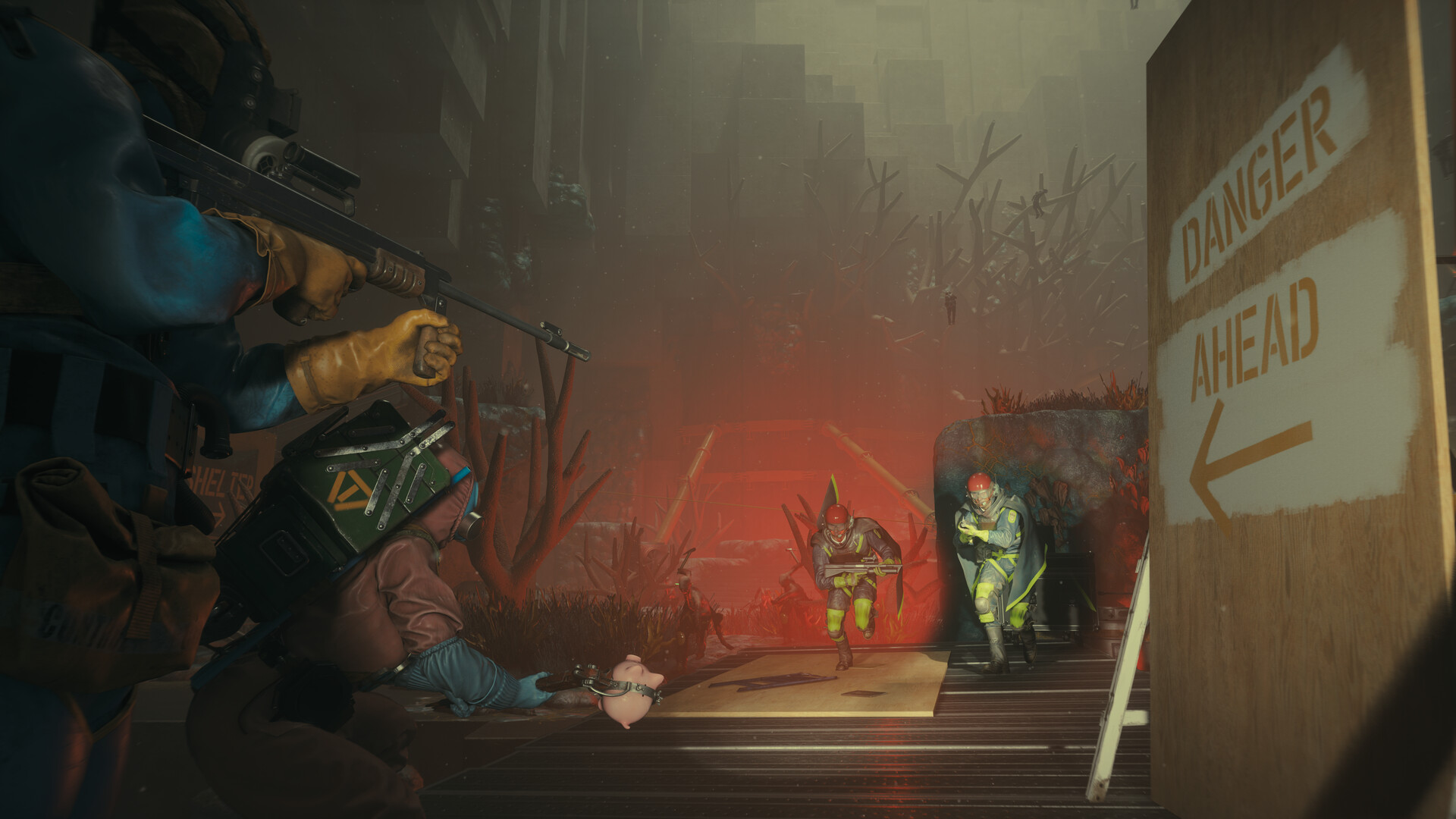
Before you deploy, you pick a weapon and then you pick the thing that actually defines the shift: a Crisis Kit. Official copy promises specialized tools, grenades, support items, and paranatural augments, then asks you to modify them until the loadout starts answering the Job. There are three kits, and they are not fashion. They are jobs inside the job.
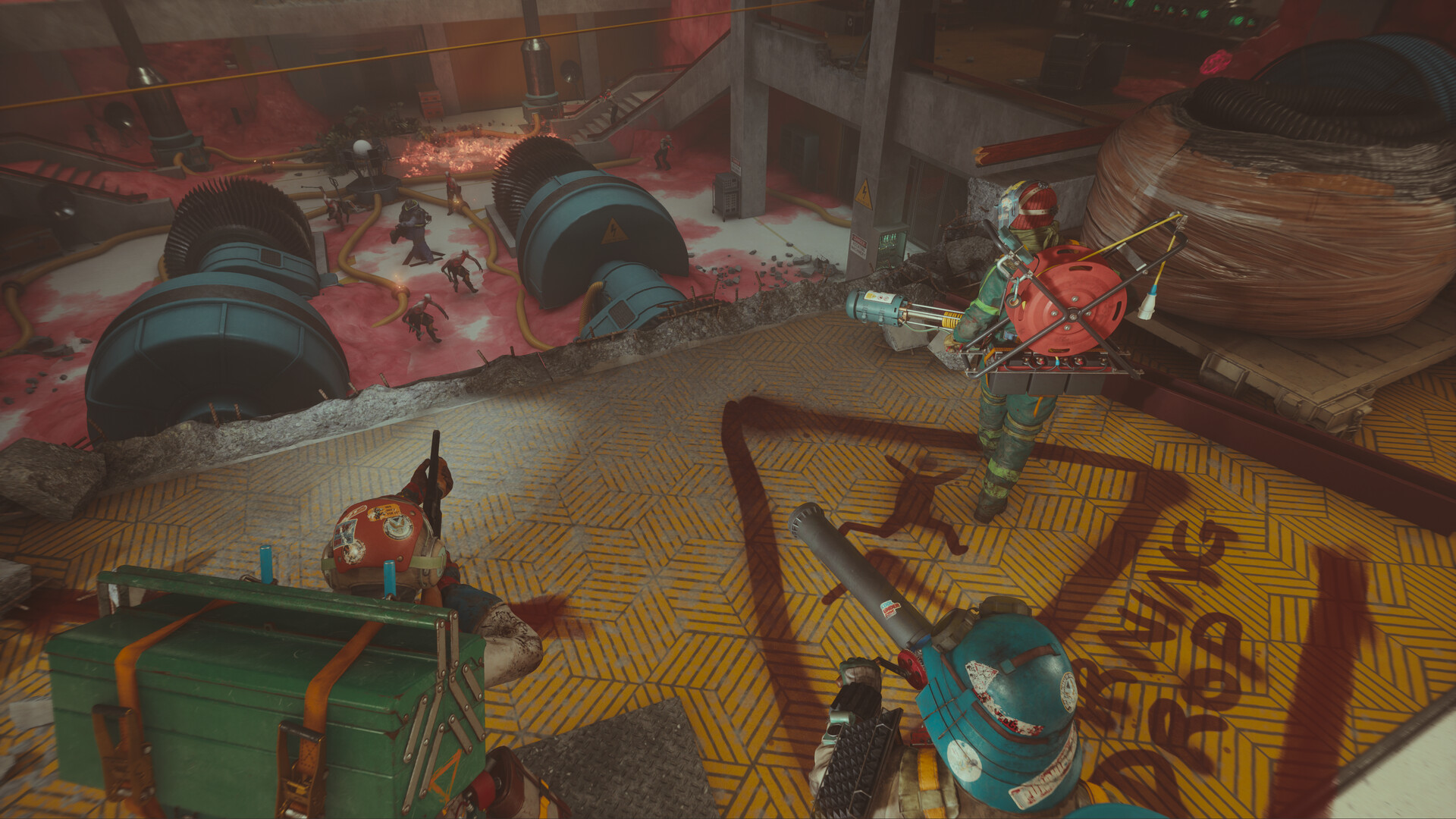
The Fix Kit is a large wrench and a philosophy. You repair what the House has decided to break, you keep the useful machines alive, and you become the person everyone is quietly grateful for until they need a jump. The Jump Kit is the Electro-Kinetic Charge Impactor, a tool that behaves like a defibrillator that went to trade school with a pogo stick. It powers devices, shocks what is wet, and turns a soaked pile of notes into a chain reaction. The Splash Kit is the Crank-Operated Fluidic Ejector, a serious hose for an unserious building. It soaks enemies and surfaces, extinguishes fires, and washes the worst status effects off your crew. Paper Chase loves a Splash and a Jump in the same lift. Most Jobs love a Fix who remembered to show up.
Synergy is the whole toy. Water plus spark is not a hidden combo you find in a menu. It is the sentence the kits were written to say. A Fix who restores a sprinkler is writing a punchline for the Jump. A Splash who keeps the crew clean is buying the Fix another thirty seconds of usefulness. Grenades and support items fill the gaps when the unique tool is looking the wrong way. Augments tilt a kit toward a habit you are starting to like. You can swap kits between Jobs, and sometimes mid-crisis, which is the shop admitting that stubbornness is not a build.
I have a soft spot for loadouts that make you feel useful without making you feel like a class fantasy from 2004. Nobody here is the tank in a cape. Nobody is the healer with a hymn. You are three federal employees with incompatible toys, and the House is the exam. Improvising with whatever is on hand is not flavor text. It is how a sprinkler becomes a strategy and a shower becomes a medical plan. When the official copy says survival hinges on quick thinking and seamless teamwork, it is describing the moment your Jump waits for the Splash to finish the hallway, not a loading-screen proverb.
Three Radios and a Friend’s Pass
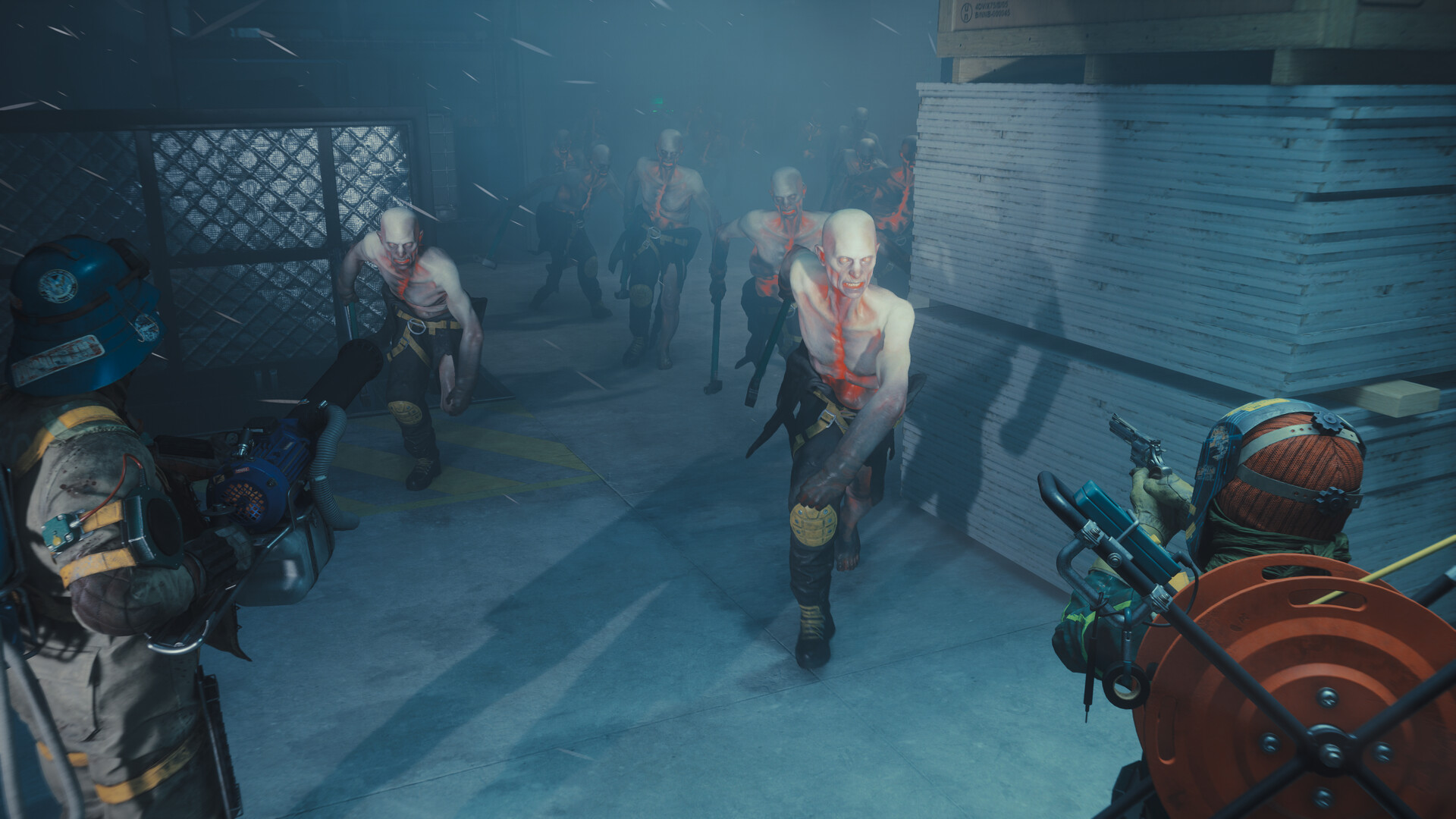
Three is the correct number. Two makes a Job feel like a dare you are too polite to fail. Four would turn voice chat into a committee. Three is a crew: one person on the objective, one person keeping the floor from eating the first person, one person making a bad decision that accidentally works. Official copy invites friends or strangers. The game means both. Matchmaking will hand you a volunteer who treats the wrench like a suggestion.
Friend’s Pass is the grown-up feature in the shop window. Buy the game and you can invite people to play the full thing with you, across platforms. That is not a demo with a leash. That is Remedy understanding that a three-player cooperative shooter dies in the week when your friends refuse to buy a mid-priced experiment. Cross-platform play keeps the lift from becoming a platform argument. Day one access on PC Game Pass, Game Pass Ultimate, and PlayStation Plus meant a lot of people could try the job without a lecture about value. The $39.99 list price is the honest one to print. The pass and the subscription windows are how a first self-published Remedy game avoids becoming a private club.
Communication is the real difficulty slider. A quiet trio can still clear a low Clearance if someone understands water and shock. A loud trio can fail a simple extract because everybody brought a personality and nobody brought a Fix. I like that the game does not nag you into being a hero. It nags you into being useful. The best sessions are short stories. You drop, you contain, you extract, you argue about who forgot to wash the notes off the medic, you queue again. The worst sessions are the ones where a stranger treats the Oldest House like a deathmatch lobby and then wonders why the stationery won.
Northlight Makes the Filing Cabinets Look Haunted
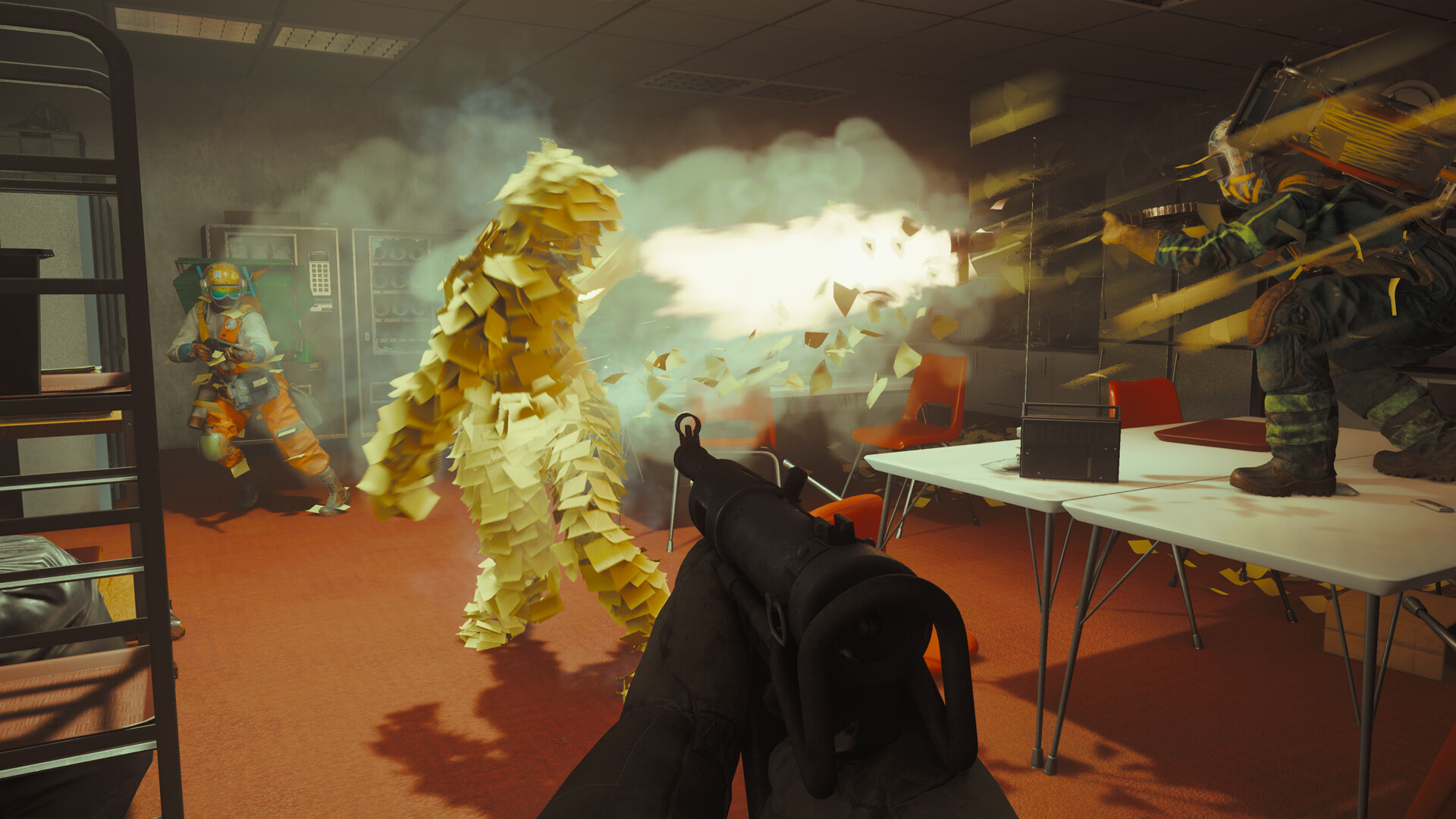
Presentation is the identity you cannot craft in a loadout menu. Remedy’s Northlight engine has always been good at making a mundane object feel like it is hiding a ritual. Firebreak spends that talent on a federal interior that should be boring and is not. Light falls on concrete the way a warning falls on a form. Glass does the expensive thing. A stack of binders can look like a threat even before the binders start moving. If you have been in the Oldest House before, the recognition is physical. If you have not, the building still teaches you its manners in a corridor or two.
This is the part of the review where a lesser spin-off would have looked like a mobile port of a better game. Firebreak does not. Faces inside a helmet, the scuff on a kit, the way a sector changes temperature when the Hiss arrives, all of it reads as the same shop that made Control feel like a photograph of a secret. The camera is closer and ruder, because you are a first responder and not a Director on a myth walk, but the House still has the same posture. Brutalism with a pulse. Offices that remember other offices. A sky that is not always a sky.
Sound does the other half of the hospitality. A Job has a hum before it has a gunfight. Sticky notes have a ridiculous audio identity that becomes less funny the third time they try to kill you. The Hiss still sounds like a frequency that wants a congregation. Tools have weight. A wrench should sound like a wrench. A hose should sound like a hose that was not designed for combat and then was. Music knows when to stay in the vents. Remedy has always been good at letting a space talk. Here the space talks in fluorescent buzz, containment alarms, and the occasional object that should not have a voice.
I care about this more than I care about a new muzzle flash because the world-building is the reason to stay after a Job starts repeating its jokes. A session-based shooter in a generic lab is a playlist. A session-based shooter in the Oldest House is a reason to keep the headset on. The studio known for single-player stories did not abandon atmosphere to make a service. It built the service out of atmosphere, then handed you a wrench. That is the impressive part, and the part that makes the thinner roster more obvious.
The Thin Roster After the Siren
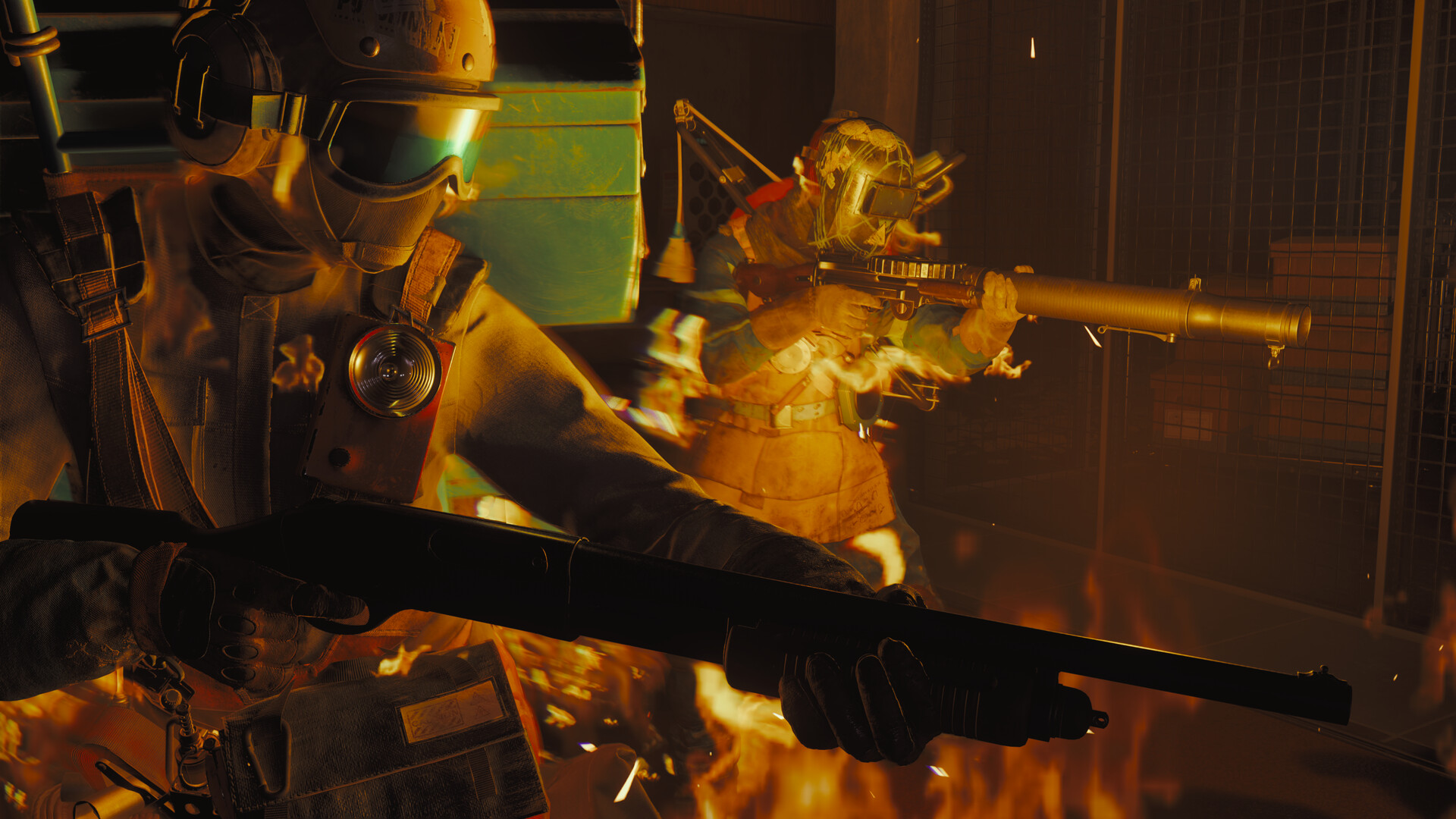
House-positive does not mean house-blind. Firebreak is a recommendation with a receipt. The receipt says the launch set of Jobs is smaller than the building it occupies. You will learn the jokes. You will learn the sprinkler. You will have a night where Paper Chase feels like a beloved sitcom episode you have already quoted. Live-service thinness is real when the fantasy is “the whole House is on fire” and the menu offers a well-made handful of fires. Remedy’s promise of free post-launch Jobs, including more work after 2025, is the correct promise. A promise is not a sector you can deploy into tonight.
Repetition is the tax on any session game that is honest about its verbs. Soak, spark, fix, extract. The verbs are good. They are not infinite. Kits deepen as you modify them, and a higher Clearance will make a familiar floor feel less polite, but the loop is still the loop. If you come from Remedy’s single-player work expecting a new myth every hour, you will be annoyed that the myth is a job board. That annoyance is fair. This is a standalone cooperative shooter. It is not the next Control campaign wearing a multiplayer hat, and it should not be reviewed as if it failed to be that campaign.
Systems around the Jobs are serviceable and occasionally shy. Progression exists so a second week feels different from the first. Cosmetics exist so a crew can look like a crew. The shop has been explicit that paid items are not supposed to buy you a better crisis, and that there will be no daily login leash. I believe the posture. The shooting can feel modest next to specialists who only make shooters. None of that sinks a shift. All of that keeps the score out of the nines.
Final Thoughts
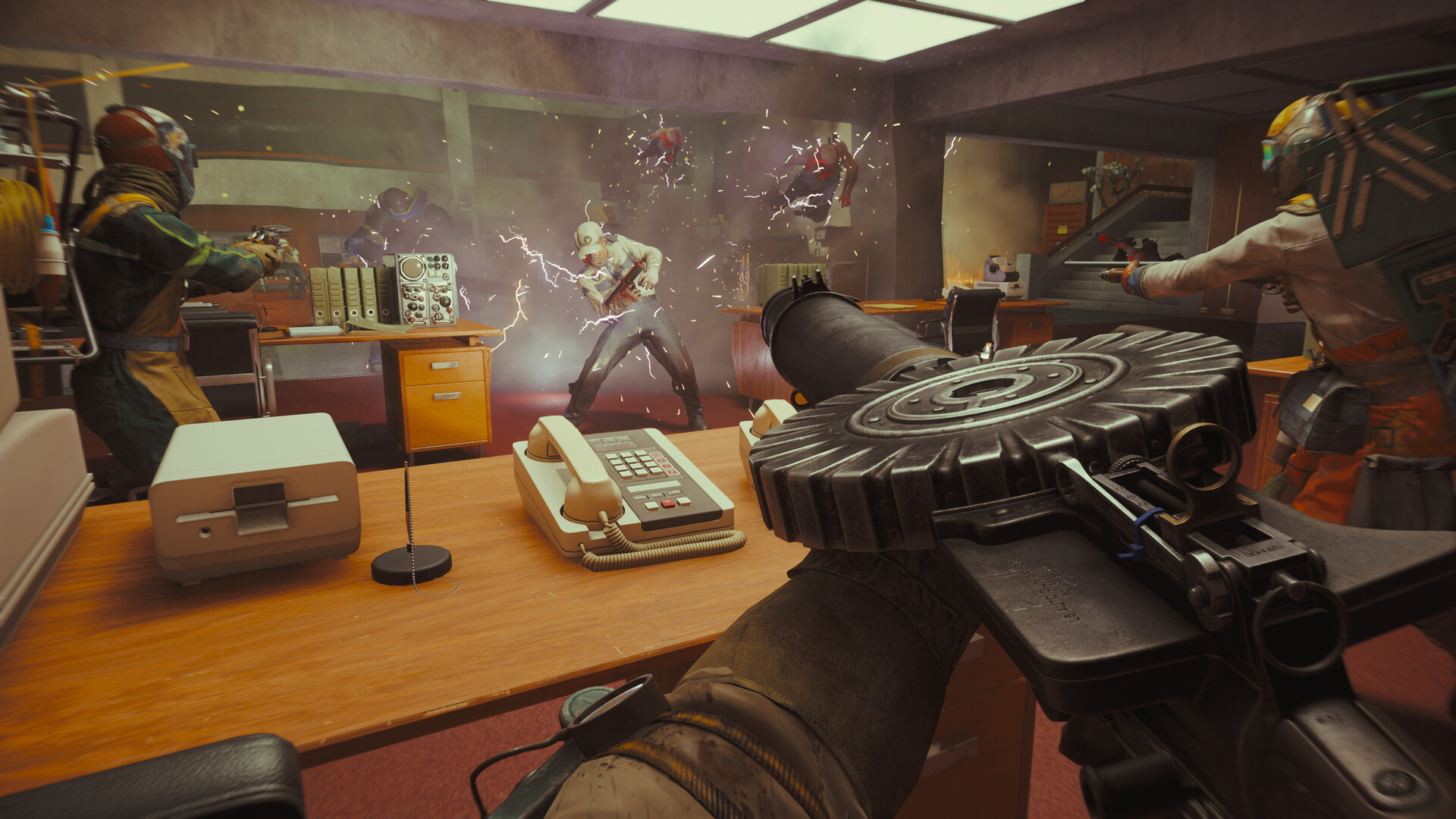
FBC: Firebreak is the rare spin-off that understands its own joke and then has the nerve to make the joke a job. Remedy Entertainment, publishing itself for the first time, built a three-player cooperative shooter about first responders in a house that never clocked out. The world-building is still the star. Northlight still makes bureaucracy look dangerous. The Crisis Kits still turn a hallway into a conversation. The chaos is still the reason you invite two people and a Friend’s Pass into the lift.
It is better with a crew that talks than with a silent queue. The launch roster is thinner than the Oldest House deserves. Jobs rhyme. The live layer is a foundation rather than a skyline. All of that is true, and all of that is already priced into an 8.5 from a studio that decided a session-based Bureau job was worth leaving the single-player camera on the table. You are not buying a new myth. You are buying a workplace that can turn into several evenings if you like being useful in a building that eats usefulness, or being the person who remembered the hose.
I am scoring it 8.5 because the identity is this clear and the limitations are the limitations of a focused first shift, not an empty one. I would recommend it to anyone who wanted to walk the Oldest House with friends, and to anyone who has never been there and is willing to learn the House as a job site instead of a cathedral. Distinctive federal weirdness, kits that make teamwork feel like a tool, a launch price of $39.99, and a Friend’s Pass that treats your social life like a feature are a lot of game for the ask. The systems repeat their manners. The manners are still useful.
The House is still out there, still hiring a night shift, still asking whether you can contain the chaos or finally lose control. After a few Jobs you will understand why the work is not finished, and why you keep taking the lift anyway.
We prepared this review with a digital copy of FBC: Firebreak for the PS5 version provided by Remedy Entertainment.