Thirteen years after Edward Kenway first swaggered onto the Caribbean stage and quietly became one of the most beloved protagonists in the entire franchise, Ubisoft has done something rare. They have returned to the open sea with genuine intent rather than a simple coat of polish. Assassin’s Creed Black Flag Resynced is not a remaster. It is a ground-up reconstruction built in the latest Anvil engine, and the difference is immediately obvious the moment the Jackdaw cuts through turquoise water under a sky that finally feels alive. The original remains a high-water mark for pirate fantasy in games. This version asks a more interesting question: what happens when you take that fantasy and rebuild every plank, every sword swing, and every sea shanty for modern expectations while still protecting the soul of the thing?
The answer is largely successful, occasionally surprising, and never short of atmosphere.
When the Horizon Looks Back at You
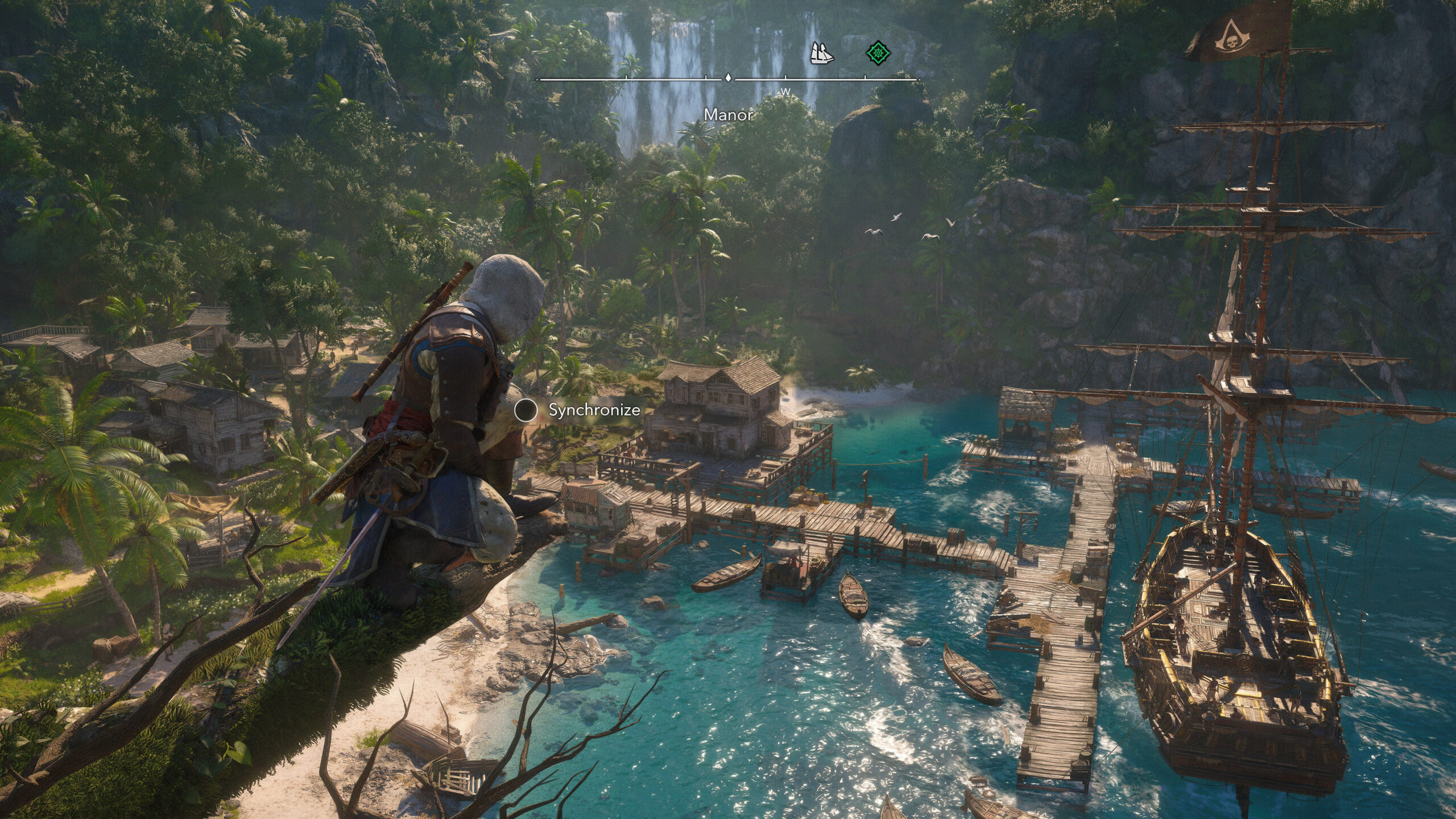
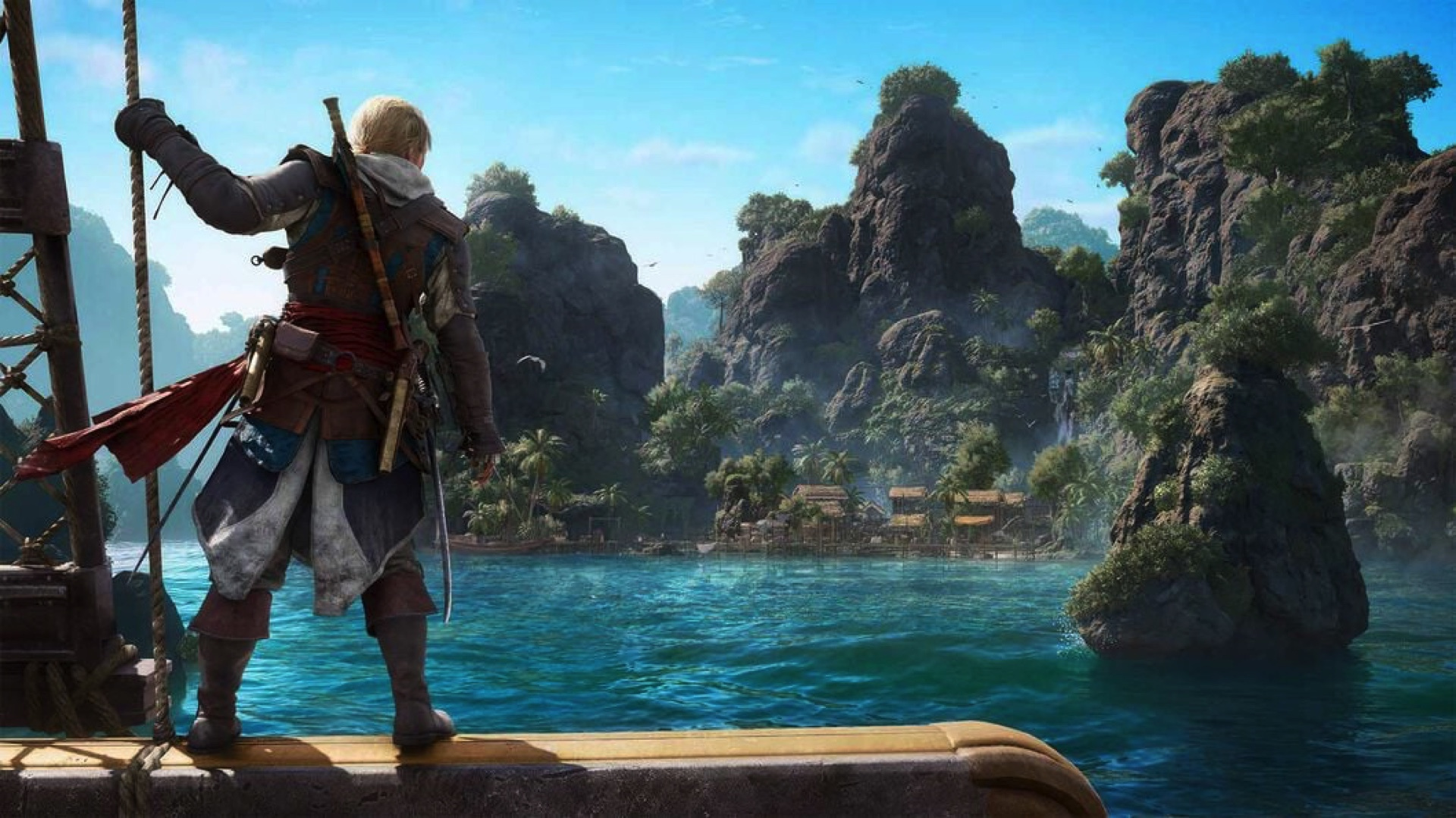
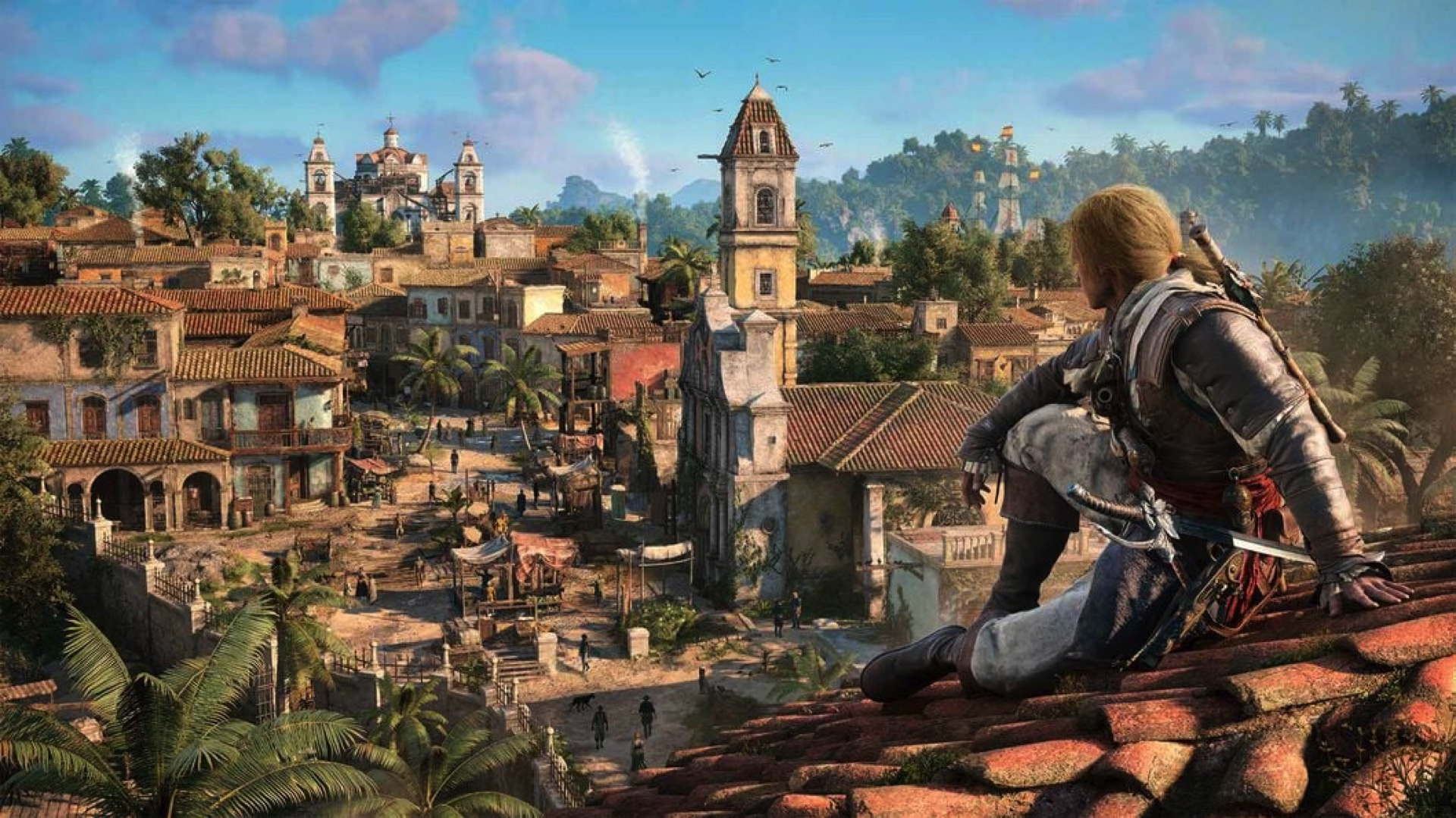
The first thing that hits you is the world itself. The Caribbean of 1715 has been rebuilt with a level of environmental density that the original hardware simply could not support. Palm fronds move with convincing weight. Storm systems roll in with genuine menace rather than scripted theatre. Underwater shipwrecks now feel like proper environments rather than brief detours. The seamless open world removes the loading stutters that once reminded you this was still a game of its era. You can sail from the dense colonial streets of Havana into open water and then into a thick jungle without the experience breaking stride.
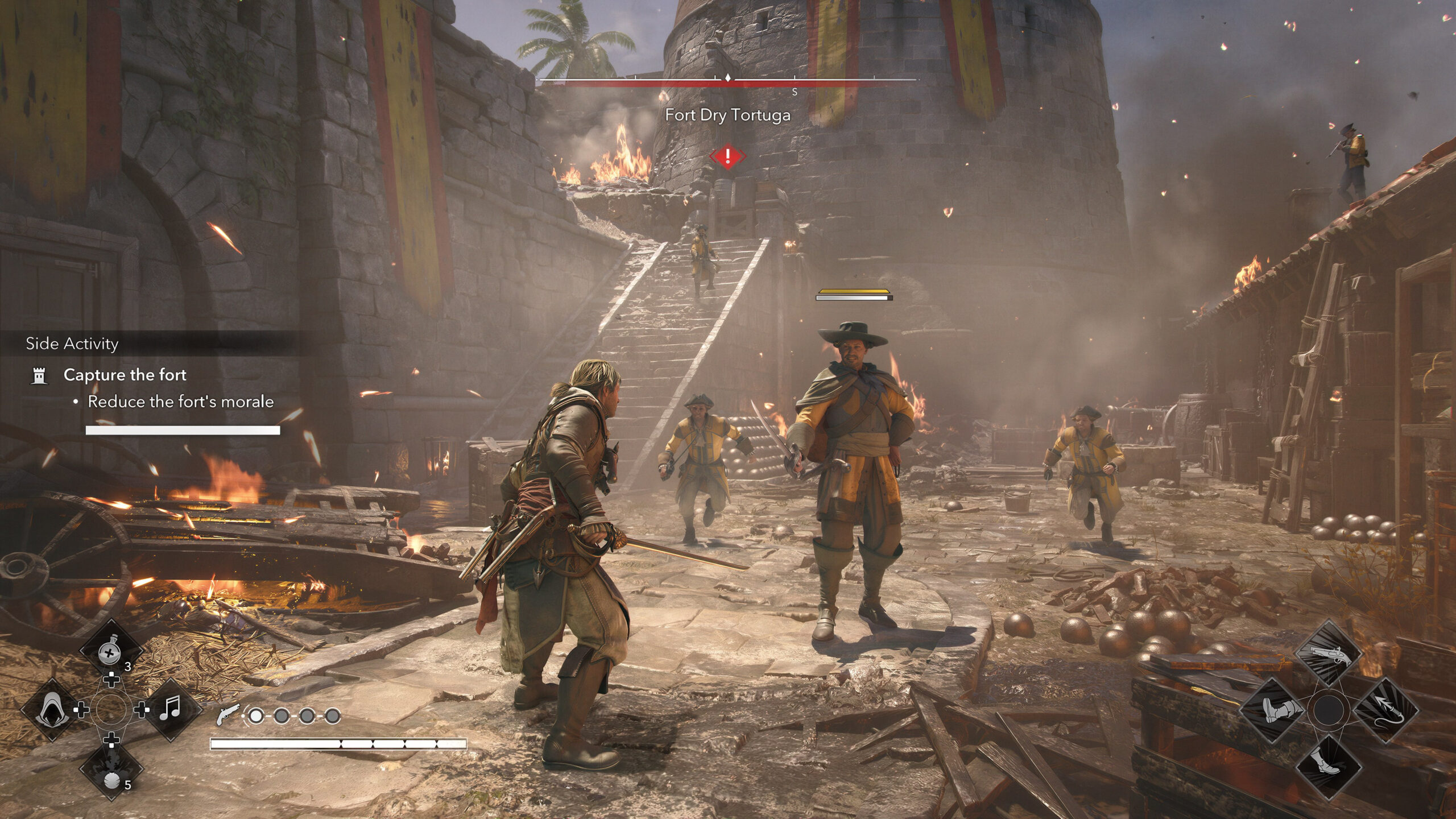 Ray tracing and improved global illumination give the lighting a directional quality the original never possessed. Sunlight filters through foliage in ways that make early morning approaches to a plantation feel properly tense. Night raids on forts gain a heavier sense of isolation. Dolby Atmos support adds another layer, letting the creak of the Jackdaw’s timbers, the distant cry of gulls, and the sudden roar of cannon fire sit in their proper places in the soundscape. These are not cosmetic upgrades. They change how you read the space. A coastal fort that once felt like a checklist of climbing points now feels like a place you might actually want to scout for a while before committing.
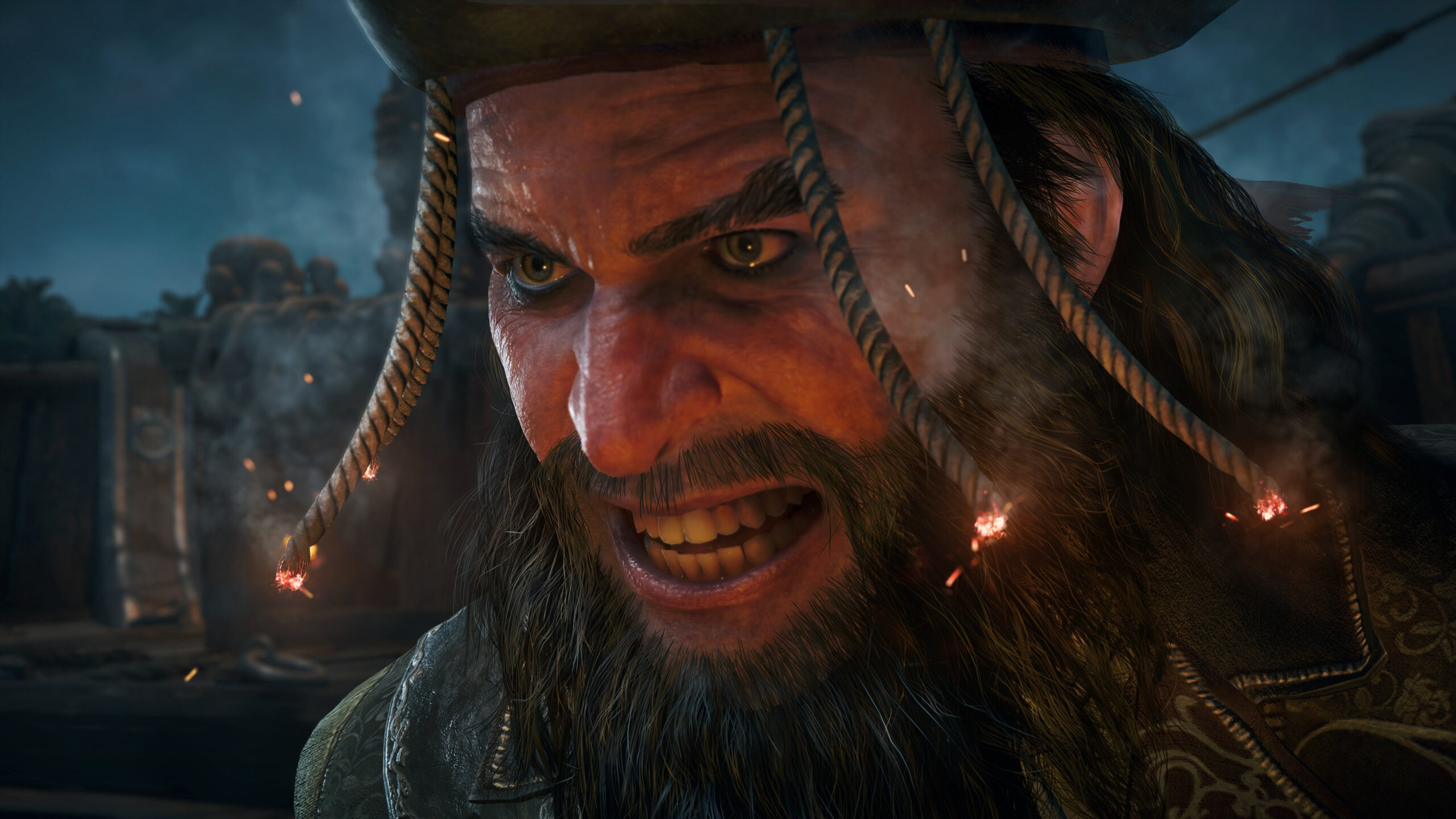
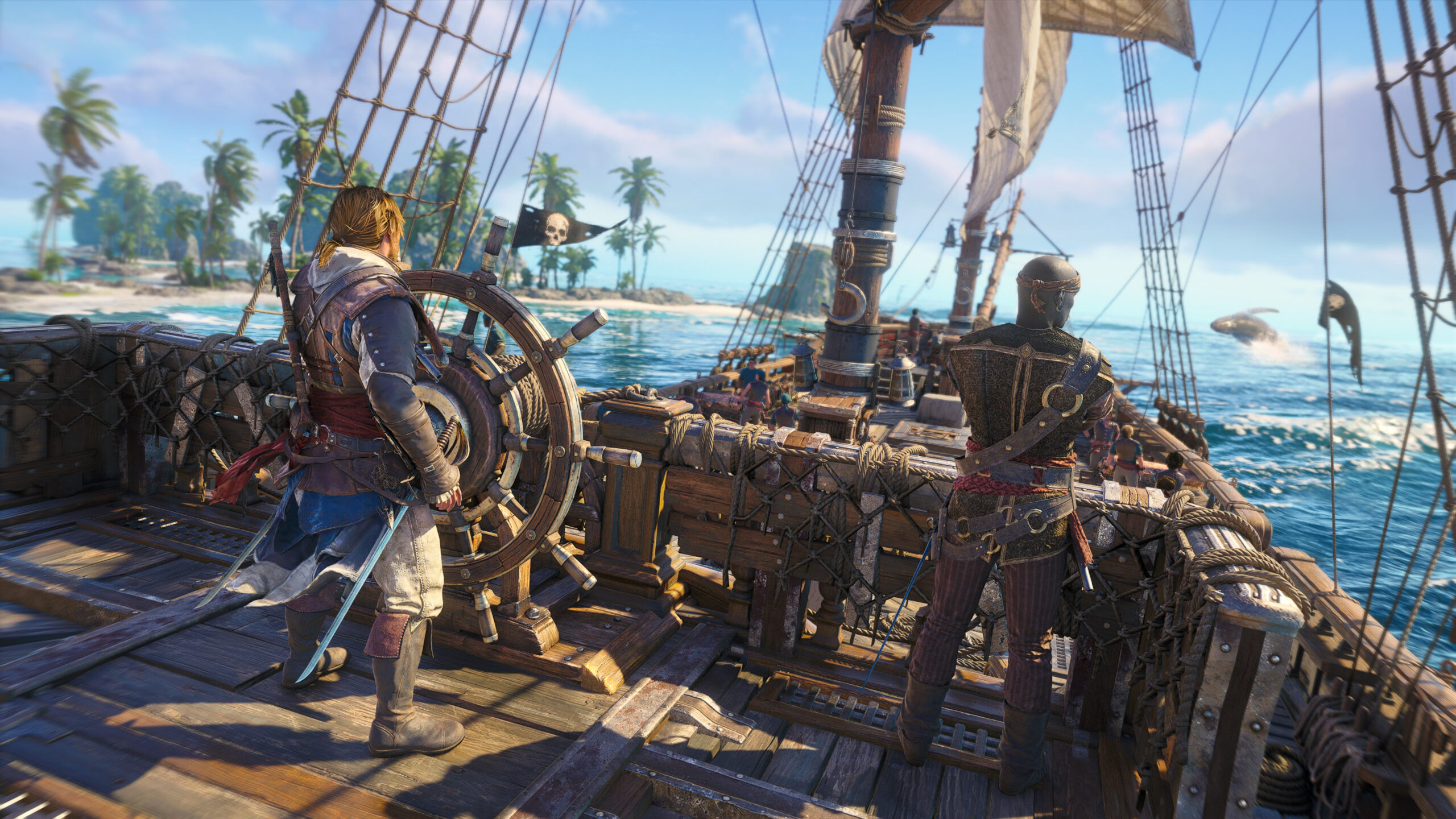 The art direction has remained faithful in the best sense. The colour palette of sun-bleached wood, deep greens, and Caribbean blues is still the star. What has changed is the resolution of every surface and the way light interacts with it. Character models, particularly Edward himself, carry far more detail in clothing, skin, and facial performance without tipping into the uncanny. The result is a world that feels continuous with the 2013 original while making the older version look like a fond memory rather than a current option.
Blades That Finally Bite Back
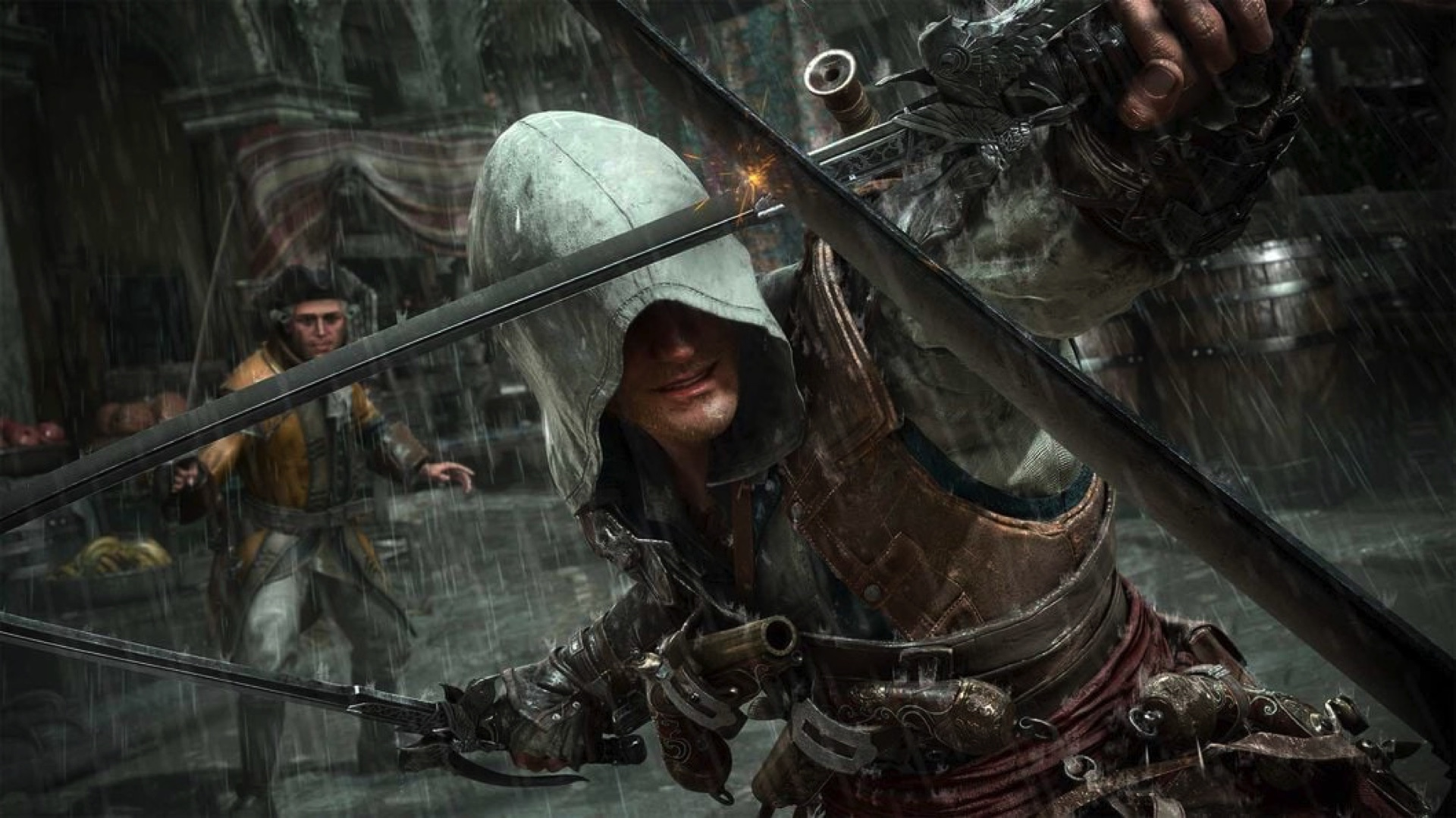
Combat has received the most substantial mechanical overhaul. The original’s chain-kill system was satisfying in its day but could become repetitive. Resynced leans into a more reactive, parry-driven structure. Timing matters. Enemies adapt if you fall into predictable patterns. Unstoppable attacks punish hesitation. The Hidden Blade remains the star for silent work, but open combat now rewards deliberate play rather than button-mashing through groups. Sword and pistol combinations feel more purposeful. Dual-wielding retains its swagger while demanding better spacing.
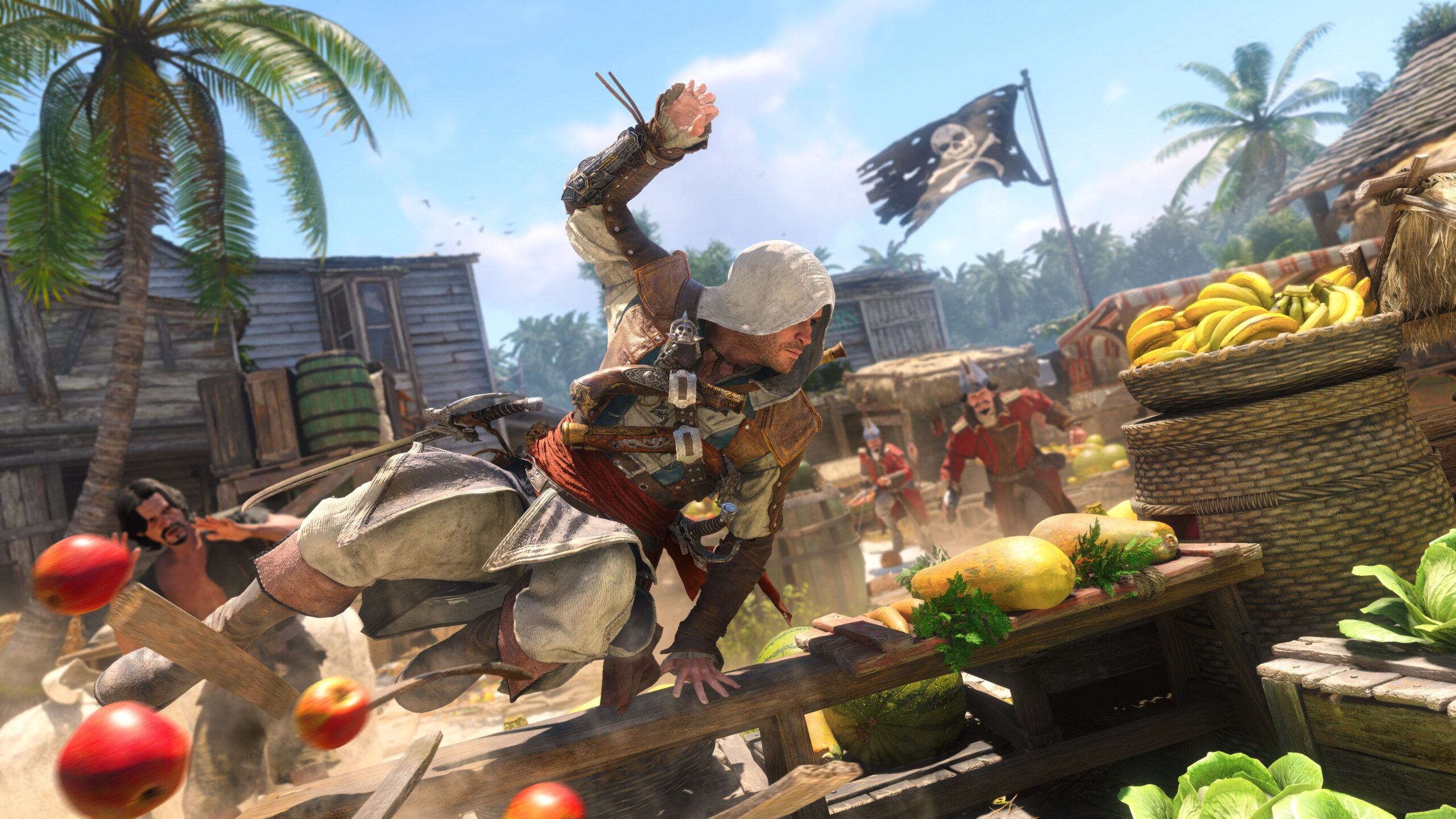 Parkour has been similarly refined. Fluid manual jumps, corner swings, side and back ejects, and newly available ziplines make traversal across rooftops and jungle canopies noticeably smoother. Landing animations are tighter. Certain chains temporarily boost movement speed, rewarding clean lines. The result is freerunning that feels closer to the fantasy the series has always sold than the sometimes sticky movement of the original. Stealth benefits as well. Crowds are denser and more useful for blending. Detection during tails no longer forces an immediate mission failure. Targets can flee or turn aggressive, keeping the sequence alive rather than resetting it. That single change removes one of the franchise’s most persistent frustrations.
 None of these systems reinvent the genre, and that is part of the point. Resynced is still an Assassin’s Creed game of the classic mould. It is not an RPG with skill trees and gear scores. It is an action-adventure that has been brought up to modern standards of responsiveness and clarity. The changes make Edward feel more competent without turning him into a different character.
The Jackdaw Still Rules the Waves
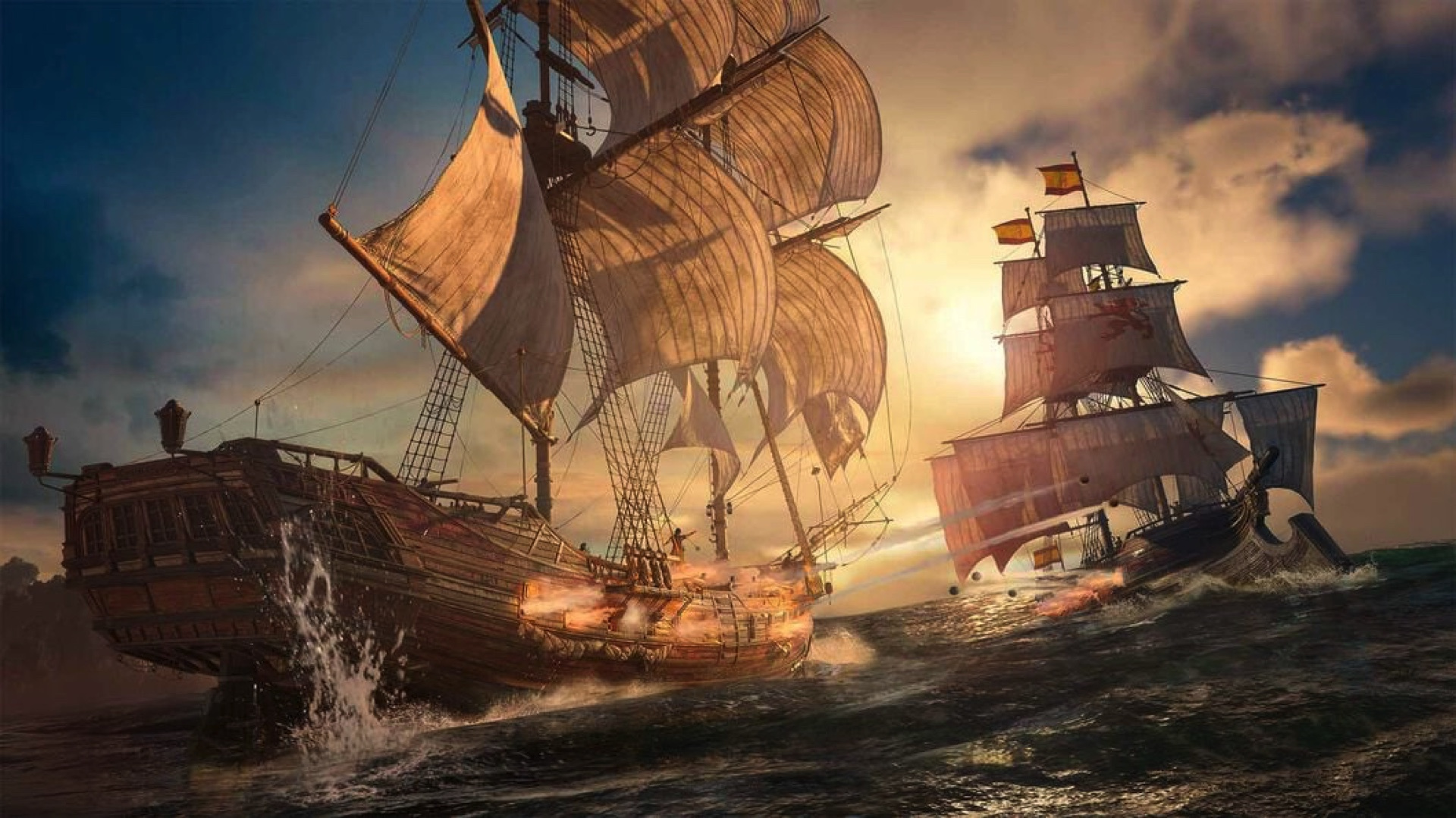
Naval combat was always the original’s secret weapon, and Resynced treats it with the respect it deserves. The Jackdaw remains one of the most satisfying vessels ever put under player control. Upgrades still matter. New alternate fire modes and deeper customization options give more tactical variety when facing larger ships or packs of hunters. Boarding sequences remain dramatic. Sinking a fully upgraded Man O’ War still carries that specific pirate satisfaction of watching a far more powerful vessel slip beneath the waves while your crew cheers.
 The open sea itself is denser with activity. Weather systems affect visibility and handling more meaningfully. Enemy patrols feel less random and more like genuine threats that can force decisions about whether to fight, flee, or attempt a clever approach. The pure joy of sailing, of catching the wind and pointing the bow toward the next island while the crew sings, remains intact and is arguably stronger for the improved presentation. This is still the best pirate simulation the series has produced, now with the technical foundation to match the fantasy.
New Faces on the Quarterdeck
Where Resynced most clearly expands the original is in narrative texture. The core story of Edward Kenway’s rise, moral drift, and eventual reckoning remains the same. What has been added are new storylines that give more space to Blackbeard and Stede Bonnet, two historical figures who previously felt somewhat under-served. These expansions do not rewrite history. They deepen existing relationships and give the supporting cast more room to breathe.
 Three new officers, Lucy Baldwin, the Padre, and Dead Man Smith, join the Jackdaw as part of the main narrative. Each comes with their own quests and unique abilities that can be equipped for naval encounters. Their presence adds personality to the ship and gives Edward additional human anchors beyond the original roster. New sea shanties expand the already excellent soundtrack of working songs. Pets, a cat or a monkey, add small moments of levity on deck. A photo mode lets players capture the improved vistas properly. These are not transformative features, but they are the kind of quality-of-life and flavour additions that make a long playthrough feel more lived-in.
 The decision to remove the modern-day framing, the original multiplayer, and the Freedom Cry DLC is more controversial. By focusing exclusively on Edward’s Caribbean years, the team has created a tighter, more coherent single-player experience. Fans of Adéwalé’s story or the broader Abstergo lore will feel the absence. The trade-off is a game that never breaks the pirate fantasy to remind you it is a simulation inside a machine. For many, that purity will be welcome. For others, it will feel like a missing chapter.
The Weight of a Second Voyage
Assassin’s Creed Black Flag Resynced succeeds because it understands what made the original special and refuses to sand those qualities away in the name of modernity. The freedom of the open sea, the swagger of Edward Kenway, the satisfaction of a well-planned boarding action, and the simple pleasure of a crew singing while the sun sets over the water are all still here. They are simply rendered with greater fidelity, supported by systems that no longer fight the player as often, and expanded with new narrative beats that feel of a piece with the original writing.
 It is not a perfect remake. Some will prefer the original’s lighter combat and the broader franchise context that has been trimmed. Others will argue that a pure remaster would have been sufficient. Those arguments miss the point of the exercise. This is a 2026 game that happens to retell a 2013 story, and it does so with clear affection and technical ambition. The result is one of the most effective large-scale remakes the industry has produced, a game that can stand beside the original without replacing the memory of it.
 Whether you are returning to these waters after more than a decade or experiencing Edward Kenway’s story for the first time, the Jackdaw is ready. The horizon looks better than it ever has.
We prepared this review with a digital copy of Assassin’s Creed Black Flag Resynced for the PS5 version provided by Ubisoft.