
There is a particular kind of amnesia, rare in a genre that usually hands you a jump scare and a basement, in being a teenager who goes missing inside the apartment she already has keys for. The hallway is still a hallway. The toys are still toys. The first thing that has moved is not a metaphor. CAPTURED 2, the anomaly horror game from Puck Redflix, is built on that loop, and the loop is ruder, sadder, and more useful than an eight-dollar nightmare has any right to be.
I played the PC version, the 22 April 2026 1.0 that Puck Games walked onto Steam after a Next Fest demo and a first game that already taught people to distrust a fridge, at $7.99. You are Emily. A series of unexplained disappearances has a new name. You are trapped in an endless hallway within your own apartment, slowly losing your memory. Strange anomalies begin to appear. Capture them on camera and you catch glimpses of a forgotten past. Deadly entities, wearing the silhouettes of childhood toys, roam the loops to stop you. A flashlight. A camcorder. The doors themselves. Nineteen achievements and a leaderboard sit in the background. The Steam sample is Overwhelmingly Positive, 559 positive of 567, which is the honest weather report and not a dare. Great, not glossy, and very much a night I would recommend you spend if you like a horror loop that knows it is a loop.

Emily Goes Missing in Her Own Apartment

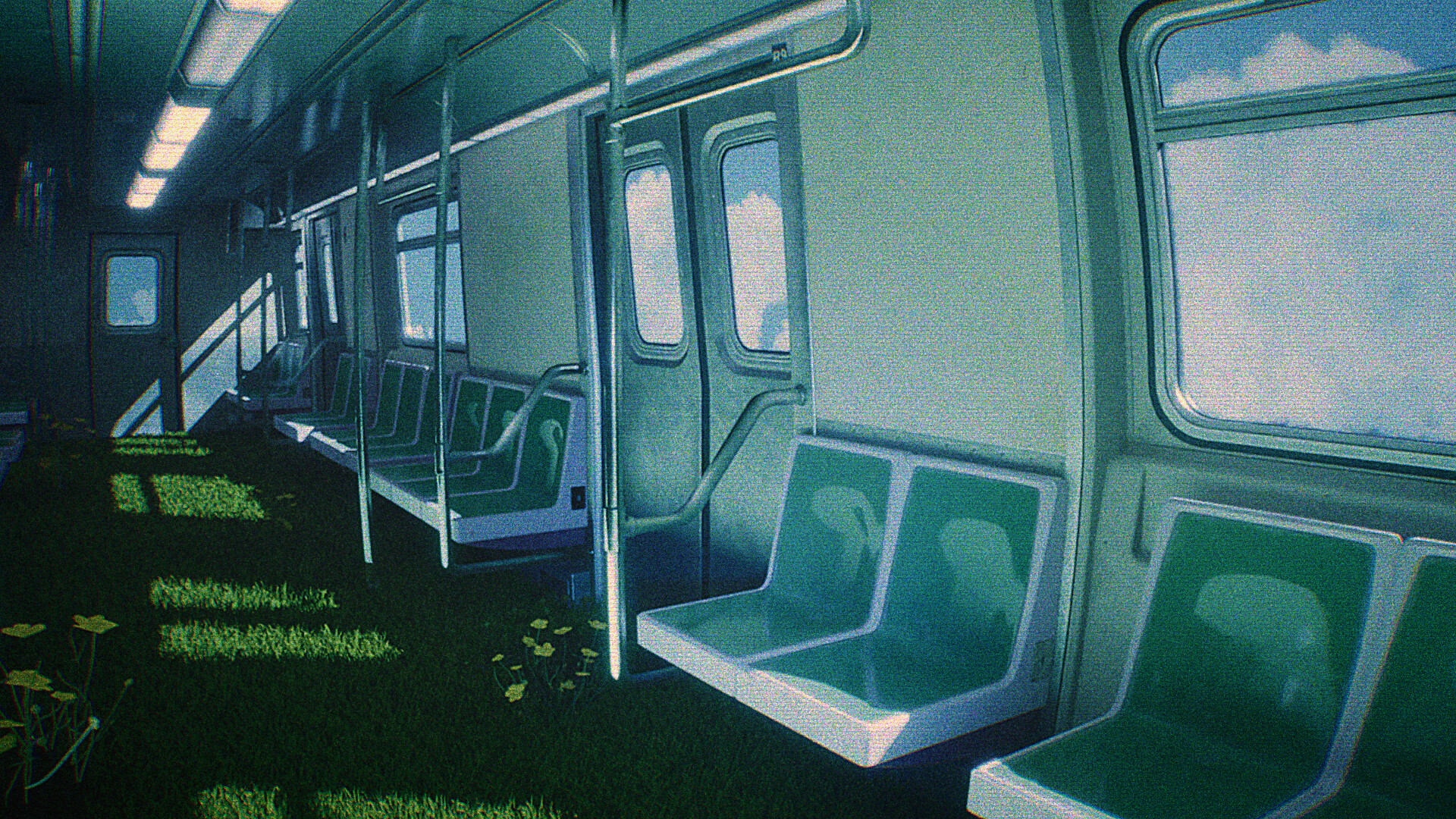
Most anomaly games begin with a commute. CAPTURED 2 begins with a home that has already filed a missing-person report on its owner. Official copy says Emily finds herself trapped in an endless hallway within her own apartment, slowly losing her memory. Strange anomalies begin to appear, and by capturing them she catches glimpses of her forgotten past. That is not flavor text. It is the design refusing to pay for a haunted house when a living room will do.
The late nineties sit on the furniture like a coat nobody claimed. Isolation. The feeling of being home alone after the last decent cartoon. Analog horror, found footage, liminal spaces, the early-2000s supernatural mood that taught a generation to distrust a static television. The store page names Skinamarink as a cousin and then has the nerve to mean it. You are not touring a generic Backrooms pack. You are walking an apartment that remembers being safe.
I like a premise that prices observation as a hazard and then lets you point a camera at it anyway. Story is environmental and stingy, which is the right instinct for a game that wants your eyes more than your diary. You are not reading a novel. You are looting a childhood that is still happening. A father on a tape. A sister waiting. Twenty-six children vanished without a trace, the trailer says, and the only lead is video. Kids seem to forget things. Like that place is slowly wiping their memories.
The fantasy is not mastery of a lore bible. The fantasy is competence arriving about half a loop after you invent a category. You will die in ways that would be funny if the reset were not so sincere. You leave the anomaly. You walk back. You become the kind of person who thinks a closet is a personality.
Spot It, Scan It, Name It
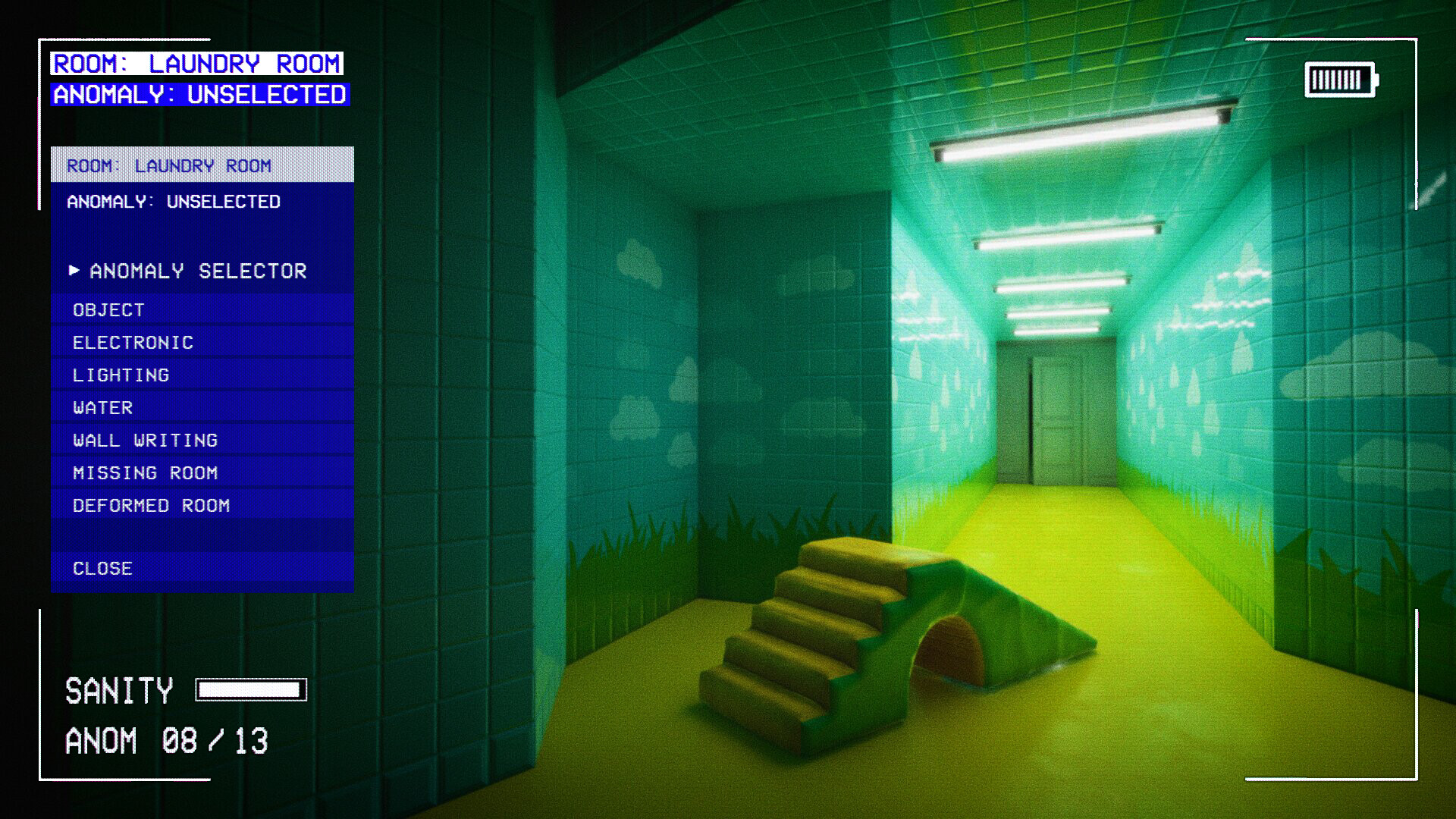
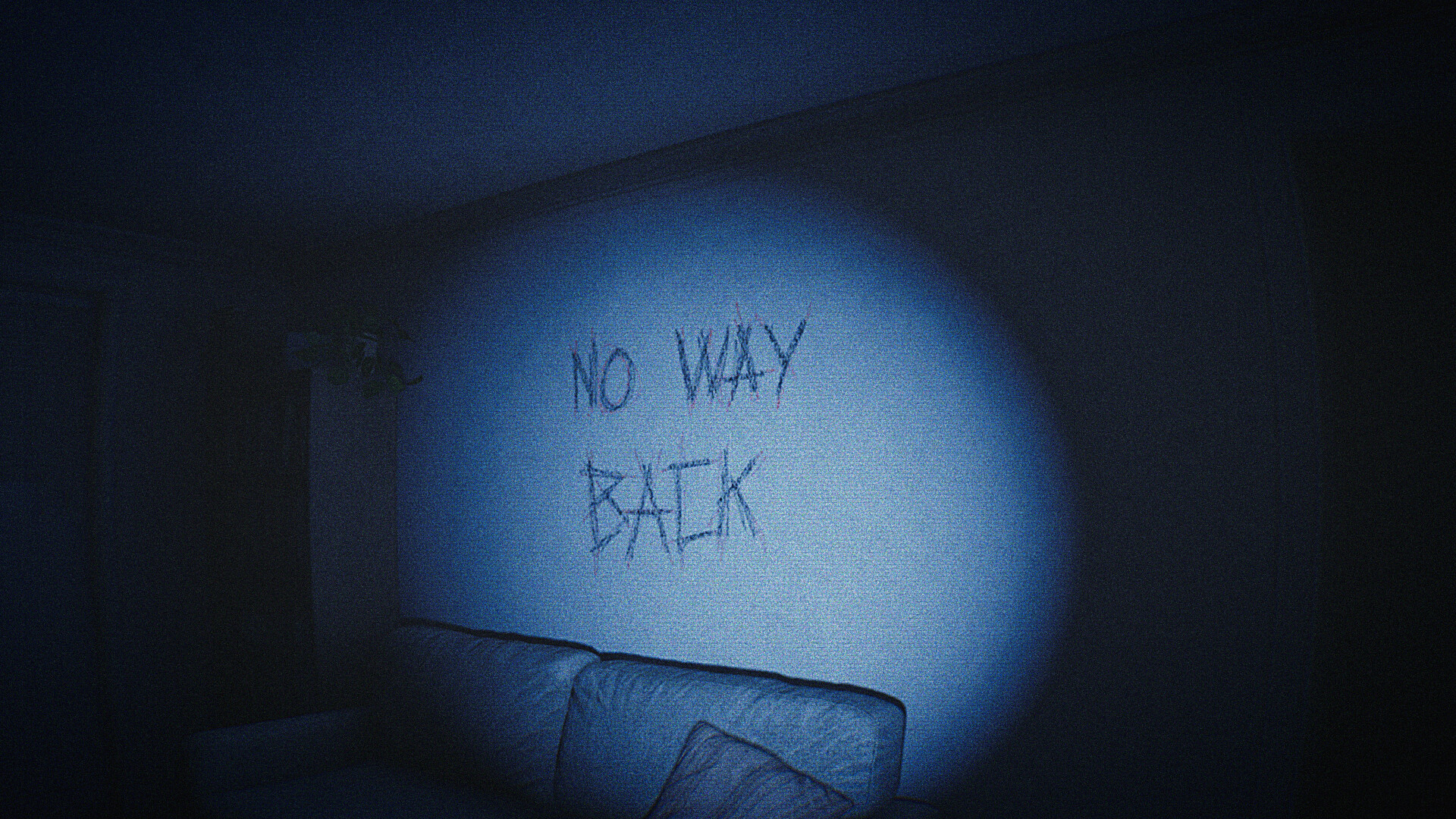
The loop is the old religion of anomaly hunting and Puck Redflix does not pretend otherwise, then it hands you a camcorder and asks the religion to classify. Official features say capture strange anomalies using your camera and identify their type. Electrical. Wall writing. Object. Lighting. A deformed room that would like you to take a detour through a place that is not the apartment. That last type often sends you into liminal side-spaces, poolrooms and corridors that understand unease better than a jump scare.
Scanning eats the battery. You will start treating a spare pack the way a survival game treats a canteen. I have played a lot of titles that treat the first loop as a tutorial and the tenth as a spreadsheet. CAPTURED 2 is heavier than that on purpose and lighter than a sim. You are looking at a room and deciding whether you have been useful enough this cycle. Procedural generation keeps the commute from becoming a museum. The hallway changes its mind. The fridge can learn to lie on its side. A clock can decide to be red.
Presentation is readable, which matters more than prestige. You can tell a bedroom from an office from a bathroom at a glance. If you cannot read a room, the hunt dies and the camera becomes homework. These spaces are atmospheric enough to carry a scare and clear enough to carry a plan. You always know you are home. You do not always know why the home is already looking at the lens.
An archive tracks every anomaly and entity you encounter, captured and missing, which is a kindness for people who like a receipt. My one real gripe is that identified anomalies can still repeat. A stricter cousin of this genre will hide a find you have already named. CAPTURED 2 will show it again, which is honest weather and a little rude to completionists. I left the archive open for an evening and shut it for another. The hallway did not mind. The toys minded either way.
Ring-a-Ding and the Toys That Grew Up Wrong
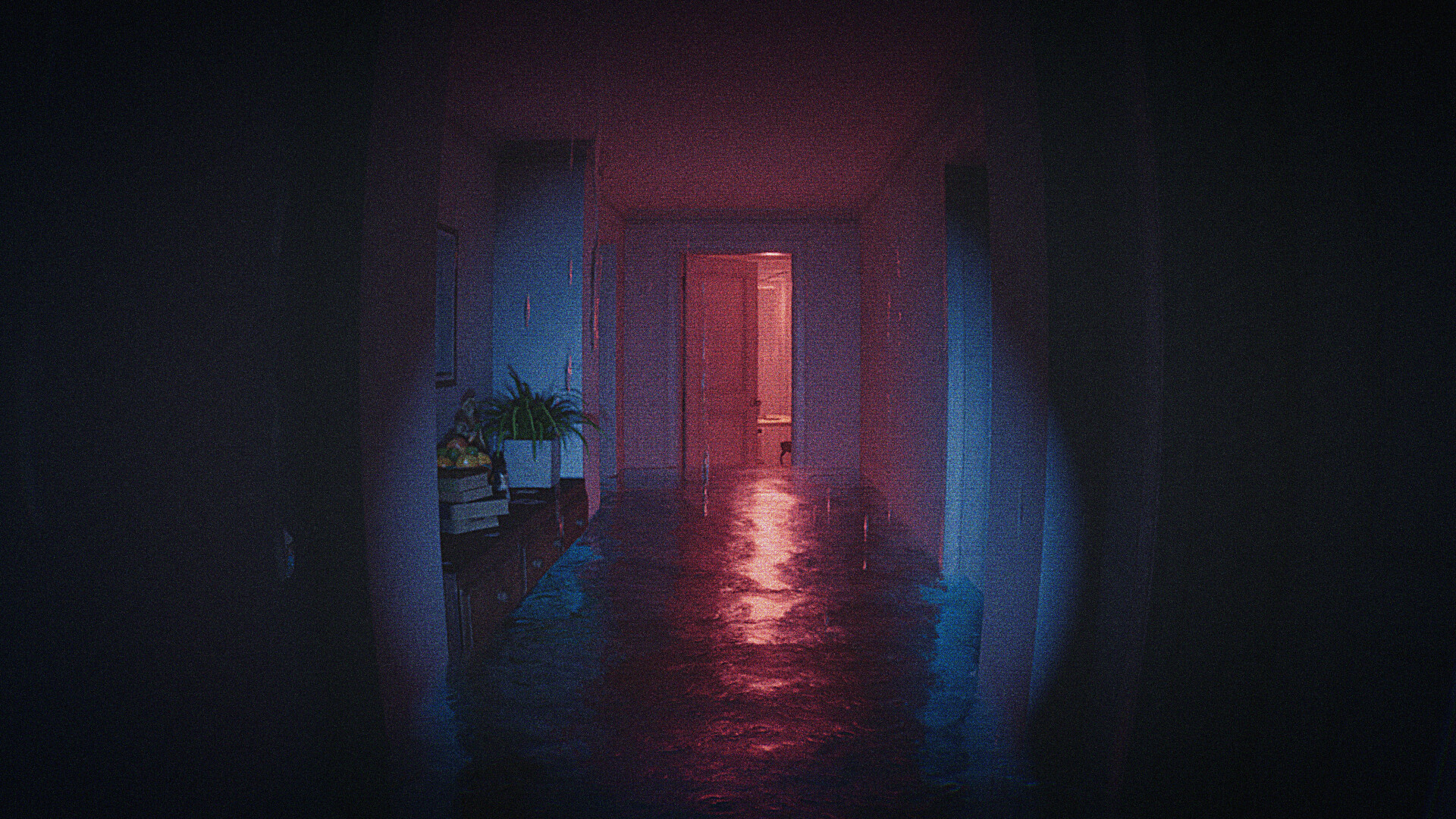
Combat is the wrong word. Pressure is the temperature change. Official copy says deadly entities, taking the form of Emily’s childhood toys, roam the loops to stop her from uncovering the truth. Use your flashlight, camera, and the very doors around you to survive each entity’s unique mechanics. That sentence is the whole toybox.
Ring-a-Ding is a giant toy telephone and the first joke that forgot to be funny. Hear it, leave the hallway, shut a door. It will not follow you into a room, which is a mercy and a childhood rule you are grateful still applies. Walk-E reacts to noise, including the noise you make in the real room if a microphone is live. Crouch. Be quiet. Lure it into a space and close the door like a person who has mail. Other silhouettes ask for a light that does not blink, or a line of sight you are willing to break. I will not write a bestiary novel. Pressure is the variety.
I will not invent a highlight reel with fake timestamps and tidy scan counts. The nights that stay with you are the ones where you thought the loop was finished, then something started occupying a rhythm that was not a refrigerator, and then you were on the wrong side of your own closet. Entities can be turned down or off if you would like the apartment to be only a test of eyes. I left them on. The game is scarier with the toys, and it is already scary without them, which is the right kind of confidence.
Day two and day three extend the sentence. New rooms. New guests. A sanity bar that drains the longer you remain in the current cycle. Soon you are juggling anomaly spotting, monster manners, and battery collecting, all while shivering at a creak that might be furniture. Ten of thirteen found is when the last thing you want is a mistake that restarts the loop. That pressure is a psychological tool and a design document.
Three Days, a Battery, and a Sanity Bar
The campaign is a standalone storyline with a three-day progression and three difficulties, which is a polite way of saying the apartment can grow up if you keep showing up. Easy doors exist for people who would rather the architecture be a friend, especially on a pad. Controller support was in from the start of development. All controls are customizable. I will not write a binding seminar. What I can say is that the loop is kinder when the door agrees to be a door.
Insanity mode is the other vehicle. Official notes call it an infinite mode that turns the anomaly hunt into a roguelike. Ninety of the hundred anomalies live in the standard weathers. The last ten lock themselves behind Insanity and Nightmare, which is a completionist dare and a reason the archive stays hungry. I have a rule for cheap horror. If a game is worse with a second mode than with a checklist, it is broken. If it is only good with a second mode, it is honest. CAPTURED 2 is honest, and that honesty should sit next to the price.
A story night is a competent weekend. You spot the writing, you invent the category, you lose a battery, you walk back, you put a better closet on the joke. An Insanity night is the version the systems were quietly designed around. Someone at Puck Redflix looked at a hallway and said the real threat should have a high score. Leaderboards sit on the Steam sheet for the people who wanted a rumor to be a time.
Nineteen achievements sit behind the loop. Feels Like Yesterday. No Way Back. A Door From The Past. Piece Of Cake. It Was On The News. Just An Ad Break, and then the same sentence in capital letters when the ad is not an ad. None of them change the central truth. You are here to capture a change and then find out what the change is for.
VHS Nineties With a Modern Lens

Presentation is the argument Puck came to win. Official copy promises an analog horror experience with realistic graphics, a VHS nineties aesthetic, a dynamic camera system, and immersive flashlight movement. The camcorder is not a UI skin. It is a commute you have to deserve. Shader work gives the apartment an uncanny cleanliness, the kind of realism that makes a wrong object feel like a crime. Sound design is unsettling in the way a house is unsettling after midnight, which is to say it does not need a stinger to get a vote.
I should be clear about the friction, because it is real and it is not a footnote you hide after the score. Controls can be clunky in the way a first-person camera that wants to be a found-footage shoulder can be clunky. Repeating anomalies can sulk. Some encounters ask for a microphone you may not want to give a horror game after dinner. None of that is unique to this apartment. All of that is the tax on a sequel that wanted atmosphere more than a showcase.
Technical manners on a mid-range box are mostly polite if you give the title an SSD, which the store page recommends with the candor of a person who has already lost the argument with a spinning disk. Fifteen gigabytes. A GTX 1070 Ti as the minimum, which is a serious ask for an eight-dollar hallway and also the reason the hallway looks like a place. I will not invent a frame-time novel. The image is allowed to be ugly if the ugly is the point, and here the image is handsome in a VHS way.
English carries full audio. A pile of interface languages sits on the sheet. I will not turn this into a localization seminar. The voice of the game is the apartment, and the apartment talks in flicker, battery, and the occasional toy that learned to walk.
Insanity Mode and the Archive That Keeps Score
The Steam sample around a game this small is always going to look like weather, and this weather is unusually kind. Overwhelmingly Positive, 559 of 567 on the side of yes, is not a dare so much as a census. Players who wanted a deeper novel, a prettier fight, or a list that never repeats a find bounce off. Players who wanted a lightweight analog nightmare with a telephone the size of a childhood stay. I am in the second camp with caveats, which is the only honest place to stand.
Compared with the giants of the observation-horror business, CAPTURED 2 is not trying to be a career. It is trying to be a place. The developer wrote the quiet part in a community note after the first hundred reviews, the kind of thank-you that sounds like a person who is still patching scan collision and still adding anomalies. That is not a cop-out if the place is worth the walk. Some nights it is. Some nights the battery is a myth and the doorway is a theology problem. Both nights are CAPTURED 2.
I have played the first game. The sequel understands the assignment and then has the discipline to add a heart. The ending has a nerve the genre usually outsources to a jump. I will not spoil the rooms that earn it. I will say you should let the story finish talking, even if the last loop has already taken a year off your evening.
Still Home After the Loop

CAPTURED 2 is a rare cheap horror that understands its own joke and then has the nerve to make the joke an apartment. Puck Redflix built a hallway about amnesia, a camera about grief, and a toybox that looks a little homemade and plays a lot more sincerely than that sentence suggests. The loop is the hook. The entities are the spine. The walk from a missing girl to a tape her father still believes in is the grin.
It is better as a hunt than as a novel. Controls can clunk. Anomalies can repeat. The presentation has indie fingerprints, from the stubborn camera to the story that would rather be a VHS than a cutscene. All of that is true, and all of that is already priced in at $7.99. You are not buying a decade. You are buying a night that can turn into several nights if you like being a coordinated disaster in a closet, or being the person who has to explain the disaster to an archive.
I am scoring it 8.5, Great, because the identity is this strong and the limitations are the limitations of a focused sequel, not an empty one. I would recommend it to anyone who likes a camcorder that has weight and a map that is allowed to be rude. Distinctive analog weather, a hallway that shrinks when you learn it, toys that remember you, and a price that respects your week are a lot of game for the ask. The systems repeat their manners. The manners are still useful.
The apartment is still out there, still hiring a night shift, still asking whether you are capturing a change or a self. After a few loops, you will understand why the job is not finished, and why you keep turning the camera back on anyway.
We prepared this review with a digital copy of the CAPTURED 2 for the PC version provided by Pressengine.