
There is a particular kind of hospitality, rare in a genre that usually hands you a jump scare and a tragic flashback, in walking into a hedge maze and discovering that the fairground is a word with no furniture in it. The hedge is still a hedge. The flashlight is still a flashlight. The first monster that tries to file you is not a metaphor. Labyrinthine Console Edition, the cooperative horror from Valko Game Studios, is built on that hospitality, and the hospitality is ruder, funnier, and more useful than a fifteen-dollar maze has any right to be.
I played the PlayStation 5 version, the 18 September 2025 Console Edition launch that Klabater walked onto living-room hardware after a Steam Early Access that began on 28 October 2020 and a 1.0 that landed on 18 August 2023 at $9.99. The console ask is $14.99, or $17.99 if you want the Supporter Edition. You search, you solve, you put a light on a hedge, and you learn that Happisburg has already hired a night shift of things that do not belong at a fair. Six story chapters, case files that rebuild the maze, more than thirty monsters, hundreds of cosmetics, and a lobby that will take up to eight people if your courage does. Thirty-nine Steam achievements sit in the background. The Steam sample is Very Positive, 14710 positive of 17445, which is the honest weather report and not a dare. Great, not glossy, and very much a weekend I would recommend you spend if you like a horror that knows it is a maze.
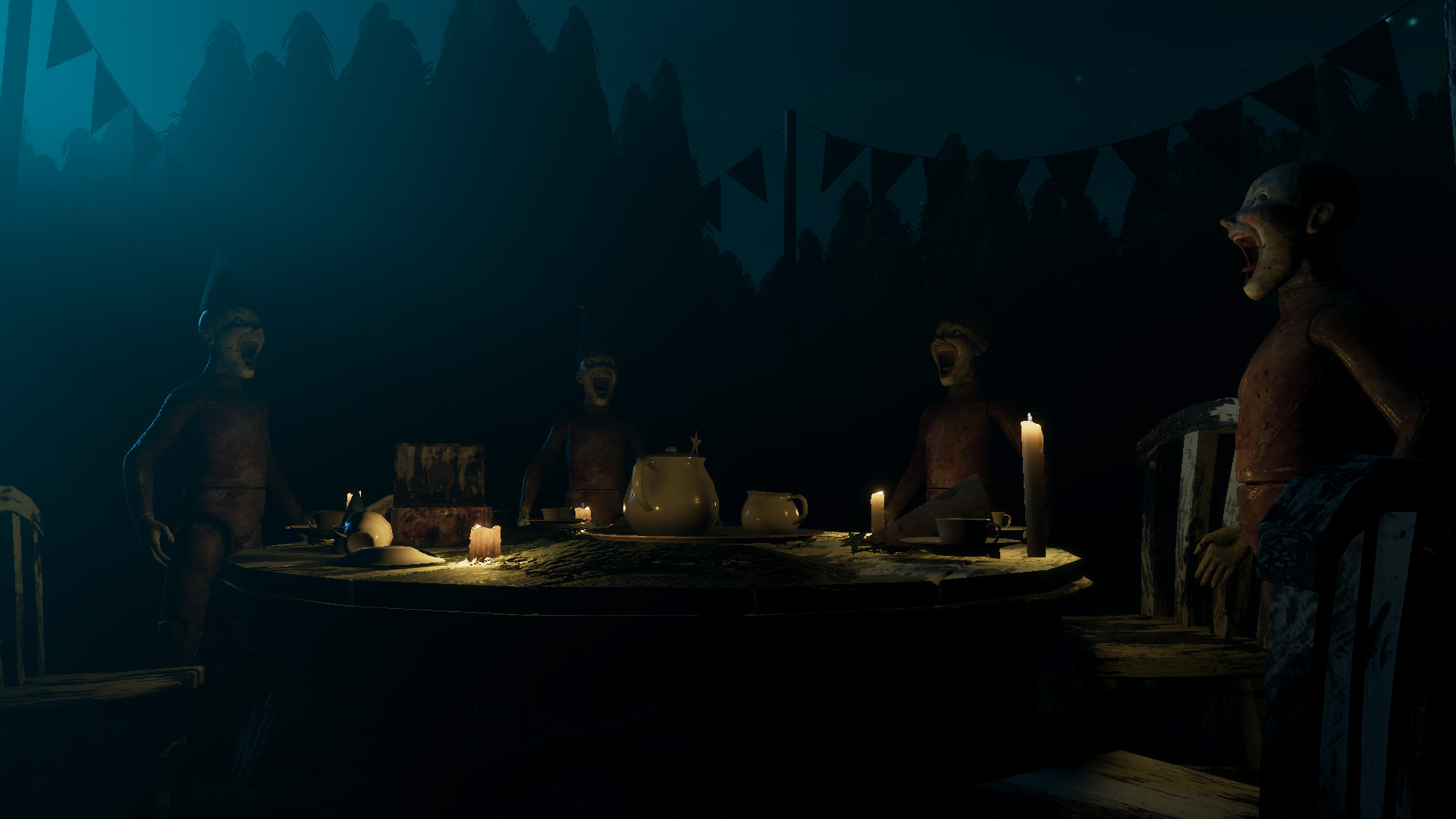
The Maze Does Not Care What the Fairground Was

Most co-op horrors begin with a speech about a cabin. Labyrinthine begins with a hedge. Official copy on Steam says you gather courage, enter the abandoned Happisburg maze, or dive into case files where every investigation leads somewhere unspeakable. You follow the enigmatic trail of Joan, a fairground worker, and uncover a history that would rather be a tape than a cutscene. Both the store page and the living room agree on the next sentence. Stay on your toes. The dark secrets are already walking.
That is not flavor text. It is the design refusing to pay for an open world when a corridor of leaves will do. You start as help for a new attraction, arrive to find Joan has gone looking into disappearances on the property next to the fair, and learn that the land has a past with worse manners than a ticket booth. The first monster is staged like a punchline that forgot to be funny. It stalks. You hide. You are alive for now. The script, still a little breathless, asks who can assure the next turn is kind. Nobody can. That is the rest of the map.
I like a premise that prices curiosity as a hazard and then lets you walk toward it anyway. Hedges sit on the property like questions with walls. Why is there a maze if there is a fair. What was that groan. The more you explore, the more the grounds answer with another path and another thing that would like a piece of your light. Story is environmental and stingy, which is the right instinct for a game that wants your voice chat more than your diary. You are not reading a novel. You are looting a disaster that is still happening.
The fantasy is not mastery of a lore bible. The fantasy is competence arriving about half a chapter after you invent a habit of not splitting up, and then splitting up anyway. You will die in ways that would be funny if the checkpoint were not so sincere. You leave a bad turn. You walk back. You become the kind of person who thinks a hedge is a personality.
Follow Joan, Then Invent a Flashlight
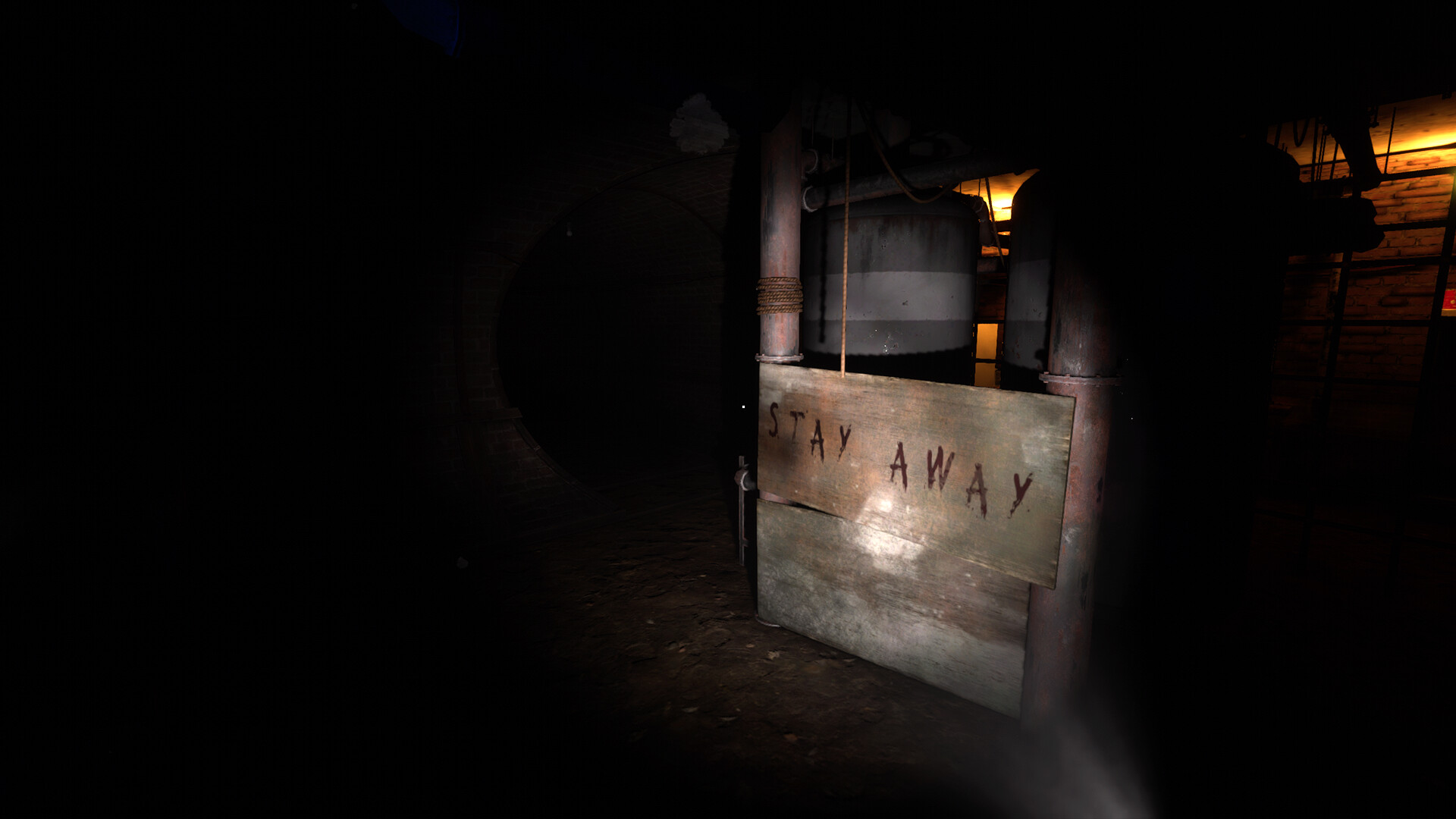
The loop is the old religion and Valko Game Studios does not pretend otherwise. Paths, puzzles, the usual maze groceries. Switches that make the groceries arrive in the right order. A code if the wall agrees to exist, an item if you would like dinner to stop being a hunt. Light is on the character sheet because a horror without a stomach for darkness is just a walking tour of shrubs. Chapter turns into chapter. The maze changes its mind. None of that is a revolution. All of that is the sentence the rest of the toybox has to live in.
Story Mode is straightforward in the way a good workbench is straightforward. Six chapters, each a maze with a different pressure and a different thing that would like you lost. You are not drowning in a skill tree. You are looking at a puzzle and deciding whether you have been useful enough with the last clue. Safe rooms sit on the feature list, which is a polite way of saying the hedge can grow up if you keep showing up, and also that the designers have met a player before.
I have played a lot of games that treat the first scare as a tutorial and the hundredth scare as a spreadsheet. Labyrinthine is longer than that on purpose and lighter than a career. The developer wrote the quiet part into the store page. Two experiences. A story if you want Joan. A case file if you want the maze to behave like a to-do list that hates you. That sentence is both a promise and a warning. If you want a horror novel that could unionize, you will feel underemployed. If you want a weekend that turns a hedge into a kitchen of bad ideas, you will feel hired.
Puzzles keep the commute from becoming a museum. Stand on switches in sequence. Hunt a word and feed it to a device. Find a tiny object in a dark that does not want to be helpful. You loot a solution. You leave. You come back when you have a better shirt and a louder friend. I left story on for an evening and case files on for another. The maze did not mind. The monsters minded either way.
Monsters, Puzzles, and a Hedge That Matters
Pressure is the temperature change. Early chapters establish that this is not a peaceful garden simulator with nicer lighting. Creatures will occupy a path farther than pride would recommend. Some hunt by sound. Some hunt by sight. Some wait for a circumstance you have not named yet. A flashlight handles a few of them if the game has decided light is a verb. Treat a silhouette like scenery and the night will empty with the manners of a chase, not a duel. Further in, a clown would like a word, and the word is short. Getting a clean exit with actual rhythm takes a while. Until then, staying quiet is a strategy, not a cowardice.
The roster is the other half of the short description and the nastier half of a walk. Official copy promises more than thirty unique monsters with their own AI and mechanics. Players who have lived in the hedges will tell you the truly different set is a smaller number wearing a lot of hats, which is a fair weather report. It is why a clearing that felt like home at noon can feel like a rumor at dusk. Enemy variety is not a bestiary novel. It does not need to be. Pressure is the variety. A hedge that holds a line of sight is a better reward than a new silhouette if the silhouette is just another way to lose your friend.
I will not invent a highlight reel with fake timestamps and tidy escape counts. The nights that stay with you are the ones where you thought the puzzle was finished, then something started knocking in a rhythm that was not the wind, and then you were on the wrong side of your own map. Melee is not the point. Distance is the point. Communication is the point wearing a flashlight. Clothes do not help until the cosmetic shop says they do. Splitting up helps more, which is a rude sentence and a true one.
Hunting items is good practice and a grocery run. Equipment, tapes, the usual maze hospitality. Gore happens. The store page is not shy about it. What the store page cannot tell you is how quickly you will start treating a successful code as a mood stabilizer. You solve. You breathe. You put the light down and look at the next hedge like a person who has decided civilization is a switch.
Case Files, Cosmetics, and the Map Getting Stranger
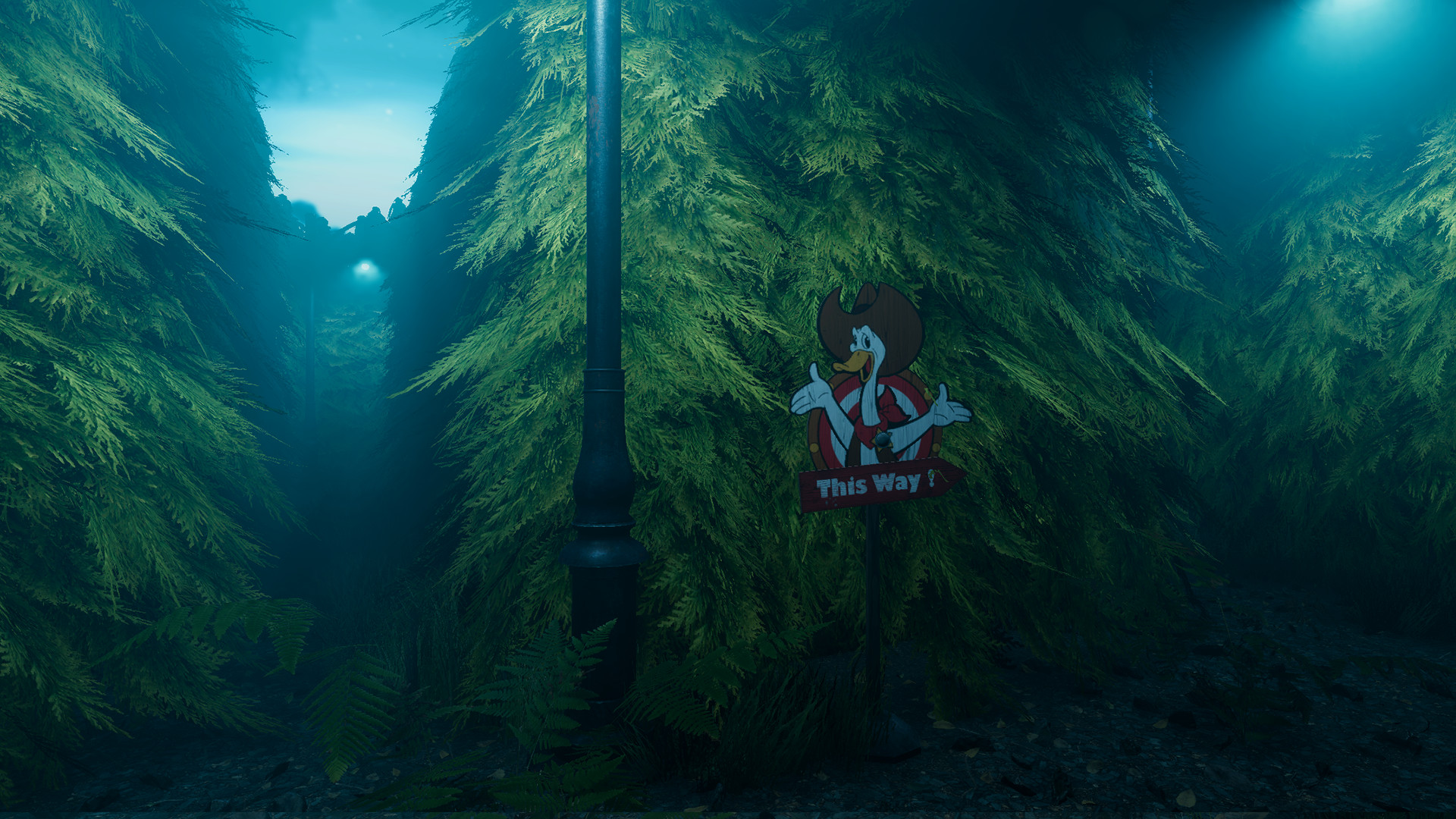
Case Files are the moment the property changes tense. Official features list procedurally generated mazes, escalating difficulty, a leveling system that unlocks new monsters and maps, daily quests, hardcore files, and more than two hundred cosmetics. Those toys do not just make you busier. They make yesterday’s chapter into this afternoon’s errand. A distant maze type stops being a rumor. A story room stops being a commitment. You start thinking in investigations instead of marches.
That shift is the closest Labyrinthine comes to a power fantasy, and I like it more than a new gun the game does not really want you to have. Mastery, here, is logistics. You gather, you stash, you walk a ridiculous little flashlight over a place that tried to eat you last week, and you land like a person who has mail. The map does not get smaller because the developers deleted land. It gets smaller because you invented commuting through nineteen kinds of being lost.
Cross-play is the other vehicle. The Console Edition talks PlayStation, Xbox, and Steam in the same lobby, up to eight players, hosted games so a server does not get to be the monster. In-game voice chat sits on the feature list. I will not write a networking white paper. What I can say is that the loop is kinder when someone else is holding a switch while you argue with a code. Multitasking is the co-op fantasy. So is the moment a monster that would have ended a solo walk becomes a group project with worse manners. Solo exists for the people who looked at a hedge maze and said the real threat should have a quiet night.
The shop and the grind are the oldest cosmetic joke in the book and still a good one if you like a receipt. Daily quests, rare hats, exclusive rewards for hardcore files. None of them change the central truth. You are here to leave the maze and then find out what the maze is for.
Cooperative by Design, Opaque by Habit
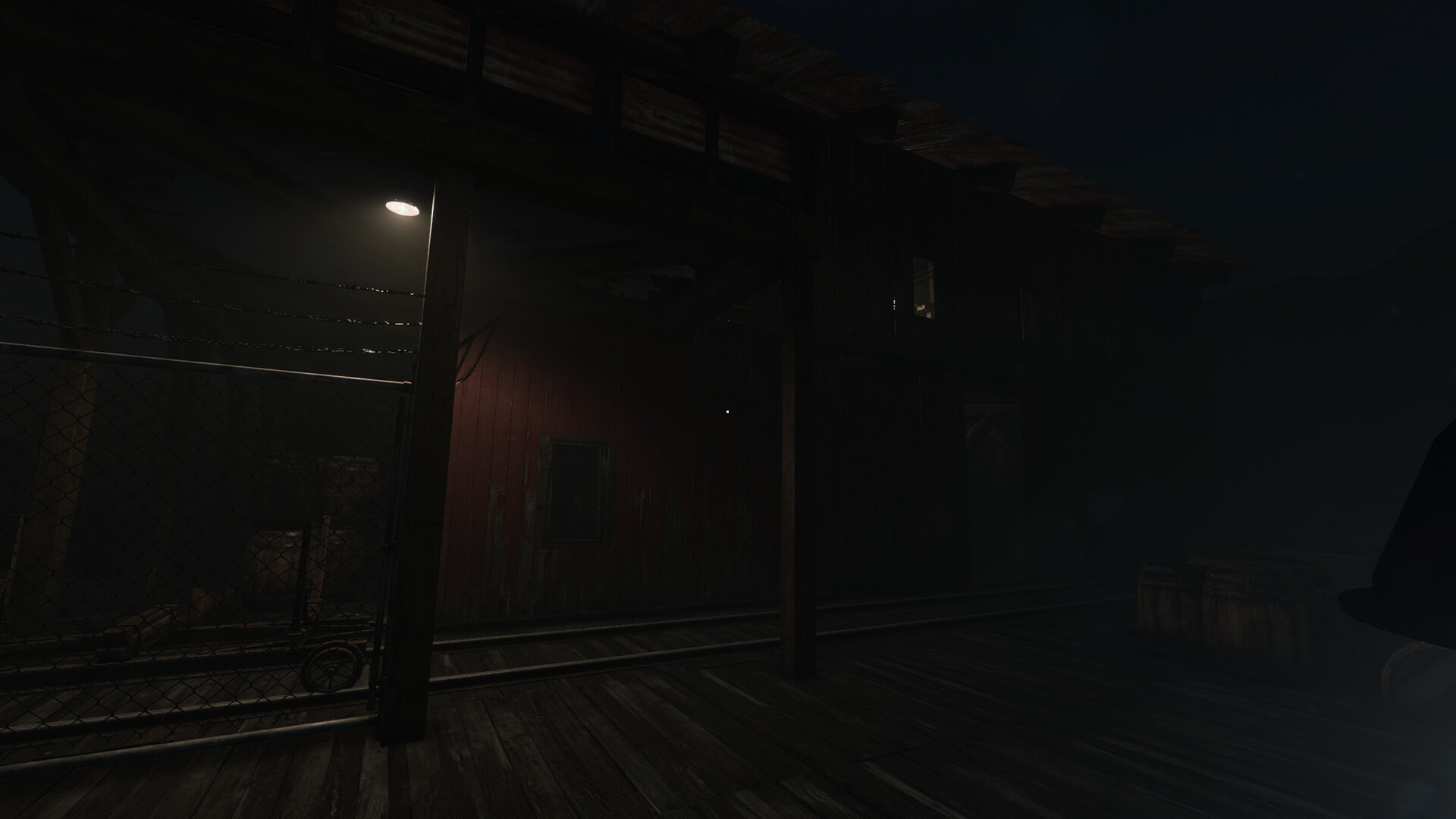
I should be clear about the friction, because it is real and it is not a footnote you hide after the score. Labyrinthine looks like a game that was built by a small UK shop that wanted a maze more than a showcase. Hedges can be handsome. Animations can be stubborn. A puzzle can arrive a half-second late to its own clue, or hide a tiny object in a dark that has already won. Procedural rooms can feel like a generator that learned to shrug. I will not invent a leaf census. I will say the property sometimes forgets to stock the readability you need and then shrugs like weather.
Technical manners on a living-room build can stutter when the game decides to remember itself. Darkness can be a design and also a habit. Some mazes repeat their better ideas until the better idea is a commute. The monster count on the box is louder than the monster count in your bones. None of that is unique to this hedge. All of that is the tax on a co-op horror that left Early Access in 2020, shipped in 2023, and arrived on PlayStation two years later still wearing some of the same boots.
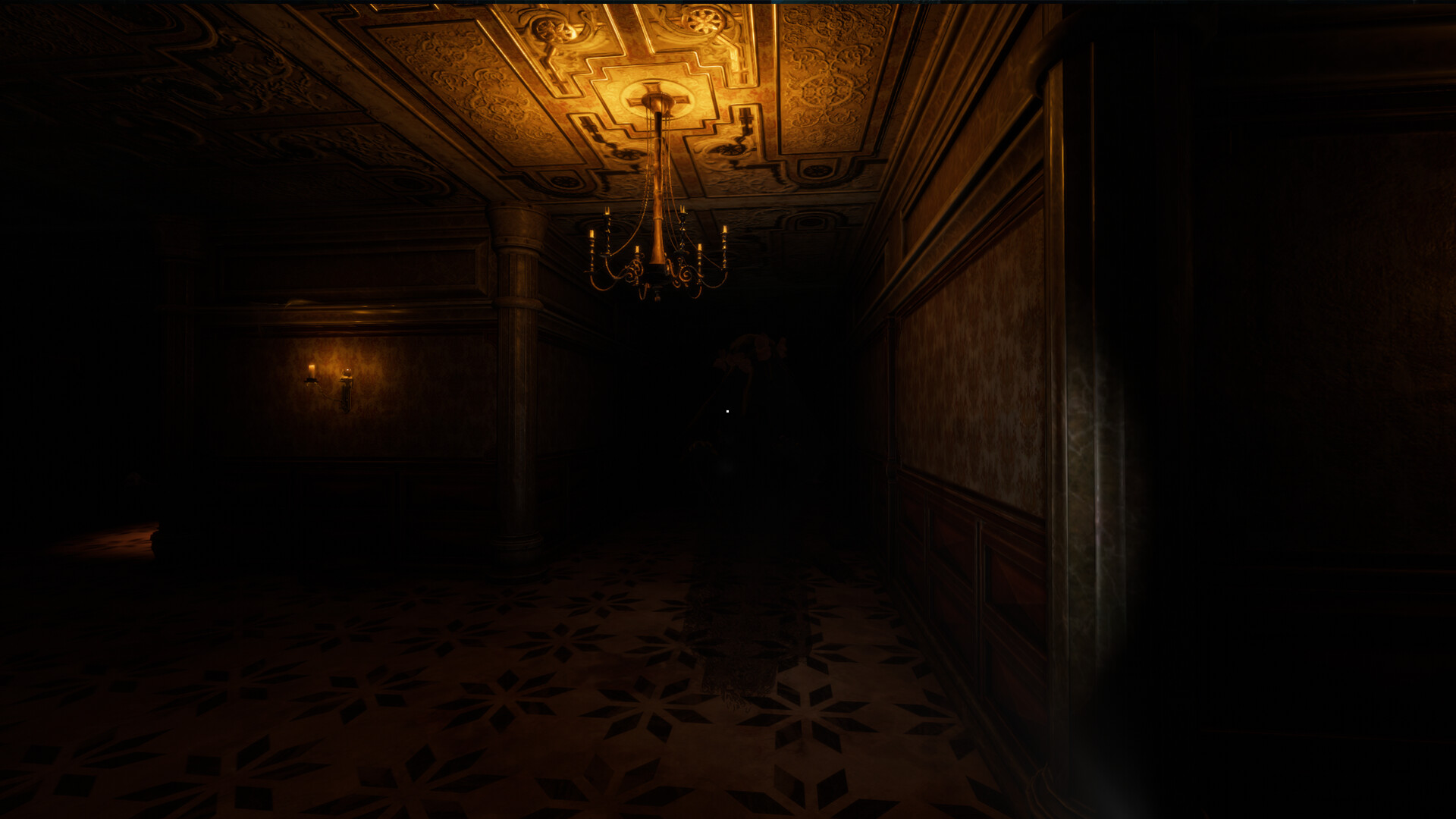
Presentation is readable when the light agrees, which matters more than prestige. You can tell a hedge from a crypt from a fairground at a glance if the flashlight is alive. If you cannot read a biome, the hunt dies and the case becomes homework. These spaces are atmospheric enough to carry a scare and opaque enough to carry a plan you will lose. You always know you are in a maze. You do not always know why a clown is already there.
English voice sits next to a long list of interface languages, which is how a Happisburg rumor gets in a wider door. I will not turn this into a localization seminar. The voice of the game is the maze, and the maze talks in tapes, rustles, and the occasional Joan who remembers someone else. Forty trophies sit behind the loop on the living-room build for people who like a receipt. None of them change the central dare. You are here to face the darkness together and then find out whether together was enough.
Better With a Crew Than With a Checklist

I have a rule for cheap-to-mid co-op horror. If a game is worse with friends than with a checklist, it is broken. If it is only good with friends, it is honest. Labyrinthine is honest, and that honesty should sit next to the price.
A solo night is a competent weekend. You follow Joan, you invent the light, you lose a turn, you walk back, you put a better note on the joke. A crew night is the version the systems were quietly designed around. Someone solves. Someone watches. Someone learns, too late, that a hedge does not respect architecture. The maze becomes a shared instrument instead of a commute.
The Steam sample around a game this old and this talked about is never going to look modest. Very Positive is the official weather, 14710 of 17445 on the side of yes, and that split is fair. Players who wanted a deeper story, a prettier dark, or a generator that never repeats a corridor bounce off. Players who wanted a lightweight nightmare with a hedge and a bad idea about eight-person voice chat stay. I am in the second camp with caveats, which is the only honest place to stand.
Compared with the giants of the leftover-cabin business, Labyrinthine is not trying to be a career in someone else’s genre. It is trying to be a place. The developer said the quiet part on the store page. Story if you want a trail. Case files if you want a fresh map. Fun if you will meet the maze where it lives. That is not a cop-out if the place is worth the walk. Some nights it is. Some nights the puzzle is a myth and the doorway is a theology problem. Both nights are Labyrinthine.
Still Standing After the Fair

Labyrinthine Console Edition is a rare mid-priced horror that understands its own joke and then has the nerve to make the joke a maze. Valko Game Studios built a fairground about Joan, a hedge about teamwork, and a toybox that looks a little homemade and plays a lot more sincerely than that sentence suggests when the lobby is full. The loop is the hook. The case files are the spine. The walk from a ticket booth to a clown is the grin.
It is better with a crew than with a checklist. Some hunts are clunky in the way a lightweight fight is clunky. Mazes can sulk. The presentation has indie fingerprints, from the stubborn dark to the story that would rather be a tape than a cutscene. All of that is true, and all of that is already priced in at $14.99 on PlayStation and $9.99 on Steam. You are not buying a decade. You are buying a weekend that can turn into several weekends if your group likes being a coordinated disaster, or being the person who has to explain the disaster to a hedge.
I am scoring it 8.5, Great, because the identity is this clear and the limitations are the limitations of a focused maze, not an empty one. I would recommend it to anyone who likes a puzzle that has weight and a map that is allowed to be rude. Distinctive hedge weather, a case file that shrinks the horizon, co-op that turns switches into conversation, and a price that respects your week are a lot of game for the ask. The systems repeat their manners. The manners are still useful.
The maze is still out there, still hiring a night shift, still asking what the fairground was for. After a few files, you will understand why the job is not finished, and why you keep waking up at the gate anyway.
We prepared this review with a digital copy of the Labyrinthine Console Edition for the PS5 version provided by Pressengine.