
There is a particular kind of invitation, rare in a survival game that usually hands you a sprint key and a sunny ridge, in waking up after an accident and discovering that the entire product is a tunnel that will not let you stand. The rock is still rock. The battery is still a battery. The first thing that tries to end you is not a metaphor. PETRACAL, the first-person crawl from Monterrey studio FeralSquid, is built on that squeeze, and the squeeze is ruder, shorter, and more useful than a six-dollar cave has any right to be.
I played the PC version, the 15 December 2025 Steam launch at $5.99 from a Latin American shop that put its own name on both credits. You fall. You crawl. You chart a labyrinth that will not give you a compass. Energy, health, and a flashlight that would like a raise. Sound is an ally if you will treat it like one. Sixteen Steam achievements sit in the dark. The Steam sample is Positive, 100 percent of 15 purchasers, which is the honest weather of a tiny room and not a dare. Great, not long, and very much a cave I would recommend you enter if you like a survival loop that knows it is a loop.
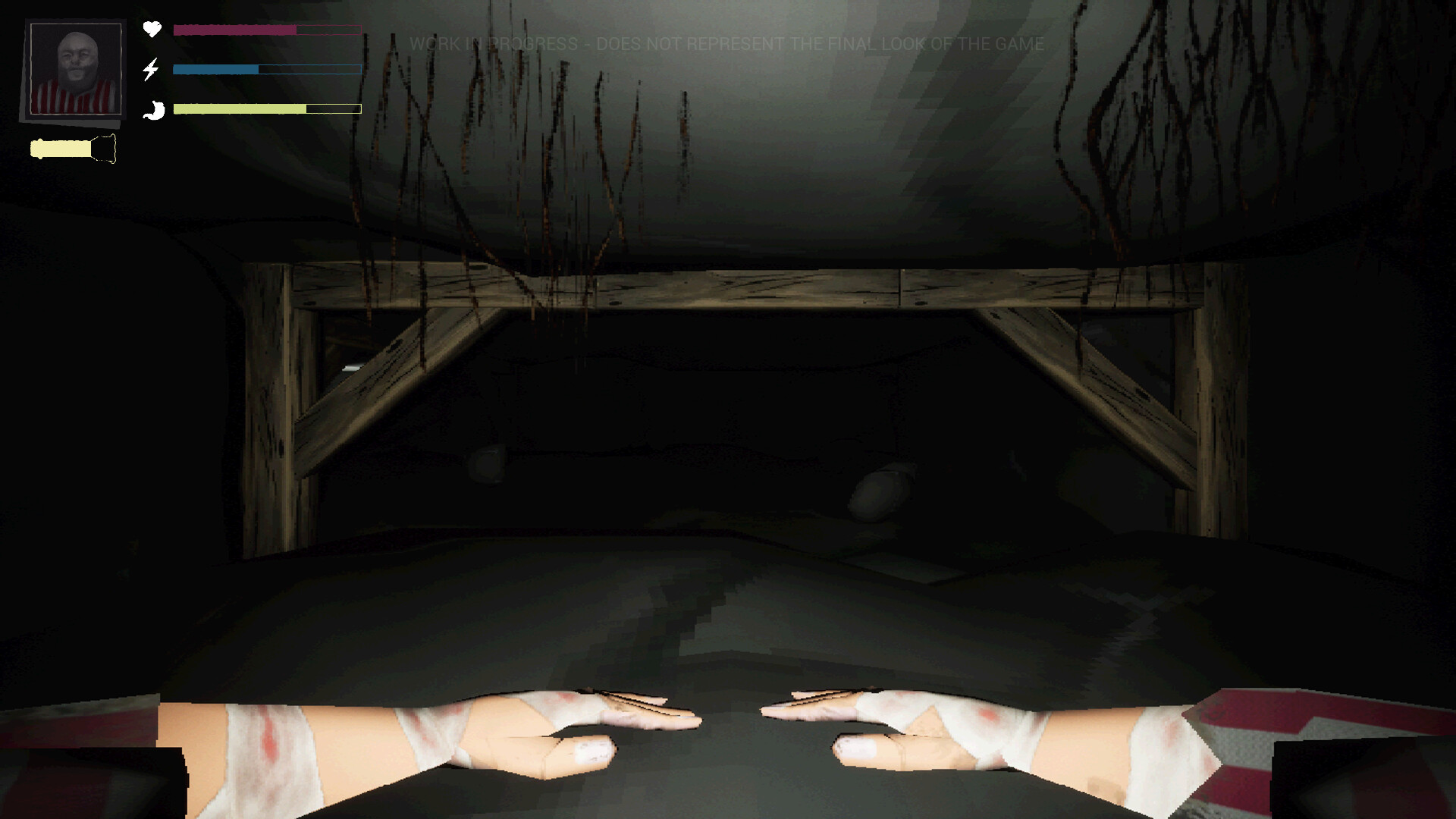
The Tunnel Does Not Care That You Cannot Stand
Most dungeon crawlers begin with a speech. PETRACAL begins with a ceiling. Official copy on Steam says you find yourself trapped in a labyrinth of narrow tunnels after an accident, then asks you, with the grammar of a person who has already lost the upright life, to crawl toward an exit. There is no room to stand. Death lurks around every corner. Observe, plan, and use every resource you can find. That is not flavor text. It is the design refusing to pay for a jog when a belly will do.
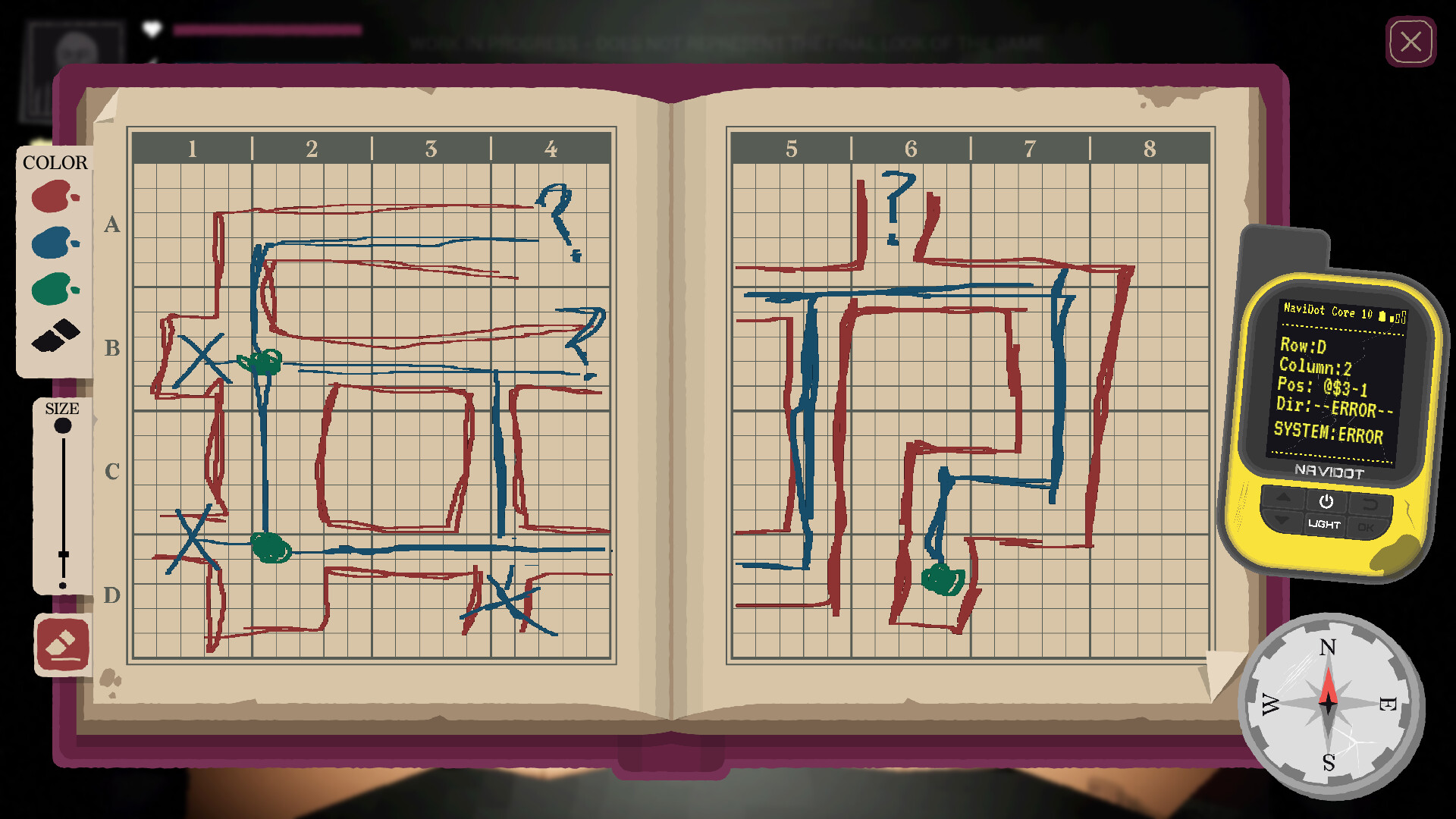
You start moving because the alternative is becoming a rumor in a place that does not keep rumors. The first stretch is staged like a punchline that forgot to be funny. You crawl. The battery thinks about it. Something in the dark thinks about you. The script, still in first person and still a little breathless, asks you to chart the walls yourself. Nobody will draw the map. That is the rest of the cave.
I like a premise that prices curiosity as a hazard and then lets you crawl toward it anyway. Narrow tunnels sit on the itinerary like questions with mass. Why is there no standing room. What was that sound. The more you explore, the more the cave answers with another bend and another thing that would like a piece of you. Story is environmental and stingy, which is the right instinct for a game that wants your ears more than your diary. You are not reading a novel. You are looting a disaster that is still happening.
The fantasy is not mastery of a combat system. The fantasy is competence arriving about half a battery after you invent a habit of listening twice. You will die in ways that would be funny if the chart were not so sincere. You leave a mark. You come back. You become the kind of person who thinks a scratch on a wall is a personality.
Battery, Blood, and a Map You Draw Yourself
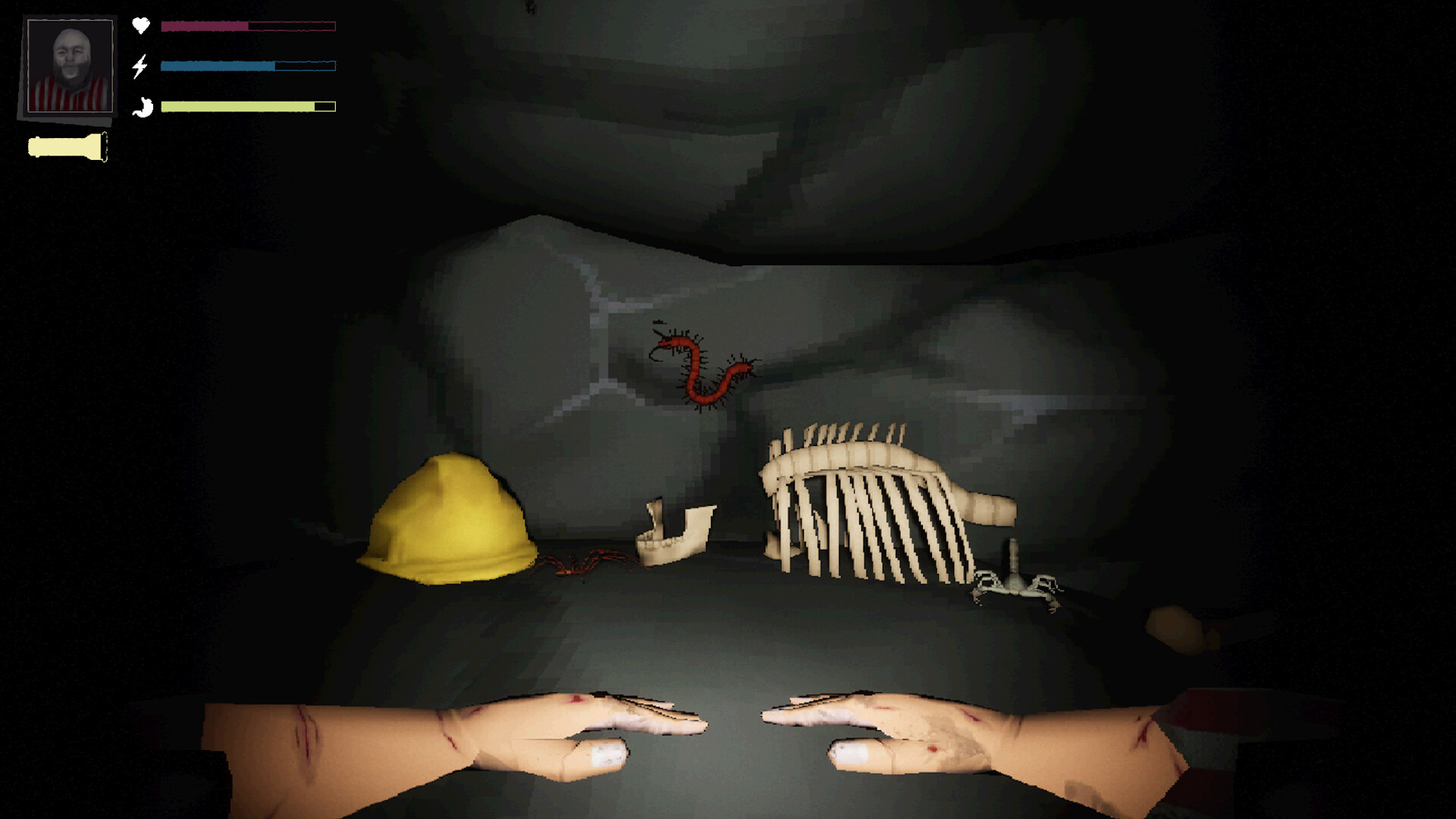
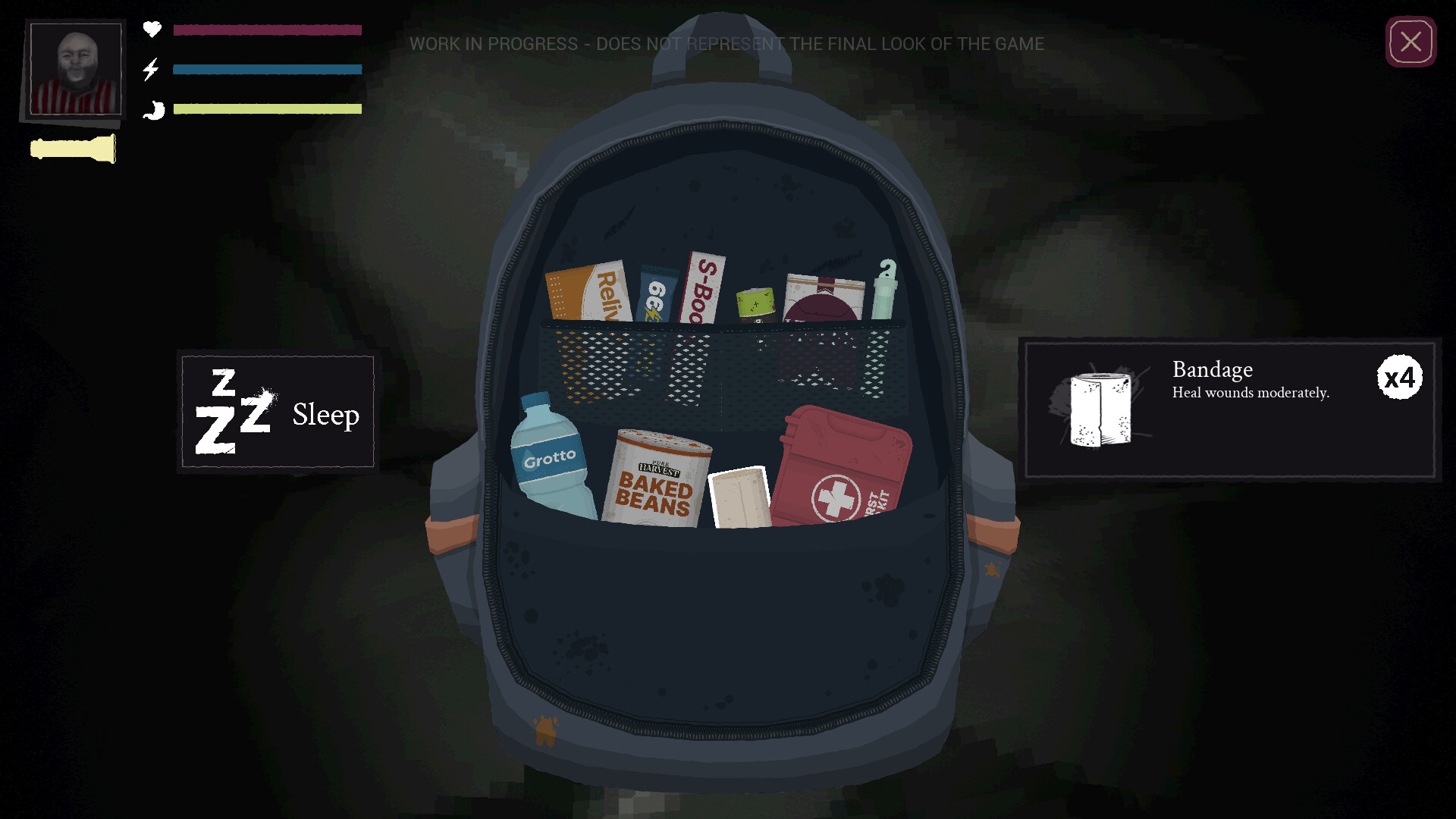
The loop is the old religion and FeralSquid does not pretend otherwise. Crawl, listen, mark, spend. Energy that makes the next bend arrive slower. A flashlight if the dark agrees to exist, a scrap of health if you would like dinner to stop being a rumor. There is no sprint bar because a crawl with a sprint is just a walking tour. Daylight is a memory. The tunnel changes its mind. None of that is a revolution. All of that is the sentence the rest of the toybox has to live in.
Charting is straightforward in the way a good scratch is straightforward. You are not drowning in a minimap. You are looking at a wall and deciding whether you have been useful enough today. Resource management is flexible without becoming a second career. Battery, blood, a defensive thought that you will test the first time a noise decides your light is a suggestion. The store page calls it brutal. That is a polite way of saying the cave can grow up if you keep showing up.
I have played a lot of games that treat the first corridor as a tutorial and the hundredth corridor as a spreadsheet. This one is shorter than that on purpose. The developer wrote it into the store page with the candor of a person who has already lost the argument with feature creep. Brief. One to two hours. Every mistake could be your last. That sentence is both a promise and a warning. If you want a loot table that could unionize, you will feel underemployed. If you want an evening that turns a scratch into a kitchen of exits, you will feel hired.
Sound keeps the commute from becoming a museum. Noises sit in the dark like dares. You loot them with your ears. You leave. You come back when you have a better battery. There is no quest log to turn on because the cave is already a to-do list. I left the volume honest for an evening and quieter for another. The rock did not mind. The thing in the bend minded either way.
Sound as a Compass, Death as a Tutor
Tension is the temperature change. Early tunnels establish that this is not a peaceful walking sim with nicer lighting. They will hide a tell farther than pride would recommend. A careful ear handles the general population. The later, nastier editions will empty a health bar if you treat them like scenery. Further in, corners with better manners would like a word, and the word is short. Getting a route that does not waste a battery takes a while. Until then, staying still is a strategy, not a cowardice.
Death is the other half of the short description and the nastier half of a crawl. The store page is not shy. Death lurks. Every mistake could be your last. That climate is why a stretch that felt like home at the first mark can feel like a rumor at the second. Variety is not a bestiary novel. It does not need to be. Pressure is the variety. A chart that holds is a better reward than a new silhouette if the silhouette is just another way to lose the light.
I will not invent a highlight reel with fake timestamps and tidy crawl counts. The nights that stay with you are the ones where you thought the tunnel was finished, then something started knocking in a rhythm that was not drip, and then you were on the wrong side of your own map. Movement can feel like two people agreeing to take turns being slow. That clunk is real. It is also priced into a crawl loop that would rather you listen, retreat, and come back dressed. Battery helps. Distance is a luxury.
Finding a scrap is good practice and a grocery run. Blood happens. The store page lists strong horror and a content note you should read before you buy. What the store page cannot tell you is how quickly you will start treating a successful mark as a mood stabilizer. You listen. You scratch. You put the light down and look at the wall like a person who has decided civilization is a line.
Nightmares, Dreams, and the Hour That Feels Longer
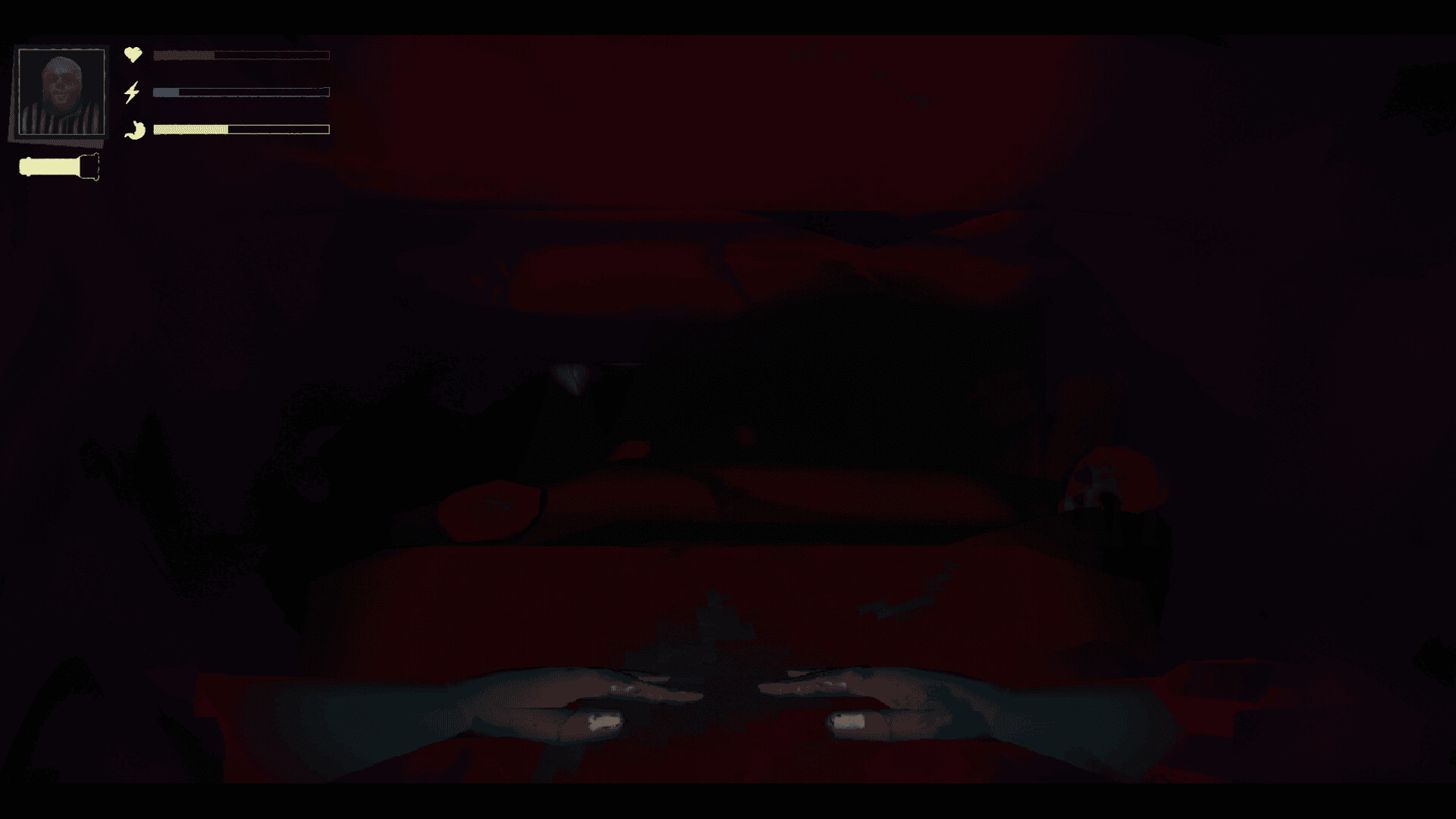
Tone is the moment the cave changes tense. Official features list nightmares and dreams next to the crawl. That is not a trailer line. It is the weather. I will not walk you to the exit and describe the visions like a tour guide. What I can say is that a game this short is more interested in your relationship to the dark than in a twist you could put on a wiki. The accident is not wallpaper. The ceiling is not a tutorial. The deeper bends have handwriting.
That shift is the closest PETRACAL comes to a power fantasy, and I like it more than a new tool. Mastery, here, is logistics. You gather, you stash a mark, you crawl a ridiculous little meter over a place that tried to eat you last minute, and you arrive like a person who has mail. The map does not get smaller because the developers deleted rock. It gets smaller because you invented commuting on your belly.
Atmosphere does the horror work a bigger budget would have spent on a second biome. Stone has a temperature. Dust has a color. A tighter squeeze is a dare. Lighting is honest enough to read and dishonest enough to hide a tell. I have played cheap indies that announce claustrophobia and then deliver a gray box with a sting. These tunnels have handwriting. They also have nights where the tell is a little too proud of itself and a night where you spend the battery because you are tired. Tired is how the cave gets you.
Sound is the better craftsman. A scrape. A drip. A something that has an opinion. The mix understands the assignment. It is tense without becoming a jumpscare factory, domestic without becoming a sitcom cue. You can hear a tunnel decide to be occupied. You can hear yourself decide that one more meter is a plan. English, Latin American Spanish, and Brazilian Portuguese sit on the box if your group chat is international. The voice of the game is the rock, and the rock talks in battery, breath, and the occasional knock that is not drip.
Claustrophobia Priced Like a Snack
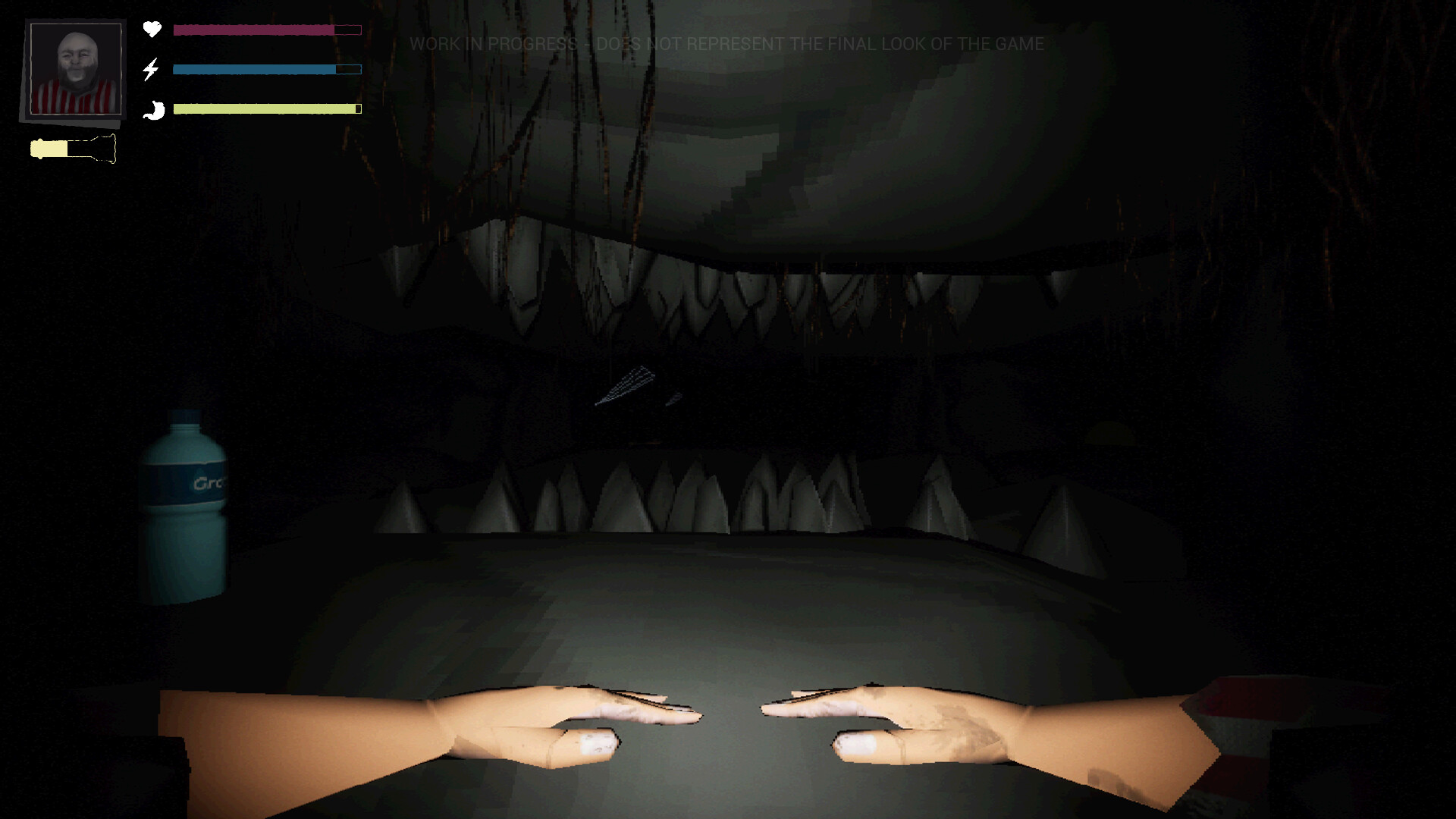
I should be clear about the friction, because it is real and it is not a footnote you hide after the score. PETRACAL looks like a game that was built by a small shop that wanted a squeeze more than a showcase. Landscapes can be handsome in the way a tight idea is handsome. Animations can be stubborn. A crawl can arrive a half-second late to its own impact. I will not invent a rock census. I will say the cave sometimes forgets to stock the resource you need and then shrugs like weather.
Technical manners on a PC build can stutter when the game decides to remember itself. A hitbox can get philosophical in a bend. The 1 GB install is a courtesy. None of that is unique to this cave. All of that is the tax on a first game from a Monterrey studio that shipped in December and asked for the price of a sandwich. Sixteen achievements sit behind the loop for people who like a receipt. None of them change the central truth. You are here to draw a map and then find out what the map is for.
Presentation is readable, which matters more than prestige. You can tell a squeeze from a pocket from an exit at a glance. If you cannot read a tunnel, the hunt dies and the chart becomes homework. These spaces are atmospheric enough to carry a scare and clear enough to carry a plan. You always know you are on your belly. You do not always know why a noise is already there.
Short is not a slur at $5.99. Short is the thesis. A lot of survival overstays because a producer needed a ten-hour hook. This one clocks out. I have paid more for a worse hour. I have also wanted, on a second night, one more layer. The demo on the store page is the studio’s way of saying they knew you would want to test the work. Crawl the first bend. Wait. The ceiling holds. The cave is in your house.
A Small Sample and an Honest Crawl
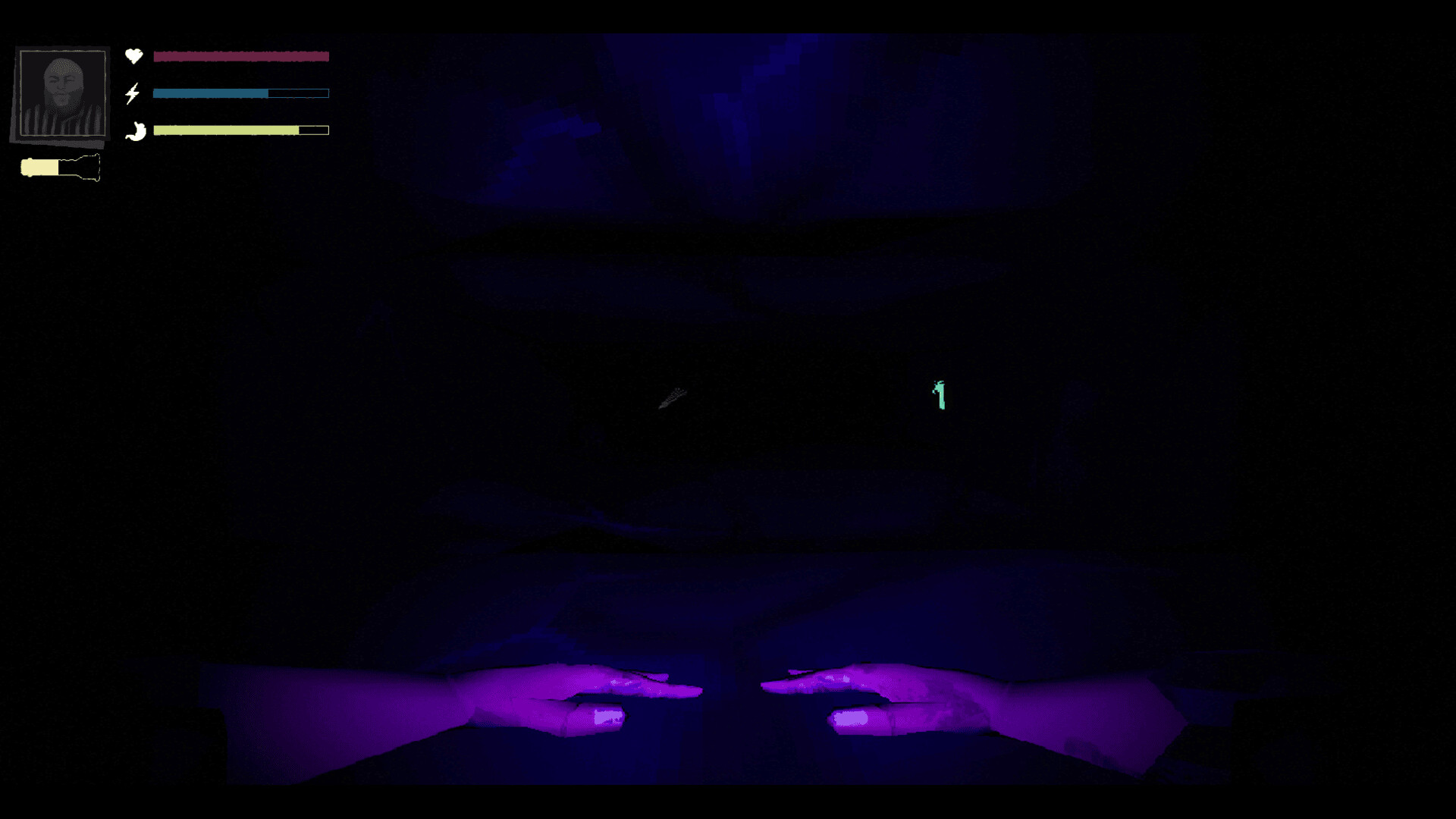
Price is part of the review. $5.99 is a snack that scares you. For that ask you get a complete crawl, a chart that is yours, a light that will not stay generous, and a pair of hours if one sitting was not enough humiliation. I have paid more for a skin. I have paid more for a worse hour.
The genre problem is the other half of the honesty. Claustrophobic crawls are a crowded hallway. If you have already spent a year in a vent counting screws, the first tunnel will feel like a dialect, not a new language. PETRACAL earns the dialect with the no-stand fiction, with the self-drawn map, with the battery that refuses to be a menu. It does not earn a free pass on a single cave. You will learn the scrape. The scrape will not learn you back.
I should also say the quiet part about the sample. Fifteen purchaser reviews is a room, not a stadium. One hundred percent is the official weather and it is too small to be a climate. Players who wanted a longer crawl, a prettier fight, or a resource economy that never hides the scrap will bounce off when the room gets louder. Players who wanted a brief adventure with a belly and a bad idea about standing stay. I am in the second camp with caveats, which is the only honest place to stand.
FeralSquid said chart, plan, explore, devour, stay sane. The joke is the product. A first studio has a habit of walking a small, strange thing to a store page and then not sanding off the strangeness. That walk is why a crawl from Monterrey landed in December without becoming a different game.
If the first bend feels like a toy, give it a second. If the fifth mark feels like a vice, you are the audience. If you never want to stare at a ceiling, there is a whole industry of games that will not ask. The tunnel will still be there. The battery will still have a shift.
Still Crawling After the Exit

PETRACAL is a rare snack-priced survival that understands its own joke and then has the nerve to make the joke a ceiling. FeralSquid built a cave about accidents, a chart about teamwork you do with yourself, and a toybox that looks a little homemade and plays a lot more sincerely than that sentence suggests. The crawl is the hook. The battery is the spine. The trip from a scratch to an exit is the grin.
It is better with a nerve than with a checklist. Movement is slow in the way a lightweight fight is slow. Resources can sulk. The presentation has indie fingerprints, from the stubborn animations to the story that would rather be a dream than a cutscene. All of that is true, and all of that is already priced in at $5.99 on Steam. You are not buying a decade. You are buying an hour that can turn into two if you like being a coordinated disaster, or being the person who has to explain the disaster to a wall.
I am scoring it 8, Great, because the identity is this clear and the limitations are the limitations of a focused crawl, not an empty one. I would recommend it to anyone who likes a light that has weight and a tunnel that is allowed to be rude. Distinctive cave weather, a chart that shrinks the horizon, sound that turns rock into conversation, and a price that respects your week are a lot of game for the ask. The systems repeat their manners. The manners are still useful.
The cave is still out there, still hiring a night shift, still asking what standing was. After a few marks, you will understand why the job is not finished, and why you keep waking up on your belly anyway.
We prepared this review with a digital copy of the PETRACAL for the PC version provided by Pressengine.