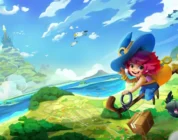
There is a particular pleasure, rare in a medium that usually asks you to pick an attack from a list, in shouting a sentence at a rival and watching the sentence become a fist. SUPER. FIRE. KICK. The words land like title cards. The kick follows a beat later, as if the universe needed a moment to typeset the violence. Wander Stars, the Super! Anime! Turn-Based! RPG from Paper Castle Games and Fellow Traveller, is built on that joke, and the joke is sturdier than a Saturday morning premise has any right to be.
I played the PlayStation 5 version, the living-room edition that arrived on 19 September 2025 alongside PC, Switch, and Xbox. Paper Castle started in Venezuela in 2013 and now works out of Spain, a small team of friends who grew up on Dragon Ball Z, Cowboy Bebop, Sailor Moon, and One Piece, then decided the honest thing to do with that childhood was to make it playable. At $24.99 it is priced like a full season you can finish without clearing the calendar. Ringo, a young martial artist looking for her brother, and Wolfe, a mysterious scoundrel running from his past, collect pieces of the Wanderstar Map across ten anime-inspired episodes. Combat is Kiai, a magical martial art and the universe’s favorite televised sport, and you play it by combining words. The personality is loud, warm, and specific. The maps, after a few episodes, start to rhyme with themselves. Great, not flawless, and very much a season I would recommend you actually finish.
Next Time on This Channel
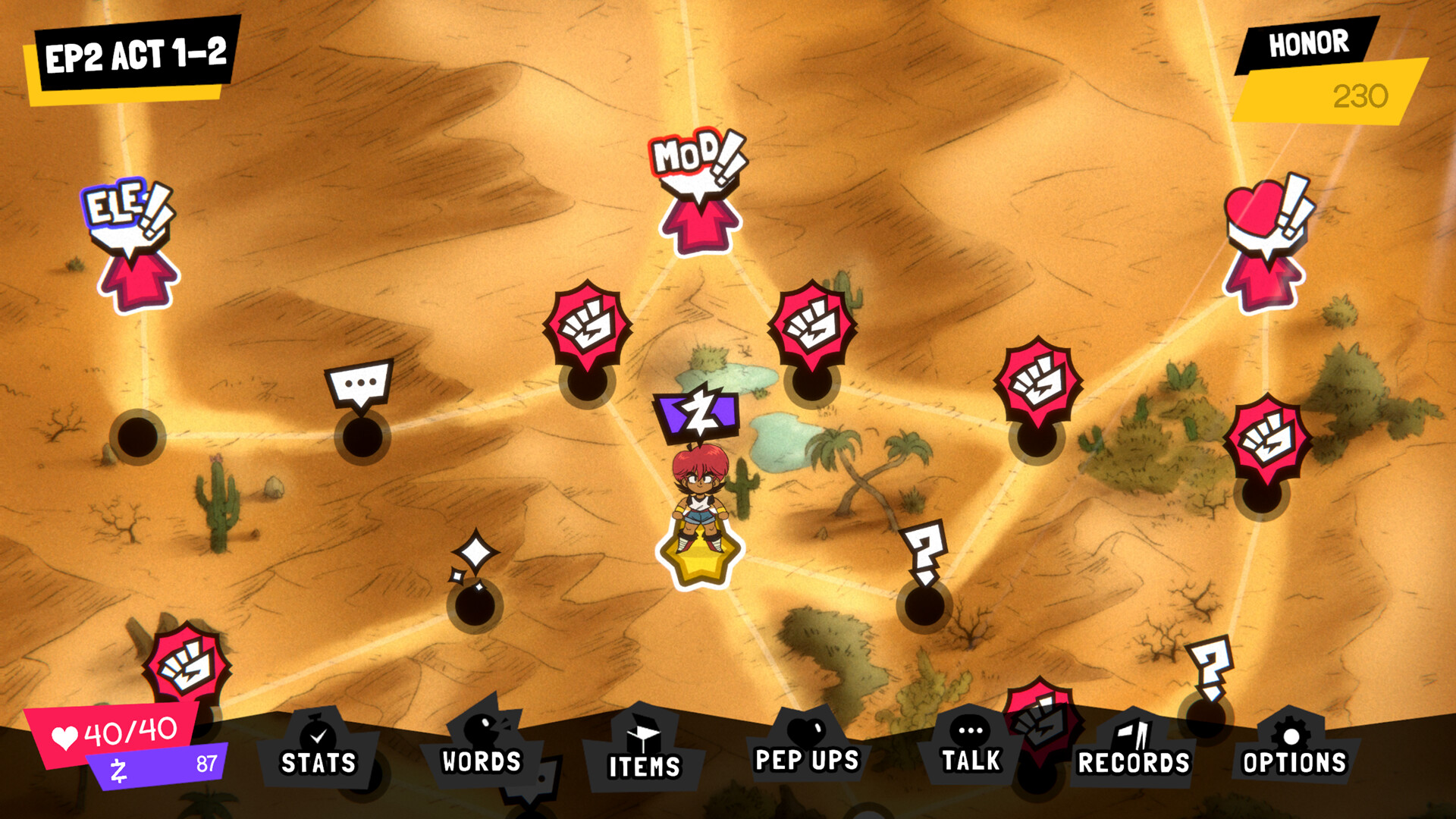
The setup is a comfort blanket of tropes worn with the sincerity of people who still love the blanket. Ringo is hot-headed, earnest, and slightly too ready to solve a conversation with a kick. Wolfe is the brooding counterpart, a scoundrel with a past that the script is in no hurry to hand you on a plate. They do not get along. They have to get along. The map is in pieces. The brother is missing. The universe, as these universes do, is full of space pirates, cute witches, high school delinquents, talking crows, and martial artists who treat a duel like a social call. If you have ever sat through a cold open that promised a race across the stars and a found family by episode four, you already know the weather.
What keeps the weather from becoming a costume is the writing’s particular accent. Paper Castle is not doing a museum piece about 1990s anime. The studio is doing a memory of watching those shows in 1990s Venezuela, which is a different and more interesting job. The jokes have room for health-restoring empanadas, surfing capybaras, forgotten shopping lists, rifts in space, and rifts between lovers. That last pairing is the tell. The game wants the Saturday morning volume and the late-night feeling that someone in the cast is carrying a real bruise. Wolfe’s past is not a stat. Ringo’s brother is not a fetch-quest icon. The map is a reason to keep moving, and the moving is where the show lives.
The presentation commits. Character designs read like they wandered off a shelf of VHS spines, all sharp hair, louder expressions, and the kind of silhouette you could recognize from across a living room. Portraits do most of the acting. A handful of fully animated cutscenes arrive like specials, handsome enough that they accidentally remind you how still the rest of the production can be. A good portrait and a better line will carry a scene. A long scene that should have been a short scene is the actual tax, and Wander Stars pays that tax more than once. The cliffhanger at the end of an episode is usually worth the linger. The middle, when a side conversation forgets it is not the A-plot, is where I reached for the skip instinct and then felt slightly guilty, because the guilty feeling means the characters had already worked.
There is no voice acting. I will not pretend I did not notice. The brass-heavy score and the cartoony hits do a lot of the shouting instead. You supply the rest in your head, or, if you live alone and have no shame, out loud.
Build the Sentence, Then Throw It
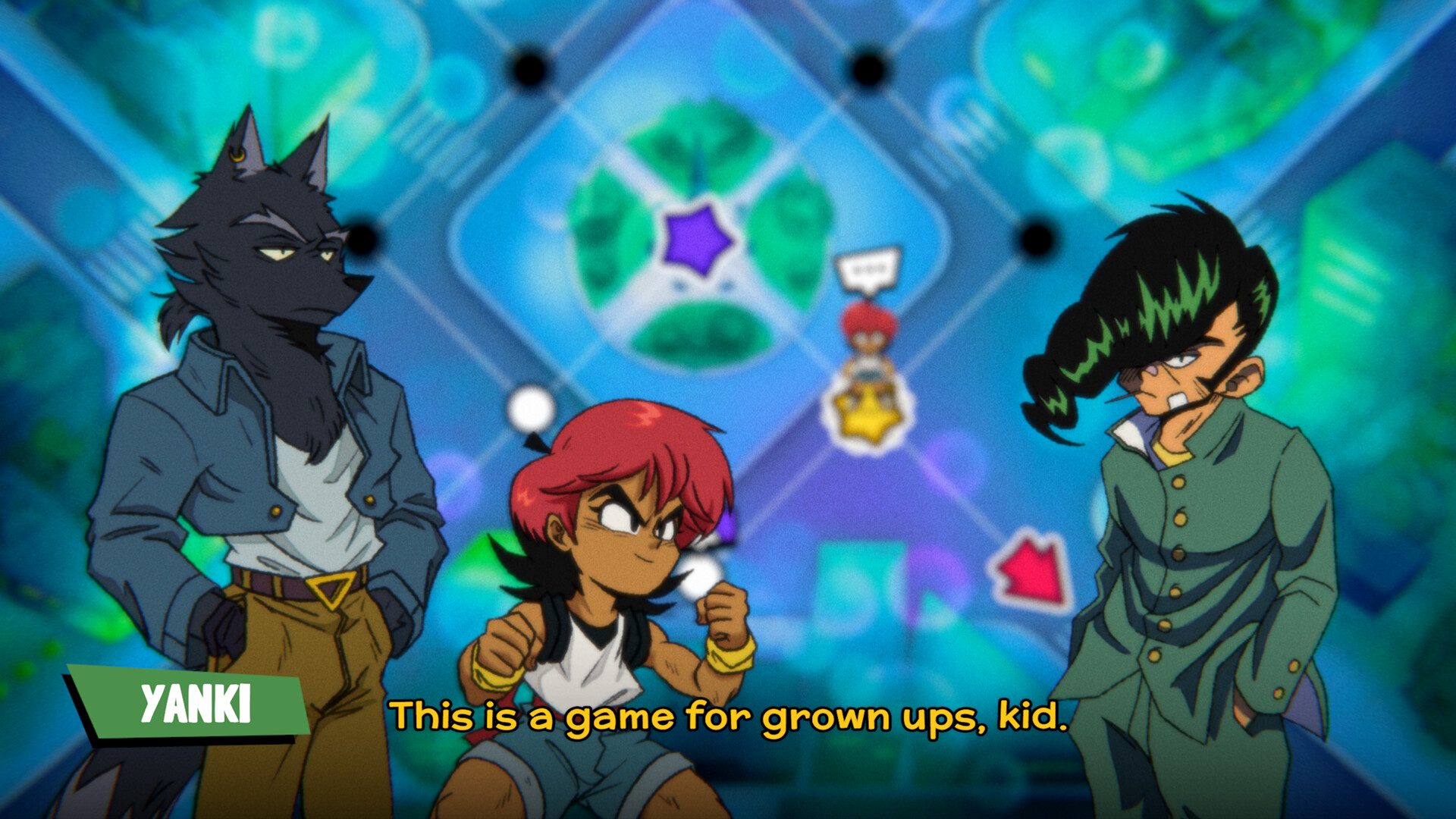
Kiai is the reason to stay. It is a magical martial art and, in the fiction, the universe’s most exciting form of televised entertainment, which is a delightful way of admitting that the combat is a show and you are both the athlete and the commentator. You do not pick Fireball from a menu and call it a day. You build a sentence. ACTION words do something: KICK, BLOCK, ITEM. MODIFIER words change the something: SUPER adds damage, FAST trims a cooldown, HUGE hits everybody who had the poor luck to share a frame with you. ELEMENTAL words add a status and a flavor: FIRE burns, WATER wets, and the rest of the dictionary waits to be collected. Spirit level is your word count. More spirit, more slots, more ridiculous grammar. Over two hundred words live in the campaign.

The structure underneath the spectacle is a turn-based JRPG that borrowed a deckbuilder’s manners. Words have cooldowns. Opponents have strengths and weaknesses you will not know until you are already in the fight, so the first round is reconnaissance dressed as a punch. You pack a vocabulary before an episode, a loadout of language, and then you live with that loadout while the map throws rivals at you. That packing step is the design’s sharpest edge and its most stubborn limit. Choose well and you feel like a poet with a grudge. Choose for vibes and you will meet a rival who is bored by your favorite sentence. I respected the constraint. The game will not let you swap mid-episode. This is television. The cast list is locked.
The pleasure is linguistic and tactical at the same time, which is rarer than it should be. A good turn is a good sentence. SUPER FAST FIRE KICK is not just louder than KICK. It is a different tool, a different cooldown story, a different answer to a wet opponent or a packed field. HUGE turns a single-target habit into crowd control. ITEM keeps you alive long enough to say the glamorous words again. Blow your best modifiers in the opening flourish and you will spend the next two turns speaking in short, sad nouns. Hold everything for a highlight reel and a faster rival will write the scene without you.
I settled, as most people will, on a handful of pet combos. That is inevitable and slightly sad, because the dictionary is the toy and habits shrink toys. The best evenings were the ones where a rival’s resistance forced me to unshelve a word I had been treating as comic relief. Wander Stars is more interesting when you are a little underprepared. There is a demo if you want to test the language first. Twenty-five achievements sit in the background. Sounding cool is, per the game’s own advice, a valid optimization.
Honor Is the Other Combo
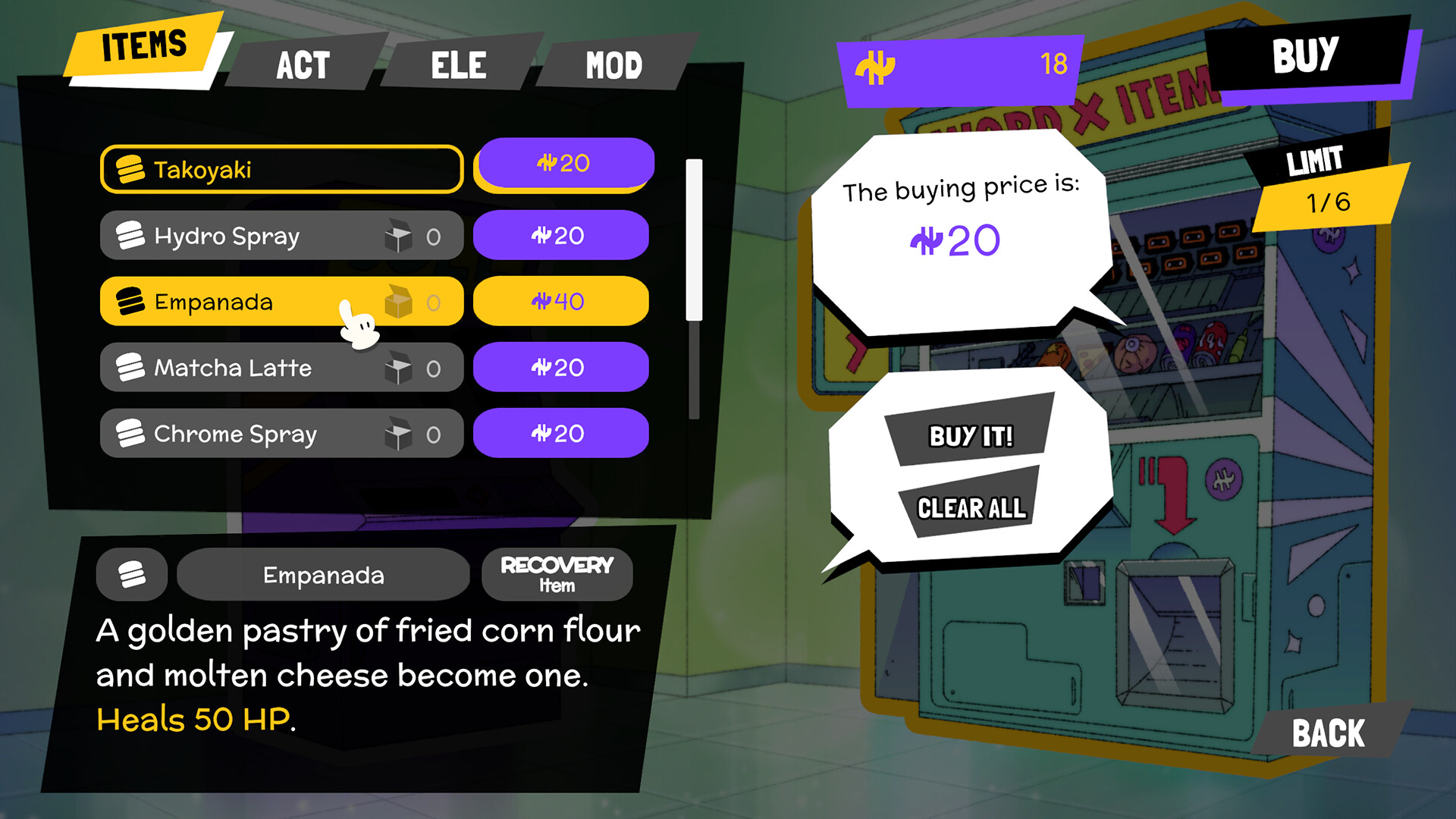
The other thesis is honor, and it is not flavor text. Kiai wants you to win a certain way. Beat a rival into the floor and you have a victory. Beat a rival with honor and you have a friend, or at least the beginning of one, and friends in this universe pay you in Pep Ups, equippable encouragements that change what your next sentence can do. The fiction is charming. The mechanic is the reason the charm has teeth. You are not only managing damage. You are managing the temperature of a duel, looking for the window where a surrender is more valuable than a knockout.
That window is a band of health where dignity is still available and brutality is a waste. I have overkilled a rival I liked because I was greedy with a HUGE modifier and the sentence would not stop. The game does not scold you with a lecture. It simply withholds the Pep Up and the friendship, which is a more adult punishment than a game about surfing capybaras has any right to deliver. You feel the miss. You fight cleaner next time.
Pep Ups are the permanent-feeling half of a loop that also likes temporary gifts. Between episodes you spend honor on upgrades that make the next hour feel like a better version of you. During an episode the map can hand you buffs, events, and the usual roguelite pocket change. The blend is why a replayed episode is not only a hunt for missed banter. It is a chance to walk a different sentence into a different room. Call it a show with a shuffled B-plot.
The cast around Ringo and Wolfe is the other reward for fighting like a person instead of a calculator. Space pirates who want a better legend. Witches who are cuter than their hexes. A talking crow who has opinions. Delinquents who treat the galaxy like a schoolyard that happens to have spaceships. Wander Stars is a found-family machine, and found-family machines live or die on whether the extras feel like they have somewhere else to be. These extras do. Not all of them get along. The script is willing to let a relationship stay itchy for an episode longer than a safer game would allow.
Ringo is a terrific lead for this kind of story. She is a dark-skinned girl of color in a shonen costume that the genre has historically reserved for somebody else, and the game does not treat that as a slide at the end of a presentation. She is the protagonist. She shouts. She eats the empanada. She is wrong in public and right in a fight. Wolfe is the foil, not the owner of the camera. The camera likes her face, and so did I.
Ten Title Cards and a Universe That Keeps Redecorating

Ten episodes. Sixty to ninety minutes each if you do not live in every bush. Title card, cold open, map, rival, conversation, cliffhanger, recap energy you supply yourself because last week’s episode is still in your hands. The structure is the second best idea in the game, after the dictionary, and it is the idea that makes a twenty-five-dollar RPG feel like a season instead of a commute. You can binge. You can watch one and go to bed. Both are correct. I did both, depending on whether the cliffhanger had manners.
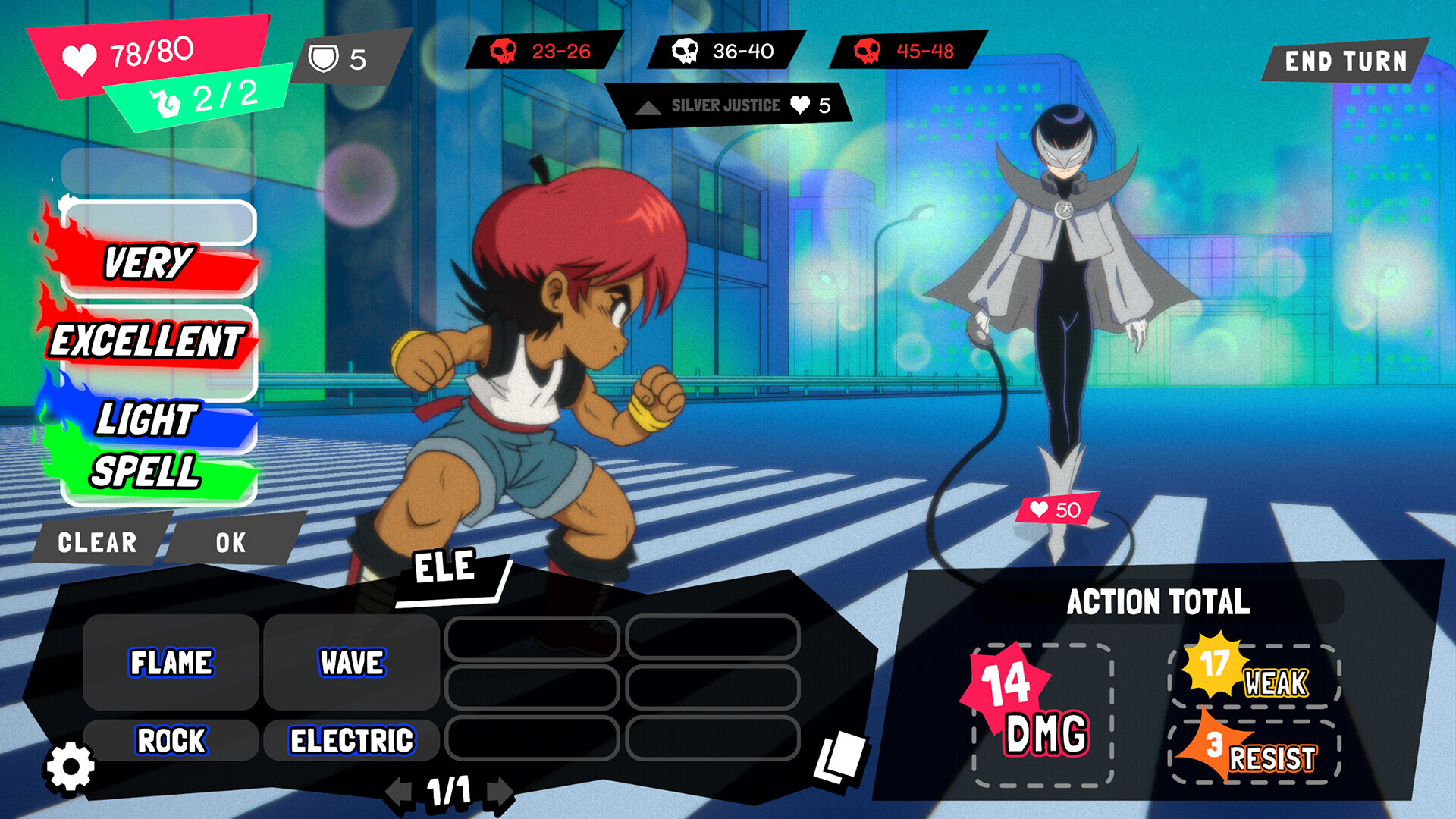
Each episode gives you a map with a main path and a habit of hiding the good stuff in the margins. Battles, special events, and secrets are procedurally arranged around the story beats that have to happen for the episode to remain the episode. Replay the hour and the furniture has moved. A rival is standing where a treasure was. A side conversation has migrated. The A-plot stays the A-plot. The hallway to the A-plot grows a new joke. Hunt every NPC and every Pep Up and you will notice that a shuffle is still a shuffle of a familiar room.
I like a map that can surprise me without abandoning the plot. Wander Stars does that for most of the season. A lurking rival can turn a shopping trip into a duel. A tantalizing treasure can turn a duel into a detour. The procedural layer is there to keep the hour from becoming a hallway, and for the first half of the campaign it succeeds with a grin. Later, the grin is the same grin. The events have a finite deck. You will start to recognize the shape of a random encounter the way you recognize a bottle episode, not because it is bad, but because you have seen this bottle.
The right way to play, if you are not a completionist by religion, is to treat side paths as appetite rather than homework. Follow the banter. Fight the rival who looks like they have a word you want. Eat the empanada. Leave the third identical skirmish alone. The game will let you. You are not being asked to master a run. You are being asked to keep watching. Replayability is real and bounded: new paths, new banter, new word combinations. People who wanted a fifty-hour JRPG with towns you can live in will bounce. People who wanted a playable Saturday morning block will not. I am the second person. I still wanted the maps to invent a new verb in episode eight, and they mostly conjugated an old one.
When the Vocabulary Starts Repeating Itself
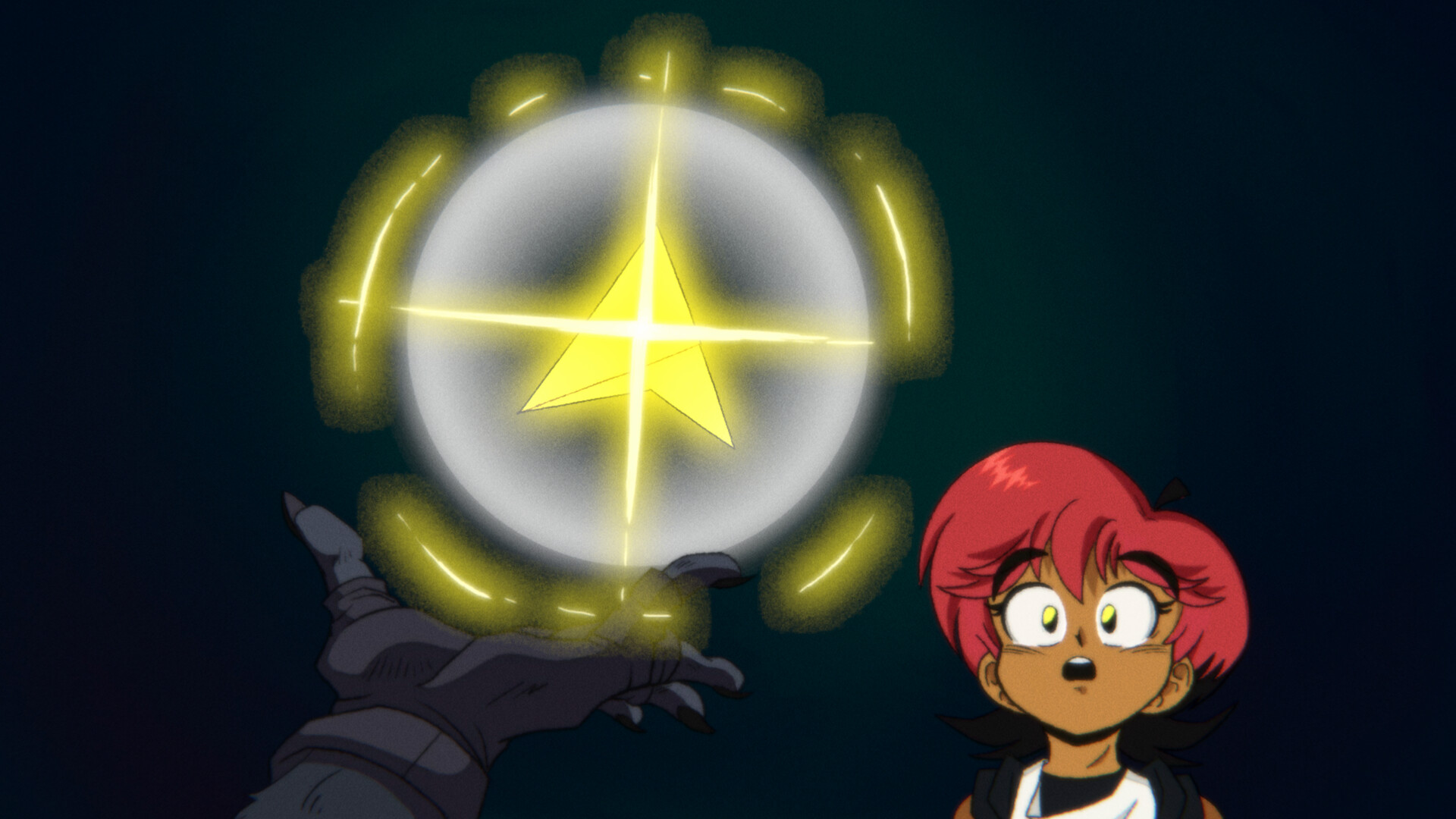
I should be clear about the friction, because it is real and it is not a footnote you hide after the score. The maps repeat their manners. The later episodes still have new story, new faces, new reasons to care about Wolfe’s past and Ringo’s brother, and the ground those stories walk can feel like a rearrangement of earlier ground. Procedural events are a spice. Spice is not a meal. When the same category of surprise sits in a new costume, the surprise becomes a commute with better lighting.
The vocabulary lock is the other scar. Building a sentence is the fantasy. Being stuck with yesterday’s sentence because you packed for a different weather is the tuition. I accept the trade more often than I resent it. I resent it when a boss-shaped rival is allergic to the element I left in the suitcase. The game wants improvisation and then, at the door, confiscates half the dictionary. That tension will delight people who like a constraint. It will irritate people who thought two hundred words meant two hundred words in their pocket at all times.
Pacing is the third tax. Wander Stars loves a conversation. I love a conversation that knows when it has made its point. The script is funny and sincere, sometimes in the same paragraph, and it is also willing to explain a feeling you already felt. Between two good fights, a long talk can feel like a recap aimed at a viewer who left the room. I wanted the next title card. The game always had one. It just asked me to sit through the credits of the scene first.
None of this knocks the object into a lesser tier. A small Spanish studio with Venezuelan roots made a complete season with a combat idea I have not seen done this cheerfully, a cast I would watch in a quieter show, and a structure that respects the fact that adults have episodes, not sabbaticals. Fellow Traveller, with Beep Japan along for the relevant territories, got that season onto living-room hardware without sanding off the grain. At this price, the maps starting to rhyme is a real complaint and a survivable one.
Still Tuned In After the Credits
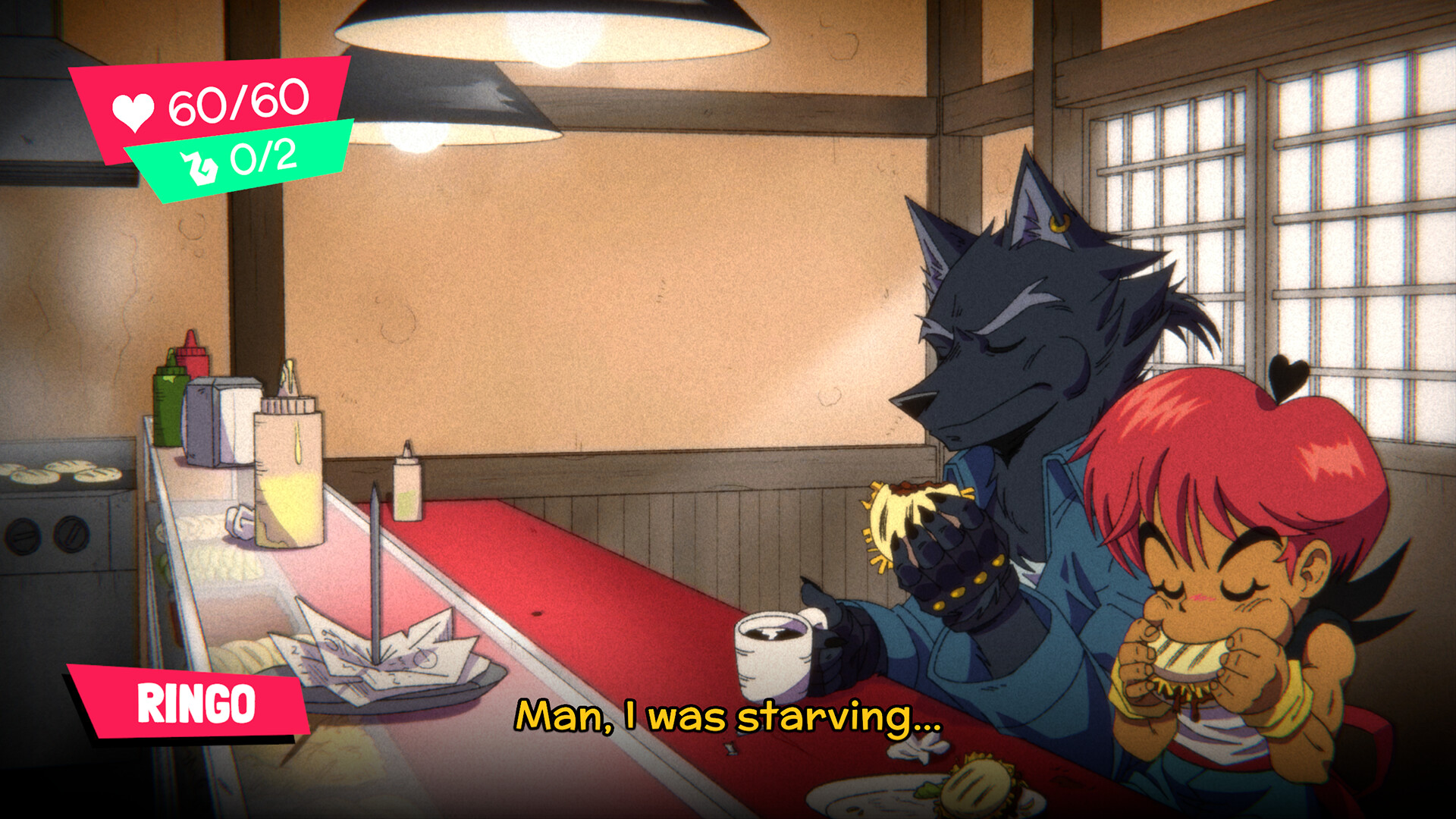
Wander Stars is the rare mid-priced RPG that understands its own joke and then has the discipline to make the joke a system. Paper Castle Games built a season about language, a martial art that is also a broadcast, and a map that keeps rewriting the B-plot while the A-plot remembers to have a heart. The hook is shouting a sentence until it becomes a kick. The spine is the way that sentence has to survive cooldowns, honor, and a rival who has read a different dictionary. The scar is the night the map feels familiar and you keep walking anyway, because Ringo is still looking, and so are you.
It is better as a season than as a world. The episodes have enough costume changes to prevent the second hour from feeling like the first, and not always enough to prevent the eighth from nodding at the third. The word combat stays the reason to recommend it. The found family stays the reason you finish it. The repetition is real. So is the grin when SUPER FIRE KICK lands on the right weakness and the screen holds the pose like a comic book that learned how to breathe.
I am scoring it 8.5, Great, because the identity is this strong and the limitations are the limitations of a focused season, not an unfinished one. At $24.99 you are not buying a decade of extra chapters. You are buying ten episodes of a show that knows what it is, plus a dictionary you will rearrange in your head on the train. I would recommend it to anyone who ever pointed at a broadcast and said, without irony, that they wished they could play that. Distinctive word-combo combat, an episodic structure with actual title cards, a personality that does not feel sanded into paste, and a price that respects your week are a lot of game for the ask. The maps repeat their jokes. The jokes are still good.
Ringo is still looking for her brother. Wolfe is still looking for a version of himself he can live with. After a few episodes, you will understand why they have not found either yet, and why you keep hitting play anyway.
We prepared this review with a digital copy of the Wander Stars for the PS5 version provided by Fellow Traveller.