
Welcome Back to the Shrine, Please Leave Your Confidence at the Door
Nioh 3 is Team Ninja at full volume, and by “full volume” I mean the kind of game that makes you sit up straighter in your chair without realizing it. It’s the third entry in the dark samurai action RPG series, published by Koei Tecmo and developed by Team Ninja, launching February 6, 2026 on PlayStation 5 and PC, with online play supporting up to three players.
If you have history with Nioh, you already know the basic contract: razor precise combat, deep RPG buildcraft, aggressive enemies that punish hesitation, and a world where every corner is one bad decision away from turning into an unscheduled boss fight. Nioh 3 keeps that contract intact, but it evolves the formula in two big ways.
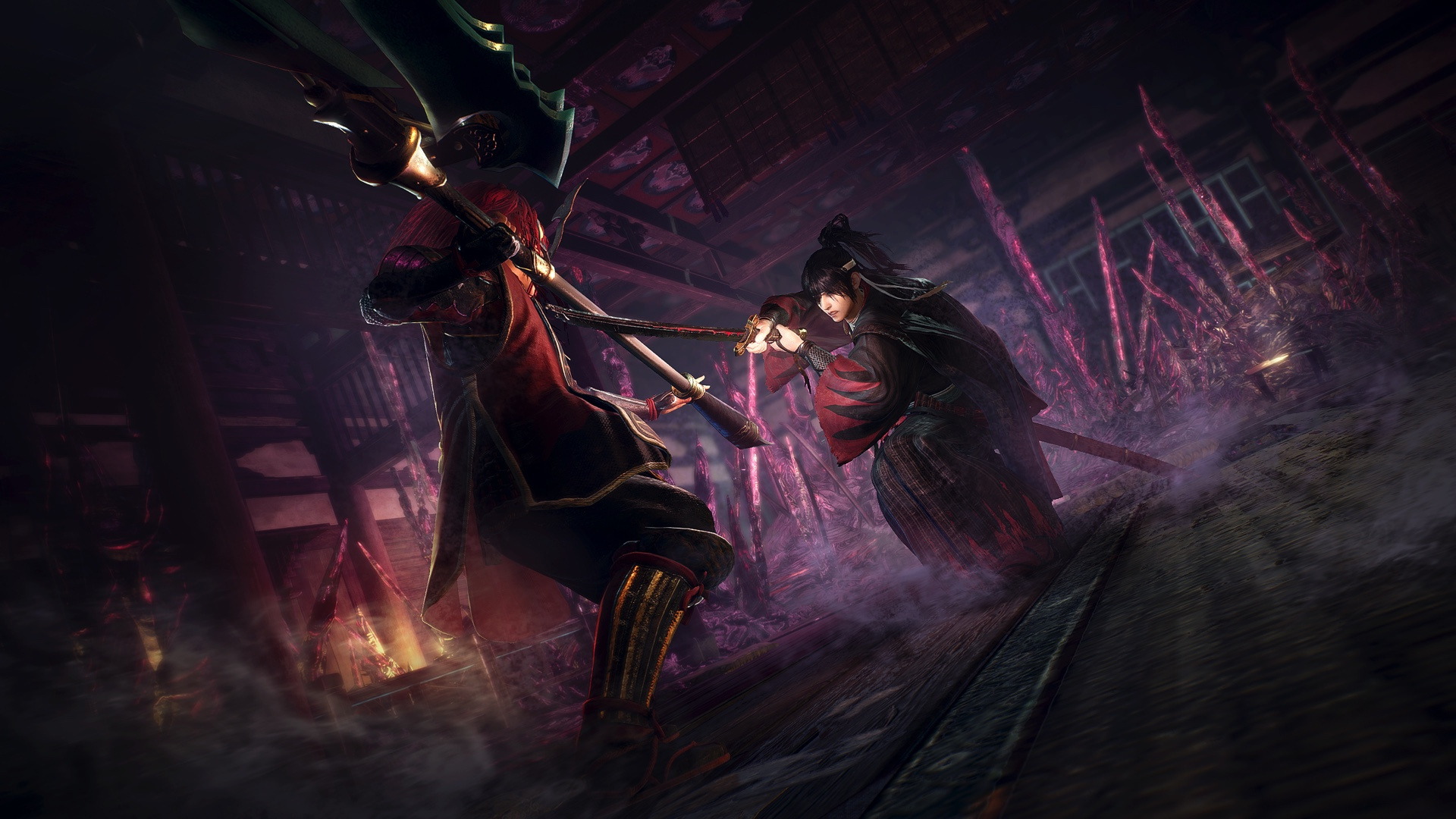
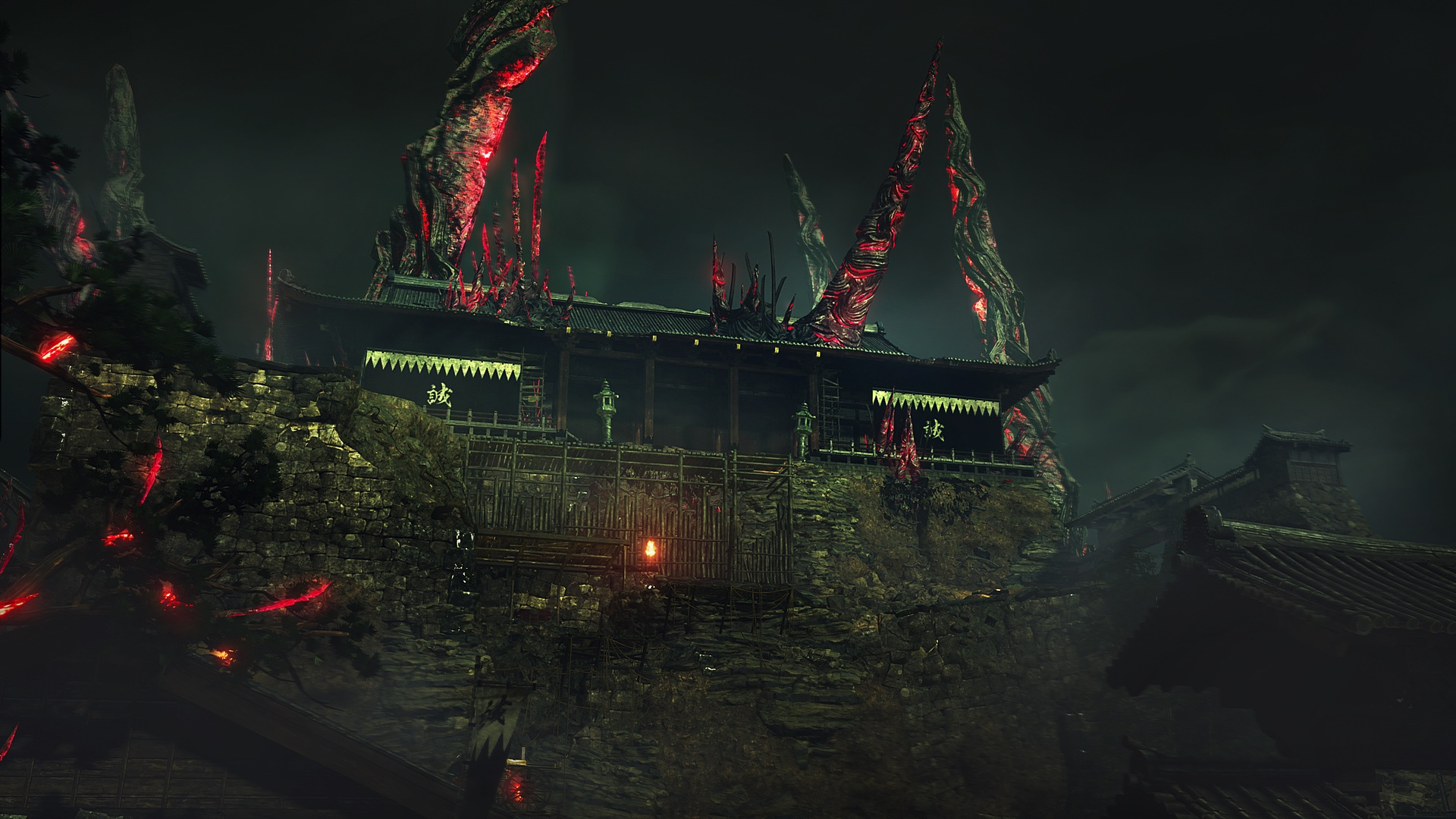 First, it introduces dual combat styles, Samurai and Ninja, and lets you switch between them seamlessly, turning “playstyle” into an active tactic rather than a menu choice.
Second, it shifts from the more segmented structure of the previous games into “open fields,” larger explorable spaces that still carry that signature Nioh tension, the kind that makes you suspicious of any peaceful looking village because you know peace is never free in these games.
The result is a sequel that feels both familiar and surprisingly fresh, like your favorite brutally sharp kitchen knife, now with a second blade attached, and both blades are pointed at you.
Also, it is doing numbers. Nioh 3 hit over one million copies sold worldwide at franchise record pace, pushing the series past 10 million total, and it set a new all-time peak on Steam at 88,045 concurrent players on February 8, 2026.
Critically, it has landed in “strong recommendation” territory across major aggregators, with an OpenCritic average in the mid 80s and an overwhelming “recommended” rate.
 That matters because Nioh has always been a “devoted fans” series, and Nioh 3 feels like a moment where that devotion is spilling over into the mainstream, not because it got easier, but because it got smarter about giving players more ways to earn their wins.
Edo Castle, Siblings, and a Timeline That Needs Therapy
Nioh 3’s story is built on a clean, dramatic premise, and it doesn’t waste time getting you into trouble.
The year is Genna 8 (1622). Edo Castle is preparing for Tokugawa Takechiyo’s appointment as the next shogun. His younger brother Kunimatsu, convinced the succession should have been his, falls into darkness under a sinister influence and unleashes an assault of yokai that turns a “peaceful era” into an unrecognizable hellscape. In the chaos, Takechiyo transcends time through the power of his guardian spirit, Kusanagi, and the story becomes a time-traveling fight to change fate and save Japan.
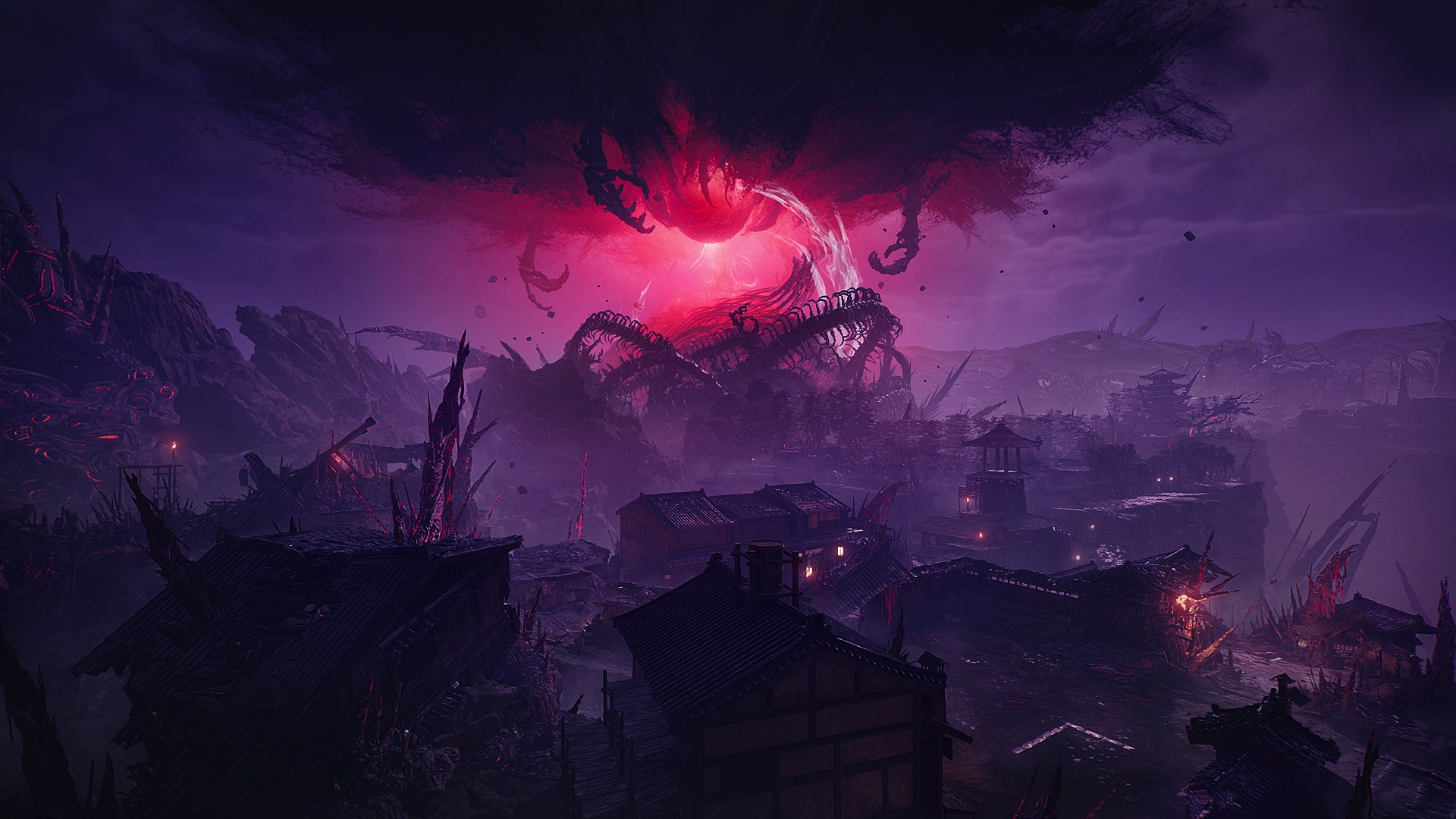 This is classic Nioh, historical drama fused with supernatural mythology, except Nioh 3 leans even harder into the “across eras” angle. The narrative framework gives Team Ninja an excuse to throw you into wildly different slices of Japanese history, each with its own mood, enemies, and flavor of dread. It also lets the game play with a theme Nioh has always loved, history is not a straight line, it’s a battlefield, and the supernatural is the knife hidden in the sleeve.
Takechiyo is also an interesting protagonist choice. He’s the grandson of Tokugawa Ieyasu, and the game’s official character framing leans into the tension of being the “rightful successor” who is still doubted by those around him because his younger brother seems more gifted.
That sibling rivalry is not just soap opera garnish, it becomes the emotional engine of the story. Nioh is at its best when it connects its monster slaying to human motivations like pride, resentment, grief, and ambition, and Nioh 3 uses Kunimatsu as a mirror to Takechiyo, the same bloodline, the same destiny orbit, very different choices.
A Surprisingly Strong Supporting Cast
Time travel also lets Nioh 3 build a supporting cast that is basically a greatest-hits playlist of historical figures and legendary characters. The official roster includes names like Himiko, Hattori Hanzo, Honda Tadakatsu, Takeda Shingen, Minamoto no Yoshitsune, Minamoto no Yoritomo, Okita Soji, and Tokugawa Yoshinobu.
 This matters for two reasons.
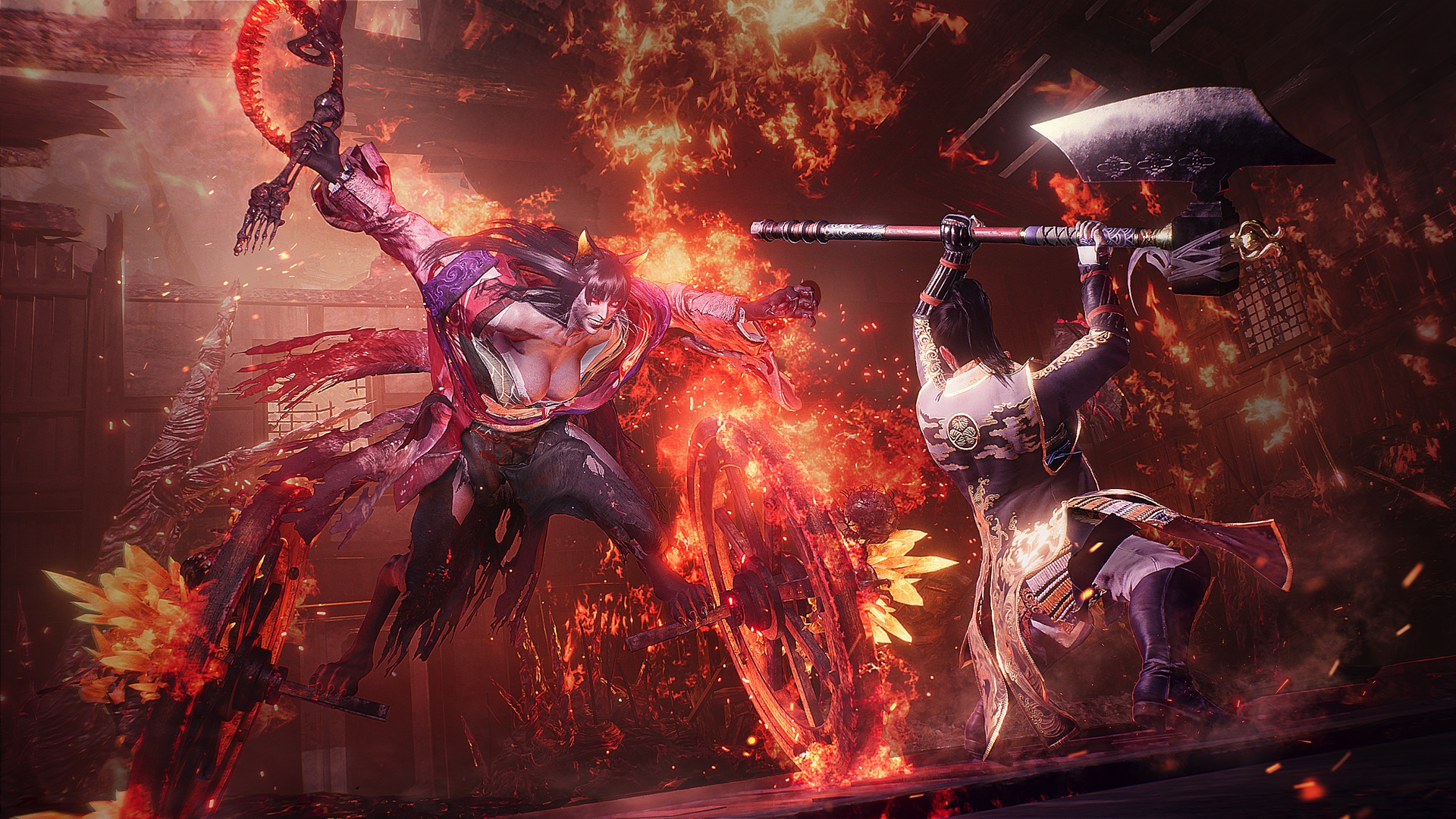
One, it gives the game constant narrative momentum. Even if you are not deeply invested in Japanese history, the game introduces these characters with enough context to make them feel like forces, not trivia.
Two, it reinforces Nioh’s signature vibe, you are never just fighting “a boss,” you are fighting a myth, a legend, or a corrupted version of someone who mattered.
Nioh 3’s writing is not trying to be delicate. It’s operatic, direct, and often blunt, but it knows how to set stakes. There is a satisfying sense of urgency in the way the story frames Takechiyo’s journey, you are not sightseeing, you are patching reality like a frantic historian with a sword.
Two Styles, One Body, and the Best Kind of Identity Crisis
The defining feature of Nioh 3 is its dual-style combat system. You can fight in Samurai Style or Ninja Style, and switch between them instantly and seamlessly during battle.
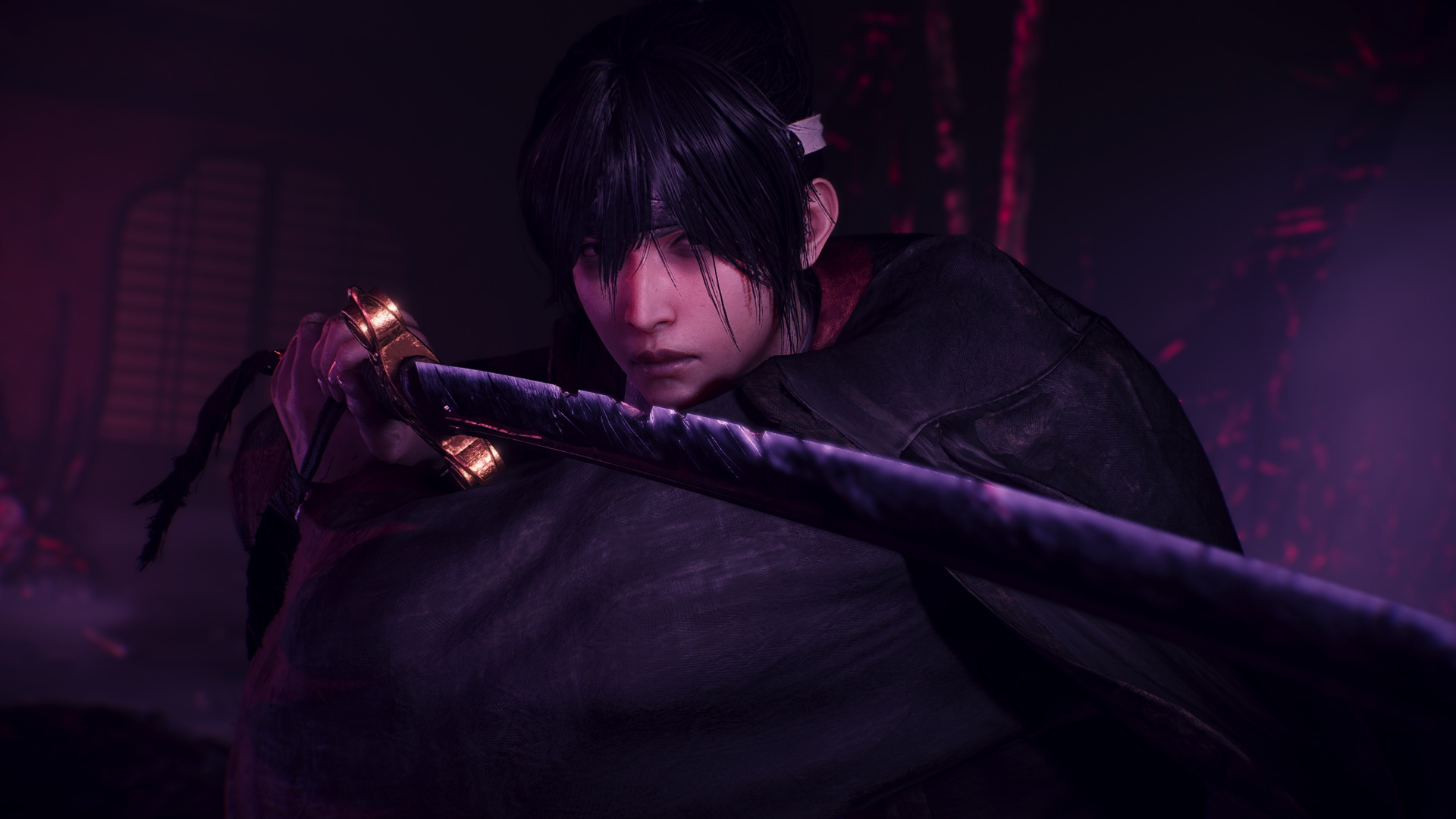 This is not a “stance swap” or a minor animation tweak. These are distinct combat identities, with different strengths, different mechanics, and even different weapon sets.
Crucially, the game pushes you to master both, because certain situations feel dramatically easier or more expressive in one style than the other.
Think of it like this.
Samurai Style is the disciplined, grounded approach, it meets danger head-on, manages stamina through Ki systems, and rewards precision timing. Ninja Style is movement-first, built around agility, aerial actions, tools, and misdirection.
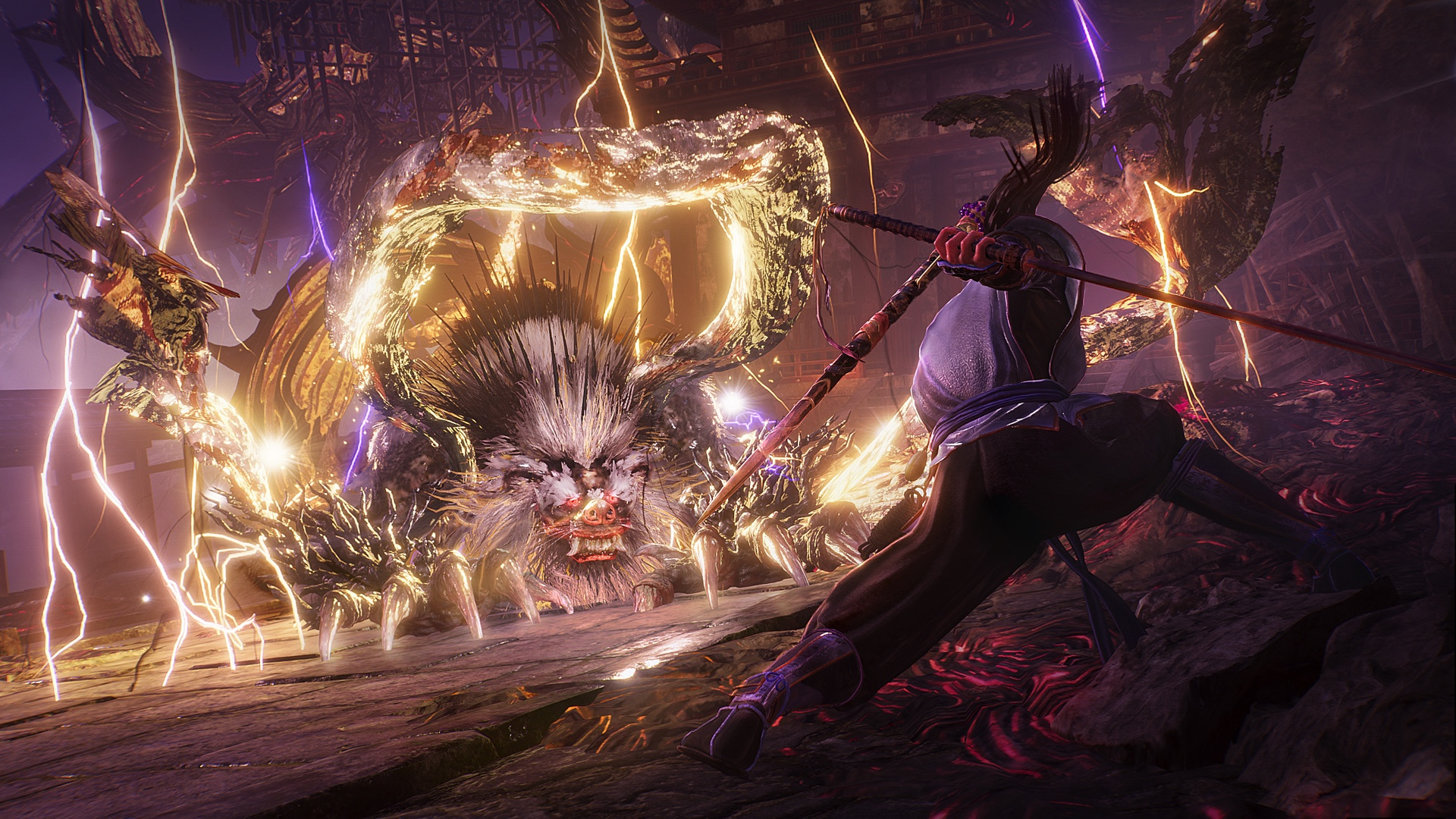 The beauty is that Nioh 3 doesn’t force you to pick a personality and stick with it. It gives you a tactical switchblade and says, “use the right edge for the right moment.”
Samurai Style, Arts Proficiency and Deflect: Nioh’s Rhythm, Upgraded
Samurai Style is described as a style that confronts enemies head-on, enhancing the power of Martial Arts techniques through Arts Proficiency, and using Deflect to block enemy attacks at the last moment to break through with high-powered moves.
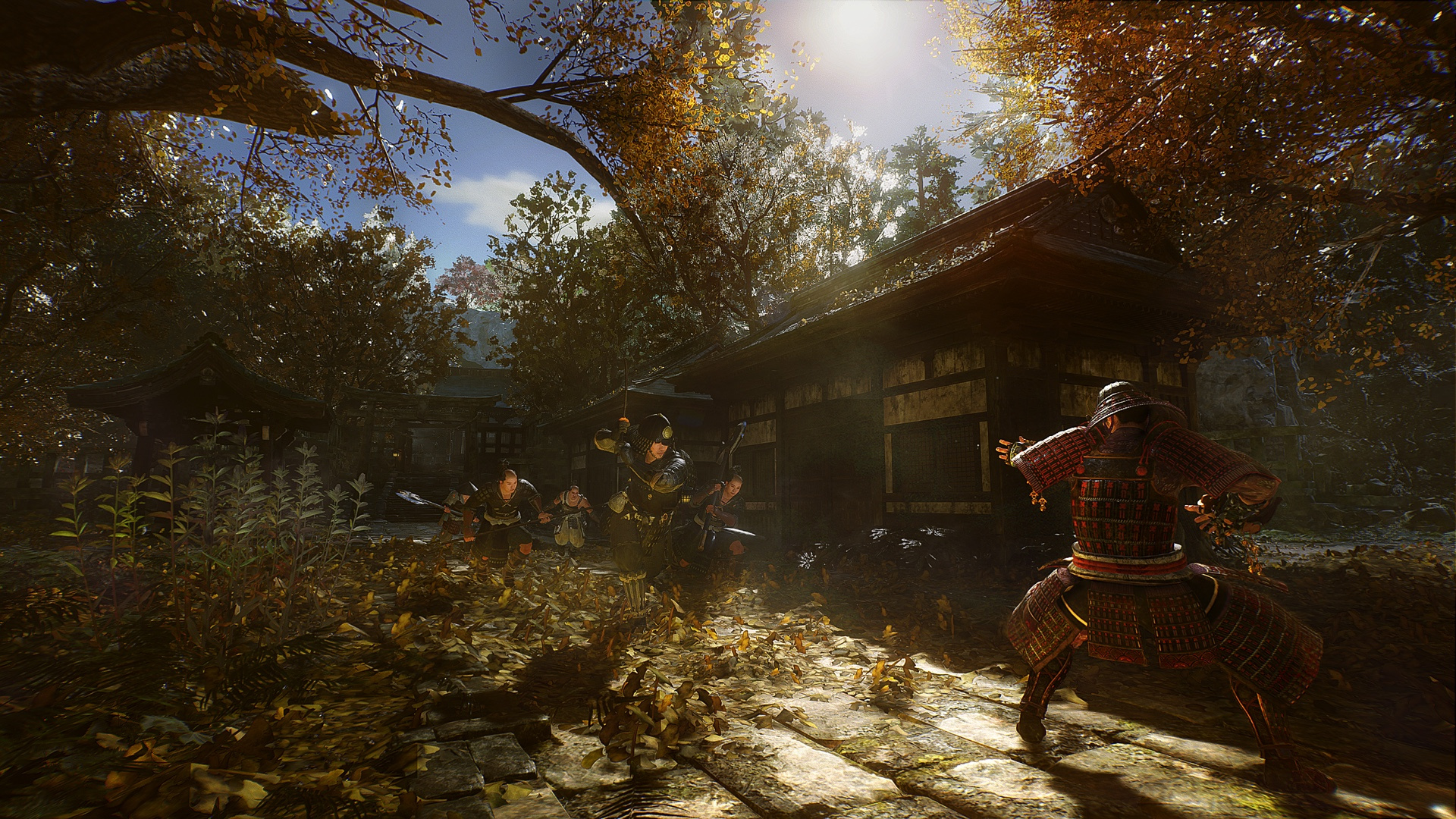 There are several layers here.
Stances and Ki
Samurai Style keeps Nioh’s stance logic. Switching stances changes your attack moves, damage output, and Ki consumption, which is Nioh’s way of turning “combat feel” into something you can actively tune for each enemy.
Ki Pulse remains central, letting you recover a portion of the Ki used after attacking, keeping your offense from collapsing into exhaustion.
If you played Nioh 1 or 2, that will feel like home. If you are new, it will feel like learning to drum with your hands while also juggling knives, but the good news is, once it clicks, it becomes addictive.
Arts Proficiency
Arts Proficiency is a powered state, while active, Strong Attacks and Martial Arts are enhanced.
In practice, it encourages a smarter aggression loop. You are not just swinging, you are building momentum, and then spending it in bursts that feel like a controlled escalation.
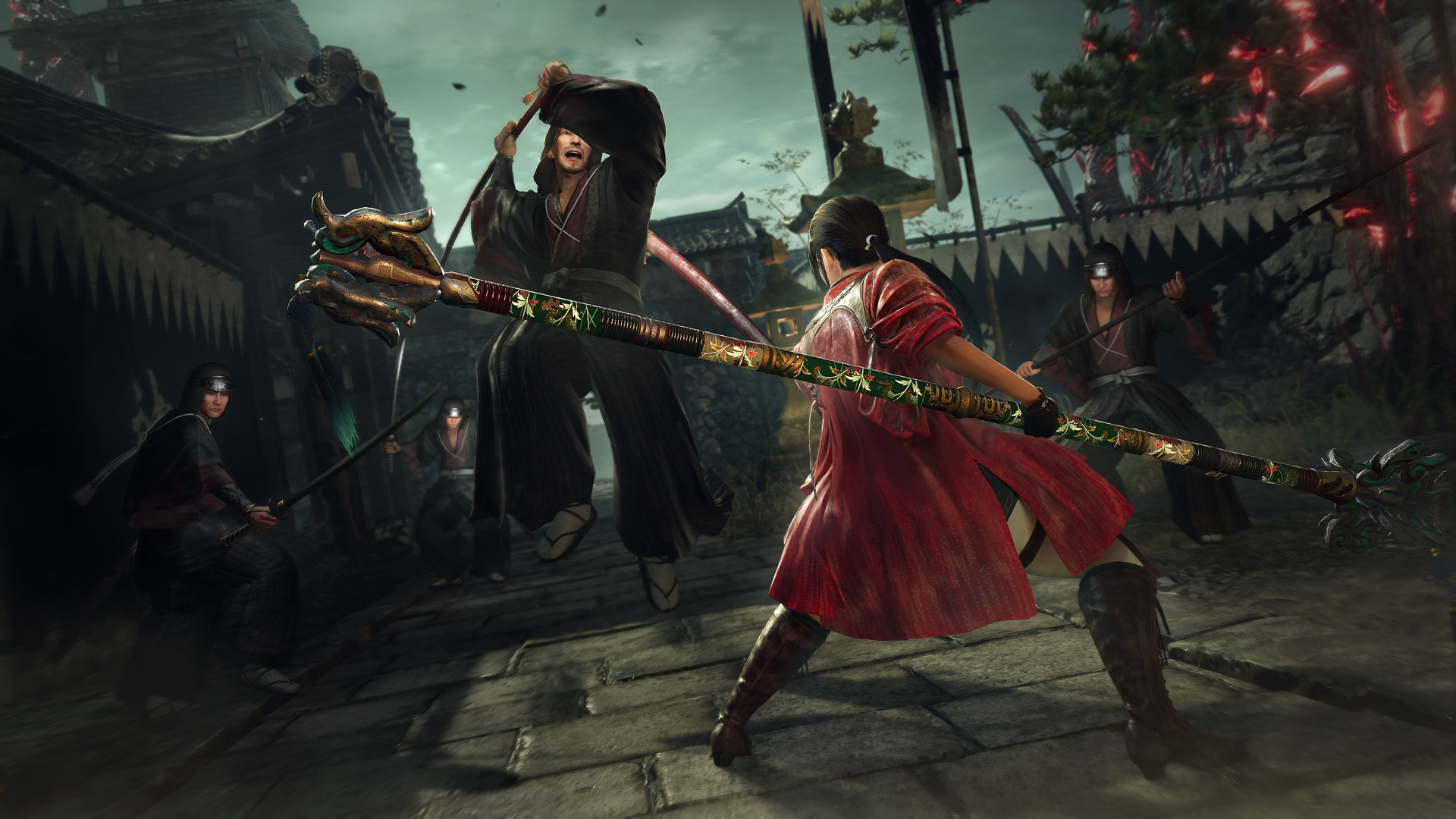 Deflect
Deflect is one of the most important new ideas here. Guard enemy attacks with precise timing, and you recover Ki while increasing both the Arts Gauge and the Ninjutsu Gauge.
That last part is huge, because it ties defense directly into both of your style economies. It means even if you are playing mostly Samurai, precise defensive play is still feeding your Ninja toolkit, and vice versa. Nioh 3 is constantly encouraging you to play like a hybrid, even if you have a favorite flavor of violence.
Ninja Style, Mist, Evade, and Footstool Jump: Mobility as a Weapon
Ninja Style is described as excelling in swift movements like dodging and aerial actions, while wielding ninjutsu techniques.
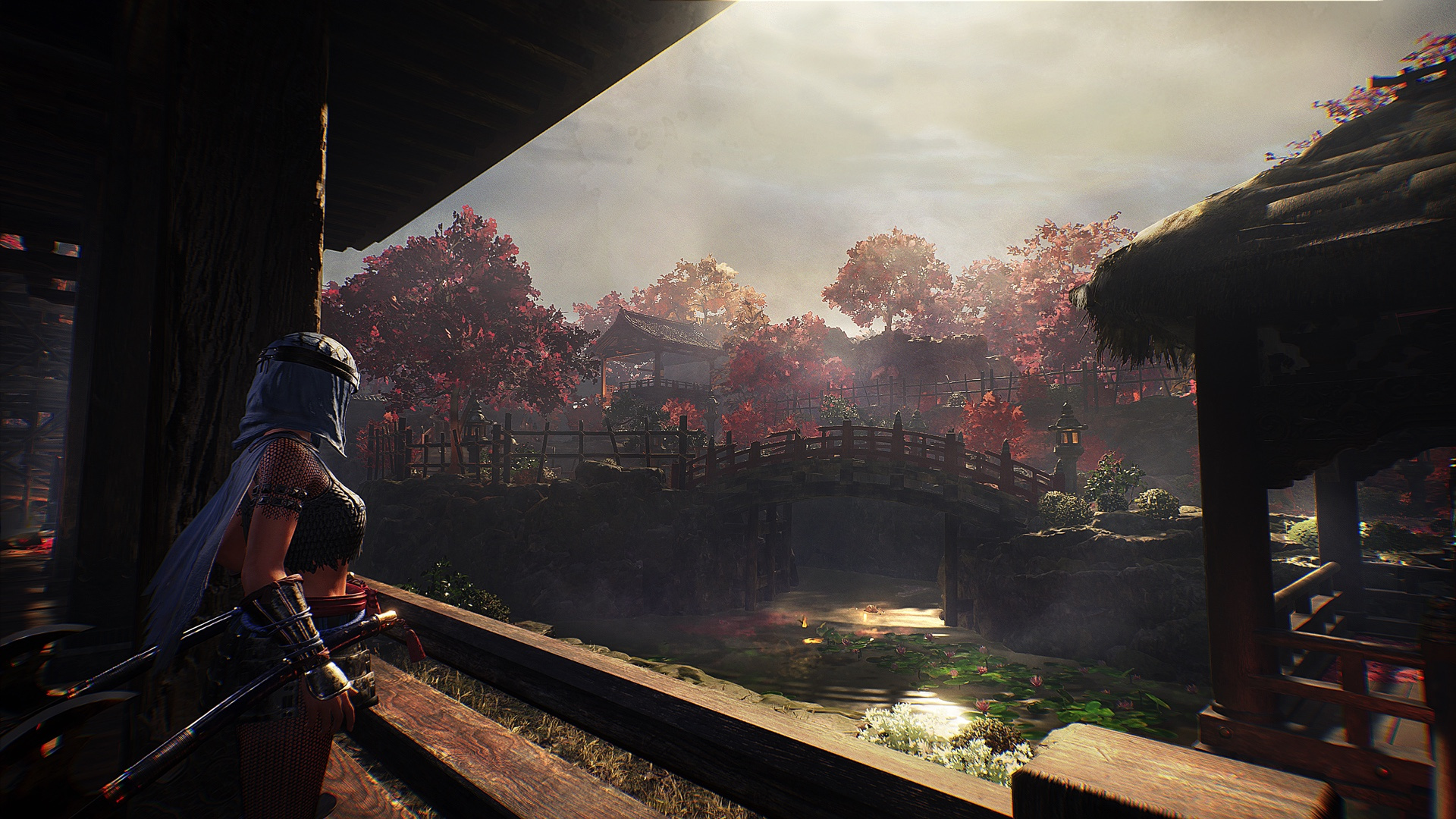 Where Samurai Style is about rhythm and commitment, Ninja Style is about creating openings and exploiting them immediately.
Mist
Mist is a signature Ninja mechanic. In Ninja Style, you can momentarily divert an enemy’s attention by quickly turning your body after attacking.
It plays like a micro-feint, a tiny misdirection tool that creates a split-second window for repositioning. It’s not just stylish, it’s functional, because Nioh bosses often punish predictable spacing, and Mist gives you a way to break the pattern.
Evade
Ninja Style’s Evade is more than a dodge. Successfully evading an enemy attack recovers Ki and replenishes your Ninjutsu Gauge and Arts Gauge, and the dodge grants a long invulnerability window and allows immediate follow-up dodges.
This is basically Team Ninja saying, “if you want to play like a slippery menace, we will reward you for doing it correctly.”
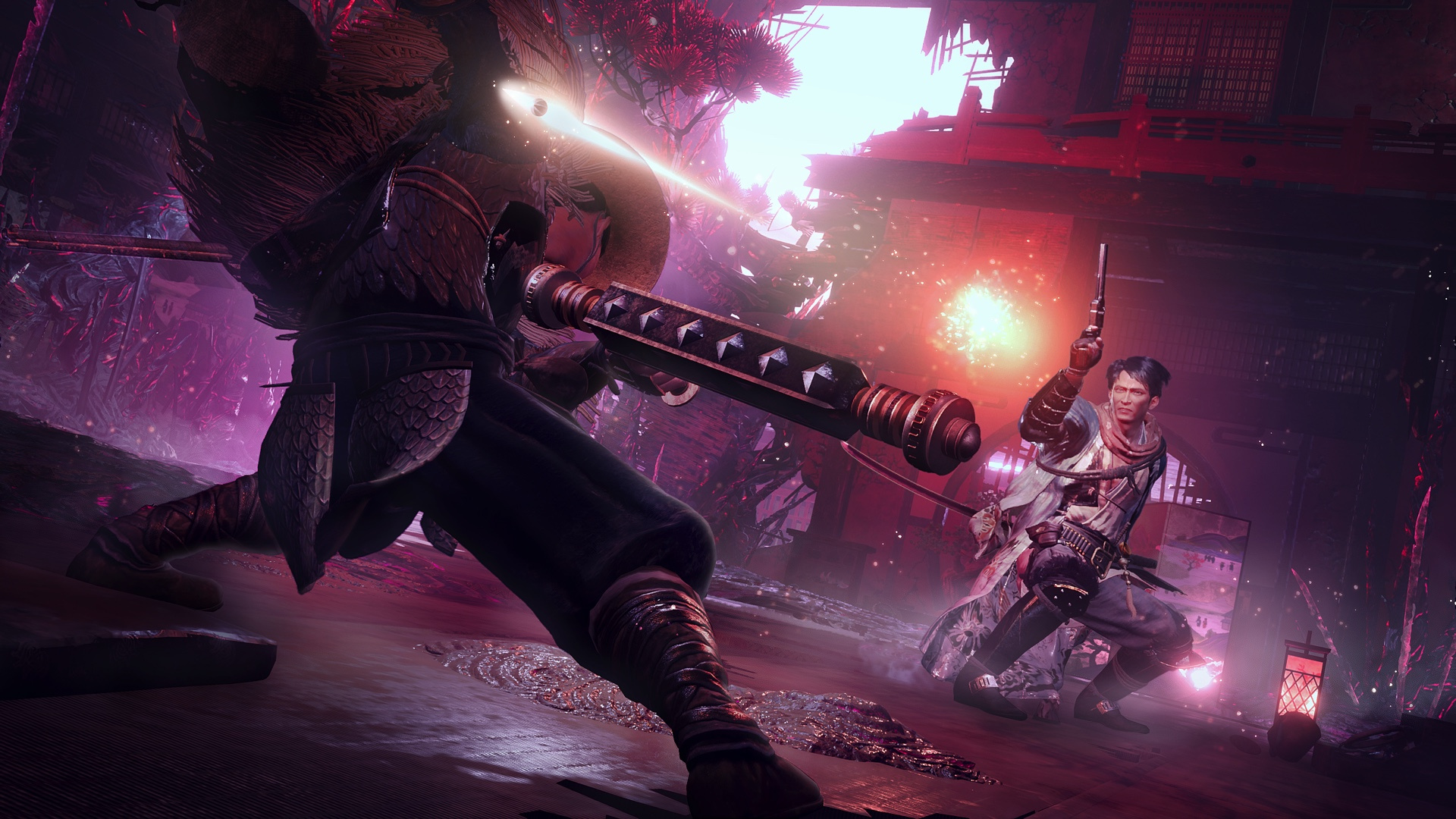 Footstool Jump
Footstool Jump lets you stagger an enemy and land behind them.
It’s a deceptively simple mechanic that changes the geometry of fights. Nioh enemies tend to be dangerous in front of them, and surprisingly confused about their personal space behind them. Footstool Jump turns that into a repeatable tactical angle.
Ninjutsu
Ninjutsu includes ranged attacks like shuriken and special moves that help you close distance quickly.
It gives Ninja Style a “control the tempo” toolkit, letting you poke, bait, reposition, and then burst.
Two Styles, Two Loadouts, Two Looks
One of the smartest decisions Nioh 3 makes is separating the styles not just mechanically, but cosmetically. The character creator allows you to set different appearances for Samurai and Ninja styles.
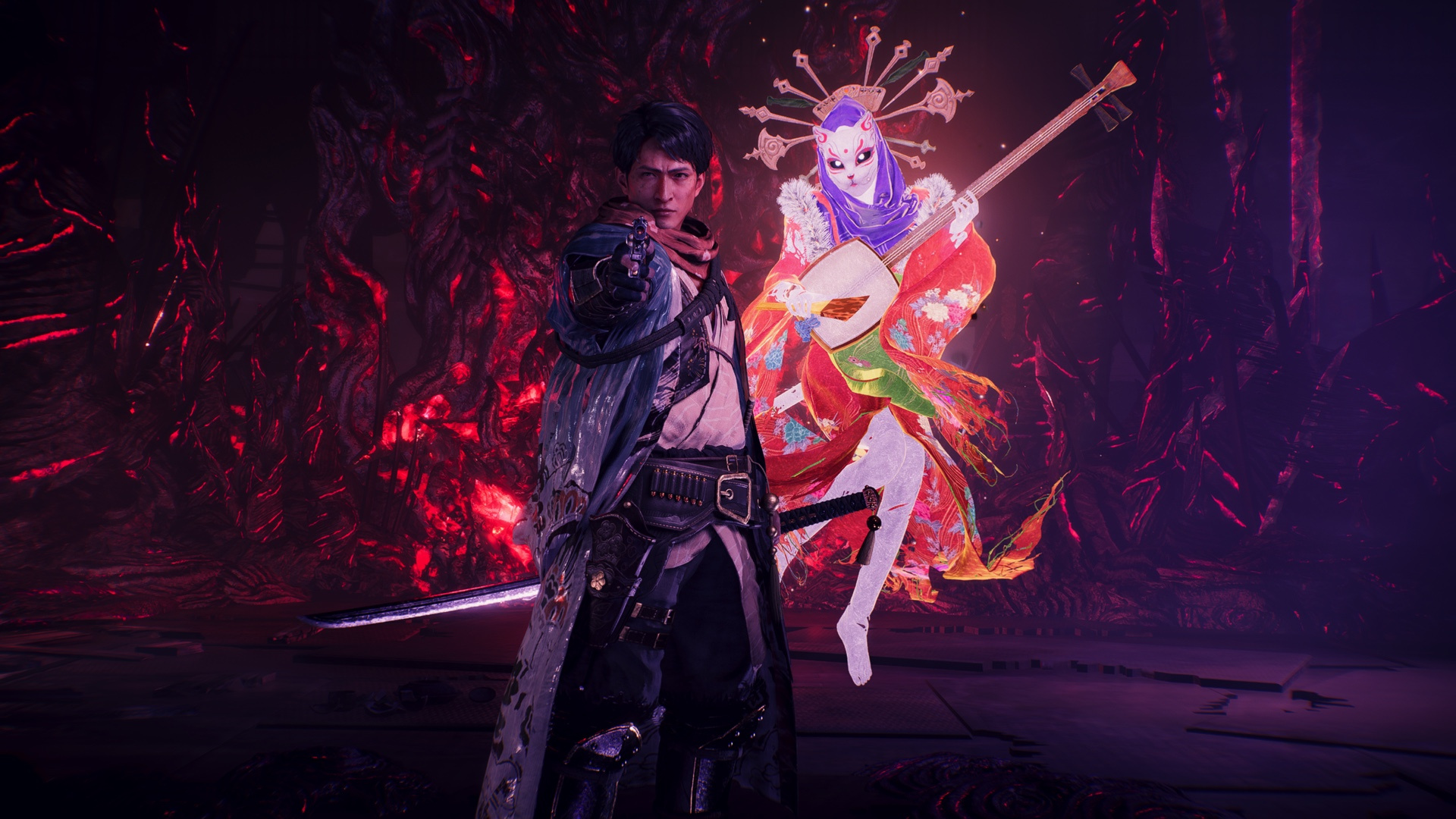 This seems like a small thing until you realize what it does psychologically. It makes style switching feel like flipping identities, not just stances. You can build a disciplined armored warrior for Samurai and a shadowy assassin silhouette for Ninja, and the game supports that fantasy at a system level.
That is exactly the kind of detail that makes a long action RPG feel personal.
Weapons, The Best Kind of Overcommitment
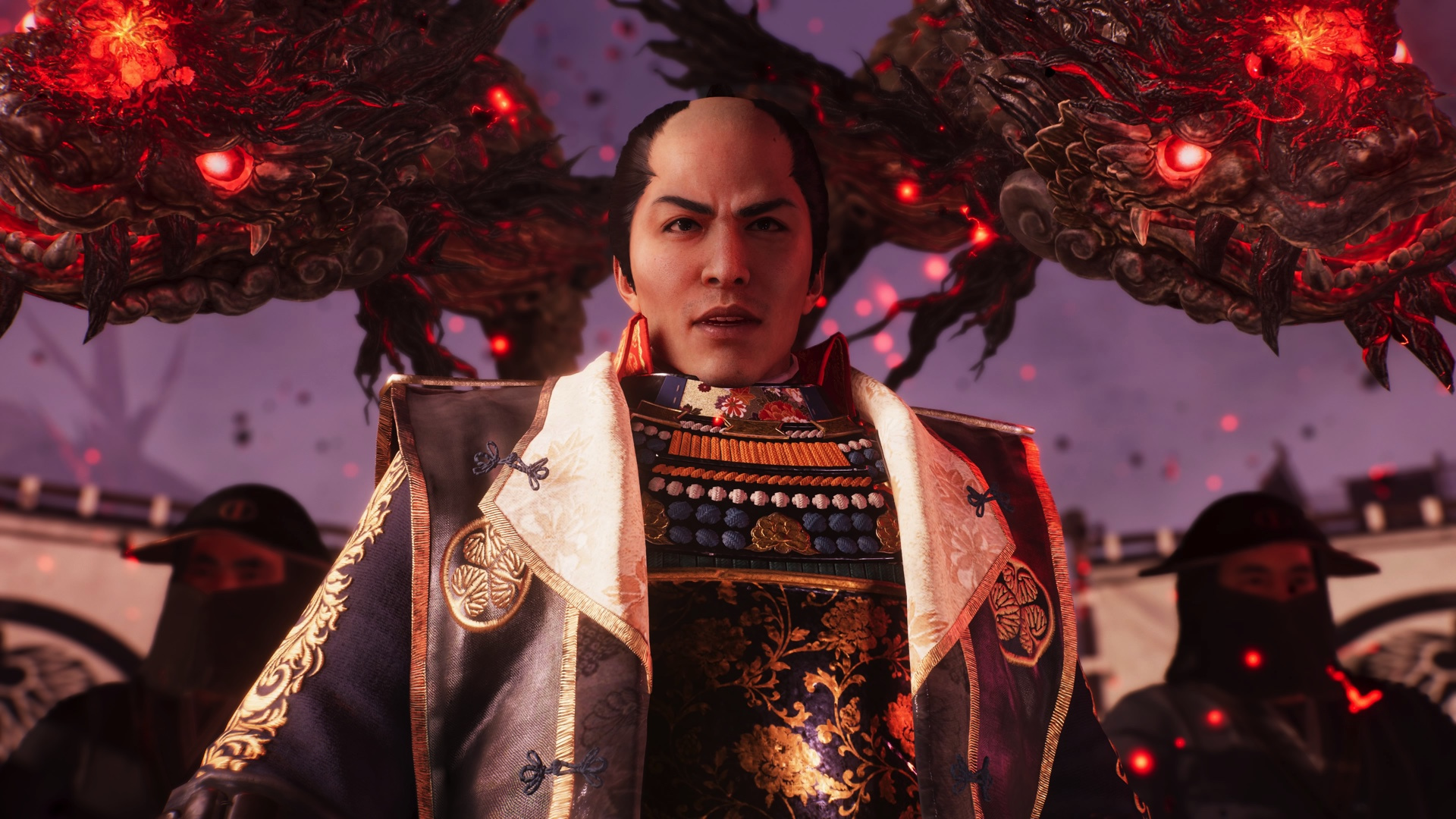
Nioh has always been a “pick your poison” series, and Nioh 3 doubles down by making weapon choice part of your style identity.
 Samurai Weapons
Samurai Style includes weapon categories like swords, dual swords, spears, axes, odachi, switchglaives, and cestuses.
This is a strong mix of classic Nioh staples and fan favorites, and each one pushes you toward a different combat tempo.
-
Swords are the flexible baseline, good for learning spacing, timing, and stance interplay.
-
Dual swords tend to reward aggression and sustained pressure.
-
Spears are the range-control kings, great for managing crowds and poking at yokai that want to hug you with violence.
-
Axes are the commitment weapon, huge hits, big stamina costs, and a strong “I will end this now” vibe.
-
Odachi often feels like controlled brutality, wide arcs, big posture pressure, and satisfying heaviness.
-
Switchglaives are the stance-shifting showboats, adaptable and stylish.
-
Cestuses bring a brawler flavor, close-range, high-risk, high-reward, and deeply satisfying when you get into a rhythm.
The reason this matters is that Samurai Style is built around Ki and stance mastery, and the weapon system gives you multiple ways to express that mastery.
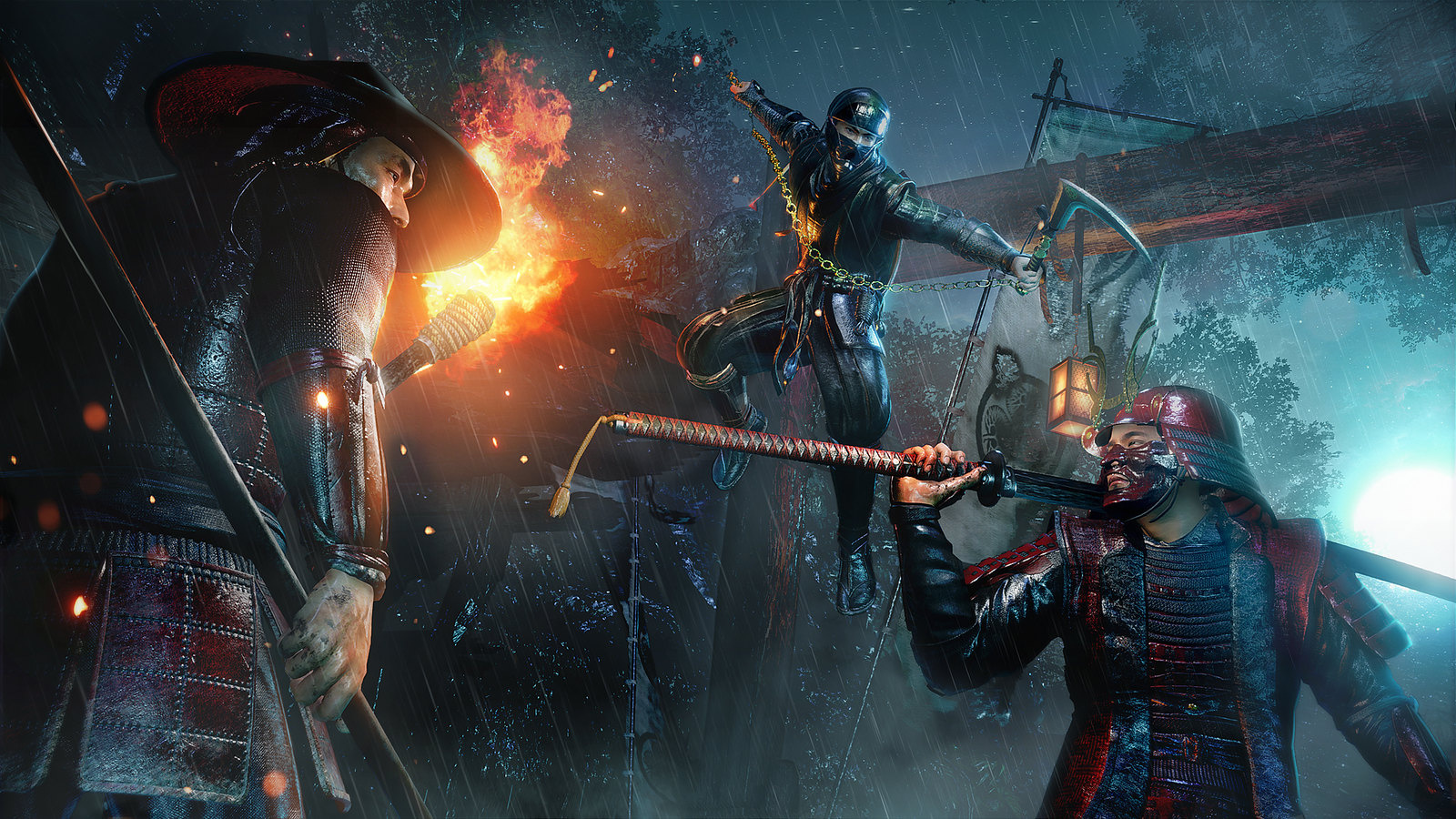 Ninja Weapons
Ninja Style includes ninja swords, dual ninja swords, kusarigama, tonfa, hatchets, splitstaves, and talons.
This list is basically “mobility meets menace.”
-
Ninja swords and dual ninja swords favor speed, sharp spacing, and quick punish windows.
-
Kusarigama is the chaos weapon, range manipulation and weird angles, perfect for players who enjoy being unpredictable.
-
Tonfa lean into pressure and disruption, often feeling like you are bullying enemies with speed.
-
Hatchets give you a hybrid vibe, close and mid-range options, and a “keep the fight moving” approach.
-
Splitstaves are a unique rhythm weapon, often rewarding careful timing and space control.
-
Talons are pure predator energy, fast, close, and relentless.
The larger point is that Ninja Style’s weapon roster is built to complement its movement systems, and the result is a playstyle that feels distinct rather than just “Samurai but faster.”
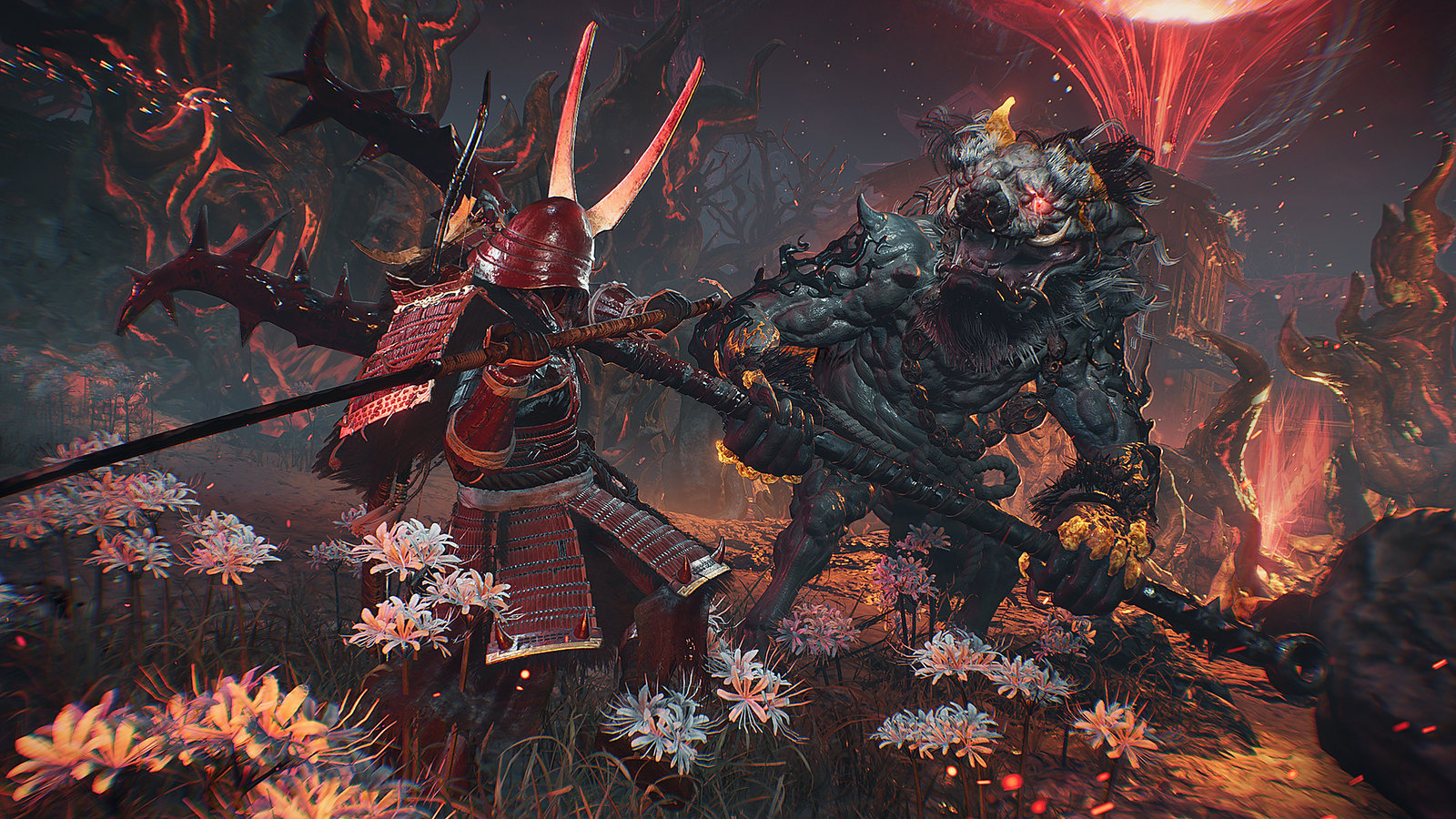 The Crucible, Open Fields, and Why “Exploration” Feels Like a Dare
Nioh 3’s structural shift is one of its most important evolutions.
The game features an open field described as allowing you to explore to your heart’s content, while still retaining the tension characteristic of Nioh. You will encounter formidable yokai, explore menacing villages, and struggle against the ominous presence of “the Crucible.”
That last phrase is the key. “Explore to your heart’s content” is a funny thing to say in a series where your heart is routinely one hit away from leaving your body.
In practice, Nioh 3’s open fields feel like a series of pressure zones connected by paths. You are given more freedom to choose routes, to approach encounters from different angles, and to stumble into optional challenges. The tension comes from uncertainty, you can see a village ahead, but you do not know which roof has a yokai waiting to ruin your day.
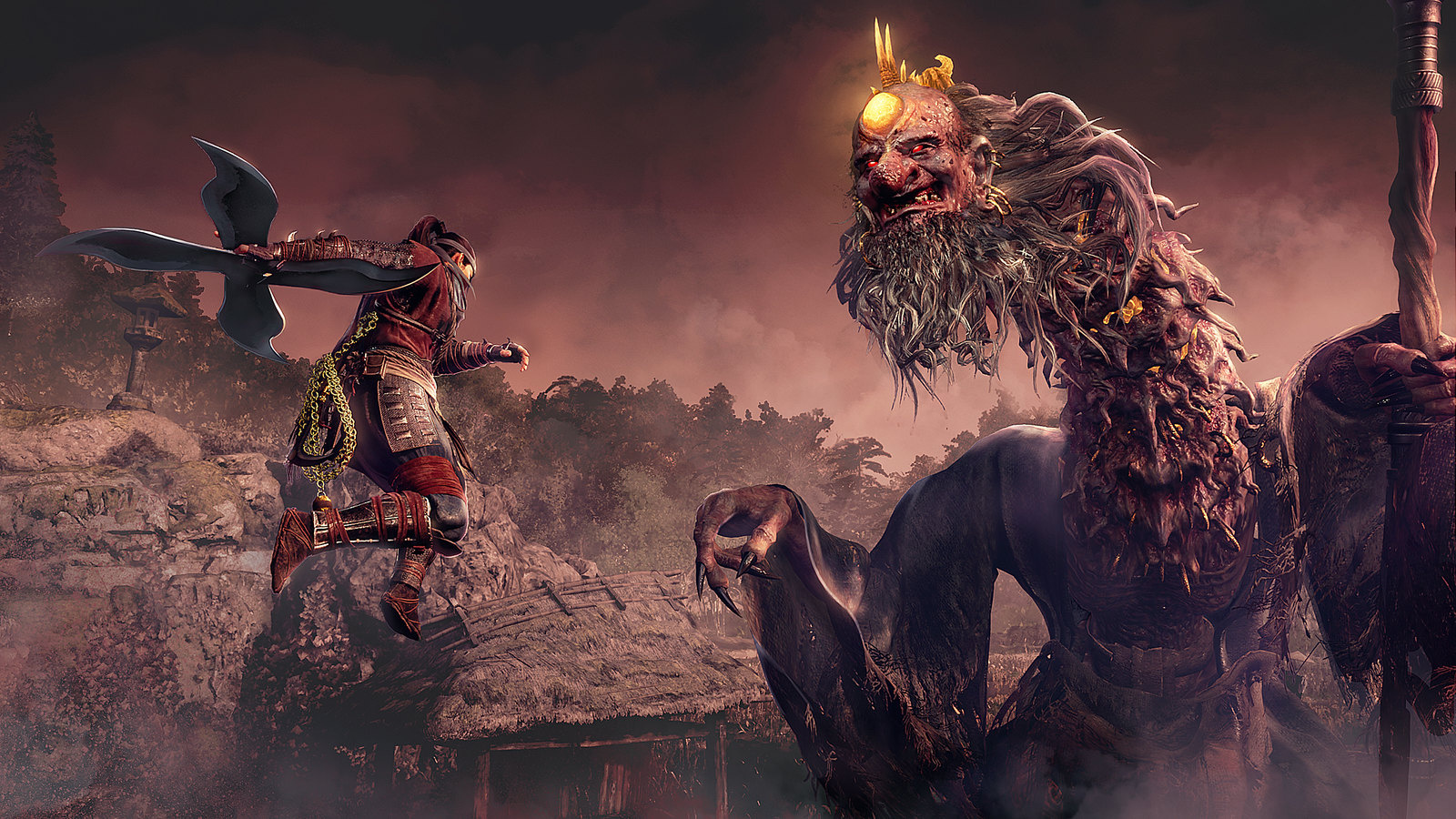 This design also dovetails with the game’s expanded movement. In pre-release developer discussions, the open field approach was framed as a major evolution, paired with more player options like style switching and expanded traversal.
And importantly, the open field structure avoids feeling like it is trying to copy the “giant open world” playbook. It is more curated, more focused, and it stays true to Nioh’s strength, combat-first encounters with dense systems, not endless wandering for the sake of wandering.
The Crucible as a World Mechanic, Not Just a Story Word
The Crucible is not just lore flavor, it’s presented as an ominous challenge you face in these open fields, and it acts like a thematic anchor for the game’s horror tone.
The demo description makes this practical, you explore an open field overrun by yokai in the Warring States period, take on side missions, collect items and equipment, then enter the Crucible enveloping Hamamatsu Castle Town to defeat the yokai boss within.
That’s a perfect snapshot of the Nioh 3 loop, exploration that feeds power growth, power growth that feeds a high-pressure dungeon zone, dungeon zone that ends in a boss that checks whether you learned anything.
Guardian Spirits, Living Artifact, and the Best Magical Toolbox Nioh Has Had
Nioh’s supernatural systems have always been a huge part of its identity, and Nioh 3 expands those systems in ways that feel more integrated into exploration and combat.
Guardian Spirits, Now With Utility Beyond Combat
Guardian Spirits are not just combat nukes. The system page describes their abilities as useful for exploration, enabling you to leap over cliffs that are normally impassable and destroy large boulders blocking your path.
This is a clever way to tie the supernatural layer into the open field design. If the world is larger, you need traversal tools, and Nioh 3 uses its unique identity, guardian spirits, instead of generic climbing mechanics.
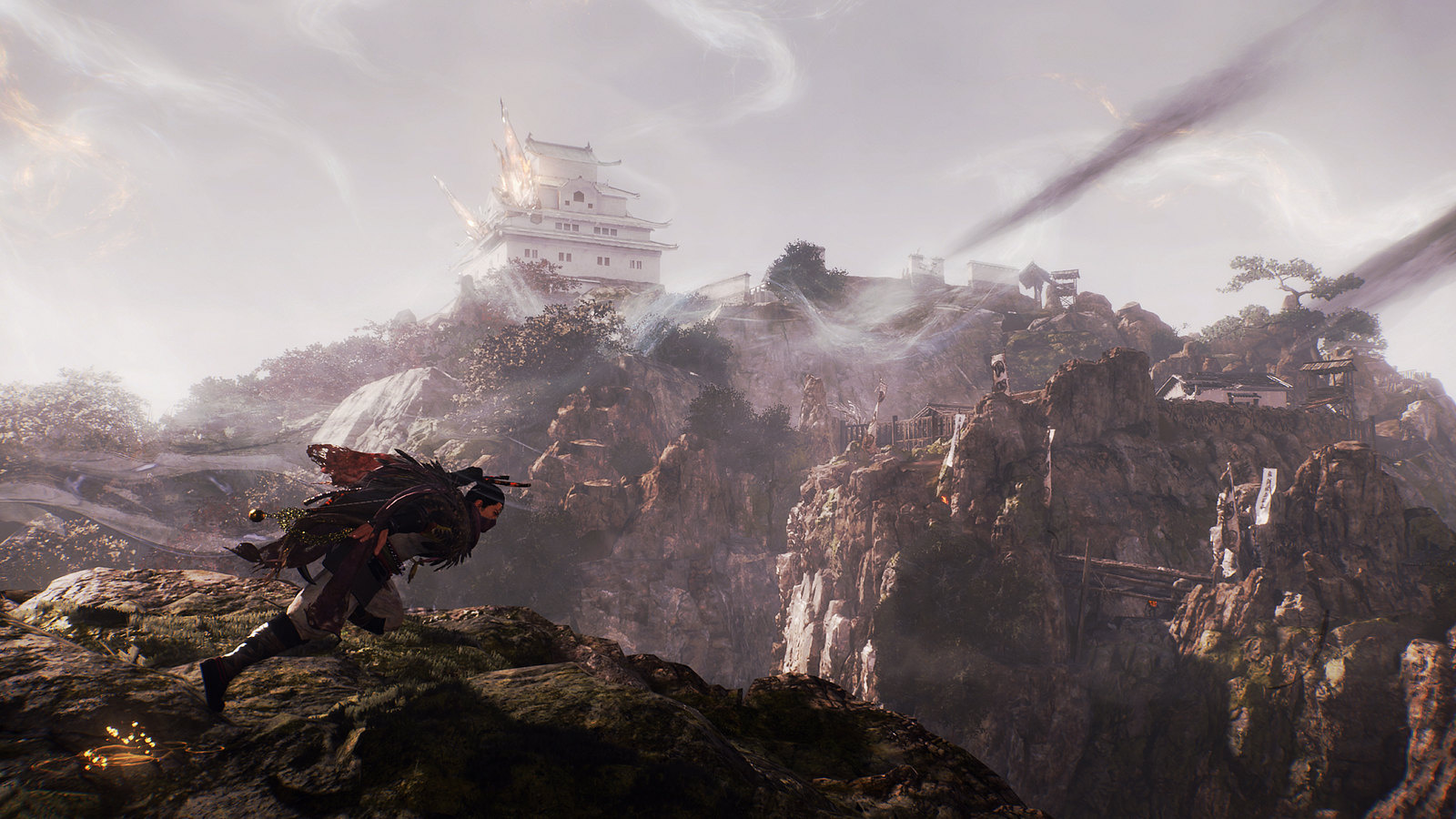 Living Artifact, When Your Spirit Becomes a Weapon
Living Artifact is described as wielding a Guardian Spirit transformed into a weapon, temporarily merging with its power to fight, usable to turn the tide in critical situations or counter formidable enemies.
This is one of those systems that sounds like pure spectacle, but in practice it changes decision making. You stop thinking in terms of “save it for the boss,” and start thinking “save it for the moment the boss decides to do something illegal.”
Onmyo Box and Crucible Wraiths, A New Way to Weaponize Yokai
The Onmyo Box system is one of Nioh 3’s coolest additions. It is described as drawing power from stored yokai soul cores to generate various onmyo magic talismans based on the soul core. Defeat “Crucible Wraith” enemies, and you unlock talismans that allow you to summon and command those yokai.
This is brilliant because it turns the yokai ecosystem into a collectible combat toolkit. You are not just farming soul cores for stats, you are building a spell and summon library that reflects the enemies you have conquered. It also makes the Crucible feel more meaningful, it’s not just a hard zone, it’s a source of new powers.
Progression, Loot, and Why Nioh 3’s Complexity Is Actually the Point
Nioh games are famously dense, and Nioh 3 continues that tradition. The game is full of systems that can look intimidating, but they are there for a reason: they let you build your own solutions to impossible problems.
Even in early post-launch updates, you can see how wide the system surface area is. Patch notes reference things like Soul Matching, equipment enhancement limits, set bonus interactions, and style-specific UI quirks, which tells you immediately that Nioh 3 is still the kind of RPG where your build is an engineering project.
The good news is that Nioh 3’s dual-style structure makes that complexity easier to digest conceptually. You are effectively building two kits. Samurai kit for direct confrontation, Ninja kit for mobility and tools. You can focus on one initially, but the game rewards you for learning both.
The Demo, A Smart On-Ramp
Nioh 3 also offered an unusually generous demo strategy. The demo supports online multiplayer up to three players and allows progression carryover to the full game.
That’s a smart move for a complex game, because it lets players experiment without commitment, and it gives them time to learn the basics before the full game starts throwing bricks.
There was also a completion bonus, the Twin-Snake Helmet, available for players who completed the demo by February 15, 2026.
It’s a small thing, but it created a sense of community momentum around the demo window, and that matters in a game where shared learning is half the fun.
Season Pass and Post-Launch Content
For players looking at the long runway, the Digital Deluxe Edition includes the base game and a season pass, and the season pass is described as including add-on DLC with new stories, enemies, yokai, boss characters, and equipment.
The listed schedule sets DLC 1 for end of September 2026 and DLC 2 for end of February 2027, with the usual caveat that dates may change.
That is a slightly different cadence than earlier games, but it still signals what Nioh fans want to hear, this is a long-form action RPG built to keep evolving.
Difficulty, No Sliders, Just Options
Nioh 3 continues the series’ philosophy of not offering difficulty settings. The developers have publicly reiterated that the single, challenging difficulty is core to the experience, and that the sense of accomplishment comes from learning and adapting rather than adjusting sliders.
Here’s the important nuance.
Nioh 3 does not become gentler, but it becomes more flexible. Dual styles, open fields, expanded movement, deeper buildcraft, these are all ways the game gives you “adaptive difficulty” through systems rather than menus.
If you hit a wall, you can try a different route, farm gear, adjust your kit, change your approach, or even change your entire combat identity mid-fight. That is not “easy mode,” but it is a meaningful design evolution, and it respects both veteran players and newcomers willing to learn.
Co-op, Three Warriors, One Shared Panic
Nioh 3 supports online play up to three players.
The demo itself supported online multiplayer up to three and made it clear that co-op is a core part of the experience, not an afterthought.
The key thing with Nioh co-op is that it doesn’t trivialize the game, it changes the shape of the challenge. Enemies still hit hard. Bosses still demand respect. But co-op gives you breathing room to learn, and it adds that wonderful “shared problem solving” layer where you and a friend develop a shorthand for survival, usually involving a lot of pointing, panic rolling, and the occasional heroic sacrifice that will be remembered for at least five minutes.
It’s also worth noting that cross-play is not supported for online multiplayer, per official messaging around the demo and release window.
Options and Accessibility, Small Levers That Matter in a Hard Game
When a game is this demanding, quality-of-life is not just comfort, it is part of fairness. Nioh 3 includes a solid set of accessibility and customization options, including volume controls, subtitles for main story and main characters, controller remapping in basic form, stick sensitivity and inversion options, and the ability to play without vibration or adaptive trigger effects.
It also supports tutorial reminders and control reminders, letting players review info at any time, which is especially important in a system-heavy game.
For online play, it even includes ping communication, allowing players to mark points of interest or info for teammates without voice or text input.
These details do not sound glamorous, but they directly affect how many players can comfortably engage with Nioh 3’s complexity, and that’s the difference between “hard but fair” and “hard and annoying.”
Technical Performance and Presentation on PS5, Two Modes, Choose Your Poison
On PlayStation 5, Nioh 3 offers a simple visuals choice between prioritizing frame rate and prioritizing resolution.
That tracks with the kind of game this is, smoothness matters, because timing windows are the currency of survival.
The broader takeaway is that Nioh 3 looks and feels like a modern Team Ninja production, sharp effects, strong animation readability, and a presentation that favors clarity in combat over excessive visual noise. The game also supports 3D audio settings and independent volume controls, which matters more than you’d think in a world where audio cues can save you from an off-screen yokai doing something rude.
Post-Launch Support, Patch Notes and a Studio That’s Paying Attention
Nioh 3’s early updates show active support, targeting progression blockers, crashes, multiplayer sync problems, and balance oddities.
Patch notes include fixes for issues ranging from mission progression in specific eras, to Martial Arts behavior on specific weapons, to multiplayer trophy behavior, to Soul Match UI issues, and even the occasional crash tied to Deflect interactions with set bonuses.
Later fixes also addressed Resting Rites related control issues and various system edge cases, which is exactly what you want in a dense RPG, quick response to the weird stuff players inevitably discover.
This kind of support matters because Nioh players are relentless. They will find every exploit, every strange interaction, every broken synergy, and if you leave it unattended, they will turn your action RPG into a spreadsheet with swords. The early patch cadence suggests the team knows that and is staying on it.
Final Ritual at the Shrine, Final Thoughts
Nioh 3 is a confident evolution of a series that already had one of the best combat systems in modern action RPGs. The dual-style approach is not a gimmick, it meaningfully expands tactical expression, and the open field structure gives the game a fresh sense of danger and discovery without diluting its encounter-driven identity.
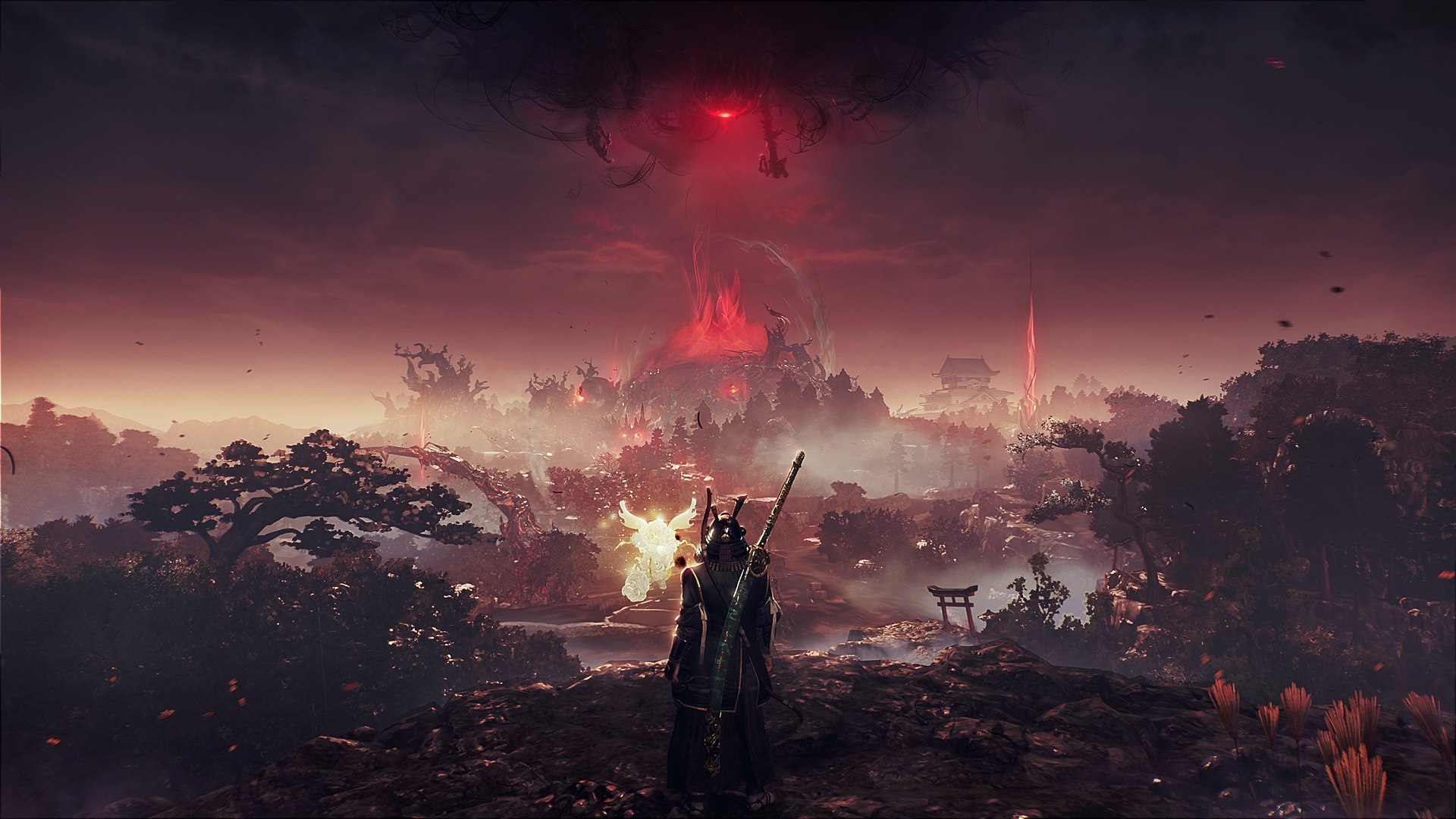 It is still brutally demanding, and it still expects you to earn progress through learning, but it also gives you more tools, more angles, and more build-driven ways to overcome obstacles. If you like games where mastery feels real, where every victory is a hard-won lesson, and where your character build can become a personal martial arts manifesto, Nioh 3 delivers, and then asks if you would like to do it again, but faster this time.
We prepared this review with a digital copy of the Nioh 3 for the PlayStation 5 version provided by Koei Tecmo PR.




😩 Transfer 1,824698 btc. Next -> yandex.com/poll/PdZ7vgekGrNakuXZcpiB6b?hs=30de7dd62fd26f8a25fa20ad5c1c7bd7& 😩
tziiok
melbet iphone_jqMn
melbet зеркало скачать на ios [url=https://melbetiphone.ru/]melbet зеркало скачать на ios[/url] .
Narkolog na dom v Krasnodare_vrSn
нарколог на дом краснодар [url=https://narkolog-na-dom-v-krasnodare-3.ru/]нарколог на дом краснодар[/url] .
keAGvWfeDFkUPymuy
YaBWWbmrvrehldnaxWIL
🏦 Get 36,824.85 US Dollars. Next ➥ graph.org/Transfer-04-14-3?hs=30de7dd62fd26f8a25fa20ad5c1c7bd7& 🏦
jx45gp
Narkolog na dom_ukmt
врач нарколог на дом [url=https://narkolog-na-dom-voronezh-14.ru]врач нарколог на дом[/url]
🛡 Transfer to you. GO >>> graph.org/BALANCE-36824-US-DOLLARS-04-24?hs=30de7dd62fd26f8a25fa20ad5c1c7bd7&
wo633o
kapelnica ot zapoya_ebKl
прокапаться от алкоголя цена [url=https://kapelnicza-ot-pokhmelya-voronezh-18.ru]прокапаться от алкоголя цена[/url]
Edwardcoulp
Домашний формат выбирают тогда, когда человеку тяжело добраться до медицинского учреждения, он ослаблен после нескольких дней употребления алкоголя или родственникам важно быстро получить врачебную оценку состояния. После осмотра определяют, допустима ли помощь на дому, требуется ли детоксикация, нужна ли капельница, достаточно ли домашнего наблюдения или следует сразу рассматривать другой объем помощи. Если эпизоды повторяются, обсуждение может выходить за рамки одного выезда и включать лечение алкоголизма, помощь при зависимости, кодирование, участие психолога и реабилитацию. Уже на этапе первичного обращения нередко уточняют, как вызвать врача, какие услуги доступны на дому и в каких условиях домашний формат остается безопасным.
Ознакомиться с деталями – [url=https://narkolog-na-dom-moskva-18.ru/]нарколог на дом[/url]