
The Premise: From Classic IP to Corporate Extraction Hell
Bungie has taken one of its most beloved and cryptic sci-fi IPs and dropped it into the modern extraction shooter meat grinder. Marathon (2025) is set 99 years after the original trilogy, on the ruined colony of Tau Ceti IV. Players take on the role of Runners who inhabit disposable cybernetic bodies called Husks. Death is cheap. You simply wake up in a new Husk and drop back in. The goal is simple on paper but brutal in practice: accept contracts from various shady factions and megacorporations, drop into hostile maps, complete objectives, loot what you can, and extract before rival players or AI forces turn you into scrap.
The narrative is delivered almost entirely through environmental storytelling, data logs, faction briefings, and the rich lore that Bungie has always been famous for. There is no traditional campaign. Instead, the world of Marathon feels alive through the competing agendas of the factions you work for. NuCaloric offers survival gear and recovery items. Arachne, a religious death cult, rewards you with upgraded weapons and more aggressive playstyles. MIDA encourages pure chaos and anti-corporate rebellion. Each contract you accept subtly shapes the kind of Runner you become and how other players might view you in the field.
What makes this work is that Bungie didn’t strip the lore to appeal to new players. They leaned into it. Long-time fans will catch constant references to Durandal, the original Marathon, and the Pfhor. New players can still enjoy the game purely as a tense extraction shooter, but they’ll be missing a significant layer of atmosphere and personality that makes the world feel distinct from Escape from Tarkov, Hunt: Showdown, or ARC Raiders. The writing is sharp, often darkly funny, and carries that signature Bungie mix of corporate satire and existential dread.
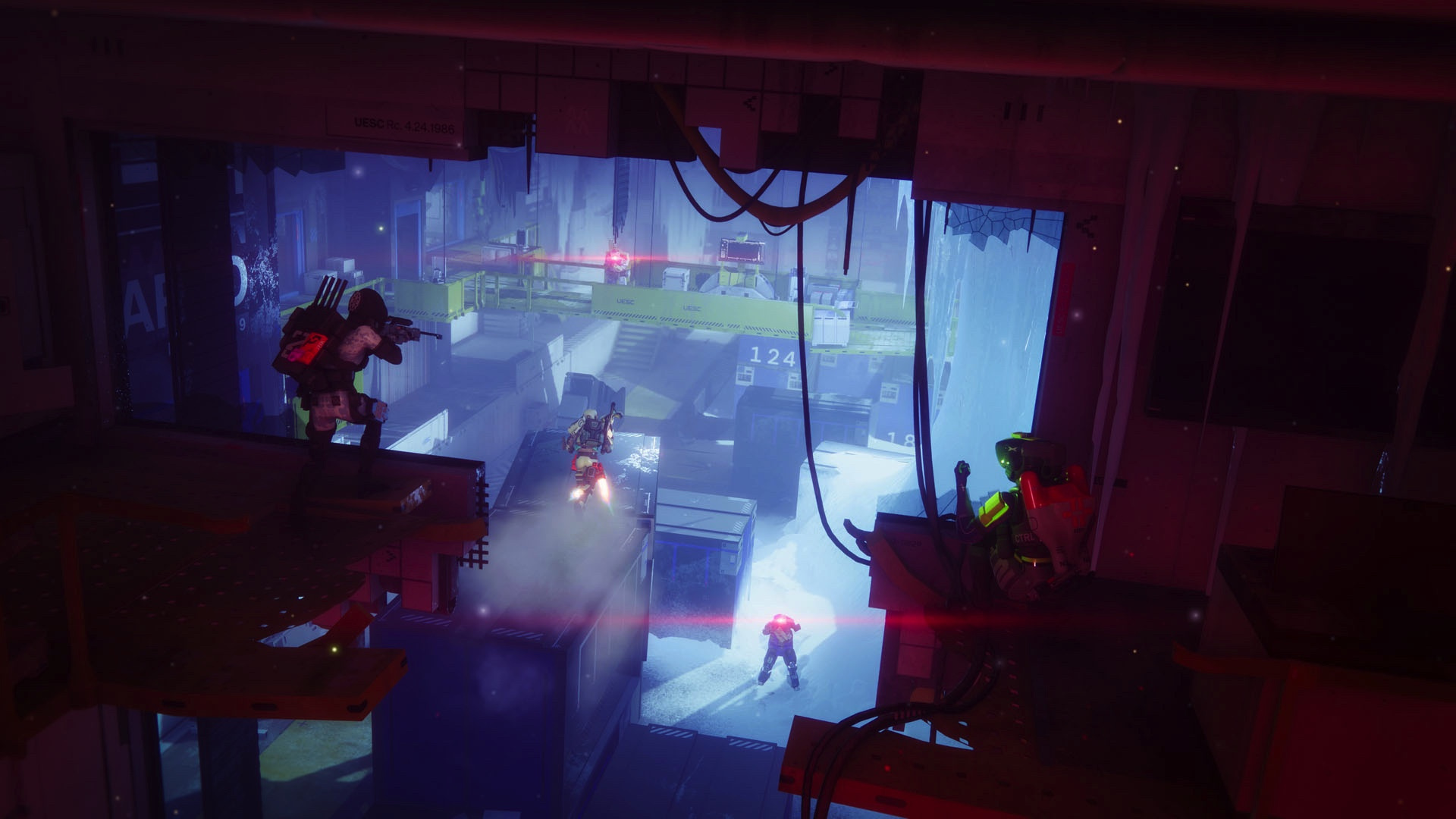 The core loop is deliberately punishing. You drop in with limited resources, scavenge for better gear, complete your contract, and try to extract while other players are doing the exact same thing. The tension comes from the knowledge that everything you’re carrying can be lost in an instant. This risk-reward structure is what makes Marathon feel different from most live-service shooters right now. It’s not about grinding battle passes in peace. It’s about every run feeling like it actually matters.
Gunplay, Movement, and Combat Philosophy
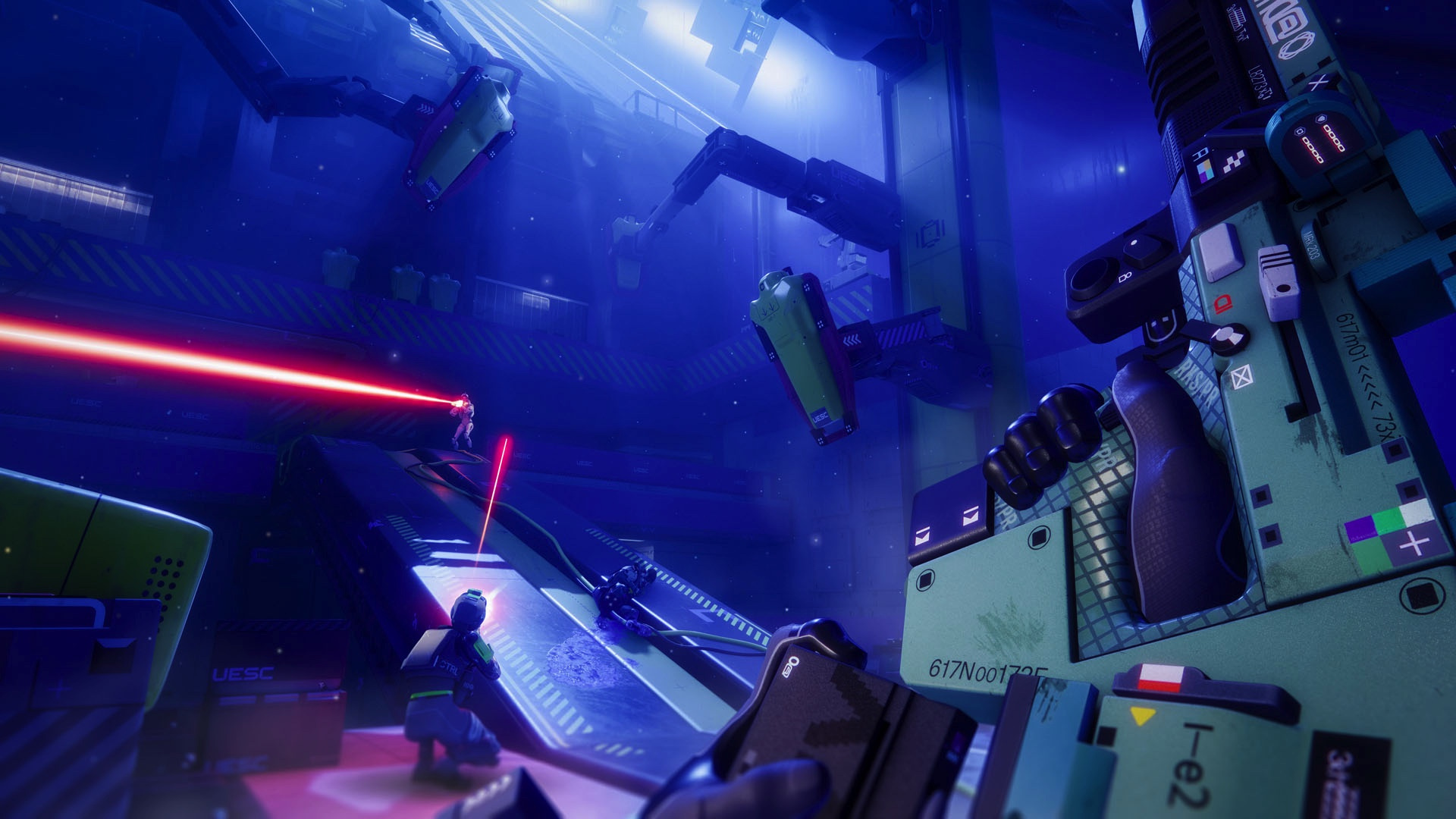
Bungie’s pedigree in first-person shooters is undeniable, and Marathon shows it. The gunplay sits somewhere between Halo’s weighty, satisfying feel and Destiny’s fluid movement, but with a much lower time-to-kill than most modern shooters. Early in a run, when shields are weak, fights are fast and lethal. One well-placed burst can end an engagement before the other player even reacts. This creates a constant sense of danger that never fully goes away, even when you’re geared up.
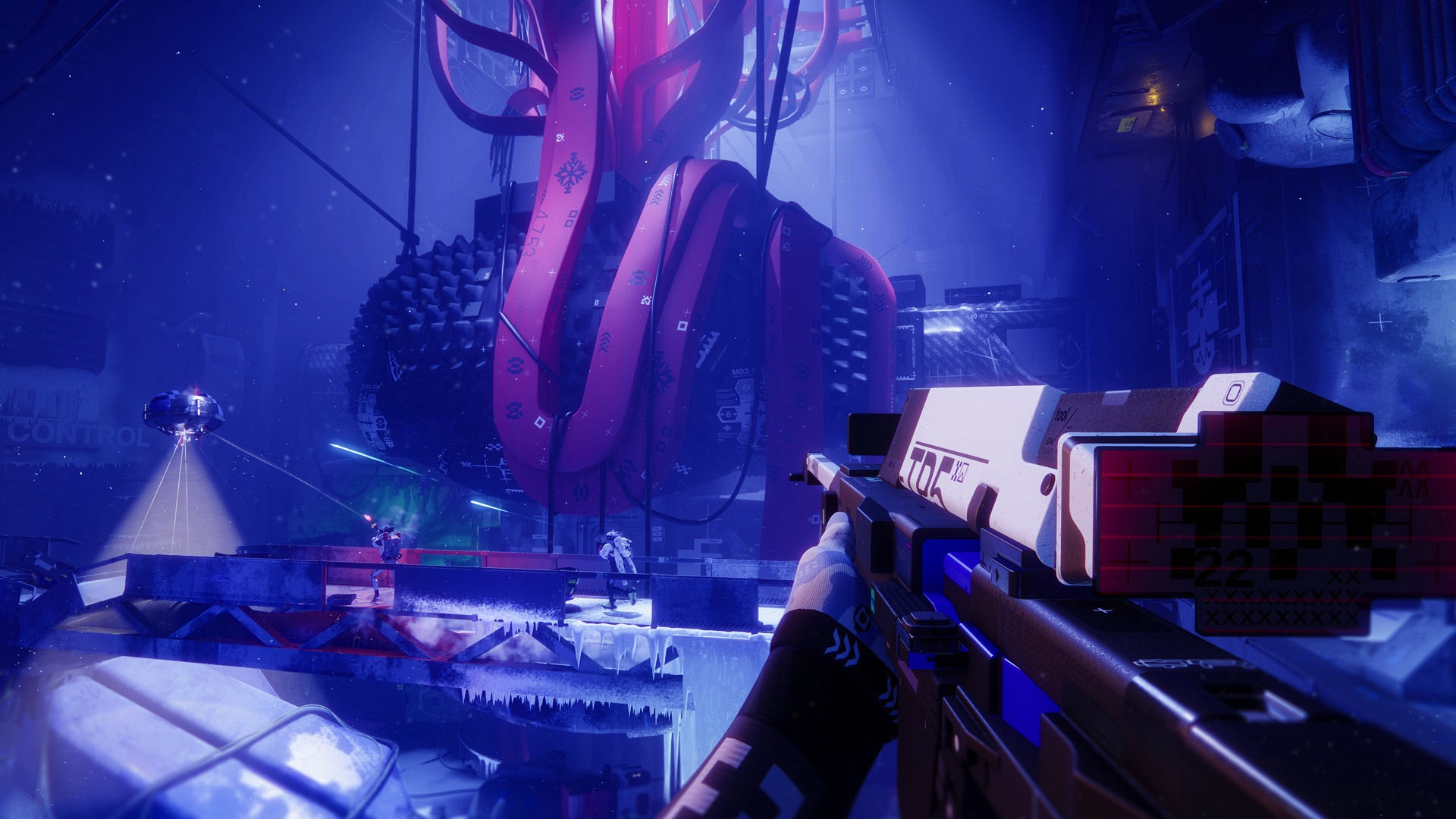 Movement is deliberately restricted compared to many current extraction shooters. There are no double jumps or grappling hooks at launch. Instead, Bungie leaned into a more grounded but still dynamic system. The standout new mechanic is the ability to wall-run and leap off surfaces for a high jump. It’s not overpowered, but it completely changes how you approach verticality and flanking. Combined with the ability to slide, crouch-slide, and mantle, movement feels responsive without ever becoming floaty or arcadey.
Enemy AI is aggressive and intelligent, especially in close quarters. They will push you, flank you, and punish poor positioning. This makes PvE sections genuinely dangerous rather than just filler between player encounters. When you combine smart AI with the constant threat of other player squads, the pacing shifts dramatically. One minute you’re methodically looting a quiet building. The next you’re in a three-way firefight while an environmental hazard (like the fire rain on Outpost) forces everyone to reposition. These moments of sudden chaos are where Marathon shines brightest.
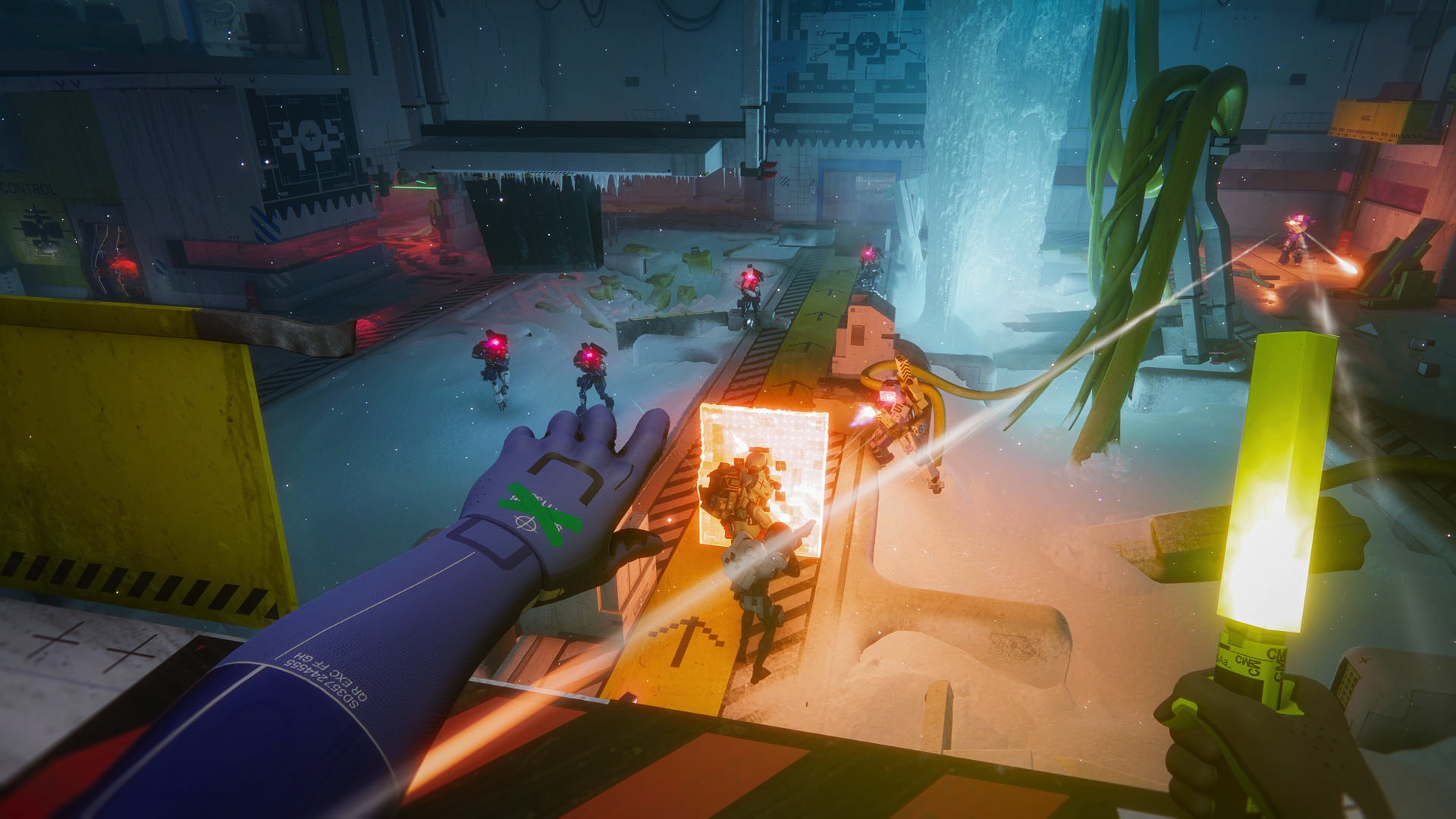 The weapon roster feels distinctly Bungie. There’s a strong emphasis on feel and feedback. Even basic weapons have satisfying weight and visual punch. Customization is present but not overwhelming. You can tune weapons to your playstyle without needing to chase a dozen different stats like in some looter-shooters. The focus remains on positioning, timing, and decision-making rather than pure gear chasing.
One of the smartest design choices is how the game handles failure. Losing your gear hurts, especially early on, but Bungie gives you faction-sponsored “kits” that let you drop back in with basic but functional equipment. You’re never completely reset to zero. This keeps the roguelike tension without making the game feel like a waste of time when things go wrong. It’s this balance between high stakes and reasonable recovery that makes the loop so addictive.
Factions, Classes, and Meaningful Progression
Progression in Marathon is tied directly to the factions you choose to work with. Each faction has its own personality, contract types, and reward trees. NuCaloric focuses on survival and recovery. Arachne pushes a more aggressive, almost religious approach to combat. MIDA encourages disruption and anti-corporate action. As you complete contracts and increase your standing, you unlock better gear, permanent perks for your chassis, and access to higher-value contracts.
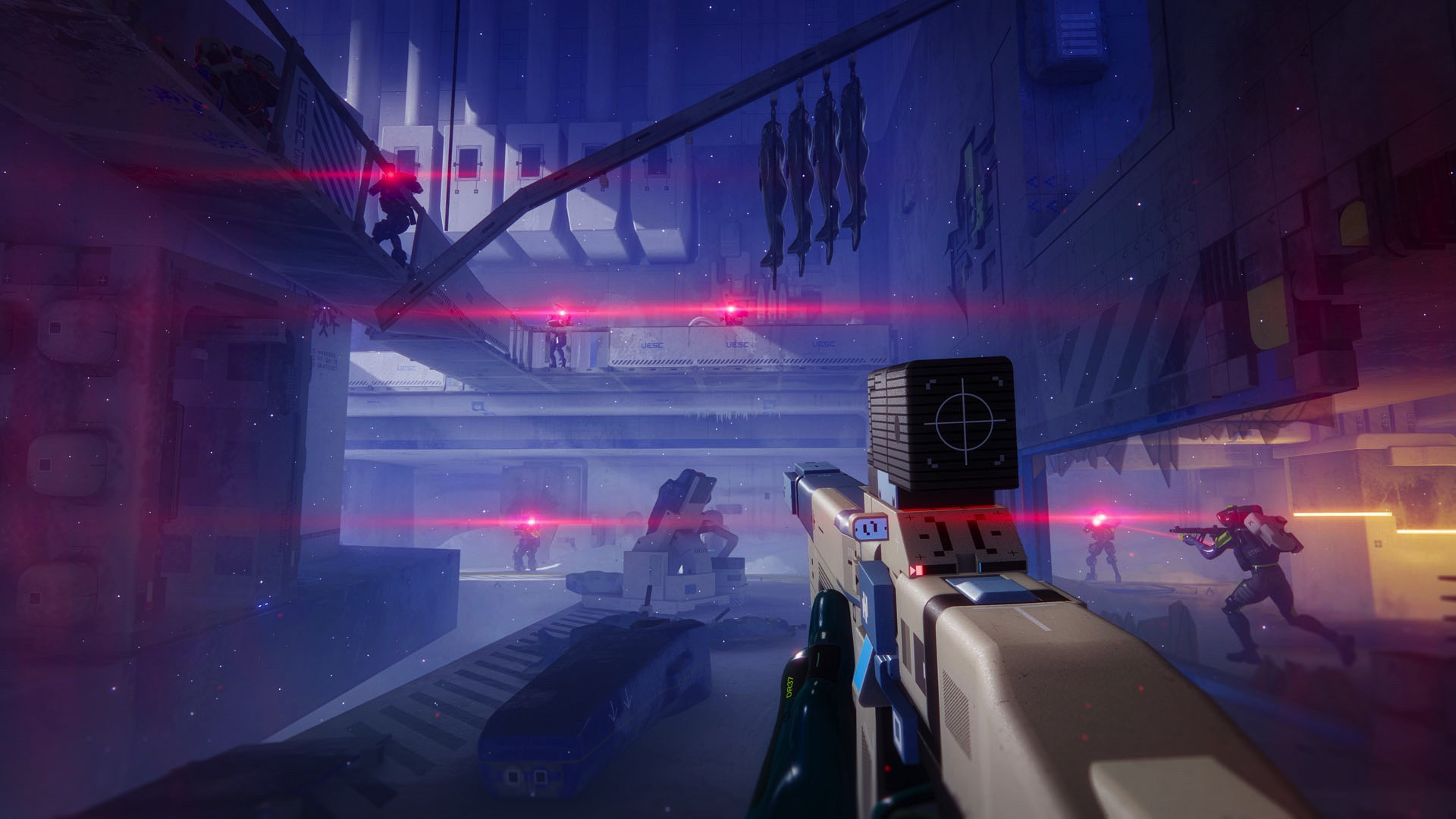 The chassis system (essentially classes) gives players clear identities without locking them into rigid roles. The tank can absorb punishment and hold positions. The medic keeps teammates alive during intense fights. Recon excels at information gathering and long-range engagements. Stealth and ROOK chassis cater to more solo or hit-and-run playstyles. Importantly, no single chassis feels clearly dominant. The best choice often depends on the contract you’re running and the map you’re on.
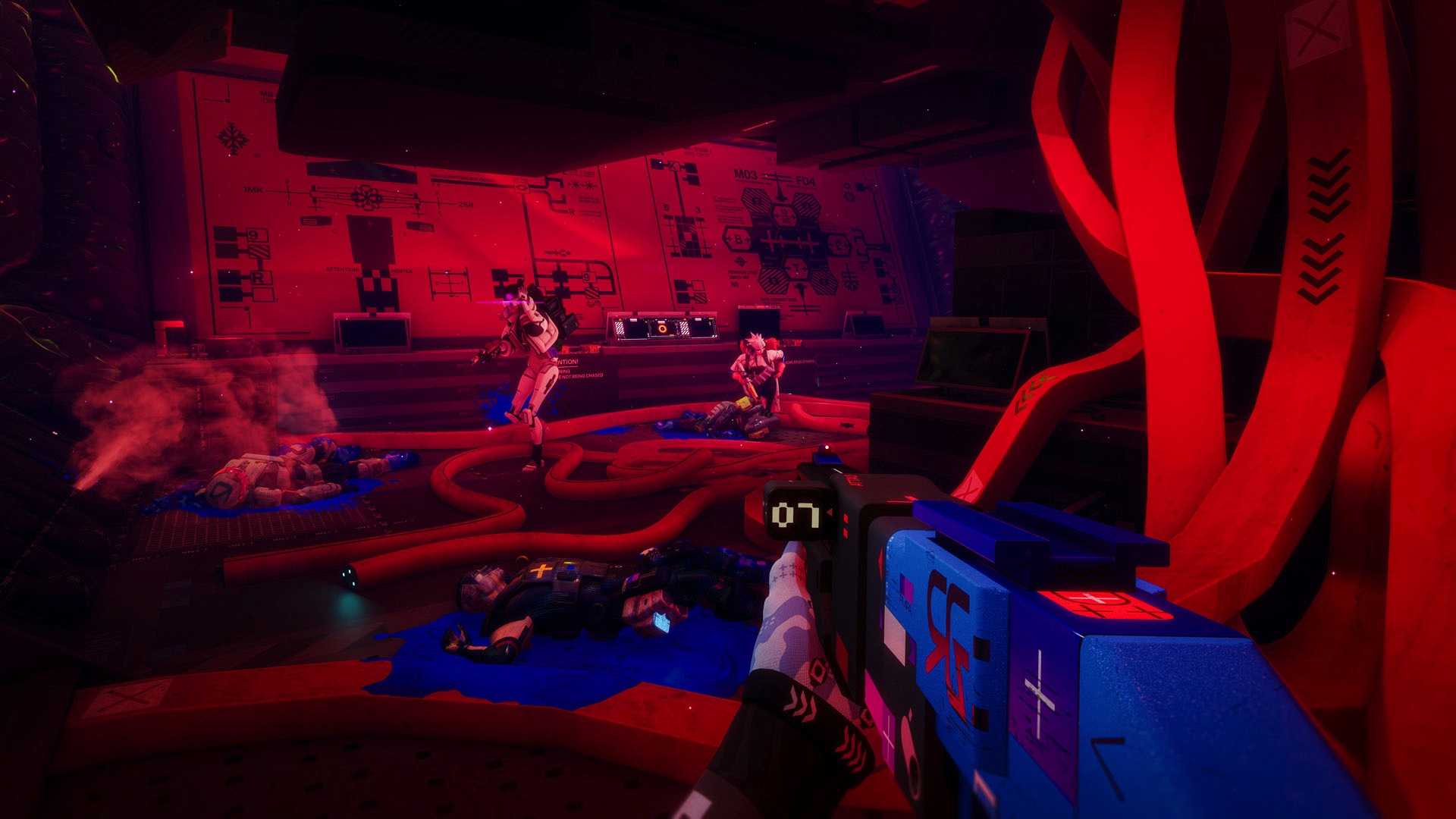 This faction-driven progression gives the game a sense of identity that many extraction shooters lack. Your choice of who you work for actually changes how you play and how other players might react to you. Running Arachne contracts might make you more aggressive and better equipped for direct combat, while NuCaloric contracts reward a more methodical, survival-focused approach. It’s a clever way to give players meaningful choice without forcing them into permanent class locks.
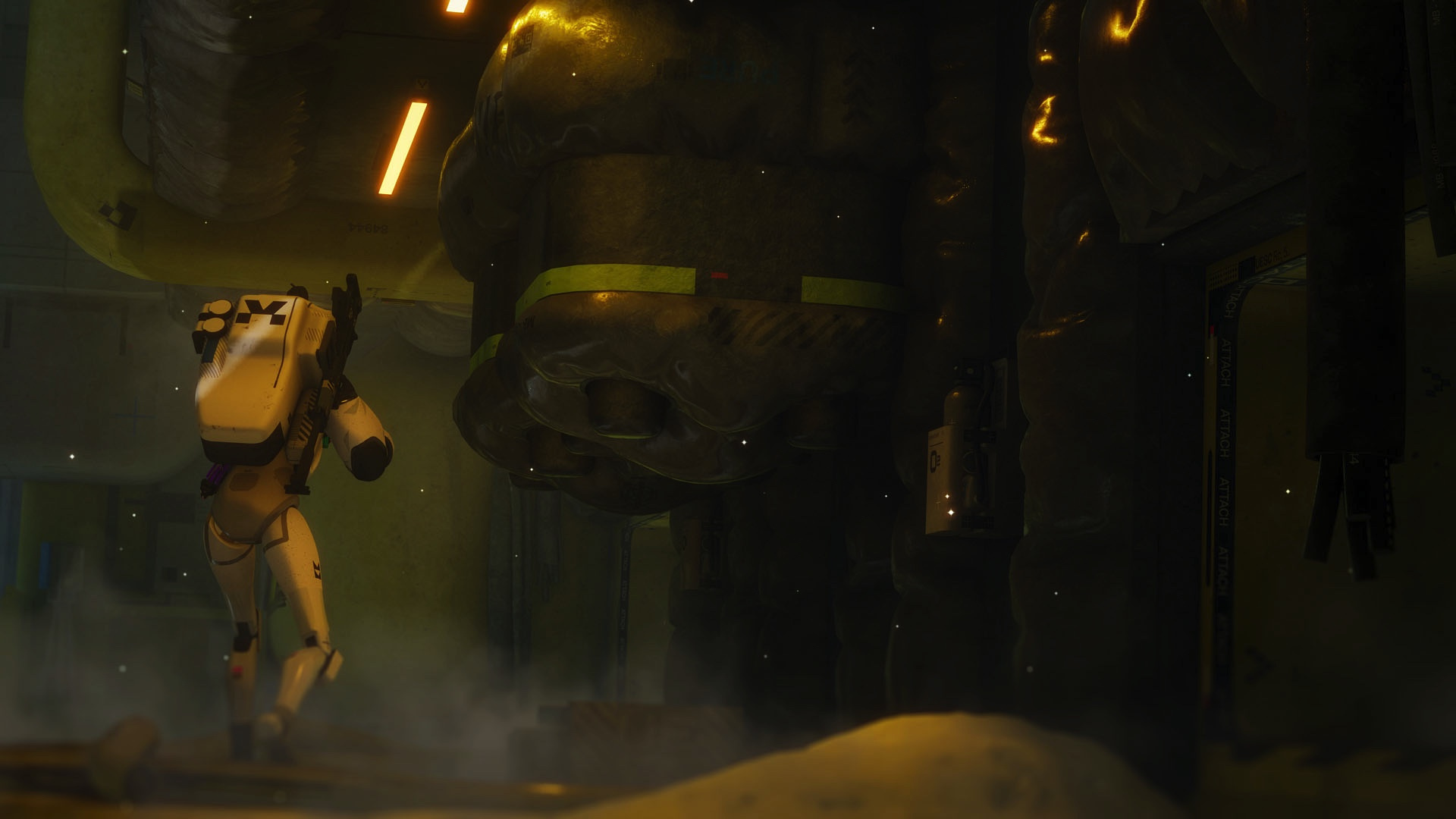 The upgrade trees are substantial but not overwhelming. You can invest in better storage, improved recovery items, stronger weapons, or quality-of-life perks. Because storage is limited, you’re constantly making decisions about what to keep and what to sell. This creates a constant tension between short-term power and long-term flexibility that feels very in line with the extraction genre’s philosophy.
Maps, Tension, and the CryoArchive Endgame
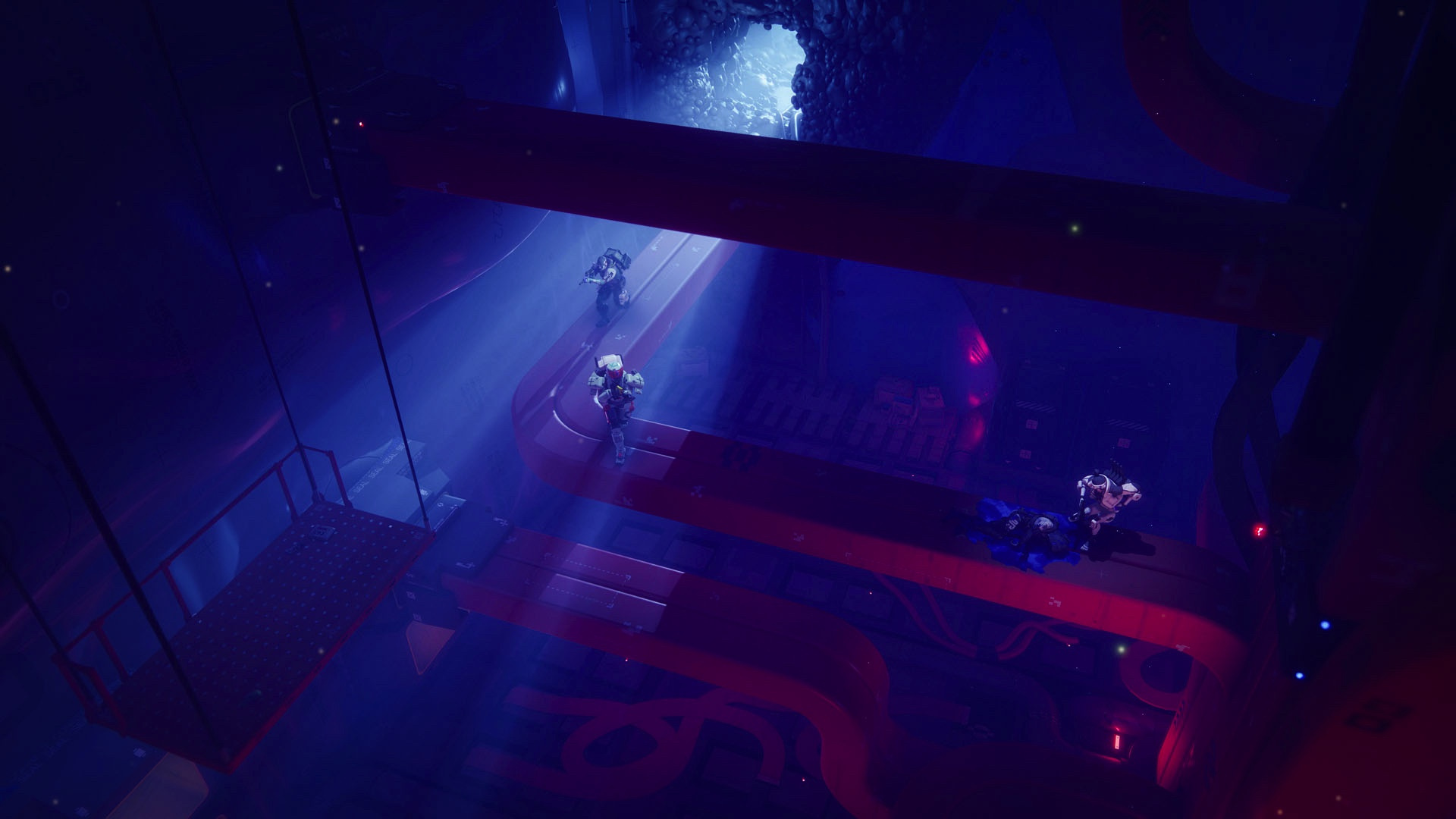
Marathon launched with four maps, each with a distinct personality. Perimeter is the most approachable, with open rocky terrain and research facilities. Deadly Swamp adds more verticality and environmental hazards. Outpost is the current fan favourite, vertical, labyrinthine, and significantly more dangerous, with environmental events like fire rain that force constant repositioning.
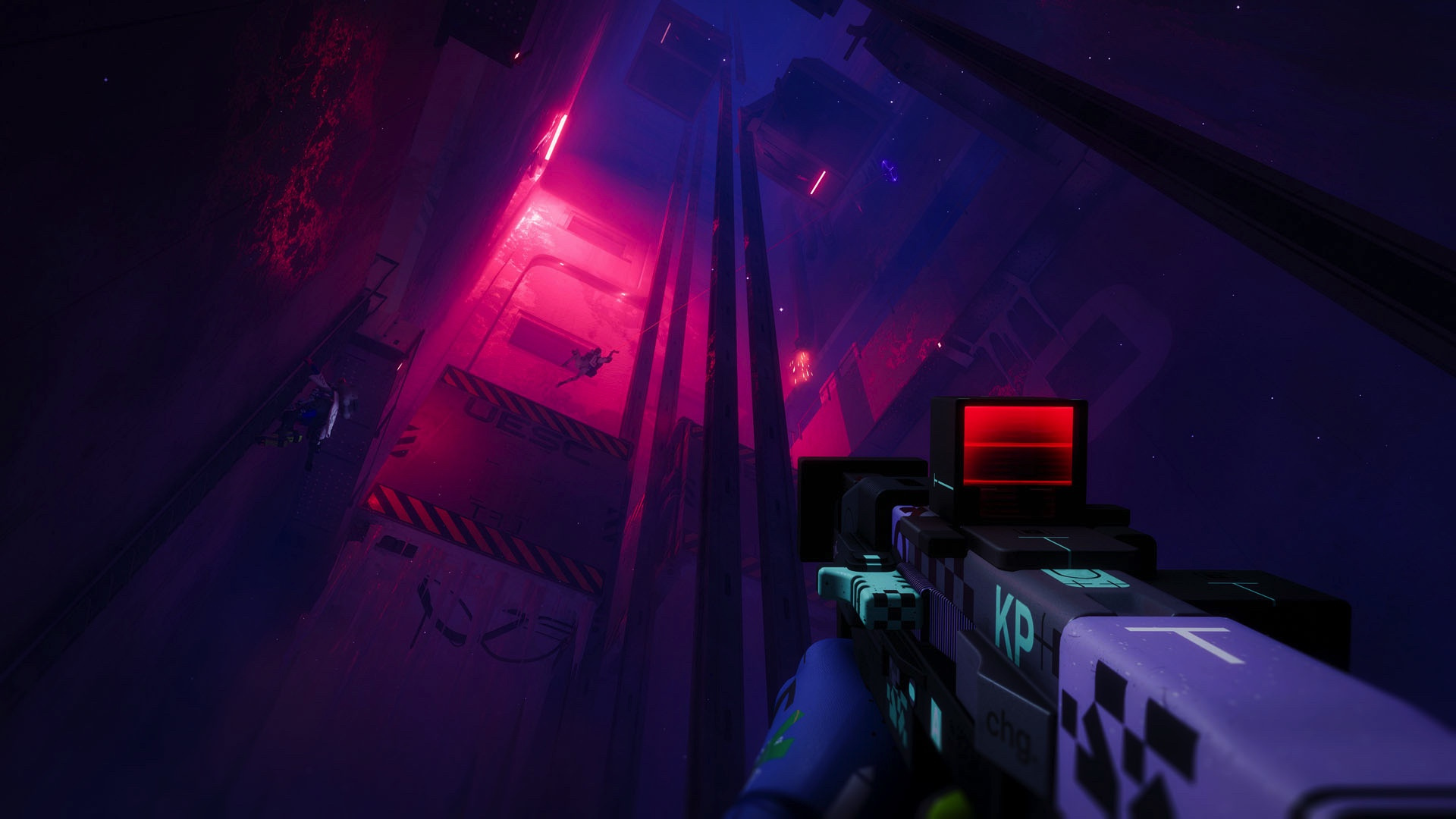 The real star, however, is CryoArchive. This is Bungie’s big swing at endgame content. It’s a high-stakes, high-reward zone that can only be accessed under certain conditions (level, gear value, and timing). It features waves of enemies, environmental threats, terminal hacking, a boss with unique mechanics, and a much more difficult extraction. Think of it as a hybrid between a traditional extraction run and something closer to a Destiny raid or dungeon, but in an extraction framework.
The design philosophy here is clear: use the regular maps to build up resources and confidence during the week, then risk everything in CryoArchive on the weekend for the best rewards. It creates a natural weekly rhythm that gives the game structure without feeling like artificial FOMO. The tension during a successful CryoArchive extraction, with limited ammo, multiple threats, and the knowledge that failure means losing everything you brought in, is genuinely thrilling.
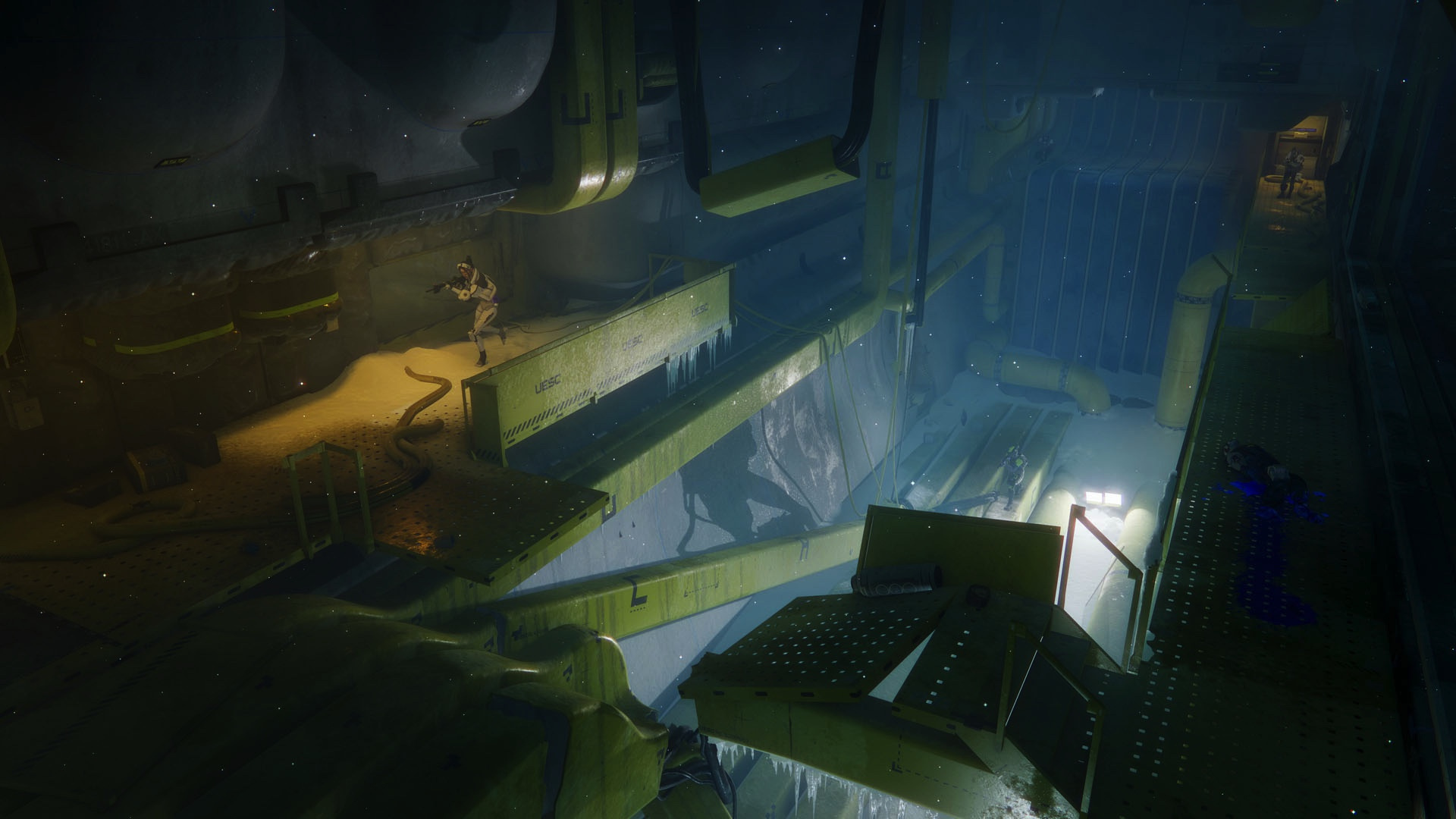 The maps themselves are well-designed for the genre. They offer enough verticality and alternative routes to reward good map knowledge, while still having clear high-traffic areas where fights are likely to break out. Environmental hazards on some maps add another layer of tension that keeps runs from feeling repetitive.
Interface, Accessibility, and Growing Pains
If there’s one area where Marathon stumbles hardest at launch, it’s the user interface. Bungie went hard on a retro-futuristic, 80s/90s corporate aesthetic with heavy use of 1-bit graphics, neon, and video art. While this looks stylish in screenshots and fits the world perfectly, it makes navigation genuinely frustrating, especially on controller.
 Inventory management requires too many clicks. Moving between customization, factions, and rewards feels clunky. The control scheme on consoles uses a mouse-like cursor with the analog stick, which feels awkward compared to more traditional console UI patterns. Text and icons can become difficult to read on smaller screens. Bungie has acknowledged these issues and is working on improvements, but at launch they represent the biggest barrier to entry for many players.
The learning curve is also quite steep. Some contracts have unclear objectives, and the game doesn’t always do a great job explaining its systems. While there are plenty of community tutorials, it would be better if more of this information lived inside the game itself. New players can feel overwhelmed in their first 10-15 hours, which is dangerous for a live-service title trying to grow its audience.
These issues are fixable, and Bungie’s track record suggests they will address them. However, they do hurt the first impression, which is critical in today’s market.
Final Thoughts
Marathon is exactly what Bungie promised: a hardcore, high-tension extraction shooter with excellent gunplay, a rich and mysterious world, and an addictive risk-reward loop. It successfully captures the Bungie DNA of satisfying combat and layered world-building while carving out its own identity in a crowded genre. The addition of CryoArchive as meaningful endgame content shows real ambition.
 That said, it is not for everyone. The steep learning curve, occasionally frustrating interface, and deliberately punishing nature will turn away casual players. It is very clearly aimed at a dedicated, hardcore audience. Whether that audience is large enough to sustain the game long-term remains to be seen, but what Bungie has built here is fundamentally sound and already more polished than many expected after last year’s tests.
If you enjoy tense, high-stakes extraction gameplay and don’t mind a game that respects your time by making every run feel meaningful, Marathon is worth diving into. Just be prepared to die. A lot.
We prepared this review with a digital copy of Marathon for the PS5 version provided by PlayStation.