
The Crash That Changes Everything
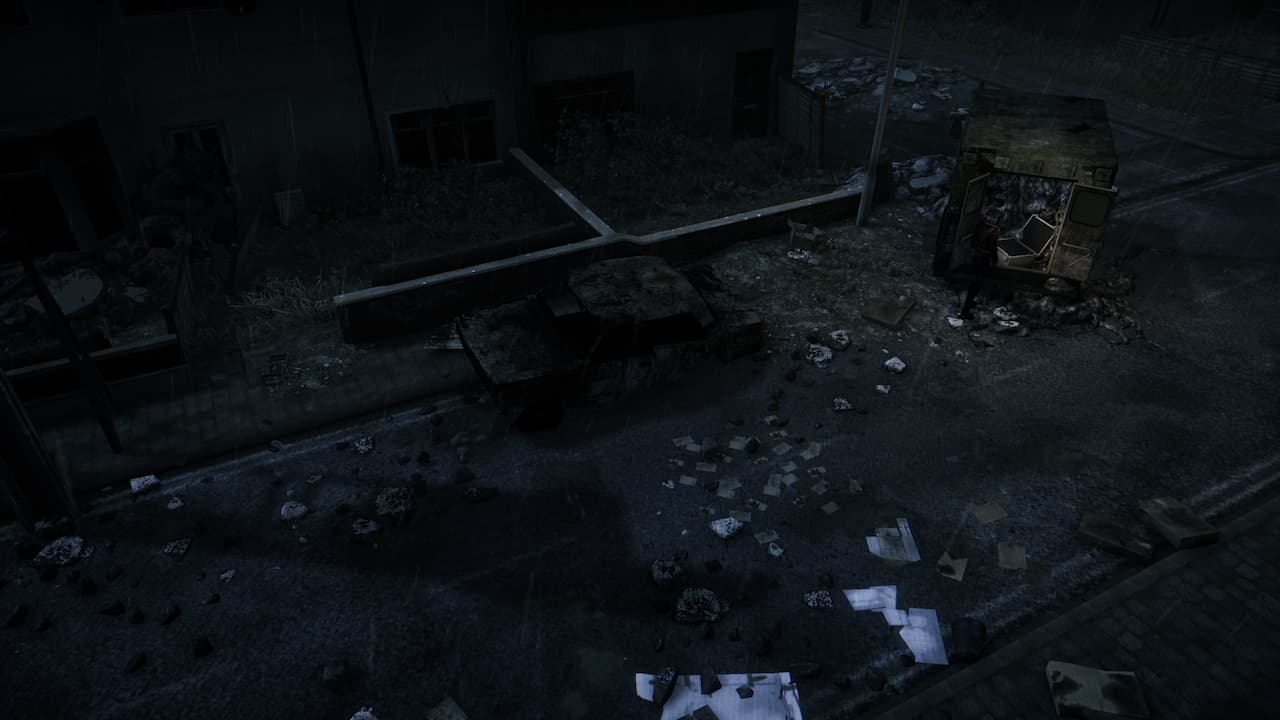
You are Mica, an unlicensed black market shipper scraping by in a dystopian future where the Exclusion Zone stands as a 20-mile scar of death and decay, sealed behind towering walls after some unspecified collapse. Your partner Sasha went in alone 12 days ago chasing answers, and now you’ve followed, only for your hover to plummet after a blinding white flash. You wake up in the ruins of what used to be homes, surrounded by the acrid smell of electrical fire and rain hammering the cracked windshield. Hollowbody doesn’t waste time with lengthy exposition. It drops you straight into that moment of disorientation and forces you to start moving.
The story is deliberately intimate. This isn’t about saving the world or uncovering some grand conspiracy (though there are hints of something larger). It’s about one person’s desperate search for someone she loves in a place that has already consumed countless others. The writing is sharp and grounded, avoiding the usual horror cliché of the protagonist suddenly becoming an action hero. Mica feels vulnerable, resourceful, and increasingly frayed as the Zone wears her down. The game uses environmental storytelling masterfully: abandoned personal belongings, half-finished messages, and the eerie quiet of a place that was once alive all paint a picture of loss without needing constant exposition dumps.
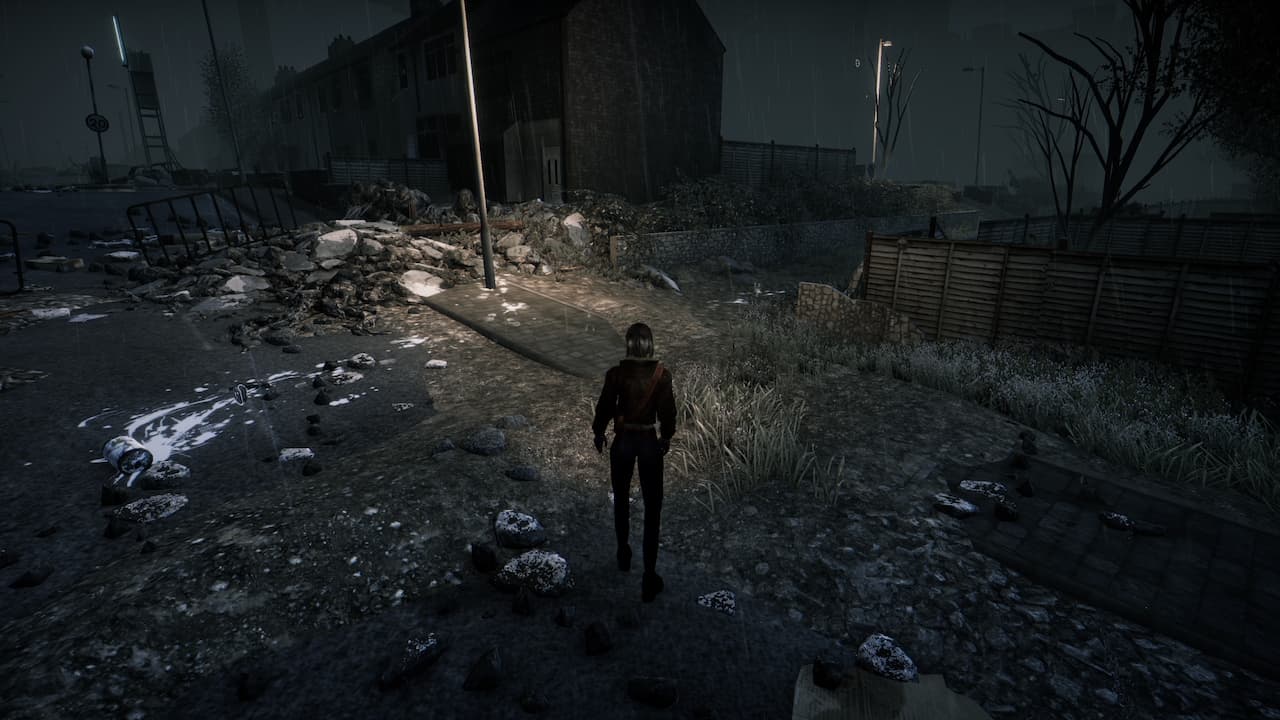 What makes Hollowbody stand out from many modern horror games is how seriously it takes its setting. This isn’t a generic zombie apocalypse or another abandoned mansion. The Exclusion Zone feels like a real place with its own history and rules. You get the sense that something catastrophic happened here, and the walls were built not just to keep people out, but to contain whatever remains inside. The tone sits somewhere between the bleak corporate dystopia of Blade Runner and the more personal, melancholic horror of early 2000s survival games. It’s refreshingly restrained.
Classic Horror Done Right
Hollowbody wears its influences on its sleeve, and that’s a good thing. It draws heavily from early 2000s survival horror, particularly the fixed-camera era of Silent Hill 2 and Resident Evil, while mixing in dynamic over-the-shoulder shots when the moment calls for it. The result is a game that feels both nostalgic and fresh. Movement is deliberately weighty. You’re not sprinting everywhere like a modern action hero. Every step feels considered, especially when you’re low on resources or being hunted.
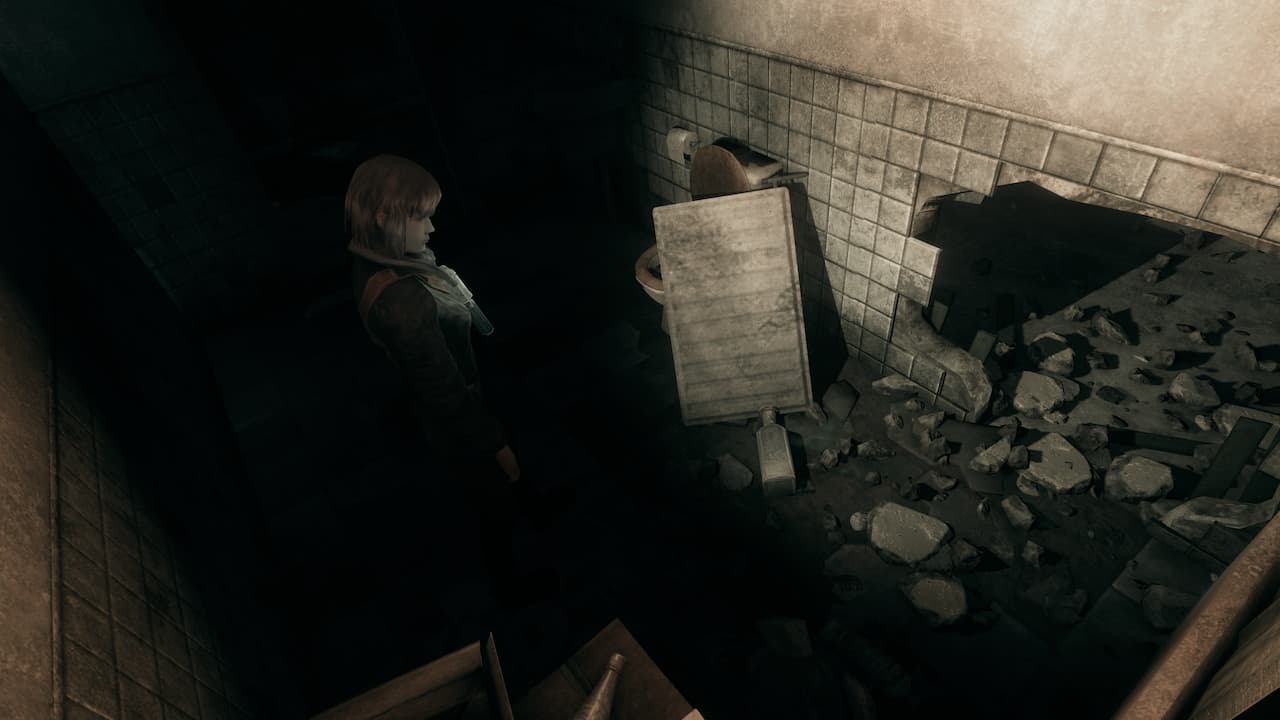 Combat is intentionally limited and risky. You have access to melee and ranged weapons, but ammunition is scarce and enemies are dangerous. The game wants you to avoid fights when possible and think about whether engaging is worth the cost in resources and noise. This creates genuine tension because every encounter feels like a potential turning point rather than routine cleanup. When you do fight, it’s usually because you made a mistake in positioning or resource management, not because the game threw another wave of fodder at you.
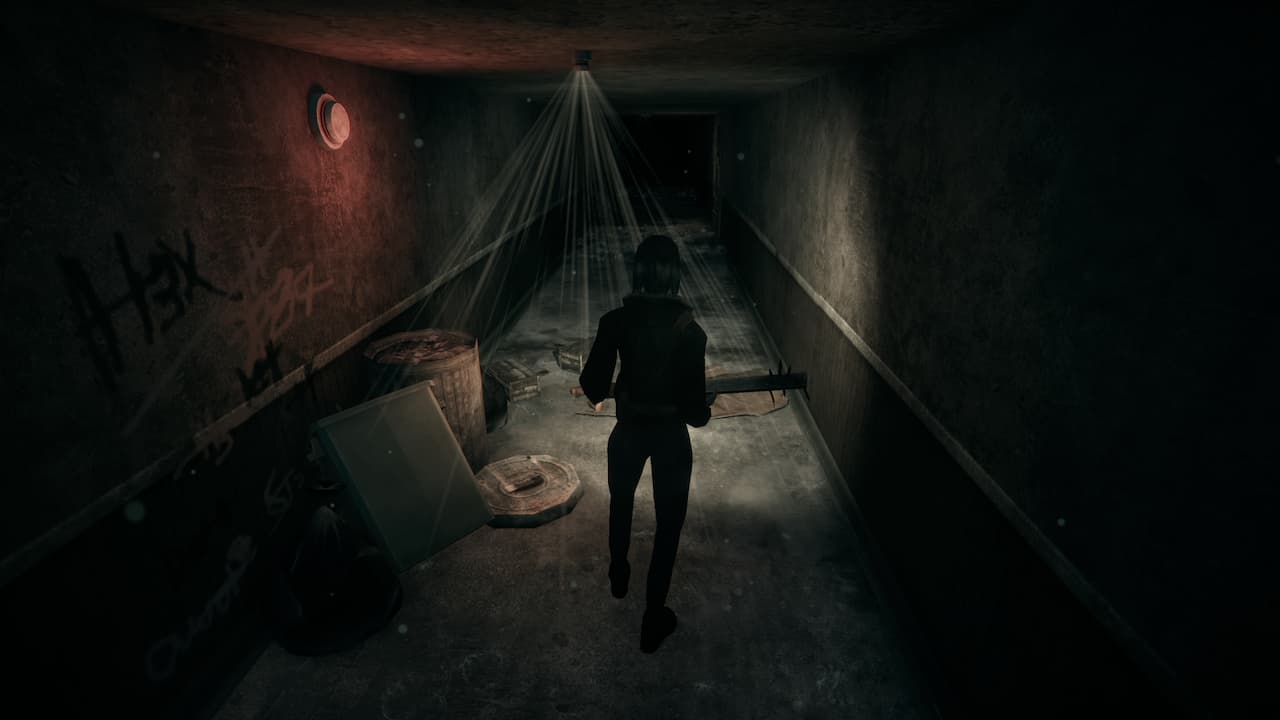 Resource management is handled with care. You have to juggle limited inventory space, deciding what to keep and what to leave behind. Health items, ammo, and key items all compete for the same slots. This forces meaningful decisions rather than hoarding everything. The game also includes difficulty options that reduce combat pressure for players who want to focus more on exploration and puzzle-solving, which is a welcome touch for a genre that can sometimes feel punishing for the wrong reasons.
The Zone and Its Secrets
The Exclusion Zone itself is the real star. Headware Games has built a haunting, lived-in world that feels both vast and claustrophobic at the same time. You move through ruined residential areas, overgrown industrial zones, and eerie abandoned facilities, each with its own distinct atmosphere. The environmental puzzles are well-integrated into the world rather than feeling like arbitrary roadblocks. You’re often using the environment itself, moving debris, rerouting power, or finding creative ways around obstacles rather than just finding color-coded keys.
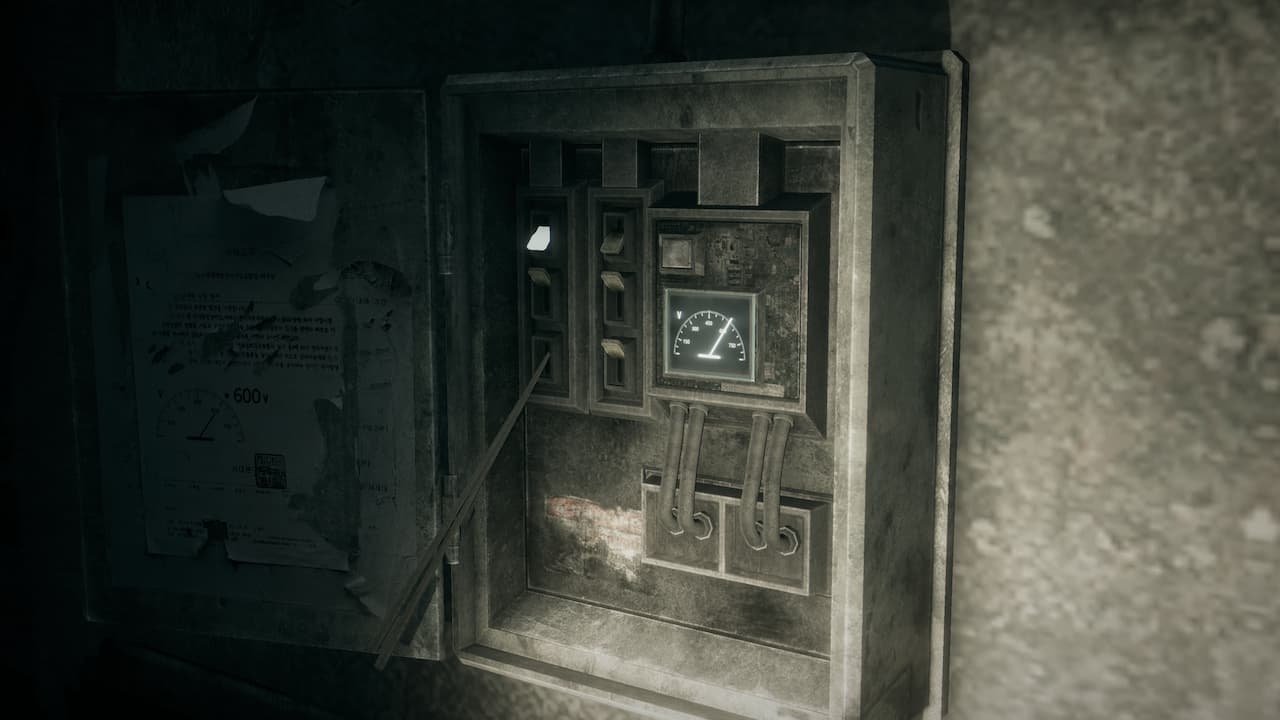 What elevates the experience is the sense of place. This doesn’t feel like a series of levels designed purely for gameplay. It feels like a real location that existed before everything went wrong. You find personal items, half-finished construction projects, and signs of desperate attempts to survive or escape. These small details do more to sell the horror than any jump scare could. The game trusts the player to piece things together rather than spelling everything out.
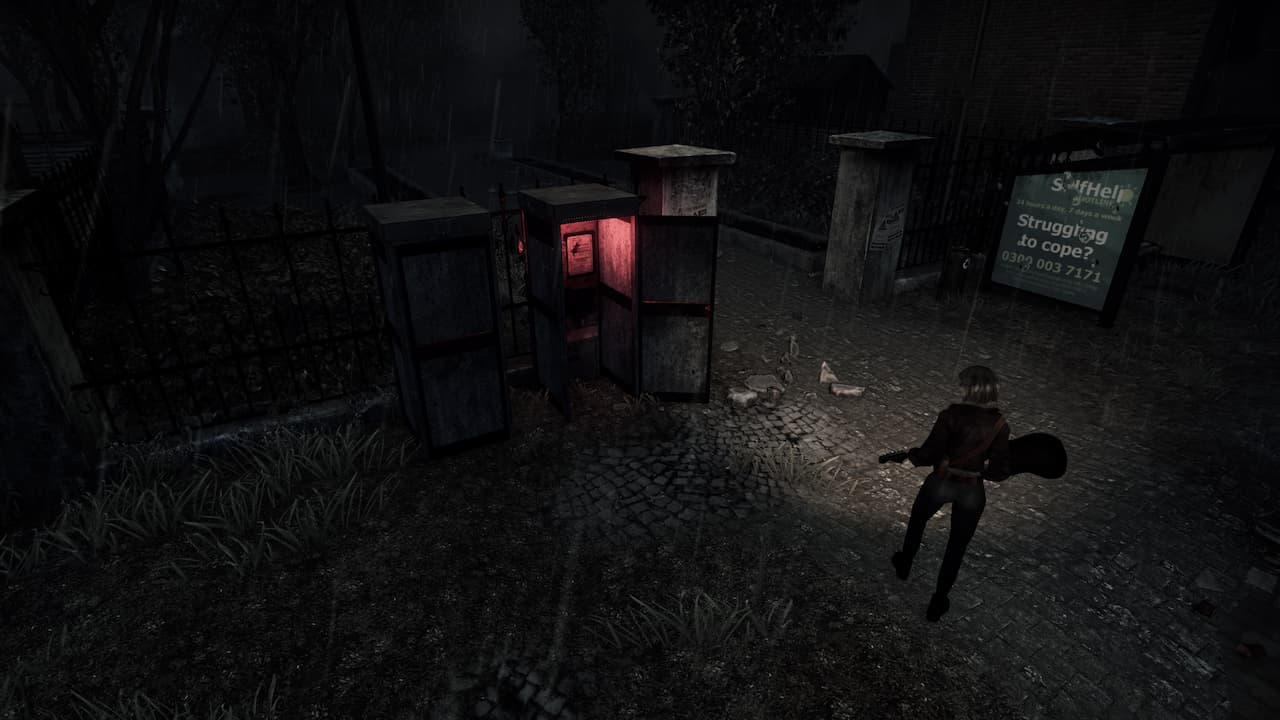 The fixed and dynamic camera work is used intelligently. Fixed cameras evoke a classic sense of dread and vulnerability, while dynamic shots are used during key moments to heighten tension or showcase important environmental details. It’s a careful balance that shows a real understanding of what made early-2000s horror effective without feeling like empty nostalgia.
Tension Without Cheap Tricks
One of the smartest design decisions in Hollowbody is how it handles pacing and save points. The game is careful about where it places its limited saves, creating genuine tension without ever feeling unfair. You’re always aware that a bad decision or missed cue could cost you significant progress, which keeps you engaged and cautious. At the same time, the placement respects the player’s time. It doesn’t punish you with excessive backtracking just for the sake of difficulty.
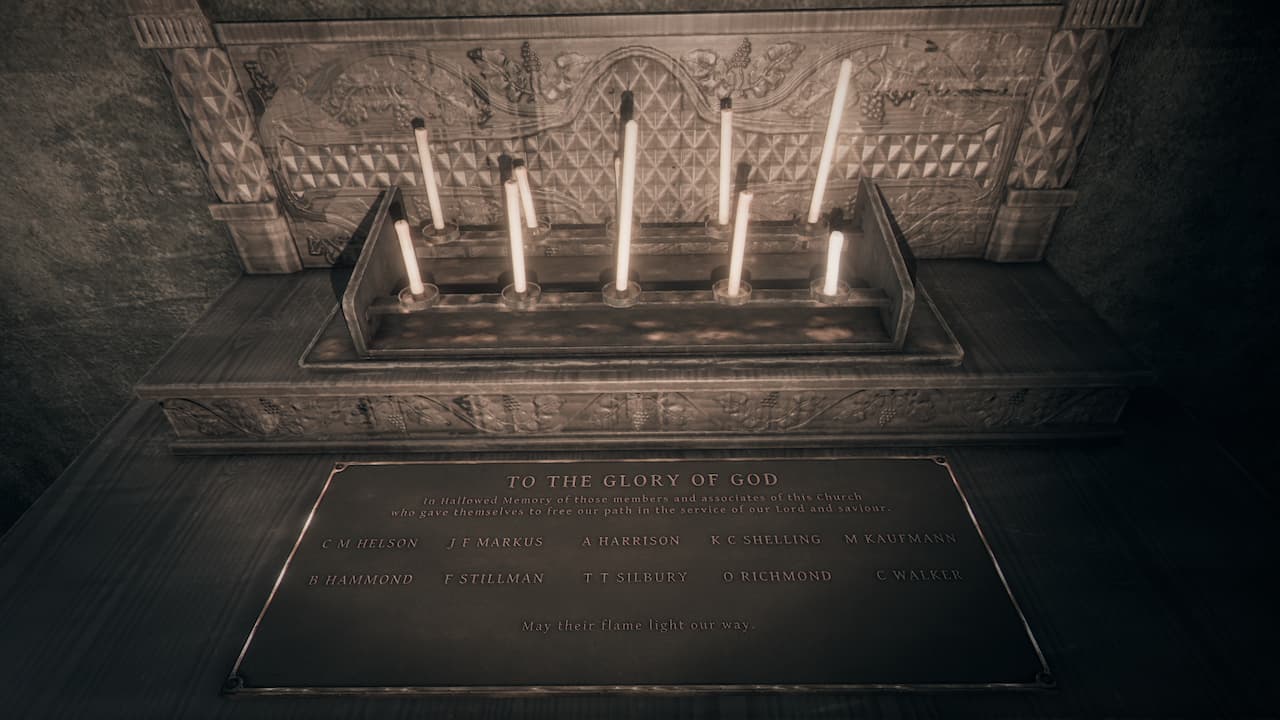 The horror here is largely psychological and atmospheric rather than relying on constant enemy encounters or jump scares. The Zone itself feels hostile. The sound design does a lot of heavy lifting, with creaking structures, distant noises, and an oppressive silence that makes every small sound feel significant. When combat does occur, it’s usually because you’ve made a mistake or pushed too far into dangerous territory. This makes every fight feel earned rather than arbitrary.
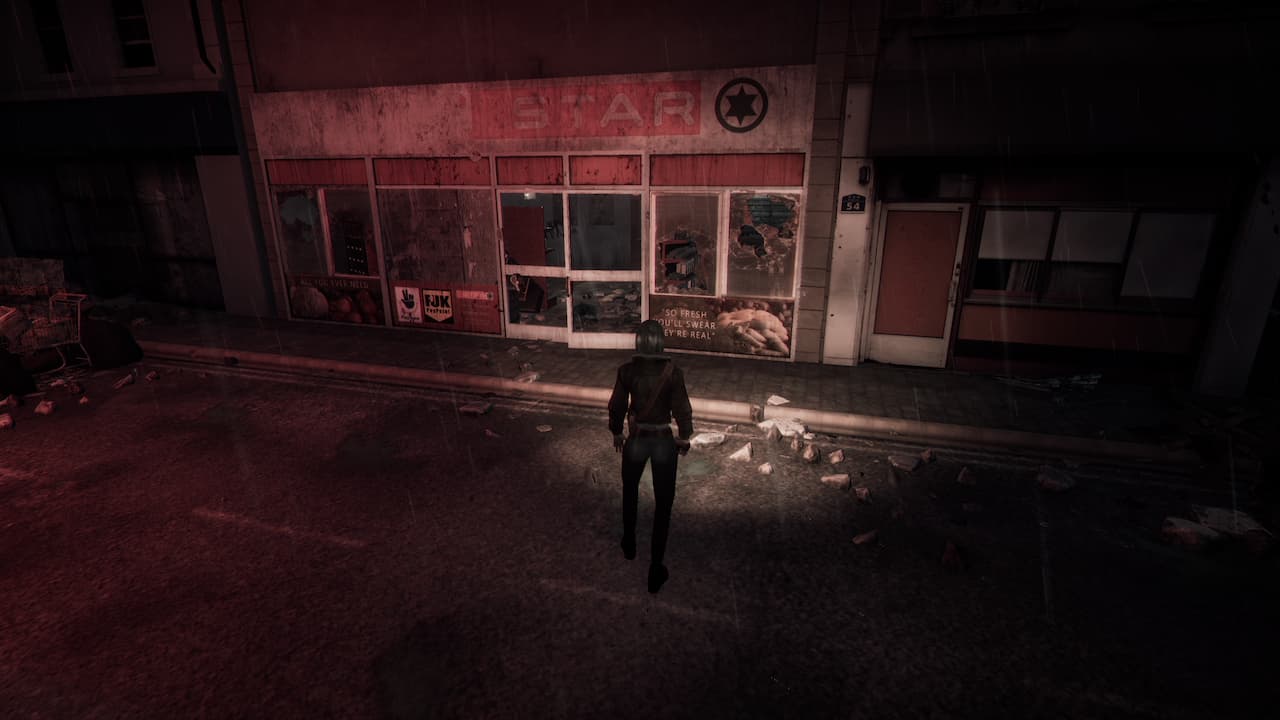 Resource scarcity plays into this tension beautifully. Running low on ammo or health items forces you to make hard choices about whether to engage or retreat. The game never feels like it’s cheating you, but it also never lets you feel truly safe. That constant low-level anxiety is exactly what good survival horror should deliver.
A Personal Story in a Broken World
While the world-building is excellent, what really anchors Hollowbody is Mica’s personal story. This isn’t a faceless protagonist on a generic quest. You’re playing as someone with clear motivations, relationships, and vulnerabilities. The search for Sasha gives every action emotional weight. You’re not just surviving for survival’s sake. You’re surviving because someone you care about is out there, possibly in danger.
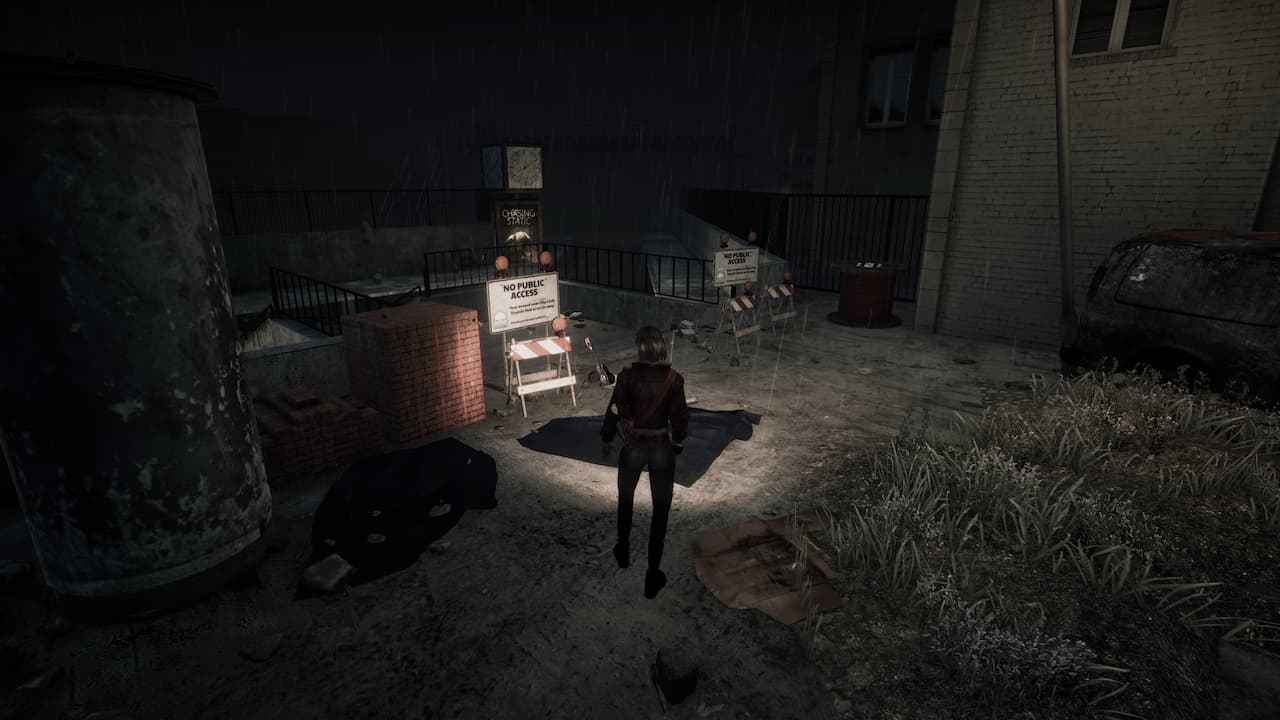 The game handles its themes of grief, desperation, and determination with surprising maturity. It doesn’t over-explain or spell everything out. Much of the emotional impact comes from environmental details and Mica’s reactions to what she finds. The voice acting is strong across the board, selling both the quiet moments of reflection and the more intense sequences of fear and determination.
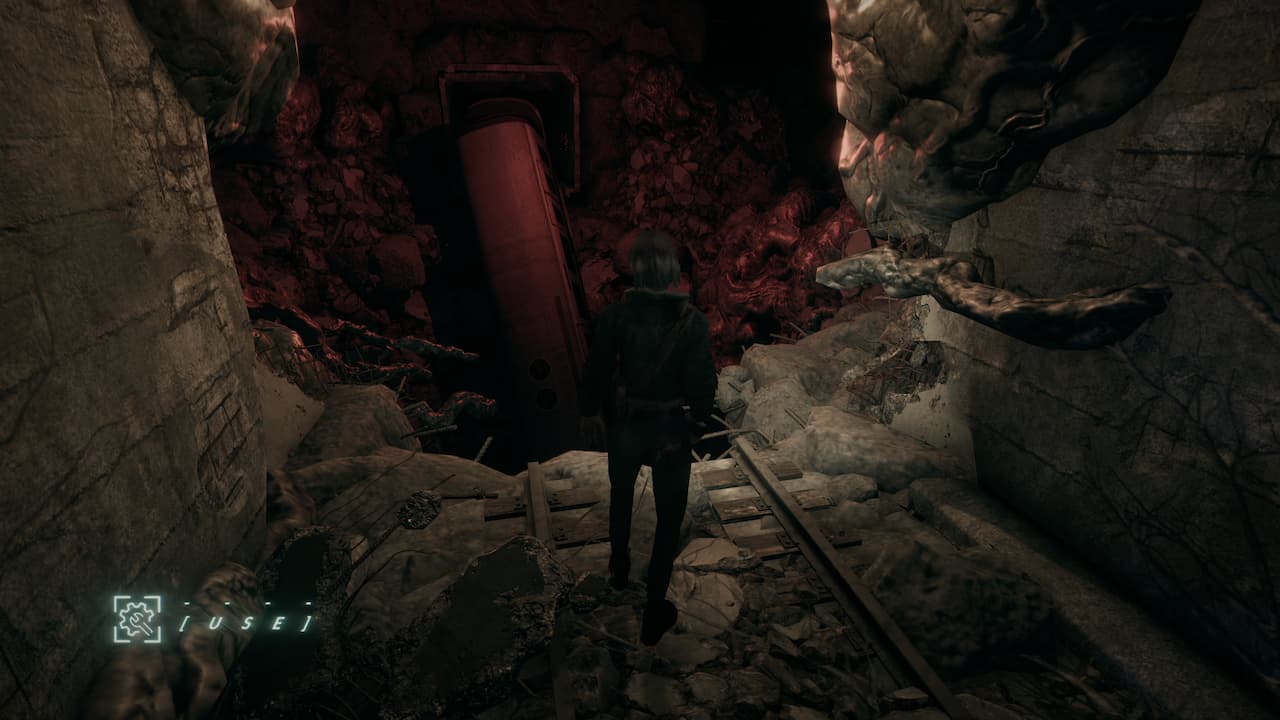 What’s particularly effective is how the game uses its dystopian setting to explore personal loss. The larger collapse of society mirrors Mica’s personal collapse after losing Sasha. Both stories are about trying to hold onto something in a world that’s already taken so much. It’s bleak, but never nihilistic. There’s always a thread of determination running through the darkness.
Final Thoughts
Hollowbody is a confident and atmospheric survival horror experience that understands what made early 2000s horror special while still feeling fresh. Its focus on exploration, resource management, and narrative over constant combat sets it apart in a genre often dominated by action-heavy entries. The world feels lived-in and tragic, the puzzles are thoughtfully integrated, and Mica’s personal story gives the whole experience emotional grounding that many similar games lack.
 While it wears its influences openly, it never feels like empty nostalgia. Headware Games has crafted something that respects the classics while telling its own story about loss and determination in a broken world. For fans of deliberate, atmospheric survival horror with strong environmental storytelling, Hollowbody is a standout release that’s well worth experiencing.
We prepared this review with a digital copy of Hollowbody for the PS5 version provided by Headware Games.