
The Legend Reborn in the Valley of Mines
The original Gothic from 2001 was never an easy game to love at first sight. It threw you into a magical prison colony with almost no explanation, terrible combat, and a world that actively seemed to hate your existence. Yet for those who stuck with it, it became something special, a true RPG where your actions had weight, your progression felt earned, and the world felt alive in a way few games had managed before. Alkimia Interactive’s remake doesn’t try to sand down those rough edges. Instead, it polishes the experience while keeping the soul of that brutal, cynical world intact.
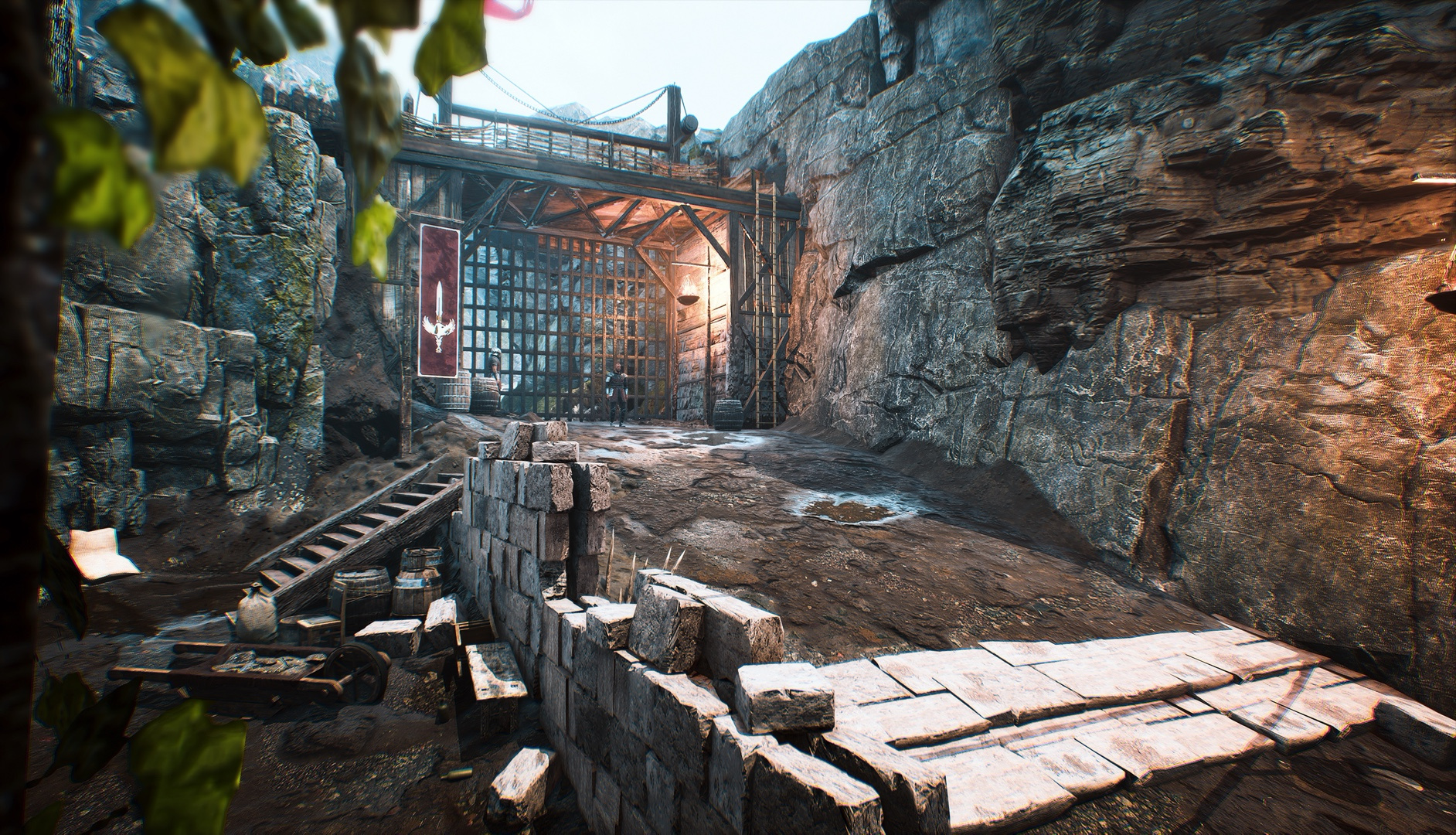
The Valley of the Mines looks better than it ever has. The environments are richer, the lighting is dynamic, and the sense of scale has been significantly improved. Yet the remake never feels like it’s trying to be a modern open-world game in the Ubisoft or Bethesda sense. It remains a tightly designed, hand-crafted space where every path, every NPC routine, and every hidden corner serves a purpose. The world still operates on its own schedule. Guards change shifts, workers eat and sleep, and factions plot against each other, whether you’re involved or not. This living world was revolutionary in 2001, and in 2025 it remains one of the remake’s strongest features because so few modern RPGs commit to it with the same level of care.
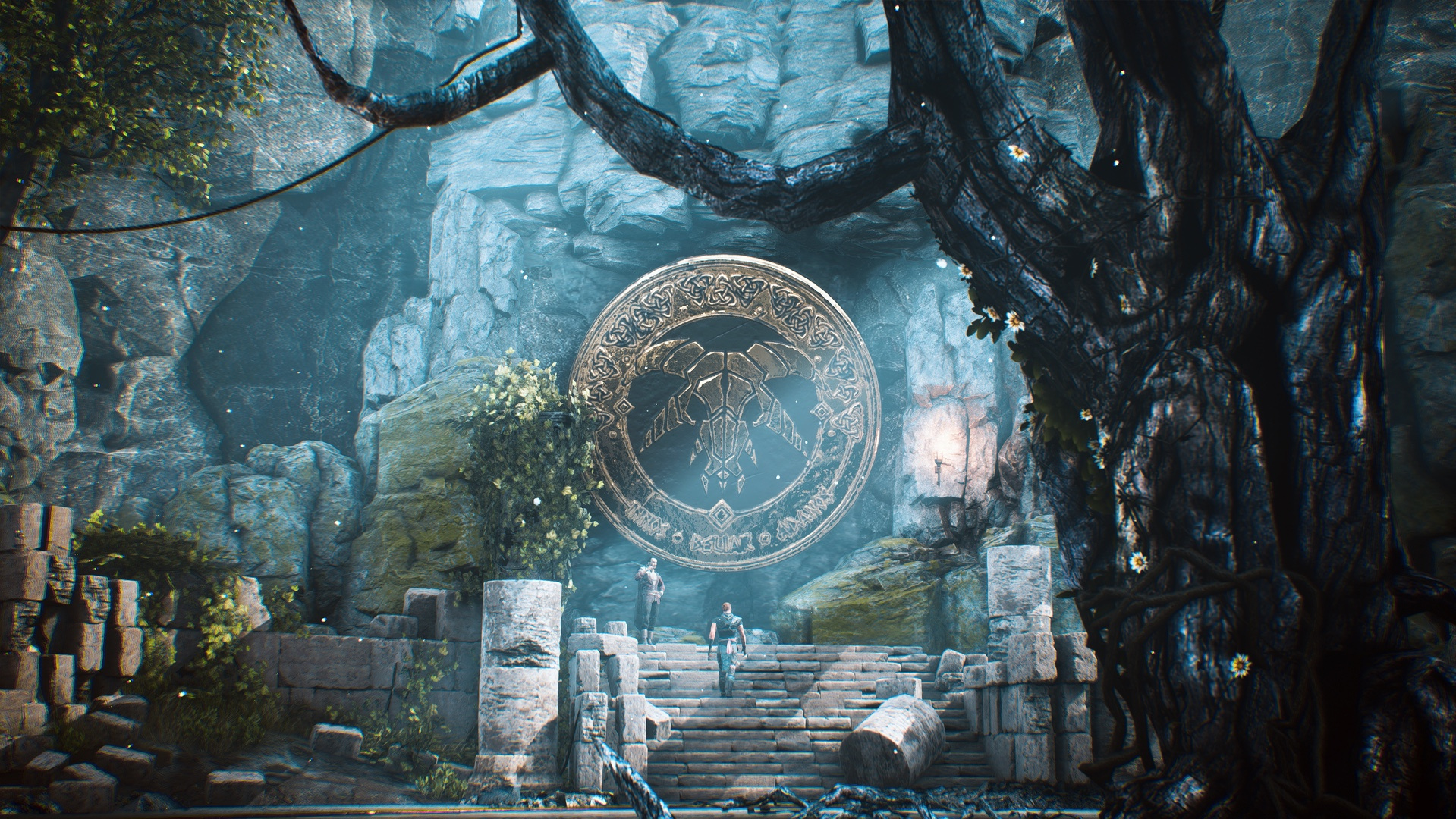 What Alkimia has done particularly well is expand the original without bloating it. There are more side quests, deeper faction interactions, and additional NPC routines that make the colony feel even more alive. The three main factions, the Old Camp, the New Camp, and the Brotherhood of the Sleeper, have been given more depth and reactivity. Aligning with one no longer feels like a simple choice between “good,” “evil,” or “weird.” Each path meaningfully changes how the world responds to you and how your character develops. The remake also adds some new traversal options, such as improved climbing and swimming, which make the world feel more connected without breaking the original’s deliberate pacing.
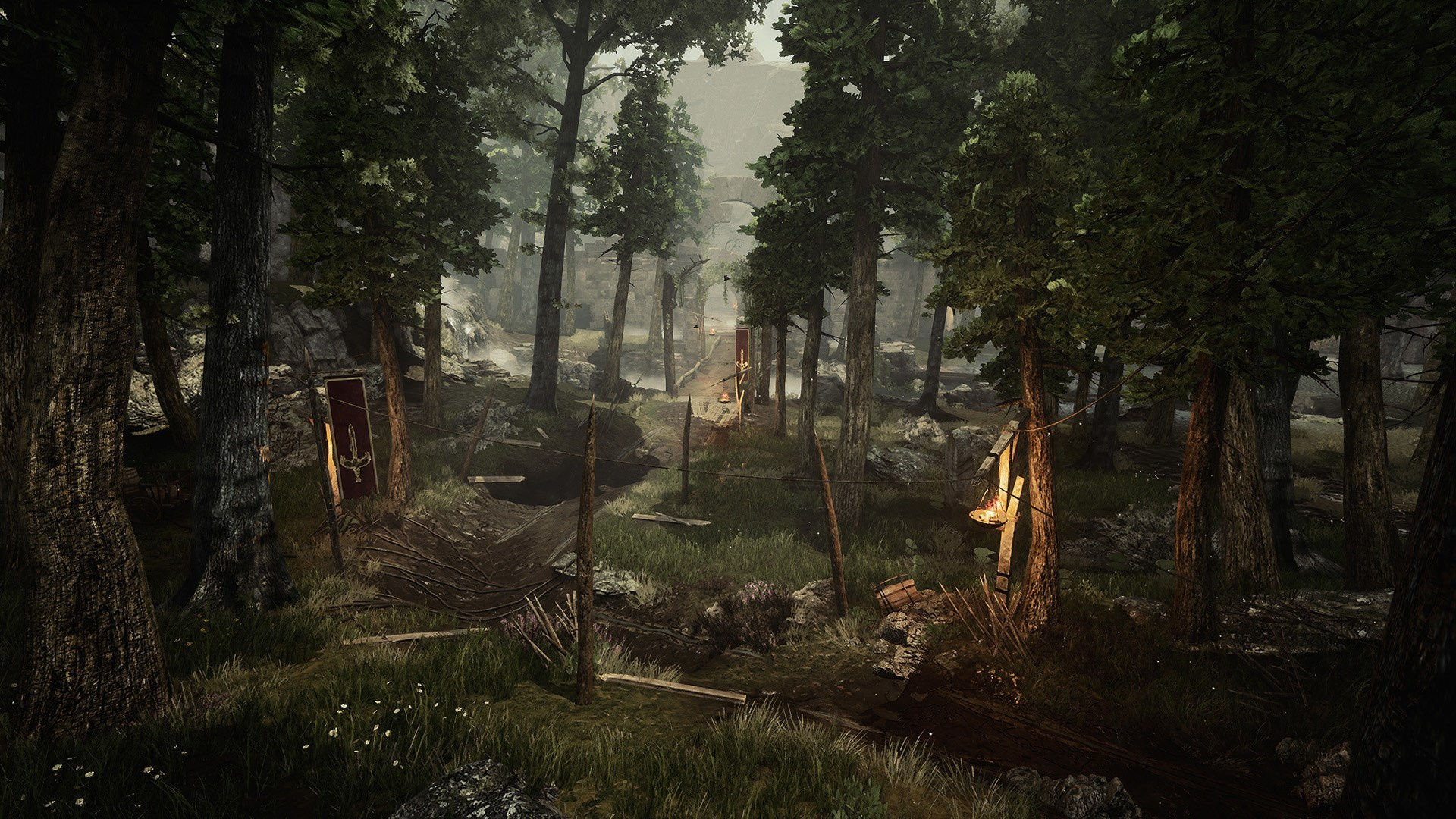 The tone remains dark, grounded, and often mean-spirited in the best way. This is still a prison colony full of desperate, violent men. Fights are personal and ugly rather than flashy. The game doesn’t romanticize the violence or try to turn your nameless hero into some noble chosen one. You’re still just another convict trying to survive, and the world treats you accordingly until you prove otherwise. This grounded approach to both story and combat is one of the things that has always separated Gothic from more heroic fantasy RPGs, and the remake preserves it beautifully.
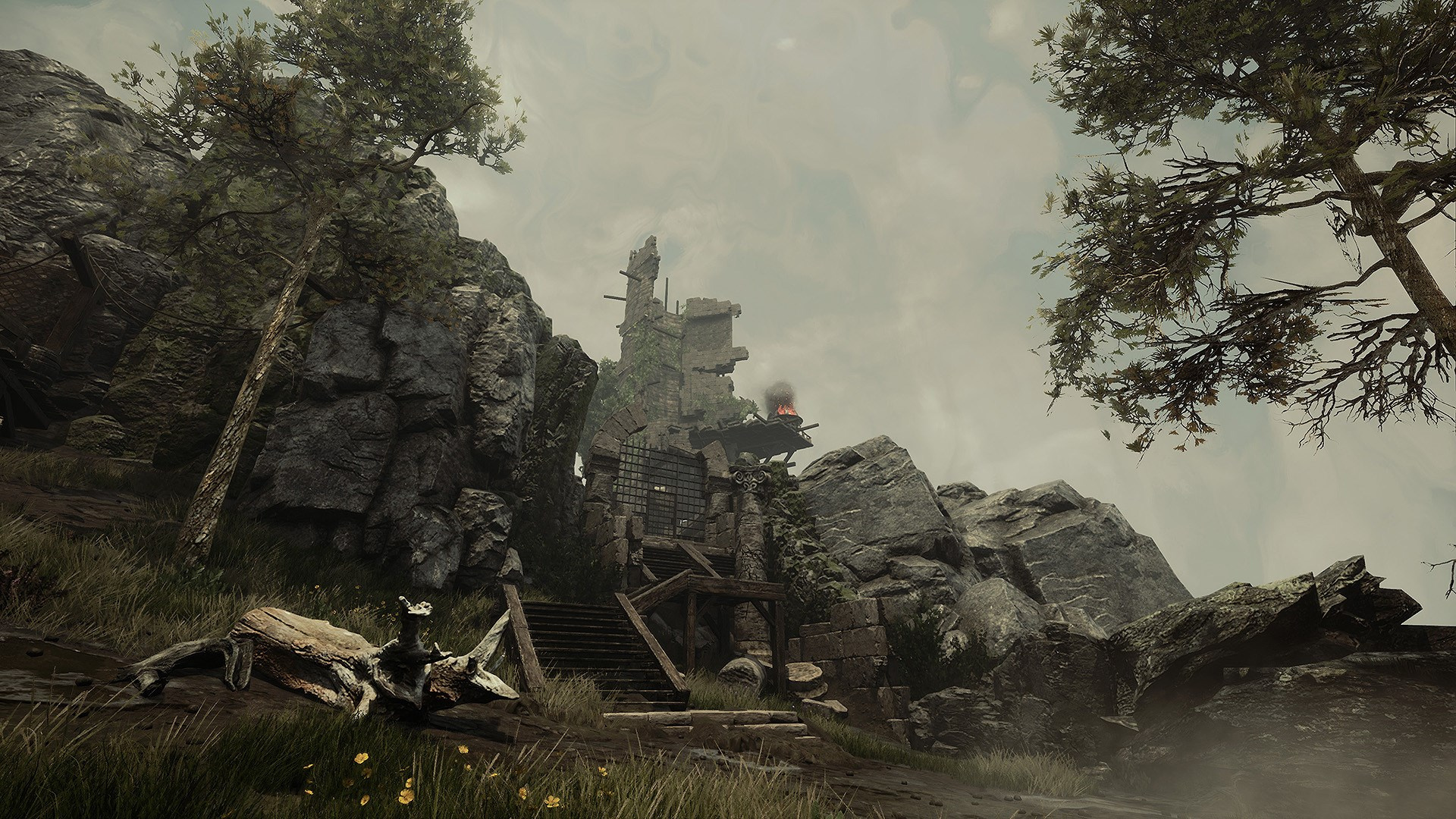 The technical upgrade is noticeable but never distracting. The game runs smoothly, the animations are much improved, and the world feels more cohesive. However, Alkimia has been careful not to over-modernize the experience. The deliberate, weighty movement and the harsh difficulty curve remain. You still start weak and unskilled, and the game expects you to learn through failure. This is not a game that holds your hand, and that philosophy has been respected throughout the remake process.
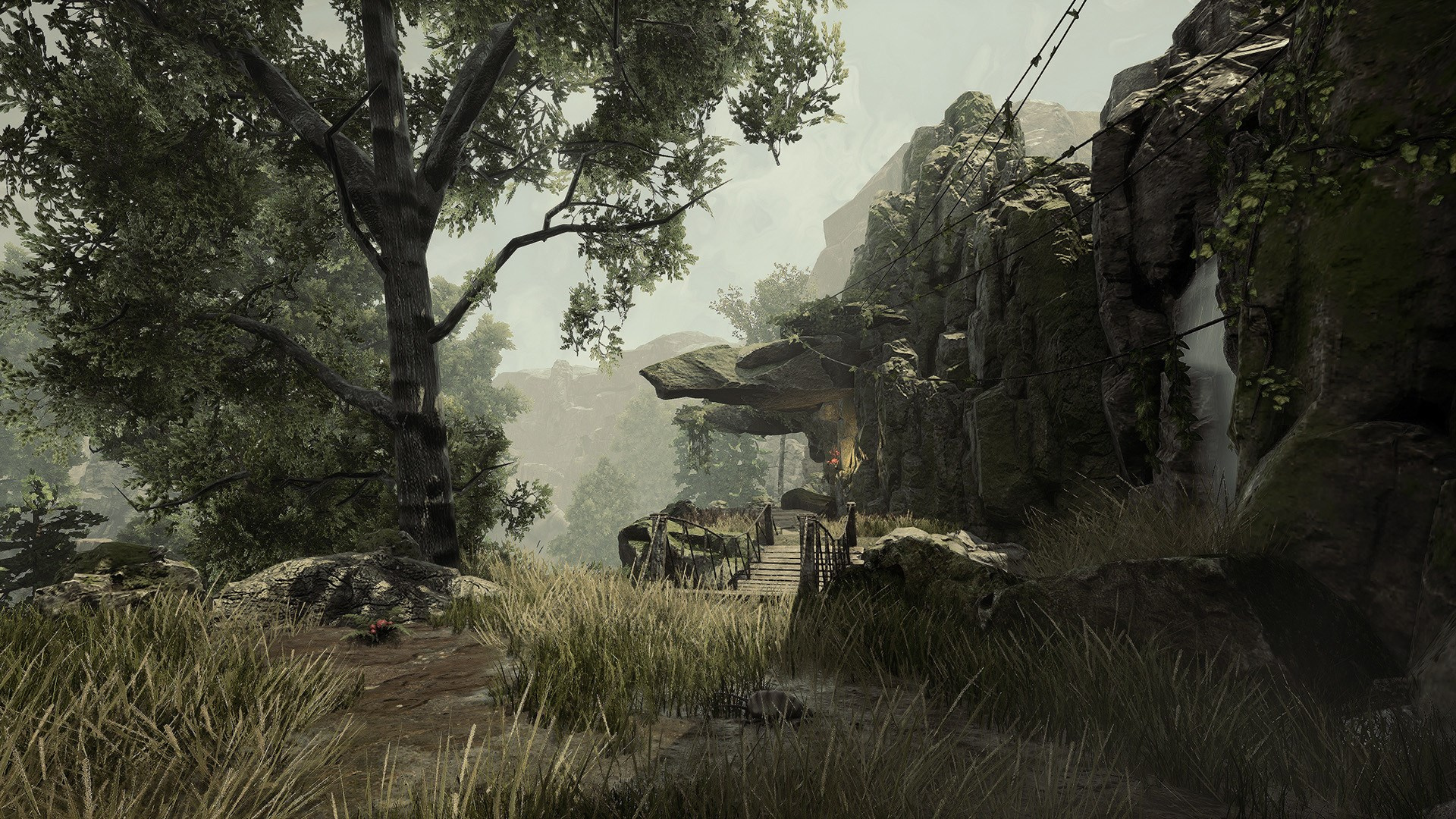 In short, Gothic 1 Remake succeeds because it understands that the original’s “flaws” were often intentional design choices. By enhancing the world, expanding the quests, and modernizing the presentation without removing the game’s deliberate roughness, Alkimia has created something that feels both fresh and deeply familiar. For longtime fans, it’s the version they always wanted. For newcomers, it’s still a challenging but rewarding introduction to one of the most influential RPGs ever made.
Factions, Freedom, and the Weight of Your Choices
One of the most important aspects of the original Gothic was its handling of player freedom and faction allegiance. Unlike many RPGs that offer moral choices with clear “good” and “bad” paths, Gothic presented three flawed factions, each with its own motivations, hierarchies, and problems. Alkimia Interactive has significantly expanded this system in the remake while staying true to the original’s spirit.
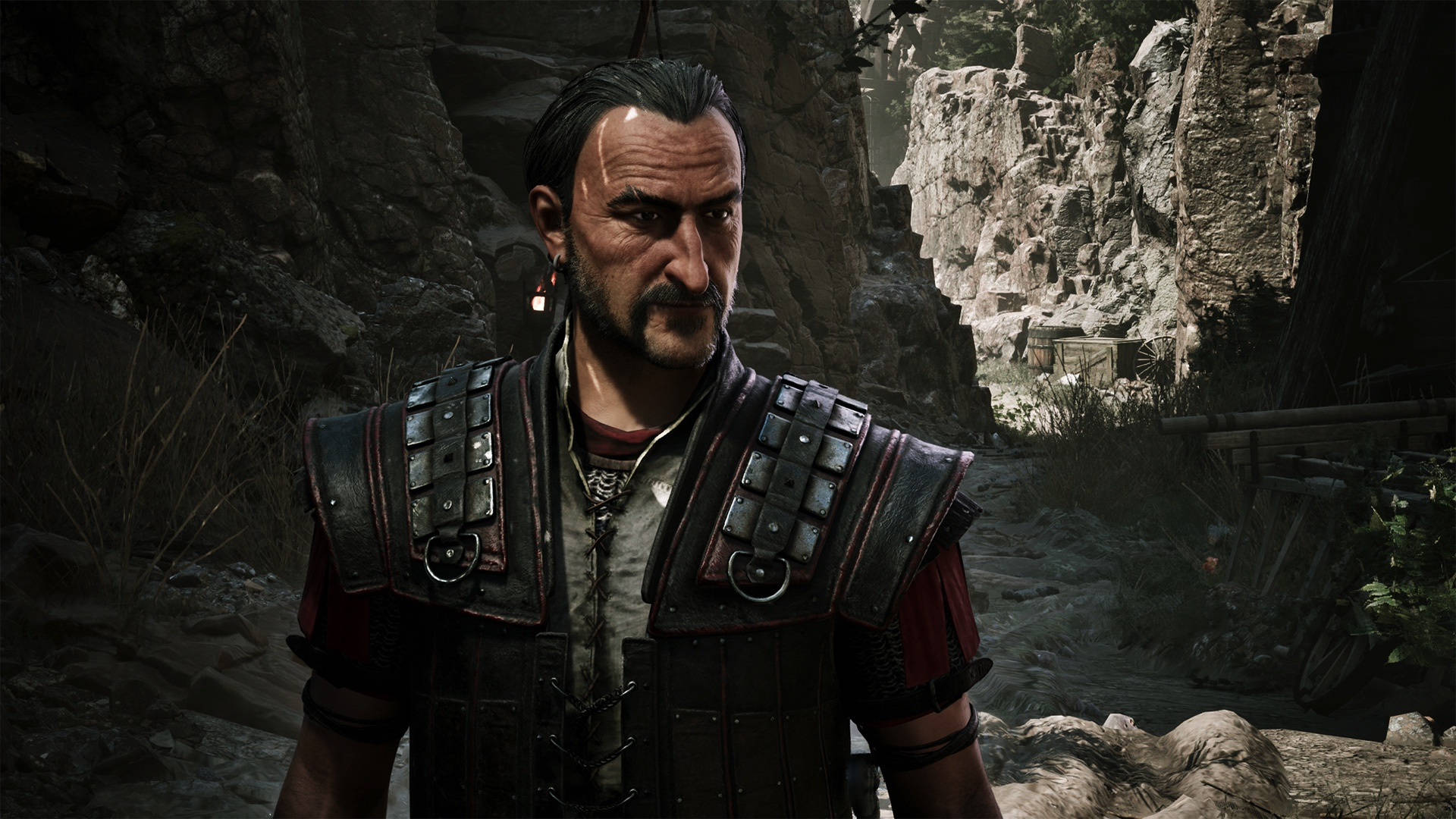
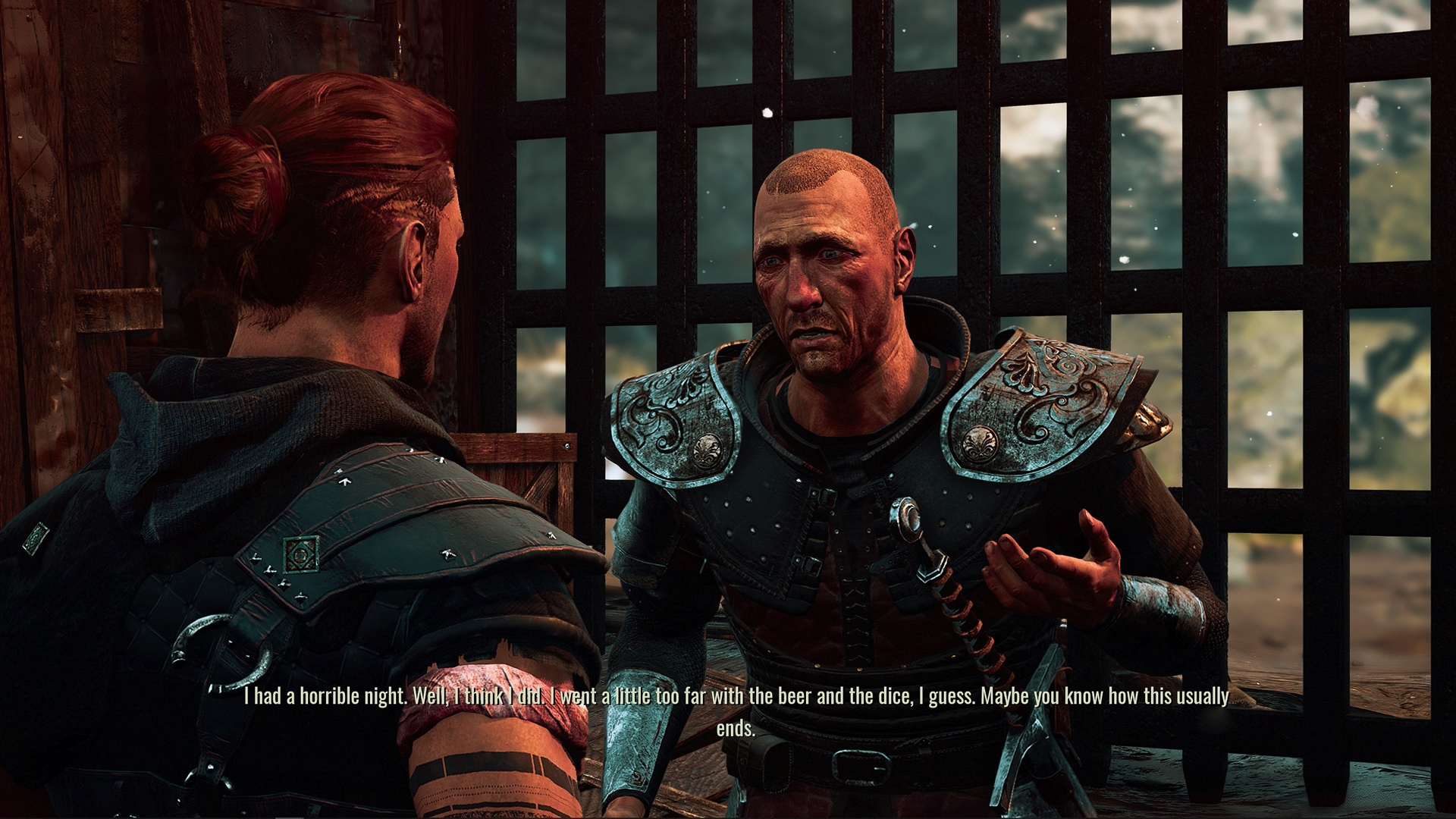
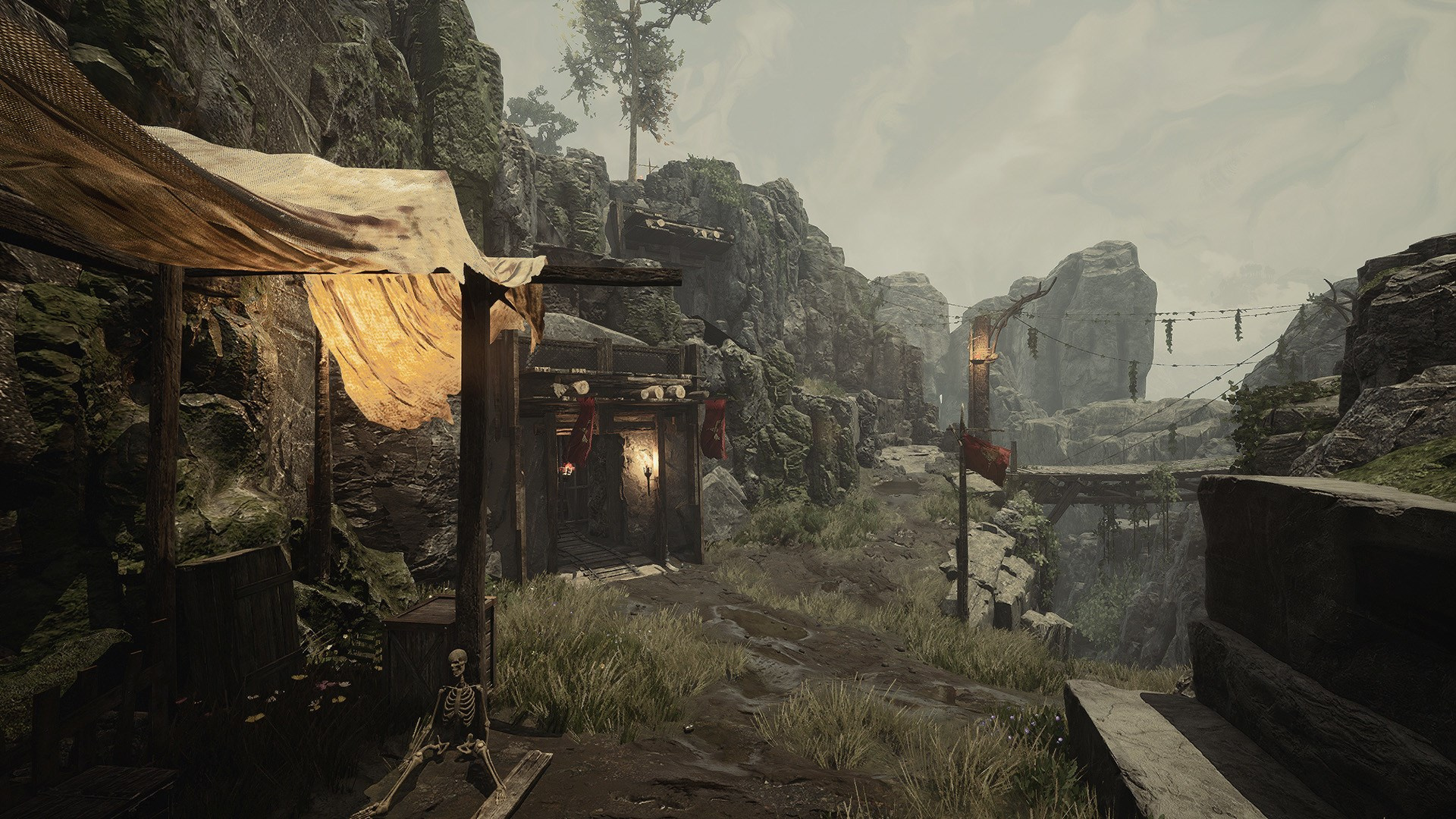 The three main factions, the Old Camp, the New Camp, and the Brotherhood of the Sleeper, have received substantial improvements in both writing and reactivity. Each faction now feels like a living organization with internal politics, shifting alliances, and genuine consequences for your actions. Joining one doesn’t just change which quests you get; it changes how the entire colony treats you. Guards in the Old Camp will be more lenient toward you, while members of the New Camp might become hostile or refuse to trade. These reactions aren’t just flavour text; they affect available resources, information, and even your ability to move freely through certain areas.
What makes this system work so well is that none of the factions are purely heroic. The Old Camp is run by a corrupt dictator who hoards magical ore for the King. The New Camp is filled with idealists and revolutionaries who are often just as ruthless as their enemies. The Brotherhood follows a strange, almost cult-like belief system centred around a being called the Sleeper. Each path offers different benefits and drawbacks, and the game does an excellent job of making you question whether you’ve made the right choice as the story progresses.
 The remake also adds more reactivity to your reputation within each faction. Rising through the ranks now feels more meaningful, with new dialogue, unique quests, and even changes in how other NPCs address you. Some side quests have multiple solutions depending on which faction you’ve aligned with, and certain characters will only become available (or will actively work against you) based on your standing. This level of reactivity was impressive in 2001 and remains one of the remake’s strongest features in 2025.
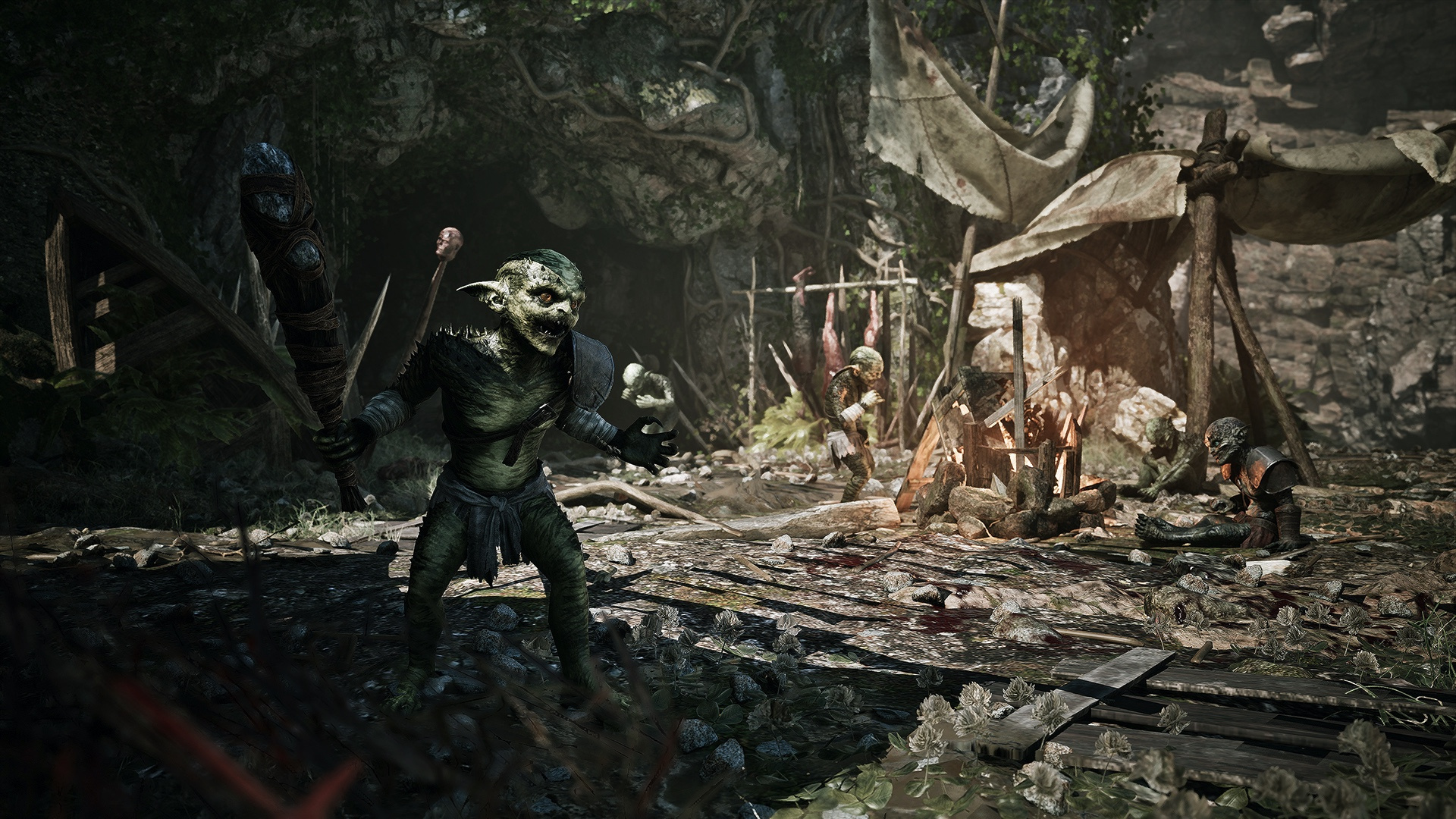 Beyond the main factions, the remake has also expanded the number of minor characters and side stories. Many NPCs now have more complex daily routines and react more believably to your actions. If you steal from someone, they might remember and treat you differently later. If you help a particular group of workers, word can spread and open up new opportunities. These small touches make the world feel more responsive and alive compared to the original.
The story itself has been expanded without losing its grounded, cynical tone. While the core narrative of being a nameless convict trying to survive and eventually escape remains intact, there are more opportunities to learn about the Colony’s history, the reasons behind the magical barrier’s failure, and the political tensions between the different groups. The writing is consistently strong, with dialogue that feels natural and often darkly humorous. The game doesn’t take itself too seriously, but it also doesn’t undercut its own tension with constant jokes.
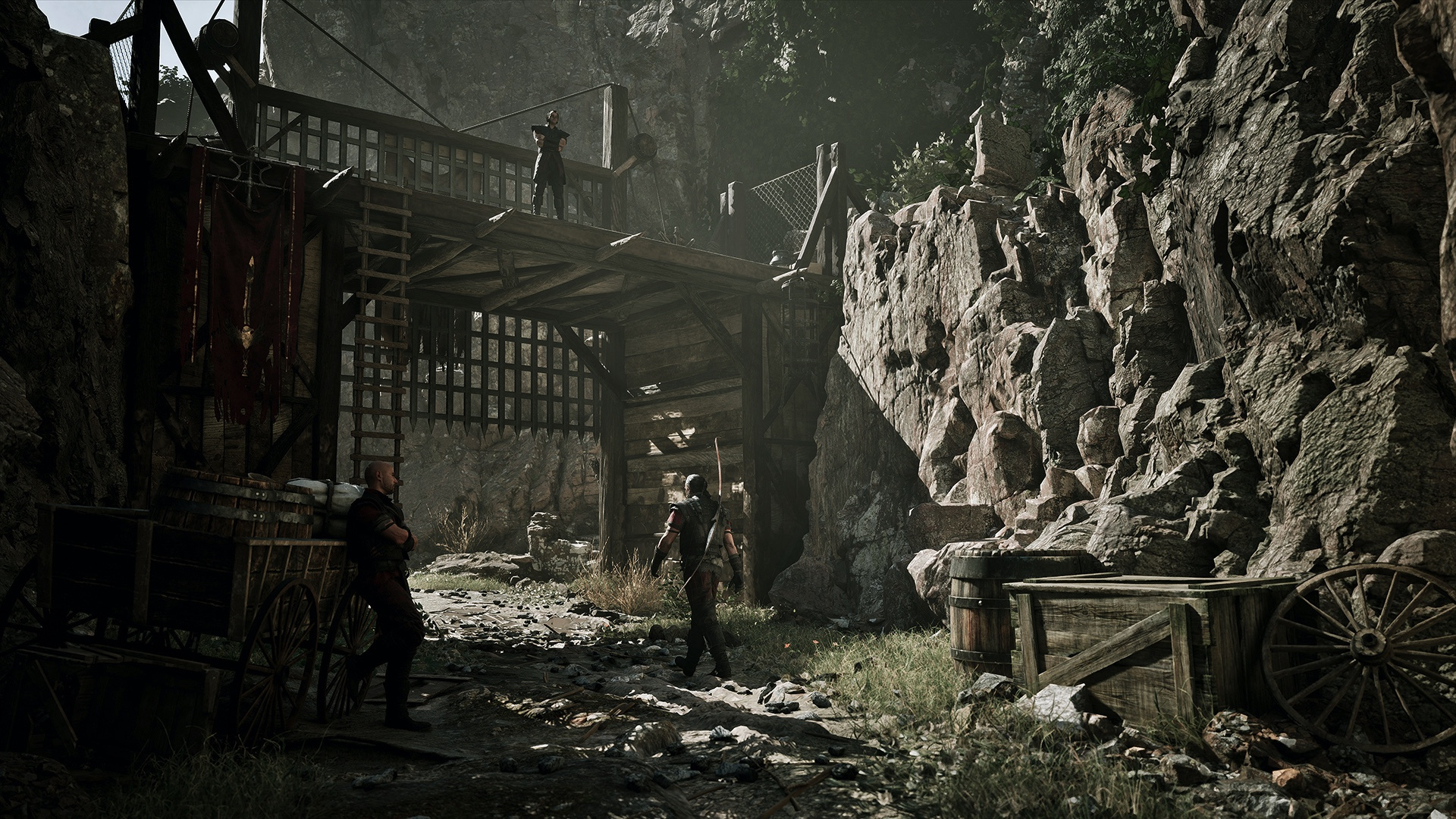 One area where the remake improves upon the original is in how it handles the player’s growing power and reputation. In the 2001 version, becoming stronger often felt abrupt. Here, your progression feels more gradual and tied to your relationships with the different factions. As you gain favour with a particular group, you gain access to better trainers, equipment, and information. This creates a stronger sense of your character actually earning their place in this harsh world rather than simply becoming overpowered through grinding.
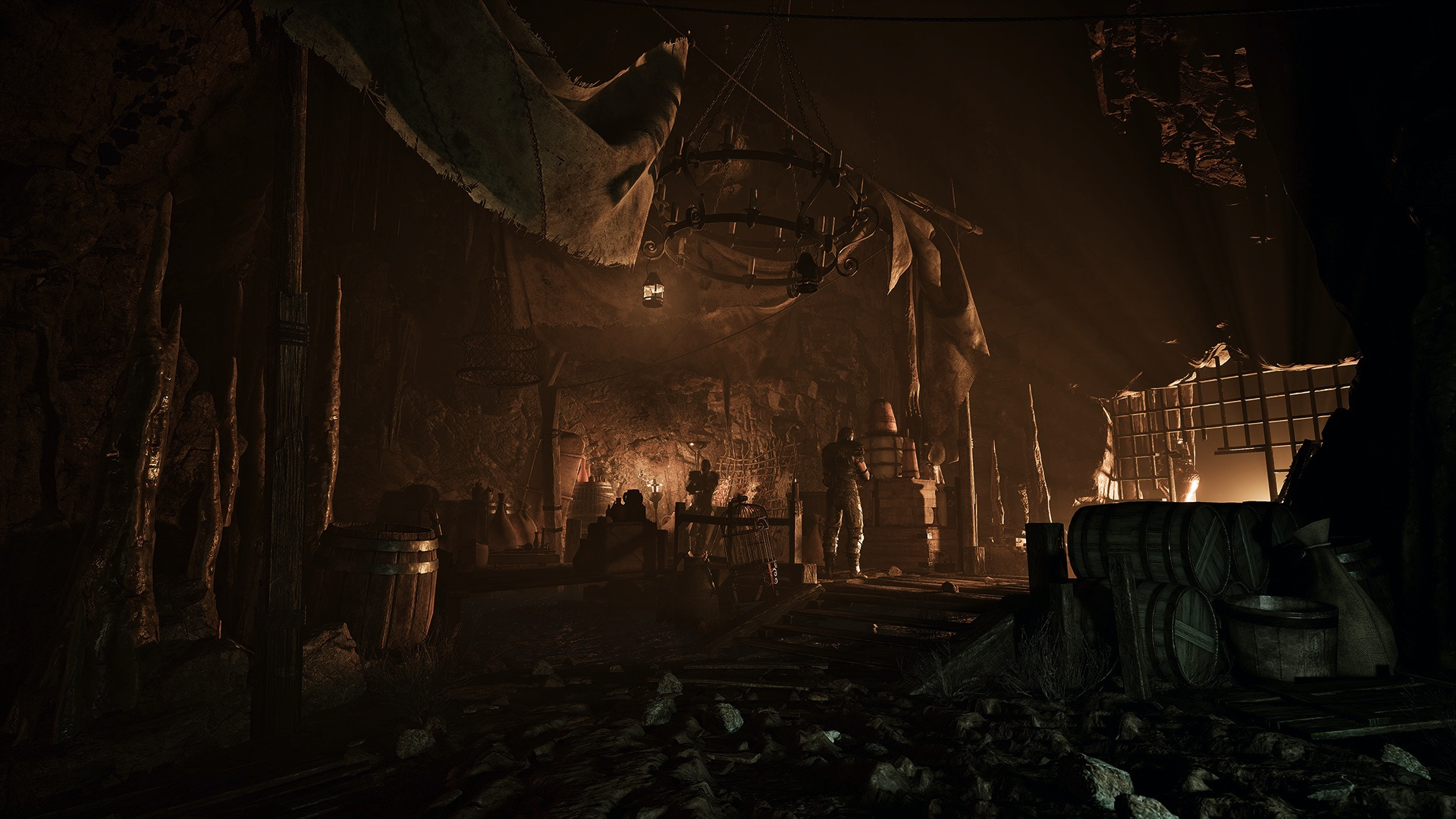 The choice of which faction to support (or whether to try playing all sides) has a meaningful impact on the late game. Certain quests become unavailable, new ones open up, and the way the story resolves can shift based on your allegiances. While there isn’t a completely different ending for each faction, the path you take through the story feels distinct enough to encourage multiple playthroughs.
 Overall, the faction system remains one of the strongest elements of Gothic, and the remake has successfully expanded it without losing what made it special in the first place. The world feels more reactive, the choices feel more consequential, and the paths through the story are more clearly defined than in the original.
Combat – Modern Polish on a Deliberately Rough Foundation
Combat has always been the most divisive aspect of the original Gothic. In 2001, it was clunky, unresponsive, and often felt like you were fighting the controls as much as the enemies. Alkimia Interactive has taken this system and significantly modernized it while preserving the deliberate, weighty feel that defined the original. The result is a combat overhaul that feels much better to play, but still retains some of that old-school roughness that makes Gothic unique.
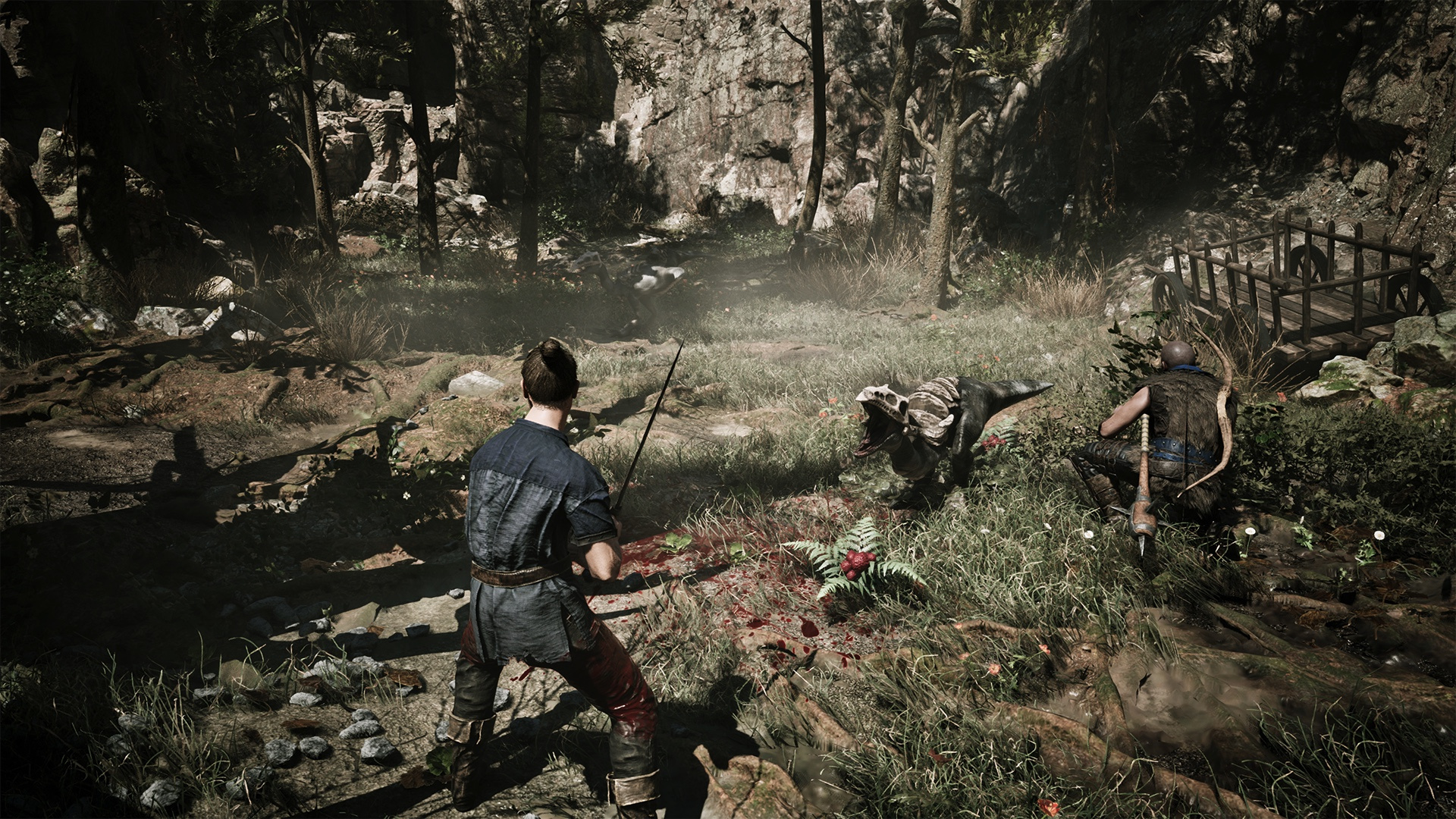
 The core loop remains familiar: you have a combination of light and heavy attacks, blocks, and special moves that become available as you invest skill points. However, the responsiveness has been greatly improved. Attacks now feel like they have proper weight and commitment without feeling sluggish. The new animation system makes combat look and feel more fluid, especially when chaining attacks or switching between different weapon types. Melee weapons now have more distinct move sets, swords feel fast and precise, axes hit harder but slower, and two-handed weapons have powerful but telegraphed swings that reward good positioning.
 One of the biggest improvements is the addition of a more modern lock-on system and better enemy telegraphing. In the original game, it was often difficult to tell when an enemy was about to attack, leading to many cheap hits. The remake gives enemies clearer wind-up animations and audio cues, making combat feel fairer while still remaining challenging. This change is particularly noticeable when fighting multiple opponents at once, which was one of the original game’s biggest pain points.
 The stamina system has also been refined. Rather than being an arbitrary limitation, stamina now feels like a meaningful resource that encourages smart play. You can no longer just swing wildly until everything is dead. Managing your stamina, knowing when to block, when to dodge, and when to press the attack becomes an important part of combat. This is especially true when fighting stronger opponents or groups of enemies, where reckless aggression will quickly get you killed.
Ranged combat has also received attention. Bows and crossbows feel more impactful than in the original, with better feedback and more satisfying impact effects. However, the game still focuses on melee as the primary form of combat. Ranged weapons are useful tools rather than dominant strategies, which fits the gritty, close-quarters nature of the Colony.
 Magic remains a powerful but limited option, just as it was in the original. Learning spells requires finding teachers and investing skill points, and using magic consumes mana that regenerates slowly. This keeps magic feeling special and powerful rather than something you can spam endlessly. The visual effects for spells have been significantly upgraded, making them much more satisfying to use than they were in 2001.
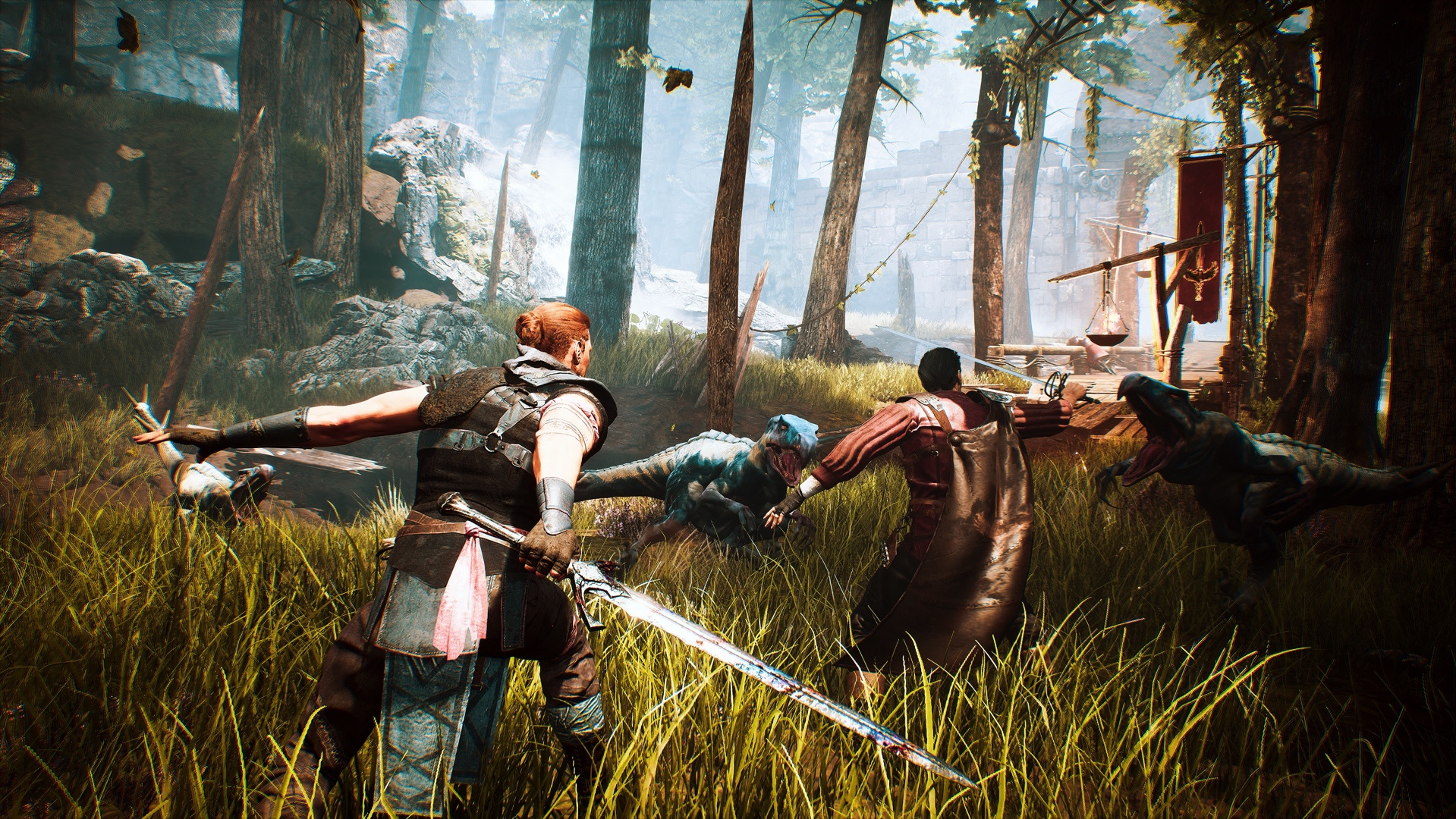 Perhaps the most important change is how the game handles difficulty and player progression in combat. The original Gothic was notoriously brutal in the early game, with even basic enemies capable of killing you quickly if you made mistakes. The remake maintains this harsh early-game difficulty but makes your growth feel more meaningful. As you invest in combat skills and acquire better weapons, you genuinely feel yourself becoming stronger and more capable. The progression curve feels more satisfying because the game doesn’t artificially inflate enemy health or damage to compensate for your growing power.
That said, combat is still not the main focus of Gothic, and the remake respects that. Fights are often personal and ugly rather than cinematic spectacles. When you kill another human, there are consequences, both mechanical (reputation loss, faction reactions) and narrative. This keeps combat feeling grounded and meaningful rather than turning the game into a power fantasy where you become an unstoppable killing machine.
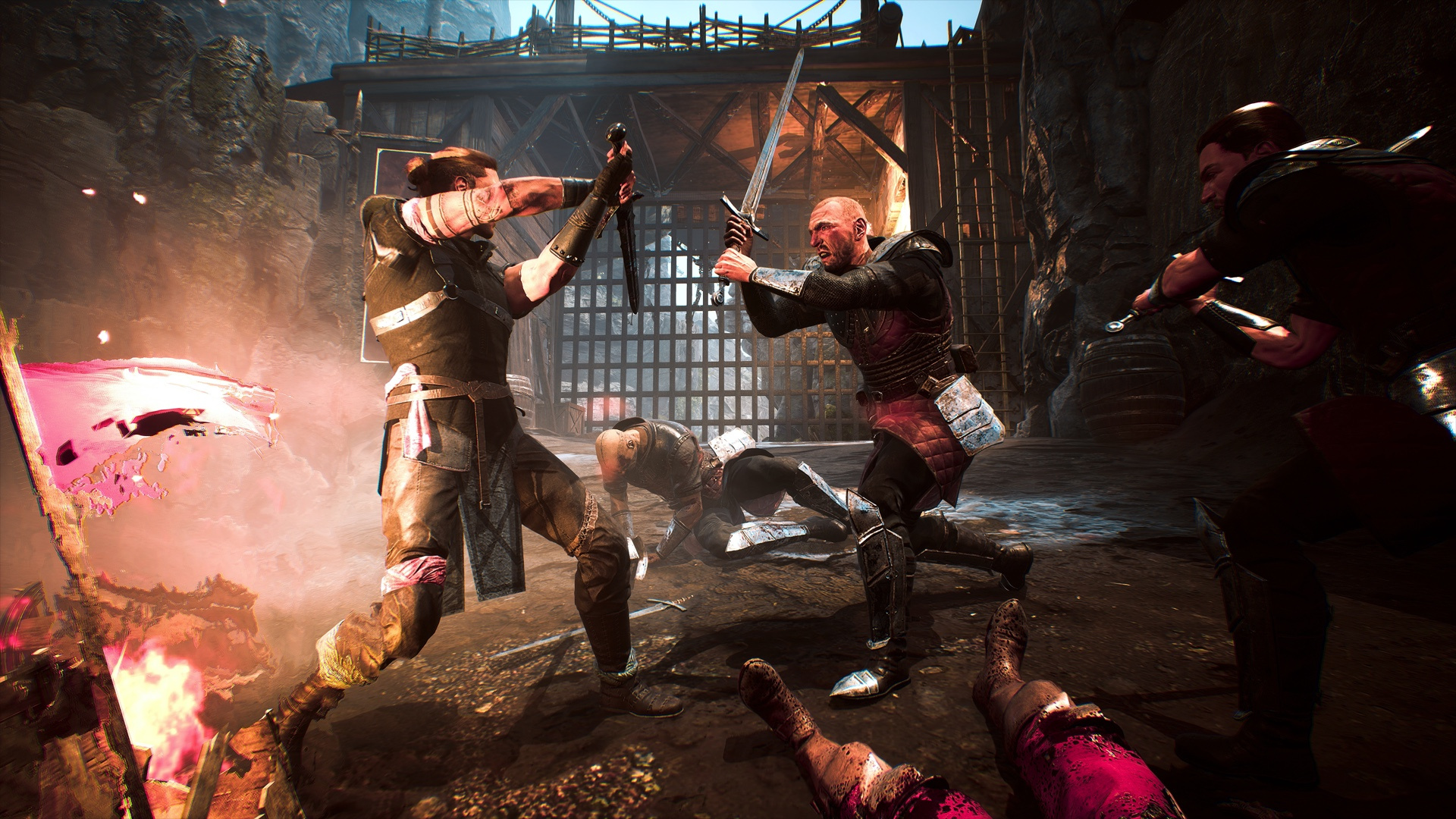 The new traversal abilities also tie into combat in interesting ways. Being able to climb and swim more freely opens up new tactical options during fights, allowing you to take the high ground or escape into water when overwhelmed. These additions make combat feel more dynamic without fundamentally changing the deliberate pace that defines Gothic.
 Overall, the combat system in the remake successfully walks the line between modernization and preservation. It is significantly more enjoyable to play than the original while still feeling like Gothic combat, weighty, deliberate, and occasionally unfair. It rewards patience, positioning, and smart resource management rather than button-mashing aggression. For veterans of the original, it will feel like a natural evolution. For newcomers, it should be much more accessible without losing the challenging edge that made the original memorable.
We prepared this review with a digital copy of Gothic 1 Remake for the PS5 version provided by THQ Nordiq