
There is a particular kind of solitude, rare in a genre that usually hands you a companion and a tragic flashback, in being a lighthouse keeper whose radio finally speaks and then tells you the worst sentence in the language. The sea is still the sea. The son is still missing. The first storm is not a metaphor. WILL: Follow The Light, the first-person narrative adventure from TomorrowHead Studio, is built on that call, and the call is colder, quieter, and more useful than a twenty-five-dollar search has any right to be.
I played the PlayStation 5 version, the 7 May 2026 launch that TomorrowHead Studio walked onto living-room hardware the same day Steam and Xbox got the keys, at $24.99 on both sides of the store. You are Will, a lighthouse keeper on a remote island in the northern seas. A routine shift ends when a radio message says disaster has struck your hometown and your only son is gone. You take the sailing yacht Molly into water that does not care about your schedule. An abandoned island. A mountain range that wants a dog sled. A home standing among ruins. Thirty-five achievements sit in the background. The Steam sample is Mostly Positive, 395 positive of 526, which is the honest weather report and not a dare. Great, not glossy, and very much a voyage I would recommend you take if you like a story that knows the sea is the other character.
A Lighthouse Keeper Gets a Worse Shift
Most narrative adventures begin with a speech. WILL: Follow The Light begins with a job that was supposed to stay boring. Official copy says you play as Will, a lighthouse keeper on a remote island, and that the story starts during one of your typically solitary shifts when an unexpected radio message shatters the routine. A sudden disaster has struck your hometown. Your only son is missing. Determined to find him, you set out aboard Molly and navigate the treacherous northern seas.
That is not flavor text. It is the design refusing to pay for a war when a family will do. The harder you search for the boy, the more questions arrive. What hidden truths sit in your bond with your own father. Where is your wife. What has happened to the rest of the family. The answers are scattered across environments that do not offer a taxi. An island you can only reach by water. A range you can only cross by sled. A hometown you can only walk now that the buildings have learned to be ruins.
I like a premise that prices love as a hazard and then lets you sail toward it anyway. Story is cinematic and a little stingy with tidy answers, which is the right instinct for a game that wants your hands on a tiller more than a diary. You are not reading a novel. You are looting a life that is still happening. Light is guidance, memory, and meaning, which is a sentence the store page is proud of and the levels actually try to keep.
The fantasy is not mastery of a lore bible. The fantasy is competence arriving about half a day after you remember how a sail works. You will stall in ways that would be funny if the fog were not so sincere. You correct the heading. You come back. You become the kind of person who thinks a lighthouse is a personality.
Molly Does Not Care About Your Feelings
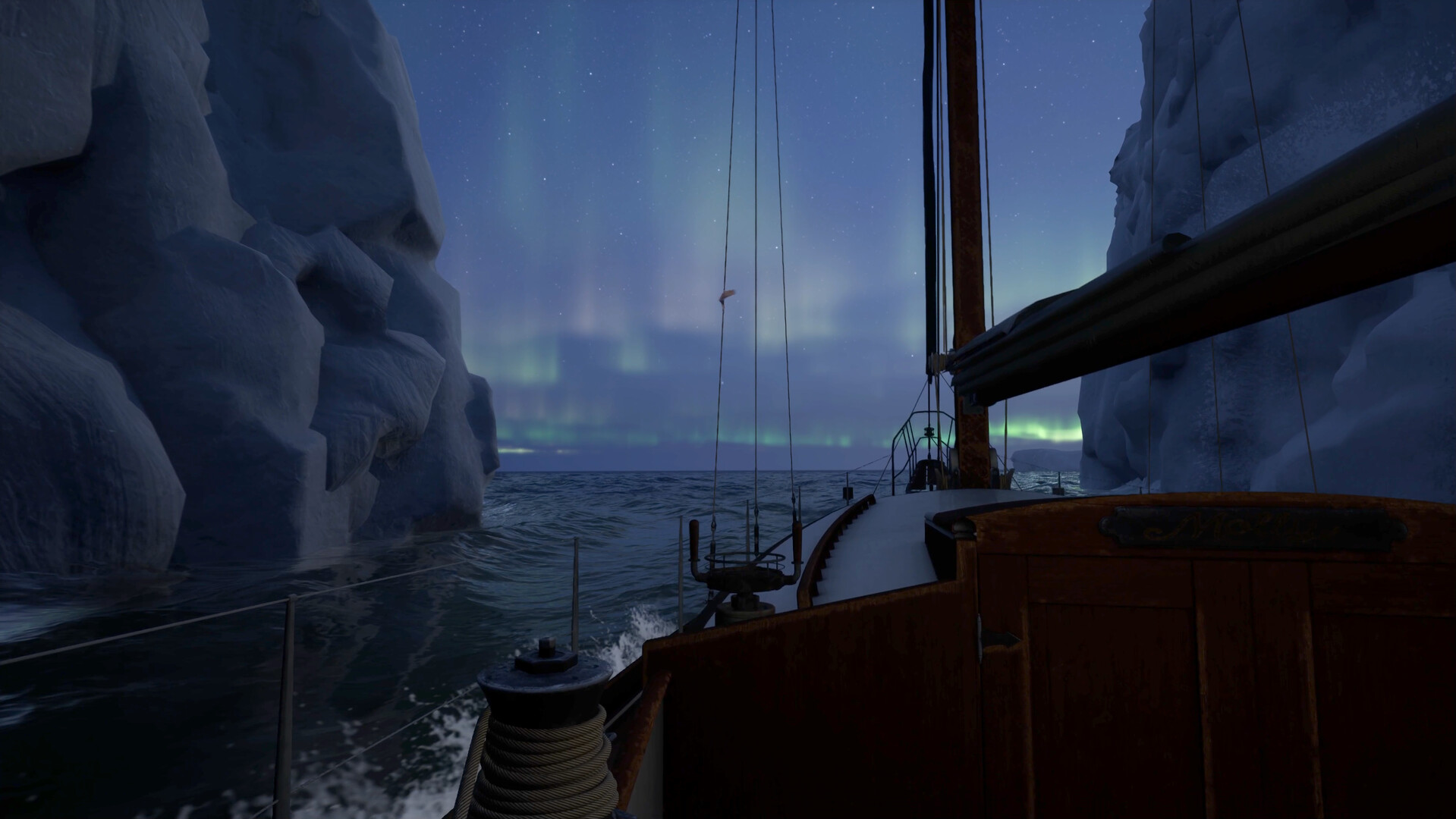
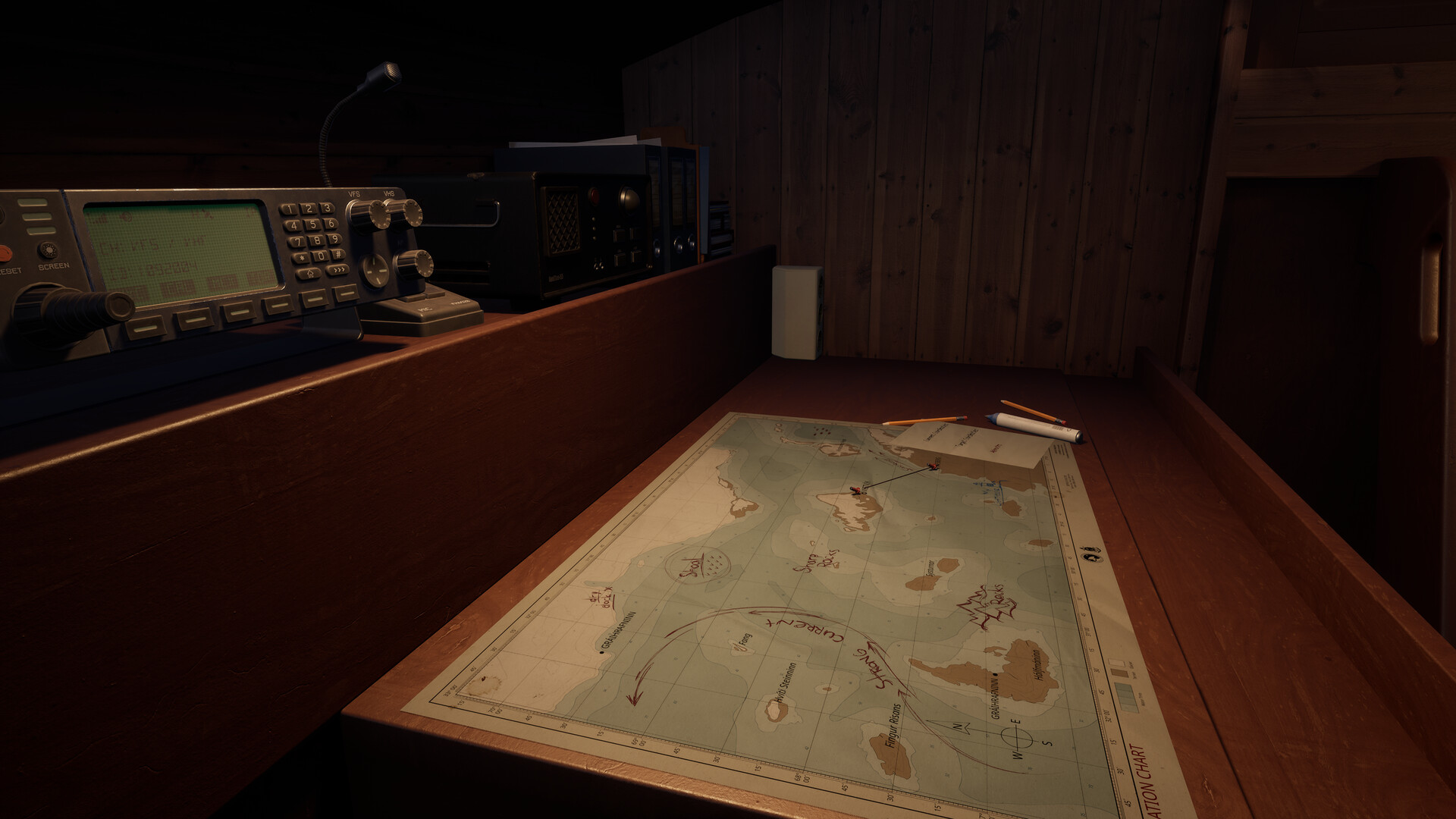
The loop is the old religion of adventure games and TomorrowHead Studio does not pretend otherwise, then it hands you a yacht and asks the religion to get wet. Official features list realistic sailing and a vast world. The press kit is blunter. Chart frigid fjords and turbulent seas with a yacht system developed from real-world sailing. Navigate by longitude and latitude. The system is supposed to be engaging and easy to understand. That sentence is both a promise and a warning. If you want a boat that steers like a menu, you will feel underemployed. If you want a weekend that turns weather into a character, you will feel hired.
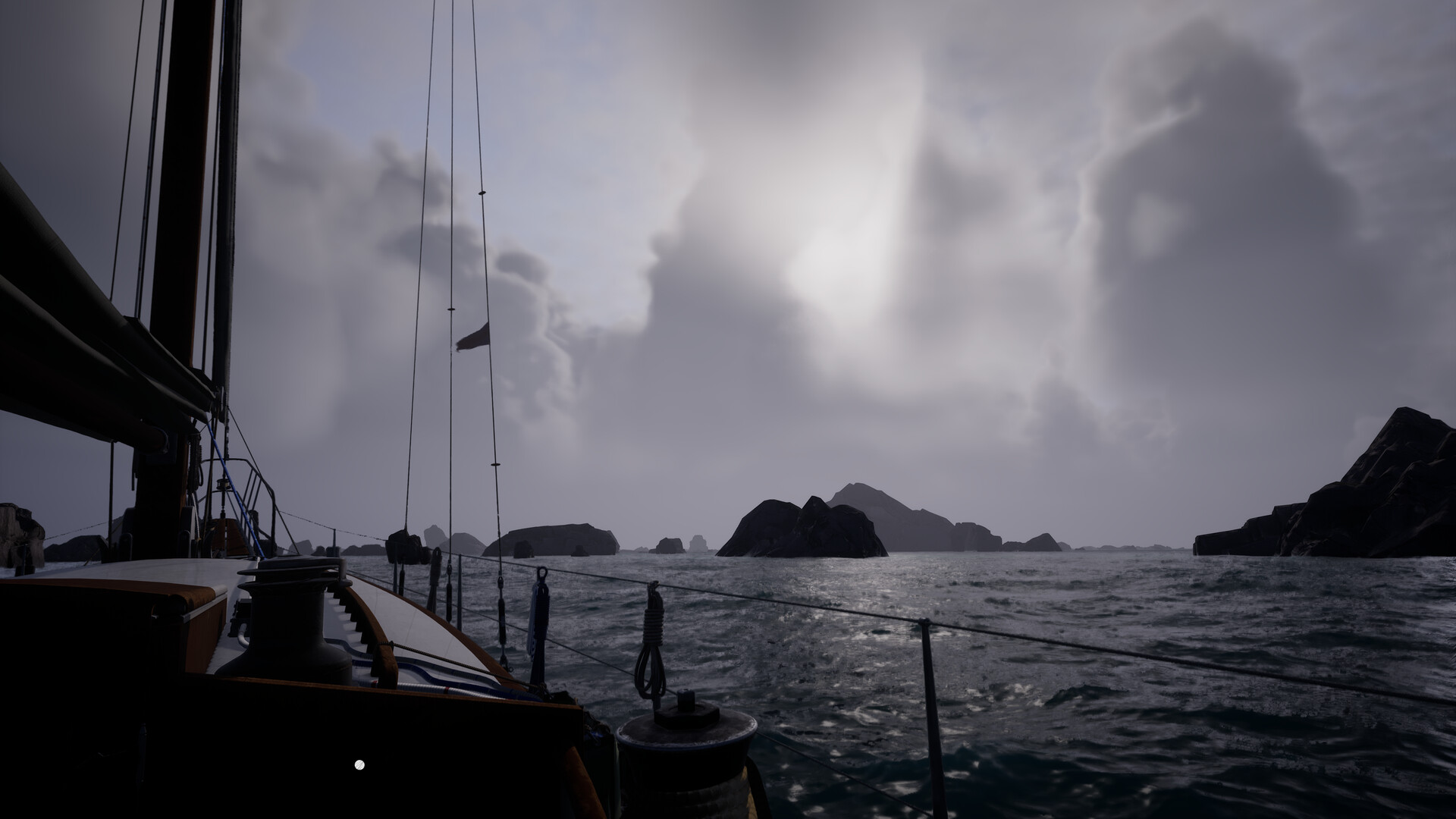
Sailing is the moment the map changes tense. You adjust canvas. You argue with current. Snow can swallow visibility in a sentence. Moonlight can cut a coastline into a photograph. There are stretches where nothing dramatic happens for several minutes, no puzzle, no plot twist, just wood complaining and water disappearing into fog. Those quiet minutes are, counterintuitively, some of the strongest the game offers. I have played a lot of titles that treat the first crossing as a tutorial and the tenth as a loading screen. WILL is heavier than that on purpose.
I will not invent a highlight reel with fake coordinates and tidy knot counts. The nights that stay with you are the ones where you thought the heading was finished, then the weather started knocking in a rhythm that was not story, and then you were on the wrong side of your own compass. Molly is not a vehicle skin. She is a commute you have to deserve. The map does not get smaller because the developers deleted ocean. It gets smaller because you invented a course.
Presentation is readable, which matters more than prestige. You can tell open water from a fjord from a ruined street at a glance. If you cannot read a horizon, the hunt dies and the yacht becomes homework. These spaces are atmospheric enough to carry grief and clear enough to carry a plan. You always know you are north. You do not always know why the light is already there.
Fathers, Sons, and a Town That Slid Away
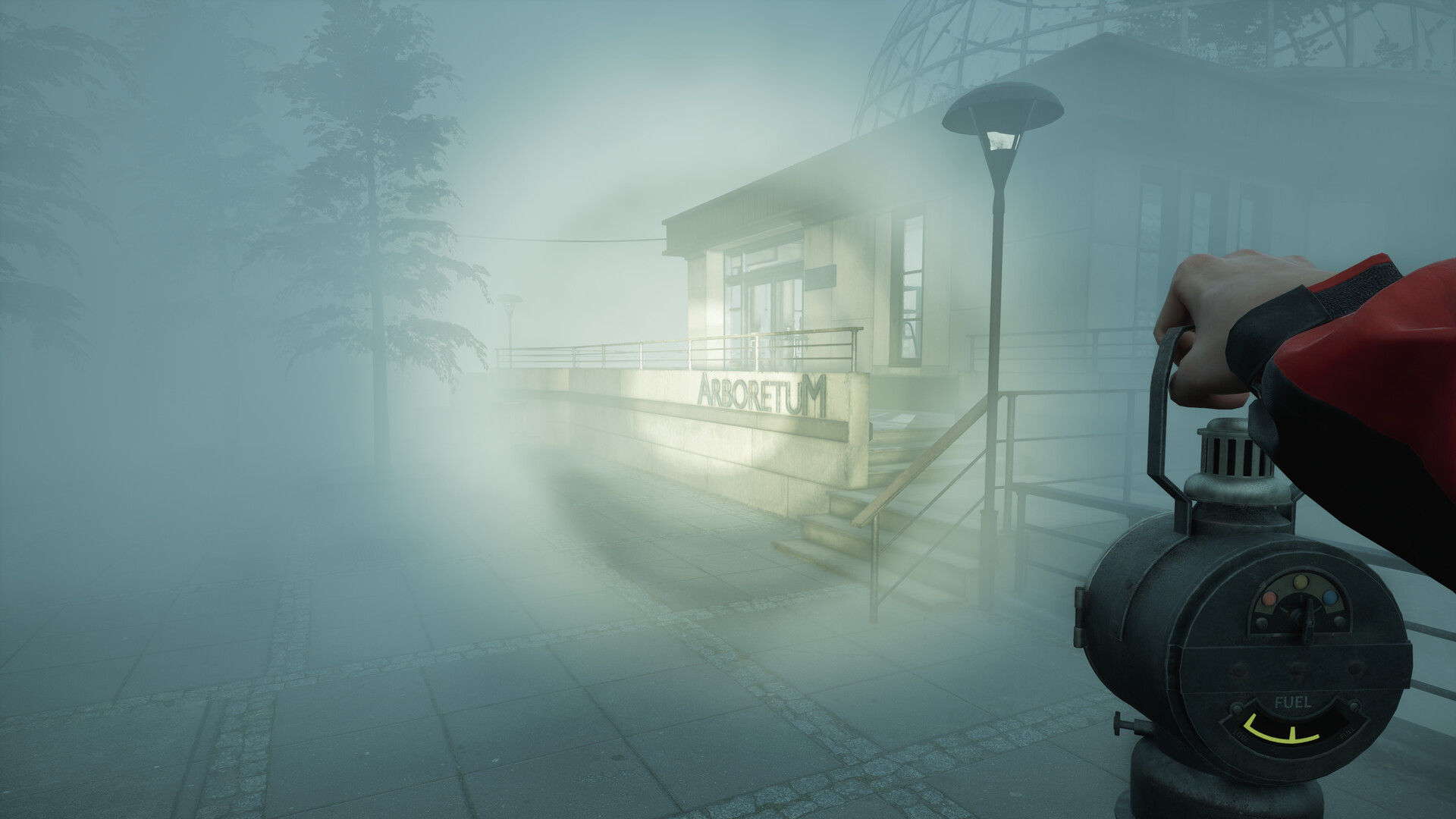
Story is the other vehicle. Official copy calls it a story of fathers and sons, a compelling narrative adventure in a mysterious setting, with puzzles, secrets, and revelations in every chapter. You are looking for a boy and finding a man. The hometown disaster is a mudslide in the telling I sat with, a village that learned to move without asking. The son was apparently with a grandfather. The wife is a question the rooms keep answering sideways.
Through the journey you discover and confront truths about yourself, whether you are ready for them or not. All of it to save your son. Or yourself. The store page actually writes that last turn as a question, which is the right kind of nerve for a debut. I will not spoil the rooms that earn the question. I will say the game is kinder when it lets the sea speak and ruder when it insists on a speech.
Environmental storytelling does a lot of the honest work. Ruined interiors. A weather station that wants to be useful. Objects that remember a family better than the people do. Narration sits on top of that like a coat. Sometimes the coat fits. Sometimes you can see the CGI background of a small studio that loves travel and wanted the player to feel like part of the story. TomorrowHead said that quiet part on the store page. Independent, self-funded, self-publishing. A team driven by a passion for going somewhere. With a strong background in CGI, they were eager to deliver realistic visuals. That eagerness is on the water. It is also on a few faces that do not quite agree with the landscape.
Thirty-five achievements sit behind the loop for people who like a receipt. Wavebreaker. Light in the Dark. Tea Time. A Game of Chess. Father’s Legacy. None of them change the central truth. You are here to follow a light and then find out what the light is for.
Dog Sleds, Avalanches, and the Other Kind of Weather
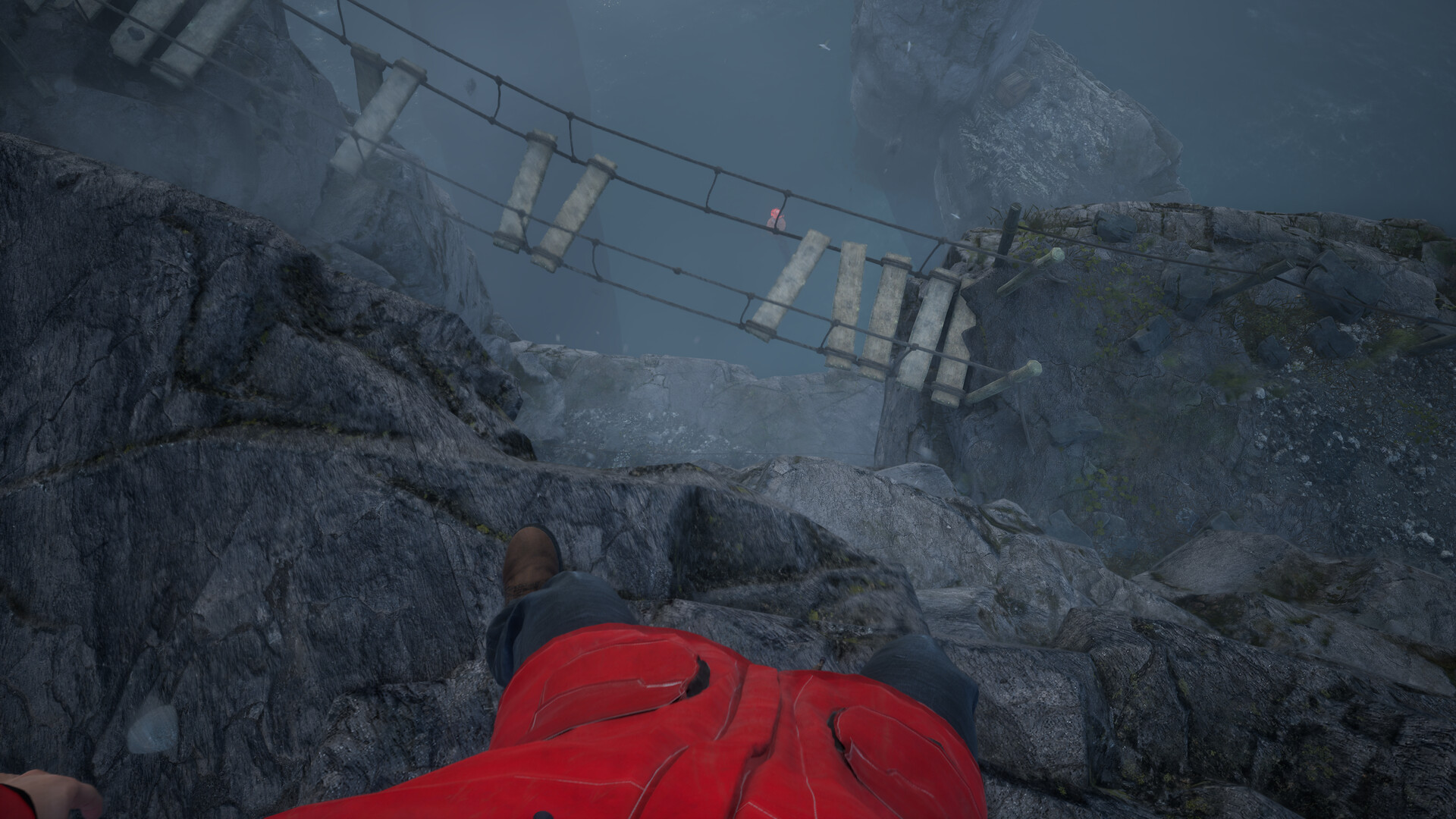
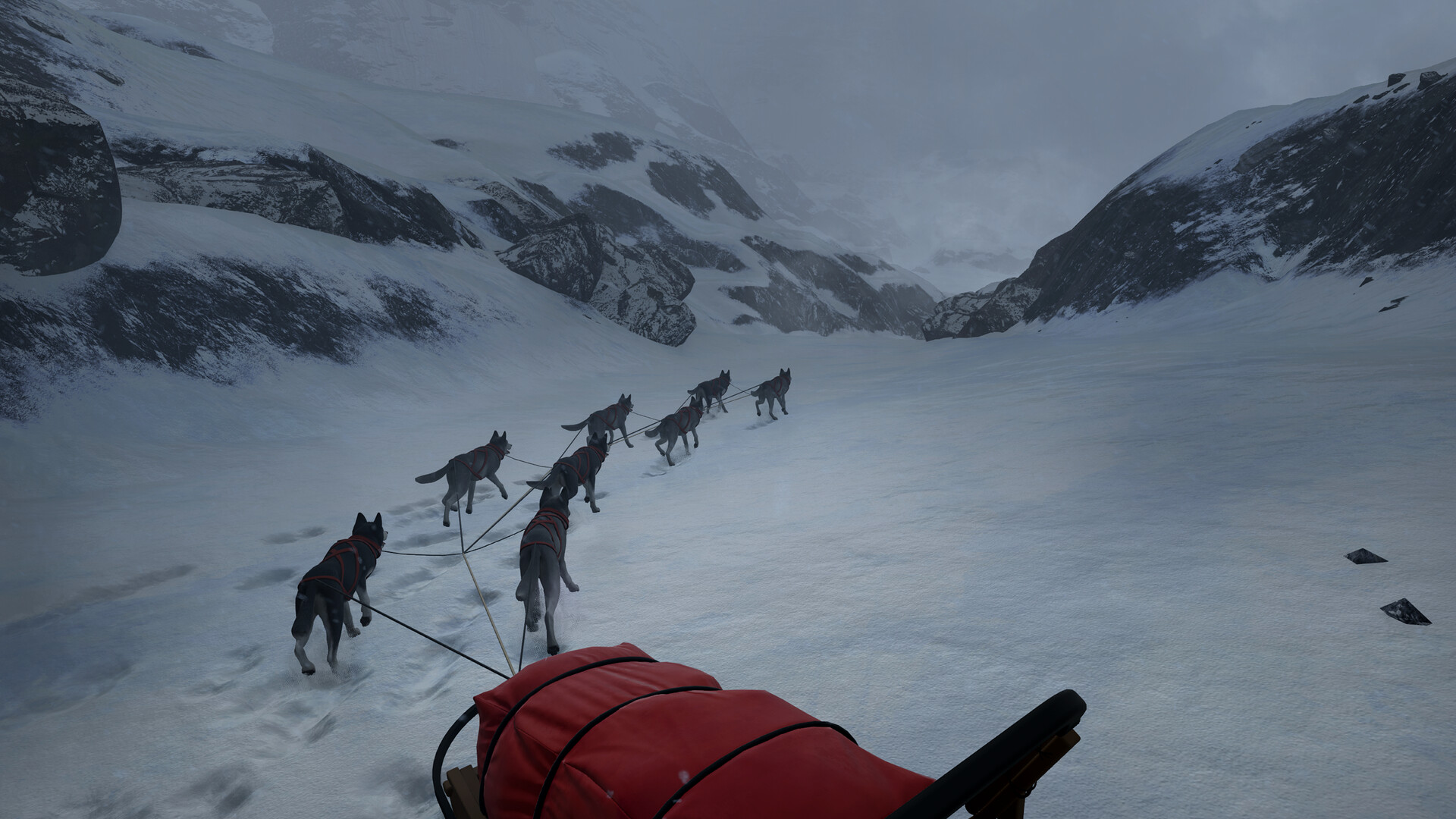
Land is the temperature change. Official features list dog sledding as the other half of traversal, and the sled does the job vehicles are supposed to do in this genre. It does not just make you faster. It makes yesterday’s ridge into this afternoon’s errand. A distant settlement stops being a pilgrimage. A blizzard stops being a painting. You start thinking in runs instead of marches.
That shift is the closest WILL comes to a set-piece, and I like it more than a new cutscene. Mastery, here, is logistics wearing fur. You gather a heading, you stash a thought about the next marker, you drive a team through weather that would like you to become a rumor. Controlling a sled while visibility collapses hits harder than most scripted chases in bigger-budget titles, because the danger feels environmental rather than scheduled.
I have a rule for mid-priced adventures. If a game is worse with travel than with a checklist, it is broken. If it is only good with travel, it is honest. WILL is honest, and that honesty should sit next to the price. A night on Molly is a competent weekend. A night on the sled is the version the systems were quietly designed around. Someone at TomorrowHead looked at a walking simulator and said the real threat should have a current.
The original soundtrack is listed as an atmospheric blend of experimental textures and unique instruments, weaving character themes into the world’s musical narrative. I will not write a liner-note seminar. What I can say is that the score understands fog better than some of the dialogue understands people. When the music and the water shake hands, the voyage is better than the price. When they miss, you are a person on a boat with a very sincere lantern.
Puzzles That Would Rather Be Chores
I should be clear about the friction, because it is real and it is not a footnote you hide after the score. Official copy promises challenging puzzles and immersive set-piece moments. In practice too many tasks fall into the old adventure-game commute. Fix the machinery. Reconnect the electrical thought. Locate the scattered object. Align the instrument. Complete the maintenance job that a lighthouse keeper would recognize and a player will recognize as homework.
Those sequences are rarely difficult. They are simply uninspired, and they appear often enough to interrupt the pacing that the sailing and the sled work hard to build. I will not invent a fuse census. I will say the north sometimes forgets to stock the puzzle you need and then shrugs like weather. If you want a riddle that could unionize, you will feel underemployed. If you want a weekend that turns a radio into a reason, you will feel hired with caveats.
Transitions between play and cinema can arrive a half-second late to their own emotion. Character models can be stubborn next to a landscape that Unreal Engine 5 has decided to show off. Story can get predictable in the way a fathers-and-sons tale gets predictable if you have already met a lighthouse in fiction. None of that is unique to this latitude. All of that is the tax on a debut that wanted travel more than a showcase and then built both.
English carries full audio. A pile of interface languages sits on the PlayStation listing, which is how a console audience gets in the door. I will not turn this into a localization seminar. The voice of the game is the weather, and the weather talks in sail, sled, and the occasional radio that should have stayed quiet.
Unreal Light, Uneven Hands
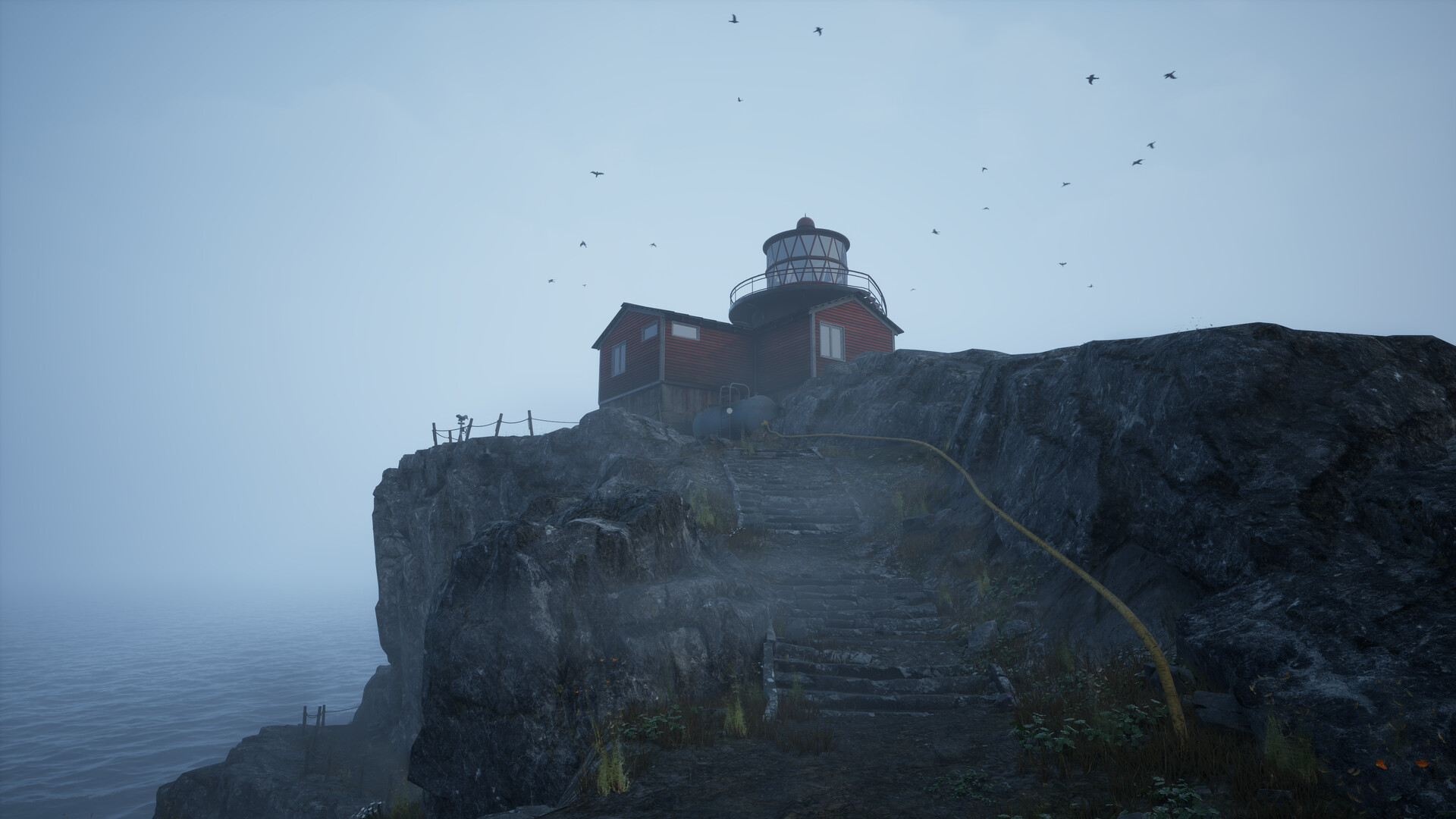
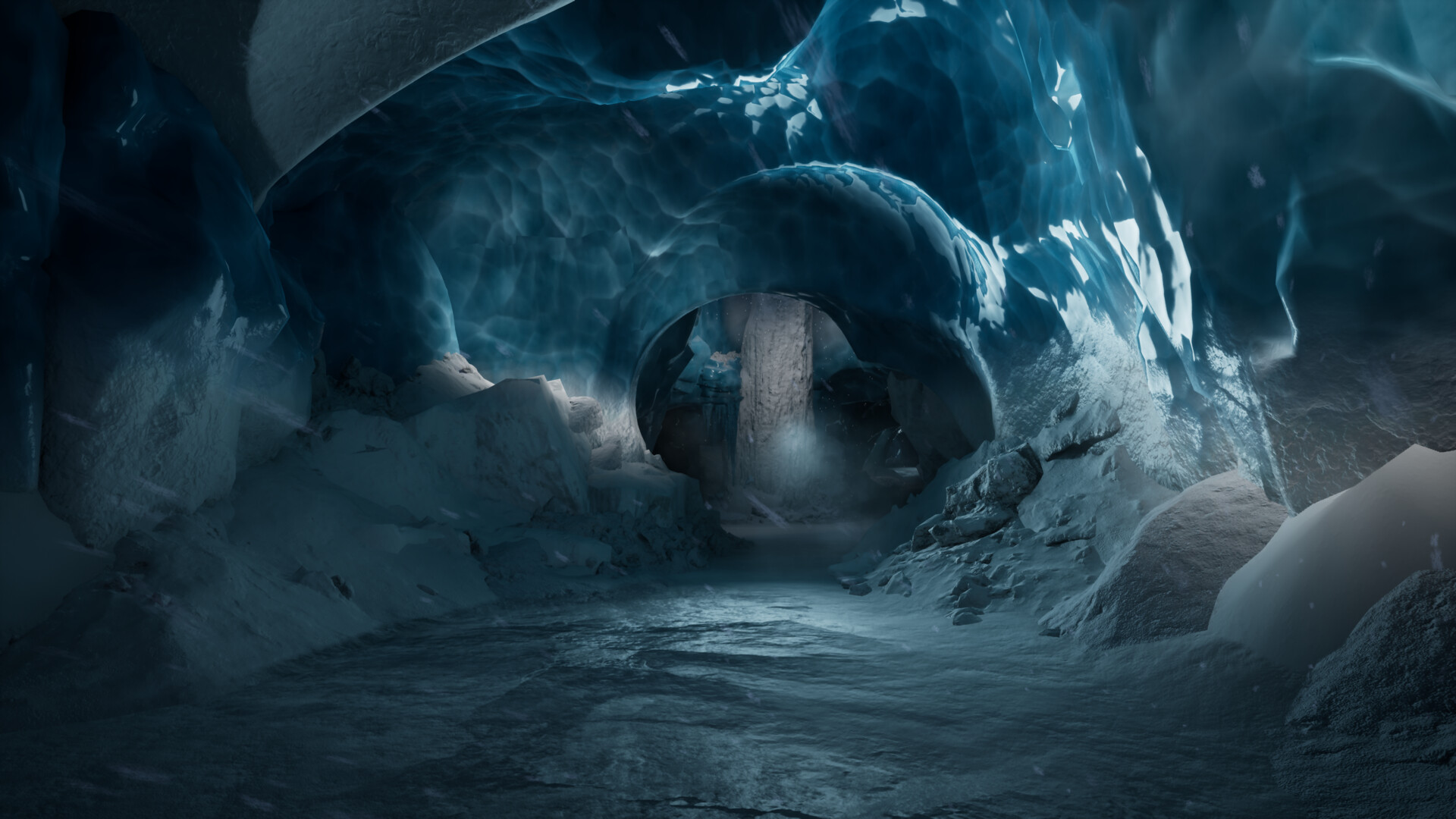
Presentation is the argument TomorrowHead came to win. A stunning northern wilderness, the store page says, breathtaking landscapes on land and sea, brought to life in Unreal Engine 5. On a living-room build the light can be fantastic, dramatic vistas, small environmental details that give islands and coastal settlements real texture. That is the version the CGI background was aiming at. It is also why a lower preset feels like a different game. Lighting flattens. The north gets polite.
Technical manners can stutter when the title decides to remember itself. I will not write a networking white paper or a frame-time novel. What I can say is that a story this dependent on mood is allowed to ask for a machine that can hold a horizon. Full controller support is on the Steam sheet and the PlayStation edition is the reason I am here. The loop is kinder when the image agrees with the grief.
The Steam sample around a game this sincere is always going to look split. Mostly Positive is the official weather, 395 of 526 on the side of yes, and that split is fair. Players who wanted tighter puzzles, cleaner faces, or a story that never repeats a chore bounce off. Players who wanted a lightweight northern odyssey with a yacht and a bad idea about fog stay. I am in the second camp with caveats, which is the only honest place to stand.
Compared with the giants of the walking-and-feeling business, WILL is not trying to be a career. It is trying to be a place. The developer said the quiet part on the store page. Independent. Self-funded. Send people somewhere they have not been. That is not a cop-out if the place is worth the crossing. Some nights it is. Some nights the fuse box is a myth and the dialogue is a theology problem. Both nights are WILL.
Still Following After the Fog
WILL: Follow The Light is a rare mid-priced adventure that understands its own joke and then has the nerve to make the joke a voyage. TomorrowHead Studio built an island about routine, a yacht about stubbornness, and a toybox that looks a little homemade and plays a lot more sincerely than that sentence suggests. The loop is the hook. The weather is the spine. The walk from a radio to a light you still do not trust is the grin.
It is better as a crossing than as a checklist. Puzzles can sulk. Faces can disagree with the fjord. The presentation has indie fingerprints, from the stubborn transitions to the story that would rather be a ruin than a speech. All of that is true, and all of that is already priced in at $24.99. You are not buying a decade. You are buying a weekend that can turn into several evenings if you like being a coordinated disaster at sea, or being the person who has to explain the disaster to a weather station.
I am scoring it 8, Great, because the identity is this clear and the limitations are the limitations of a focused debut, not an empty one. I would recommend it to anyone who likes a tiller that has weight and a map that is allowed to be rude. Distinctive northern weather, a yacht that shrinks the horizon, a sled that turns a ridge into a sentence, and a price that respects your week are a lot of game for the ask. The systems repeat their manners. The manners are still useful.
The light is still out there, still hiring a night shift, still asking whether you are saving a son or a self. After a few crossings, you will understand why the job is not finished, and why you keep following anyway.
We prepared this review with a digital copy of the WILL: Follow The Light for the PS5 version provided by Pressengine.