There is a particular kind of invitation, rare in a shooter that usually hands you a briefing and a clean objective, in being told the Zone will charge you for every answer and then watching the receipt print itself in radiation, hunger, and a suit that is already tired. The trees are still trees. The Geiger is still a Geiger. The first thing that tries to kill you is not a metaphor. S.T.A.L.K.E.R. 2: Heart of Chornobyl, the long-delayed return from GSC Game World, is built on that bill, and the bill is ruder, heavier, and more useful than a sixty-dollar sequel has any right to be.
I played the PlayStation 5 version, the 20 November 2025 living-room launch that arrived exactly one year after the PC and Xbox Series debut, walking in with update 1.7 and a $59.99 ask that matches Steam. You are Skif. You enter the Chornobyl Exclusion Zone with a scanner, a bad plan, and a need for a house that an anomaly already ate. Factions would like a word. Mutants would like a meal. Anomalies would like you to stand still. Seventy-six Steam achievements sit in the background. The English Steam sample is Mostly Positive, 76 percent of 42,689, which is the honest weather after a launch that was rough and a year of patches that were not a rumor. Great, not glossy, and very much a Zone I would recommend you walk if you like a survival shooter that knows it is a survival shooter.
The Zone Does Not Care Why You Came
Most sequels begin with a speech. Heart of Chornobyl begins with a hole in a life. Official copy on Steam says you will discover a vast Exclusion Zone full of dangerous enemies, deadly anomalies, and powerful artifacts, then asks you to unveil your own epic story on the way to the heart. Make your choices wisely. They will determine your fate in the end. That is not flavor text. It is the design refusing to pay for a tour when a bill will do.
You are Yevhen Martynenko, called Skif, a veteran who comes home to find an anomaly has already rented the apartment. A scientist named Hermann has a scanner and a job. The first team you were supposed to meet is already a rumor. The Ward would like the scanner. Spark would like a shining future. Noontide would like a memory that is not a sermon. Strelok would like the Zone left alone. You would like a house. The Zone would like you to keep walking.
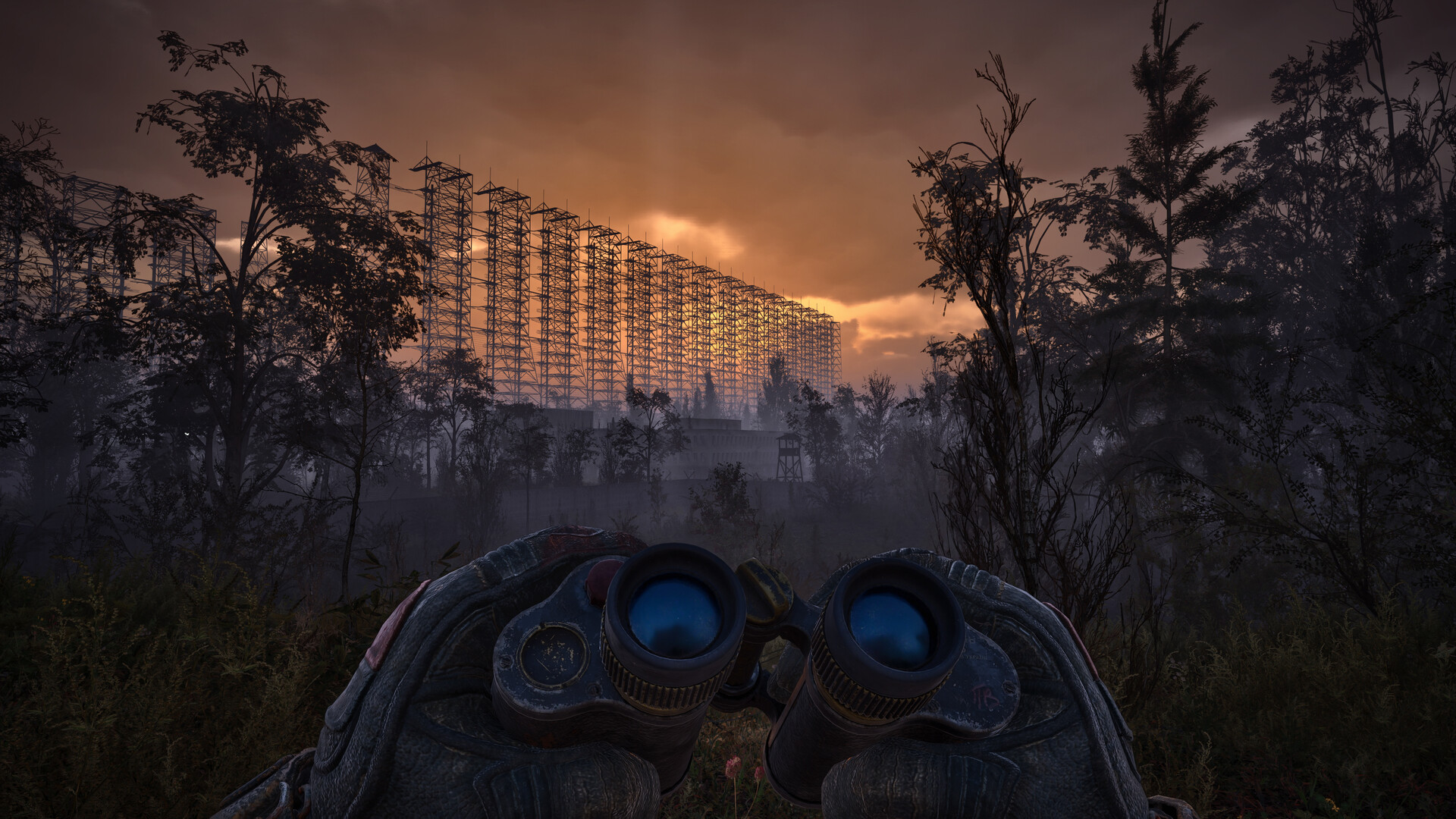
I like a premise that prices curiosity as a hazard and then lets you walk toward it anyway. Abandoned houses, reactors, labs, undergrounds, and art objects sit on more than sixty square kilometers like questions with walls. Why are there structures and no people who will stay. What was that emission. The more you explore, the more the Zone answers with another clearing and another thing that would like a piece of you. Story is environmental and stingy in the early hours, which is the right instinct for a game that wants your hands more than your diary. You are not reading a novel. You are looting a disaster that is still happening.
The fantasy is not mastery of a lore bible. The fantasy is competence arriving about half a day after you invent a habit of throwing bolts before you step. You will die in ways that would be funny if the inventory drop were not so sincere. You leave your gear. You walk back. You become the kind of person who thinks a detector is a personality.
Hunger, Bolts, and a Suit That Wears Out
The loop is the old religion and GSC Game World does not pretend otherwise. Hunger and sleep sit on the character sheet because a Zone without a stomach is just a walking tour. Armor and weapons wear out. Weight has a number and the number has an opinion. Medkits, food, ammo, and a PDA that will keep a map if you will keep looking at it. None of that is a revolution. All of that is the sentence the rest of the toybox has to live in.
Camps are the punctuation. Traders, technicians, medics, a bed if the night agrees to exist, a crate if you would like tomorrow to stop being a hunt. You sell junk. You repair a rifle that has been through a worse afternoon than you have. You stash the artifact you are not ready to wear. The checklist of a stalker is rude and fair. If you cannot read a camp, the commute dies and the story becomes homework.
I have played a lot of games that treat the first night as a tutorial and the hundredth night as a spreadsheet. Heart of Chornobyl is heavier than that on purpose. The developer wrote the Zone as a place that keeps working when you look away. A-Life is the name of that nerve. Stalkers walk. Mutants hunt. A firefight you did not start can become the weather on a road you needed. That sentence is both a promise and a warning. If you want a corridor that waits for your quest marker, you will feel unemployed. If you want a weekend that turns a bolt into a plan, you will feel hired.
Procedural manners keep the commute from becoming a museum. Points of interest sit on the map like dares. You loot them. You leave. You come back when you have a better shirt. Emissions rewrite the argument. Weather changes its mind. Night is not a filter. Night is a different job. I left the HUD honest for an evening and quieter for another. The Zone did not mind. The bloodsuckers minded either way.
Anomalies, Artifacts, and the Tax on Curiosity
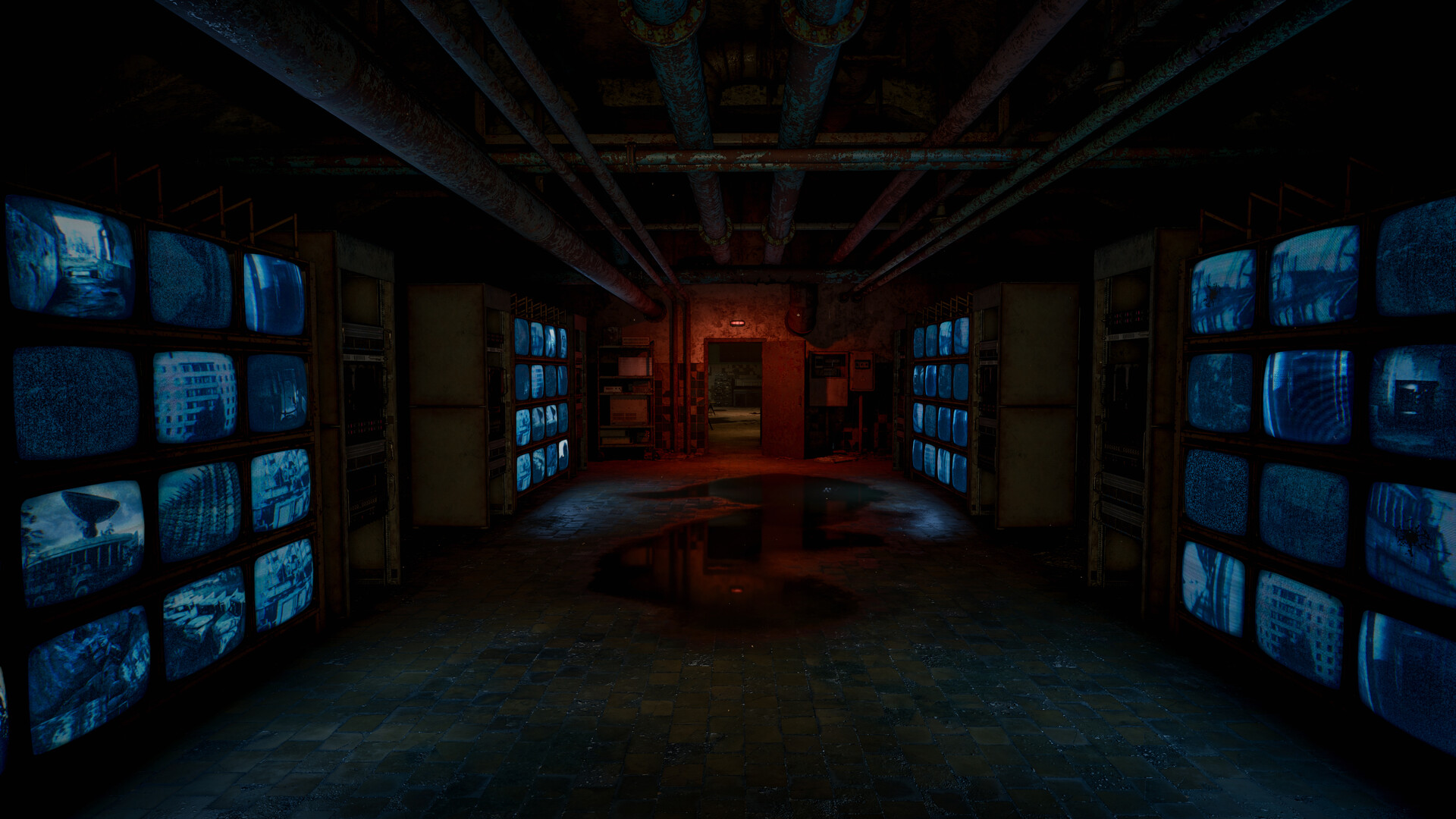
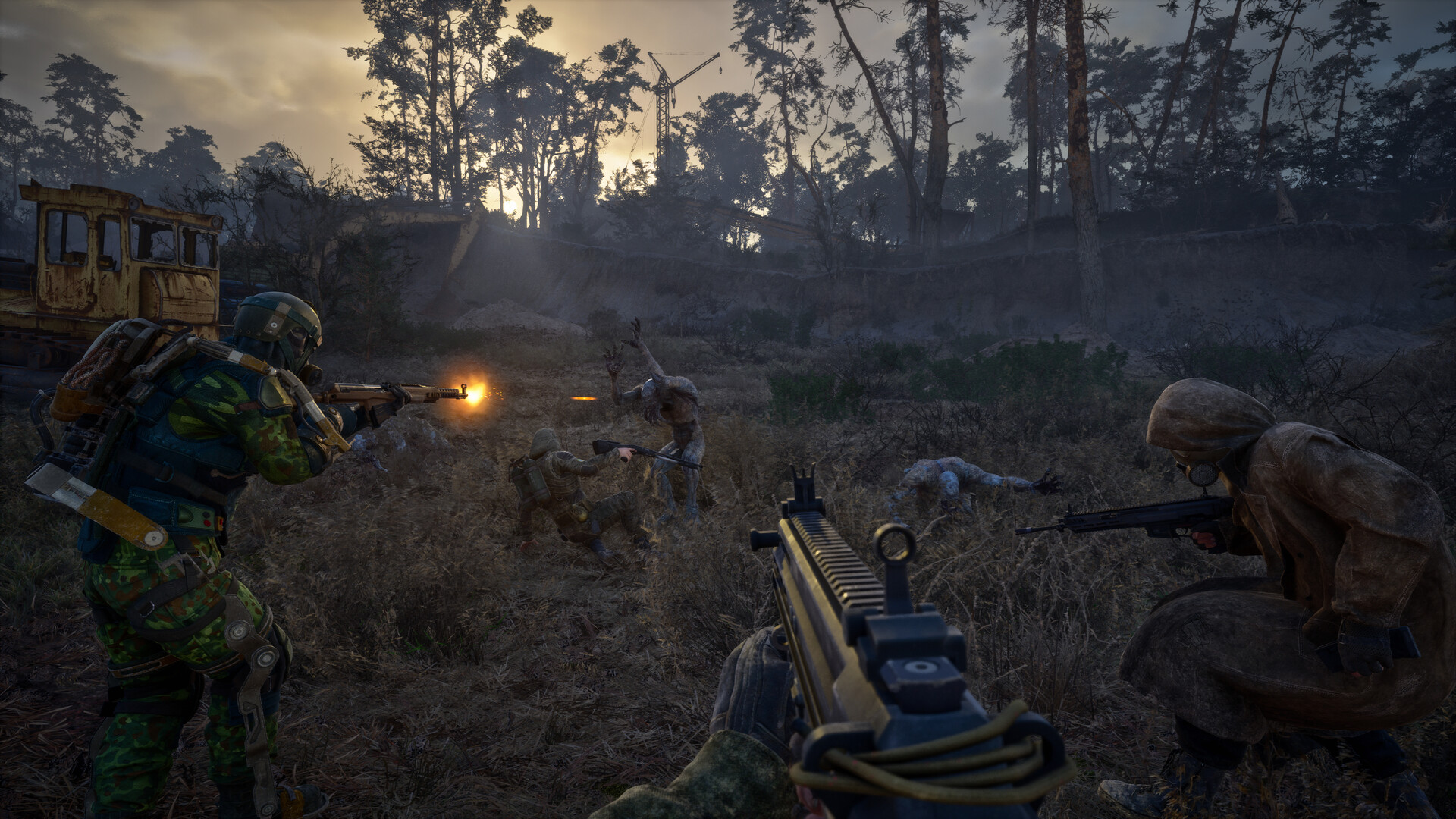
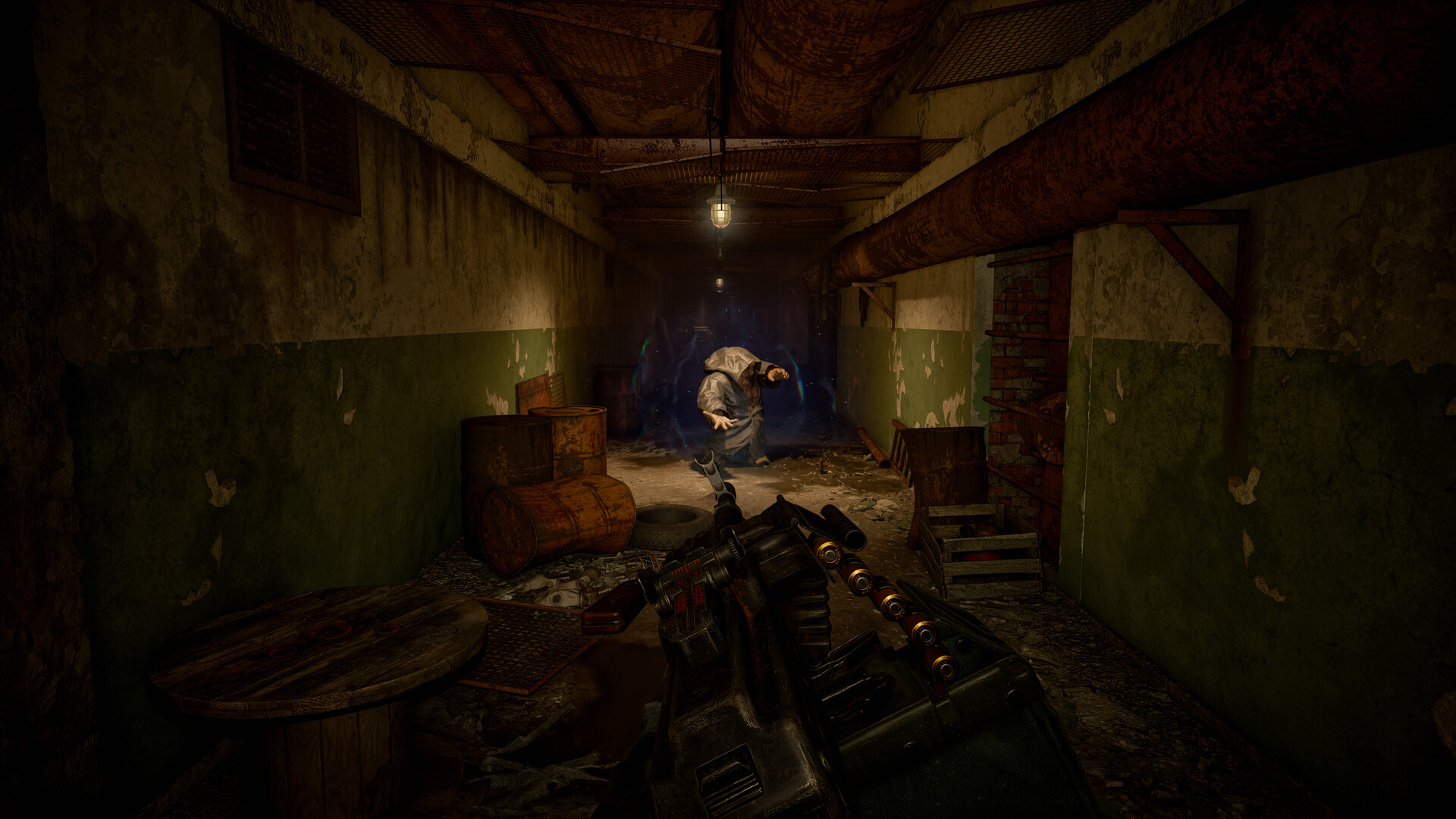
Combat is the temperature change and anomalies are the other climate. Early mutants establish that this is not a peaceful walking sim with nicer lighting. They will chase you farther than pride would recommend. A rifle handles the general population if the magazine agrees. Controllers, snorks, poltergeists, and the cousins that refuse to be a silhouette will empty a health bar if you treat them like scenery. Further inland, people with better guns would like a word, and the word is short. Getting a firearm that does not jam its manners takes a while. Until then, avoiding a firefight is a strategy, not a cowardice.
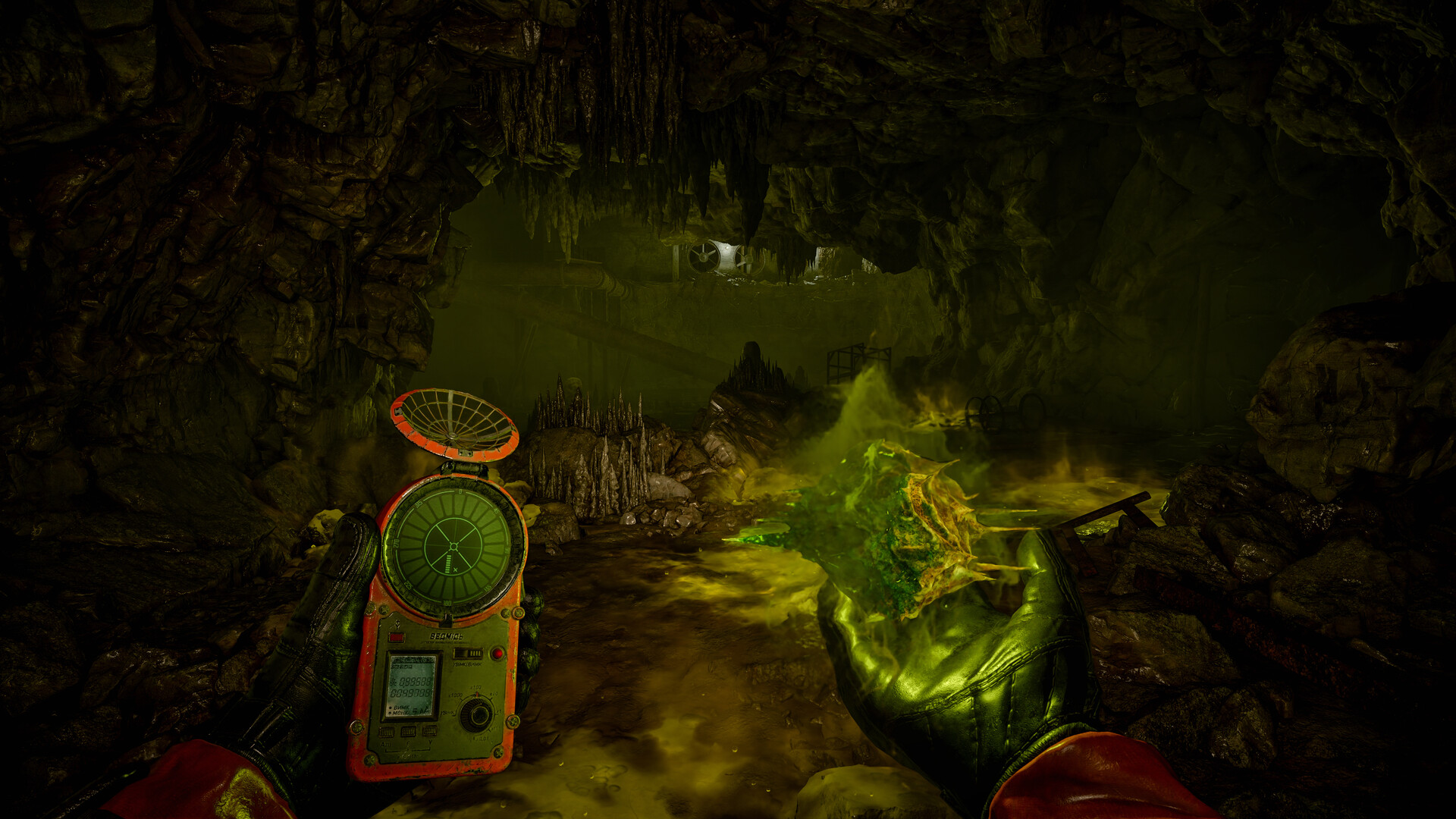
Anomalies are the other half of the short description and the nastier half of a walk. You probe their edges with bolts. You listen. You step where the air is still a rumor. Detectors sing when an artifact is being a problem and a prize. Wear the prize and the Zone will invoice you in a side effect. That economy is why a clearing that felt like home at noon can feel like a rumor at dusk. Variety is not a bestiary novel. It does not need to be. Pressure is the variety. A bolt that finds the edge is a better reward than a new silhouette if the silhouette is just another way to lose your backpack.
I will not invent a highlight reel with fake timestamps and tidy kill counts. The nights that stay with you are the ones where you thought the road was finished, then something started knocking in a rhythm that was not weather, and then you were on the wrong side of your own route. Gunplay can feel like two people agreeing to take turns being sincere. That weight is real. It is also priced into a survival loop that would rather you hunt, retreat, and come back dressed. Armor helps. Distance helps more.
Hunting artifacts is good practice and a grocery run. Blood happens. The store page is not shy about it. What the store page cannot tell you is how quickly you will start treating a successful extraction as a mood stabilizer. You eat. You sleep. You put the detector down and look at the camp like a person who has decided civilization is a crate.
Factions, Endings, and a War That Will Not Wait
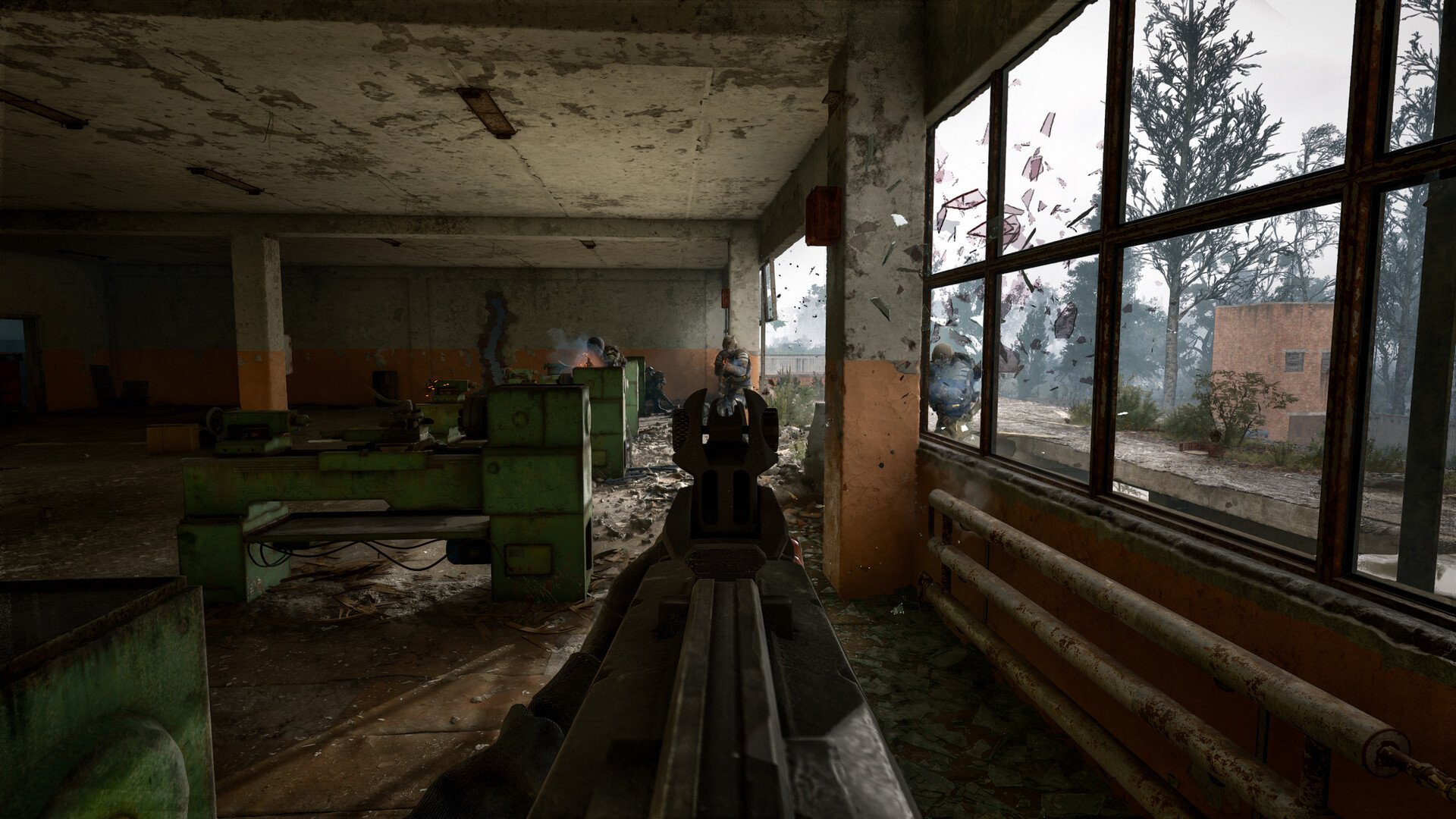
Factions are the moment the Zone changes tense. Official copy says your choices determine your fate. That is not a trailer line. It is the spine. The Ward wants control. Spark wants a shining Zone that may be a dream with a body count. Noontide wants a life that is not a hymn. Strelok wants the old religion left alone. SIRCAA wants a science that can hold a wish. You will work with them, against them, and sometimes for a scanner that already changed hands.
That shift is the closest Heart of Chornobyl comes to a power fantasy, and I like it more than a new gun. Mastery, here, is allegiance. You gather, you stash, you walk a ridiculous little errand for a person who might shoot you next week, and you arrive like a person who has mail. The map does not get smaller because the developers deleted land. It gets smaller because you invented a reason to go back.
I will not walk you to the last room and describe the four doors like a tour guide. One ending lets you leave. The others have opinions about what leaving even means. The game is wise enough not to underline the moral with a lecture. The underline is the person you agreed to help when the road was wet. Story companions have handwriting. Richter is a kindness. Scar is a sermon. Faust is a problem that talks. Doc is a history lesson that would rather be a confession. You can finish the main thread without collecting every note. You cannot finish it without deciding whose future you are willing to stand in.
The living-room edition keeps that argument intact. DualSense support is on the Steam sheet and the pad agrees. A session is not an evening. A session is a commute that forgot to end. Steam Cloud on PC keeps the stash. The PlayStation edition keeps the same manners after a year of patches. Either language works if you accept that the real input is your nerve.
A-Life, Emissions, and the Nights That Go Wrong
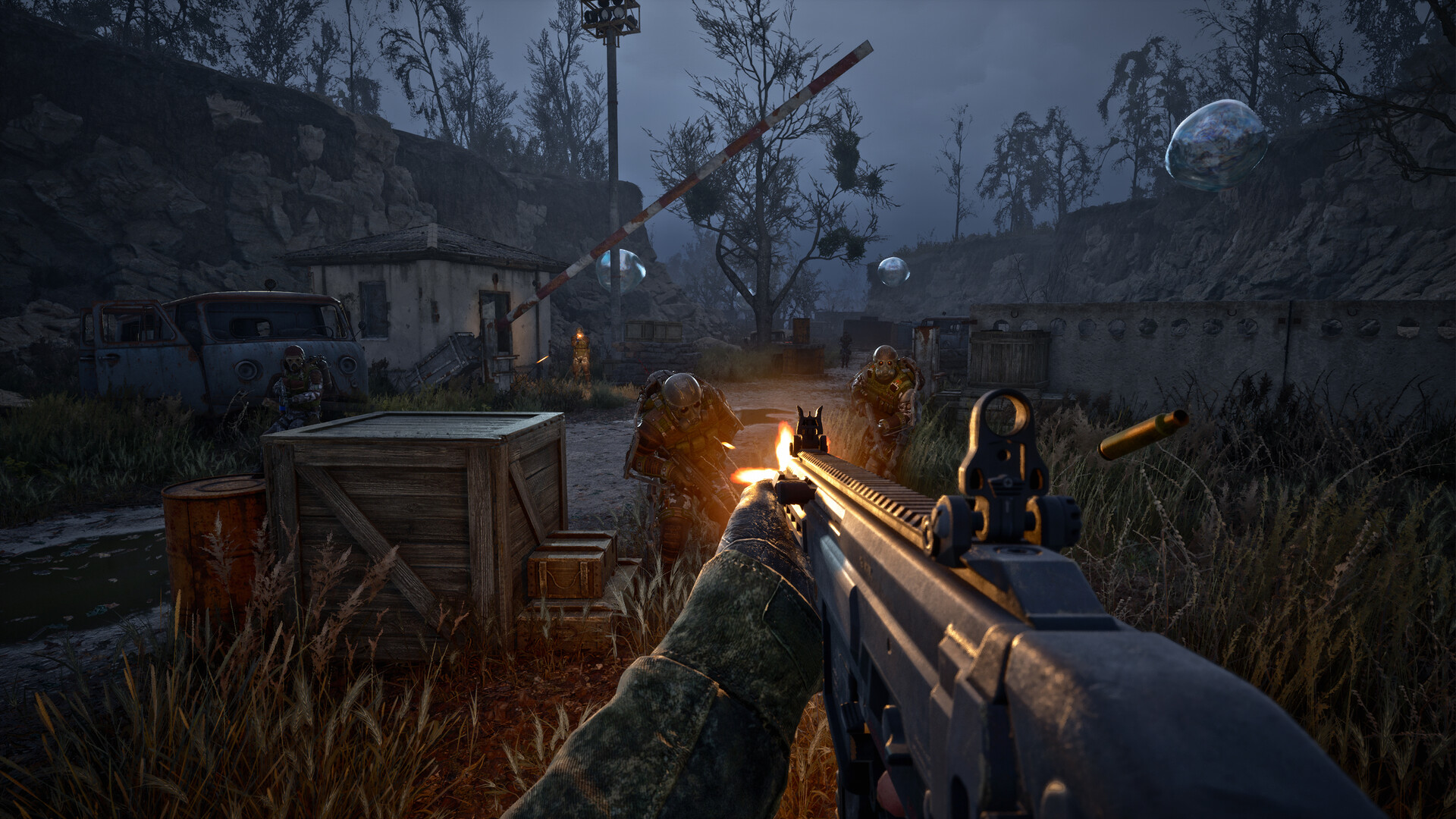
I should be clear about the friction, because it is real and it is not a footnote you hide after the score. Heart of Chornobyl looks like a game that was built by a studio that wanted a world more than a showcase, then had to finish that world during a war. Landscapes can be handsome. Animations can be stubborn. A-Life can arrive a half-second late to its own rumor, or early, or not at all, depending on the build and the night. I will not invent a bug census. I will say the Zone sometimes forgets to stock the encounter you expected and then shrugs like weather.
Technical manners on a living-room build can stutter when the game decides to remember itself. Enemies can get philosophical in a doorway. Saves have a way of announcing themselves. None of that is unique to this Zone. All of that is the tax on a sequel that left a 2012 grave, restarted in Unreal Engine 5, paused when Kyiv had other work, and arrived on PlayStation a year after PC still wearing some of the same boots. Update 1.7 is why the console launch is not the same argument as day one. Cost of Hope, the first story expansion, is already on the porch for August 2026. I reviewed the shift I was given. The base Zone is already a complete career.
Presentation is readable, which matters more than prestige. You can tell a swamp from a plant from a dead town at a glance. If you cannot read a biome, the hunt dies and the stash becomes homework. These spaces are atmospheric enough to carry a scare and clear enough to carry a plan. You always know where you are. You do not always know why a squad is already there.
English and Ukrainian carry the voices. Eighteen languages sit on the box if your group chat is international. I will not turn this into a localization seminar. The voice of the game is the Zone, and the Zone talks in detectors, weather, and the occasional undead knock that is not undead. Seventy-six achievements sit behind the loop for people who like a receipt. None of them change the central truth. You are here to follow a scanner and then find out what the scanner is for.
Better With a Nerve Than With a Checklist
I have a rule for expensive survival shooters. If a game is worse with curiosity than with a checklist, it is broken. If it is only good with a wiki open, it is honest. Heart of Chornobyl is honest, and that honesty should sit next to the price.
A careful night is a competent weekend. You throw the bolt, you invent the route, you lose a bag, you walk back, you put a better lock on the joke. A reckless night is the version the systems were quietly designed around. Someone emits. Someone raids. Someone learns, too late, that a controller does not respect architecture. The Zone becomes a shared instrument instead of a commute, even when you are alone.
The Steam sample around a game this large is always going to look loud. Mostly Positive is the official English weather, 76 percent of 42,689 on the side of yes, and that split is fair. Players who wanted a cleaner fight, a prettier launch, or an A-Life that never hides the mutant bounce off. Players who wanted a heavy adventure with a detector and a bad idea about factions stay. I am in the second camp with caveats, which is the only honest place to stand.
Compared with the giants of the open-world shooter business, Heart of Chornobyl is not trying to be a theme park. It is trying to be a place. The developer said the quiet part by surviving long enough to ship. A living Zone. Adventure first. Fun if you will meet the game where it lives. That is not a cop-out if the place is worth the walk. Some nights it is. Some nights the technician is a myth and the doorway is a theology problem. Both nights are the Zone.
Still Standing After the Emission
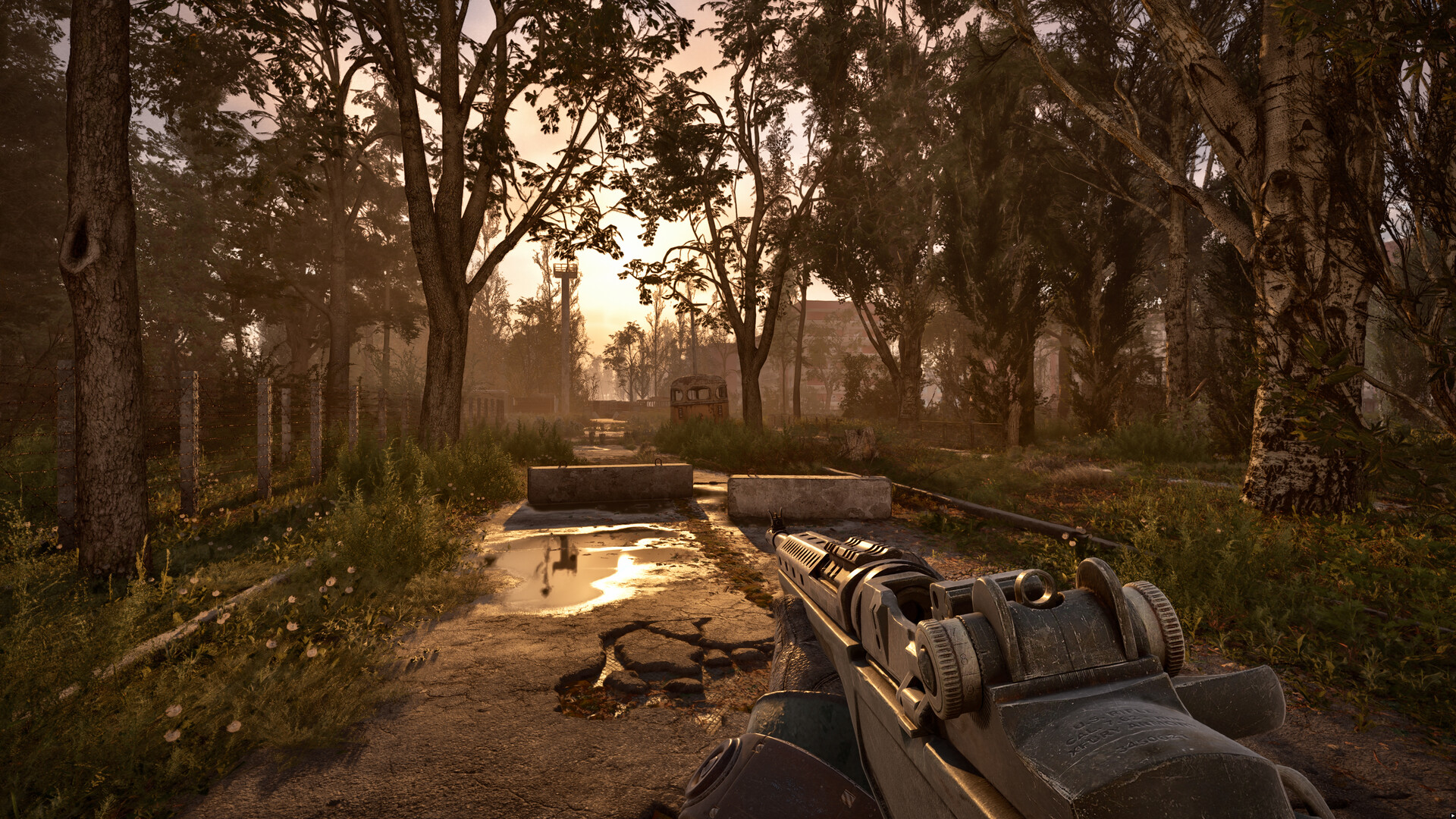
S.T.A.L.K.E.R. 2: Heart of Chornobyl is a rare full-price survival shooter that understands its own joke and then has the nerve to make the joke a country. GSC Game World built a Zone about bills, a scanner about teamwork you did not ask for, and a toybox that looks a little unfinished and plays a lot more sincerely than that sentence suggests. The loop is the hook. The factions are the spine. The walk from a bolt to a last room is the grin.
It is better with a nerve than with a checklist. Combat is heavy in the way a sincere fight is heavy. A-Life can sulk. The presentation has wartime fingerprints, from the stubborn animations to the story that would rather be a camp than a cutscene. All of that is true, and all of that is already priced in at $59.99 on PlayStation and Steam. You are not buying a weekend. You are buying a career that can turn into several seasons if you like being a coordinated disaster, or being the person who has to explain the disaster to a trader.
I am scoring it 8.5, Great, because the identity is this clear and the limitations are the limitations of a focused Zone, not an empty one. I would recommend it to anyone who likes a detector that has weight and a map that is allowed to be rude. Distinctive Exclusion weather, a scanner that shrinks the horizon into an argument, choices that turn wood into conversation, and a year of patches that respect your week are a lot of game for the ask. The systems repeat their manners. The manners are still useful.
The Zone is still out there, still hiring a night shift, still asking what a house was. After a few emissions, you will understand why the job is not finished, and why you keep waking up on the wrong side of the fence anyway.
We prepared this review with a digital copy of the S.T.A.L.K.E.R. 2: Heart of Chornobyl for the PS5 version provided by Pressengine.