
There is a particular kind of assignment, rare in a detective game that usually hands you a corkboard and a sunny city, in waking up in a hospital, walking back to an office, and discovering that the last case is already sitting in a chair with a title and a dead daughter. The lamp is still a lamp. The file is still a file. The first thing that tries to haunt you is not a metaphor. The Last Case of John Morley, the three-hour noir from Indigo Studios and JanduSoft, is built on that visit, and the visit is colder, shorter, and more useful than a thirteen-dollar evening has any right to be.
I played the PlayStation 5 version, the 27 November 2025 living-room clock-in that landed the same day as Steam at $12.99, with full pad support and a 3-hour promise the store page is not shy about. You are John Morley. You spent months recovering from the last job. Lady Margaret Fordside would like you to open a file the police already closed with scapegoats. Elodie has been dead twenty years. The real killer, the countess says, is still spending other people’s quiet. Twenty-two Steam achievements sit in the filing cabinet. The Steam sample is Mostly Positive, 77 percent of 217, which is the honest weather report and not a dare. Great, not long, and very much a case I would recommend you take if you like a walk that knows it is a walk.
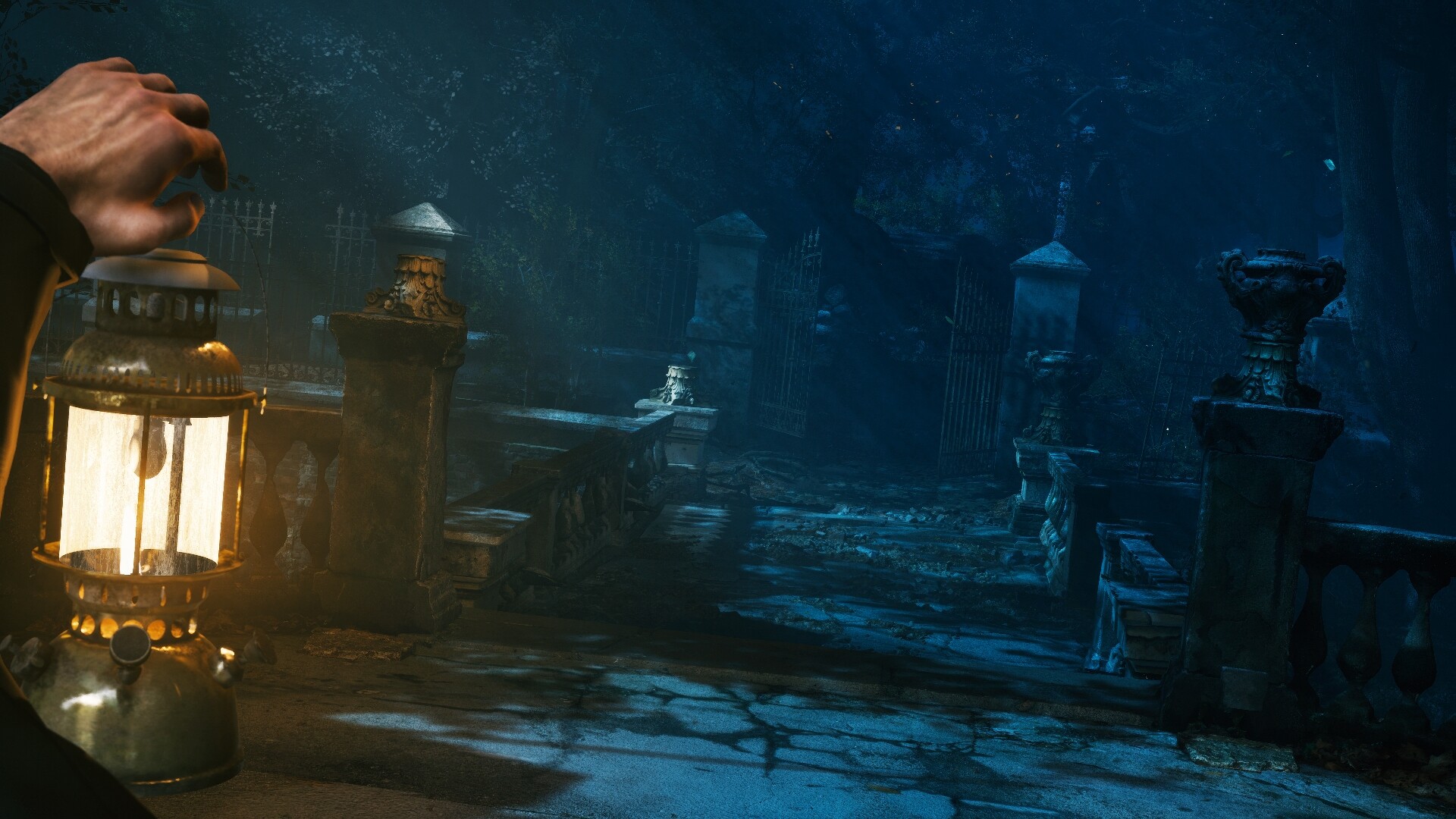
The Office Does Not Care That You Almost Died
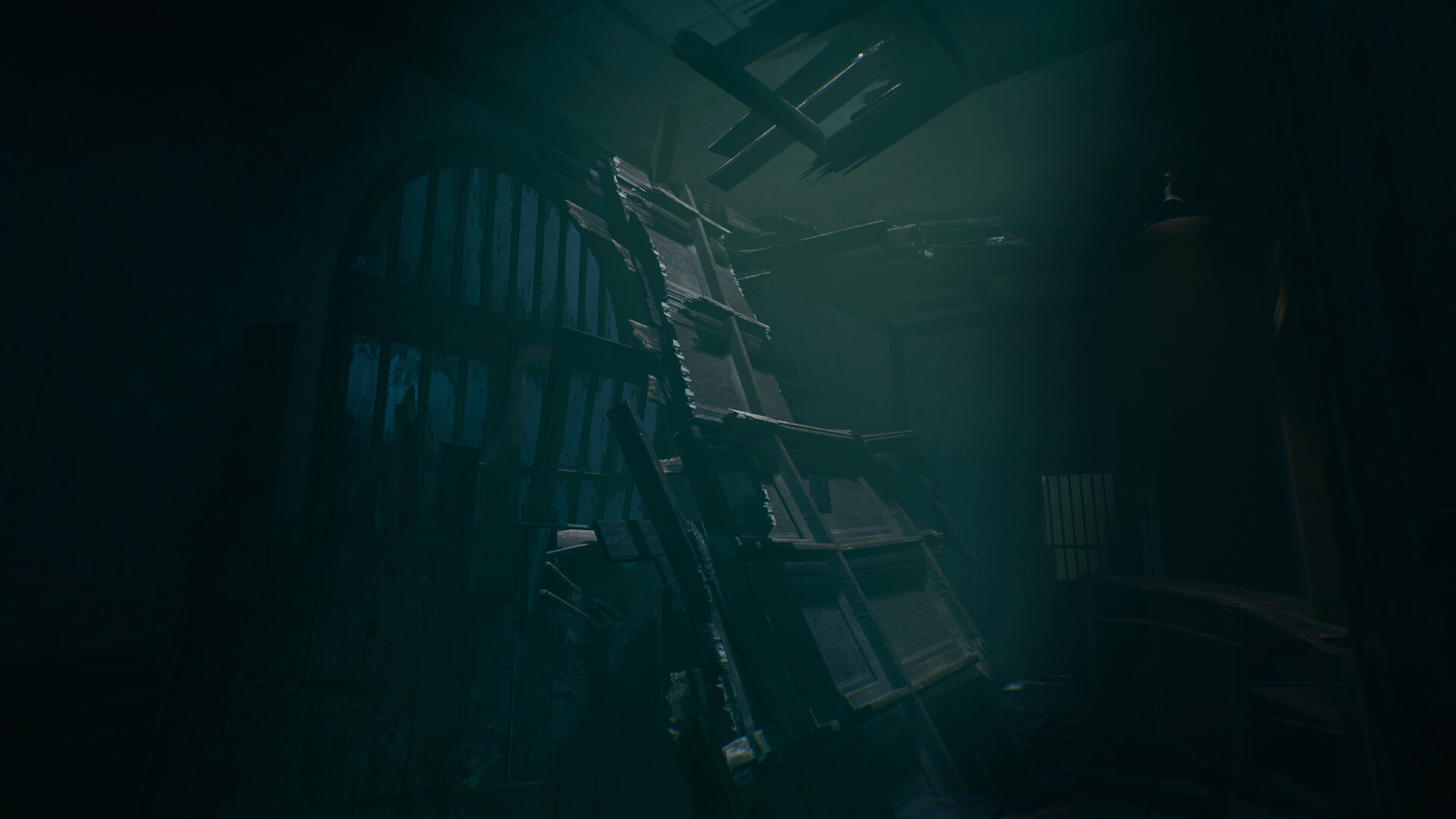
Most detective games begin with a speech. The Last Case of John Morley begins with a recovery. Official copy on Steam says you return to the office after months in a hospital, then asks you, with the grammar of a person who has been awake too long, to take a case that was never closed. The PlayStation store keeps the same lamp. Both versions agree on the next sentence. Lady Fordside is already in the chair. The daughter is already a file.
That is not flavor text. It is the design refusing to pay for an open world when a hallway will do. You start looking because the alternative is becoming a rumor in your own office. The first conversation is staged like a punchline that forgot to be funny. She talks. You talk. The police, she says, arrested the wrong people. The script, still in first person and still a little breathless, asks whether you will open a grave that has been quiet for two decades. Nobody can assure it will stay quiet. That is the rest of the map.
I like a premise that prices curiosity as a hazard and then lets you walk toward it anyway. Eerie mansions and abandoned sanatoriums sit on the itinerary like questions with walls. Why are there rooms and no people who will stay in them. What was that night. The more you explore, the more the case answers with another corridor and another thing that would like a piece of you. Story is linear and stingy with side streets, which is the right instinct for a game that wants your eyes more than your diary. You are not reading a novel. You are looting a disaster that is still happening.
The fantasy is not mastery of a combat system. The fantasy is competence arriving about half a scene after you invent a habit of looking twice. You will miss a clue in ways that would be funny if the reconstruction were not so sincere. You leave a room. You come back. You become the kind of person who thinks a lamp is a personality.
Elodie, Scapegoats, and a File Twenty Years Cold
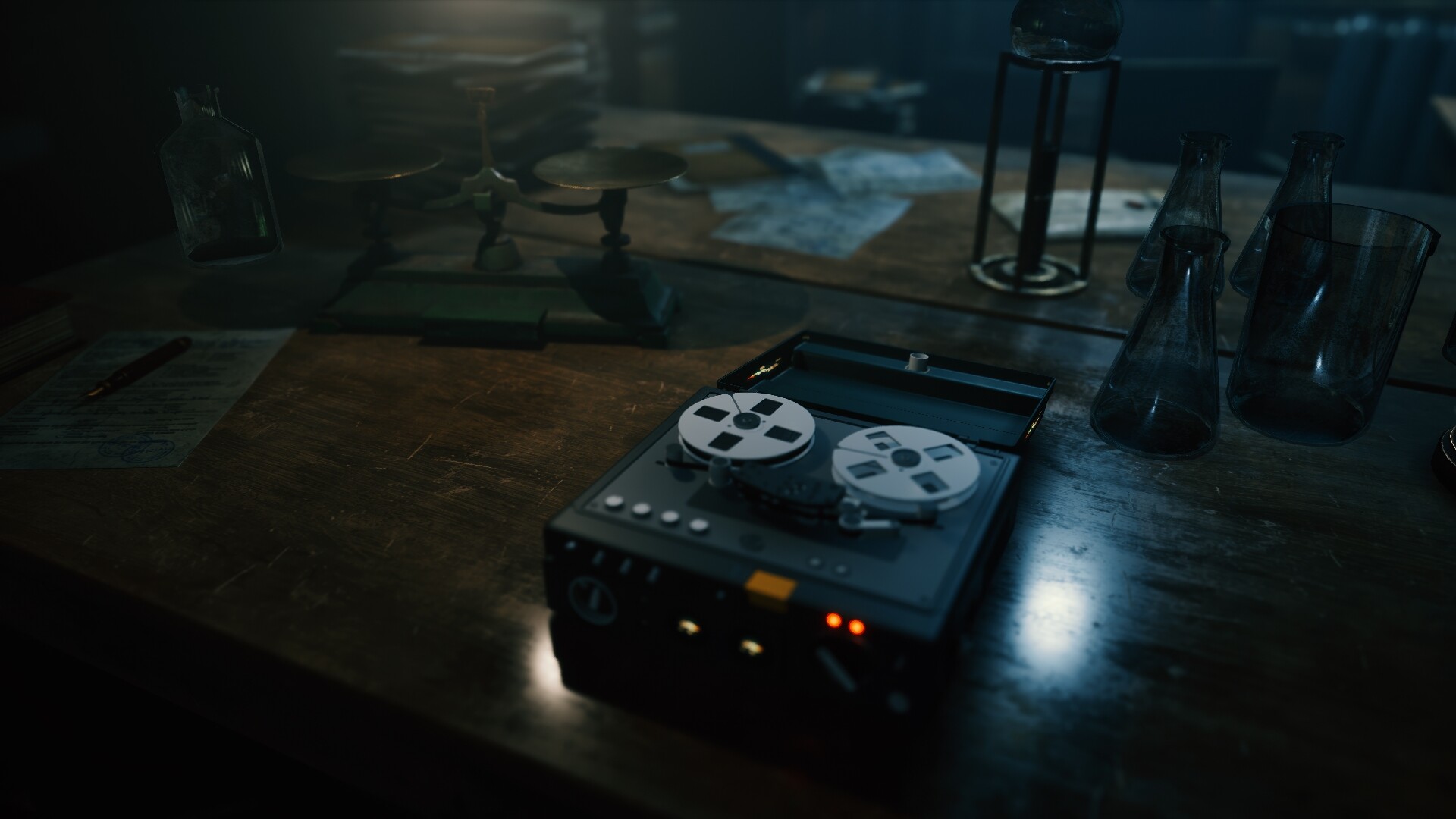
The loop is the old religion and Indigo Studios does not pretend otherwise. Walk, look, talk, reconstruct. Clues that make the next door arrive faster. A dialogue tree if the witness agrees to exist, a scene if you would like the night to stop being a rumor. There is no combat bar because a detective game with a magazine is just a shooter tour. Daylight holds in the office. Night holds everywhere else. None of that is a revolution. All of that is the sentence the rest of the toybox has to live in.
Interrogation is straightforward in the way a good lamp is straightforward. You are not drowning in skill checks. You are looking at a sentence and deciding whether you have been useful enough today. Reconstruction is flexible without becoming a second career. Pieces, order, a defensive thought that you will test the first time a witness decides your memory is a suggestion. The store page calls it puzzle-solving. That is a polite way of saying the night can grow up if you keep showing up.
I have played a lot of games that treat the first clue as a tutorial and the hundredth clue as a spreadsheet. This one is shorter than that on purpose. The developer wrote it into the store page with the candor of a person who has already lost the argument with feature creep. Linear. Three hours. A finale that will linger. That sentence is both a promise and a warning. If you want a city that could unionize, you will feel underemployed. If you want an evening that turns a file into a kitchen of answers, you will feel hired.
Locations keep the commute from becoming a museum. A mansion, a sanatorium, the usual noir groceries. You loot them. You leave. You come back when you have a better question. There is no open map to turn on because the case is already a to-do list. I left the subtitles honest for an evening and quieter for another. The office did not mind. The countess minded either way.
Mansions, Sanatoriums, and the Art of Looking Twice
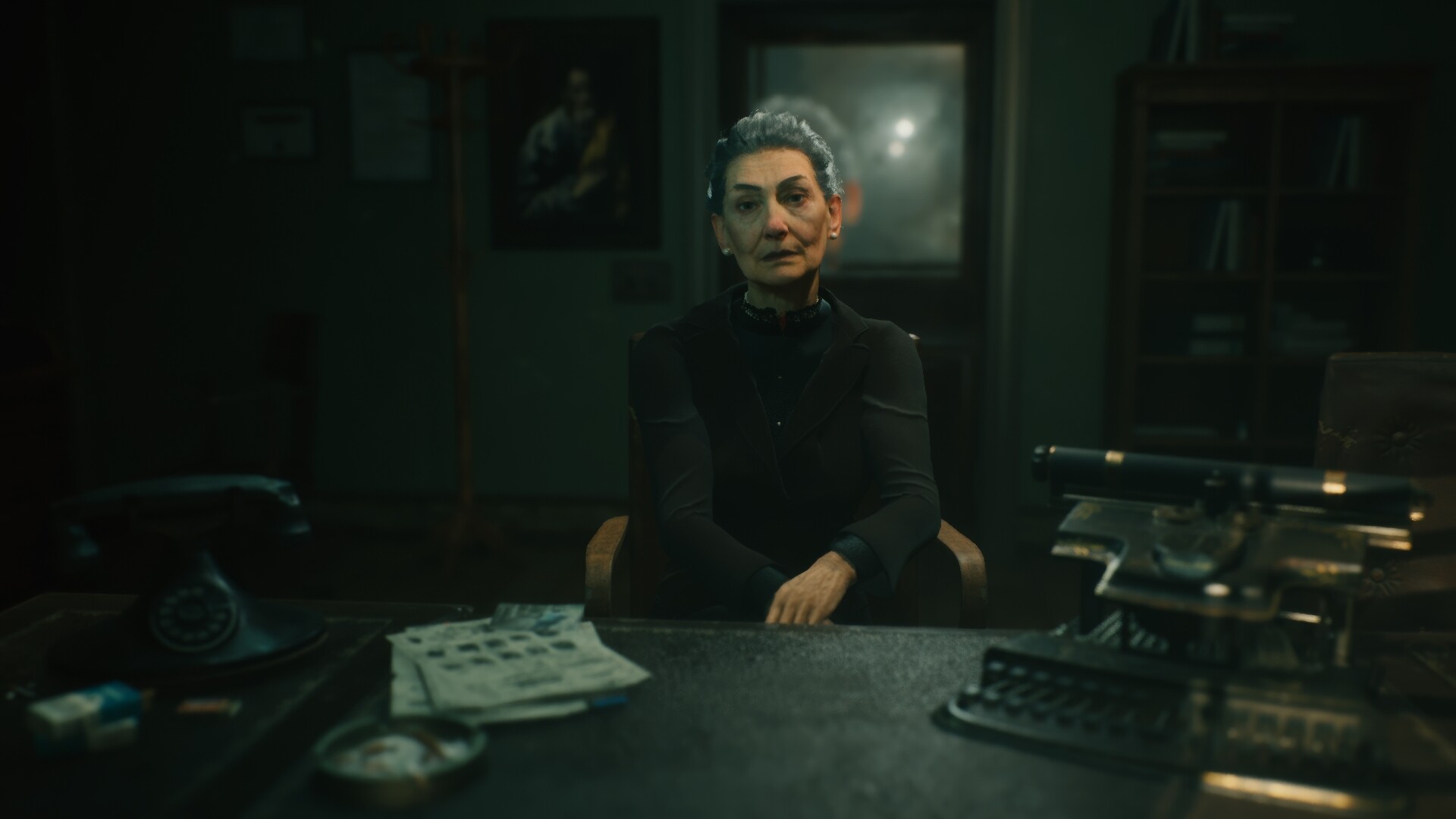
Atmosphere is the temperature change. Early rooms establish that this is not a peaceful walking sim with nicer lighting. They will hide a tell farther than pride would recommend. A careful eye handles the general population. The later, nastier editions will empty a nerve if you treat them like scenery. Further in, people with better lies would like a word, and the word is short. Getting a reconstruction that does not wobble takes a while. Until then, looking twice is a strategy, not a cowardice.
Horror is the other half of the short description and the nastier half of a walk. The store page leads with mystery. The rooms lead with a temperature that is not only noir. A sanatorium is not wallpaper. A portrait is not a tutorial. That climate is why an office that felt like home at noon can feel like a rumor at dusk. Variety is not a bestiary novel. It does not need to be. Pressure is the variety. A clue that holds is a better reward than a new silhouette if the silhouette is just another way to lose the thread.
I will not invent a highlight reel with fake timestamps and tidy deduction counts. The nights that stay with you are the ones where you thought the scene was finished, then something started knocking in a rhythm that was not weather, and then you were on the wrong side of your own reconstruction. Dialogue can feel like two people agreeing to take turns being disappointed. That clunk is real. It is also priced into a linear loop that would rather you listen, leave, and come back dressed. Notes help. Distance helps more.
Finding a witness is good practice and a grocery run. Blood happens, or the memory of it. The store page is not shy about twists. What the store page cannot tell you is how quickly you will start treating a successful interrogation as a mood stabilizer. You ask. You write. You put the file down and look at the lamp like a person who has decided civilization is a statement.
Dialogue, Reconstruction, and a Horror That Joins the Case
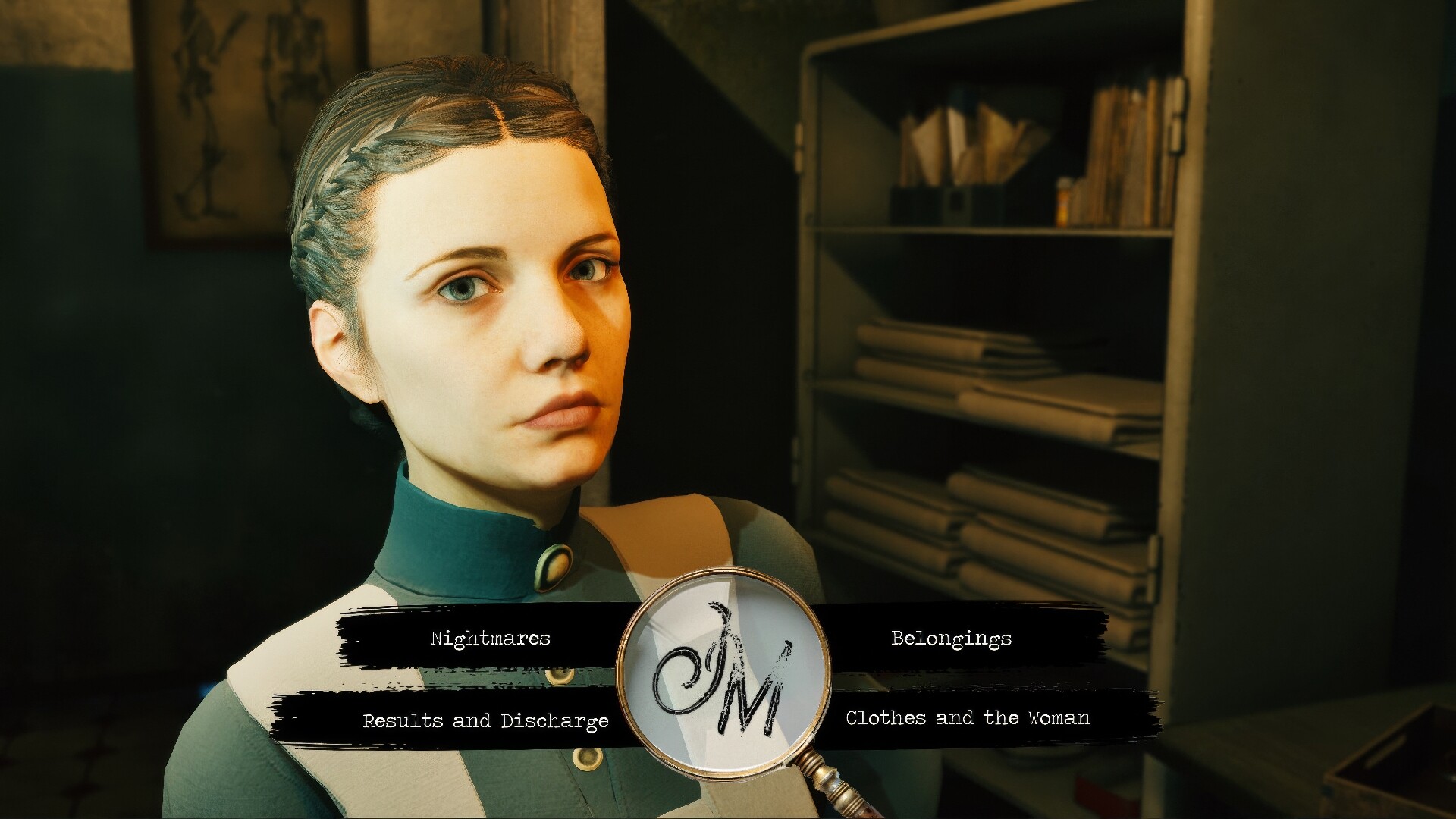
Systems are the moment the case changes tense. Official features list first-person investigation, scene reconstruction, and an interactive dialogue system that would like you to catch a lie. That is not a trailer line. It is the job. You explore richly detailed environments. You connect dots. You listen for the sentence that does not match the furniture. I will not walk you to the finale and describe the shock like a tour guide. What I can say is that a game this short is more interested in your relationship to the countess than in a twist you could put on a wiki.
That shift is the closest The Last Case of John Morley comes to a power fantasy, and I like it more than a new mechanic. Mastery, here, is attention. You gather, you stash a line, you walk a ridiculous little corridor over a place that tried to eat the truth last decade, and you arrive like a person who has mail. The map does not get smaller because the developers deleted land. It gets smaller because you invented a reason to go back.
I should be honest about the horror. Players who wanted a pure puzzle detective may find the temperature a little uncivilized. The game is as much a haunt as it is a file. That is not a bait if you read the rooms. It is a bait if you only read the genre tag. Both readings are the product. A short noir that punishes a clean evening is a mean cousin of a walking sim. A short noir that rewards a clean look is a professional. This one is both, depending on the room.
Sound is the better craftsman. A floorboard. A score. A window that has an opinion. The soundtrack understands the assignment. It is tense without becoming a jumpscare factory, domestic without becoming a sitcom cue. You can hear a mansion decide to be haunted. You can hear yourself decide that one more look is a plan. Eleven languages sit on the box if your group chat is international. English carries the voices. The rest carry the menus.
Three Hours, a Finale, and the Limits of a Linear Walk
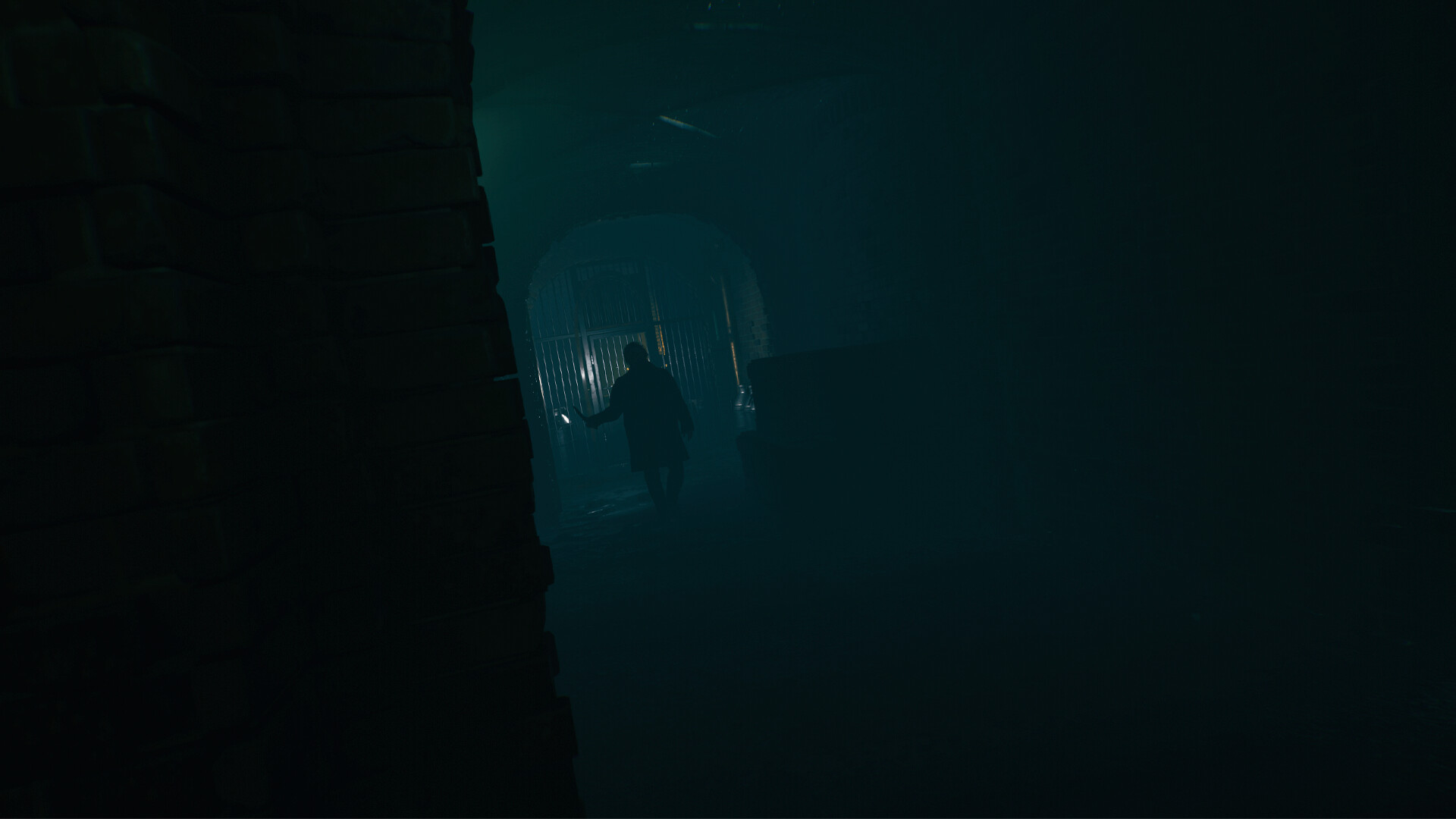
I should be clear about the friction, because it is real and it is not a footnote you hide after the score. The Last Case of John Morley looks like a game that was built by a small shop that wanted a story more than a showcase. Landscapes can be handsome. Animations can be stubborn. Puzzles can arrive a half-second late to their own importance, or early, or not at all if you were hoping the investigation would be a system instead of a tour. I will not invent a clue census. I will say the case sometimes forgets to let you be a detective and then shrugs like weather.
Technical manners on a living-room build can stutter when the game decides to remember itself. A character can get philosophical in a doorway. Some decorative textures wear a disclosure the studio was honest enough to print. AI tools were used for minor details. The voices, the music, the story, they say, were made by people. That sentence is a courtesy. It is also a tax if you came for a room that never borrowed a pattern.
Presentation is readable, which matters more than prestige. You can tell an office from a mansion from a sanatorium at a glance. If you cannot read a room, the hunt dies and the file becomes homework. These spaces are atmospheric enough to carry a scare and clear enough to carry a plan. You always know where you are. You do not always know why a witness is already there.
Short is not a slur at $12.99. Short is the thesis. A lot of adventure overstays because a producer needed a ten-hour hook. This one clocks out. Twenty-two achievements are not a mountain. They are a family album. I have paid more for a worse evening. I have also wanted, on a second night, one more floor plan. The linear road is the studio’s way of saying they knew you would want to finish the work. Walk the rooms. Wait. The door opens. The case is in your house.
Noir Lighting With Indie Fingerprints

Price is part of the review. $12.99 is a night that scares you. For that ask you get a complete first-person case, a countess who will not stay in the chair, a reconstruction toy, and a finale if three hours was not enough humiliation. I have paid more for a skin. I have paid more for a worse night.
The genre problem is the other half of the honesty. Narrative walks are a crowded hallway. If you have already spent a year in a mansion counting portraits, the first office will feel like a dialect, not a new language. The Last Case of John Morley earns the dialect with the hospital fiction, with the scapegoats, with the sanatorium that refuses to be a menu. It does not earn a free pass on a single spine. You will learn the corridor. The corridor will not learn you back.
I should also say the quiet part about difficulty. Some tells are kind. Some tells are a father of a sentence leaving a room while you are looking at a lamp. A reset to the last save is the genre. It is also, after a late miss, a little uncivilized. The game is short enough that the miss is tuition, not a second job. That math only works because the price is an evening.
Indigo Studios said they wanted a last case. The joke is the product. JanduSoft has a habit of walking small, strange things to a store page and then not sanding off the strangeness. That walk is why a three-hour noir from a Spanish shop landed in living rooms the same day as Steam without becoming a different game.
If the first office feels like a toy, give it a second. If the fifth room feels like a vice, you are the audience. If you never want to stare at a portrait, there is a whole industry of games that will not ask. The file will still be on the desk. The countess will still have a shift.
Still Open After the Credits

The Last Case of John Morley is a rare mid-priced noir that understands its own joke and then has the nerve to make the joke a file. Indigo Studios built an office about recovery, a countess about teamwork you did not ask for, and a toybox that looks a little homemade and plays a lot more sincerely than that sentence suggests. The walk is the hook. The reconstruction is the spine. The trip from a hospital bed to a last room is the grin.
It is better with a nerve than with a checklist. Puzzles are simple in the way a lightweight fight is simple. Rooms can sulk. The presentation has indie fingerprints, from the stubborn animations to the story that would rather be a haunt than a cutscene. All of that is true, and all of that is already priced in at $12.99 on PlayStation and Steam. You are not buying a decade. You are buying an evening that can linger if you like being a coordinated disaster, or being the person who has to explain the disaster to a countess.
I am scoring it 8, Great, because the identity is this clear and the limitations are the limitations of a focused case, not an empty one. I would recommend it to anyone who likes a lamp that has weight and a mansion that is allowed to be rude. Distinctive 1940s weather, a file that shrinks the horizon, dialogue that turns wood into conversation, and a price that respects your week are a lot of game for the ask. The systems repeat their manners. The manners are still useful.
The office is still out there, still hiring a night shift, still asking what a last case was. After a few rooms, you will understand why the job is not finished, and why you keep waking up in the hospital anyway.
We prepared this review with a digital copy of The Last Case of John Morley for the PS5 version provided by Pressengine.