There is a particular kind of invitation, rare in a genre that usually hands you a quest marker and a talkative party, in waking as a fox far from home and discovering that the entire product is a ruin that used to be a pilgrimage. The snow is still snow. The raven is still a raven. The first shrine that tries to teach you a lesson is not a metaphor. Spirit of the North 2, the third-person adventure from Infuse Studio and Silver Lining Interactive, is built on that quiet, and the quiet is colder, prettier, and more useful than a thirty-dollar sequel has any right to be.
I played the PlayStation 5 version, the 8 May 2025 launch at $29.99 that Infuse Studio and Silver Lining Interactive walked onto living rooms and Steam after a first fox that already knew how to walk home. You wake in a sanctuary. You pick a coat. You release a shaman you should not have released. You look for legendary guardians with a raven who has better manners than most maps. Thirty-six Steam achievements sit in the snow. The English Steam sample is Very Positive, 85 percent of 624, with 964 of 1,125 voices agreeing across languages, which is the honest weather of a finished sequel and not a dare. Great, not empty of weather, and very much a north I would recommend you walk if you like an adventure that remembers it is also a walk.
The Ruin Does Not Care What Home Was
Most open-world sequels begin with a speech about destiny. Spirit of the North 2 begins with a sanctuary that has already lost the argument with a locked door. Official copy on Steam says you are an isolated fox far from home, then asks you, with the grammar of a person who has already packed the silence, to seek out the lost legendary guardians and release them from the grasp of the dark shaman Grimnir. That is not flavor text. It is the design refusing to pay for a cutscene when a fox and a bird will do.
You start because the alternative is staying in a room that has already written you a warning. The first stretch is staged like a welcome that forgot to be a tutorial. Other foxes linger. Scrolls sit where a narrator would have stood. Grimnir is a name before he is a problem, a wise traveler who fell into a darkness he used to diagnose, and the sanctuary has been keeping him like a secret that wanted to be a key. You let him out. The map gets larger. The land gets worse. That is the rest of the week.
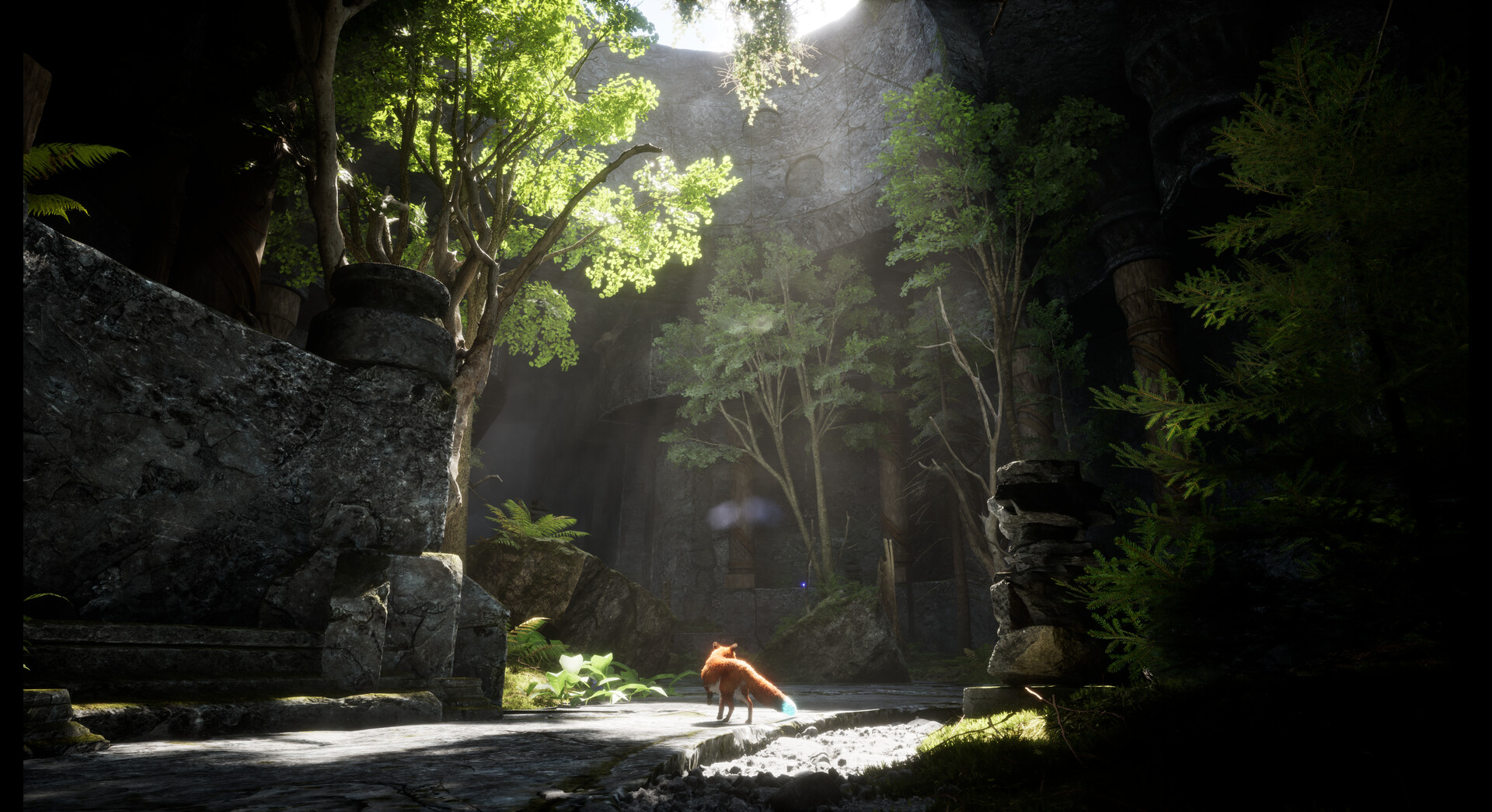
I like a premise that prices curiosity as a hazard and then lets you walk toward it anyway. Forests, snow-capped peaks, and dark ancient crypts sit on the world like questions with weather. Why are there tribes and no voices. What was that temple. The more you explore, the more the ruin answers with another shrine and another thing that would like a piece of your spirit. Story is environmental and stingy, which is the right instinct for a game that wants your paws more than your diary. You are not reading a novel. You are looting a pilgrimage that is still happening.
The fantasy is not mastery of a lore bible. The fantasy is competence arriving about half a day after you invent a glide. You will fail in ways that would be funny if the fall were not so sincere. You miss a ledge. You walk back. You become the kind of person who thinks a raven is a personality.
A Fox, a Raven, and a Shaman Who Will Not Leave
The loop is the old religion and Infuse Studio does not pretend otherwise. Roam a vast open world. Collect wisps and crystal shards. Find runes that change what a jump is allowed to mean. Cleanse corrupted guardians in legendary encounters that would rather be puzzles than fistfights. Restore a land that Grimnir has already written his name across. None of that is a revolution. All of that is the sentence the rest of the toybox has to live in.
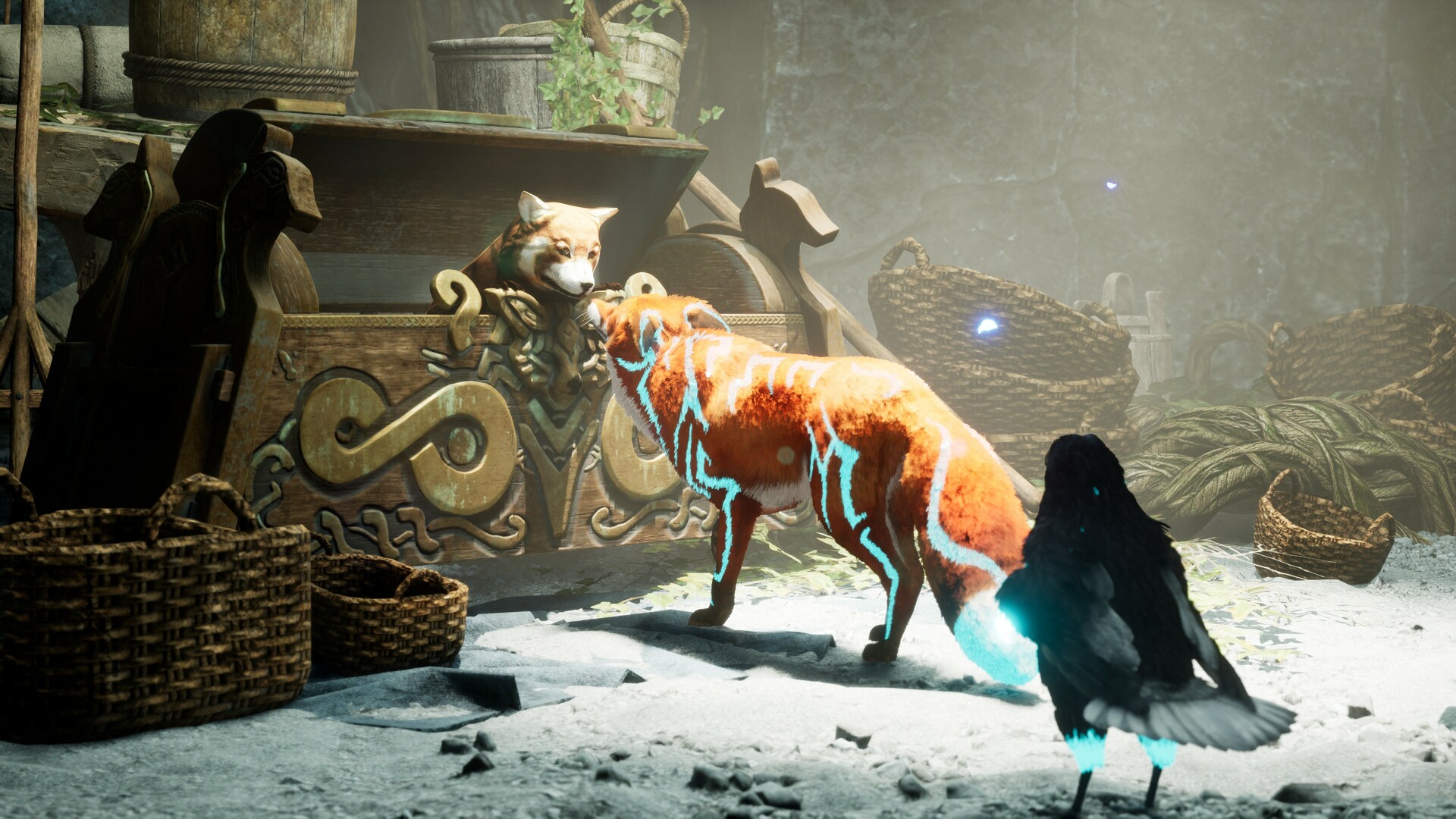
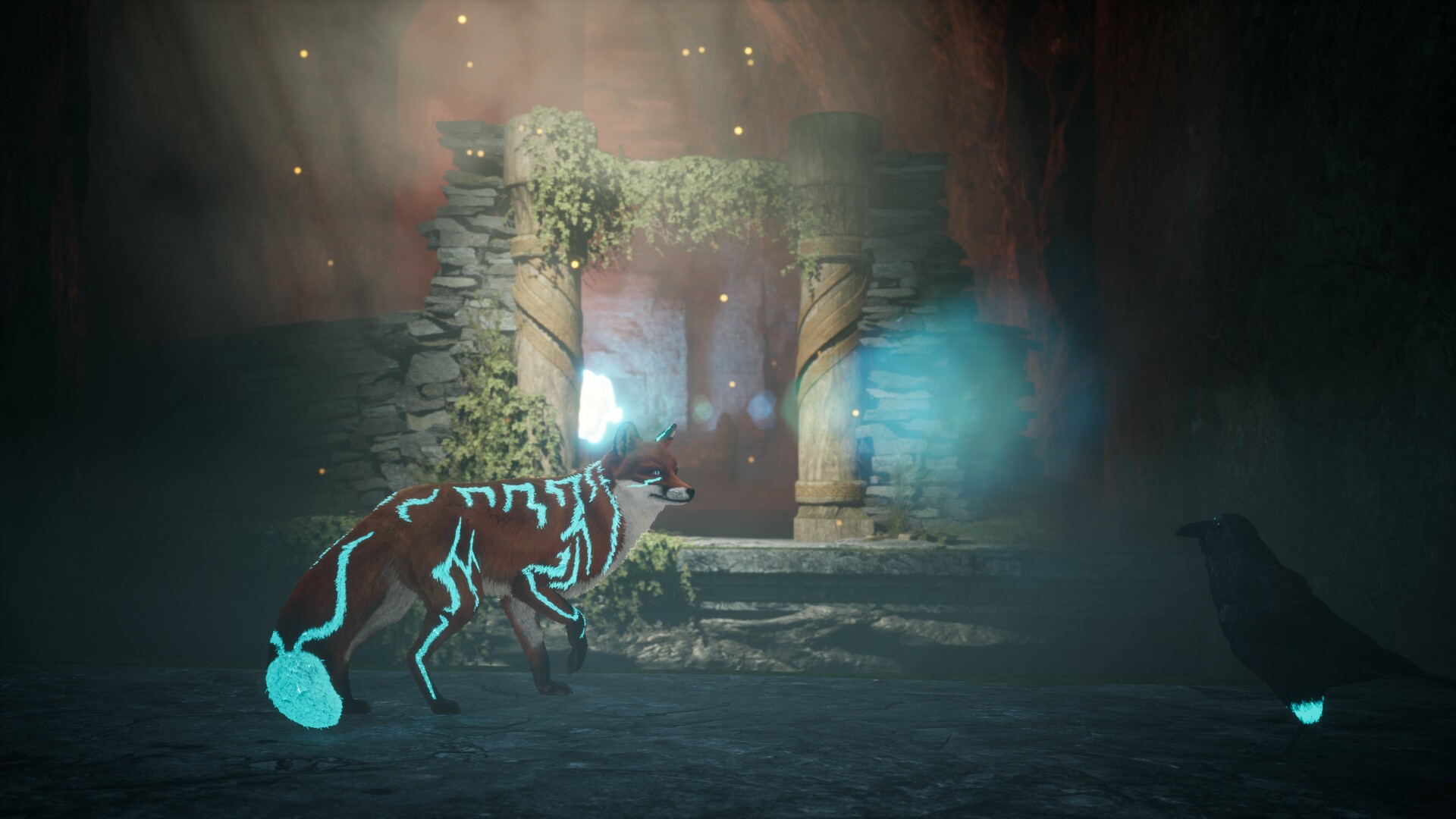
The raven is the other half of the short description and the kinder half of a week. Official features ask you to take a wise companion on a quest to restore the lost guardians and return home. The bird scans. The bird waits. The bird will later become a pair of wings if you treat the first temple like a conversation instead of a commute. That shift is the closest Spirit of the North 2 comes to a power fantasy, and I like it more than a new sword. Mastery, here, is manners. You gather, you stash, you glide a ridiculous little fox over a place that tried to eat your landing last week, and you land like a person who has mail.
Customization is the joke the shop is proud of. Official copy says you can tailor the fox’s appearance and skills to suit a playstyle, making each playthrough unique. The first closet is modest. Fur, eyes, a face you will stare at for fifteen hours. Later coats arrive like postcards from biomes that have decided you are worth dressing. I will not invent a fashion week. I will say a fox that looks like your fox is a better reason to take a screenshot than a checklist is, and the photo mode is sitting there like a person who already knew that.
I have played a lot of games that treat the first hour as a tutorial and the tenth as a spreadsheet. Spirit of the North 2 is lighter than that on purpose and heavier than the first game on purpose. The original was a corridor with manners. This one is a map. Official copy says roam freely through a vast and ancient open world, rich with long-forgotten history. That sentence is both a promise and a warning. If you want a linear walk that never asks you to decide which peak is the job, you will feel underemployed. If you want a week that turns a sanctuary into a pilgrimage, you will feel hired.
Runes, Glides, and a Map That Gets Larger
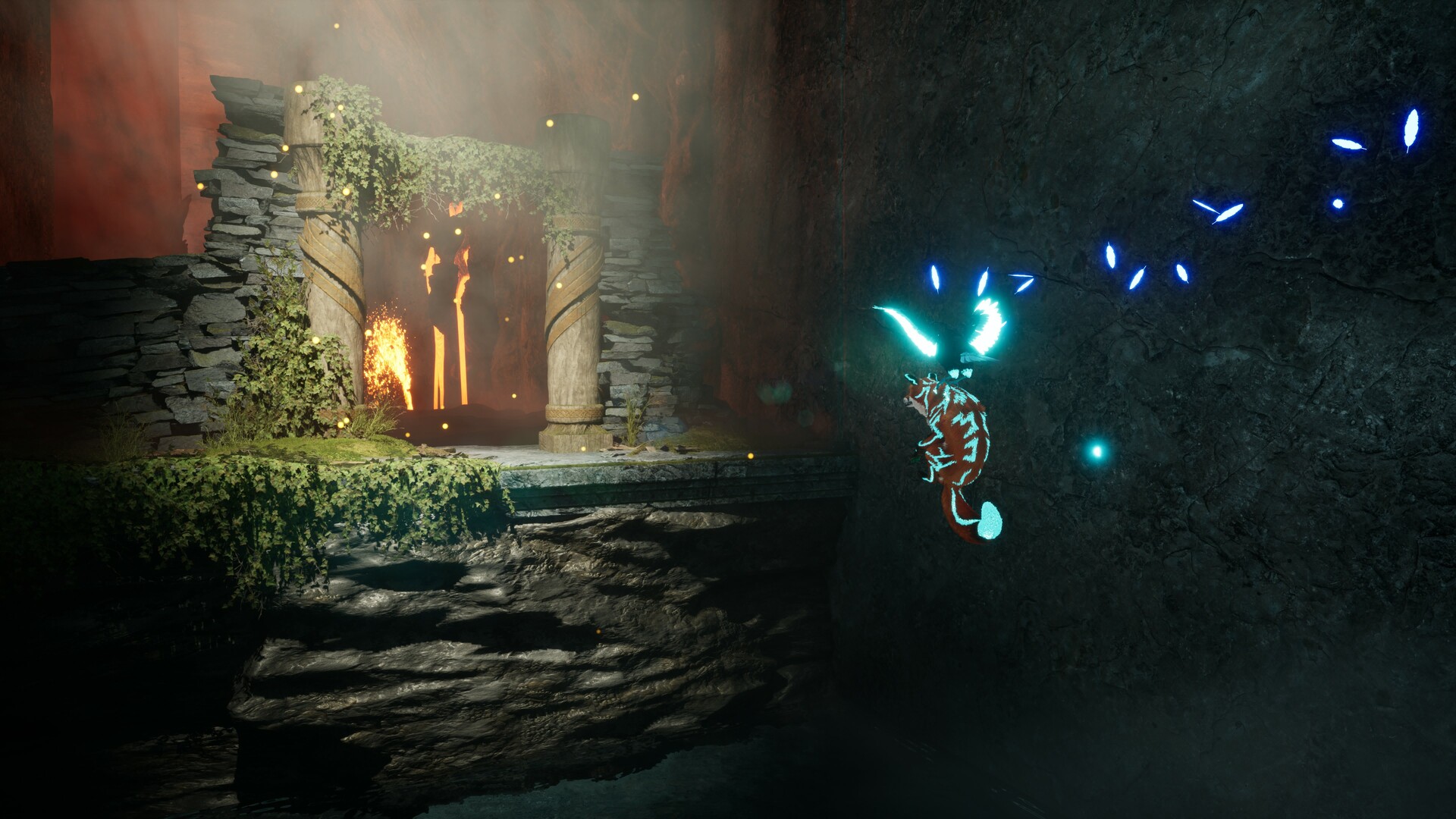
Traversal is the temperature change. Early hills establish that this is not a peaceful nature documentary with nicer lighting. A dead jump will chase your patience farther than pride would recommend. A double jump, when a rune finally hands it over, handles the general population of problems. The later, nastier rooms will empty a spirit bar if you treat them like scenery. Further out, a wisp form will let you scout a cave that would rather stay a rumor, and a drowned rune will ask you to remember that water is still a wall if you have not paid the tax.
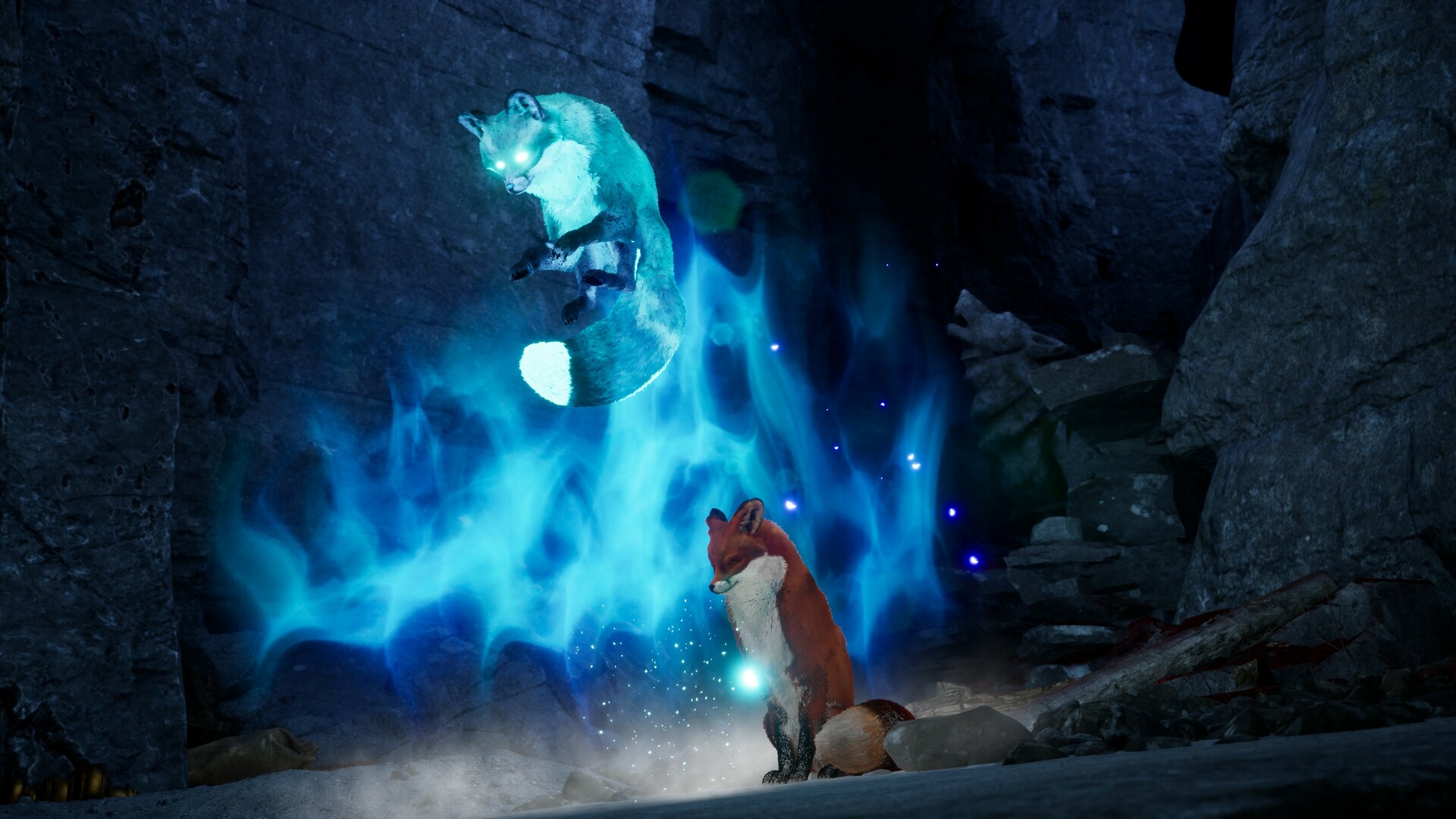
Runes are the toybox. Spirit form turns the fox into a suggestion that can walk through a rule. Glide turns a failed jump into a commute. Lava walkers and cold blessings arrive after guardians decide you have been useful enough to dress for the weather. The skill tree is the other half of the Early Access pitch the first game never had, a board of small manners: a little more health, a little less fall, a little more courtesy from a stamina bar that used to be a dare. Forty-eight nodes sit behind chests and ancient trees. You do not need all of them. You will want the ones that make the map feel smaller.
Crystal shards and obelisks do the cartography. You spend a pocket of light and the map admits it has been hiding a temple, a raccoon stall, a shrine that sells you a rumor. I like a map that prices curiosity as a grocery run and then lets you walk toward it anyway. Some pins are handsome. Some pins are a commute. Both pins are the job. Raccoon merchants sit in grottos with faces that light up like a till, selling a rune you were sure you would find in a chest and then needed to buy because the chest was under a lake.
I will not invent a highlight reel with fake timestamps and tidy guardian counts. The nights that stay with you are the ones where you thought the glide was finished, then a peak started asking for a landing that was not weather, and then you were on the wrong side of your own courage. Platforming can feel like two ledges agreeing to take turns being disappointed. That clunk is real. It is also priced into a sequel that would rather you explore, retreat, and come back dressed. Distance helps. A working glide helps more.
Guardians Who Would Rather Be Puzzles
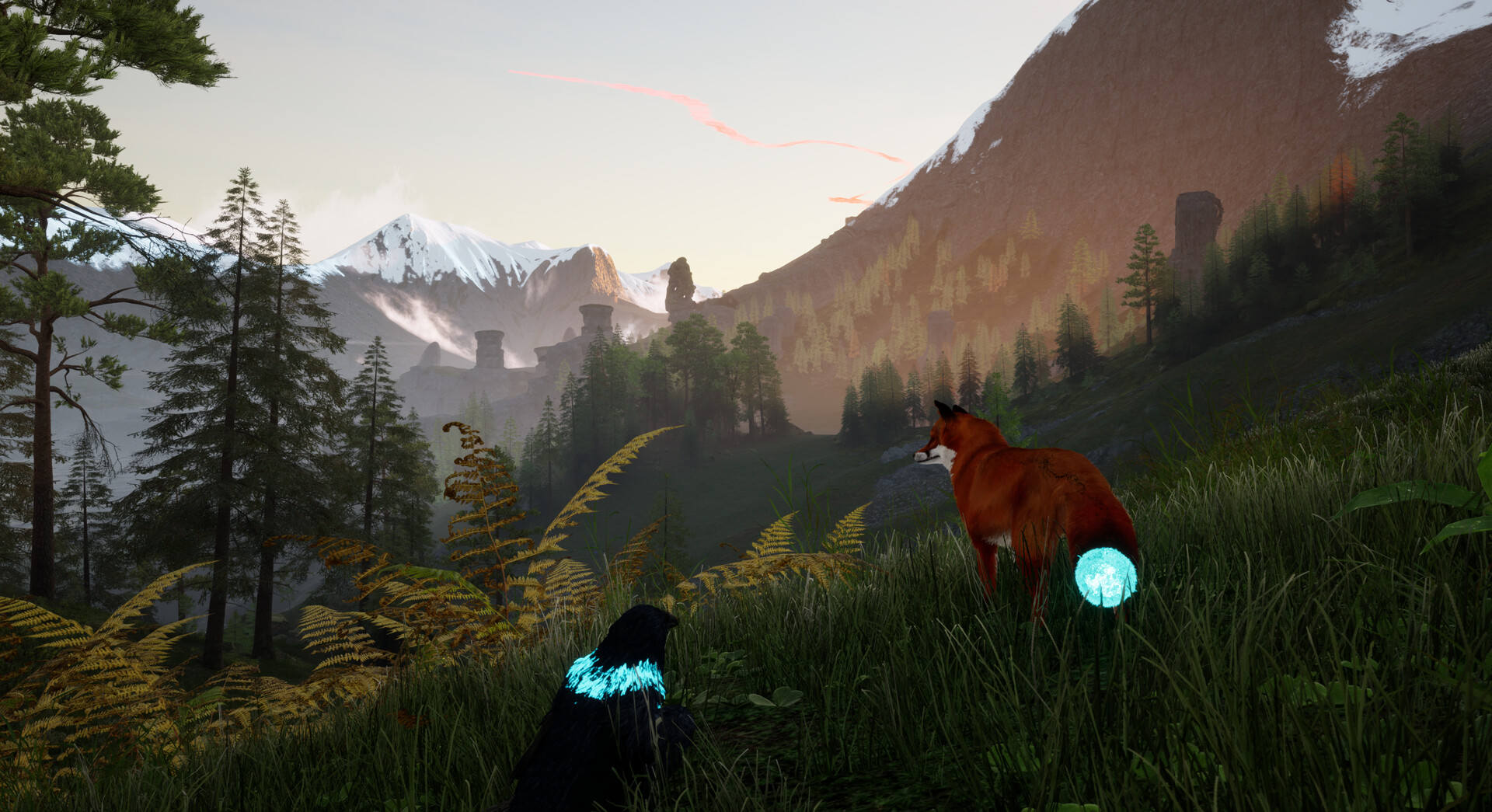
Pressure is the variety. A door that opens because you understood a room is a better reward than a new silhouette if the silhouette is just another way to lose a life. Hunting wisps is good practice and a grocery run. Temples, crypts, the usual northern hospitality. Sparks happen. The store page is not shy about it. What the store page cannot tell you is how quickly you will start treating a successful shrine as a mood stabilizer. You eat light. You drink light. You put the fox down and look at a guardian like a person who has decided civilization is a blessing.
The encounters are the reason the sequel exists. Official features list formidable foes and thrilling, puzzle-based meetings with legendary guardian beasts. A white raven teaches you that wind can be a floor. A stag, a ram, a wolf, a bear, each one a temple that would rather be a riddle than a health bar. You do not punch a myth until it falls over. You learn the room. You cleanse a corruption that has a shape. Blessings follow: weather you can finally walk through, a spirit bloom that lasts, a palace that was a rumor until a bear decided you were polite enough. Grimnir waits at the end of that courtesy like a person who has already read your scrolls.
The world has history if you will walk toward it. Official features list dense forests, snow-capped peaks, and dark ancient crypts. Scrolls tell the tribes what a narrator would have charged more for. Grimnir was a teacher. Grimnir became a weather. The fox tribe left. The rest stayed long enough to leave a note. I like a map that prices lore as a hazard and then lets you read it anyway. Some rooms are handsome. Some rooms are a commute. Both rooms are the job.
Thirty-six achievements sit behind the loop for people who like a receipt. Names like Tragedy Strikes, Fetch, Secret Market, and Map Maker tell you the shop has a sense of humor and is not ashamed of it. Fantastic Fox waits on a skill tree that has already hired you. None of them change the central truth. You are here to wake a land and then find out what the land is for.
Open World by Ambition, Empty by Habit
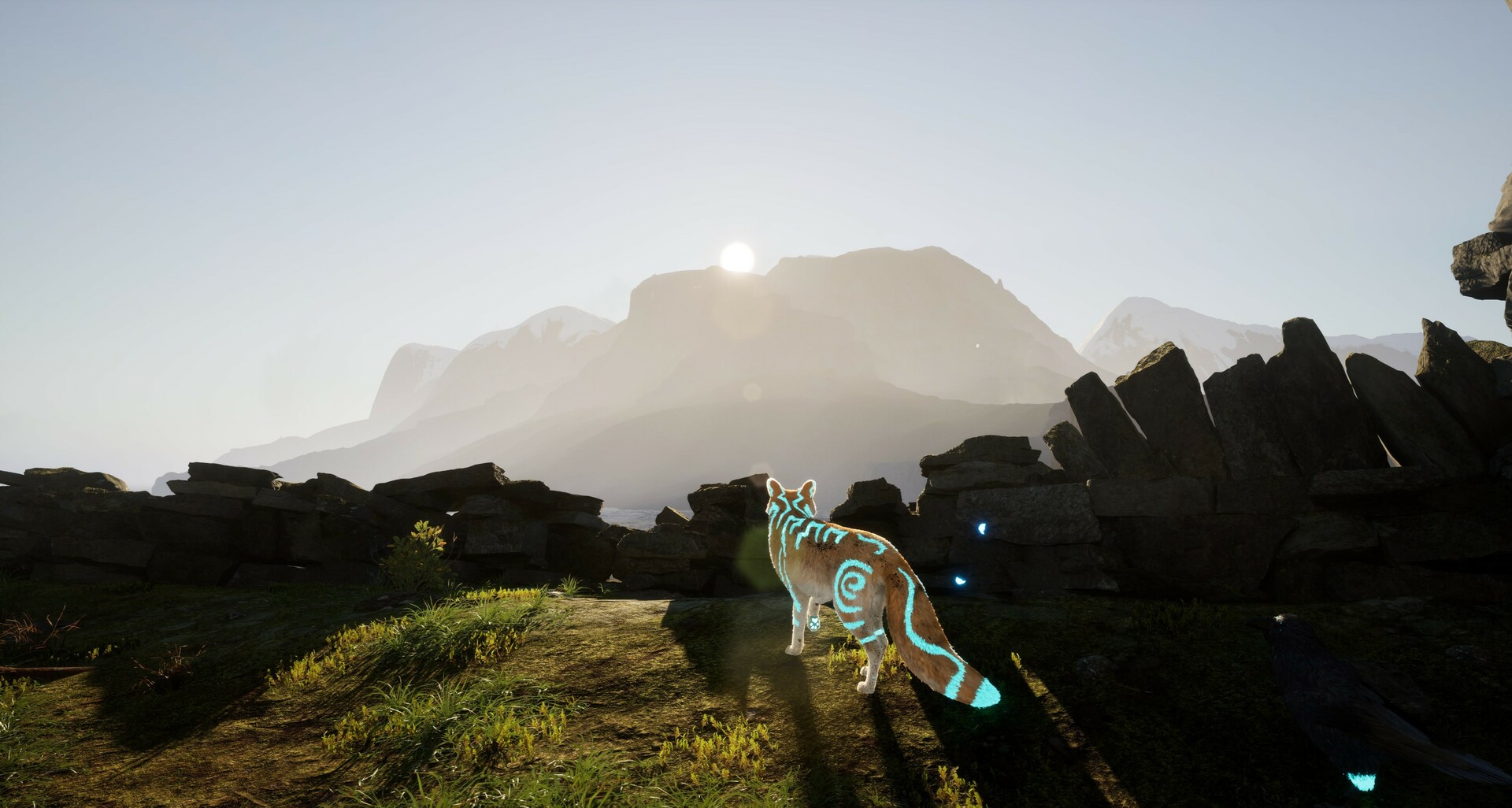
I should be clear about the friction, because it is real and it is not a footnote you hide after the score. Spirit of the North 2 looks like a game that was built by a small shop that wanted a pilgrimage more than a showcase, then discovered the pilgrimage was a whole map. Landscapes can be handsome. Animations can be stubborn. A jump can arrive a half-second late to its own landing. Performance can sulk when a biome decides to remember it is Unreal. I will not invent a frame census. I will say the north sometimes forgets to stock the smoothness you need and then shrugs like weather.
The original Spirit of the North was a corridor that knew when to stop talking. The sequel is a horizon that does not always know when to furnish the walk. Between temples the grass can go on like a person who has forgotten the next sentence. Pins on the map are not always a reason. A shrine that sells you a rumor can sell you a commute. That emptiness is the tax on an ambition that took a linear fox and asked it to be a cartographer. If you want a polished density, you should wait for a patch that invents more excuses to stop. If you want a place that is already a place when the light hits a peak the right way, you are the audience.
Technical manners at launch had the candor of a shop that had already lost the argument with a finished date. Bosses could forget to be bosses. Audio could take a walk. Lighting could decide a cave was a theology problem. Environments could refuse to arrive. None of that is unique to this snow. All of that is the tax on a May 2025 sequel that was still hiring into the summer, then into a Lost Melodies update, then into a Turtle Island that wanted to be a home. Later work put a Deck stamp on a build that used to sulk, and a rendering pass that treated frames like a promise. The fox is better dressed now than it was on the first morning. The empty stretches are still empty stretches.
Presentation is readable, which matters more than prestige. You can tell a forest from a peak from a crypt at a glance. If you cannot read a biome, the hunt dies and the glide becomes homework. These spaces are atmospheric enough to carry a hush and clear enough to carry a plan. You always know where you are. You do not always know why a shrine is already there.
English is the Steam language with French, Italian, German, Spanish, Japanese, Korean, Russian, and Portuguese riding along, which is how a wider audience gets in the door. Full controller support is on the sheet. I will not turn this into a localization seminar. The voice of the game is the north, and the north talks in wind, light, and the occasional raven cough.
Better With a Wander Than With a Checklist
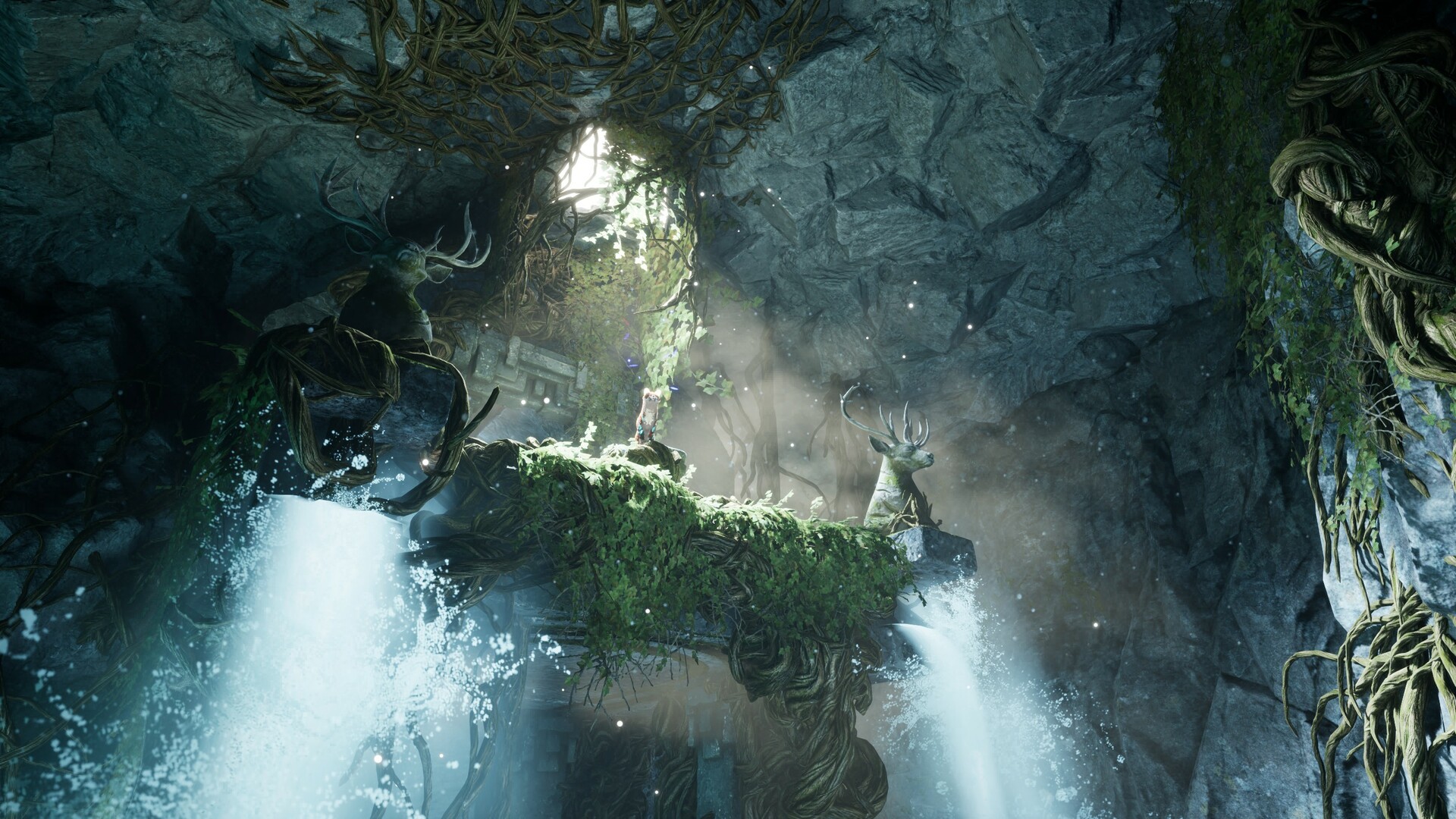
I have a rule for mid-priced sequels. If a game is worse with a wander than with a checklist, it is broken. If it is only good with a wander, it is honest. Spirit of the North 2 is honest, and that honesty should sit next to the price.
A checklist night is a competent weekend. You punch the pin, you invent the shrine, you miss a ledge, you walk back, you put a better rune on the joke. A wander night is the version the systems were quietly designed around. Someone farms light. Someone glides. Someone learns, too late, that a guardian does not respect a hurry. The land becomes a shared instrument you play with a bird instead of a commute.
The Steam sample around a game this quiet is always going to look like weather. Very Positive is the official report, 85 percent of 624 English voices, and that split is fair. Players who wanted a denser walk, a prettier frame rate, or a platforming language that never hides the clunk bounce off. Players who wanted a third-person adventure with a fox and a bad idea about silence stay. I am in the second camp with caveats, which is the only honest place to stand.
Compared with the giants of the deserted-world business, Spirit of the North 2 is not trying to be a career you finish this week. It is trying to be a place you keep returning to. The developer said the quiet part on the store page. Explore unique biomes. Cleanse corrupted guardians. Expand on the beauty and lore of a fox that already had a home. That is not a cop-out if the place is worth the walk. Some nights it is. Some nights the glide is a myth and the doorway is a theology problem. Both nights are Spirit of the North 2.
Still Standing After the Snow
Spirit of the North 2 is a rare mid-priced sequel that understands its own joke and then has the nerve to make the joke a map. Infuse Studio and Silver Lining Interactive built a north about silence, a raven about teamwork you do with a bird, and a toybox that looks a little handmade and plays a lot more sincerely than that sentence suggests. The loop is the hook. The runes are the spine. The walk from a sanctuary to a blessing is the grin.
It is better with a wander than with a checklist. The late rooms can clunk in the way an ambitious open world is clunky. Performance can sulk. The presentation has indie fingerprints, from the stubborn animations to the story that would rather be a scroll than a cutscene. All of that is true, and all of that is already priced in at $29.99 on a finished launch that has been patched, deepened, and left open after the first snow. You are not buying a decade. You are buying a season that can turn into a second season if you like being a coordinated fox, or being the person who has to explain the fox to a raccoon.
I am scoring it 8.5, Great, because the identity is this clear and the limitations are the limitations of a focused pilgrimage, not an empty one. I would recommend it to anyone who likes a walk that has weight and a map that is allowed to be rude. Distinctive northern weather, a raven that shrinks the horizon, a guardian that turns a puzzle into a conversation, and a price that respects a long week are a lot of game for the ask. The systems repeat their manners. The manners are still useful.
The north is still out there, still hiring a morning shift, still asking what home was. After a few blessings, you will understand why the job is not finished, and why you keep waking up in the snow anyway.
We prepared this review with a digital copy of Spirit of the North 2 for the PS5 version provided by Pressengine.