There is a particular kind of hunt, rare in a genre that usually hands you a skill tree and a town that never learns your name, in arriving at the last bastion of humanity and discovering the city will level if you keep showing up. The dragon blood is still dragon blood. The honeycomb is still a honeycomb. The first thing that crawls out of the earth is not a metaphor. Dragonkin: The Banished, the isometric action RPG from Eko Software, is built on that hunt, and the hunt is ruder, puzzle-shaped, and more useful than a twenty-five-dollar horde has any right to be.
I played the PlayStation 5 version, the 19 March 2026 launch that Nacon walked onto living-room hardware after a Steam Early Access that began on 6 March 2025 and a 1.0 that landed on 16 March 2026 at $24.99. The console ask is $39.99. You pick a face, you slot a fragment, you put a wyrmling on a skill, and you learn the world has already hired a night shift of things with too many scales. Four heroes at launch, the Knight, the Barbarian, the Oracle, and the Archer. A city named Montescail that grows when you do. Forty-four Steam achievements sit in the background. The Steam sample is Mostly Positive, 1976 positive of 2672, which is the honest weather report and not a dare. Great, not glossy, and very much a weekend I would recommend you spend if you like an action RPG that remembers it is also a puzzle box.
Dragon Blood, Then the Hunt
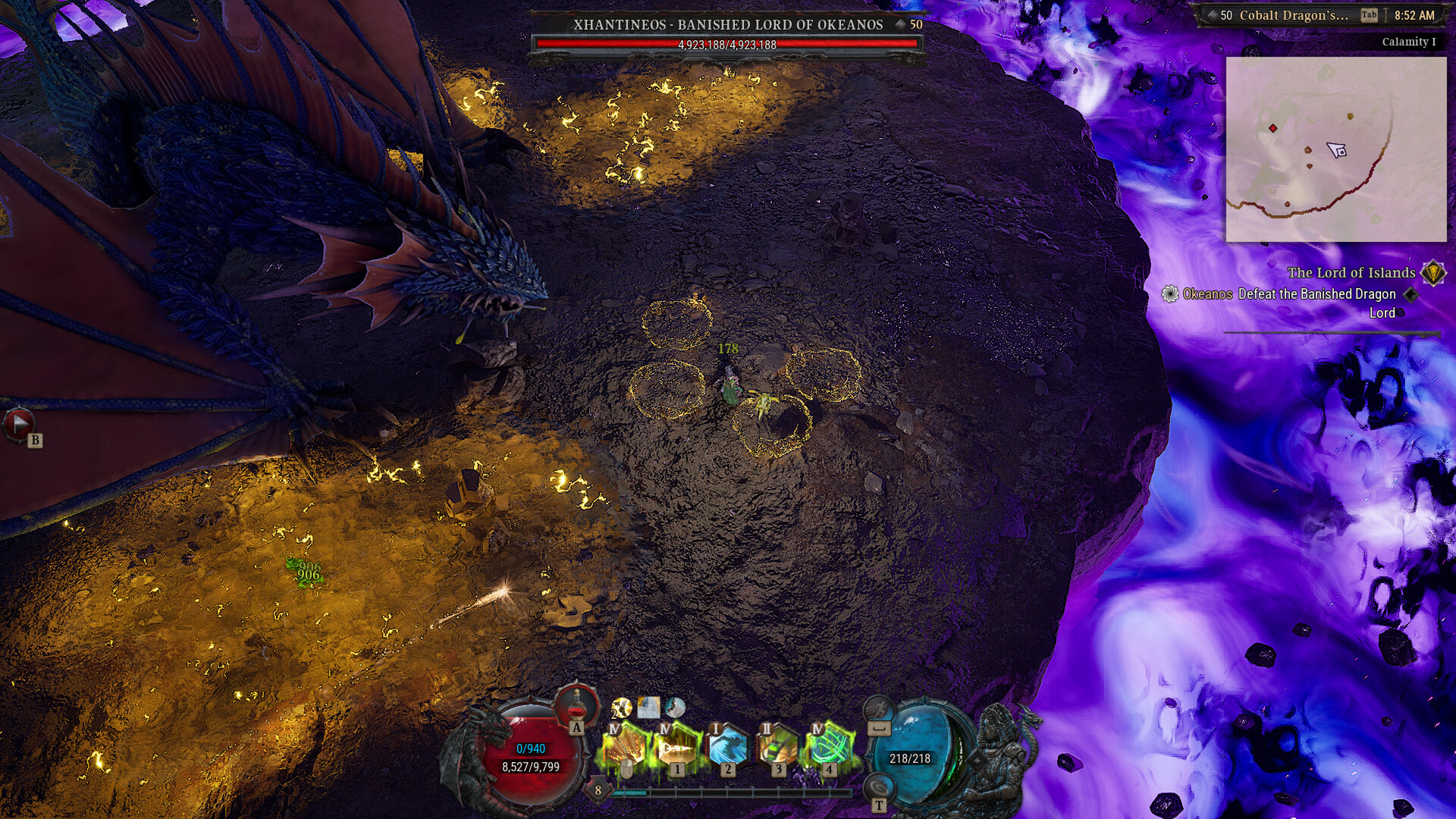
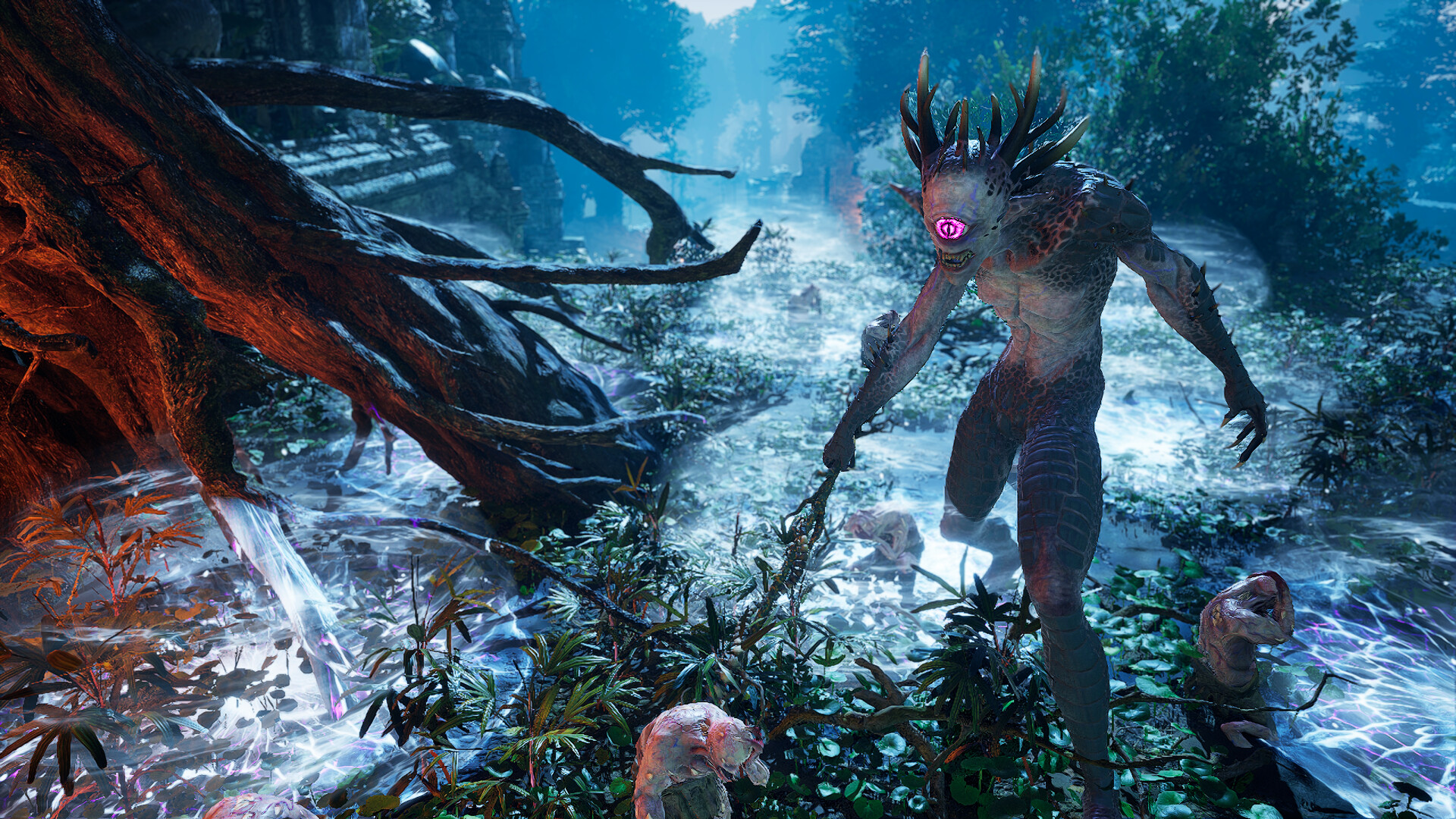
Most action RPGs begin with a prophecy. Dragonkin: The Banished begins with a job. Official copy says the draconic threat is once again upon us, that legendary heroes rise to face the legions from the depths, and that your singular mission is to hunt down and annihilate the dragon creatures. That is not flavor text. It is the design refusing to pay for a chosen-one speech when a hunt will do. Each battle is supposed to bring you closer to the Dragon Lords. The world is corrupted by dragon blood. Evil things emerge from the bowels of the earth. You are the person who walks toward that sentence.
I like a premise that prices competence as a rumor and then lets you earn it back one fragment at a time. Story is environmental and stingy, which is the right instinct for a game that wants your hands more than your diary. You are not reading a novel. You are looting a disaster that is still happening, and the disaster has a city that would like a smithy. The more you hunt, the more Montescail answers with another service and another resident who would like to stay. Exposition can arrive in a pile, especially early, with the grammar of a person who has been awake too long. I will not invent a lore census. I will say the world talks in hordes, in loot, and in a city that remembers you spent the afternoon being useful.
The fantasy is not mastery of a lore bible. The fantasy is still being the person who can walk through a wave after the mission has already decided the dragons own the map. You will die in ways that would be funny if the fragment drop were not so sincere. You walk back to Montescail. You become the kind of person who thinks a honeycomb slot is a personality.
The hunt is the joke and the spine. Survive a clearing and a Lord is still somewhere inland. Survive a Lord and the endgame still has Great Hunts and Tainted Planes, which is the most honest sequel sentence an action RPG has written in a while. You did not win the world. You won a receipt. The next run starts poorer and then, if you spent the city experience, a little less poor.
Four Faces Ready to Hunt
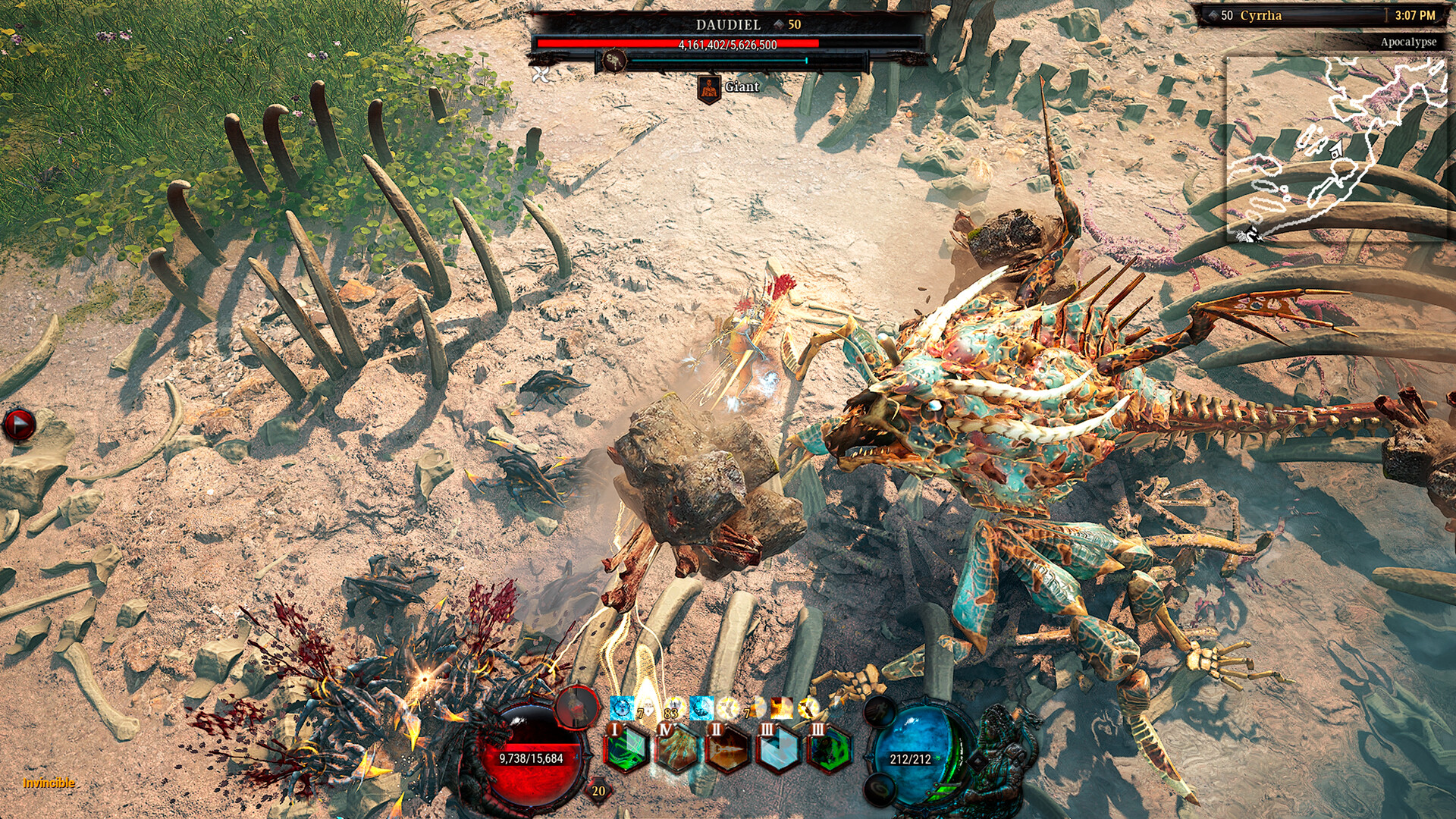
The loop is the old religion of isometric violence and Eko Software does not pretend otherwise, then it straps a honeycomb to the religion and asks the religion to think. You swing. The horde does the talking. Loot drops. A fragment offers a new toy or a better version of an old one. Between hunts the city takes your experience and pretends to be a career. None of that is a revolution. All of that is the sentence the rest of the toybox has to live in.
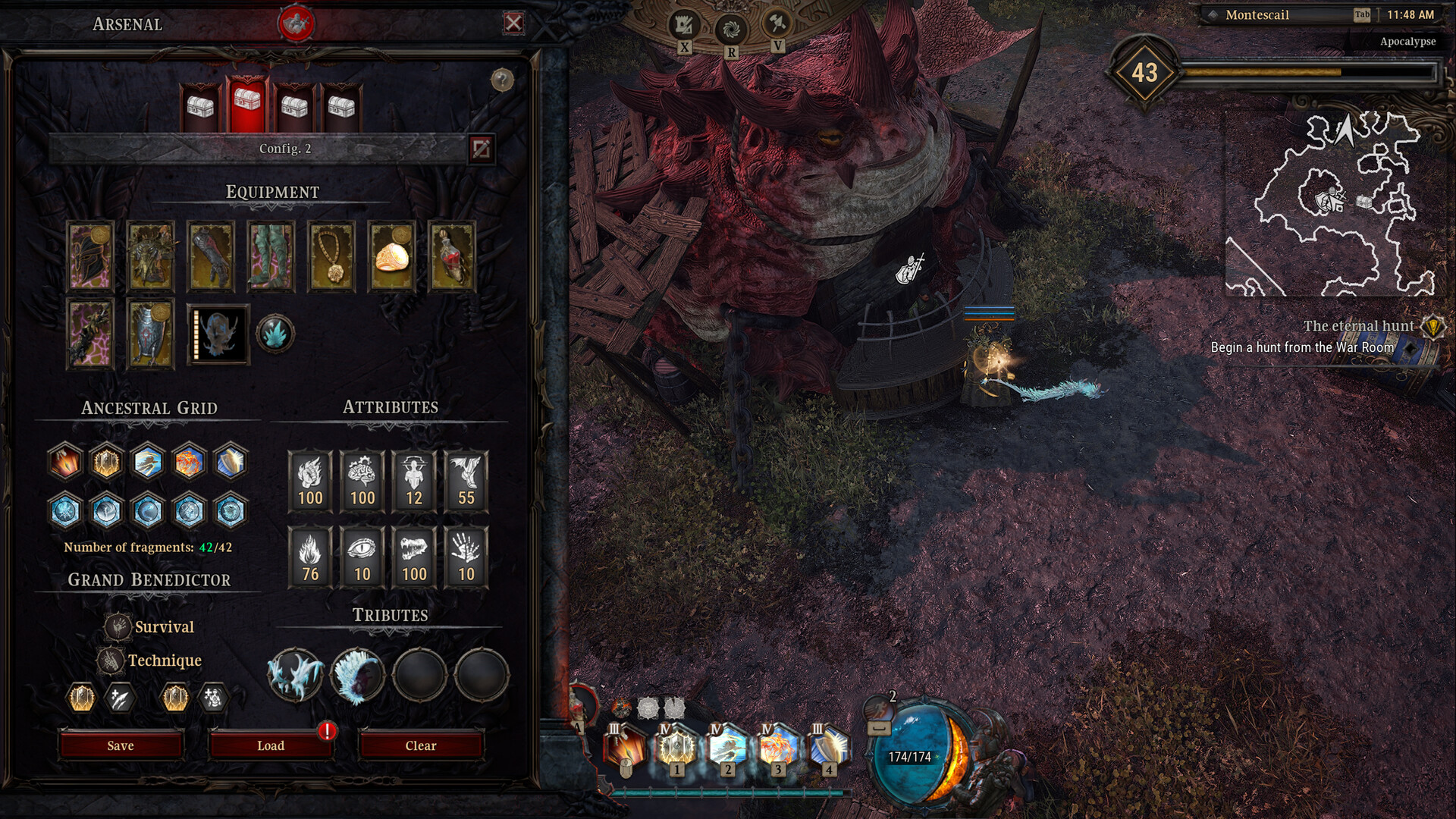
Four faces at launch is a short sentence and a real one. Official copy splits them the way a good kit splits them. Knight and Barbarian for close combat. Oracle and Archer from a distance. Each hero has developed their own abilities and fighting techniques for facing the dragons. As you progress, your character, gear, wyrmling, and Ancestral Grid evolve. That last clause is the one that matters. Switching heroes is not a costume change. Each face has its own grid, its own companion, and its own idea about personal space.
I have played a lot of games that treat the first character as a tutorial and the tenth as a spreadsheet. Dragonkin: The Banished is lighter than that on purpose. If you want a roster that could unionize, you will feel underemployed. If you want a weekend that turns a swing into a loadout, you will feel hired. The differentiation is real enough that I swapped and stayed swapped. The Knight is logistics with a shield. The Barbarian is a thesis about standing too close. The Oracle and the Archer are the people who looked at a dragon and said distance is a personality.
Presentation is readable, which matters more than prestige. You can tell a mountain approach from a later plane at a glance. If you cannot read a biome, the hunt dies and the run becomes homework. These spaces are atmospheric enough to carry a scare and clear enough to carry a plan. You always know where you are. You do not always know why a Dragon Lord is already there.
The Ancestral Grid Is a Puzzle With Teeth
Combat is the temperature change. Early dragonkin establish that this is not a walking tour with nicer lighting. They will fill a lane farther than pride would recommend. A basic swing handles the general population. The thing that arrives when the clock gets rude will empty a health bar if you treat it like scenery. Official copy promises a brand new mechanism for transforming your character into a legendary fighter with unique powers. That sentence is both a promise and a warning.
The Ancestral Grid is the closest this game comes to a power fantasy, and I like it more than a new cutscene. Skills drop as loot. You place them on a honeycomb. You slot modifiers around them the way a person slots a thought next to a better thought. Shapes matter. Sizes matter. Rotation is a sentence no designer writes for fun and then it becomes the whole evening. Small one-segment pieces can dress a weapon in poison or fire. Larger pieces take more of the board and ask you to decide whether you are a person with five tools or a person with one tool that has learned to shout.
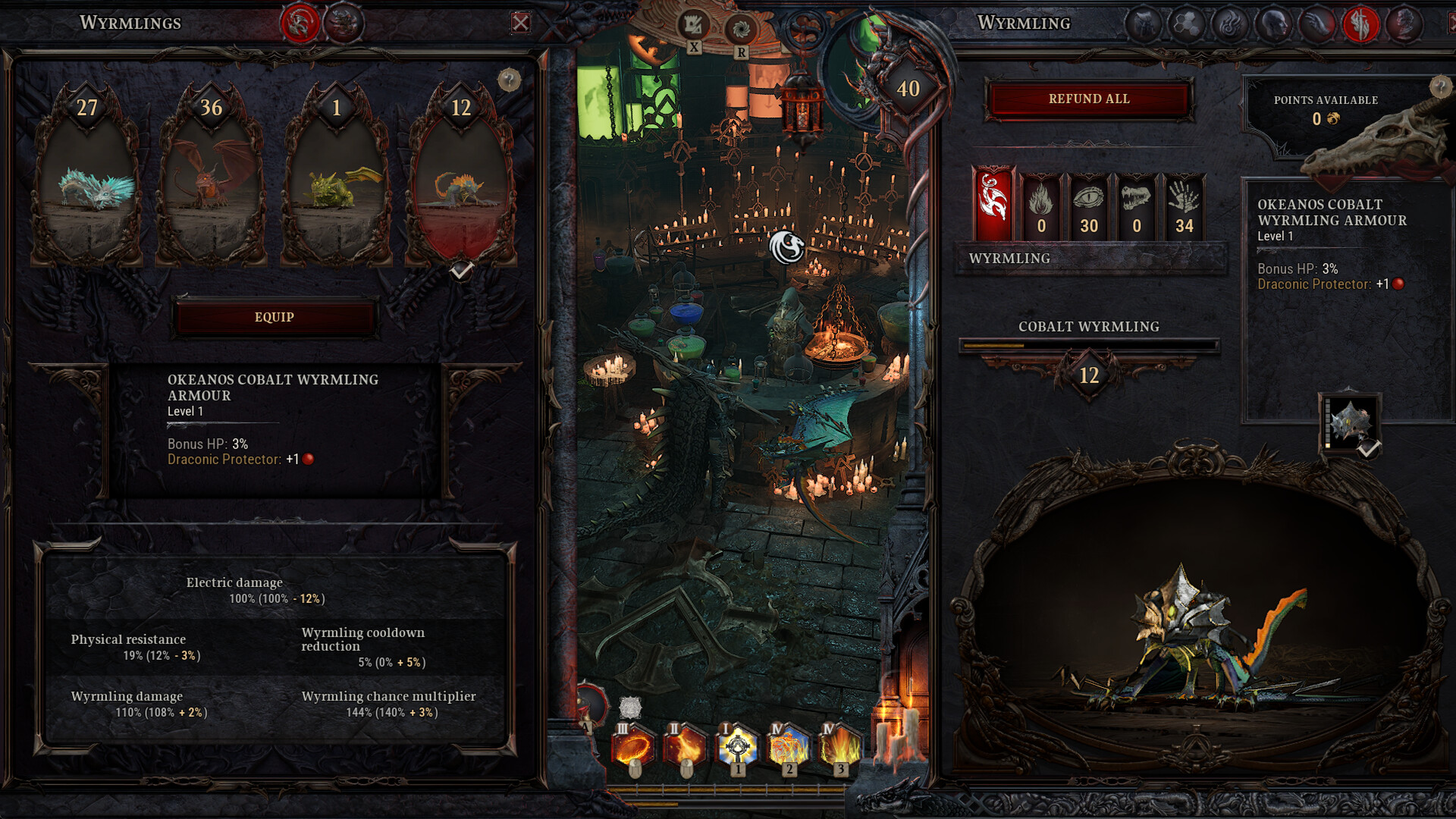
I will not invent a highlight reel with fake timestamps and tidy kill counts. The nights that stay with you are the ones where you thought the grid was finished, then a support fragment and a wyrmling piece lit up at the same time, and then you were on the wrong side of your own greed. A wyrmling comes in fire, toxic, electric, or cold. Slot its fragment next to an active skill and the pet fires when you do. That is not a mascot. That is an extra hand that learned your cooldown. Effective Power is the mood stabilizer. Spread it across five skills and you are a competent commute. Dump it into one or two and you are a person who has made a bad decision on purpose, which is sometimes the right decision.
Symbiosis is the store page’s quiet dare. Connect the right pieces and a skill stops being a hobby. I chased that more often than pride would recommend. Pride is not a build.
Montescail Levels When You Do
The city is the other vehicle. Official features nest it in the heart of the mountains, sheltered from dragons, the last bastion of humanity. This city grows and evolves according to your decisions and discoveries. As you progress, you can choose priorities for its development. Upgrade buildings, welcome new residents, discover additional equipment and services. That is not a loading screen with extra steps. That is a second progression track that would like you to stop treating town as a mailbox.
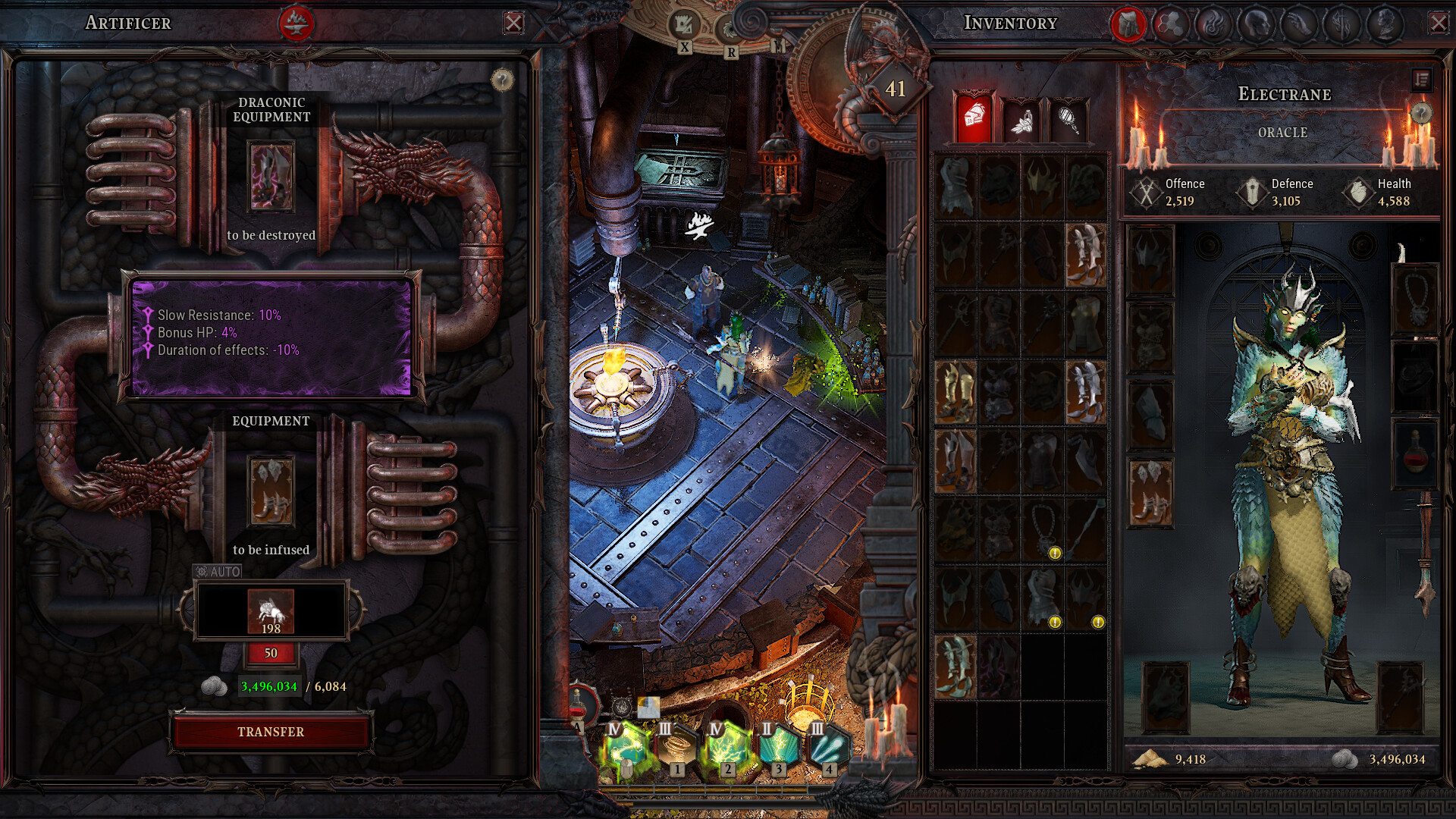
That shift is logistics wearing a trigger. You hunt, you stash a thought about the next fragment, you walk back like a person who has mail. The map does not get smaller because the developers deleted land. It gets smaller because you invented a route and a smithy. City experience hides in the work you already wanted to do. A smithy that transfers stats between items is a polite way of saying the game would like you to stop ignoring the mid-size problems. A library that pays you for knowing an enemy type is a joke that becomes a commute. An alchemist that dresses a potion is the other half of that sentence.
An environmental hazard is not a metaphor until you stand in it. Terrain can be a friend if you herd. Terrain can be a rumor if you panic. I will not turn this into a cartography seminar. The voice of the game is the horde, and the horde talks in fragments, city experience, and the occasional thing that should not have that many joints.
English is one of a pile of interface languages, which is how a wider audience gets in the door. I will not turn this into a localization seminar either. Forty-four achievements sit behind the loop for people who like a receipt. Elite Hunter. Welcome to the Squad. The End of Whispers. Pride and its Cost. None of them change the central truth. You are here to finish a hunt that has already decided the dragons are evidence.
Wyrmlings, Co-op, and a Map That Shrinks
I have a rule for mid-priced action RPGs. If a game is worse with friends than with a checklist, it is broken. If it is only good with friends, it is honest. Dragonkin: The Banished is honest, and that honesty should sit next to the price.
A solo night is a competent weekend. You swing, you invent the grid, you lose a fragment, you walk back, you put a better slot on the joke. A crew night is the version the systems were quietly designed around. Official copy promises online co-op for up to four players, from your arrival in Montescail through the endgame activities. Local co-op for two is the living-room half of that sentence. Offline solo is allowed, which is a kindness for people who looked at a live-service rumor and said no. New characters still add themselves to the city. Someone at Eko looked at a shared hub and said the real threat should have a username only if you invite it.
The Steam sample around a game this focused is always going to look like weather. Mostly Positive is the official report, 1976 of 2672 on the side of yes, and that split is fair. Players who wanted a deeper roster, a prettier fight, or a campaign that is a novel bounce off. Players who wanted a lightweight horde with a honeycomb and a bad idea about baby dragons stay. I am in the second camp with caveats, which is the only honest place to stand.
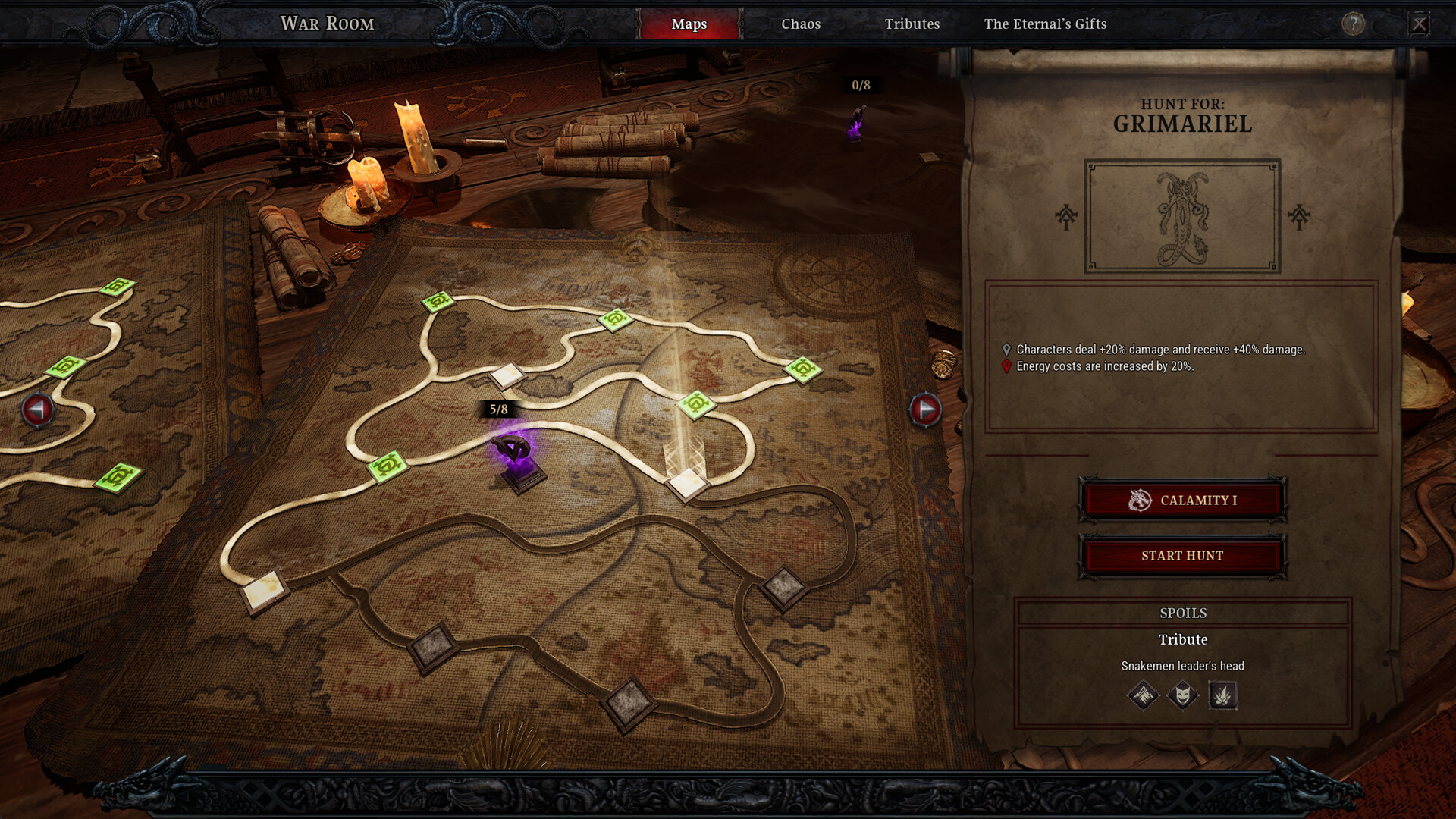
Compared with the giants of the isometric business, Dragonkin: The Banished is not trying to be a career. It is trying to be a hunt. The developer wrote the quiet part on the store page. Tame your wyrmlings, create unique power builds with the Ancestral Grid, expand your city, destroy the Dragons. That is not a cop-out if the place is worth the walk. Some nights it is. Some nights the doorway is a theology problem and the grid is a rumor because you would not rotate a piece. Both nights are Dragonkin.
Lightweight by Design, Repetitive by Habit
I should be clear about the friction, because it is real and it is not a footnote you hide after the score. Four characters is a defensible starting point and a heavy bet. If the Knight and the Barbarian do not land, the Oracle and the Archer are the recovery, and if those miss you are a person with a honeycomb and a very sincere horde. More faces are the obvious sequel sentence. Until they arrive, the toybox is a kit, not a catalogue.
I should be clearer about the loop, because an isometric hunt at this price is a contract. The first hours can feel underpowered in the way a genre tax feels underpowered. The city is the recovery. City experience turns a swing into a commute. If you bounce before that commute, the game will look thinner than it is. If you stay, the screen fills the way the genre promised, and the promise is loud. Endgame hunts repeat their manners. That repetition is the genre’s oldest joke and still a good one if the grid keeps its appointments.
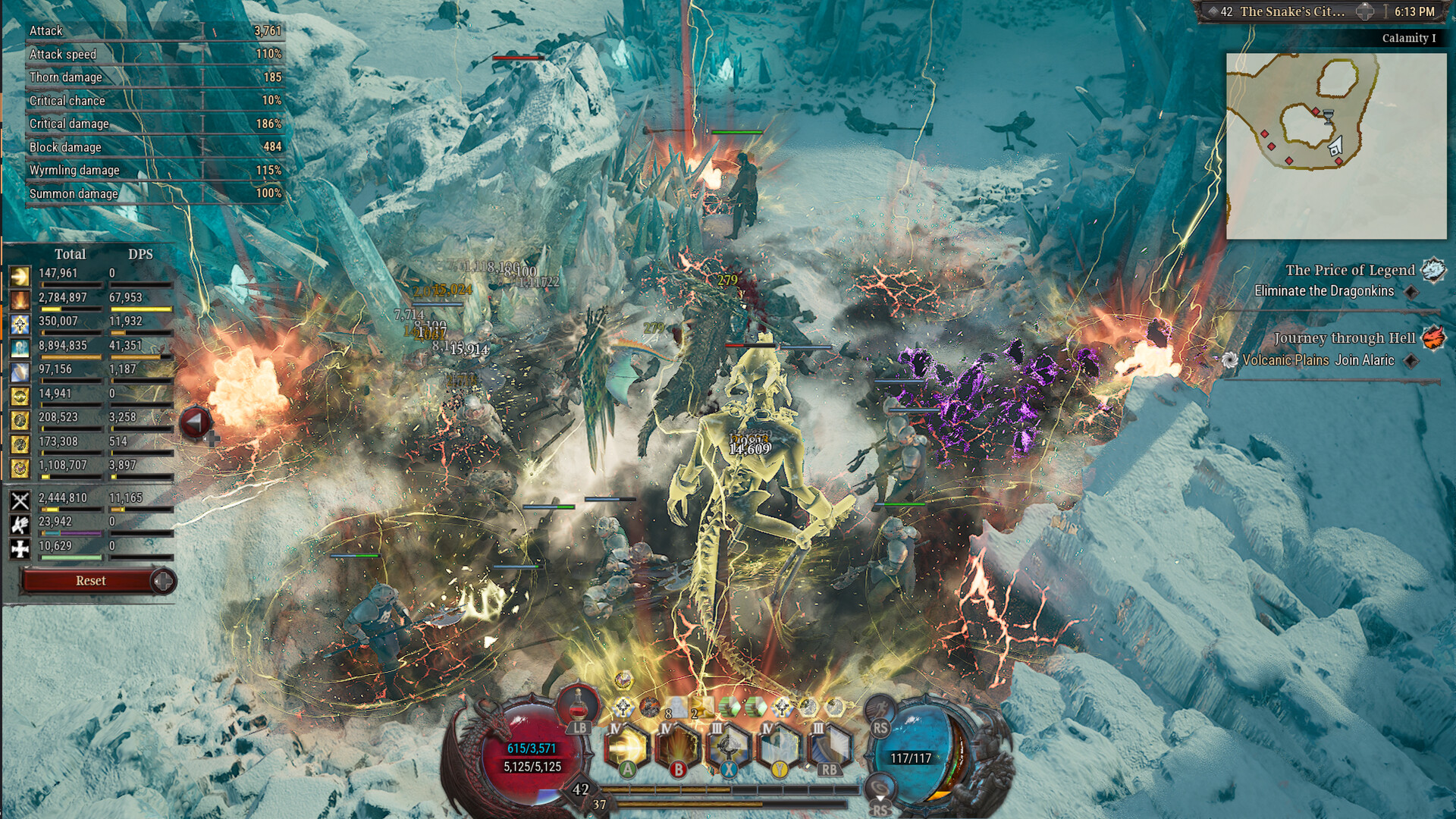
Technical manners on a living-room build can stutter when the horde decides to remember itself. Enemies can get philosophical in a doorway. Autosaves have a way of announcing themselves. None of that is unique to this mountain. All of that is the tax on a hack and slash that wanted a honeycomb more than a showcase. Landscapes can be handsome in a dark-fantasy way, which is a polite way of saying the image is allowed to be ugly if the ugly is the point. Combat can lean on one skill once you have found the skill that likes you. Wild Whirlwind, or whatever fragment you married, can carry an evening farther than pride would recommend.
I will not invent a mud census. I will say the world sometimes forgets to stock the fragment you need and then shrugs like weather. When the grid and the city shake hands, the hunt is better than the price. When they miss, you are a person with a wyrmling and a very sincere clearing. The swing can feel like two people agreeing to take turns being disappointed. That clunk is real. It is also priced into a lightweight combat loop that would rather you hunt, retreat, and come back dressed. Distance helps. A better slot helps more.
Still Standing After the Lords
Dragonkin: The Banished is a rare mid-priced action RPG that understands its own joke and then has the nerve to make the joke a honeycomb. Eko Software built a hunt about dragon blood, a city about teamwork, and a toybox that looks a little homemade and plays a lot more sincerely than that sentence suggests. The loop is the hook. The Ancestral Grid is the spine. The walk from a basic swing to a Lord is the grin.
It is better as a hunt than as a novel. Four faces is a short sentence. Montescail is a focused one. The presentation has indie fingerprints, from the stubborn early exposition to the story that would rather be a fragment than a cutscene. All of that is true, and all of that is already priced in at $24.99 on Steam and $39.99 on PlayStation. You are not buying a decade. You are buying a weekend that can turn into several weekends if the grid keeps its appointments, or being the person who has to explain the appointment to a wyrmling.
I am scoring it 8, Great, because the identity is this clear and the limitations are the limitations of a focused horde, not an empty one. I would recommend it to anyone who likes a puzzle that has weight and a map that is allowed to be rude. Distinctive honeycomb weather, a city that shrinks a commute, characters that know they are hunts, and a price that respects your week are a lot of game for the ask. The systems repeat their manners. The manners are still useful.
The world is still out there, still hiring a night shift, still asking how long you can stay. After a few Lords, you will understand why the job is not finished, and why you keep walking back to Montescail anyway.
We prepared this review with a digital copy of the Dragonkin: The Banished for the PS5 version provided by Pressengine.