There is a particular kind of arrival, rare in a genre that usually hands you a sword and a tragic king, in walking into a village whose people have left only the hearths and then being asked to interview the smoke. The fire is still fire. The season is still a season. The first bird is not a metaphor. The End of the Sun, the first-person Slavic mystery from The End of the Sun Forge, is built on that interview, and the interview is warmer, stranger, and more useful than a twenty-five-dollar twilight has any right to be.
I played the PlayStation 5 version, the 21 April 2026 launch that IMGN.PRO walked onto living-room hardware after a Steam 1.0 that landed on 29 January 2025 at $24.99. The console ask is the same $24.99. You are the Ashter, a Slavic fire mage and tracker of mythical beings. Following a legendary creature, you reach a village caught in a time rift. Bond with bonfires. Travel through seasons. Shape a family’s fate. Forty achievements sit in the background, forty-one trophies if you are counting living-room silverware. The Steam sample is Very Positive, 303 positive of 312, which is the honest weather report and not a dare. Great, not glossy, and very much an evening I would recommend you spend if you like a mystery that knows a hearth is the other character.
The Ashter Arrives After the Hearths
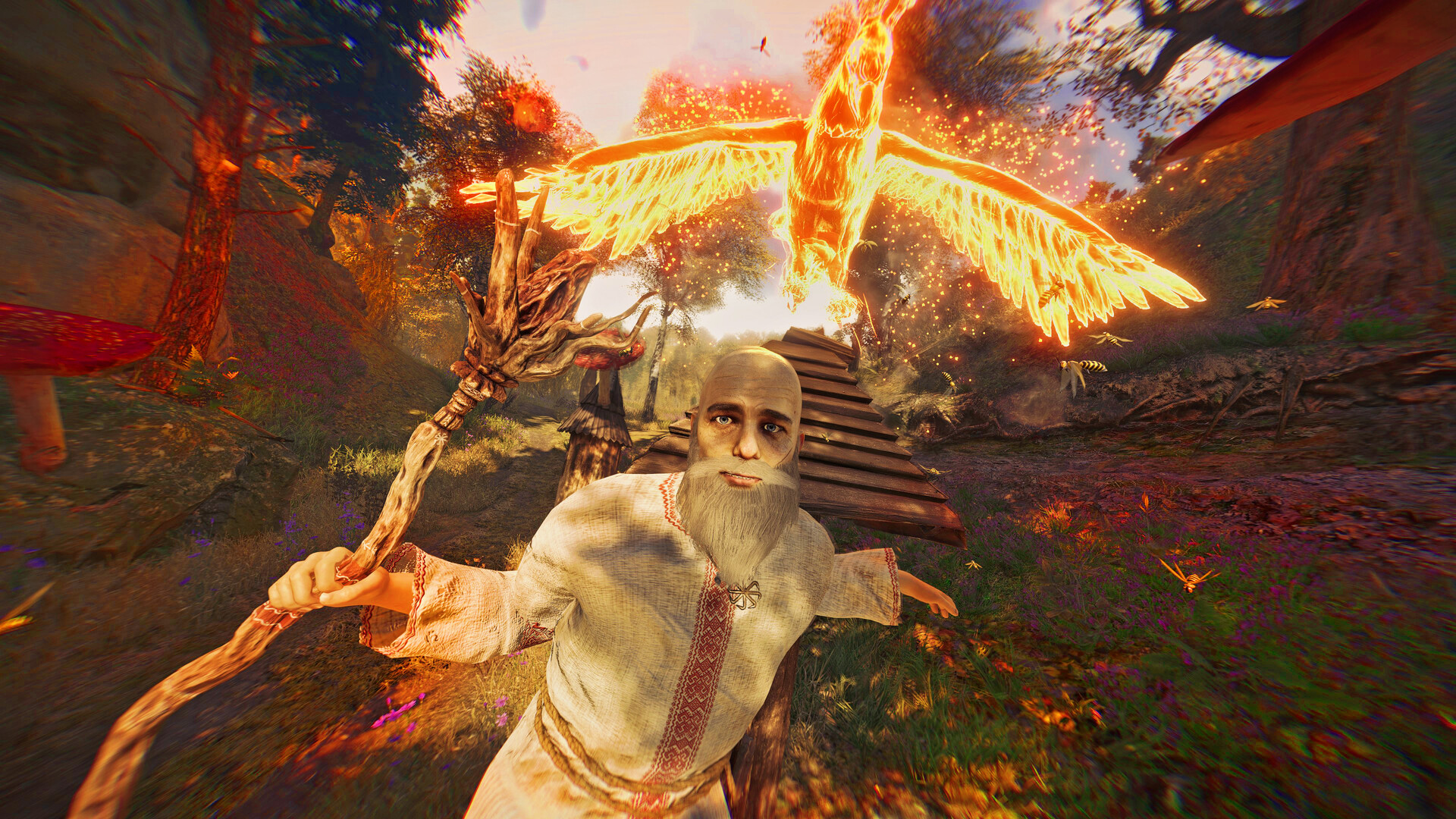
Most fantasy adventures begin with a chosen one. The End of the Sun begins with a job. Official copy says you are the Ashter, a Slavic fire mage who wields time. You arrive in a village where reality has been distorted, and the villagers have left behind only smoldering hearths. Through your ability to bond with fire, you see what is hidden from others, traces, mythical beings, and spirits of past events. Will you be able to harness your powers to stop the ancient powers and change the inhabitants’ fate.
That is not flavor text. It is the design refusing to pay for a raid when a ritual will do. The target is a Rarog, a fiery demon bird with a worse sense of timing than a festival. Its presence has fractured the village. Hearths smolder. People are gone, or they are present in the wrong year. You are not touring a generic folklore pack. You are walking a settlement that was scanned from the real world and then asked to haunt itself.
I like a premise that prices curiosity as a hazard and then lets you follow the smoke anyway. Story is environmental and a little stingy with tidy answers, which is the right instinct for a game that wants your hands on a flame more than a diary. You are not reading a novel. You are looting a calendar that is still happening. Every fire of time you ignite is a piece of a larger tale. The store page is proud of that sentence. The levels actually try to keep it.
The fantasy is not mastery of a lore bible. The fantasy is competence arriving about half a season after you invent a bond. You will stall in ways that would be funny if the smoke were not so sincere. You kindle. You come back. You become the kind of person who thinks a bonfire is a personality.
Smoke Trails and a Map That Lies About Where You Are
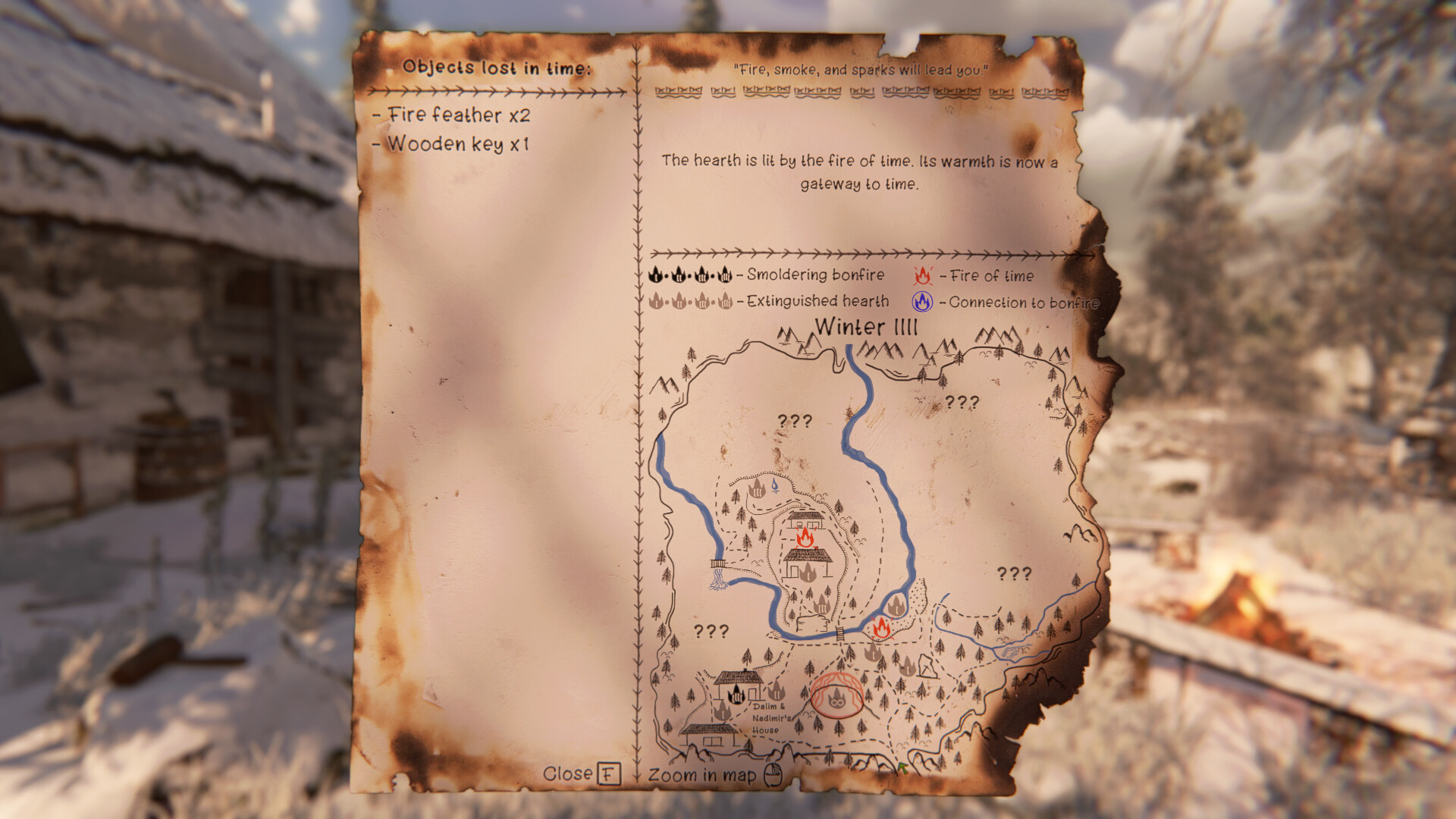
The loop is the old religion of adventure games and The End of the Sun Forge does not pretend otherwise, then it hands you a magical map and asks the religion to get lost on purpose. Official copy says the core gameplay focuses on discovering an open world using that map and forming connections with bonfires. Each bond reveals new traces and events invisible to ordinary people. Fully kindled bonfires become gateways to time travel.
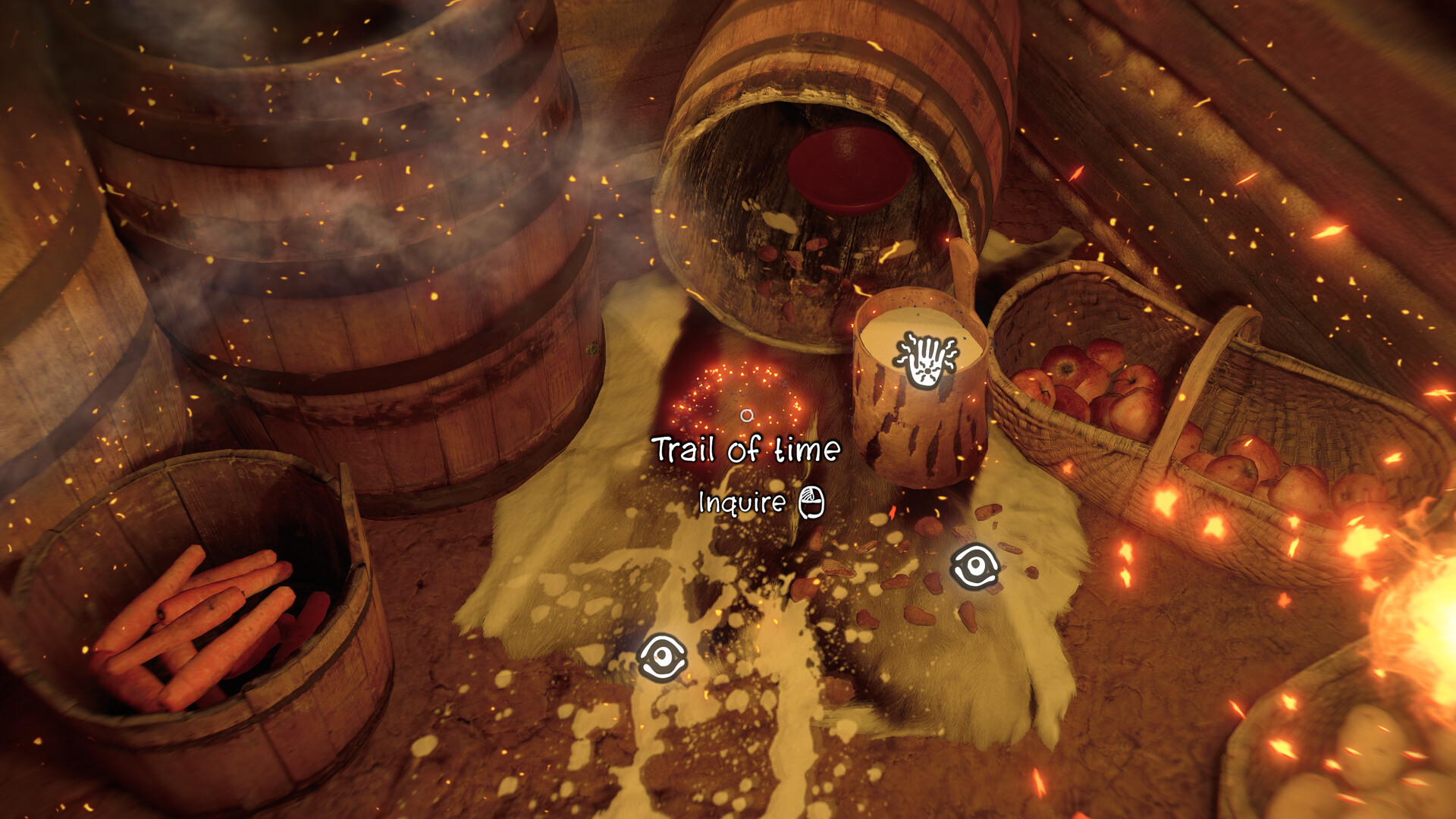
Track is the first verb. Merge with fire and let it guide you. Each hearth is a unique investigation, filled with unusual riddles and serving as a gateway to an ancient Slavic world of magic, creatures, mythology, and forgotten rituals. Smoke trails lead you toward living echoes. Stabilize the traces and the fire burns brighter. Meditate and the fire becomes a door.
The map is useful and a little rude. It will show bonfires and undiscovered land. It will not always mark you like a tourist. You learn rivers, waterfalls, caves, the handful of houses that belong to people whose names you will keep. I have played a lot of games that treat the first hearth as a tutorial and the tenth as a fast-travel menu. The End of the Sun is lighter than that on purpose. If you want a quest log that could unionize, you will feel underemployed. If you want a weekend that turns a spark into a season, you will feel hired.
Presentation is readable, which matters more than prestige. You can tell a spring meadow from a winter lake from a festival clearing at a glance. If you cannot read a biome, the hunt dies and the village becomes homework. These spaces are atmospheric enough to carry a myth and clear enough to carry a plan. You always know you are in the village. You do not always know which year the village is having.
Four Seasons, One Village, a Family Growing Old
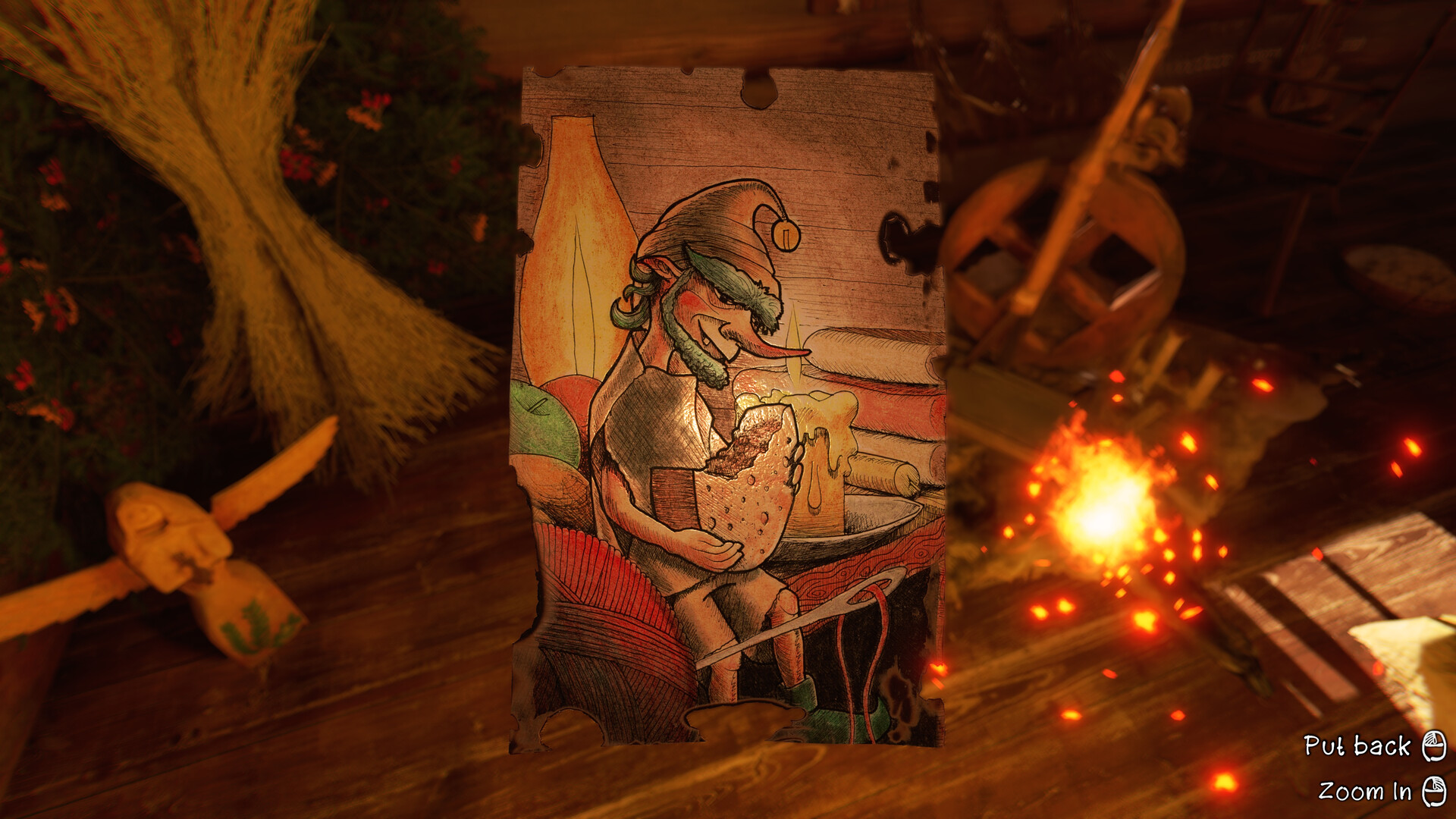
Time is the temperature change. Official copy says travel across four seasons, separated from each other by many years. Witness the lives of the same heroes at different stages, during the greatest Slavic festivals. Time and hearths are intertwined. Your actions affect the world. Make changes and carefully observe the consequences.
The hub is a World Tree with four fires. Spring first, a couple still young. Summer. Autumn. Winter, when the same people have learned to be old. A path blocked by summer overgrowth can be a road in the dead of winter. Help a carpenter in one year and he builds a bridge in another. Plant a seed in spring and push a tree over a gorge when the calendar has earned it. A lake freezes and becomes a crossing. Festivals arrive like weather, Kupala Night and Forefathers’ Eve among them, rituals that the research actually bothered to mean.
That shift is the closest The End of the Sun comes to a power fantasy, and I like it more than a new spell. Mastery, here, is logistics wearing folklore. You gather a trace, you stash a thought about the next season, you walk a village that tried to end last century and land like a person who has mail. The map does not get smaller because the developers deleted land. It gets smaller because you invented a calendar.
I will not invent a highlight reel with fake timestamps and tidy feather counts. The evenings that stay with you are the ones where you thought a hearth was finished, then a life started occupying a rhythm that was not a puzzle, and then you were on the wrong side of your own kindness. Phoenix feathers are the receipt for a solved riddle. Spend them at the place that wants all of them. Only when every bonfire is lit does the last sentence begin.
Rarog, Rituals, and the World Tree
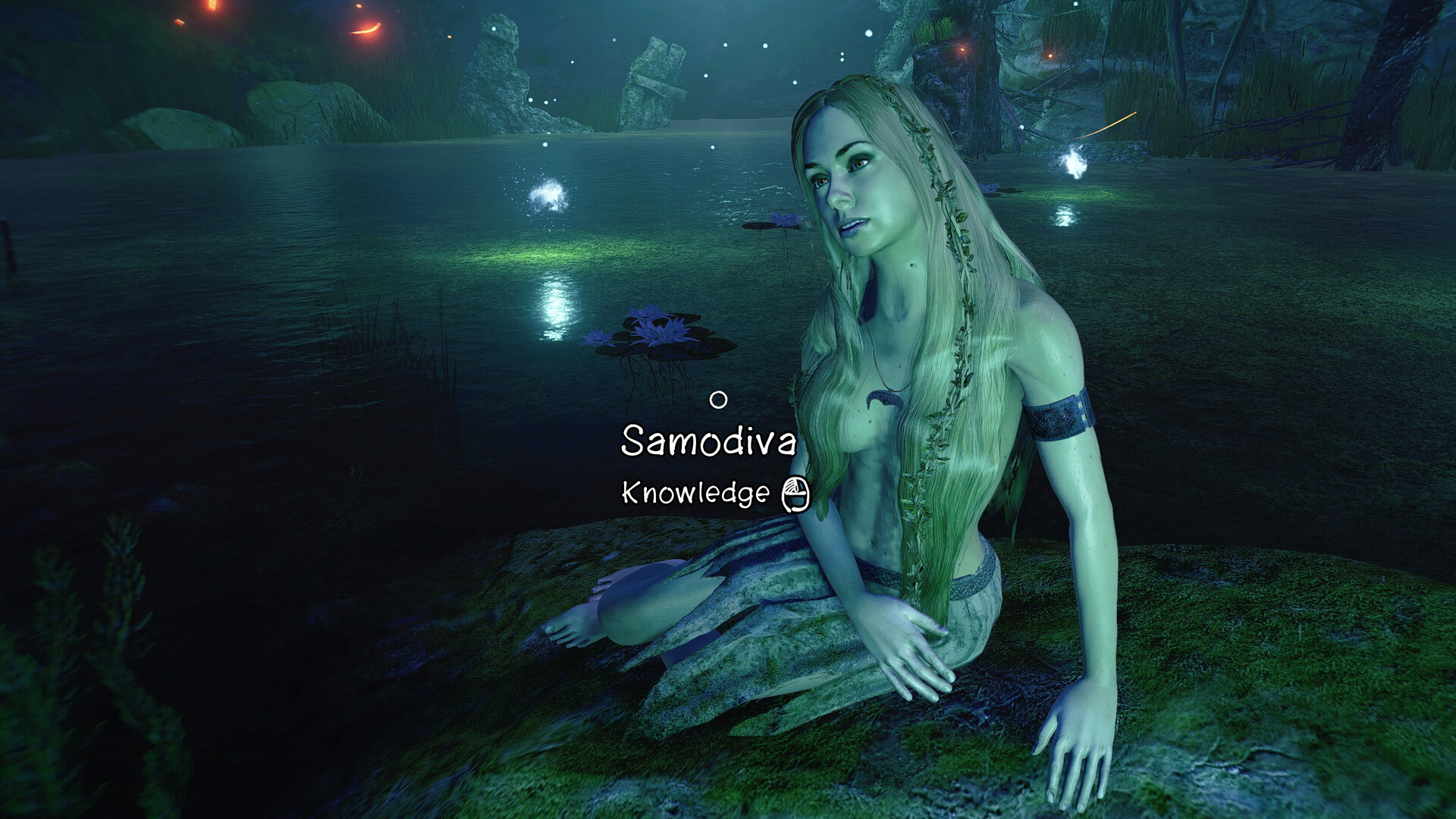
Story is the other vehicle. You are tracking a mythical being and the village is the crime scene. Drowners, nightwraiths, the kind of Slavic guest list that a certain famous monster hunter would recognize without the swords. A kind-hearted god can still hand you a mushroom trip. I will not turn this into a theology seminar. The voice of the game is the fire, and the fire talks in season, ritual, and the occasional family that would like to stay together across a rift.
Early on the tale can feel distant. Events arrive out of order, aftermath before cause, which is the right kind of nerve for a mystery. Over time the personal stories, especially a central family and the festivals that mark them, begin to click. By then it is hard not to want the ending. Predictable plots and a few cringe jokes sit in the mix, the way a small studio’s affection can sit in a cutscene a beat too long. That clunk is real. It is also priced into a story-first adventure that would rather you linger than speedrun a bird.
English and Polish carry full audio. A pile of interface languages sits on the PlayStation listing, which is how a console audience gets in the door. I will not turn this into a localization seminar either. Forty Steam achievements sit behind the loop for people who like a receipt. Loneliness. Who lives in the well. Weeping birch. A rescue journey. Destiny. The birth of a new life. None of them change the central truth. You are here to kindle a fire and then find out what the fire is for.
Photogrammetry With a Folklore Accent
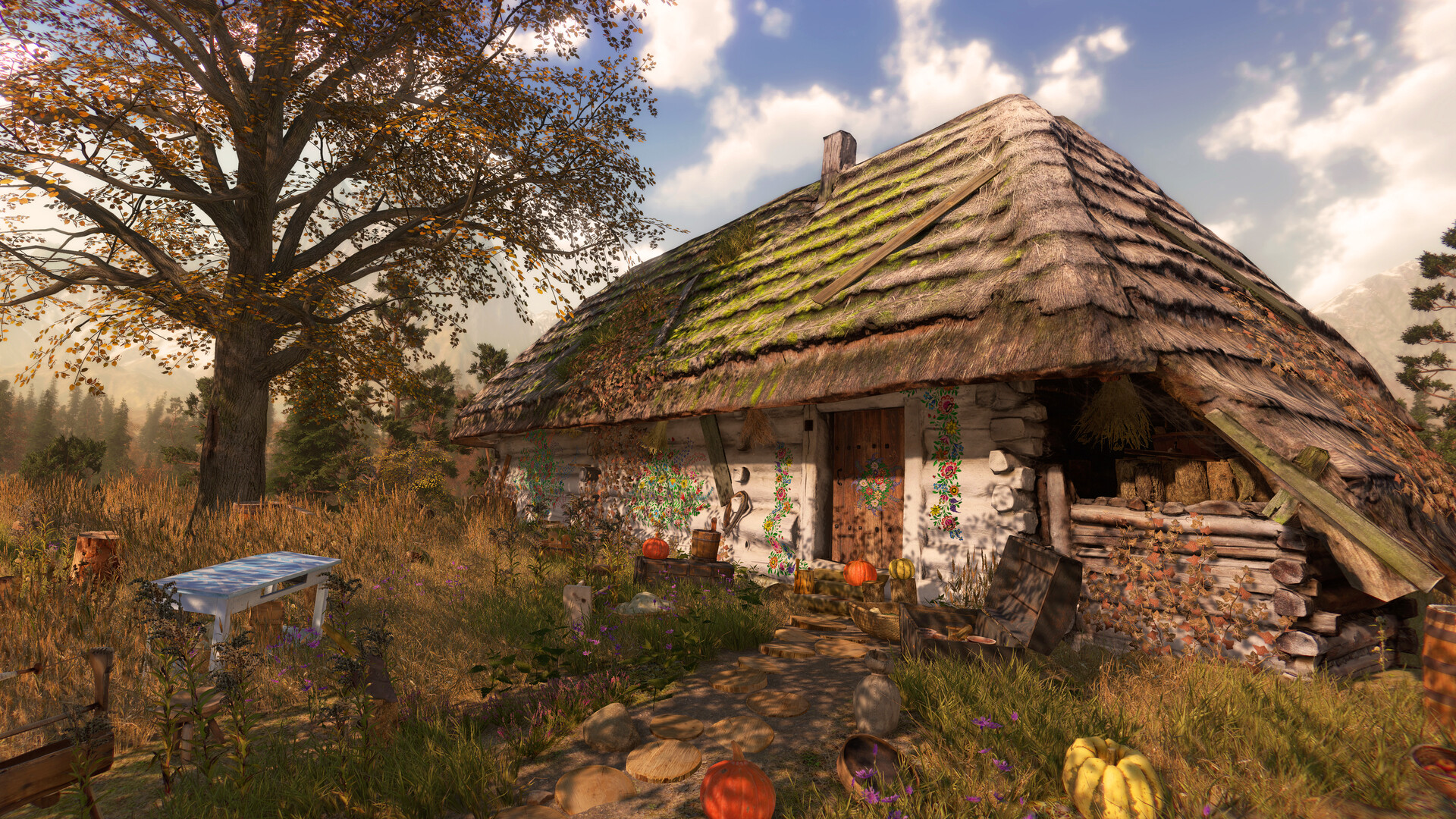
Presentation is the argument a two-person family studio spent eight years trying to win. Official copy says hundreds of museum artifacts and entire buildings, brought into the game from the real world through photogrammetry, open a land where every detail matters. Freely roam the ancient village and its one-of-a-kind surroundings. Conduct a supernatural investigation rooted in Slavic mythology, more authentic than a texture pack has any right to be.
That authenticity is the grin. Ethnographic museums. Heritage-park buildings. Objects that remember being held. The End of the Sun Forge is an independent, family-run art studio in Poland, formerly The End of the Sun Team, and the name is a belief that every fiery twilight creates the sparks of a new dawn. I will not write a press-kit novel. What I can say is that the village looks scanned because it was, and that the scan is why a wooden spoon can feel like evidence.
I should be clear about the friction, because it is real and it is not a footnote you hide after the score. Puzzles are often simple. Pick up the nearby item. Place it where the smoke is already pointing. Too many cutscenes can arrive between too few riddles. Visuals can be rough around an edge. Technical manners on a living-room build can stutter when the title decides to remember itself. None of that is unique to this village. All of that is the tax on an eight-year indie that wanted atmosphere more than a showcase.
A playthrough sits in the six-to-ten-hour weather depending on how long you linger, which is a polite way of saying the village is a weekend and not a career. Multiple saves exist. Replay is a mood, not a mandate. I will not invent a mud census. I will say the land sometimes forgets to stock the riddle you need and then shrugs like a season. Music does more of the honest work than a tutorial tooltip, a folk register that understands dusk better than some of the jokes understand timing. When the score and a kindled hearth shake hands, the village is better than the price. When they miss, you are a person in a field with a very sincere spark and a map that still will not admit where you are standing.
Simple Hands, Heavy Atmosphere
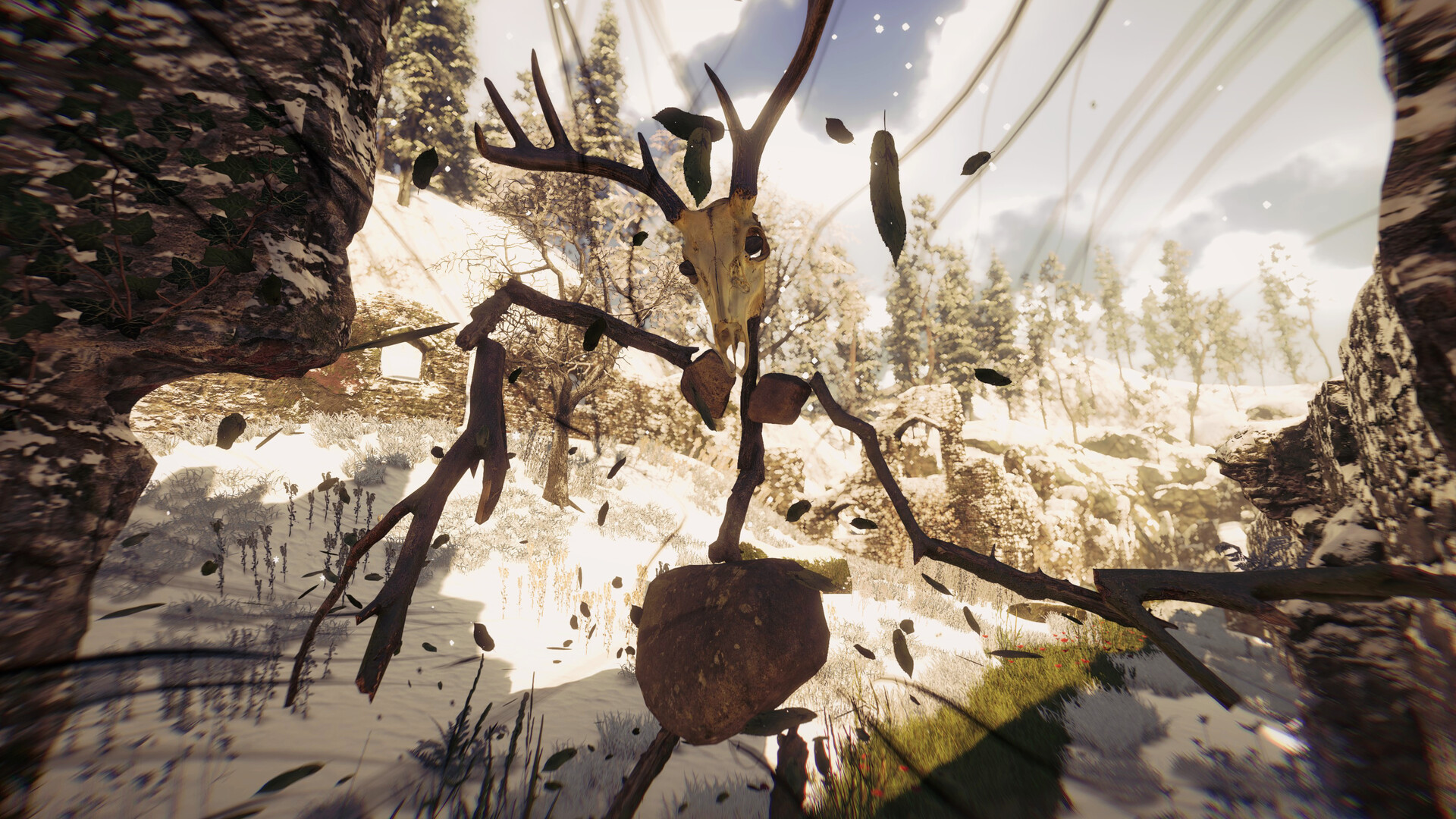
I have a rule for mid-priced mysteries. If a game is worse with walking than with a checklist, it is broken. If it is only good with walking, it is honest. The End of the Sun is honest, and that honesty should sit next to the price.
A night of hearths is a competent weekend. You follow the smoke, you invent the bond, you lose a path, you walk back, you put a better season on the joke. A night of festivals is the version the systems were quietly designed around. Someone at the Forge looked at a walking simulator and said the real threat should have a calendar. The village becomes a shared instrument instead of a commute, even when you are the only person holding the flame.
The Steam sample around a game this sincere is always going to look modest and, in this case, unusually kind. Very Positive is the official weather, 303 of 312 on the side of yes, and that split is fair. Players who wanted harder puzzles, fewer cutscenes, or a fight that is actually a fight bounce off. Players who wanted a lightweight Slavic odyssey with a bird and a bad idea about time stay. I am in the second camp with caveats, which is the only honest place to stand.
Compared with the giants of the narrative-adventure business, The End of the Sun is not trying to be a career. It is trying to be a place. The developer said the quiet part on the store page. Find your target. Bring order to the chaos of time. Uncover the secrets that lie within. That is not a cop-out if the place is worth the walk. Some nights it is. Some nights the carpenter is a myth and the doorway is a theology problem. Both nights are The End of the Sun.
Still Burning After the Twilight
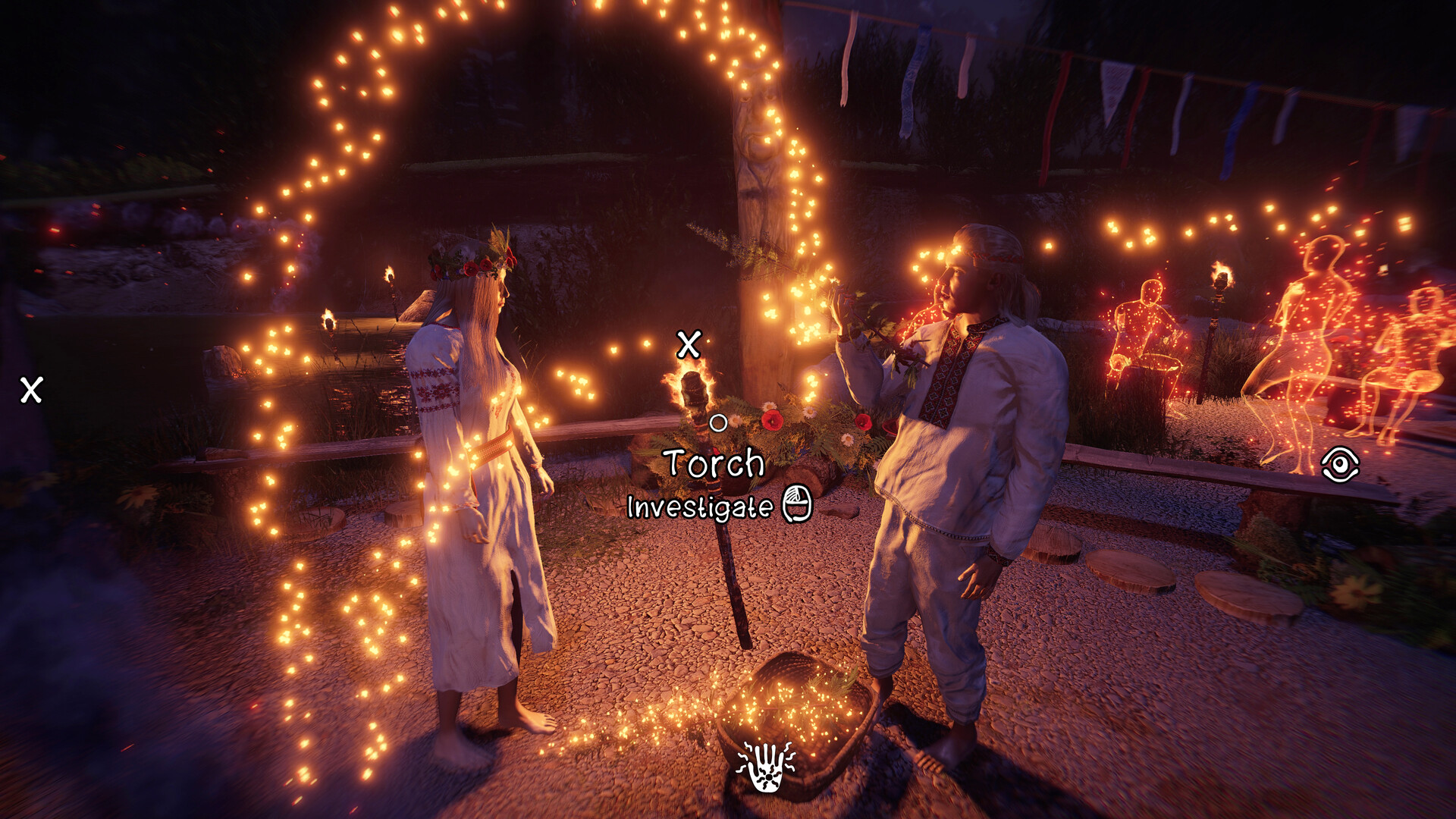
The End of the Sun is a rare mid-priced mystery that understands its own joke and then has the nerve to make the joke a village. The End of the Sun Forge built a mage about patience, a calendar about kindness, and a toybox that looks a little homemade and plays a lot more sincerely than that sentence suggests. The loop is the hook. The seasons are the spine. The walk from a smoldering hearth to a bird you still have not caught is the grin.
It is better as a place than as a novel. Puzzles can sulk. Cutscenes can linger. The presentation has indie fingerprints, from the stubborn performance to the story that would rather be a ritual than a raid. All of that is true, and all of that is already priced in at $24.99. You are not buying a decade. You are buying a weekend that can turn into several evenings if you like being a coordinated disaster across four years, or being the person who has to explain the disaster to a World Tree.
I am scoring it 8, Great, because the identity is this clear and the limitations are the limitations of a focused folklore adventure, not an empty one. I would recommend it to anyone who likes a hearth that has weight and a map that is allowed to be rude. Distinctive Slavic weather, a calendar that shrinks a village, photogrammetry that remembers a museum, and a price that respects your week are a lot of game for the ask. The systems repeat their manners. The manners are still useful.
The village is still out there, still hiring a night shift, still asking whether you are saving a family or a season. After a few fires, you will understand why the job is not finished, and why you keep kindling anyway.
We prepared this review with a digital copy of The End of the Sun for the PS5 version provided by Pressengine.