
There is a particular kind of grief, rare in a genre that usually hands you a jump scare and a tragic flashback, in opening a box on the lawn and discovering that home is a word with a cassette in it. The tape is still a tape. The house is still a house. The first tremor that rearranges the furniture is not a metaphor. Who Are You!?, the sci-fi psychological horror from Haunting Humans Studio, is built on that grief, and the grief is ruder, quieter, and more useful than an eight-dollar abduction has any right to be.
I played the PC version, the 27 March 2026 Episode 1 that Haunting Humans Studio and infibit games walked onto Steam at $7.99, with a promise that Episodes 2 and 3 arrive later at no additional cost. You walk, you read, you put a tape in a machine, and you learn that the Roswell house has already hired a night shift of memories. First-person rooms, environmental storytelling, puzzles that would rather be furniture, ufology that would rather be homework, and a daughter who is suddenly as missing as a wife. Eleven Steam achievements sit in the background. The Steam sample is Very Positive, 101 positive of 125, which is the honest weather report and not a dare. Great, not glossy, and very much a weekend I would recommend you spend if you like a horror that knows it is a question.
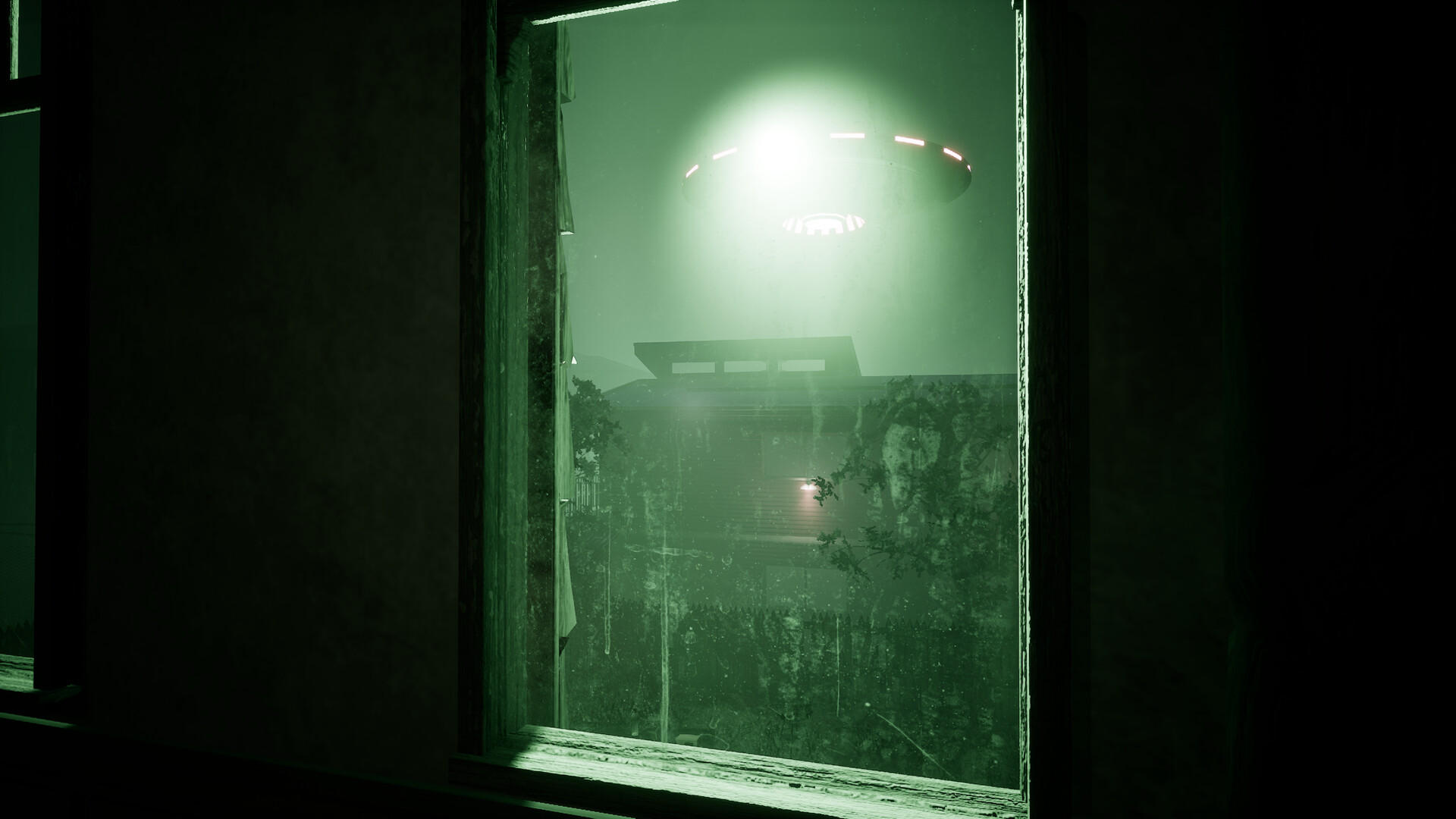
The House Does Not Care What Roswell Means

Most alien games begin with a ship. Who Are You!? begins with a last name that is already a punchline and then refuses to treat it like one. Official copy on Steam says you will face the unknown in order to save your family. The story prefers Ray Roswell, a wife gone twenty years, and a daughter who has now gone the same way. Both versions agree on the next sentence. This is a deep, engaging experience with an immersive narrative, so pay attention to your surroundings. There is no time for panicking. Looking is your only option.
That is not flavor text. It is the design refusing to pay for a combat tutorial when a drawer will do. You start opening cabinets, watching tapes, and walking rooms because the alternative is becoming a rumor the family already filed. The first tremor is staged like a punchline that forgot to be funny. Lights flicker. Objects float. A box arrives on the lawn with a cassette labeled in a handwriting you were not ready to see again. He is home for now. The script, still a little breathless, asks who can assure they will not come back. Nobody can. That is the rest of the house.
I like a premise that prices memory as a hazard and then lets you walk toward it anyway. Official copy says Ray not only embarks on a physical journey but also confronts the emotional and psychological trauma of his past, reliving the pain he has tried to forget. The more you explore, the more the house answers with another note and another thing that would like a piece of you. Story is environmental and stingy, which is the right instinct for a game that wants your attention more than your ammo. You are not reading a novel. You are looting a disappearance that is still happening.
The fantasy is not mastery of a lore bible. The fantasy is competence arriving about half an hour after you invent a habit of opening everything. You will stall in ways that would be funny if the save were not so sincere. You leave a room. You walk back. You become the kind of person who thinks a VHS is a personality.
Tapes, Drawers, and a Box on the Lawn
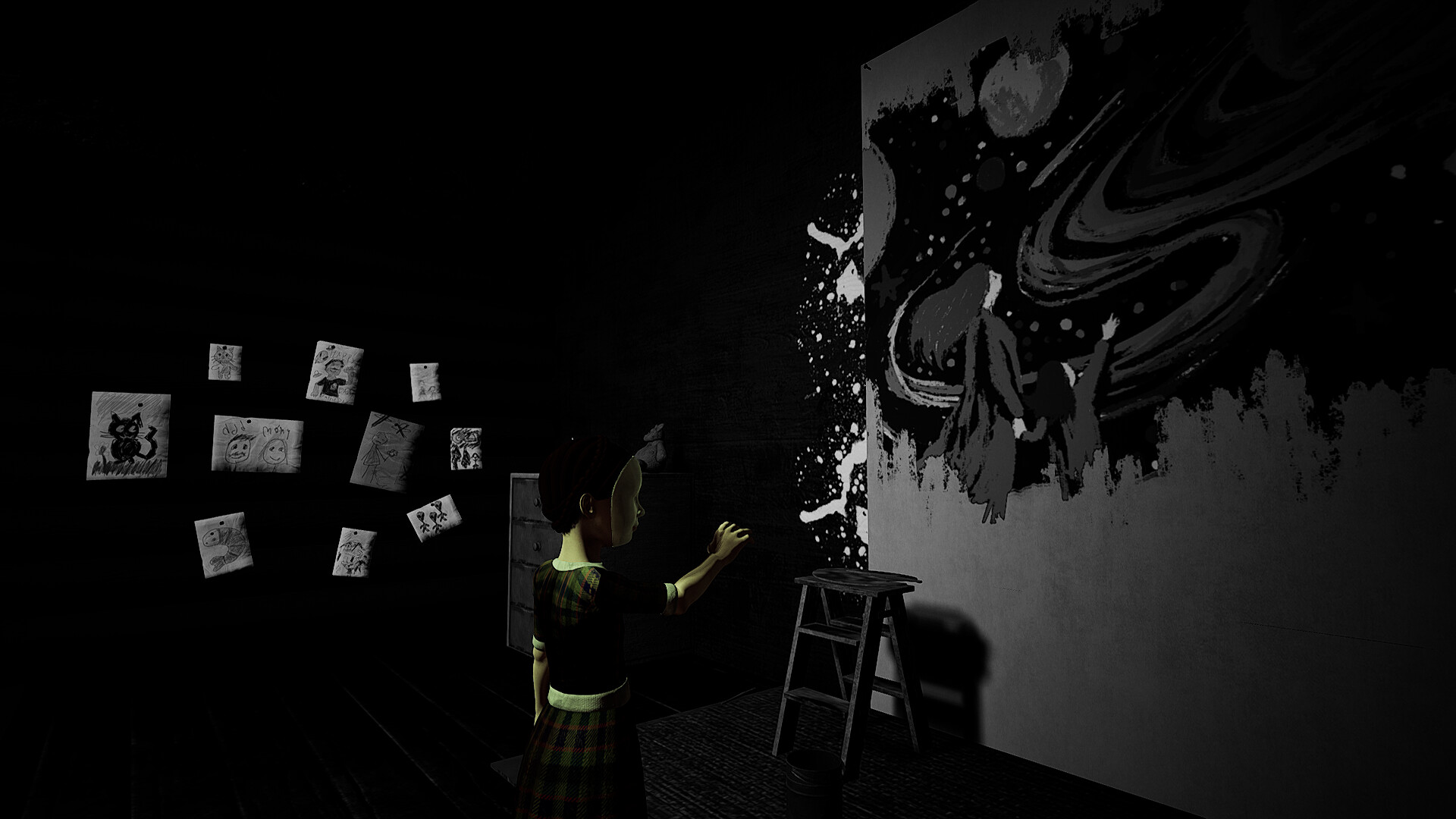
The loop is the old religion of walking simulators that learned to hide puzzles in furniture, and Haunting Humans Studio does not pretend otherwise. Official features list a deep narrative based on true ufology stories and investigations, environmental storytelling, immersive exploration, emotional and psychological interactions, and puzzles. None of that is a revolution on paper. All of that is the sentence the rest of the toybox has to live in.
You inhabit Ray in first person. Family photos, everyday objects, UFO research materials. Grainy tapes that behave like cutscenes you have to earn. Cassette recordings. Paper files that feel fragile and urgent. The analog aesthetic is not a filter you turn off. It is the design insisting that the 1960s-to-1980s abduction wave still has a smell. CRT flicker. Tape hiss. A child’s room that is too clean next to a house that is too messy. I sold a theory I was sure I needed and then needed it, which is the oldest investigator joke in the book and still a good one.
Puzzles are integrated the way a good drawer is integrated. They are not a second career. They are a reason to linger in a room that would like you to leave. None of the Episode 1 challenges are a dissertation. They hint at deeper layers as reality begins to blur and alien elements seep into the wallpaper. If you are not a person who likes reading, the pace will feel like a lecture. If you are a person who likes a house that talks back, you will feel hired.
I have played a lot of games that treat the first tape as a tutorial and the hundredth tape as a spreadsheet. Who Are You!? is lighter than that on purpose. Episode 1 is a hook with a receipt. Official copy is candid about the structure. This is an episodic game. Purchasing the first episode grants you access to Episodes 2 and 3 when they are released. Episode 2 is aimed at Q3 2026, with new spaces that include the Roswell farm and a vacation that will not stay a vacation. That sentence is both a promise and a warning. You are buying a beginning that already has a sequel in the receipt.
They Watch, They Mark, They Take
Horror is the temperature change. Official trailer language talks in stages. They watch. A distant presence lingers just beyond perception. They close in. Shadows move. Objects shift. They break you. Your mind fractures as reality twists. They mark you. A trace is left behind. They take you. Resistance is meaningless. That is not a feature list. It is the design pricing attention as a resource.
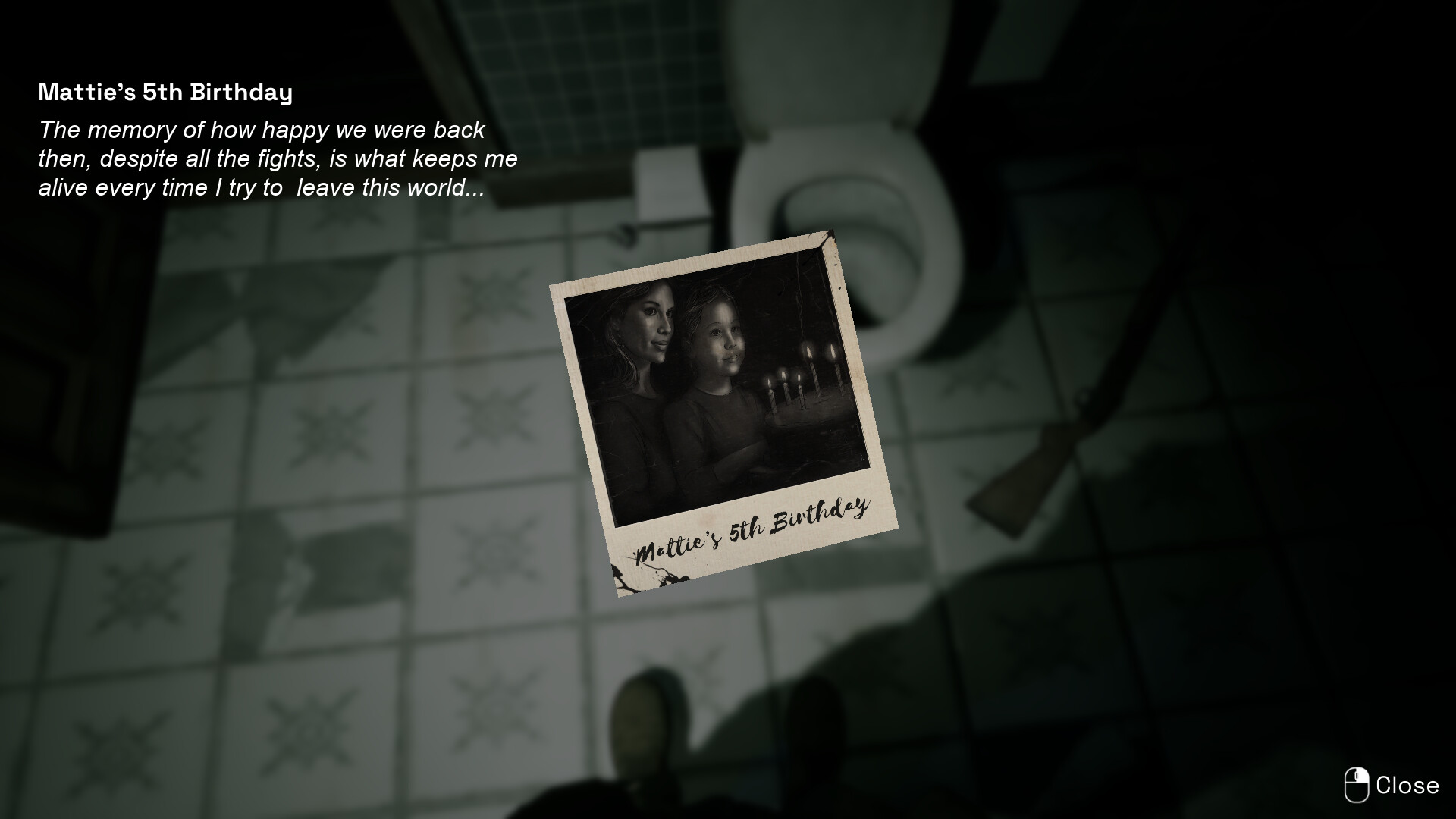
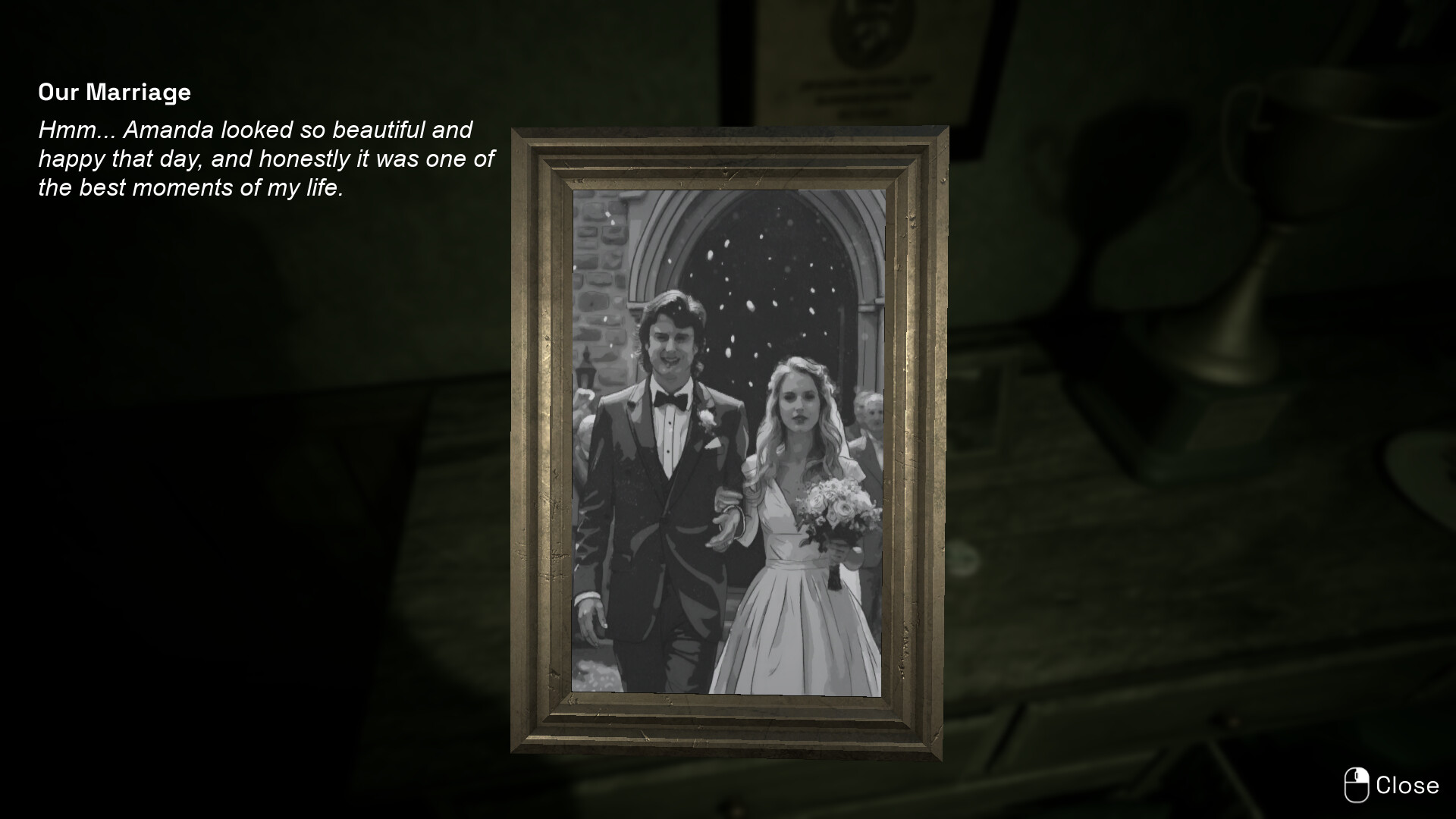
I will not invent a highlight reel with fake timestamps and tidy jump-scare counts. The nights that stay with you are the ones where you thought the kitchen was finished, then something started humming in a rhythm that was not weather, and then you were on the wrong side of your own memory. Headache-induced flashbacks claw their way up. Amanda and Mattie occupy rooms they no longer own. A secret chest, a change in visual style, a box that should not be there. The plot hides in plain sight the way a good abduction story hides in a police file.
This is not a game about fighting. Official materials mention enemy presence, health, and save points, then immediately tell you the tension is atmosphere and sound. I believe the second sentence more than the first. You are not here to empty a clip. You are here to notice when the house stops being polite. Pay attention to your surroundings is the store page’s only real tutorial. I left it on for an evening and off for another. The house did not mind. The tapes minded either way.
Ray’s internal monologue is the other vehicle. He is a man teetering on despair who still has to take out the trash. Mattie has been the adult in the room since she was a child. The writing is sparse and effective. Notes drip-feed context. Audio logs do the rest. It is a story that feels deeply human even as it spirals into the unknown, which is the right instinct for a studio that put a disclaimer on the store page about no AI in the art, the sound, or the development. Every aspect crafted by human hands. That sentence is a credit roll that arrived early.
Episode One Is a Hook With a Receipt
I should be clear about the shape of what you are buying, because it is real and it is not a footnote you hide after the score. Episode 1 is short. A careful player who reads everything can finish in a couple of hours. A player who already walked the demo will retrace a cabin they have already met. The first half can feel like a polite encore. The back half is the reason the encore was worth sitting through. A cliffhanger is not a crime at $7.99 if the hook is this specific. It is a warning for anyone who wanted a closed novel tonight.
The Steam sample around a game this small is always going to look modest. Very Positive is the official weather, 101 of 125 on the side of yes, and that split is fair. Players who wanted more alien, more fight, or a first episode that never repeats a demo room bounce off. Players who wanted a lightweight investigation with a tape and a bad idea about a last name stay. I am in the second camp with caveats, which is the only honest place to stand.
Compared with the giants of the walking-horror business, Who Are You!? is not trying to be a career. It is trying to be a place. The developer said the quiet part on the store page. Pay attention. No AI. Episodes included. That is not a cop-out if the place is worth the walk. Some nights it is. Some nights the next drawer is a myth and the doorway is a theology problem. Both nights are Who Are You!?
Eleven achievements sit behind the loop for people who like a receipt. The Truth Is on Tape. Family Therapy. Close Encounter of the Fifth Kind. I Want to Believe. She’s Not Gone. None of them change the central truth. You are here to ask a question and then find out what the question is for.
Research in the Credits, Dread in the Rooms
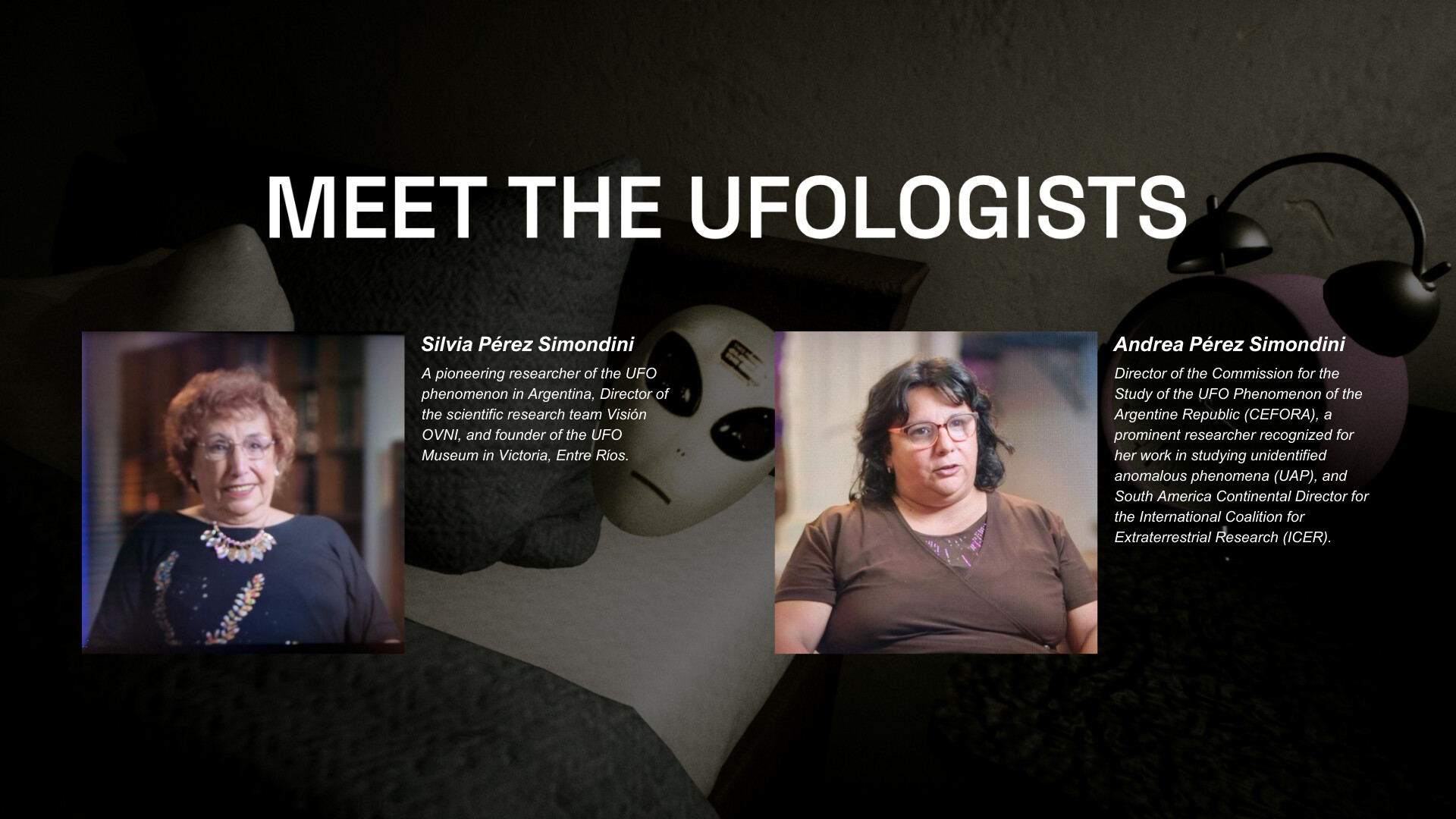
Authenticity is the other mask. Official copy includes a research collaboration notice that would like to be taken seriously, and I am inclined to let it. Who Are You!? was developed with the support and insights of Argentine ufologists Silvia and Andrea Pérez Simondini. Silvia founded the UFO Museum in Victoria, Entre Ríos, and directs Visión OVNI. Andrea directs CEFORA and serves as South America Continental Director for ICER. Their real-world investigations helped shape the narrative. I will not turn this into a seminar. I will say the house talks in the grammar of files that someone actually filed.
That research is why the analog clutter feels like evidence instead of set dressing. Juan Pérez and other cases sit in the texture. The 1970s would like a word. The game wants to recreate the real aspects of depression under the circumstances Ray is immersed in, and the real effects on families that have lived an abduction story whether or not you believe the sky did it. I like a horror that prices belief as a mechanic and then does not force you to pick a church.
Presentation is readable, which matters more than prestige. You can tell a kitchen from a child’s room from a yard at a glance. If you cannot read a room, the investigation dies and the house becomes homework. These spaces are atmospheric enough to carry a scare and clear enough to carry a plan. You always know where you are. You do not always know why a shadow is already there.
Technical manners on a desktop build can stutter when the game decides to remember itself. Settings can forget a choice. Pathfinding can get philosophical. A bug can ask you to reset a room that was already a puzzle. None of that is unique to this house. All of that is the tax on an Episode 1 that arrived in March still wearing some of the same boots as its demo. English is among a wide language set, with full audio on English and Traditional Chinese. I will not turn this into a localization seminar. The voice of the game is the tape, and the tape talks in hiss, weather, and the occasional undead knock that might not be undead.
Short by Design, Unfinished by Promise
I have a rule for cheap episodic horror. If a first episode is worse than a trailer, it is broken. If it is only good as a trailer, it is honest. Who Are You!? is honest, and that honesty should sit next to $7.99.
A solo night is a competent evening. You open the drawer, you invent the theory, you lose a room, you walk back, you put a better question on the joke. A careful night is the version the systems were quietly designed around. Someone reads. Someone rewinds. Someone learns, too late, that a humming house does not respect architecture. The property becomes a shared instrument instead of a commute, even when the only crew is you and a cassette.
The promise is the other vehicle. Episode 2 is on a roadmap. Episode 3 rides the same receipt. You are not buying a decade. You are buying a beginning that can turn into a year if the studio keeps showing up. I am scoring the beginning I played, not the farm I have not walked. That is the only honest place to stand, and it is already a kinder stance than a lot of episodic horror budgets for.
No AI in the credits is a flex that would be marketing if the rooms did not agree. They agree. The handmade clutter is the reason a $7.99 episode feels like a place instead of a vertical slice with a tip jar. I would rather a short house that was built by people than a long house that was assembled by a prompt. The store page said it. The rooms proved it.
Still Standing After the Question
Who Are You!? is a rare cheap horror that understands its own joke and then has the nerve to make the joke a family. Haunting Humans Studio built a house about a missing wife, a tape about teamwork with a drawer, and a toybox that looks a little homemade and plays a lot more sincerely than that sentence suggests. The loop is the hook. The research is the spine. The walk from a lawn box to a question is the grin.
It is better as an evening than with a checklist. Pacing can sulk. The demo can echo. The presentation has indie fingerprints, from the stubborn bugs to the story that would rather be a tape than a cutscene. All of that is true, and all of that is already priced in at $7.99, with two later episodes on the same ticket. You are not buying a decade. You are buying a night that can turn into several nights if you like being a coordinated disaster, or being the person who has to explain the disaster to a museum.
I am scoring it 8, Great, because the identity is this clear and the limitations are the limitations of a focused first episode, not an empty one. I would recommend it to anyone who likes a drawer that has weight and a house that is allowed to be rude. Distinctive analog weather, a tape that shrinks the horizon, research that turns wood into conversation, and a price that respects your week are a lot of game for the ask. The systems repeat their manners. The manners are still useful.
The house is still out there, still hiring a night shift, still asking who you are. After a few tapes, you will understand why the job is not finished, and why you keep waking up in the kitchen anyway.
We prepared this review with a digital copy of the Who Are You!? for the PC version provided by Pressengine.