Heroes, Villains, and the Art of the Tag
Arc System Works has long specialized in turning colorful casts into high-speed, high-style combat, and MARVEL Tōkon: Fighting Souls represents their most ambitious licensed effort yet. Published by PlayStation Studios in partnership with Marvel Games, this 4v4 tag team fighter reimagines iconic heroes and villains through a bold anime-inspired lens while introducing a combat system that feels both fresh and deliberately controlled. The result is a game that respects the chaotic legacy of previous Marvel fighters without simply copying their homework.
Matches begin with a focused setup rather than immediate full-team mayhem. Players select four characters but start controlling only a primary fighter and a single assist partner. Access to the rest of the roster expands mid-match through damage accumulation, successful throws, and dramatic Wall Breaks that send opponents crashing into new sections of multi-tiered stages. These transitions are more than visual flair. They function as progression gates that gradually transform a tight duel into a full 4v4 spectacle. The shared team health bar further distinguishes the design. There is no safe bench where a damaged character can recover. Every member contributes to a single pool, which forces players to treat the squad as a unified resource rather than a rotating set of independent lives.
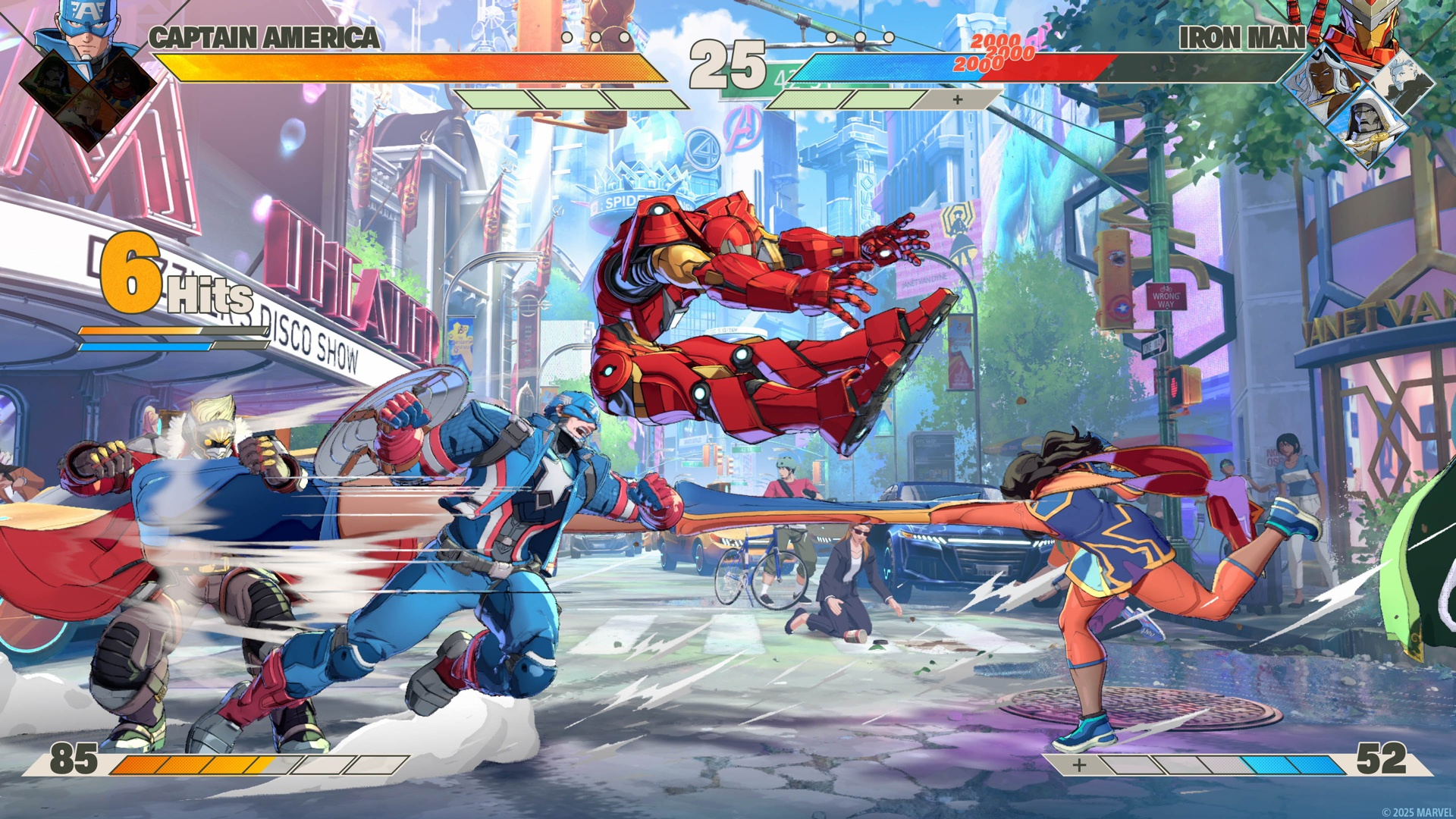 The approach lowers the barrier for players who prefer mastering one character deeply while still rewarding those who invest in team synergies and timely swaps. Traditional motion inputs remain available for higher reward, yet simplified quick inputs and easy chain combos make the fundamentals approachable. Adjustable control schemes further support both stick veterans and newcomers. The overall philosophy is clear: create a system that can produce spectacular, cinematic moments without requiring encyclopedic knowledge of every character on day one.
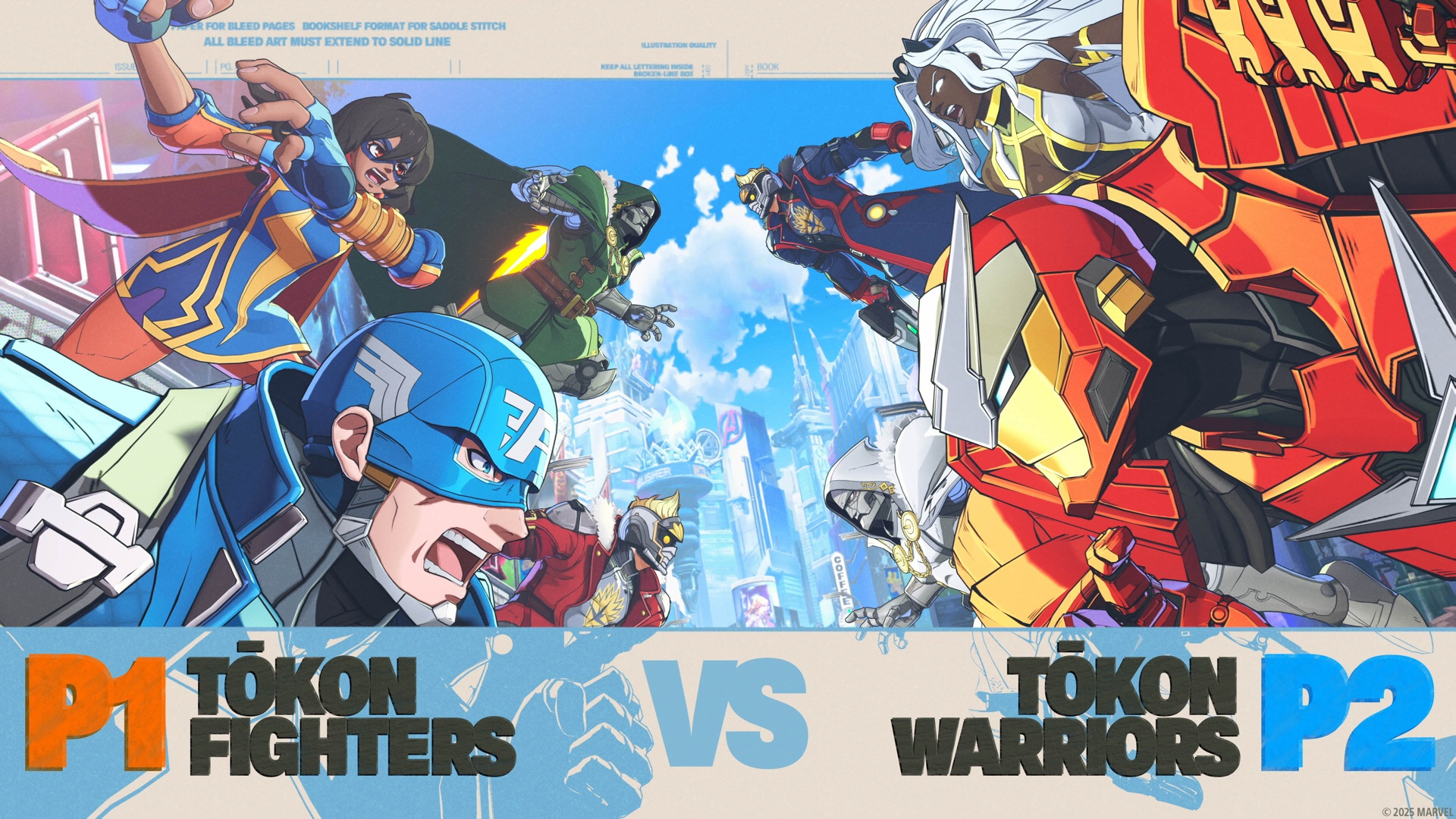 Subtle humour surfaces in the character interactions and stage transitions. Watching a carefully built combo end with a Wall Break that flings the opponent into a completely different Marvel locale never loses its sense of comic-book excess. The game understands that part of the appeal of these characters is their larger-than-life personalities, and it lets those personalities color the chaos without undercutting the competitive integrity.
Roster Depth and Team Synergy
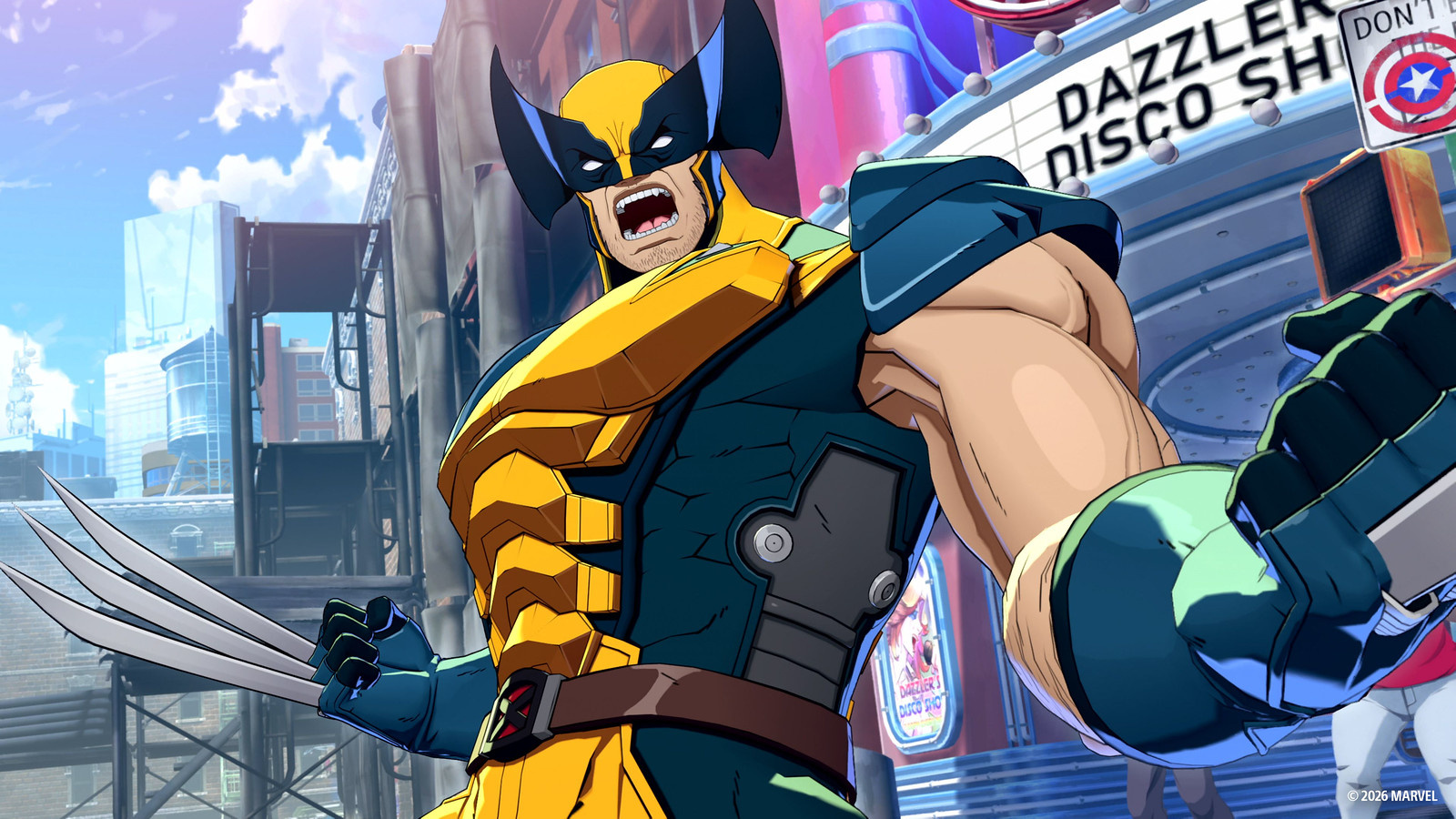
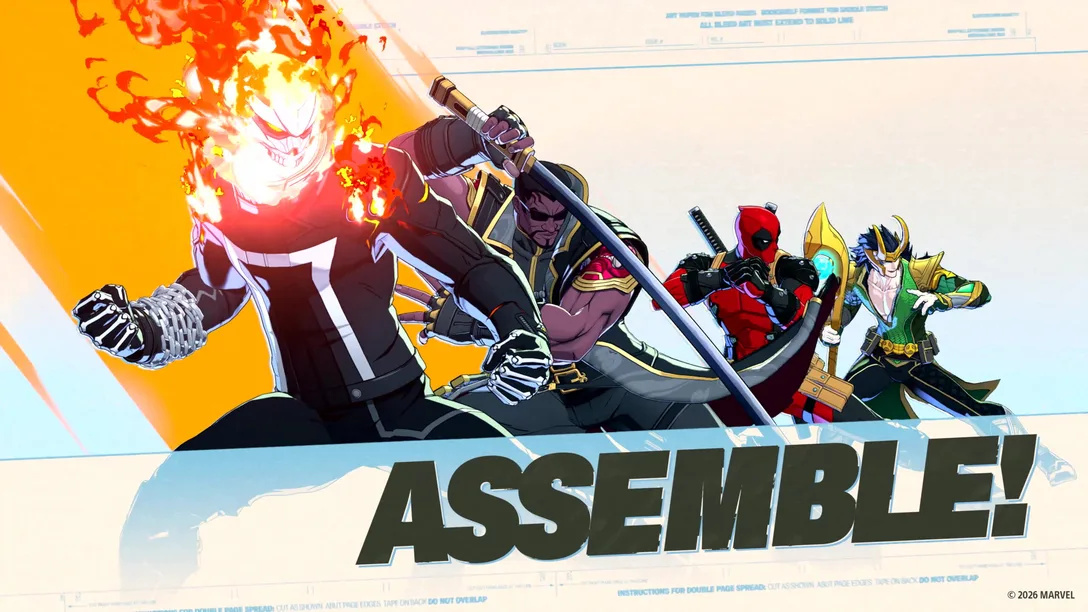
Twenty characters arrive at launch, spanning familiar heavy hitters and deeper cuts that give the roster genuine personality. Captain America, Iron Man, Spider-Man, Storm, Doctor Doom, Ms. Marvel, Star-Lord, Ghost Rider, Wolverine, Magik, and others each receive distinct move sets that reflect their comic abilities while fitting Arc System Works’ fluid, expressive animation style. Characters are associated with themed teams for story purposes, yet free selection allows players to build whatever combination they prefer. Experimentation quickly becomes one of the game’s quiet pleasures. A projectile-heavy assist pairing can completely change how a rushdown primary approaches neutral. A well-timed defensive swap can turn a losing exchange into a momentum swing.
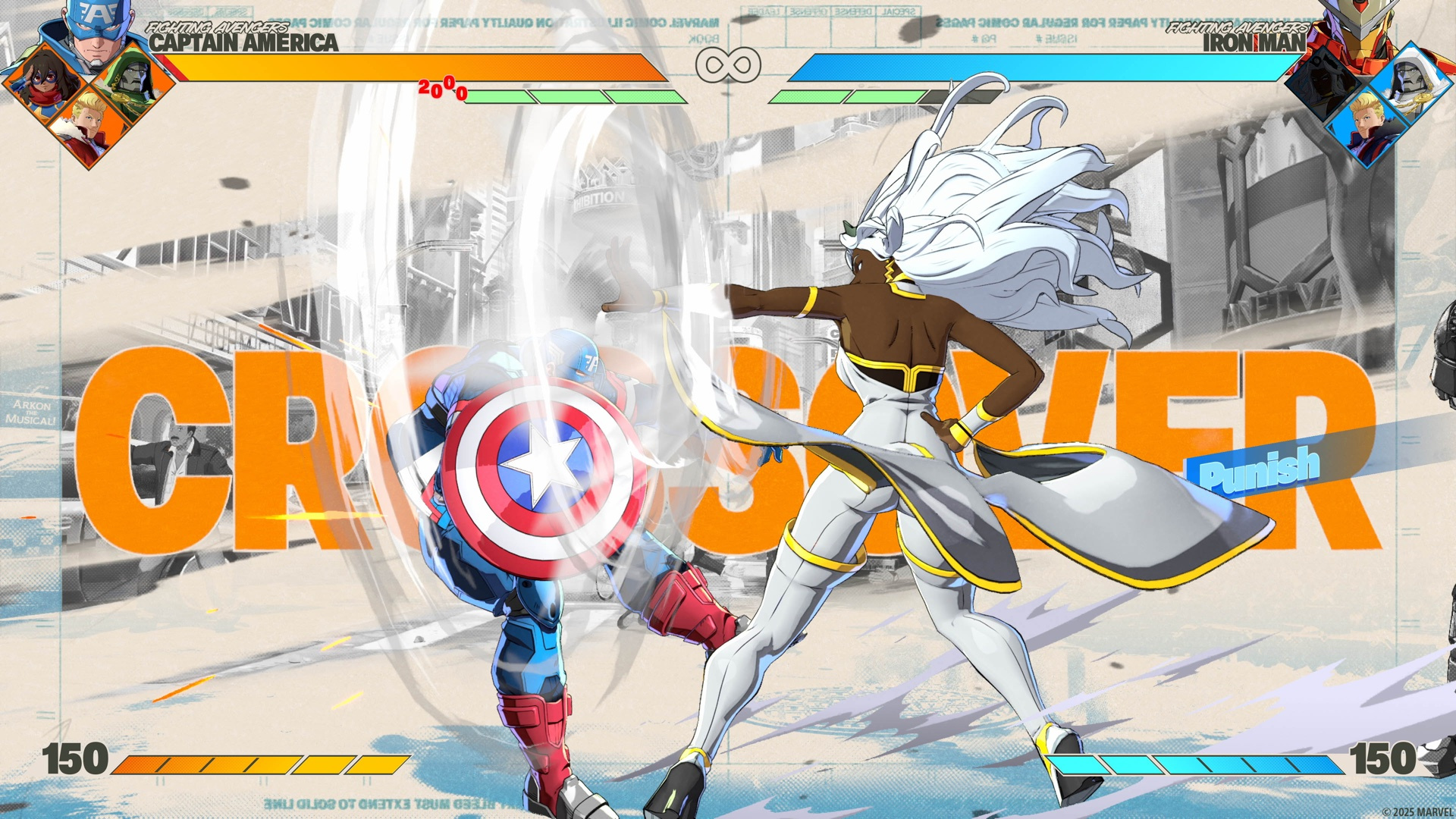 Each fighter carries a Unique Attack that highlights a signature ability, whether shield throws, weather manipulation, repulsor barrages, or something more unexpected. Assists are assigned roles during team construction, such as projectile, anti-air, or character-specific tools, which adds another layer of strategic planning before the match even begins. The Assemble Gauge fuels these team actions, including armored options, counters, and crossover swaps that let players take direct control of an incoming partner. Mastering the timing of these calls separates competent players from those who can consistently steal rounds.
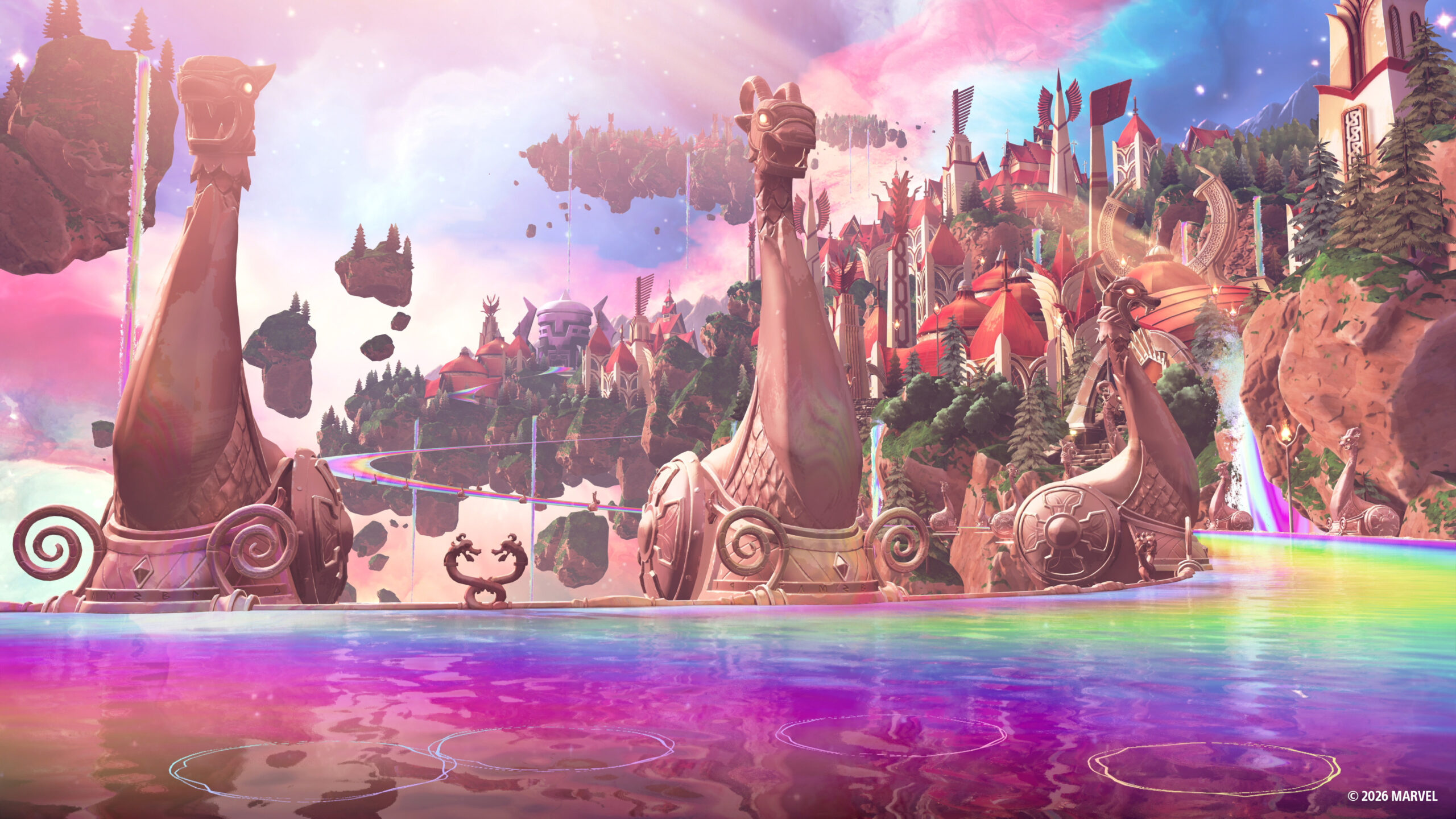
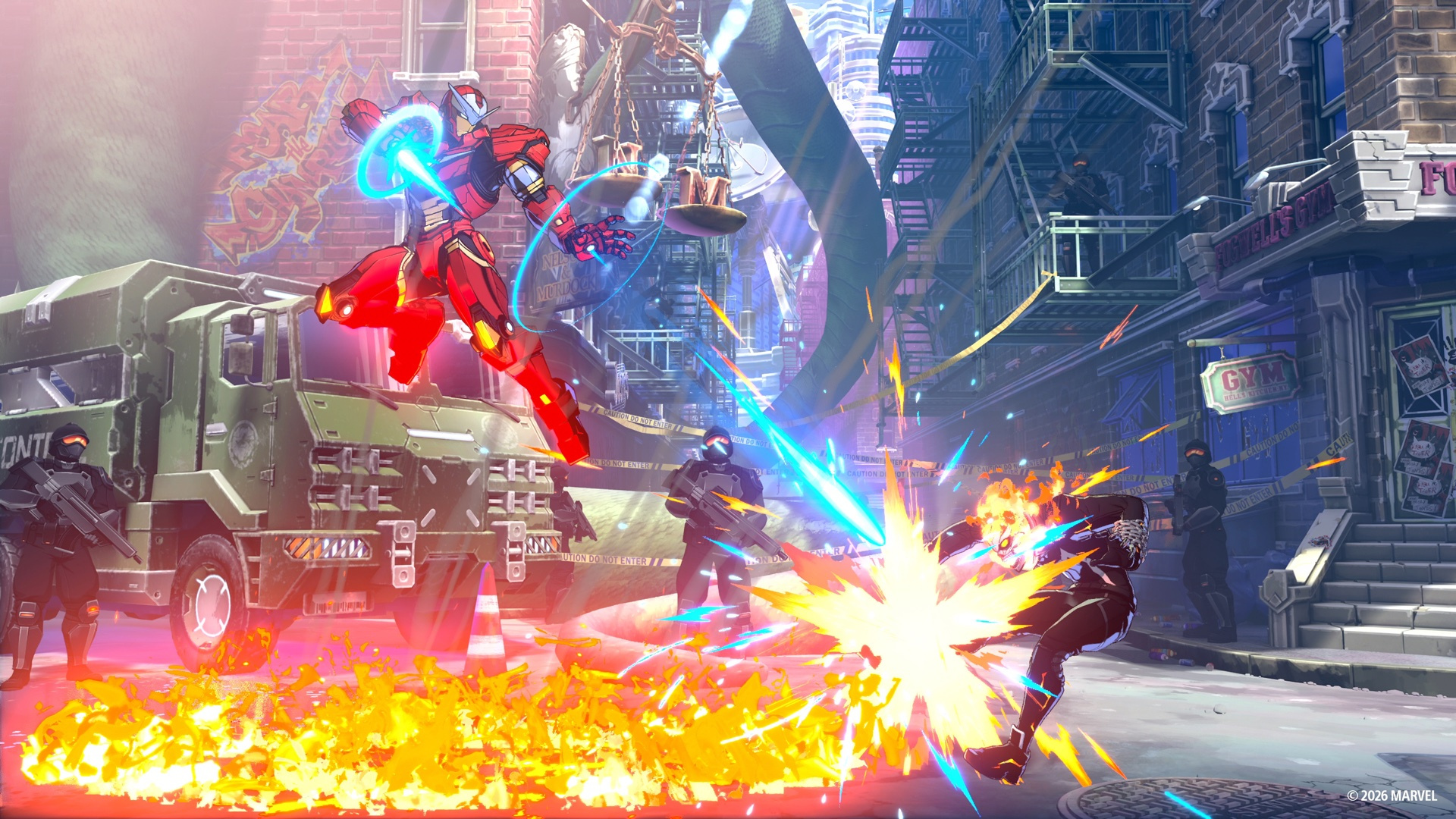 The visual presentation elevates every character. The anime-inspired art direction gives familiar designs a fresh energy without losing recognizability. Animations are sharp and readable even during dense exchanges. Special moves and Ultimate Skills carry the kind of exaggerated flair that makes landing them feel rewarding on a visceral level. Stages based on iconic Marvel locations support the spectacle with interactive transitions that keep the environment itself part of the fight rather than mere backdrop.
Episode Mode and the Single-Player Package
Offline content receives more attention than many pure competitive fighters provide. Episode Mode stands out as the narrative centerpiece. Developed in collaboration with Marvel Games and featuring writing contributions that lean into character dynamics, it presents team-focused stories through a blend of motion-comic presentation and full voice acting. Each episode explores the relationships and conflicts within a given squad, culminating in boss encounters that test the player’s growing understanding of the systems. The mode functions both as story delivery and as an extended tutorial that gradually introduces advanced mechanics in context.
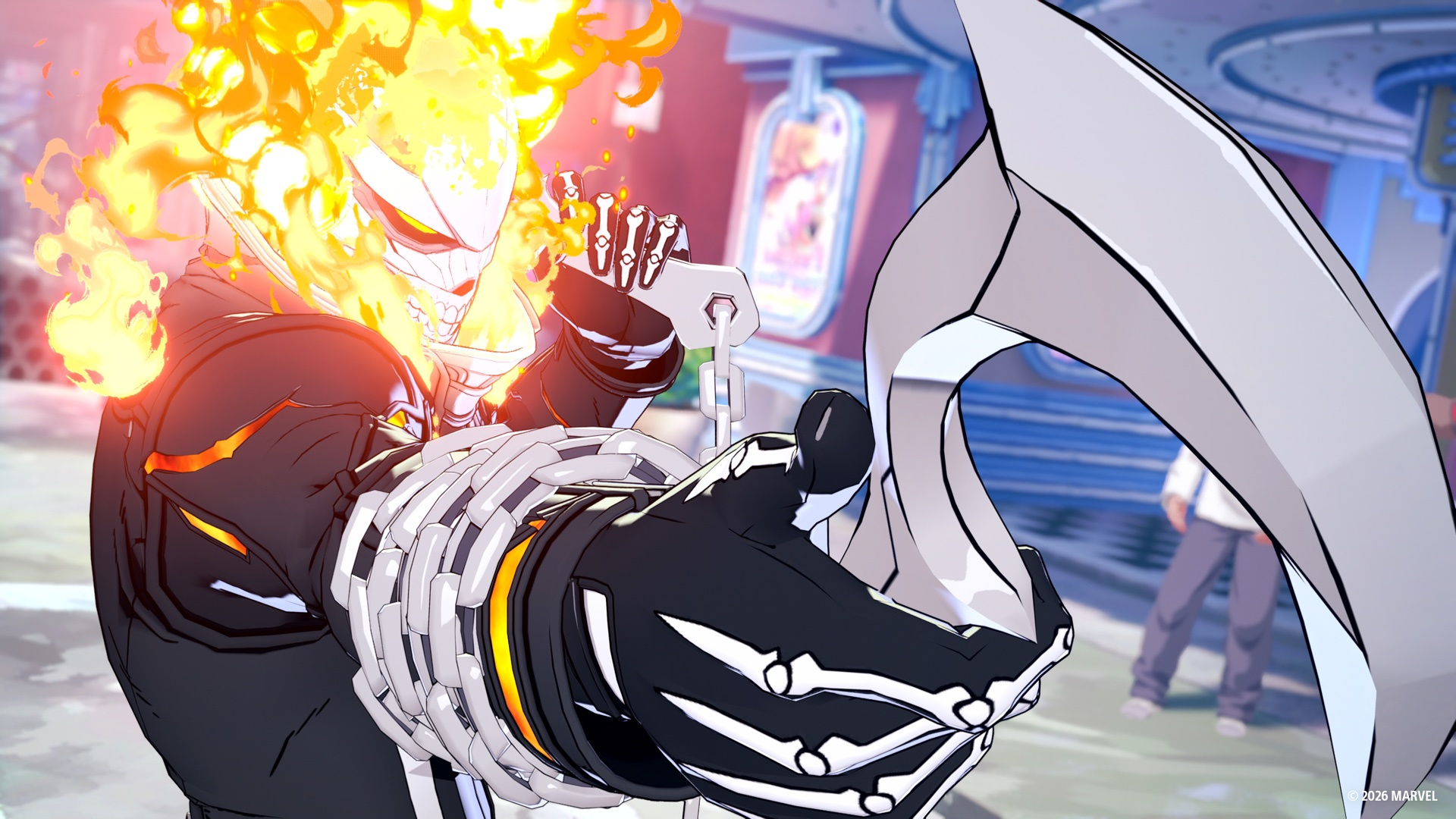 Beyond Episode Mode, the game offers Training, local Versus, Character Guides, All-Star Arena challenges, and the fully offline-capable Arcadia Rumble. These modes give players structured ways to learn the roster, experiment with team compositions, and simply enjoy the characters outside the pressure of ranked queues. The volume of single-player material is welcome. It provides a clear on-ramp for those who prefer to understand the systems thoroughly before jumping online, and it gives the package more lasting value for players who primarily enjoy fighting games as solo experiences.
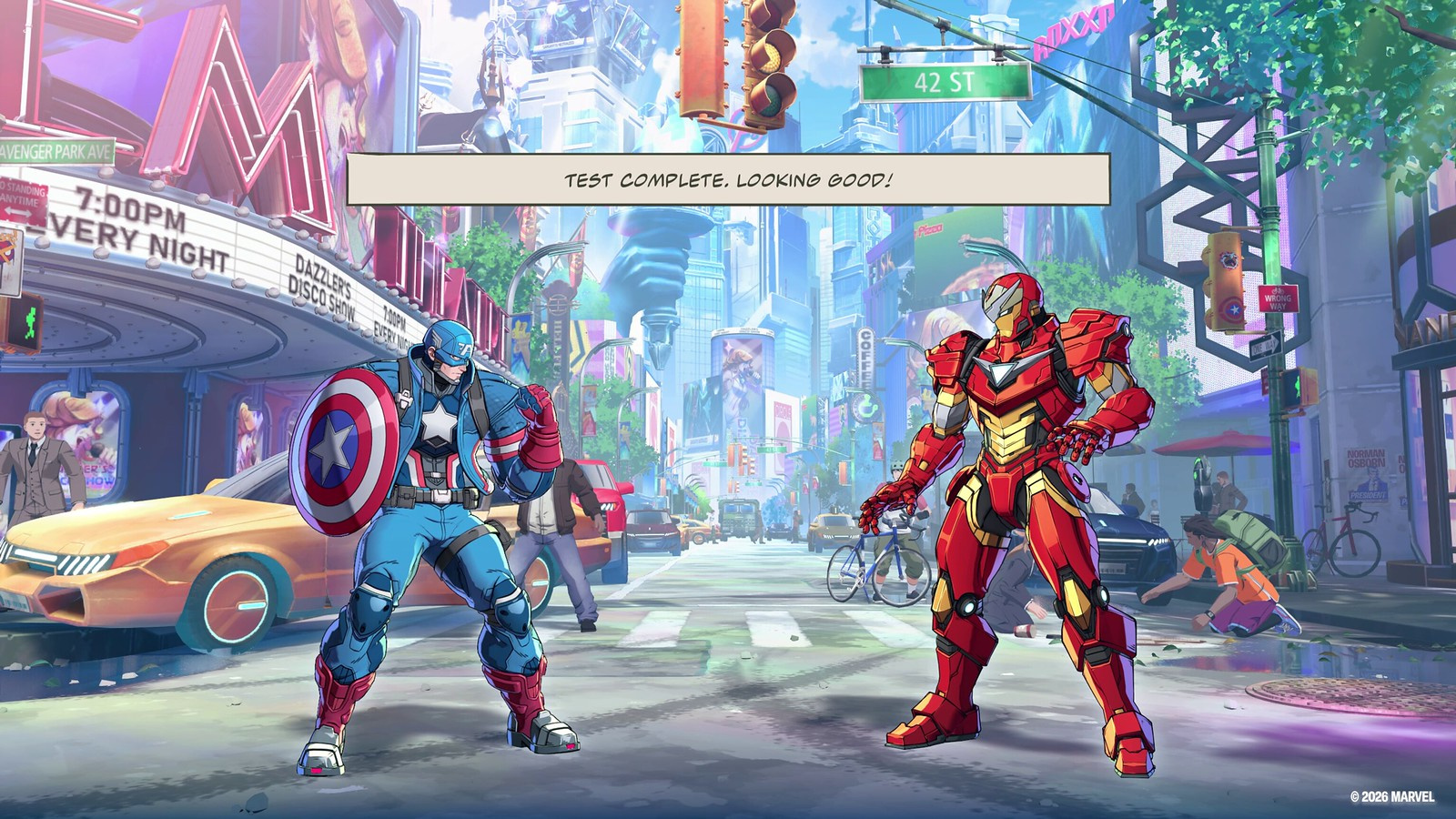 The narrative tone stays true to the source material’s mix of earnest heroism and witty banter. Character interactions during matches and story sequences frequently land with the right mix of gravitas and levity. The game never takes itself so seriously that it forgets these are superheroes and supervillains trading blows in increasingly ridiculous locations, yet it also respects the weight some of these characters carry in the broader Marvel canon.
Online Structure and Competitive Longevity
Online play centers on a lobby system that can host large numbers of players, alongside standard ranked, casual, and private room matches. Cross-play between platforms ensures the player pool remains healthy. The netcode and overall online experience form a critical part of any modern fighter’s long-term prospects, and the systems here prioritize accessibility without completely abandoning the depth required for high-level competition.
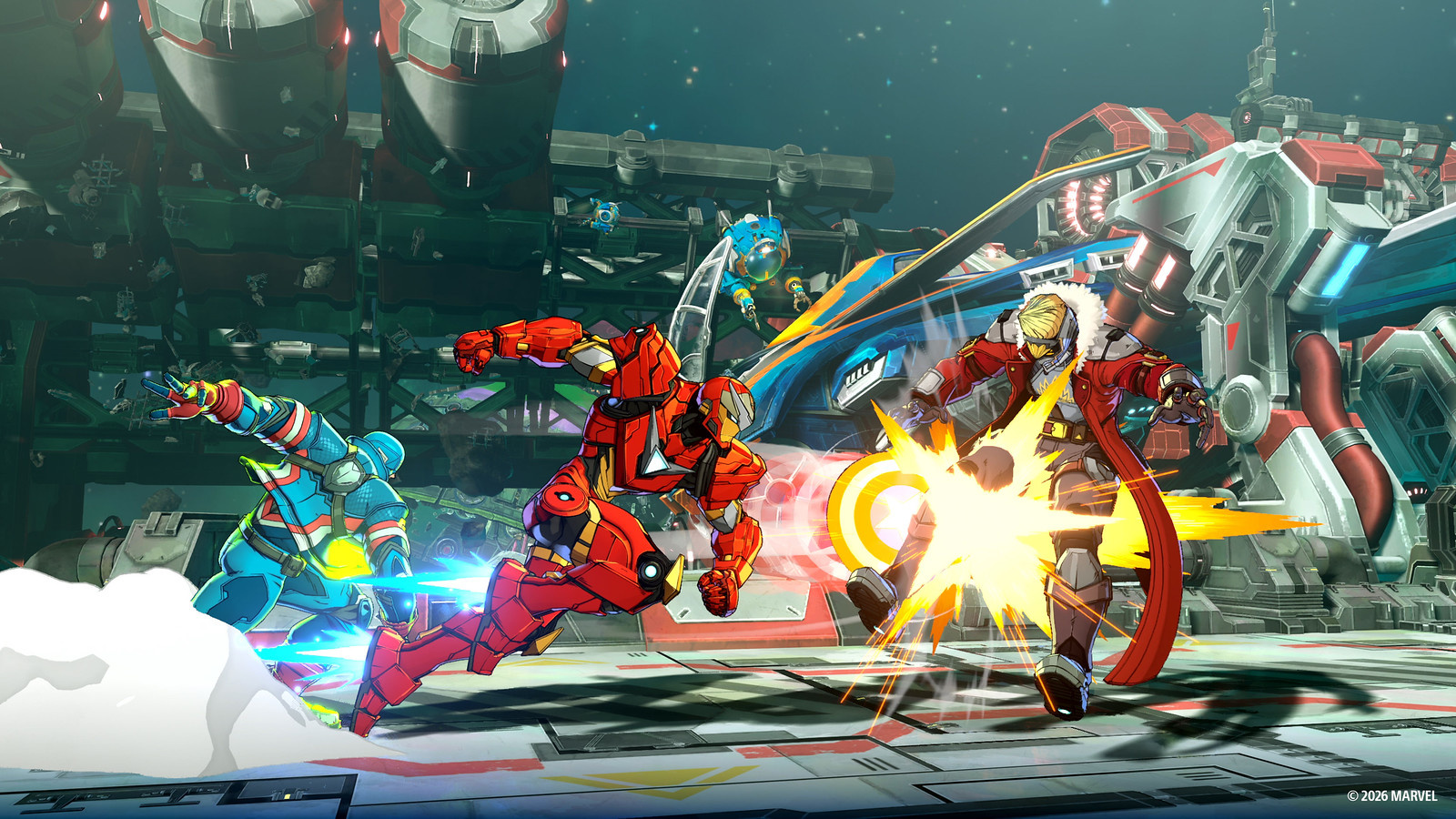 The gradual unlocking of the full team creates natural narrative arcs within individual matches. Early rounds often feel more focused and technical. Later rounds explode into multi-character chaos once both sides have access to their complete squads and expanded resources. This structure keeps matches from feeling repetitive even when the same characters appear frequently. The shared health bar and Assemble Gauge management add layers of resource decision-making that reward foresight and composure under pressure.
 For the competitive community, the combination of approachable entry points and high-skill expression is promising. Players can find success focusing on a primary character and smart assist usage, while dedicated players who master full-team coordination and optimal Wall Break timing will maintain a clear edge. The presence of robust training tools and character guides further supports the climb. Whether the game sustains a vibrant tournament scene will depend on post-launch balance and content support, but the foundation is solid.
Style, Sound, and the Feel of Impact
Presentation is one of the game’s clearest strengths. The anime-inspired art style gives every character and stage a vibrant, readable quality that holds up during the densest exchanges. Animations emphasize clarity and personality in equal measure. Special moves and cinematic supers carry the exaggerated weight expected from both Arc System Works and Marvel. Stages feel alive, with transitions that serve gameplay as much as spectacle.
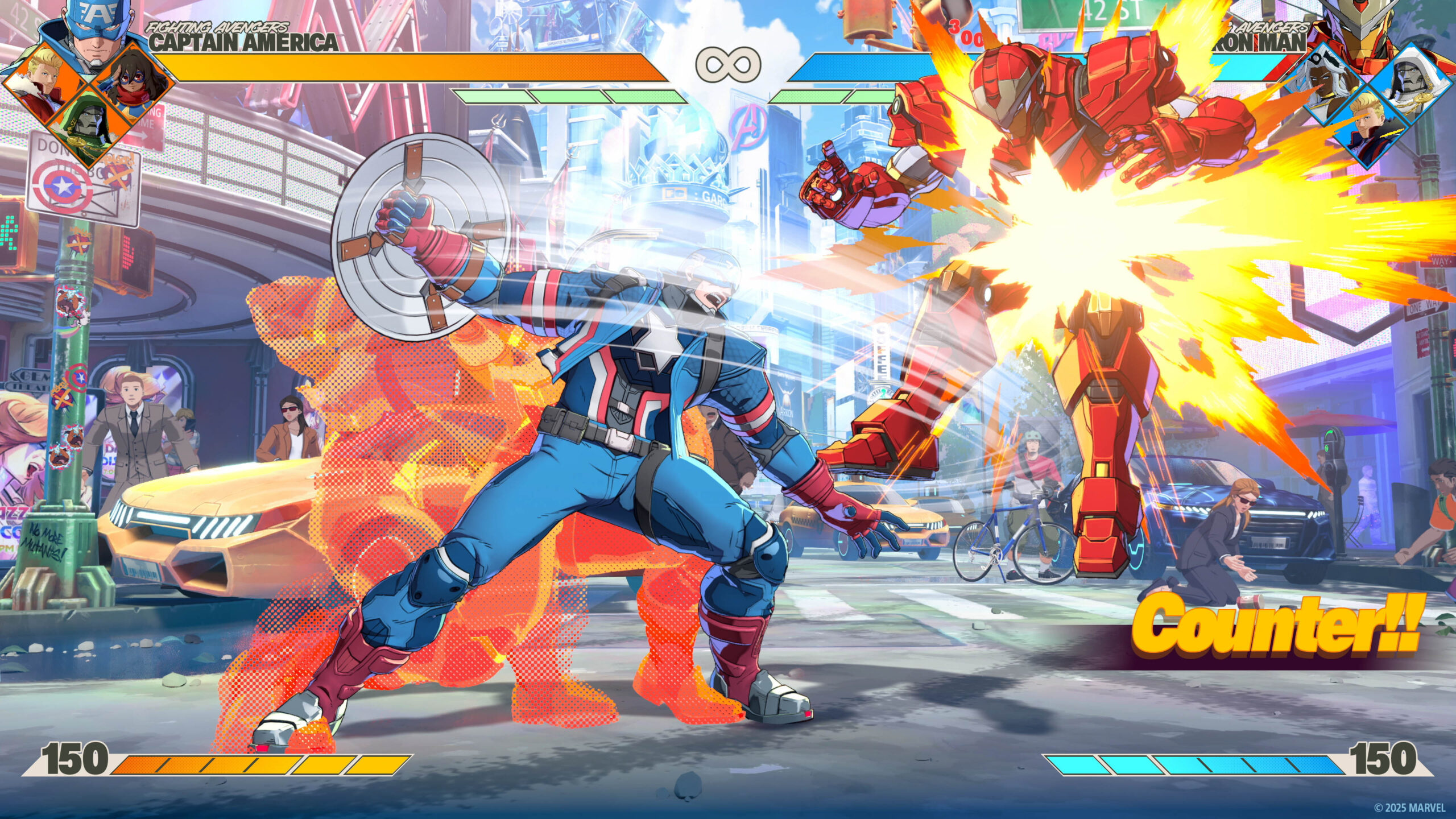 Audio design matches the visual energy. The soundtrack shifts dynamically with the intensity of the match. Character voice work is strong across the roster, delivering contextual lines that reinforce personality without becoming repetitive. Impact sounds and stage destruction effects land with satisfying force. The overall package feels premium, the kind of production that makes even a simple round start feel eventful.
 There is a quiet humour in how seriously the game takes its own spectacle. A carefully timed Wall Break that sends an opponent flying into an entirely new environment while both teams shout their respective catchphrases is inherently funny in the best way. The game leans into that comic-book excess without ever winking too hard at the camera. It trusts the inherent absurdity of superheroes fighting across iconic locations to carry the entertainment value.
Final Thoughts
MARVEL Tōkon: Fighting Souls succeeds as both an accessible entry point and a mechanically rich tag fighter. The unique progression of team access, shared health resources, and expressive character toolkit create matches that evolve in satisfying ways. The roster offers enough variety and personality to encourage experimentation, while Episode Mode and the supporting offline content give the package more weight than a pure competitive skeleton. Online structures and presentation values complete a confident debut.
 The systems require some adjustment, particularly for players coming from more traditional tag or solo fighters, and the long-term health of the competitive scene will depend on continued support. What is present at launch already delivers a distinctive and entertaining take on Marvel combat. For fans of the characters, fans of Arc System Works’ style, or players simply looking for a fresh tag-team experience, this is a roster worth assembling.
We prepared this review with a digital copy of MARVEL Tōkon: Fighting Souls for the PlayStation 5 version provided by Sony Interactive Entertainment.