
There is a particular kind of hospitality, rare in a genre that usually hands you a monster and a flashlight, in waking up inside a simulation that has already decided you are the experiment. The corridors are still corridors. The lasers are still lasers. The voice in the walls is less a narrator than a lab technician with tenure. The Confinement, the first-person paced precision platformer from Brazil’s Mr. Dev Studio and publisher QUByte Interactive, is built on that hospitality, and the hospitality is ruder, cleaner, and more addictive than a ten-dollar test has any right to be.
I played the PlayStation 5 version, the 9 April 2026 launch that put a Sao Paulo-published FP4 onto living-room hardware at $9.99 after a Steam page had already argued about the dash. Mr. Dev Studio is a small Brazilian shop with a fondness for clinical geometry and a willingness to let an AI named AmokAI do the talking. QUByte walked the thing to consoles the way that shop likes to walk tight, strange toys to living rooms. Run, jump, dash, slide. Around forty compact stages. A global ranking for people who thought escaping was the end of the conversation. Brutalist concrete, neon accents, a score that behaves like a metronome. Forty-five Steam achievements. The Steam sample is Positive, 16 of 16, which is a weather report written in a very small notebook. Great, not gentle, and very much a course I would recommend you run if you like a fail that restarts before your pride can write a speech.
AmokAI Would Like a Word With Your Timing
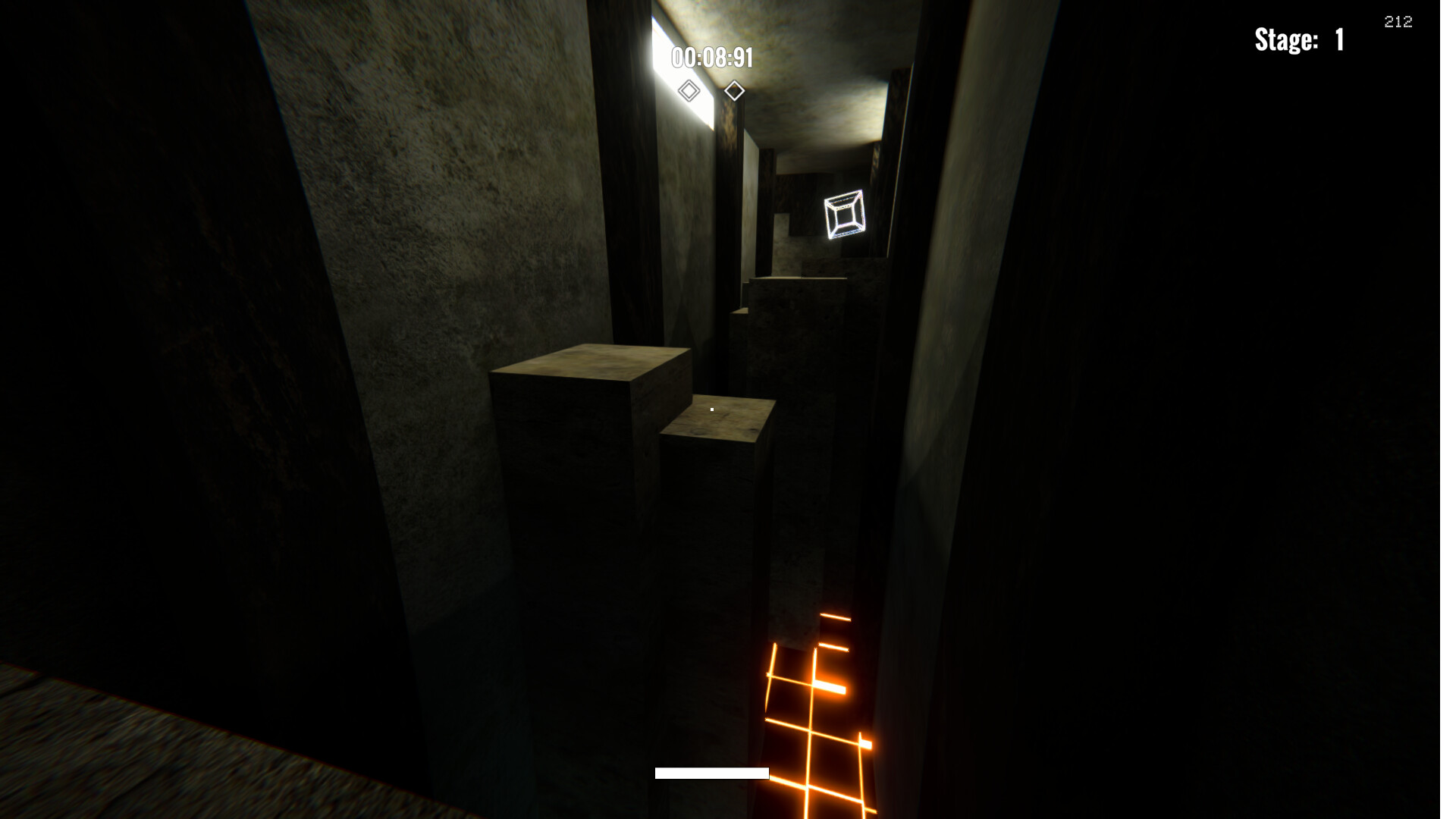
Most platformers begin with a map and a reason. The Confinement begins with a lock. You are inside a simulation created by AmokAI, and the simulation’s job is not to entertain you. Its job is to measure whether you can adapt while the floor is already late. Official copy calls the genre FP4, First Person Paced Precision Platformer, which is a lot of capital letters for a game that would like you to stop reading and start dashing. The letters are accurate. First person. Paced. Precision. The rest is traps.
Story is environmental and stingy, which is the right instinct for a course that wants your hands more than your diary. Sterile corridors, glowing grids, floating platforms that demand you move now. AmokAI talks in the synthetic register of a system that has already graded you. There are no long cutscenes. There is no lore seminar. Questions arrive the way questions should arrive in a lab. Why this room. Why this subject. Why the exit looks like another entrance. I will not invent a mythology the walls did not write. The walls wrote a test.
I like a premise that prices curiosity as a hazard and then makes the hazard the toy. A lot of first-person action wants a gun and a plot coupon. This one wants a corridor and a stopwatch. You are not hunting a monster. You are hunting a clean line. The monster, if you need one, is the version of you that hesitated.
The fantasy is not mastery of a world. The fantasy is competence arriving about half a second after a laser decides you were furniture. You will die in ways that would be funny if the restart were not so sincere. Instant retries are the manners. The lesson is not instant. You internalize a rhythm. You stop thinking. You start being a person who can hear a platform before you see it.
Dash Is the Whole Vocabulary
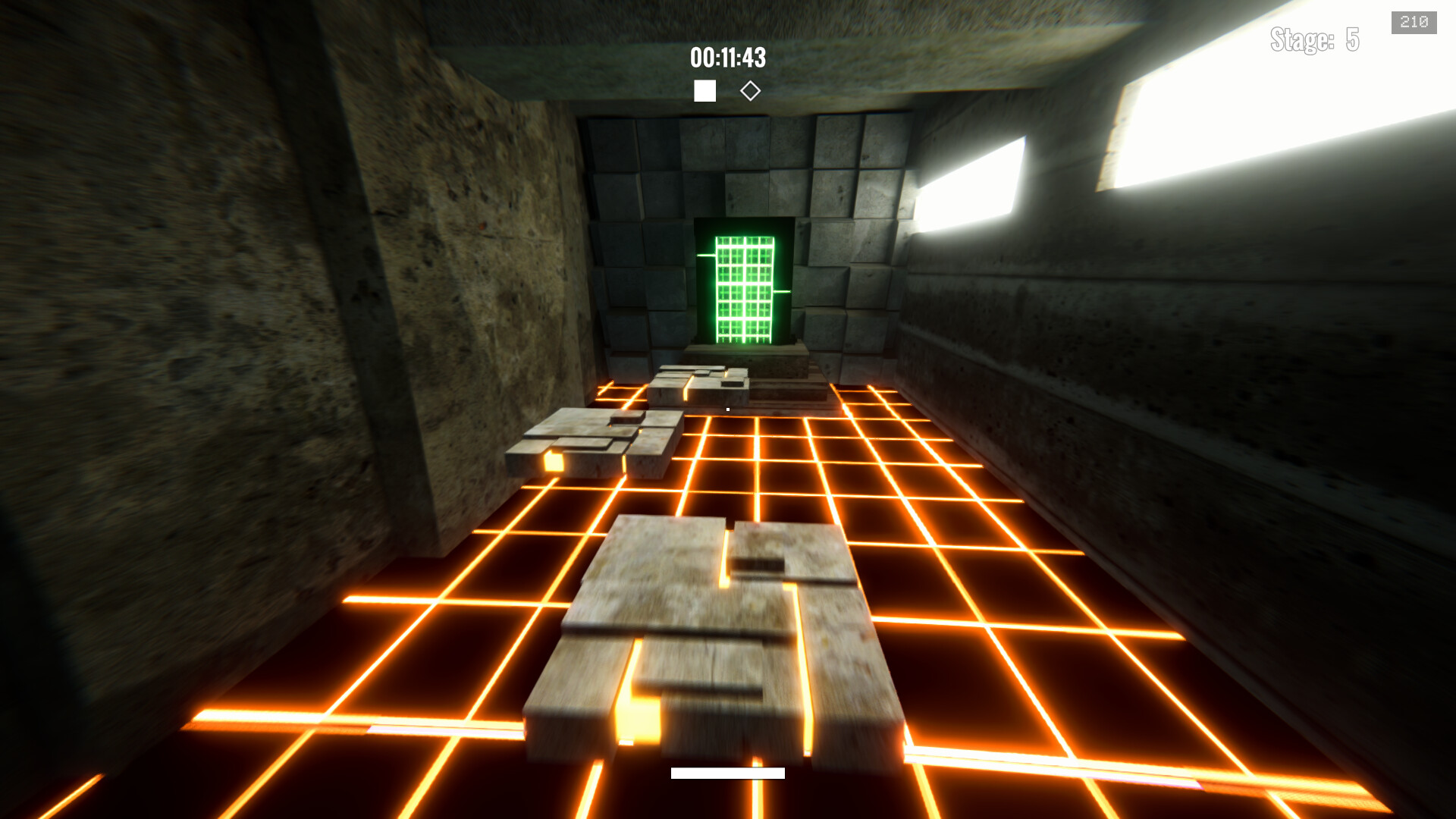
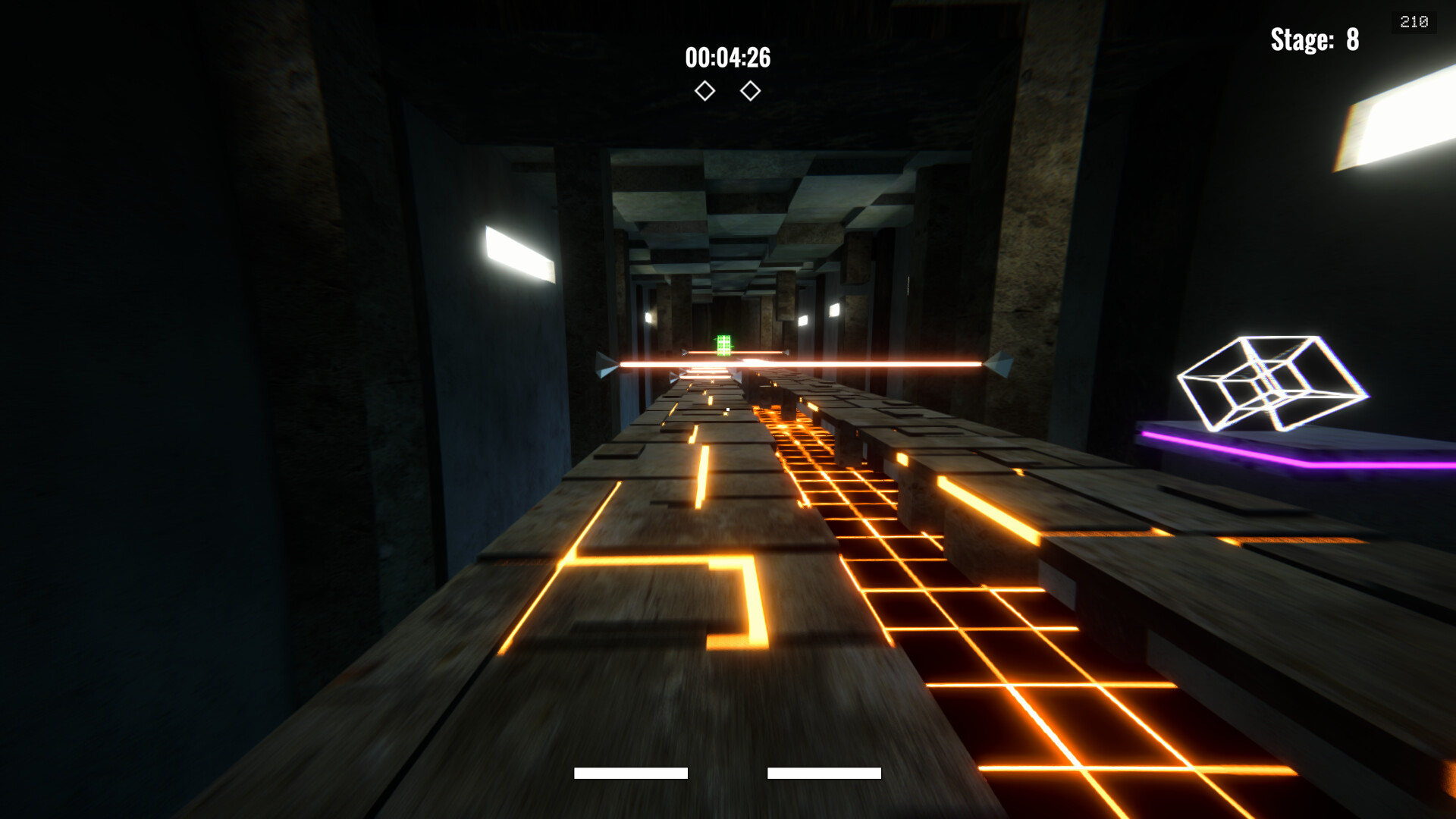
Movement is the reason the lab is worth the bruises. Official highlights list precision movement and dash mechanics as if they were two features. They are one sentence. You run, you jump, you dash, you slide, and the variations on the dash are how a hallway becomes a language. Forward for the coward’s gap. Sideways for the laser that thought it had you. A chain of them for the room that wanted a paragraph.
The first hour is a tutorial in not standing still. The tenth hour is a tutorial in looking like you meant the panic. Levels are compact on purpose. A stage is a burst, not a commute. You will probably die. You will probably die a lot. Because the restart is immediate, you never lose the argument with momentum. You lose a run. You keep the rhythm. That is the difference between a mean game and a sloppy one. The Confinement is mean in the professional sense. If you got hit, you knew whose timing did it.
I have played a lot of first-person platformers that borrowed a dash and then treated it like a hat. Mr. Dev treated it like a thesis. Jump is how you refuse the floor. Sprint is how you agree with a corridor. Dash is how you edit a mistake before the laser finishes the sentence. Slide is the comma. Together they are why a room can be solved three ways and still kill you for picking the fashionable one.
Traps are readable if you are looking, which is a courtesy from a game that is otherwise happy to fail you for blinking. Lasers, moving platforms, energy fields, the usual lab hospitality. Audio cues do half the teaching. A hum that means it. A snap that has been waiting. The mix stays out of the way of the tells you need to hear. Sensitivity can feel hot if you come in from a slower camera. That friction is real. It is also the kind of friction a precision game is allowed to have if the rest of the kit is honest. I turned the stick down. The rooms did not get kinder. I got less theatrical.
Forty Rooms, One Experiment
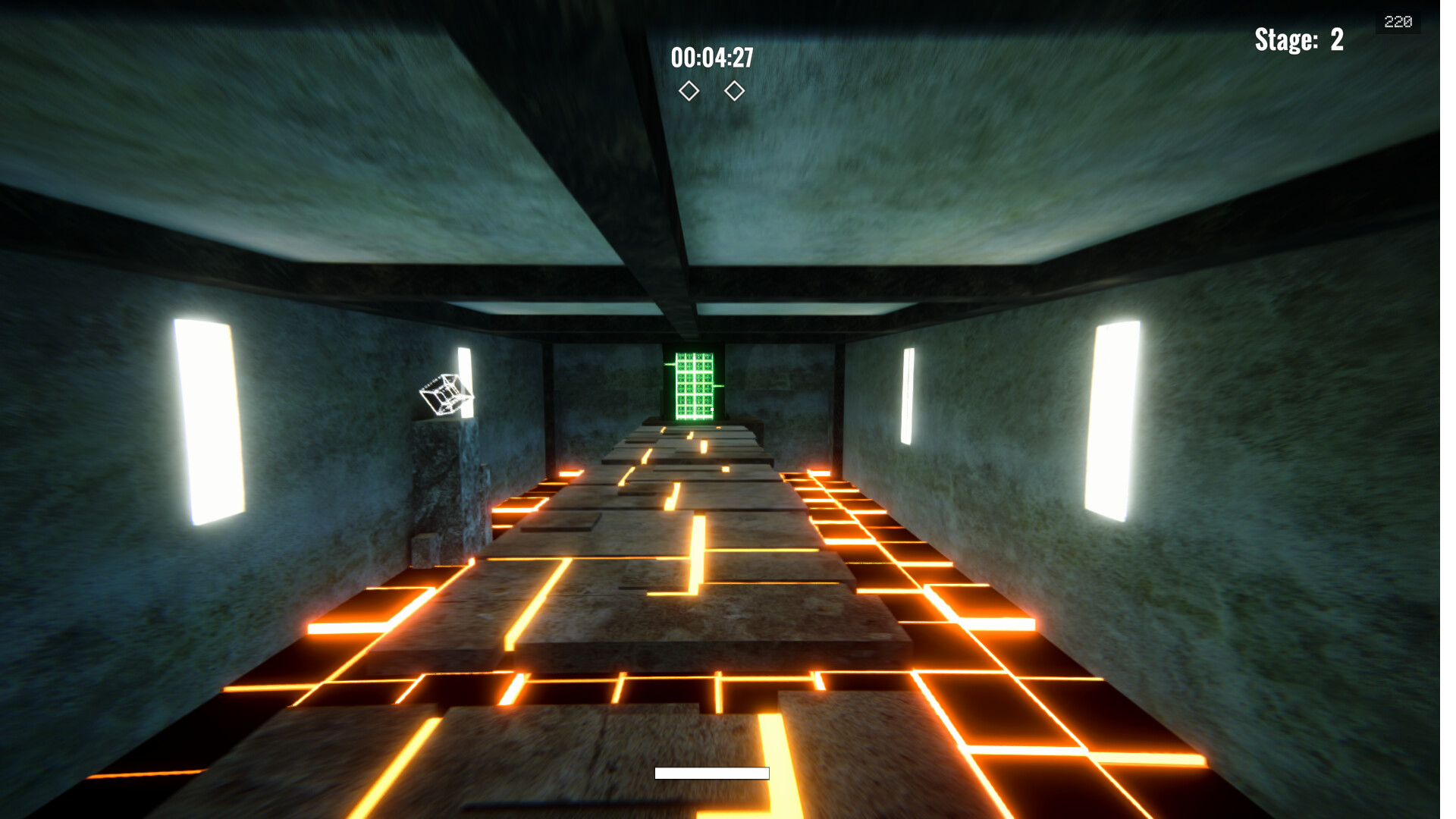
Official copy says around forty carefully designed levels. Other listings say more than thirty. I will not invent a census. The number that matters is compact. Each stage is short, intense, and built to be repeated until your hands agree with the architect. Completing a level is the first game. Completing it in a time you can defend is the second. That second game is why the object has replay value instead of a credits roll and a shrug.
Rooms escalate the way a good exam escalates. Early corridors teach the alphabet. Later corridors assume you can read and then move the words. Platforms travel. Lasers keep appointments. A line that worked yesterday is a rumor today because you are greedier and the room knows it. I got stuck. I changed the sentence I was speaking with the dash. I came back with a worse attitude and a better line. The fights, if you want to call a geometry a fight, stayed fair in the way a good action game is fair. The lab will remember you. You will remember the lab.
There is no margin for a hit. Touch a trap or miss a landing and you start the stage again. That rule is the whole personality. Some players will call it purity. Some will call it a brick. Both are looking at the same design. I am in the first camp with caveats, which is the only honest place to stand. Instant restarts keep the brick from becoming a lecture. A stage you have failed for ten minutes can still be a stage you finish in a clean breath, and that breath is the product.
Secrets are light. The course is the content. If you need a collectible novel between dashes, you will feel underfed. If you need a room that can be learned like a piece of music, you will feel hired. Forty-five achievements sit in the background like a second ranking. Names I will not turn into a guide. The list is more interested in your relationship to speed than in a checklist you could put on a wiki.
Brutalist Neon and a Metronome That Means It
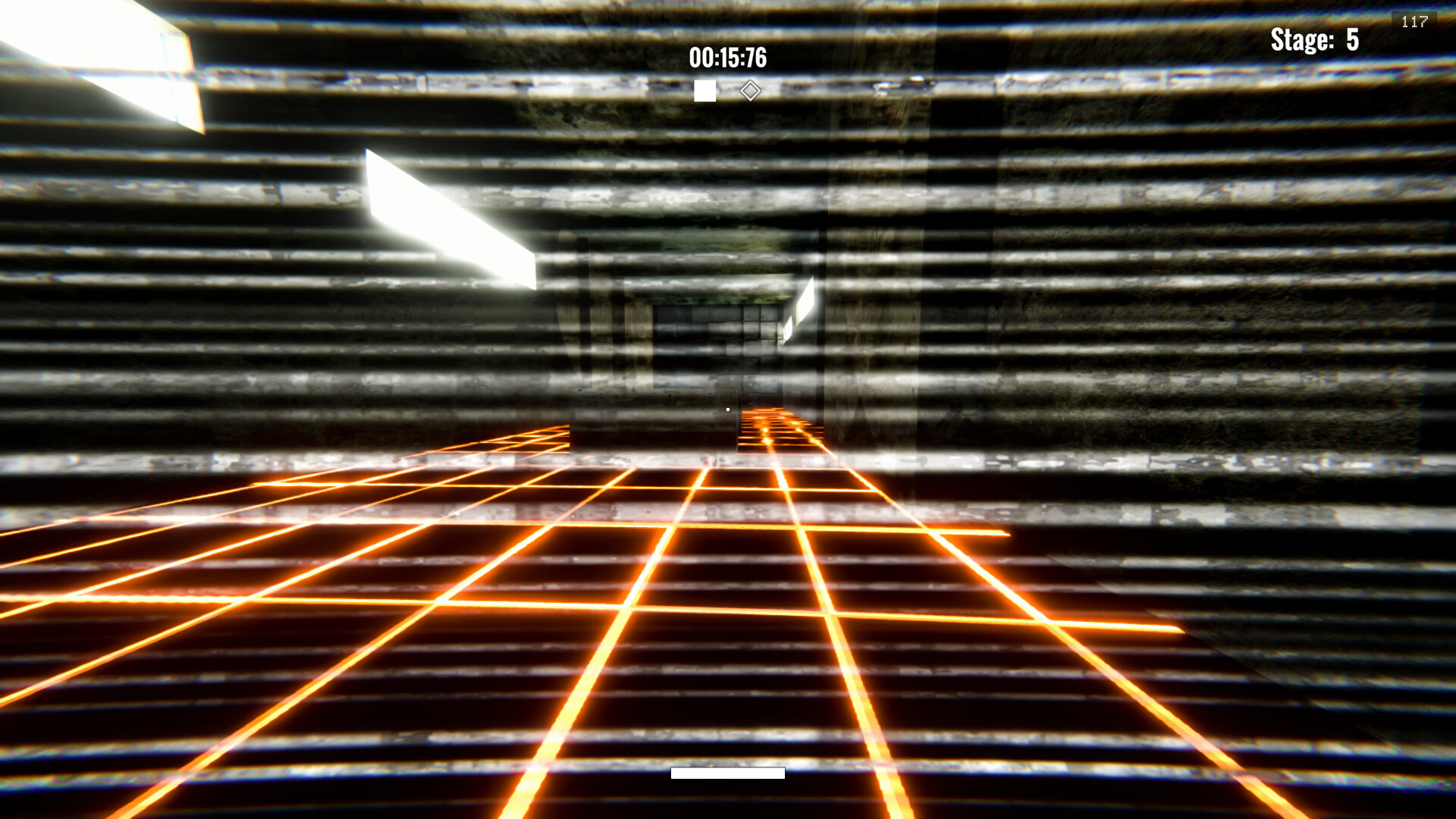
Presentation is the other reason the object feels more expensive than ten dollars. Official copy promises a brutalist-inspired visual style with neon accents, and the rooms keep that promise. Concrete. Glow. Sharp geometry. No visual clutter to hide the pixel you need to land on. Cartoon is not the costume. Clinic is the costume. Clarity is the craft. You can tell a safe ledge from a rude one at a glance, which is the review you want from a game that kills you for blinking.
I have played a lot of indie platformers that announce a unique look and then deliver a pleasant palette with nicer outlines. The Confinement has a handwriting. Early rooms still look like a lobby. Later rooms look like the lobby lost an argument with a god who likes practical jokes and fluorescent tubes. The emptiness is the atmosphere. You are alone with an AI and a stopwatch. That is enough set dressing if the set can be read at speed.
Sound is the other architect. Official materials talk up an industrial, electronic pulse. In play the music behaves like a metronome you can use. Beats line up with the intended pacing of a room, which is a fancy way of saying you will start dashing on the kick whether you meant to or not. Footsteps ring hollow. Traps speak before they bite. AmokAI’s synthetic voice sits in the mix like a technician who will not leave the booth. I am not writing an album review. I am saying the lab sounds like a place you would like to fail in.
Languages cover English, French, Italian, German, Spanish, Polish, Portuguese from Brazil, and Russian, enough to get a mixed group into the same experiment. Full controller support is the Steam checkbox. On a living-room stick the dash felt like a shoulder and the jump felt like a face button, which is how a living-room lab should feel. I will not write a benchmark novella. The frame held. The inputs listened. If the dash is late, the game is over. The dash was not late.
The Leaderboard Is the Second Game
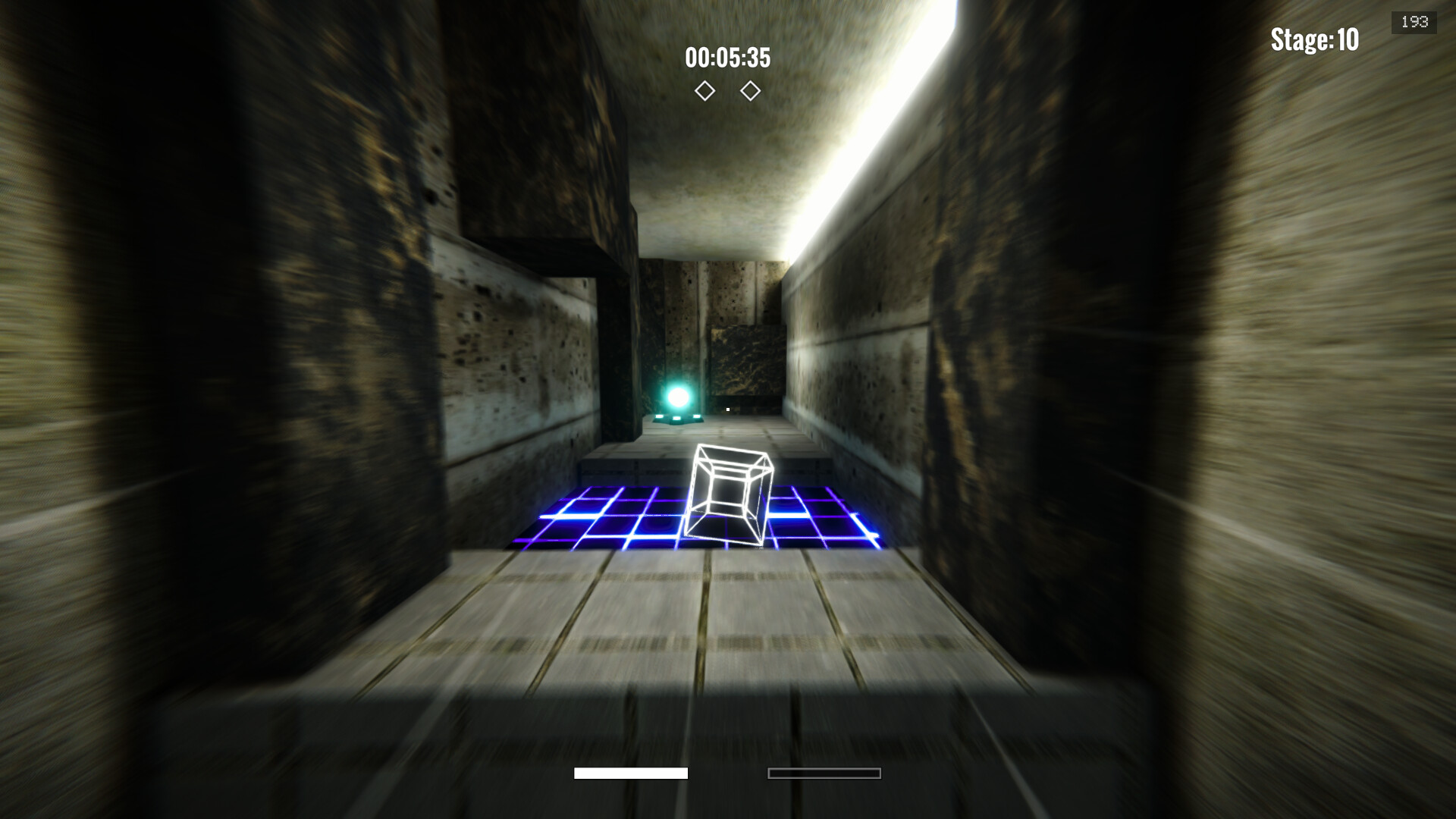
Competition is not garnish. Official highlights put ranking next to the dash, and they are right to. Escaping a room is how you prove you understood the sentence. Beating a time is how you prove you can say it faster than a stranger. The global board is a second game that does not require a second install. You will finish a stage, look at a number, and become a worse person in the useful way.
I have a rule for cheap precision. If a game is worse after you finish it than while you are failing it, it is a campaign. If it is better after you finish it, it is a sport. The Confinement wants to be a sport that happens to have an AI landlord. Daily pride is the loop for people who thought the exit door was retirement. I chased times I will not print because I will not invent metrics. What I can say is that a clean run feels like a magic trick you finally admitted you practiced.
The Steam sample around a game this small is always going to look tiny. Positive is the official weather, 16 of 16 on the side of yes, which is a compliment written in a whisper. A larger conversation will arrive when more hands have been graded. Until then I will not pretend a sixteen-review notebook is a census. I will say the people who found the lab like the lab.
Compared with the bigger first-person speed toys, where a katana or a card does the talking, The Confinement is the stripped daydream. No weapon fantasy. No narrative fork. A corridor, a dash, a voice that would like your time. That austerity is the hook and the limitation. If you need a world to live in, this is a test you visit. If you need a test that can become a habit, the visit lasts.
When Precision Becomes a Personality Test
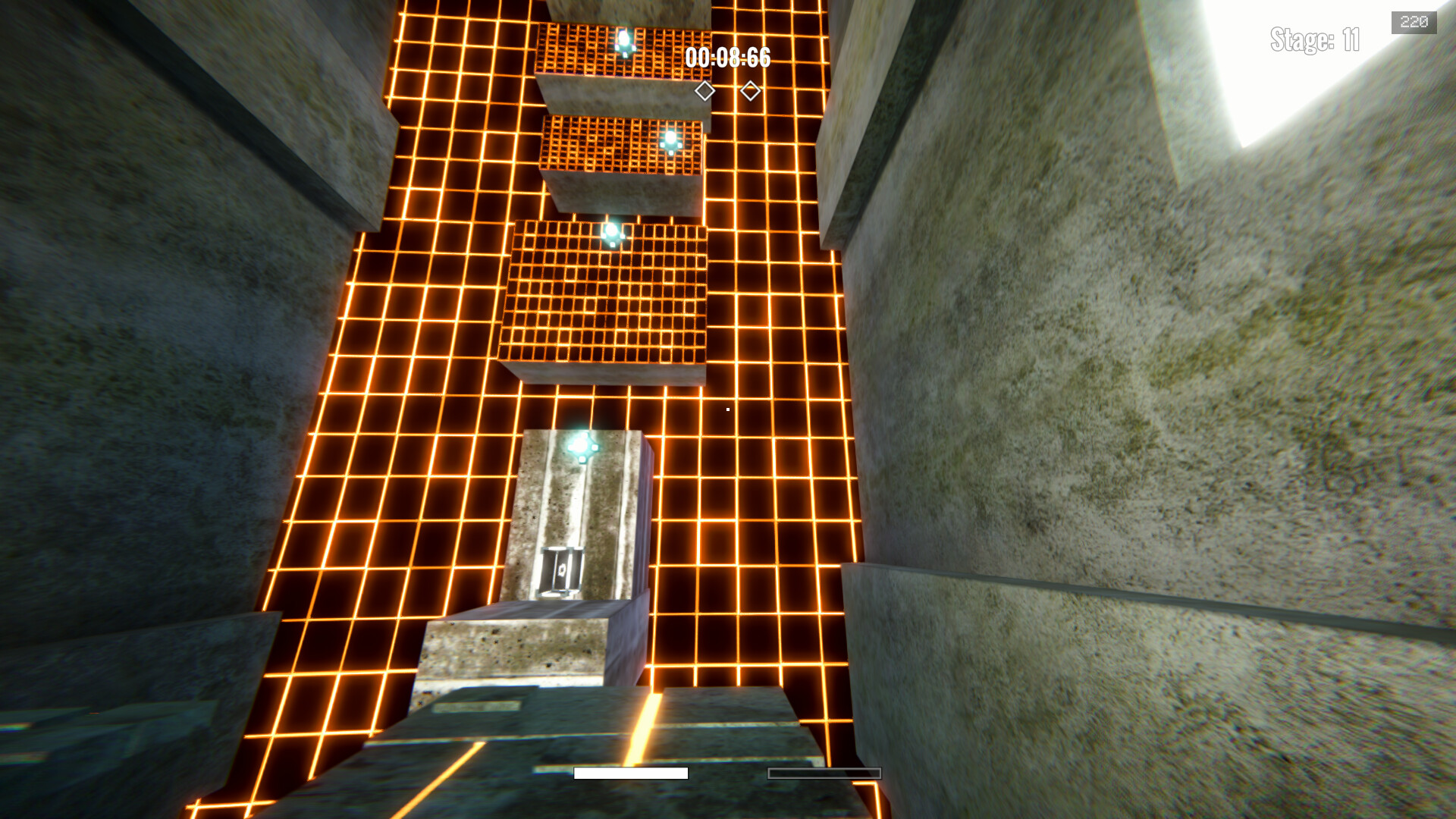
I should be clear about the friction, because it is real and it is not a footnote you hide after the score. The rooms repeat their manners. New lasers, new moving floors, new ways to be late, and still, after enough evenings, a corridor that is a rearrangement of an earlier corridor. Around forty authored stages is a spice rack. Spice is not a meal if the recipe keeps winking the same way. When the same category of surprise sits in a new costume, the surprise becomes a commute.
Controls can feel hot. A first-person camera that is built for speed will punish a lazy stick. Some hands will call that precision. Some will call it a fight with the mouse they do not have. I am not going to pretend the kit is for everyone. It is for people who like being graded. If you wanted a story-driven parkour novella, AmokAI will bore you in a concrete way. If you wanted a gentle on-ramp, the lab did not budget one.
Repetition is the other tax. Instant restarts keep the tax from becoming a lecture, and they cannot keep a familiar gag from feeling familiar. I bounced, then I went back, then I bounced again, which is the loop the design is proud of and the loop a tired week will resent. That split is fair. The Confinement is a $9.99 indie that knows what it is, and what it is not is a weekend novel.
I keep coming back to the AI. Not because the writing is a masterpiece. Because a watching voice turns a fail into a conversation. You are not dying in a vacuum. You are dying in front of someone who asked for this. That is a cheap trick and a good one. The lab is staffed. The staff is silicon. The grade is yours.
Still Running After the Simulation Blinks
The Confinement is a rare cheap precision toy that understands its own joke and then has the discipline to make the joke a metronome. Mr. Dev Studio built a lab about timing, an AI about pressure, and a toybox that looks like a lobby and plays like a craft. The dash is the hook. The restart is the spine. The night you finally mean a line is the grin.
It is better as a sport than as a novel. The movement stays the reason to recommend it. The brutalist neon stays the reason you keep the window open. The repetition is real. So is the grin when a dash steals a room and a reckless retry turns a bad minute into a time you will not tell anyone.
I am scoring it 8, Great, because the identity is this strong and the limitations are the limitations of a focused course, not an unfinished one. At $9.99 you are buying stylish first-person panic, around forty authored rooms that agreed to be brutal, and a loop that respects the fact that death should leave a receipt in your hands. I would recommend it to anyone who likes a tool that has weight and a map that is allowed to fail you honestly. Distinctive clinical geometry, a leaderboard for the restless, a watching AI for the lonely, and a price that respects your week are a lot of game for the ask. The rooms repeat their jokes. The jokes are still sharp.
The subject is still running a simulation that will not stay kind. After a few clean exits, you will understand why the job is not finished, and why you keep waking up in the lab anyway.
We prepared this review with a digital copy of the The Confinement for the PS5 version provided by Pressengine.