
There is a particular kind of invitation, rare in a genre that usually hands you a garlic joke and a pixel clove, in waking up as a young vampire lord and discovering that the dark has already hired a werebeast union. The castle is still a castle. The gold is still gold. The first crowd that tries to eat the lawn is not a metaphor. Night Swarm, the gothic roguelite bullet heaven from Istanbul studio Fubu Games, is built on that hunger, and the hunger is ruder, louder, and more useful than a ten-dollar throne has any right to be.
I played the PC version, the 4 December 2025 Steam launch at $9.99 that Mad Mushroom and Gamersky Games walked onto desktops after a demo that already knew how to shout. You hold the line. You summon a companion who would like a raise. You spend gold on a totem that answers only if you give willingly. Forty-four Steam achievements sit in the dark. The Steam sample is Mostly Positive, 78 percent of 1,139 purchasers, which is the honest weather of a crowded genre and not a dare. Great, not glossy, and very much a night I would recommend you spend if you like a survivors-like that knows it is a survivors-like.
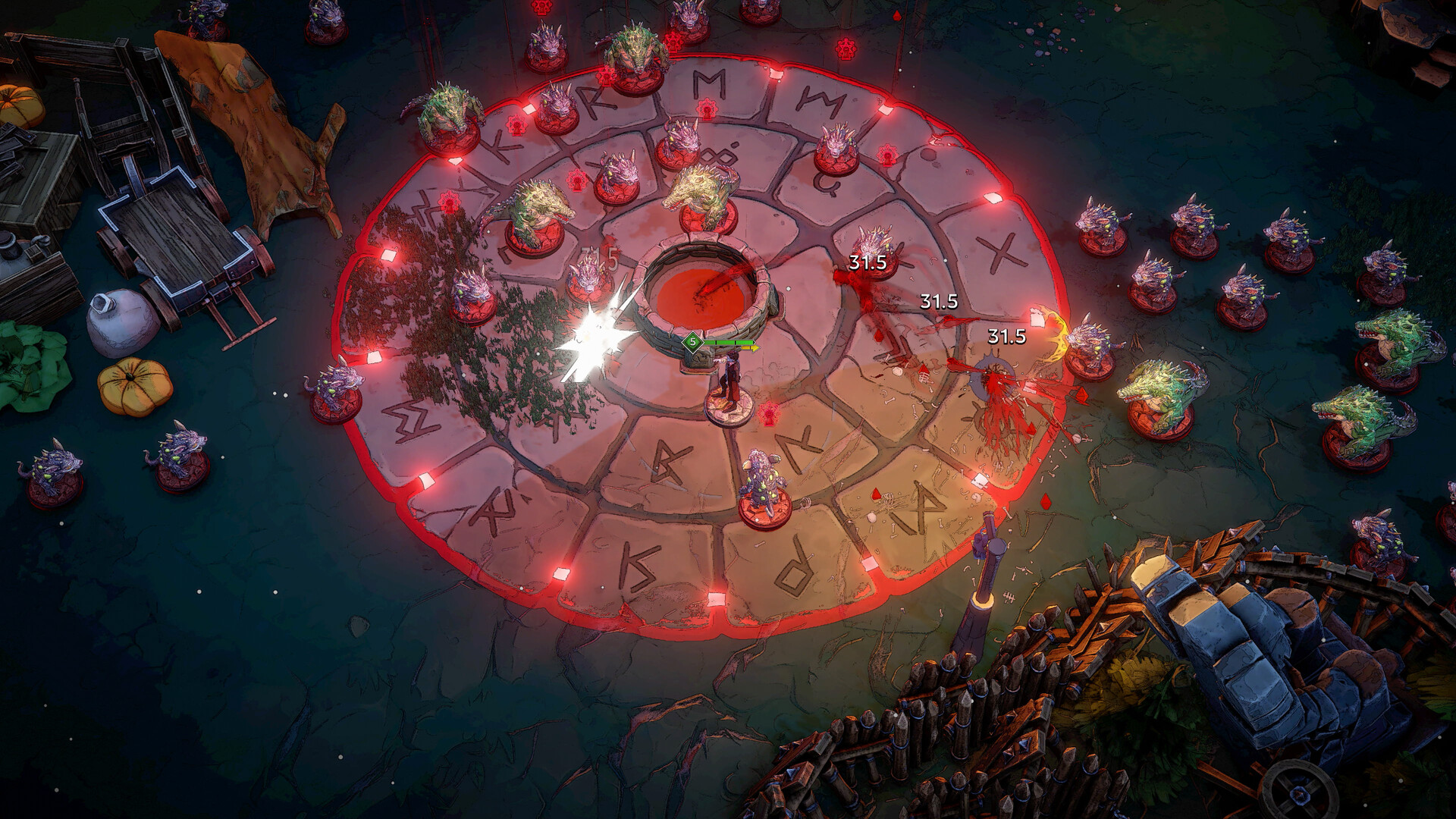
The Night Does Not Care Who You Were
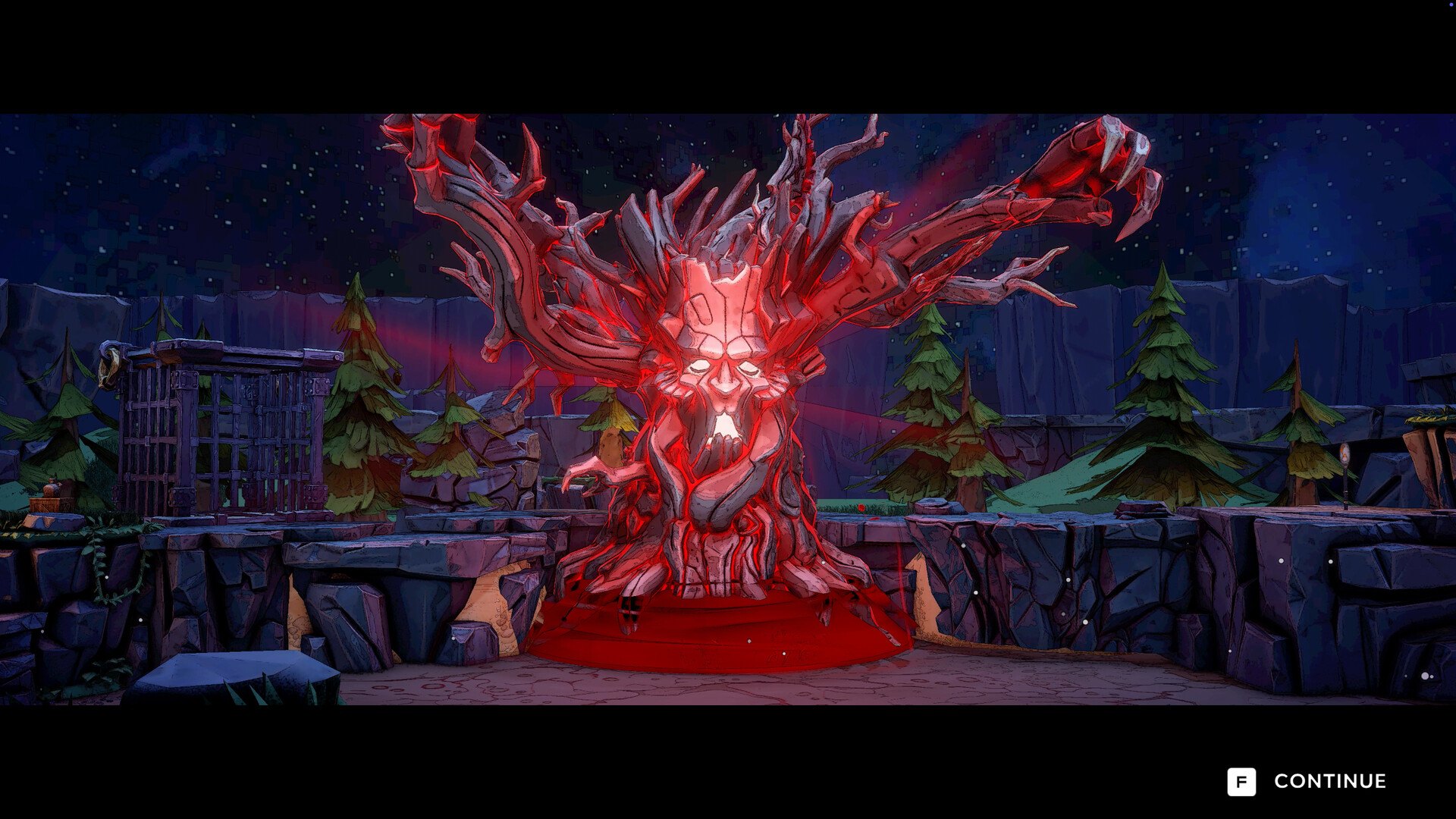
Most horde games begin with a smirk. Night Swarm begins with a job description. Official copy on Steam says you play as a fearsome young lord rising to power, then asks you, with the grammar of a person who has already lost a dynasty, to gather loyal allies and fight back against the werewolf hordes that threaten to consume the night. That is not flavor text. It is the design refusing to pay for a novel when a wave will do.
You start moving because the alternative is becoming a rumor in a place that does not keep rumors. The first stretch is staged like a punchline that forgot to be funny. You stand. The crowd thinks about it. Something the size of a pink apology thinks about you. The script, still in first person of purpose if not of camera, asks you to hold the line. Nobody will hold it for you. That is the rest of the map.
I like a premise that prices curiosity as a hazard and then lets you walk toward it anyway. The official launch copy names the exile. Roderic, a recently awakened prince, last hope of a usurped throne, gathering forgotten beasts and cursed allies because the family silver is already someone else’s problem. I will not invent a lore bible with fake timestamps. What I can say is that the fantasy is not mastery of a genealogy. The fantasy is competence arriving about half a run after you invent a crimson disc.
You will fall in ways that would be funny if the gold drop were not so sincere. You leave your build. You walk back to the castle. You become the kind of person who thinks a talent shop is a personality.
Hold the Line, Then Invent a Dynasty
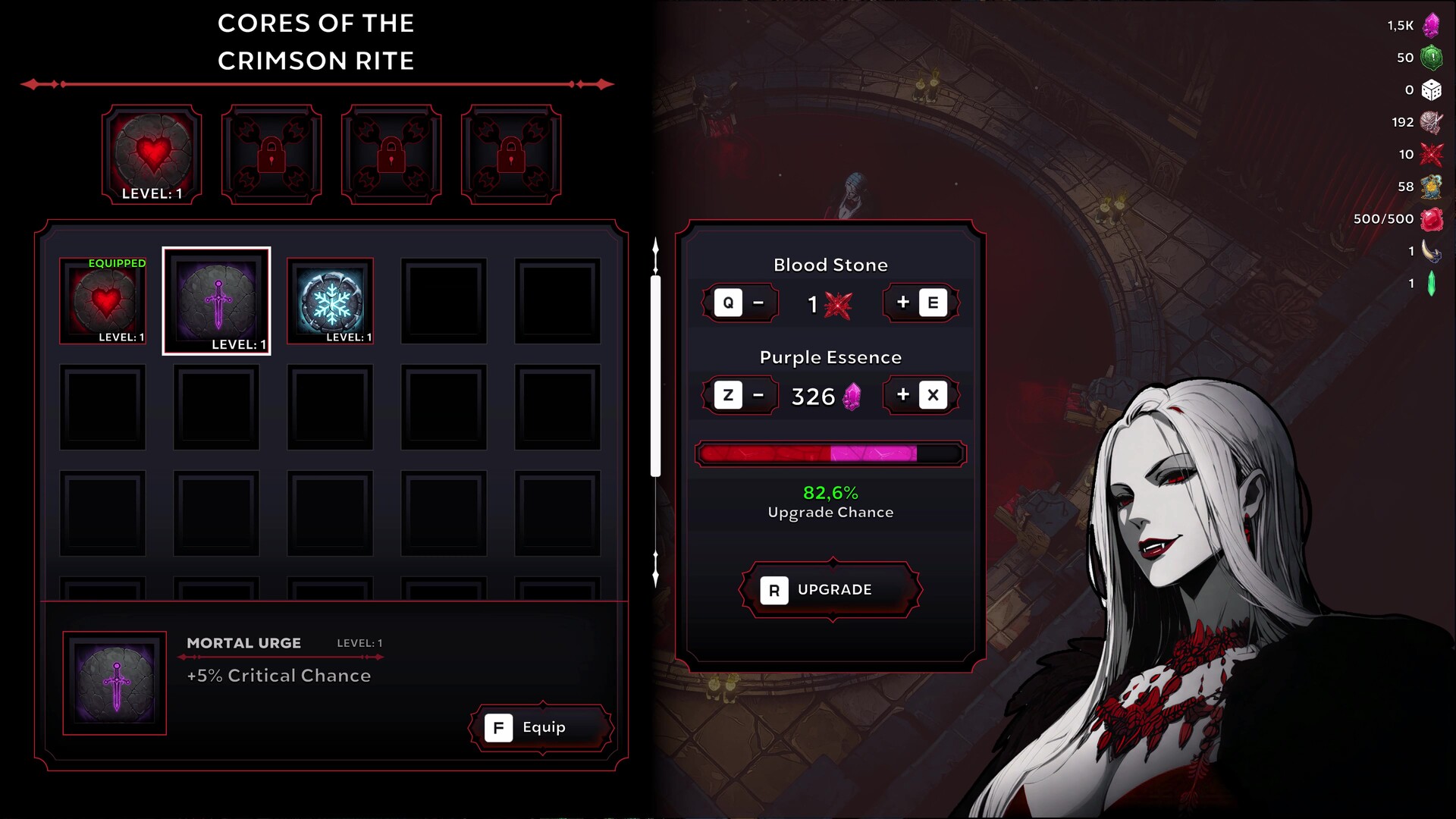
The loop is the old religion and Fubu Games does not pretend otherwise. Waves, gems, a level-up that would like you to pick a relic before the next cousin arrives. Active relics that behave like weapons. Passive relics that behave like opinions. A fusion that happens when two compatible actives grow up and decide to share an apartment. None of that is a revolution. All of that is the sentence the rest of the toybox has to live in.
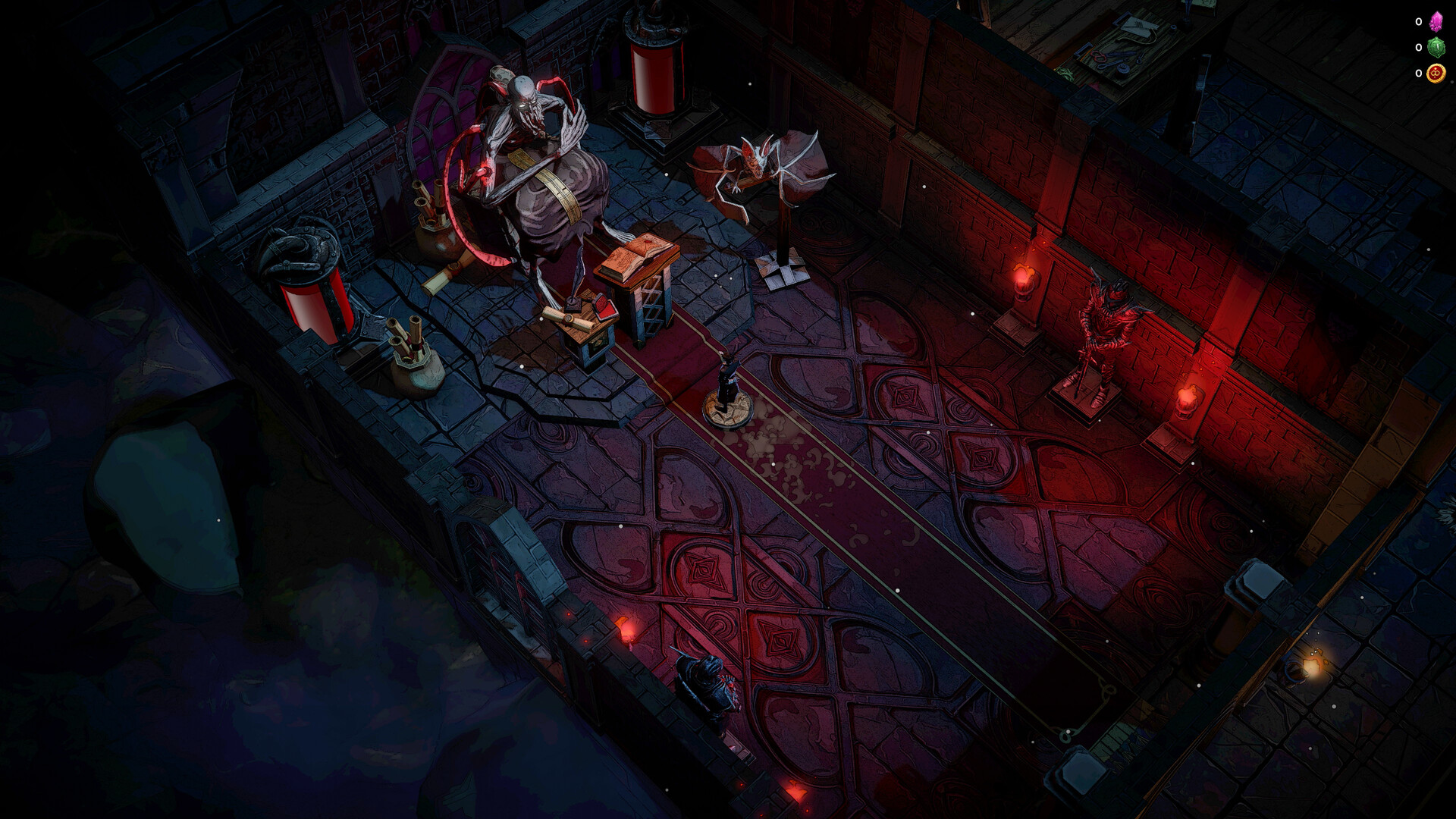
The castle is the other half of the sentence. Official features list a Talent Shop to shape a build, an Item Shop to prepare for the battles ahead, and a host of loyal NPCs who exist solely to sharpen your edge. Every run brings new upgrades. Every choice carves a darker legacy, which is a polite way of saying the hub remembers you even when the field does not. I have played a lot of games that treat the hub as a loading screen with chairs. Night Swarm treats the hub as a second career, and that is both a promise and a warning. If you want a pure arena that never asks you to decorate, you will feel employed by a realtor. If you want a weekend that turns a ruin into a keep, you will feel hired.
Crafting sits on the feature list with the candor of a person who has already lost the argument with feature creep. Scour the wilds for blueprints. Craft ghastly gear. Armor that would like materials you do not have yet. I will not invent a cloth census. I will say the commute from a blueprint to a shirt can play hide and seek until a late room becomes a rumor. That grind is real. It is also priced into a ten-dollar gothic run that would rather you have a long-term goal than a short one.
Procedural manners keep the field from becoming a museum. Points of interest sit on the night like dares. You loot them. You leave. You come back when you have a better companion. I left the greedy path on for an evening and the careful path on for another. The crowd did not mind. The late rooms minded either way.
Relics, Fusions, and a Build That Matters
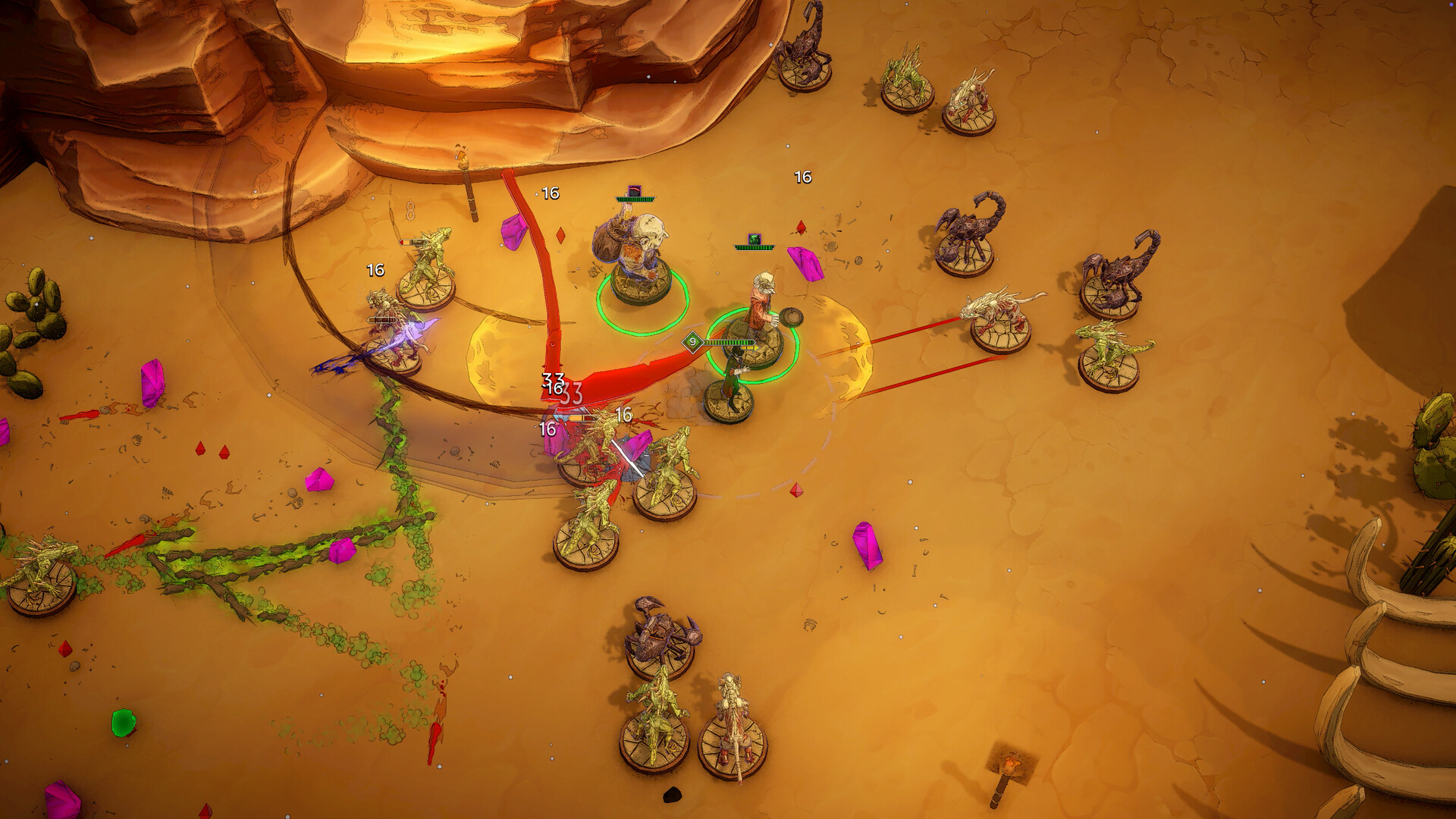
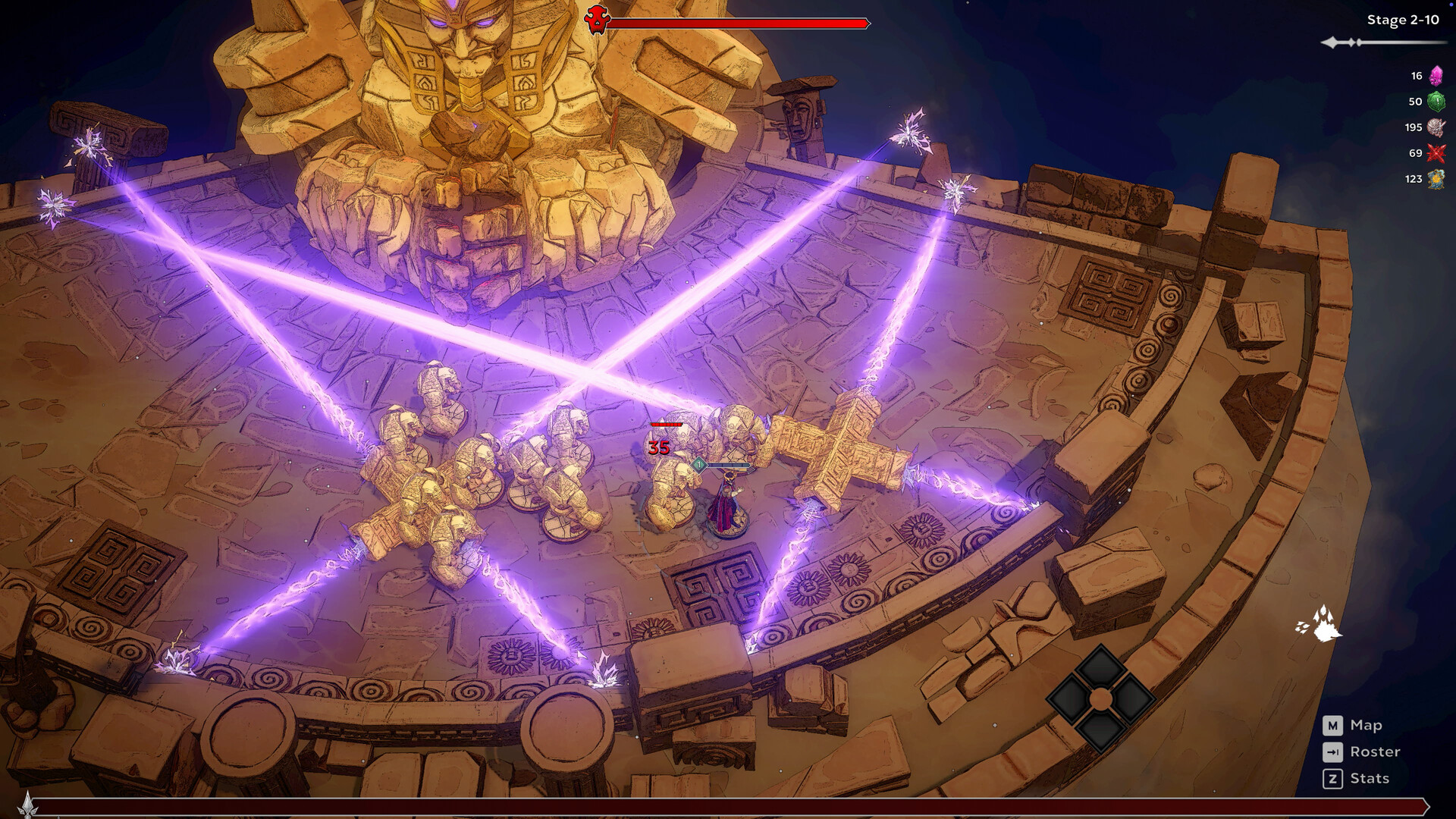
The field is the temperature change. Early beasts establish that this is not a peaceful castle simulator with nicer lighting. They will fill a screen farther than pride would recommend. A starting relic handles the general population. The fused editions will empty a bar if you treat them like scenery. Further inland, colossal bosses would like a word, and the word is tall. Getting a fusion with actual manners takes a while. Until then, kiting is a strategy, not a cowardice.
The relic sheet is the other half of the short description and the nastier half of a run. Official store language talks about diabolic relics, Crimson Rites, and ancient powers you invoke as you gain experience. The practical sentence is simpler. You pick. You stack. You hope two actives like each other enough to fuse. Watching a soul trick and a crimson trick decide to become one object is the grin the genre was hired to deliver. I will not invent a highlight reel with fake timestamps and tidy counts. The nights that stay with you are the ones where you thought the build was finished, then a totem offered a scroll you could not afford, and then you were on the wrong side of your own greed.
I should be clear about the depth, because it is real and it is not a footnote you hide after the score. Active relics do different jobs. Passive relics change the weather of a job. Companions bring active abilities and passive buffs that can make a late wave feel like a group project. A freeze that turns a pool into a courtesy. A summon that turns a late room into a committee. Not every companion pulls equal weight. Finding the ones that do is the hobby.
Totems are the other wallet. Official copy says ancient totems respond only to those who give willingly. You exchange hard-earned gold for skills, scrolls, and secrets that could turn the tide of any battle. Mega editions show up later like a cousin who has been to the city. I spent gold I was sure I needed and then needed it, which is the oldest totem joke in the book and still a good one.
Companions, Totems, and the Castle Getting Louder
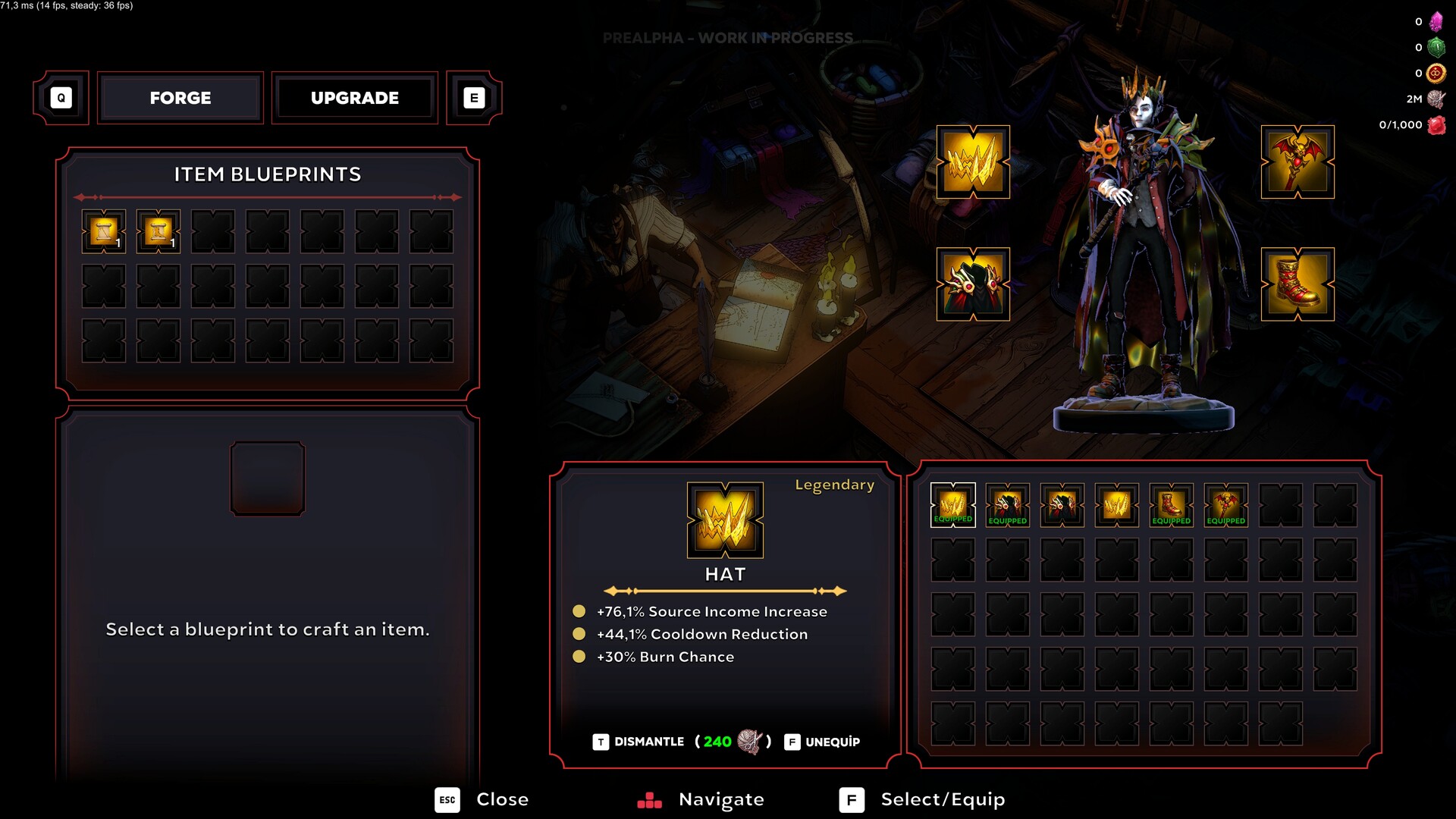
Companions are the moment the night changes tense. Official features ask you to summon loyal allies and unleash chaos upon your enemies. As reputation grows, so does influence, calling forth stronger and deadlier friends bound to your dark will. That shift is the closest Night Swarm comes to a power fantasy I like more than a new gun. Mastery, here, is logistics. You gather, you stash, you walk a ridiculous little coworker over a place that tried to eat you last run, and you stand like a person who has mail.
The castle does not get smaller because the developers deleted rooms. It gets smaller because you invented commuting between a talent shop and a field. NPCs keep the keep from feeling like a nature documentary that learned to punch. They are not a town. They are a reminder that someone else survived long enough to have a shop. I sold things I was sure I needed and then needed them, which is the oldest merchant joke in the book and still a good one even when the merchant has fangs.
Updates have kept the night employed. A later pass added characters and items. A Pit of Elders pass added an endgame room for people who looked at a throne and said the real threat should have a timer. I will not write a patch-note novel. What I can say is that a December launch that is still hiring in the spring is a shop that knows the genre eats idle store pages. Forty-four achievements sit behind the loop for people who like a receipt. A soundtrack you can buy if the guitar in the trailer rented space in your week. None of that changes the central truth. You are here to hold a line and then find out what the line is for.
Full controller support is on the Steam sheet, which is how a couch audience gets in the door. Keyboard-only is listed too, which is how a desk audience stays. I will not turn this into an accessibility seminar. The voice of the game is the crowd, and the crowd talks in relics, gold, and the occasional colossal knock.
Crowded by Design, Janky by Habit
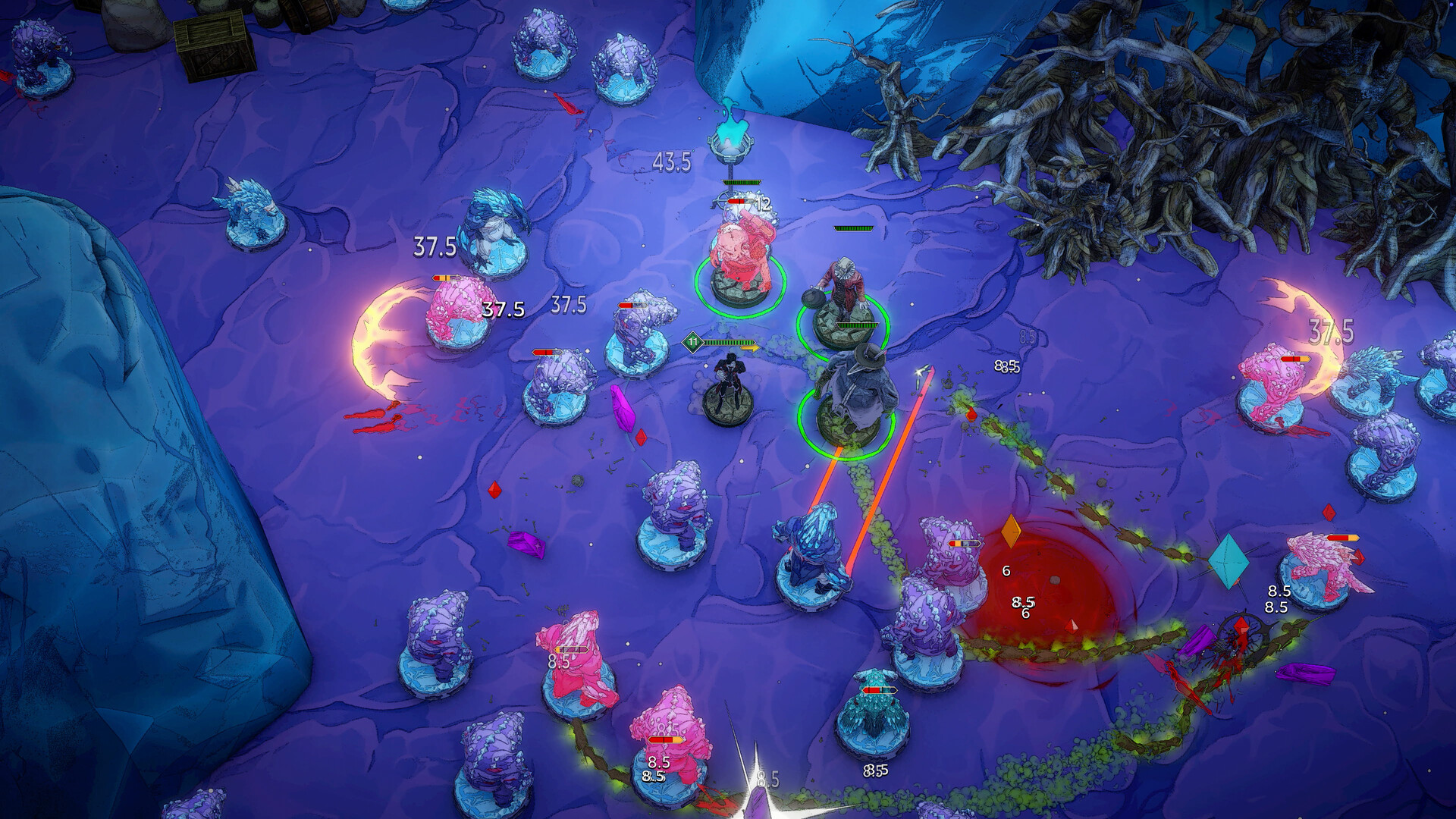
I should be clear about the friction, because it is real and it is not a footnote you hide after the score. Night Swarm looks like a game that was built by a small shop that wanted a gothic comic more than a showcase. Landscapes can be handsome. Animations can be stubborn. A swing can arrive a half-second late to its own impact when the screen decides to remember itself. Materials that a recipe assumes are common can sulk until a shirt becomes a rumor. I will not invent a cloth census. I will say the night sometimes forgets to stock the ingredient you need and then shrugs like weather.
Technical manners on a desktop build can stutter when a late room decides to be a theology problem. Crowds can get philosophical in a doorway of particles. Autosaves have a way of announcing themselves. None of that is unique to this castle. All of that is the tax on a survivors-like that launched in December and arrived in a genre that already had a union.
Presentation is readable, which matters more than prestige. You can tell a field from a hub from a late room at a glance. If you cannot read a biome, the hunt dies and the castle becomes homework. These spaces are atmospheric enough to carry a scare and clear enough to carry a plan. You always know where you are. You do not always know why a werewolf is already there.
English is the Steam language with a long list of interface cousins, which is how a wider audience gets in the door. I will not turn this into a localization seminar. The voice of the game is the night, and the night talks in waves, shops, and the occasional knock. Players who wanted a deeper novel, a prettier fight, or a resource economy that never hides the cloth bounce off. Players who wanted a lightweight adventure with a companion and a bad idea about totems stay. I am in the second camp with caveats, which is the only honest place to stand.
The Steam sample around a game this loud is always going to look split. Mostly Positive is the official weather, 78 percent of 1,139 on the side of yes, and that split is fair. A crowded genre is a rude room. Night Swarm does not pretend it invented the room. It pretends it can decorate it, and some nights the decoration is the reason you stay.
Better With a Greedy Run Than With a Checklist
I have a rule for cheap-to-mid horde games. If a game is worse with greed than with a checklist, it is broken. If it is only good with greed, it is honest. Night Swarm is honest, and that honesty should sit next to the price.
A careful night is a competent weekend. You pick the safe relic, you invent the kitchen of a build, you lose a bag of gold, you walk back, you put a better lock on the joke. A greedy night is the version the systems were quietly designed around. Someone fuses. Someone feeds a totem. Someone learns, too late, that a colossal boss does not respect architecture. The night becomes a shared instrument instead of a commute, even when you are the only person in the castle.
Compared with the giants of the bullet-heaven business, Night Swarm is not trying to be a career. It is trying to be a place. The developer said the quiet part on the store page. Claim your throne. Each run is another step. Followers, quests, skills. The night is yours to conquer if you will meet the game where it lives. That is not a cop-out if the place is worth the walk. Some nights it is. Some nights the fusion is a myth and the doorway is a particle problem. Both nights are Night Swarm.
Still Standing After the Dawn
Night Swarm is a rare mid-priced survivors-like that understands the genre is a union and then has the nerve to apply anyway. Fubu Games built a night about a throne, a castle about upgrades, and a crowd that looks a little familiar and plays a lot more companion-forward than that sentence suggests. The loop is the hook. The fusions are the spine. The trip from a lonely relic to a keep that has furniture is the grin.
It is better with greed than with a checklist. The field can clunk in the way a busy screen clunks. Materials can sulk. The presentation has indie fingerprints, from the stubborn animations to the story that would rather be a shop than a cutscene. All of that is true, and all of that is already priced in at $9.99 on Steam. You are not buying a decade. You are buying a weekend that can turn into several weekends if you like being a coordinated disaster, or being the person who has to explain the disaster to a totem.
I am scoring it 8, Great, because the identity is this clear and the limitations are the limitations of a focused horde, not an empty one. I would recommend it to anyone who likes a relic that has weight and a night that is allowed to be rude. Distinctive castle weather, a companion that shrinks the horizon, a fusion that turns two toys into conversation, and a price that respects your week are a lot of game for the ask. The systems repeat their manners. The manners are still useful.
The night is still out there, still hiring a werebeast shift, still asking what a throne was. After a few keeps, you will understand why the job is not finished, and why you keep waking up on the lawn anyway.
We prepared this review with a digital copy of the Night Swarm for the PC version provided by Pressengine.