
There is a particular kind of possession, rare in a genre that usually hands you one knight and a fog gate, in picking up a dagger and discovering that the entire product is a body that used to belong to someone else. The champion is still a champion. The stance is still a stance. The first gatekeeper that tries to teach you a lesson is not a metaphor. Mortal Rite, the souls-like roguelite crossover from Round Toast Studios, is built on that possession, and the possession is ruder, faster, and more useful than a fifteen-dollar Early Access has any right to be.
I played the PC version, the 7 November 2024 Early Access launch that Round Toast Studios walked onto Steam after a Kickstarter and a long public development that already knew how to trade a blow. You take the Godstone dagger. You embody a resurrected champion. You stop the encroachment of the king. Seven Steam achievements sit in the stone. The English Steam sample is Mixed, 62 percent of 66, which is the honest weather of a loud little Early Access and not a dare. Great, not finished, and very much a tower I would recommend you climb if you like a souls loop that knows it is also a party.
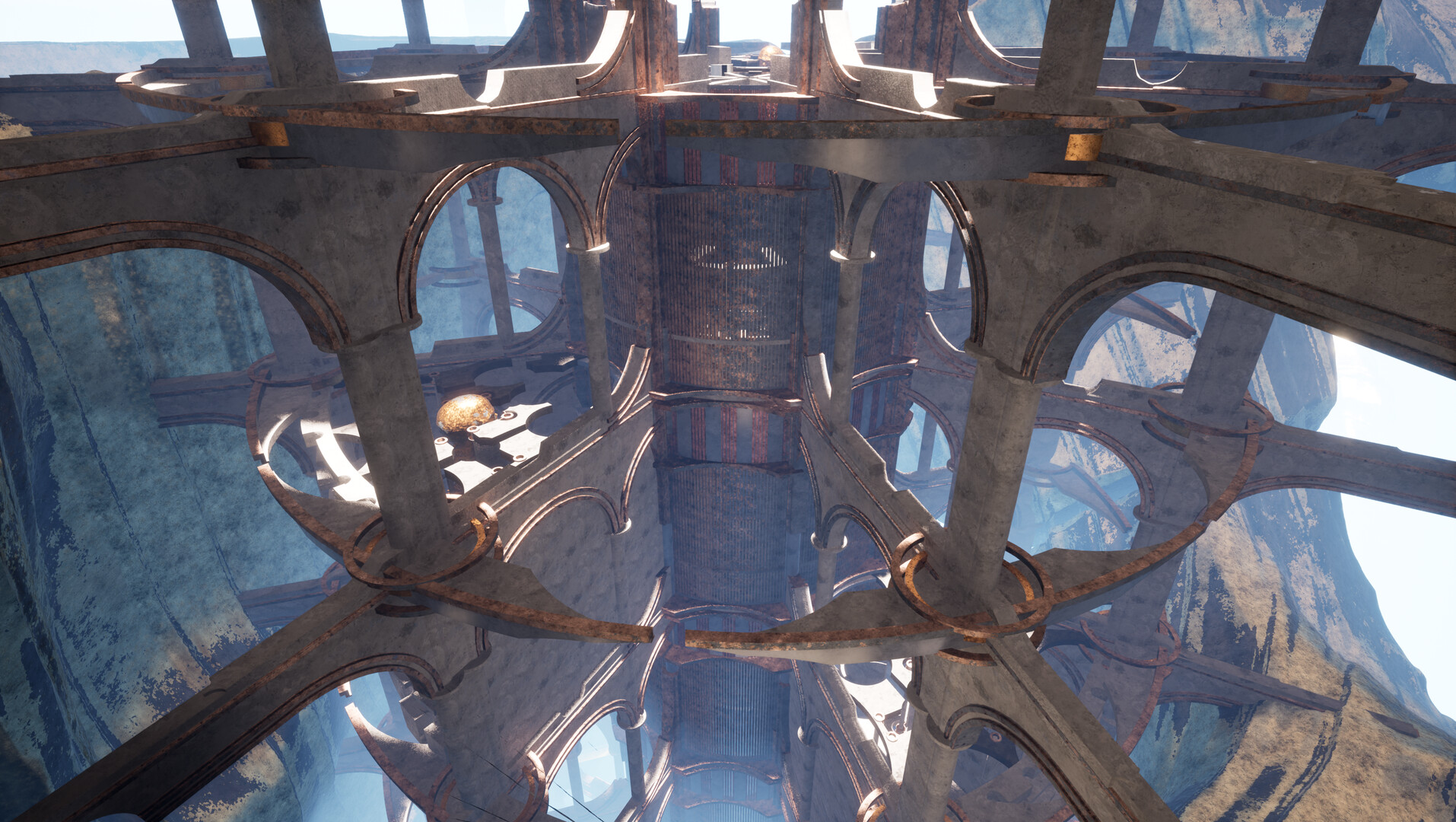
The Dagger Does Not Care Whose Body You Wear
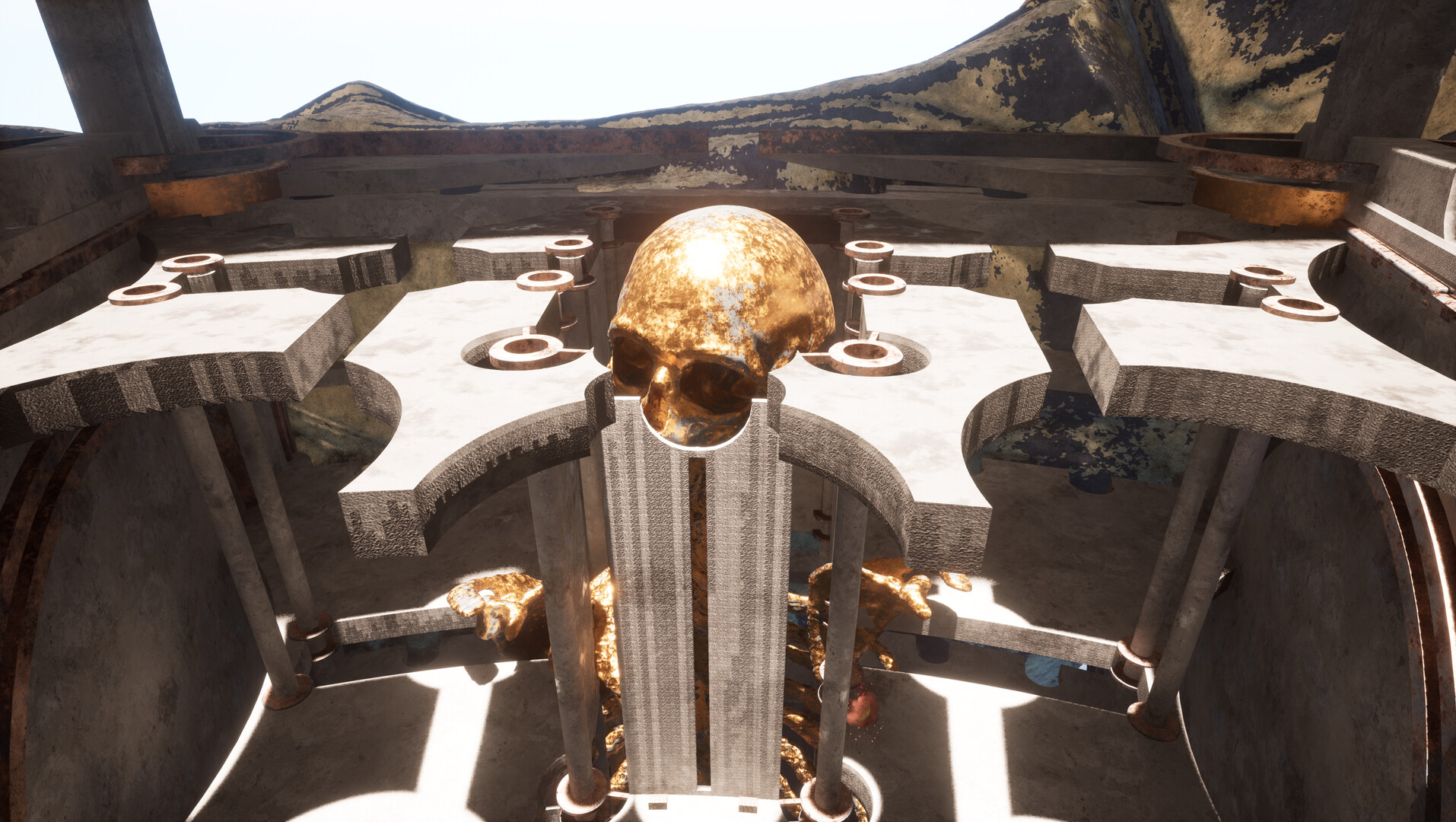
Most souls-likes begin with a grave and a surname. Mortal Rite begins with a knife. Official copy on Steam says you use the ancient Godstone dagger to embody resurrected champions and reclaim the shattered lands. That is not flavor text. It is the design refusing to pay for a chosen-one monologue when a coffin will do. You are not a person with a destiny. You are a ritual that found a body.
You start climbing because the alternative is becoming a rumor in a place that does not keep rumors. Alden’s Refuge is the handshake. The coffins are the wardrobe. Something in the dark thinks about the king you have not met yet. The script, still a little breathless and still very sure of its Dallas indie pedigree, asks you to trade blows and stop an encroachment. Nobody else will. That is the rest of the map.
I like a premise that prices curiosity as a hazard and then lets you walk toward it anyway. Ruined Church, Watcher’s Perch, Gates of Mercy, Broken Temple, and a Colosseum sit on the shattered land like questions with walls. Why are there champions and no kingdom. What was that Lost Soul. The more you explore, the more the place answers with another corridor and another thing that would like a piece of your poise. Story is environmental and stingy, which is the right instinct for a game that wants your hands more than your diary. You are not reading a novel. You are looting a war that is still happening.
The fantasy is not mastery of a lore bible. The fantasy is competence arriving about half a run after you invent a Mortal Strike habit. You will fail in ways that would be funny if the blood you just spent were not so sincere. You leave your items. You climb back. You become the kind of person who thinks a coffin is a personality. Alden talks more than he used to. The dagger does not care. The dagger wants a body that will keep walking.
Light, Heavy, and a Posture That Breaks
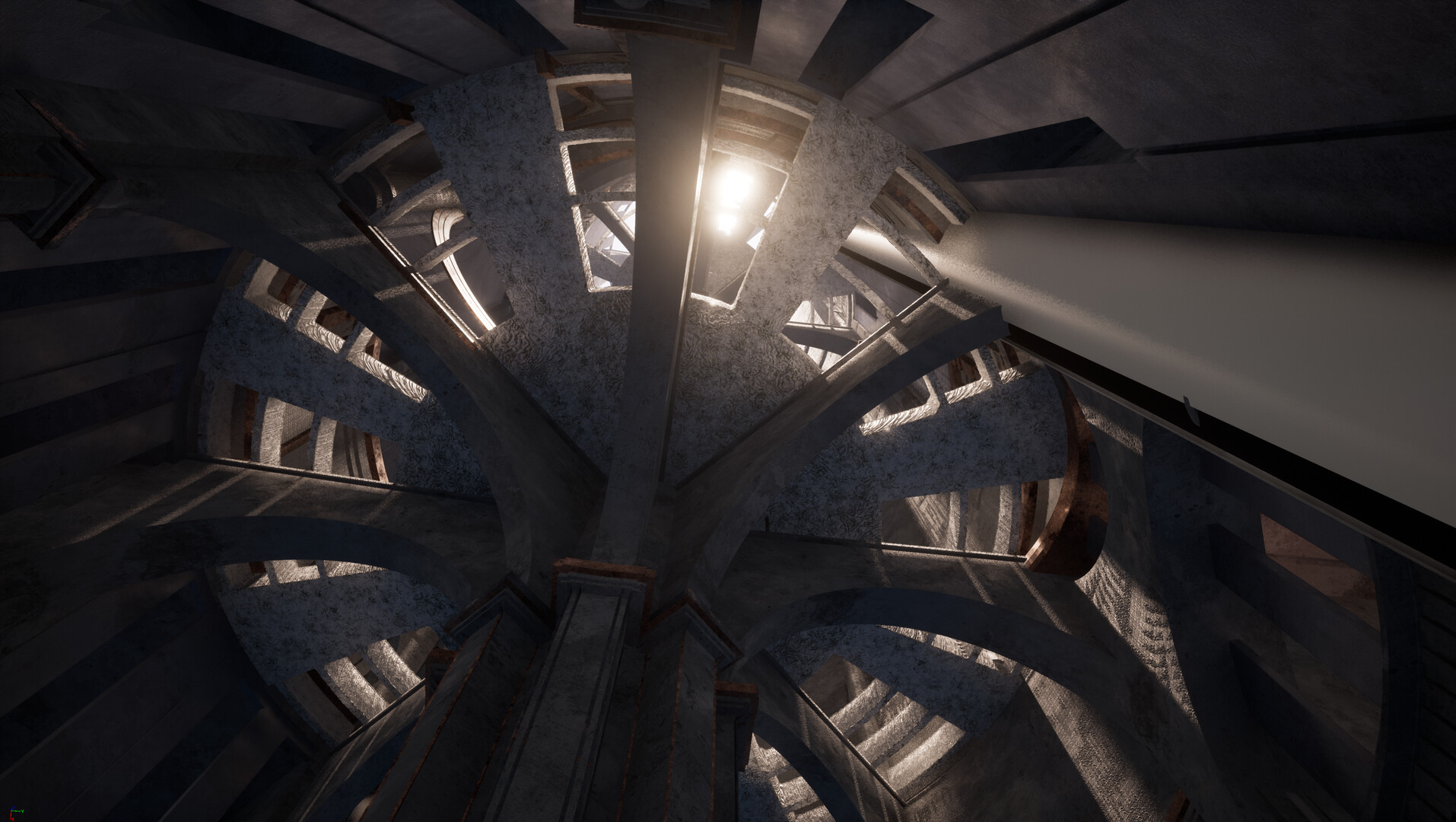
The loop is the old religion and Round Toast Studios does not pretend otherwise. Light and heavy. Charge if you have the nerve. Dodge, sprint, and take the air if the enemy has opinions about the floor. Break posture. Spend focus. Do it again until the gatekeeper learns manners. None of that is a revolution. All of that is the sentence the rest of the toybox has to live in.
Combat is physical in the way a good argument is physical. You are not only drowning in bars. You are looking at a champion who can throw rock or fire or shrapnel, and you are deciding which of them has been useful enough this second. Official copy says the core is a fast, action-based melee system that rewards strategy over button-mashing. That sentence is both a promise and a warning. If you mash, you die tired. If you wait, you die polite. The useful path lives in the middle, in the ugly little second where an enemy’s poise empties and a Mortal Strike arrives like a receipt.
I have played a lot of games that treat the first fight as a tutorial and the hundredth fight as a spreadsheet. Mortal Rite is heavier than that on purpose. Each character has a specialty of parrying, deflecting, or blocking. Light, heavy, and charge attacks chain without asking you to open a menu mid-swing. Focus is the other currency, earned by staying in the scrap instead of watching it. Official features ask you to adapt with unique sprinting, dodging, and air attacks. That is not a move list you tick. It is a verb.
I left the greedy path on for an evening and the careful path on for another. The refuge did not mind. The gatekeeper minded either way. The shop added Mortal Strike after launch, a bigger reward for knocking a body off balance, and that is the closest this Early Access comes to a power fantasy I trust. Mastery, here, is timing. Distance helps. A working deflect helps more. A training dummy in the hub will let you be a coward in private, which is a courtesy I used more than pride would recommend.
Four Champions and a Stance That Changes the Joke
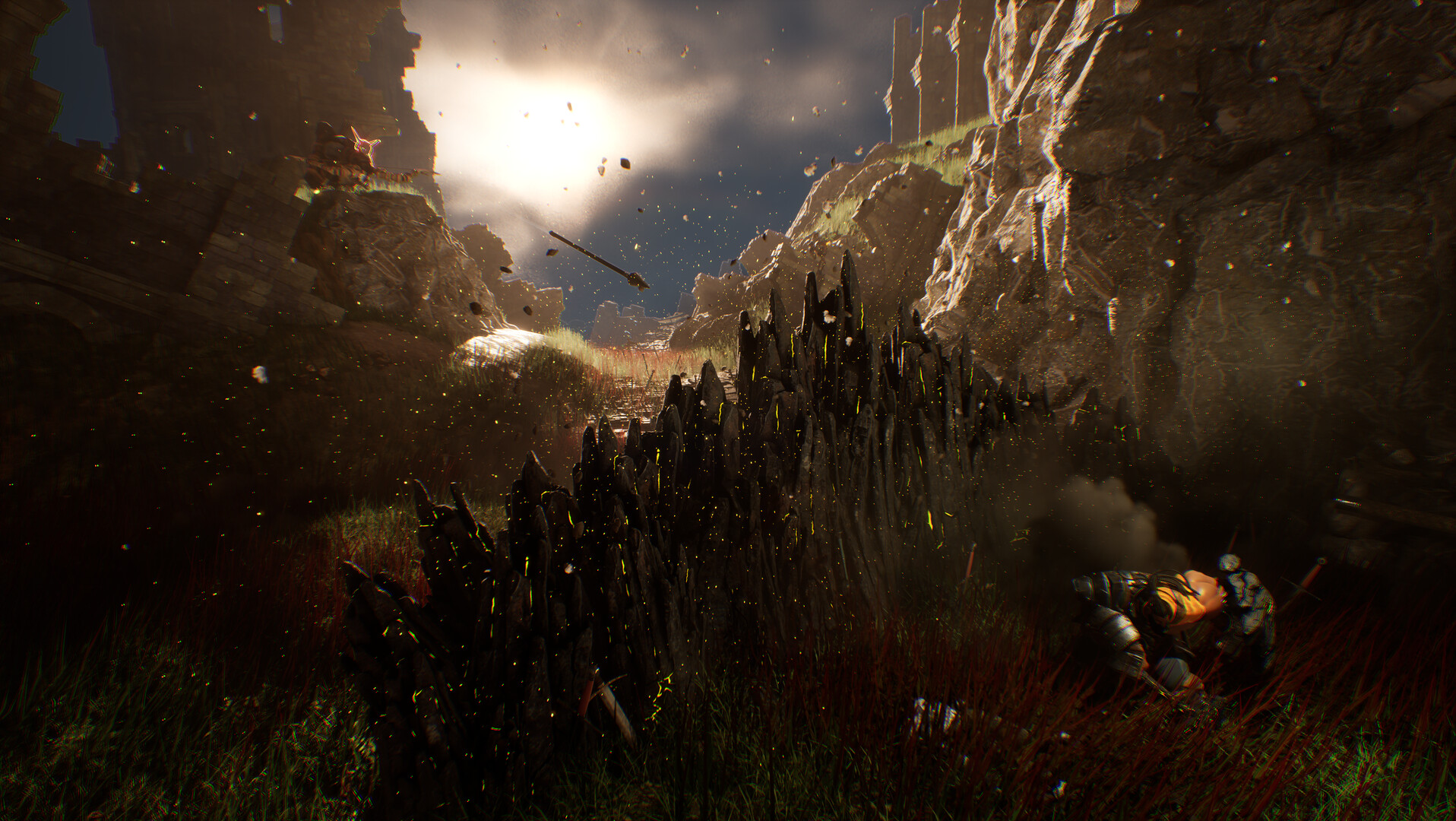
The other half of the short description is the roster, and the roster is why the dagger is not a costume. Official features promise unique characters with two built-in play-styles through the stance system, then player customization through ability swaps, ability upgrades, and items. The first major update talked some of that language back into something simpler. Dawksin and Fia lost the stance swap. Shold kept his, and the swap is Rock Armor now instead of a theatrical axe. The axe is its own ability. That is a shop that listened, not a shop that froze a trailer.
Shold is the rock, the tank, the person who draws a line and then stands on it. Great Wall blocks projectiles for a whole team. A stomp talks to poise. A spear shreds armor and then refuses to give it back. When the room looks unwinnable, Rock Armor turns the tide the way a wall turns weather. I started here because forgiveness is a build.
Dawksin is the metal, the quicker mouth, the person who plants shrapnel and then leaves. He embeds stacks, then Recalls them from a safer sentence. Pierce sends the joke at range. He is the rogue without being a stealth game, which is the right instinct for a souls loop that already has enough homework.
Fia is the fire, the caster who has to dart in if she wants focus and dart out if she wants a future. The Initiate is the greedy door. He can touch every matter. He can also confuse himself. I would not start there unless you already know what the other three are for.
Ability points hide in the world. Items hide next to them. You spend the points in the refuge. You trade the items with friends. Four equipment slots, tools and equipment with borders that finally tell you which is which, a blacksmith that crafts the stat joke you have decided is tonight’s protagonist. Strength likes Shold. Other numbers like other mouths. Nothing is bound to a coffin, so you can stash a stack and let another champion wear it. That is the roguelite handshake hiding inside a souls wardrobe.
Alden’s Refuge, Five Friends, and a Party That Attracts Trouble
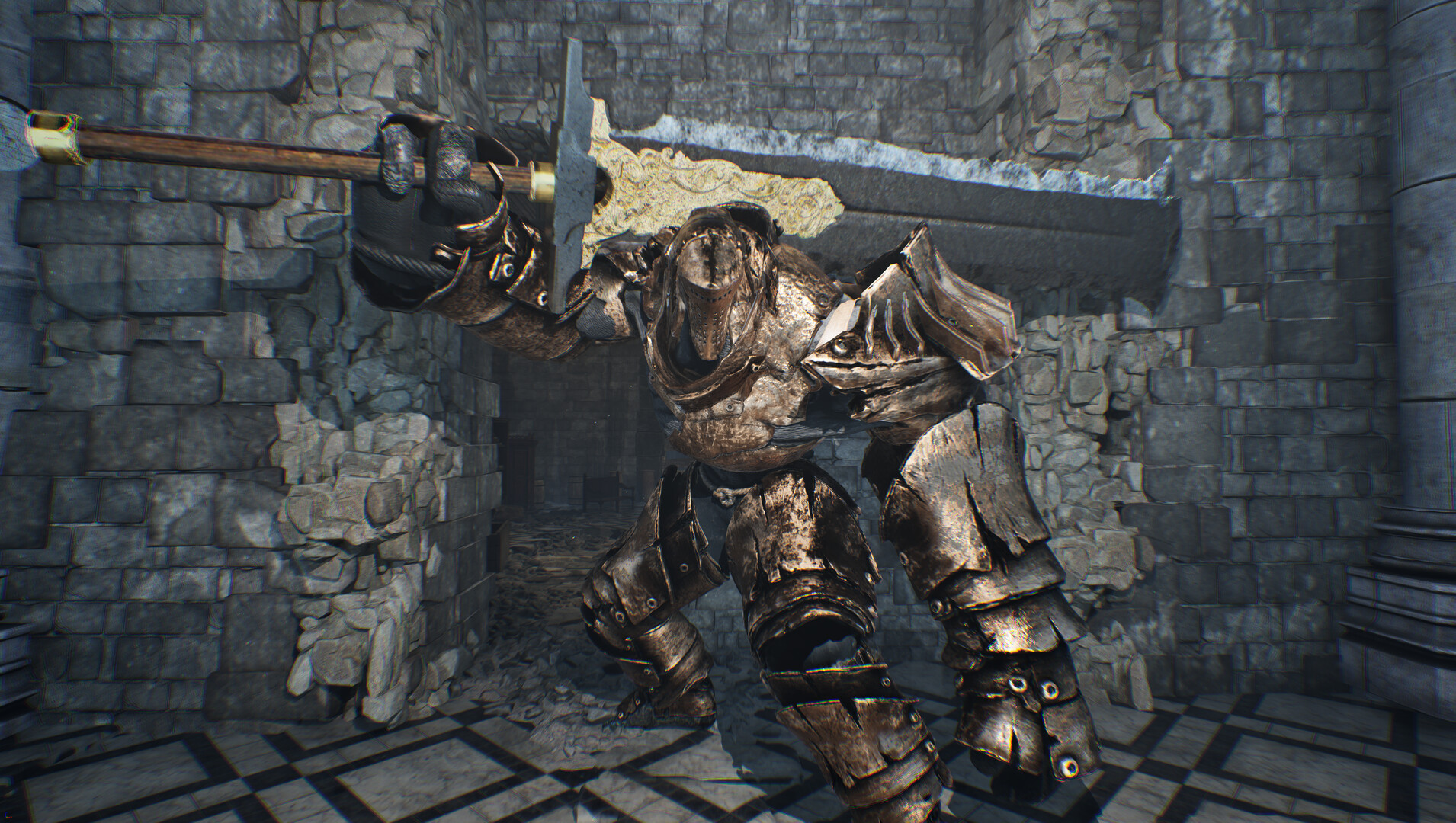
Pressure is the variety. A door that holds is a better reward than a new silhouette if the silhouette is just another way to lose a climb. Official features put multiplayer at the start of the game, a maximum party of five, and a warning that a larger party attracts additional enemies. Alternate layouts appear when the room has more bodies in it. That is not a co-op toggle you forget. It is the design admitting that five people in a souls corridor is a different religion.
I like a shop that prices friendship as a hazard and then lets you invite it anyway. Gates of Mercy will hold a second Sword Knight until two of you show up. Levels that work for one and for five are a five-person studio’s hardest homework, and you can feel the homework. Some rooms breathe. Some rooms become a commute with extra aggro. Both rooms are the job. Duel in the refuge if you want additional rewards and a slightly ruder friend. PvP is on the sheet. I will not invent a ranked ladder. I will say the arena is there, and dying in it now puts you back in it, which is the sort of patch a shop writes after the first weekend.
Alden has more dialogue than launch gave him. The coffins look less like placeholders. The ability shop shows focus costs and cooldowns before you buy, which is the unglamorous work of inviting people who bounced off the first week. Connecting to friends is a more concise process than it was in November, with a region lock if the ocean has opinions. Partial controller support sits on the Steam sheet. English is the language with full audio. The voice of the game is the dagger, and the dagger talks in poise, focus, and the occasional knock from a Lost Soul Shaman who would like to resurrect the room behind you.
Factions influence fights. Official copy says they are hostile to each other, so you can force enemies to fight instead of volunteering. I sold pride I was sure I needed and then needed it, which is the oldest faction joke in the book and still a good one.
The King’s Tower Asks for Blood or Gold
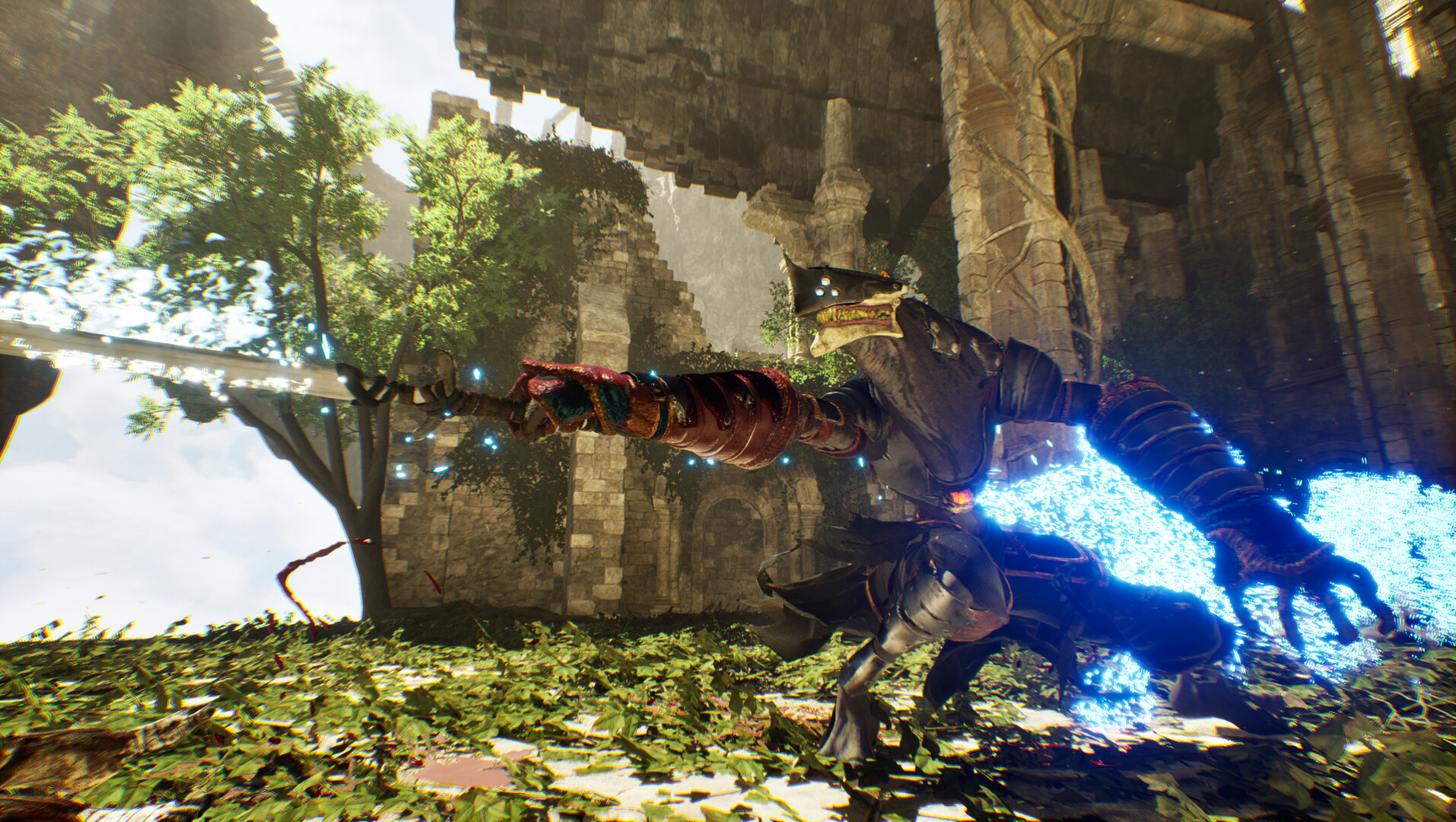
The second major update is the sentence the title was practicing. The King’s Tower opened as the core rogue-lite, a labyrinth of procedural rooms, surreal architecture, and escalating danger. Official copy from the shop says the tower requires blood to climb, and you can choose how to collect it. Entering a chamber costs gold or blood. That is not flavor text. It is the design refusing to pay for a randomizer when a door with a language will do.
Standard chambers are inexpensive and plentiful. A duel. A composition. A chest run if you are hungry and late. Strongholds are the louder door, more expensive, more open, elite bodies, and a finished objective that clears the whole floor. Doors speak in three layers. Outer ring is the chamber type. Middle ring is the count. Center icon is the encounter. Learning that language is the job. Pretending the symbols are decoration is how you pay twice.
Death got ruder in the tower, which is the right instinct. Items are lost. Items can be recovered if you fight back to the stain. Gold persists, because the wallet is allowed to be the one immortal in the building. You craft what you lost. You buy a stronghold early if you are rich and impatient. The tower stays static once you are inside. Layouts, placements, mission types lock until you leave for the hub. Exit, and it reshuffles. That means you can learn a floor, plan a corpse run, and prepare for a known threat. It also means the tower is a roommate, not a slot machine.
You enter with a grappling hook. Charges upgrade if you invest. The hook changes how you move and fight, which is a fancy way of saying the vertical joke is finally a verb. I will not invent a highlight reel with fake timestamps and tidy floor counts. The nights that stay with you are the ones where you thought the blood was finished, then a door asked for more, and then you were on the wrong side of your own greed.
The shop is honest about what is next. New mission types. New items. More hazards. A final fight with the king at the top. That last line is both a promise and a warning. The king is still a destination. The tower is already a place.
Early Access by Design, Rough by Habit
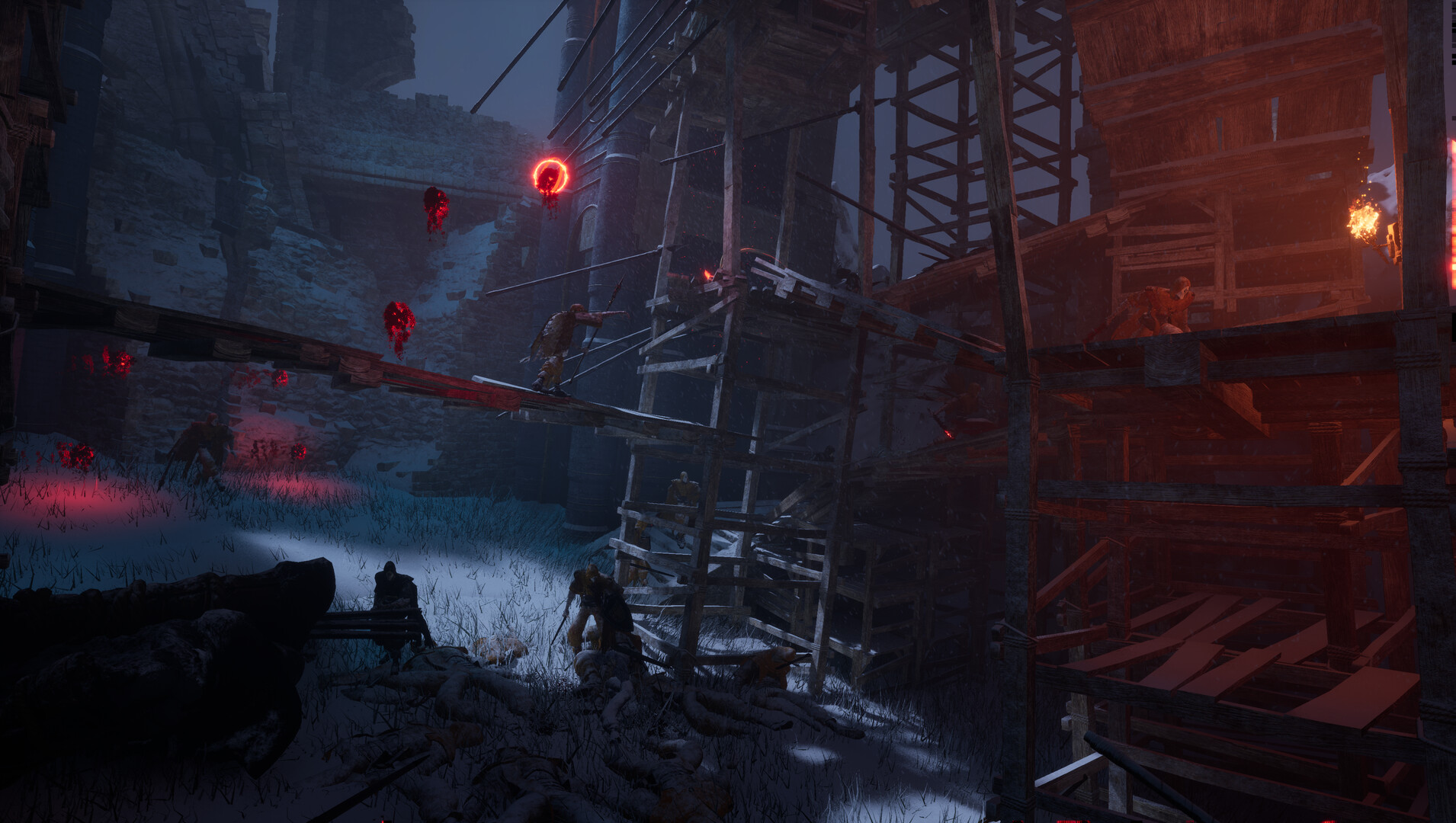
I should be clear about the friction, because it is real and it is not a footnote you hide after the score. Mortal Rite looks like a game that was built by a small Dallas shop that wanted a souls-like more than a showcase, then discovered the souls-like was also a five-player party, then came back with a tower and a tutorial and a list of things that still need to be a game. Landscapes can be handsome. Animations can be stubborn. A swing can arrive a half-second late to its own impact. Performance can sulk when a late room decides to remember itself. I will not invent a frame census. I will say the shattered land sometimes forgets to stock the smoothness you need and then shrugs like weather.
Technical manners on a desktop build can hitch when a client is watching someone else’s shrapnel. Invisible drops and a crash while the game looks for a spawn have been the subject of public patches, which is the shop doing the work and also the work announcing itself. The Underthing, the original first level, was pulled until it could meet the shop’s own standard. That sentence is candor. It is also a map with a hole in it.
The developers wrote the Early Access terms with the candor of a shop that has already lost the argument with a finished date. One to two years. More characters, enemies, bosses, levels, items, modes. Balance and optimize based on the people who are already living in the refuge. The last public patch I can date sits in May 2025, a stability pass and a tutorial that asks for two deflects instead of three. The king at the top is still a line on a roadmap. That sentence is both a promise and a warning. If you want a polished 1.0, you should wait. If you want a place that is already a place, you are the audience.
Presentation is readable, which matters more than prestige. You can tell a church from a perch from a tower door at a glance. You always know where you are. You do not always know why a ghoul is already there. Seven achievements sit behind the loop for people who like a receipt. Names like Knock some sense into him and Knowledge is power tell you the shop has a sense of humor. None of them change the central truth. You are here to wear a champion and then find out what the king is for.
Still Standing After the King Encroaches

Mortal Rite is a rare mid-priced Early Access that understands its own joke and then has the nerve to make the joke a dagger and a tower. Round Toast Studios built a shattered land about possession, a roster about teamwork you do with a coffin, and a toybox that looks a little homemade and plays a lot more sincerely than that sentence suggests. The loop is the hook. The poise break is the spine. The walk from a refuge to a king you have not met is the grin.
It is better with a purpose than with a checklist. The late rooms can clunk in the way an Early Access scrap is clunky. Performance can sulk. The presentation has indie fingerprints, from the stubborn animations to the story that would rather be a coffin than a cutscene. All of that is true, and all of that is already priced in at $14.99 on Steam. You are not buying a decade. You are buying a season that can turn into several seasons if you like being a coordinated disaster, or being the person who has to explain the disaster to a tower that asked for blood.
The Steam sample around a game this loud and this small is always going to look like weather. Mixed is the official report, 62 percent of 66 English voices, and that split is fair. Players who wanted a deeper scrap, a prettier frame rate, or a king that had already arrived bounce off. Players who wanted a third-person souls-like with a five-person party and a bad idea about coffins stay. I am in the second camp with caveats, which is the only honest place to stand.
I am scoring it 8, Great, because the identity is this clear and the limitations are the limitations of a focused Early Access, not an empty one. I would recommend it to anyone who likes a dagger that has weight and a map that is allowed to be rude. Distinctive champion weather, a tower that shrinks the horizon into doors with a language, a refuge that turns salvage into conversation, and a price that respects a long week are a lot of game for the ask. The systems repeat their manners. The manners are still useful.
The shattered land is still out there, still hiring a night shift, still asking what a kingdom was. After a few climbs, you will understand why the job is not finished, and why you keep picking up the dagger anyway.
We prepared this review with a digital copy of Mortal Rite for the PC version provided by Pressengine.