
There is a particular kind of patience, rare in a genre that usually hands you a timer and a tragic flashback, in standing on a pixel island and discovering that home is a word with a workbench in it. The trees are still trees. The click is still a click. The first thing that tries to eat your afternoon is not a metaphor. Outpath, the experimental clicker base-builder from David Moralejo Sánchez, is built on that afternoon, and the afternoon is ruder, gentler, and more useful than a fifteen-dollar archipelago has any right to be.
I played the PlayStation 5 version, the 19 February 2026 launch that Silver Lining Interactive walked onto living-room hardware after a Steam 1.0 that landed on 16 October 2023 at $14.99. The console ask is the same $14.99. You gather, you craft, you put a collector on a clearing, and you learn the ocean has already hired a night shift of islands that would like to be bought. Automation, parkour, a fishing rod that would like your evening, a skill book that unlocks a blueprint, and a soundtrack that changes its mind when you do. Eighty-nine Steam achievements sit in the background. The Steam sample is Very Positive, 2874 positive of 3096, which is the honest weather report and not a dare. Great, not glossy, and very much a weekend I would recommend you spend if you like a clicker that knows it is also a walk.
The Island Does Not Care What Idle Means
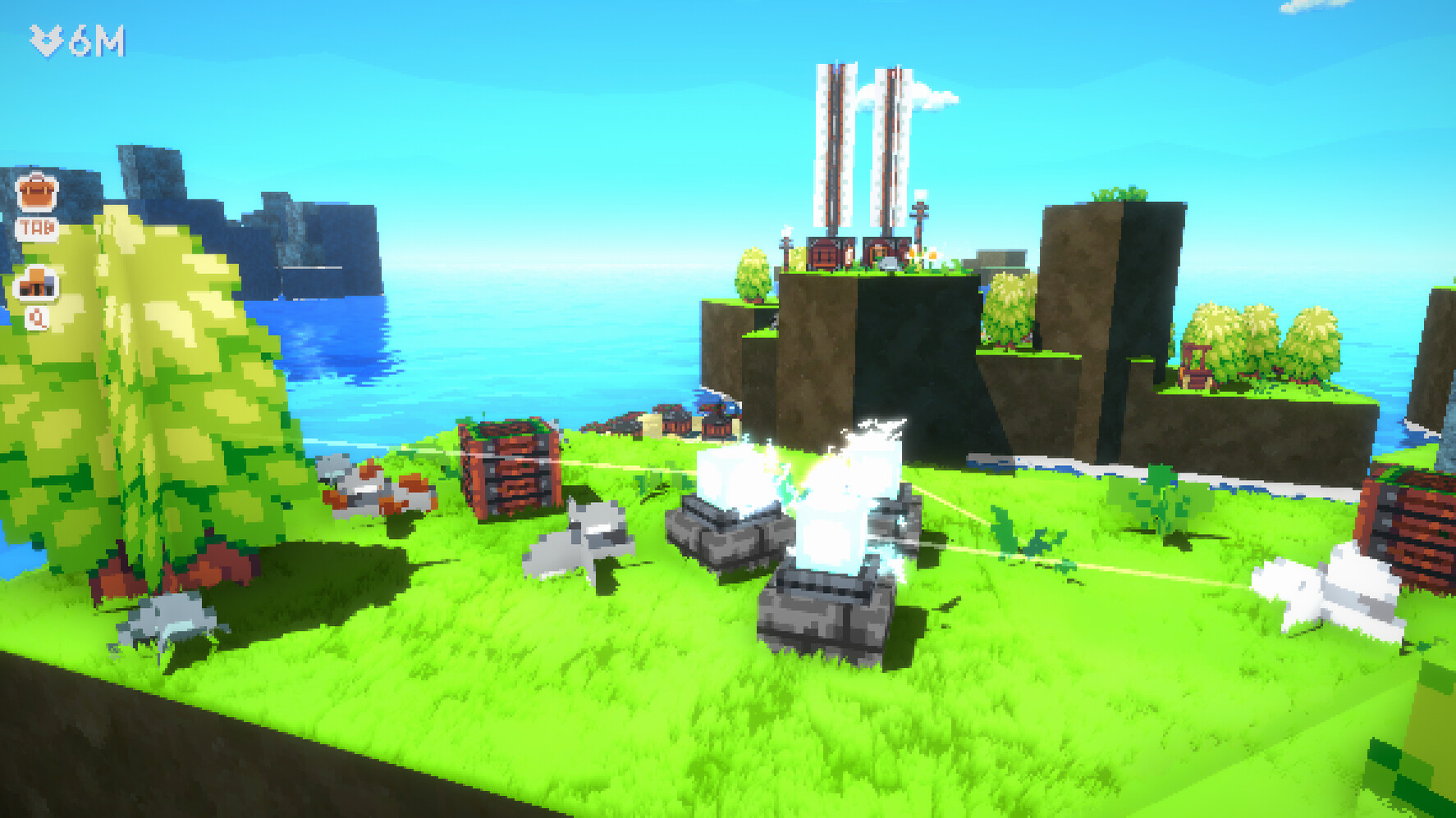
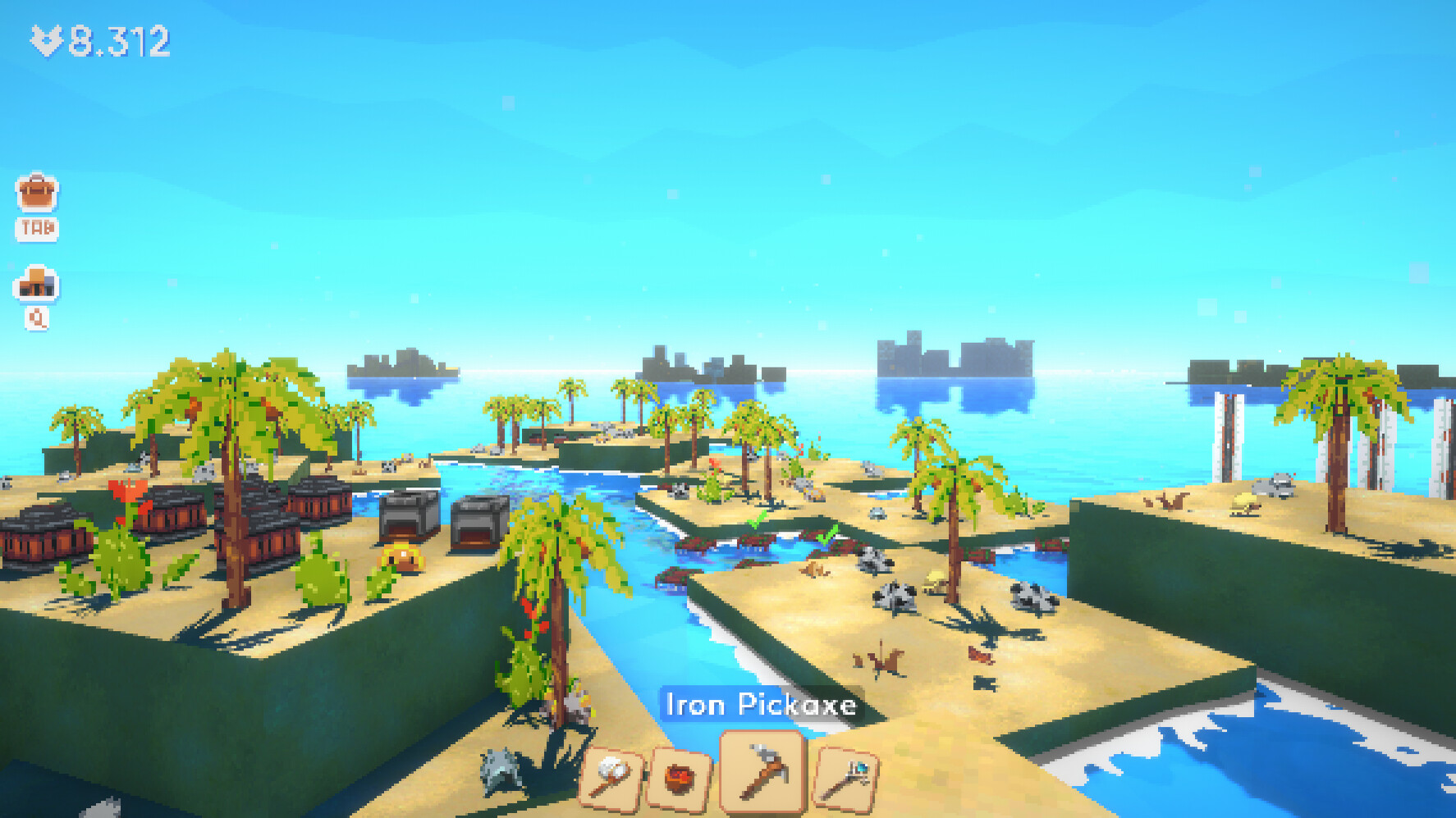
Most idle games begin with a number and a cheerful magnet. Outpath begins with a shoreline. Official copy on Steam says it takes Satisfactory, Forager, and the gratifying loop of clicker games as references, then asks, with the grammar of a person who has been awake too long, whether you would like to exploit your environment in a 3D first-person platformer. The PlayStation store prefers the experimental clicker and the base you will buy more islands to feed. Both versions agree on the next sentence. Gather. Craft. Build. Explore. Relax. There is no time limit. Surviving is not the verb. Humming is.
That is not flavor text. It is the design refusing to pay for a raid when a block will do. You start punching resources, crafting tools, and putting a furnace on a pad because the alternative is becoming a rumor the idle already filed. The first tree is staged like a punchline that forgot to be funny. You click. It breaks. It is wood for now. The script, still a little breathless, asks whether you can automate the next one. Nobody can assure the next island is cheap. That is the rest of the map.
I like a premise that prices curiosity as a pleasure and then lets you walk toward it anyway. Pixel-stylized islands sit on the water like questions with deeds. Why are there machines and no people. What was that portal. The more you explore, the more the ocean answers with another plot and another thing that would like a piece of your credits. Story is environmental and stingy, which is the right instinct for a game that wants your hands more than your diary. You are not reading a novel. You are looting a relaxation that is still happening, and the relaxation has a collector.
The fantasy is not mastery of a lore bible. The fantasy is competence arriving about half a day after you invent a reason to put a supplier next to a furnace. You will stall in ways that would be funny if the inventory were not so sincere. You leave a stack. You walk back. You become the kind of person who thinks a synergy line is a personality.
Punch the Block, Then Invent a Factory
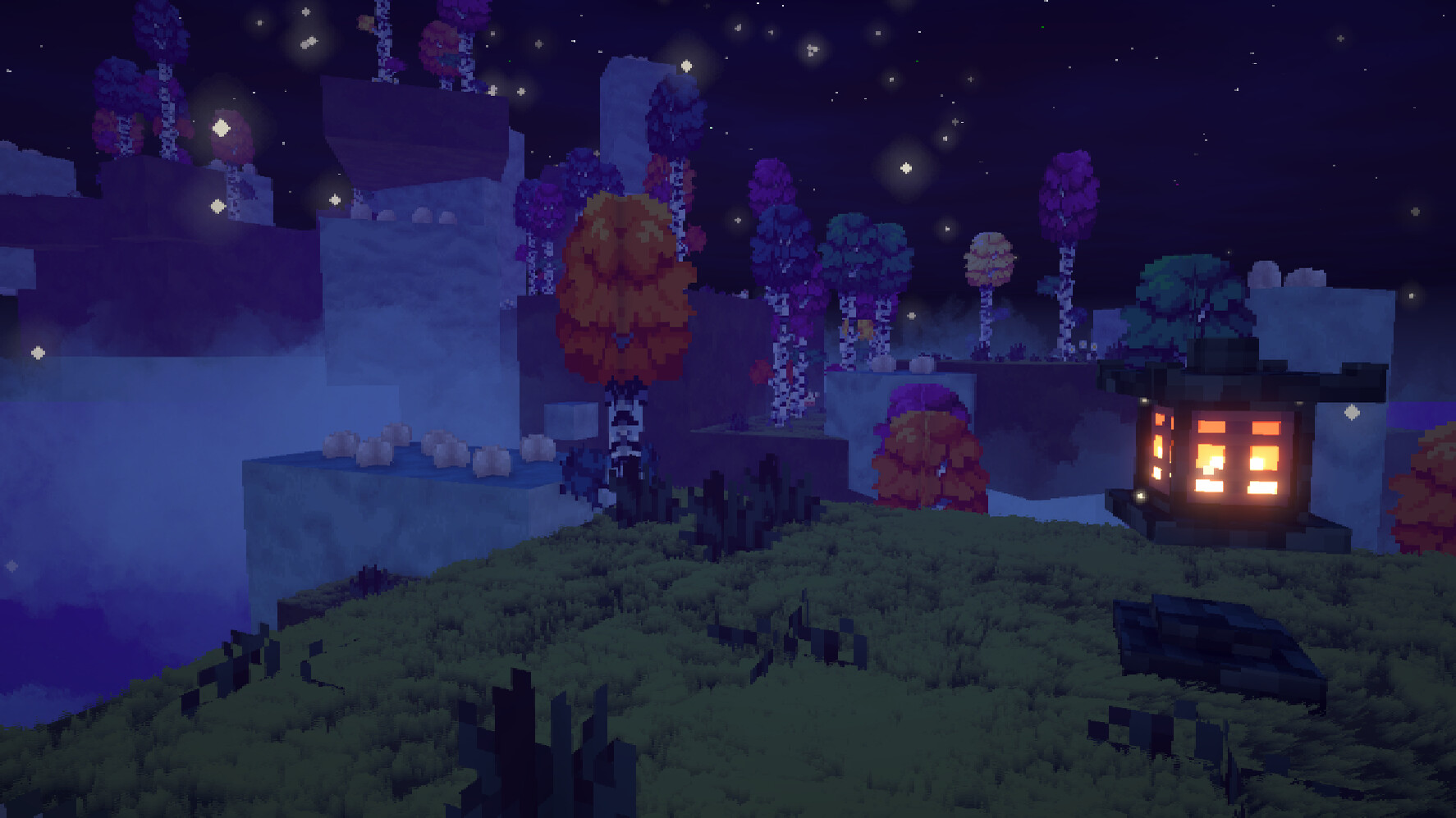
The loop is the old religion and David Moralejo Sánchez does not pretend otherwise. Wood, stone, the usual island groceries. Tools that make the groceries arrive faster. An axe, a pickaxe, a furnace if the mud agrees to exist, a research table if you would like dinner to stop being a hunt. Skills are on the character sheet because a clicker without a stomach is just a walking tour. Day does not turn into night so much as the music changes its mind. None of that is a revolution. All of that is the sentence the rest of the toybox has to live in.
Crafting is straightforward in the way a good workbench is straightforward. You are not drowning in menus that could unionize. You are looking at a blueprint and deciding whether you have been useful enough today. Base building is flexible without becoming a second career. Collectors, suppliers, breakers, electrifiers, a defensive thought that you will test the first time a recipe decides your coal is a suggestion. Automation is on the feature list, which is a polite way of saying the clearing can grow up if you keep showing up.
I have played a lot of games that treat the first click as a tutorial and the hundredth click as a spreadsheet. Outpath is lighter than that on purpose and heavier than that on accident. The developer wrote it into the store page with the candor of a person who has already lost the argument with feature creep. Play active or idle, you choose. No time limits, no pressure, play at your own pace and style. That sentence is both a promise and a warning. If you want a factory that could unionize on day one, you will feel underemployed. If you want a weekend that turns a rock into a kitchen, you will feel hired.
The idle half keeps the commute from becoming a museum, eventually. Early hours are more hand than hum. Collectors have a range that feels like a dare. Suppliers want a filter and a neighbor. Infinite crafting is a skill-book joke that only works if someone is feeding the joke. Points of interest sit on the map like dares. You loot them. You leave. You come back when you have a better vacuum. I left the machines on for an evening and the island for another. The island did not mind. The coal minded either way.
Parkour is the other temperature. Official features list parkour movements next to fishing, which is a polite way of saying the clicker remembered it has legs. You jump. You climb. You look at a ledge like a person who has decided a number can also be a view. I will not invent a highlight reel with fake timestamps and tidy click counts. The nights that stay with you are the ones where you thought the pad was finished, then something started humming in a rhythm that was not weather, and then you were on the wrong side of your own architecture.
Collectors, Suppliers, and a Deed That Matters
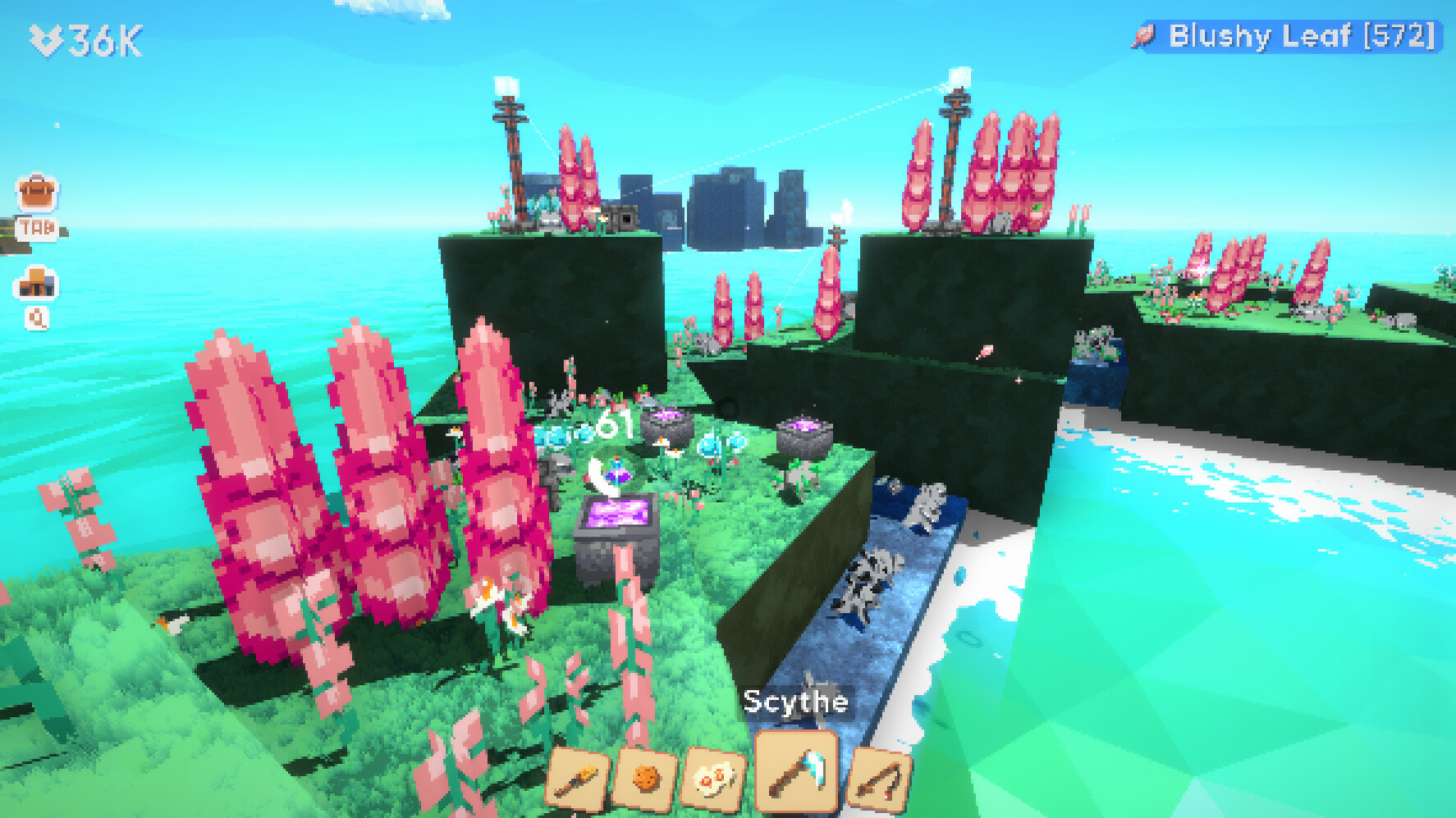
Automation is the moment the island changes tense. Official features list collectors, suppliers, and the fantasy of automating everything, and both of those jobs are the jobs a clicker is supposed to do in this genre. They do not just make you faster. They make yesterday’s punch into this afternoon’s errand. A distant ore stop being a pilgrimage. A furnace stops being a commitment. You start thinking in loops instead of marches.
That shift is the closest Outpath comes to a power fantasy, and I like it more than a new gun. Mastery, here, is logistics. You gather, you stash, you put a yellow synergy line between two buildings that have agreed to be friends, and you land like a person who has mail. The map does not get smaller because the developer deleted land. It gets smaller because you invented commuting with a collector.
Islands are the other vehicle. Buy them. Expand them. Exploit them. Official copy is not shy about the verb. Only so many plots stay active at once, which is a sentence no designer writes for fun and a sentence this designer wrote anyway. I will not write an island white paper. What I can say is that the loop is kinder when you understand the active-island joke before the third deed makes it a theology. Someone farms. Someone fishes. Someone learns, too late, that a mining post does not respect a dead electrifier. The ocean becomes a shared instrument instead of a commute, even when the sharing is just you and a machine.
Markets will take the junk you have been tripping over and, later, produce credits if a skill book has been kind. A clicker building will click the market for you, which is the oldest idle joke in the book and still a good one. I sold things I was sure I needed and then needed them, then built a clicker so I would not have to be the person who needed them. Credits happen. The store page is not shy about it. What the store page cannot tell you is how quickly you will start treating a successful hum as a mood stabilizer. You eat. You fish. You put the axe down and look at the pad like a person who has decided civilization is a blueprint.
Parkour, Fish, and the Map Getting Wider
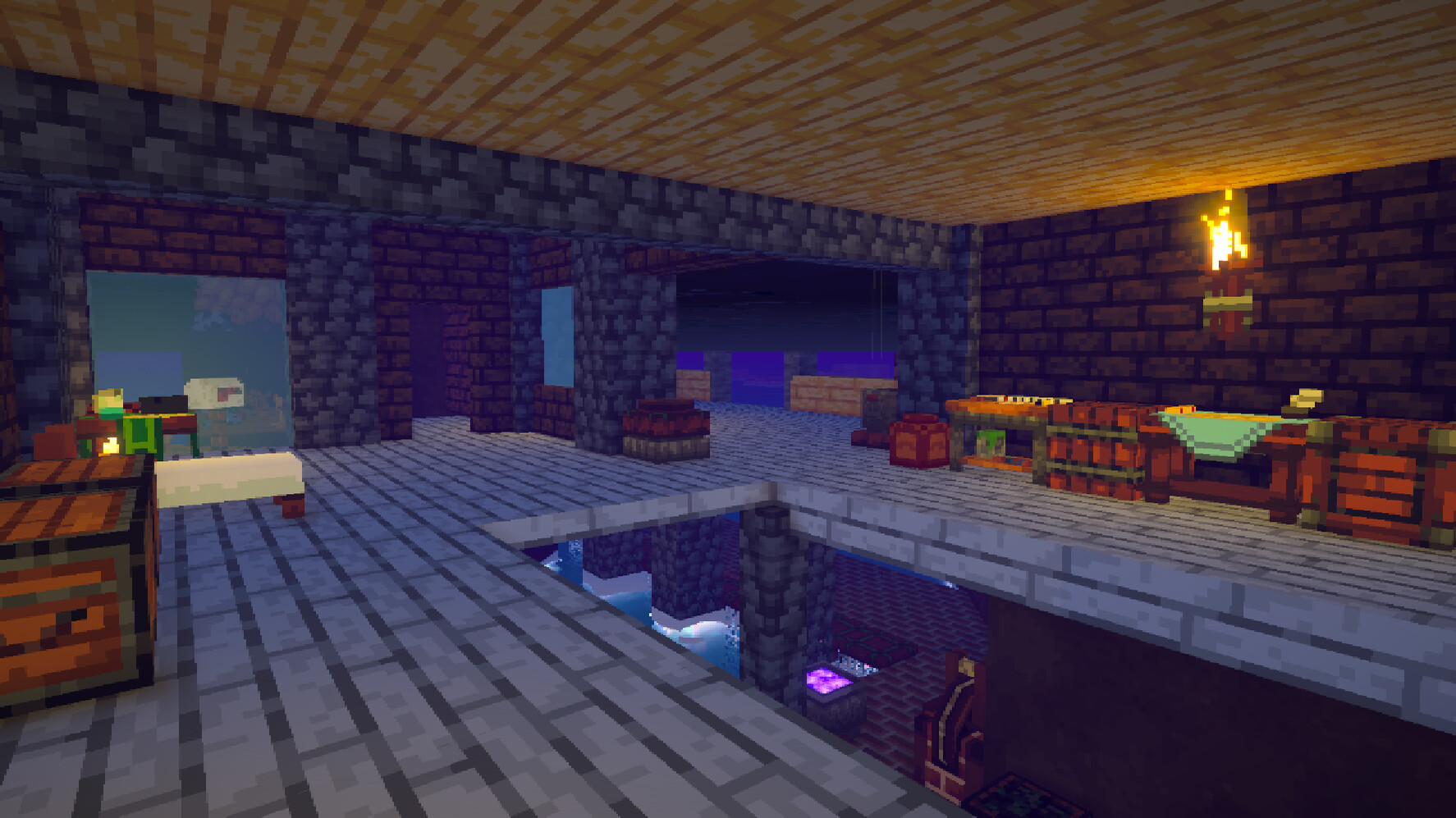
Movement is the other half of the short description and the kinder half of a walk. Outpath is a first-person platformer that agreed to be a clicker, not a clicker that agreed to be a corridor. Ledges matter. Water matters. A new island is a parkour problem before it is an economy. That is why the game can sell relaxation without becoming a screensaver. You are in the world. The world has a jump.
Fishing is good practice and a grocery run. Skills level. Blueprints unlock. Animals spawn. The music reacts to your actions, which is a polite way of saying the soundtrack is paying attention even when you are not. I left a rod in the water and a furnace on infinite and felt, for a minute, like a person with staff. The staff was a machine. The machine was the point.
Secrets sit on the stylized place like dares. Official copy asks you to uncover them and then refuses to write the novel. I like that stinginess. A cozy game that explains itself to death is a brochure. A cozy game that lets a portal be a portal is a weekend. You buy the next island because the last one hummed, not because a quest marker invented a feeling.
Controller support arrived late on PC and is the whole point of a living-room build. I will not write a glyph seminar. What I can say is that a clicker with legs needs a stick that does not argue, and that the console edition is the version of the joke the systems were quietly walking toward. Eighty-nine Steam achievements sit behind the loop for people who like a receipt. Twenty-nine trophies keep the living-room door honest. None of them change the central truth. You are here to build a hum and then find out what the hum is for.
Cozy by Design, Clunky by Habit
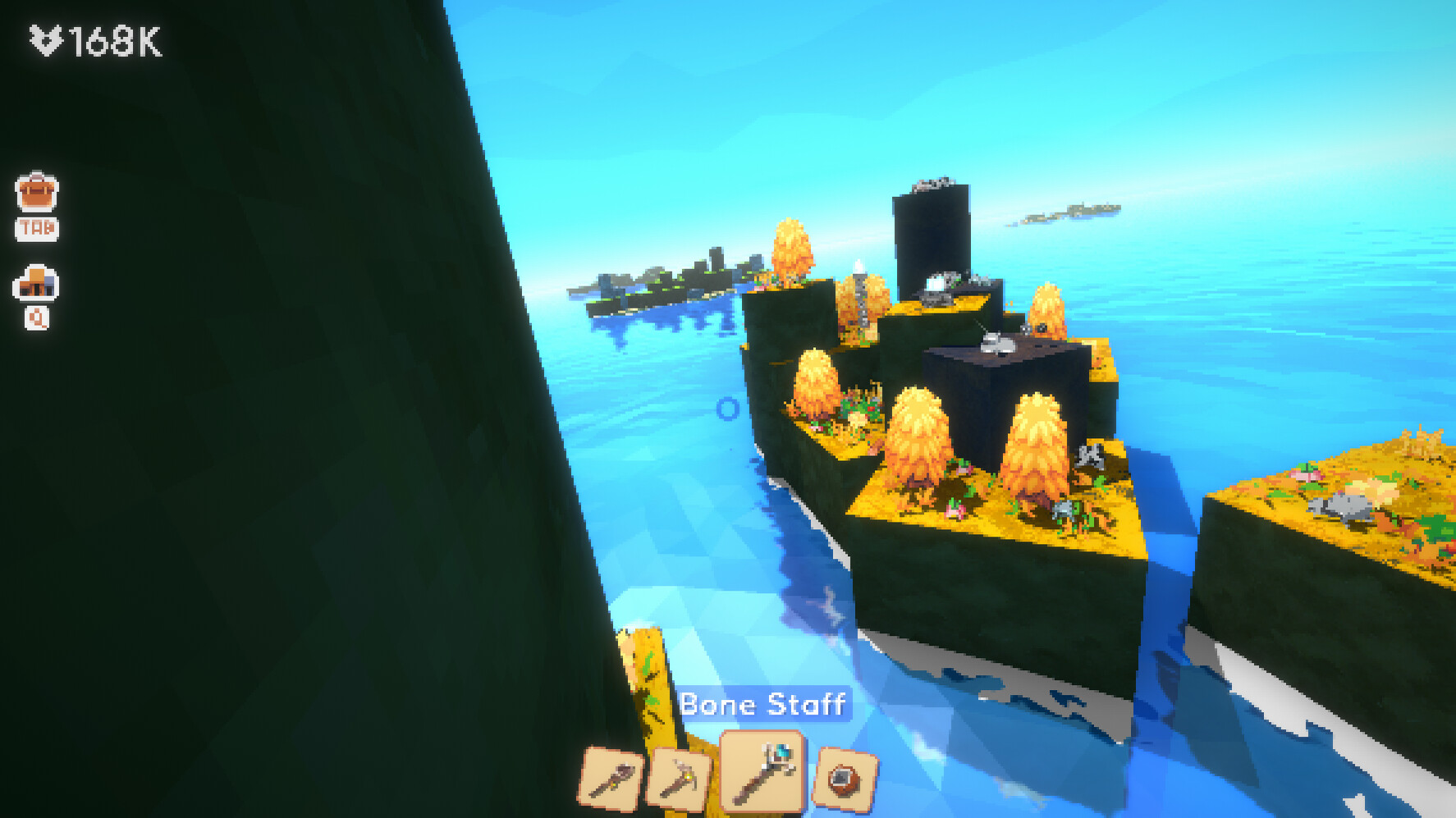
I should be clear about the friction, because it is real and it is not a footnote you hide after the score. Outpath looks like a game that was built by one person who wanted an adventure more than a showcase. Landscapes can be handsome. Inventories can be stubborn. Collectors can arrive with a range that feels like a lecture. Resources that the recipe assumes are common can play hide and seek until a furnace becomes a rumor. I will not invent a coal census. I will say the island sometimes forgets to stock the ingredient you need and then shrugs like weather.
Technical manners on a living-room build can stutter when the game decides to remember itself. Machines can get philosophical in a doorway. A controller update on PC had to be parked on a beta branch after it introduced problems, which is a sentence no designer writes for fun. None of that is unique to this ocean. All of that is the tax on a lightweight clicker that left Steam in 2023 and arrived on PlayStation three years later still wearing some of the same boots.
Presentation is readable, which matters more than prestige. You can tell a starter isle from a bought one from a portal at a glance. If you cannot read a biome, the hunt dies and the base becomes homework. These spaces are atmospheric enough to carry a grin and clear enough to carry a plan. You always know where you are. You do not always know why the collector is already full of the wrong joke.
The voice of the game is the island, and the island talks in resources, weather, and the occasional undead knock of a recipe that wants coal. English carries full audio on Steam, with a long list of interface languages that keep the door open. I will not turn this into a localization seminar. The idle half is weaker than the box art for a good while. The active half is the honest one. Both halves are Outpath.
Better as a Hum Than as a Checklist
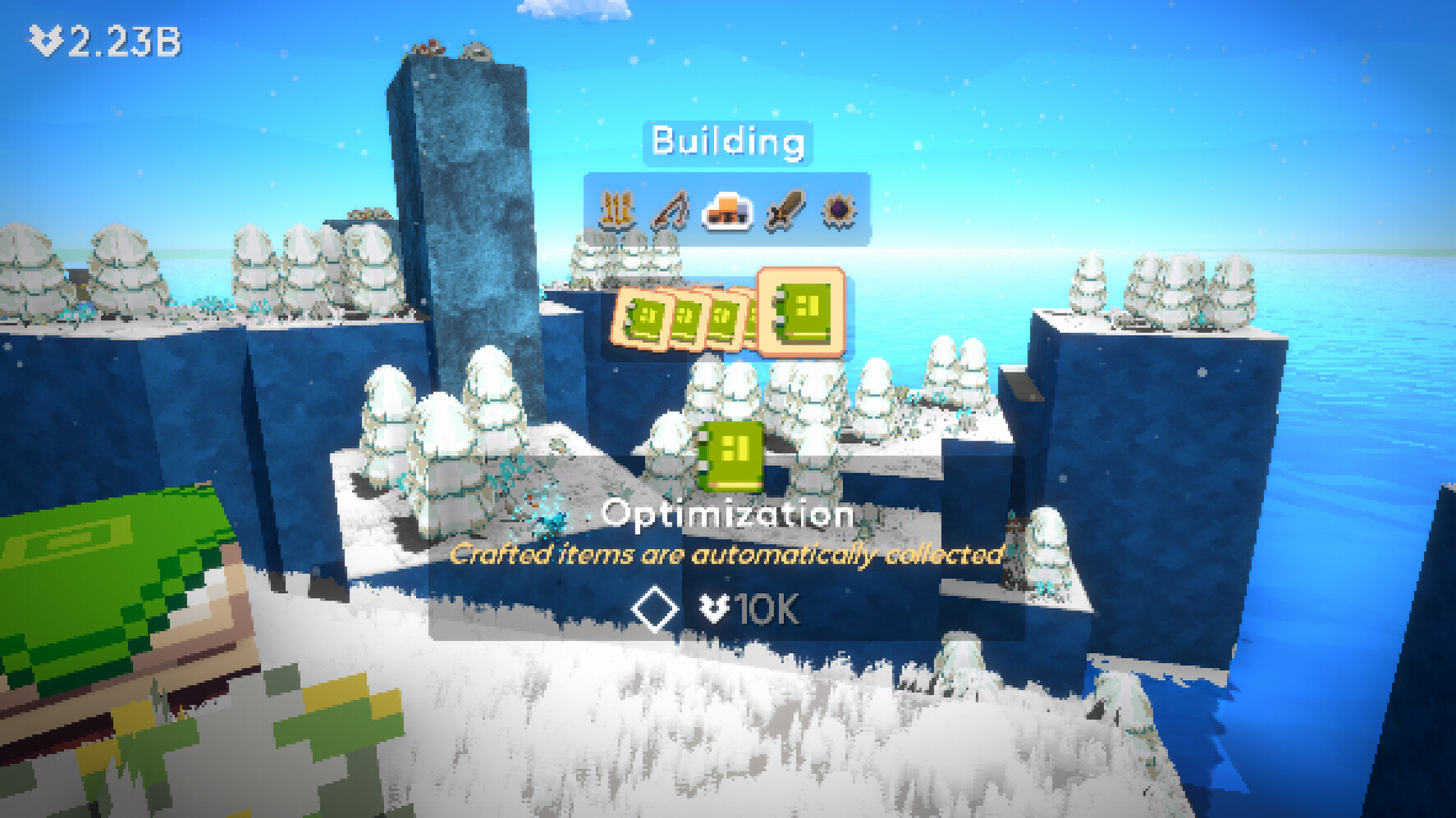
I have a rule for cheap-to-mid cozy. If a game is worse with a hum than with a checklist, it is broken. If it is only good with a checklist, it is honest. Outpath is honest, and that honesty should sit next to the price.
A busy night is a competent weekend. You punch the block, you invent the kitchen, you lose a stack, you walk back, you put a better lock on the joke. A humming night is the version the systems were quietly designed around. Someone collects. Someone supplies. Someone learns, too late, that an active island does not respect a machine you left on the last deed. The ocean becomes a shared instrument instead of a commute, even when the sharing is just you and a clicker.
The Steam sample around a game this loved is always going to look loud. Very Positive is the official weather, 2874 of 3096 on the side of yes, and that split is fair. Players who wanted a deeper factory, a prettier inventory, or an idle that works on day one bounce off. Players who wanted a lightweight adventure with a deed and a bad idea about parkour stay. I am in the second camp with caveats, which is the only honest place to stand.
Compared with the giants of the deserted-island business, Outpath is not trying to be a career. It is trying to be a place. The developer said the quiet part on the store page. No time limits. No pressure. Fun if you will meet the game where it lives. That is not a cop-out if the place is worth the walk. Some nights it is. Some nights the furnace is a myth and the doorway is a theology problem. Both nights are Outpath.
Still Standing After the Click
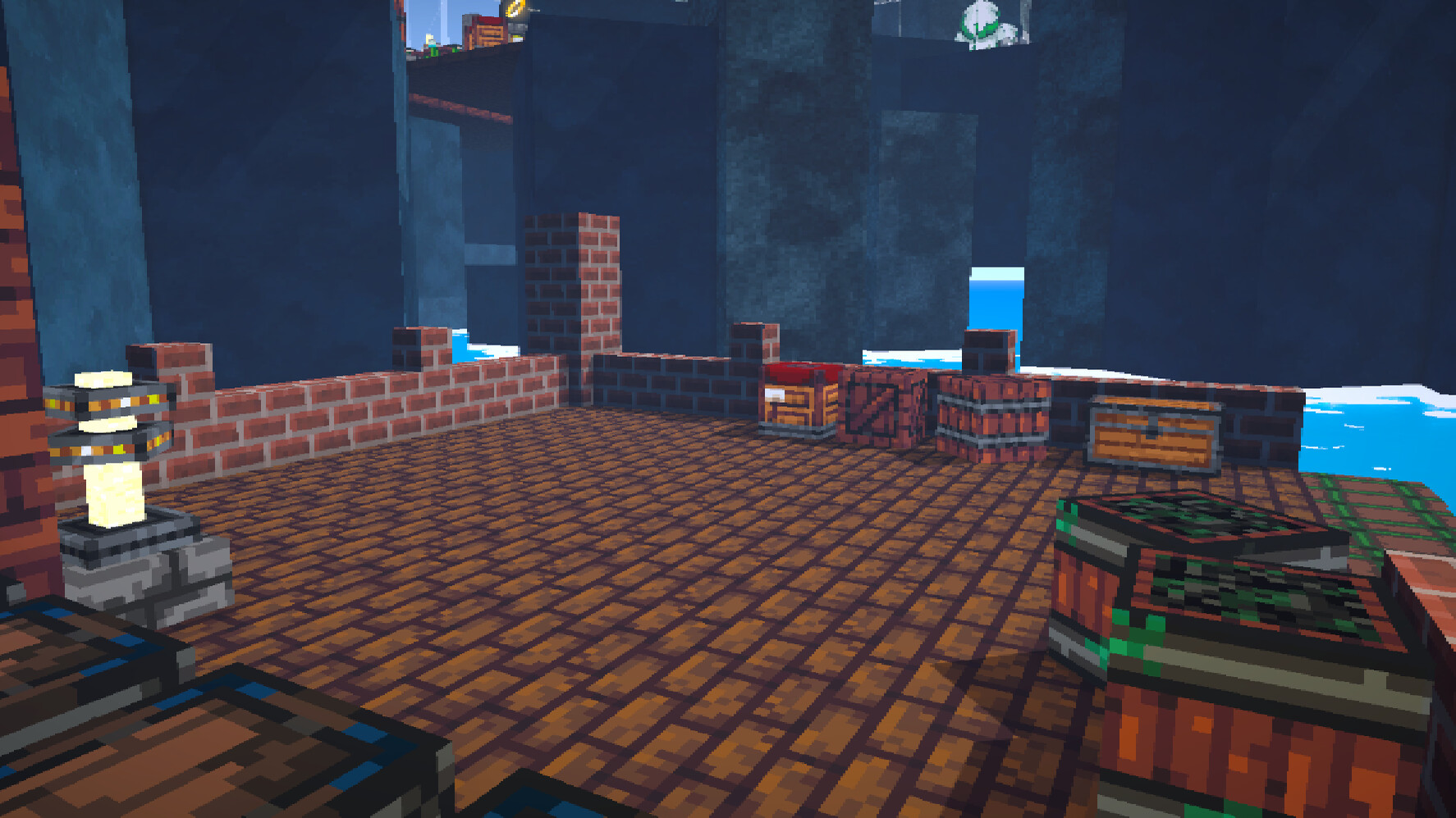
Outpath is a rare mid-priced clicker that understands its own joke and then has the nerve to make the joke an archipelago. David Moralejo Sánchez built an ocean about a shoreline, a pad about teamwork with a supplier, and a toybox that looks a little homemade and plays a lot more sincerely than that sentence suggests. The loop is the hook. The automation is the spine. The walk from a punch to a hum is the grin.
It is better as a hum than with a checklist. Collectors are clunky in the way a lightweight factory is clunky. Inventories can sulk. The presentation has indie fingerprints, from the stubborn ranges to the story that would rather be a portal than a cutscene. All of that is true, and all of that is already priced in at $14.99 on PlayStation and $14.99 on Steam. You are not buying a decade. You are buying a weekend that can turn into several weekends if you like being a coordinated disaster, or being the person who has to explain the disaster to a market.
I am scoring it 8.5, Great, because the identity is this clear and the limitations are the limitations of a focused cozy, not an empty one. I would recommend it to anyone who likes a workbench that has weight and a map that is allowed to be kind. Distinctive island weather, a deed that shrinks the horizon, automation that turns wood into conversation, and a price that respects your week are a lot of game for the ask. The systems repeat their manners. The manners are still useful.
The ocean is still out there, still hiring a night shift of islands, still asking what a click was worth. After a few deeds, you will understand why the job is not finished, and why you keep waking up on the shoreline anyway.
We prepared this review with a digital copy of the Outpath for the PS5 version provided by Pressengine.