
There is a particular kind of dread, rare in a medium that usually hands you a sprint button and a gun, in watching a wheelchair scrape across wet concrete while something with too many joints listens for the wheels. The elevator is dead. The lights are a rumor. You do not remember the drive in. SHOCK, the third-person psychological horror from Hero’s Punch Productions, is built on that scrape, and the scrape is ruder than an abandoned parking lot has any right to be.
I played the PC version, the digital copy Hero’s Punch handed over while the store page still lists a 2026 window and no price tag. The studio is a small pair putting a disabled war veteran into a wheelchair and then refusing to treat that chair as costume. You wake as Jack River, both legs gone, memory missing, bandages doing the work a face used to do. A man-made cybernetic creature owns the lot. Stealth, bricks, crawl spaces, and a chair you will abandon on purpose are the kit. A demo still sits on Steam if you want to taste the dark before the full escape arrives. Full controller support is there. English carries the audio. Great, not endless, and very much a lot I would recommend you roll through.
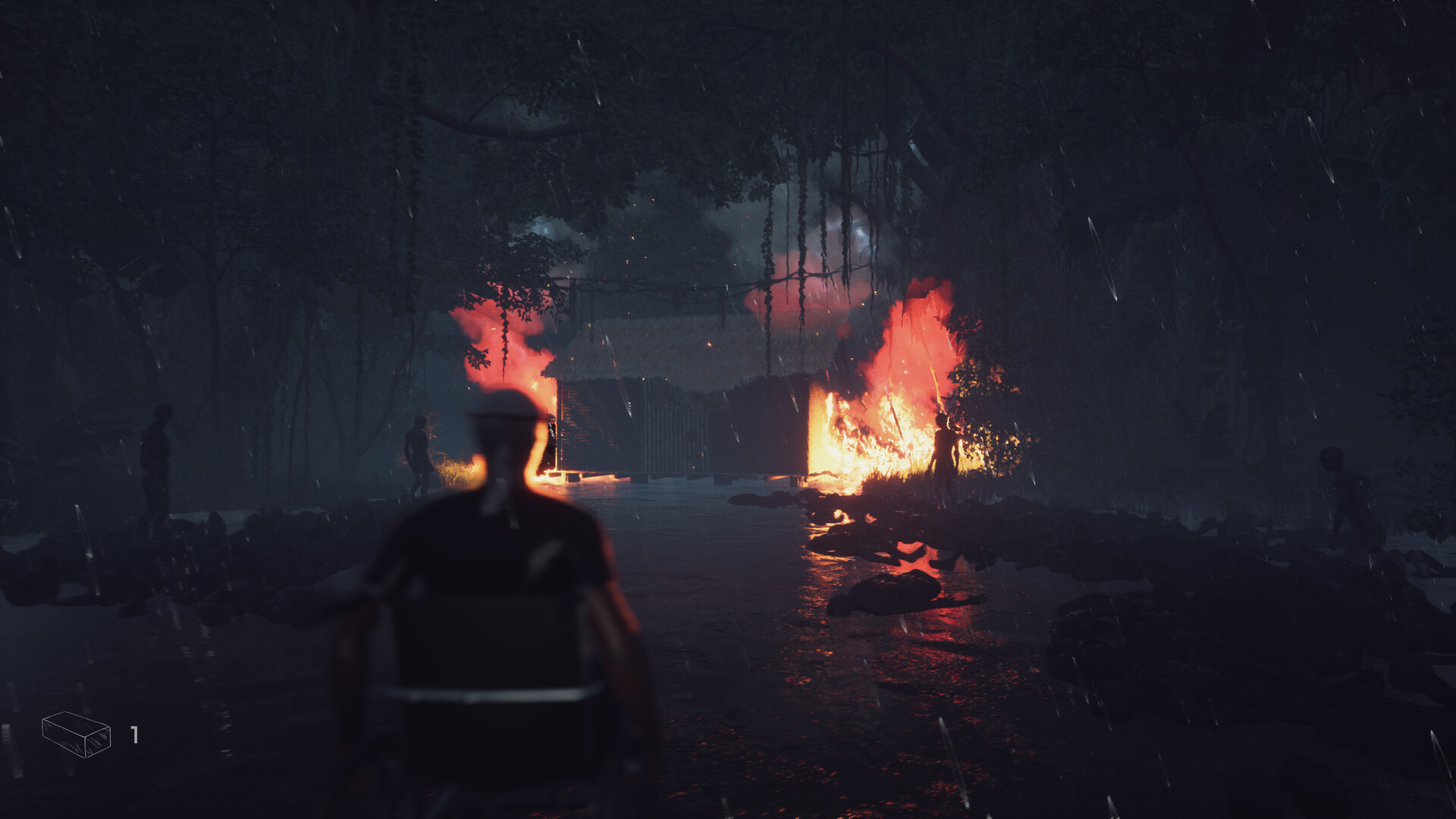
Jack River Wakes Up Without a Map
Most horror games give you a town and a flashlight. SHOCK gives you a parking structure and a body that has already paid a tax. Jack River is a disabled war veteran with amputated legs, and the game does not whisper that fact in a loading tip. It is the first sentence. You wake in the dark, claustrophobic confines of an abandoned indoor lot, with no memory of how you got there. The power is out. The elevator is a metal shrug. Something inhuman is already on patrol.
The bandaged head will remind anyone of a certain nineties asylum wanderer, and the comparison is the game’s own handwriting, not a costume I am pinning on it. Jack is not a silent tank. He is a person who has to plan a turn. Civilian life did not take. The lot is the new war, and the war has better acoustics.
Story is doled out like a fuse. Notes, wreckage, the way a corpse is arranged, the way the creature looks like someone designed a soldier and then forgot the soldier. I will not walk you to the ending and describe the truth like a tour guide. The store page promises a mysterious tale of survival, fear, and the human spirit. What I met was a tighter object: a man trying to leave a building that has decided he is inventory.
I like a premise that prices vulnerability. A lot of horror protagonists are athletes in a wet t-shirt. Jack is a veteran who already lost the argument with machinery once. Putting him in a wheelchair is not a gimmick if the systems agree. SHOCK’s systems agree more often than they don’t. When they don’t, you feel the chair as friction. When they do, you feel the chair as a character.
The lot is not a city. It is a sentence. The sentence is: wake up, survive, escape. That is enough if the rooms have handwriting. The early concrete does. Oil, signage, a van that should not be parked like that, a stairwell that wants you to crawl. You start making a map in your head because the game will not draw you one. Memory is the other mechanic. Forget a corner and the creature writes the reminder.
The Chair Is a Verb, Not a Prop
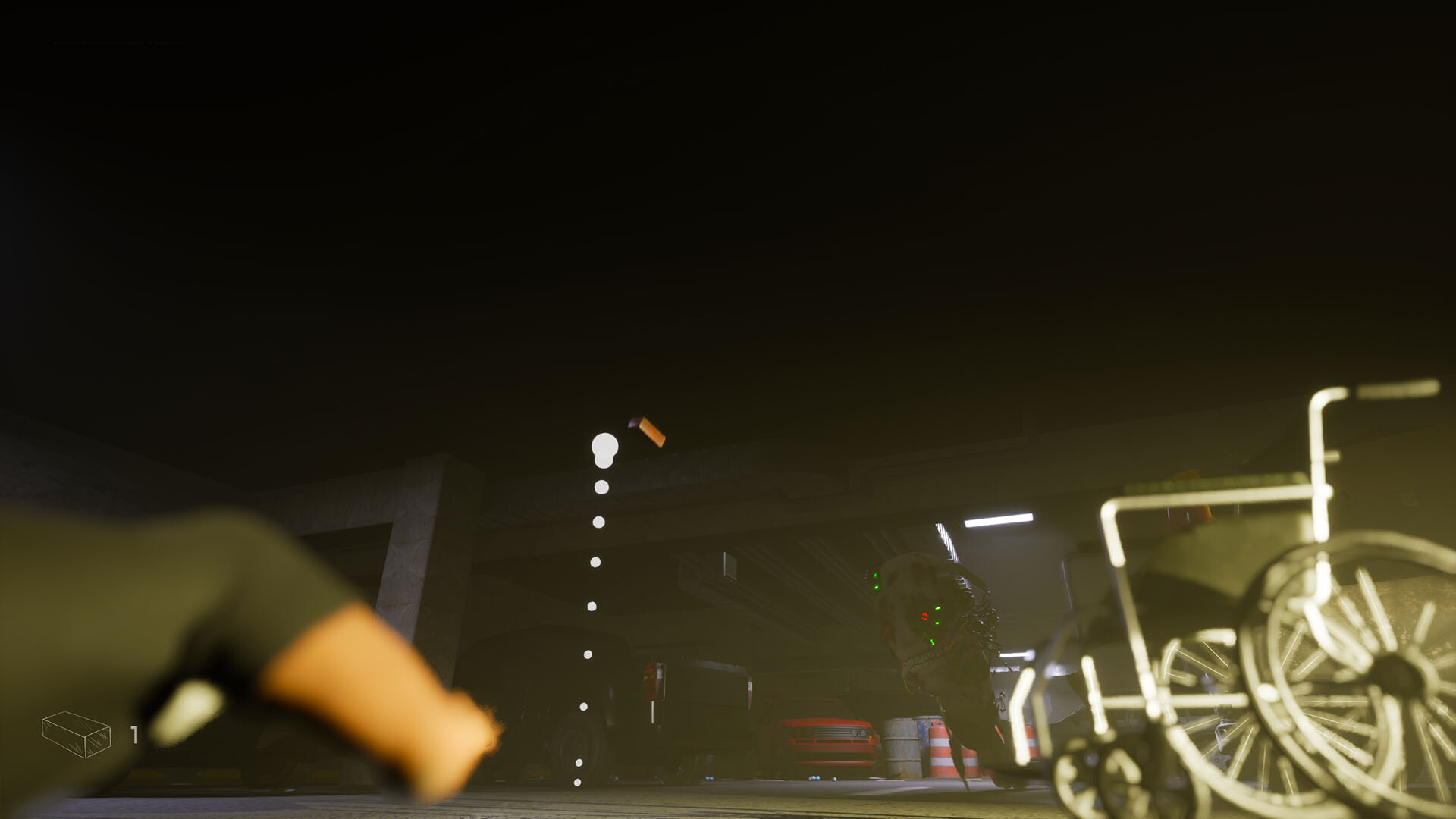
The wheelchair is the reason the lot is worth the commute. It is not a skin on a walk cycle. It is speed, noise, and a relationship you can break. In the chair you cover ground. You also announce yourself. The wheels talk. Concrete answers. A puddle becomes a drum. I have played stealth games that treat crouch as a polite dimmer switch. SHOCK treats mobility as a bargain you renegotiate every thirty seconds.
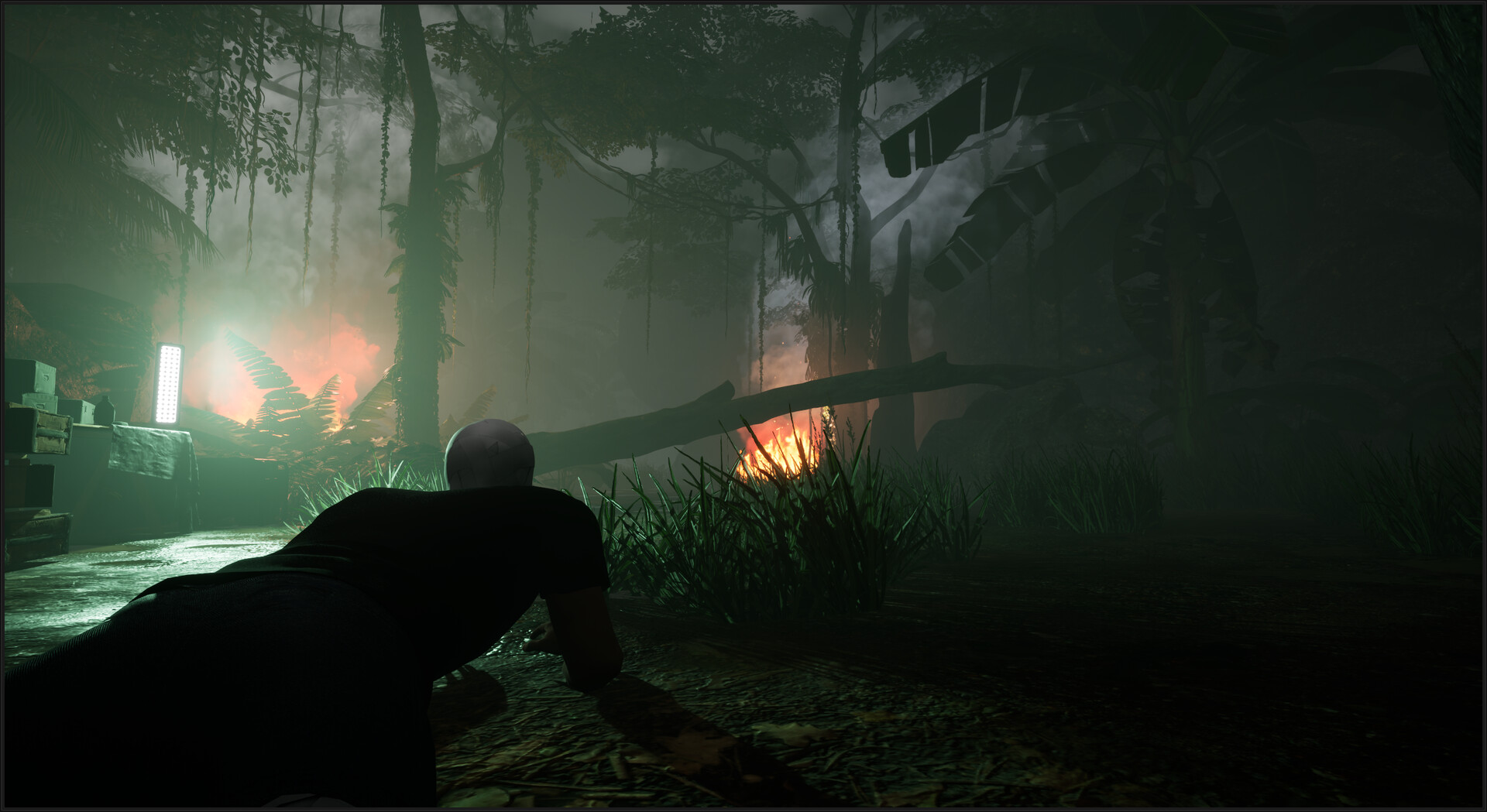
Leave the chair and you crawl. Tight spaces open. Vents, gaps, the underside of a world that was built for people with legs. Crawling is slower than death and strangely freeing. Without the chair you are quieter and smaller. You are also a person on the floor in a building that contains a predator. Finding the chair again is the first real mechanic. The left stick can hunt its silhouette in the dark. Lose it in a panic and the lot becomes a different game, a game about arms and patience.
That transfer, chair to floor and back, is the design’s best manners. Jack heaves himself down with a speed that is unnerving the first time and practical the tenth. Arms pull him through debris. Palms scrape tile. The animation is not pretty. It is specific. Specific is harder to fake than pretty.
I should be honest about the clunk. Turning in the chair can feel like arguing with a shopping cart that has seen war. Tight columns punish anyone who treats the lot like a twin-stick arena. That is partly the point. It is also, some nights, just clunk. A horror game about disability has a duty to be tactile and a duty not to make the tactile into a joke at the player’s expense. SHOCK mostly understands the difference. When a doorway fights the collision, the difference leaks.
The chair is also a hiding place and a liability. Park it wrong and you have drawn a map for the thing that hunts you. Park it right and you have a getaway you can hear coming. I started treating the wheelchair the way other games taught me to treat a horse or a jeep: as a companion I might have to abandon, and as a companion I would be stupid to abandon for long.
Bricks, Shadows, and a Creature That Does Not Blink

Stealth is the other half of the personality, and it is not wallpaper. You hide. You listen. You throw a brick because the brick is the only friend in the county who will make a noise on command. Distractions are simple and they work, which is a courtesy. The creature is not a puzzle with a glowing weak point. It is a patrol with a personality and a willingness to ruin your evening.
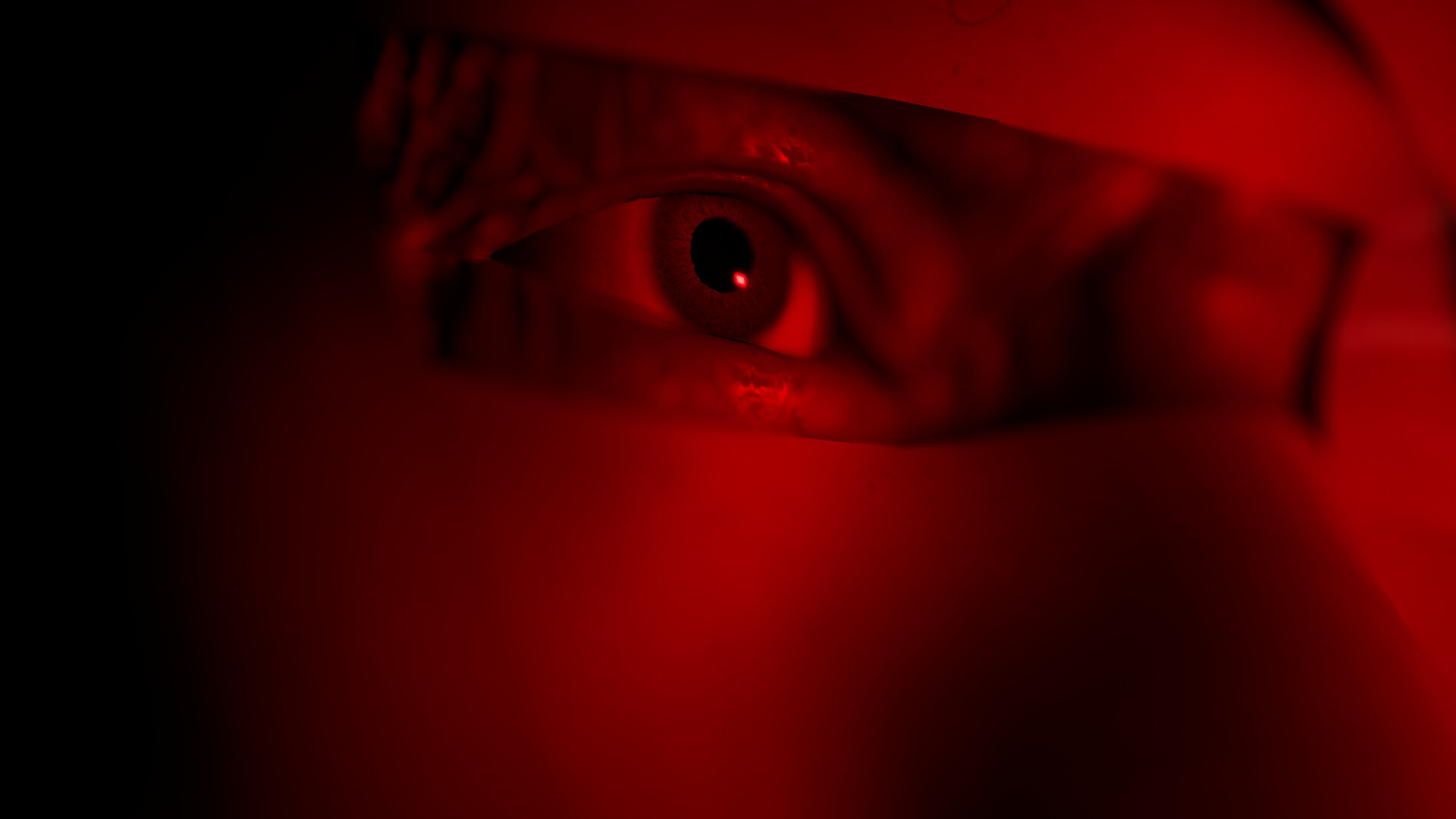
The monster is cybernetic and man-made, a sentence the store page is happy to repeat. In motion it is worse than the sentence. Joints that should not fold. A hunger that looks like a program. Gore is not shy. A victim can lose a jaw. Intestines can become decoration. The age rating is not being theatrical. If you came for a tasteful shadow, this lot has other plans.
I have sat through plenty of indie horrors that announce a stalker and then deliver a mannequin on a rail. This stalker has opinions about sound. Stay quiet and it is surprisingly avoidable. Get greedy with a roll and it arrives like a bill. Scripted jolts exist: a hanging body, a burst of birds, a hand that wanted a handshake. Not all of them land. The ones that land are the ones the architecture earned. The ones that don’t feel like a trailer that wandered into the build.
Puzzles sit in the gaps between hunts. A door that wants a sequence. A crawl that wants you to leave the chair where you can still love it. A bit of environmental literacy, the kind of reading you do with a flashlight in your teeth even when the game did not give you a flashlight. None of it is a doctoral exam. All of it is slower because Jack is slower. That slowness is the tension. A puzzle in a power fantasy is a lock. A puzzle in a wheelchair is a dare.
The lot teaches audiovisual awareness the way a good stealth game should. A distant scrape is information. A flicker is a rumor. I died more to impatience than to cleverness, which is the correct kind of death. The creature does not need to be unfair. It needs to be present. SHOCK keeps it present.
A Parking Lot With a Memory Problem
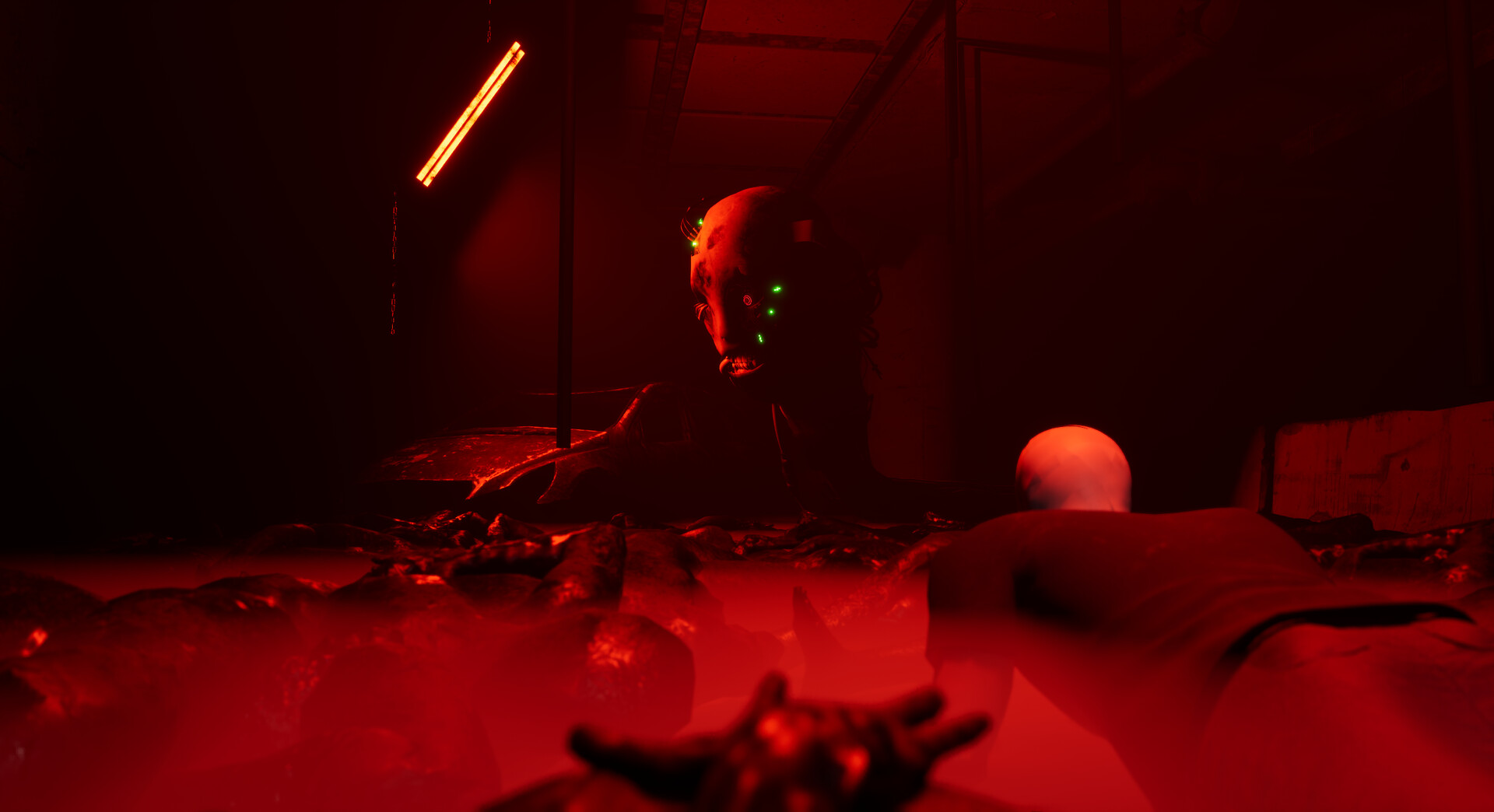
The setting is one structure, and that is a choice with a cost. An abandoned indoor parking lot is a liminal joke that a lot of games have already told. SHOCK tells it with oil and distance. Ramps become geography. Support columns become manners. A van becomes a room. Fluorescent graveyards do more work than a second biome would have.
I kept waiting for the lot to become a city. It does not, at least not in the hours I was given. The claustrophobia is the map. That focus is why the first twenty minutes feel like a thesis. It is also why a longer night can start to rhyme. Concrete is honest. Concrete is also concrete. After enough loops, a pillar is a commute.
The fiction tries to keep the rhyme from becoming boredom. Jack’s missing memory is a plot and a mechanic. You are piecing together why a veteran ended up in a place that looks like a crime scene designed by an engineer. Civilian trauma sits under the jumps. The game is interested in the return from war, not only in the monster that war apparently built. That interest is the reason I stayed after the first scare wore its welcome.
I will not invent a lore bible. What I can say is that the lot feels authored. Debris is placed. Blood is a sentence. A disabled protagonist in a space built for cars is already a metaphor, and Hero’s Punch is wise enough not to underline it with a lecture. The underline is the crawl under a railing that a walking hero would have vaulted without thinking.
The line between reality and nightmare is the store page’s favorite phrase. In play, the blur is quieter. You start distrusting a corridor you already cleared. You start wondering whether the elevator died or whether you are the one who is unplugged. Psychological horror lives in that wondering. SHOCK gets there more often when it stops throwing birds at your face and lets the wheels do the talking.
Concrete, Fluorescents, and the Sound of Wheels
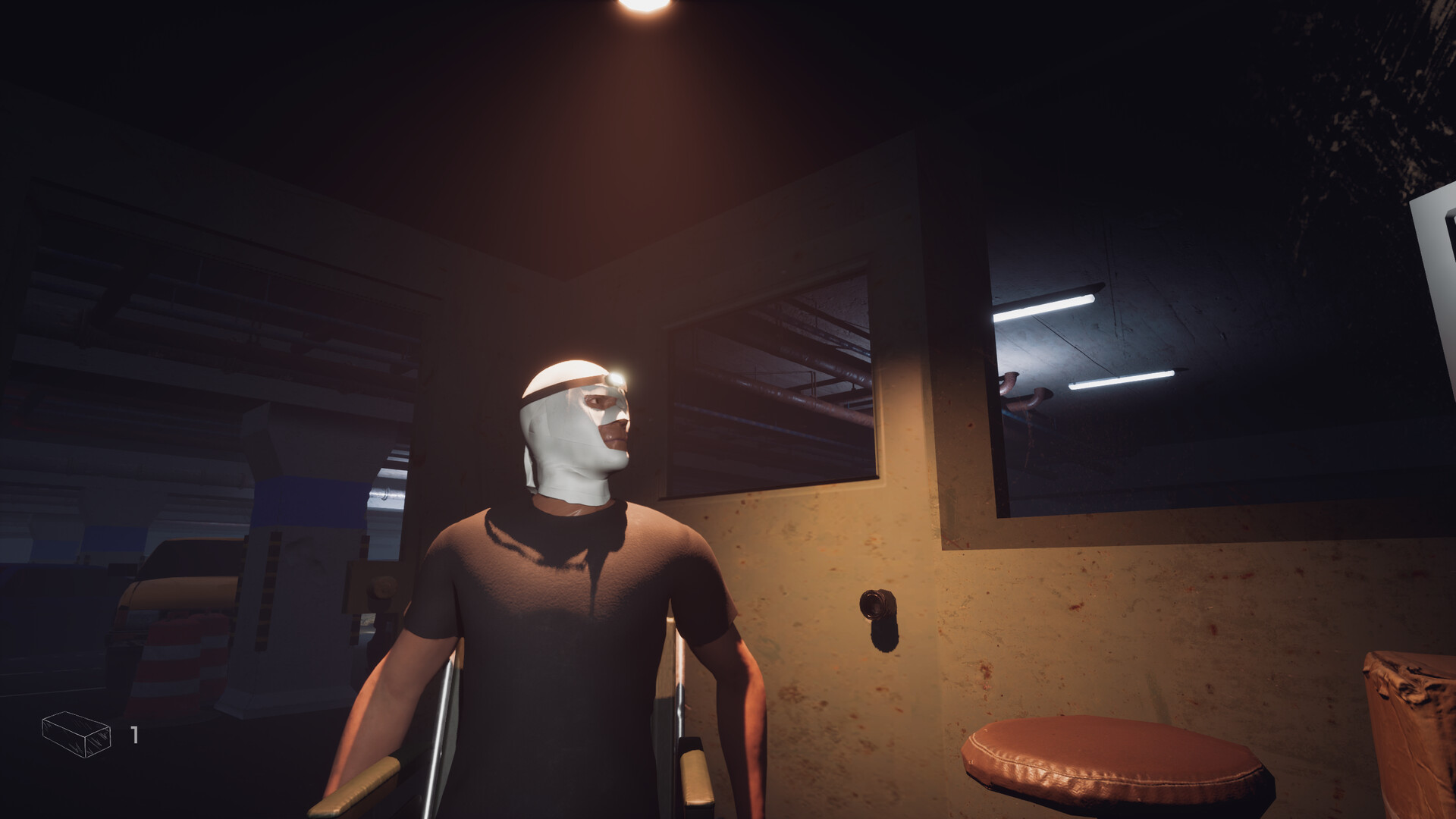
SHOCK does not look like a prestige horror production, and it does not need to. The lot is dark, wet, and readable when the lighting agrees to be honest. Third-person is the right camera. You need to see Jack’s shoulders and the chair’s footprint. You need to see how much of him is still in the machine. Close-ups of the creature are uglier than a first-person peek would have been, which is a compliment.
Lighting does the horror work a bigger budget would have spent on a second map. A distant exit sign is hope and a lie. Headlights that should not be on become a character. I have played cheap indies that announce atmosphere and then deliver a brown room with a sting. This room has handwriting. It also has nights where the dark is a little too proud of itself and a path you need is a rumor. That visibility tax is real. It is the cost of a picture that would rather be a threat than a diagram.
Sound is the better craftsman. Wheels on concrete. A scrape that might be you. A scrape that is not. The creature has a voice that is not a roar so much as a mechanical grief. When the lot goes quiet, you can hear yourself decide that one more roll is a plan. Full audio in English is the language of the build I played. The voice work does not try to be a radio play. It tries to be a man who is tired and still moving.
Controller support is first-class enough that I stopped thinking about the menu. Keyboard remains a citizen. Either language works if you accept that the chair wants analog. A session can be a twenty-minute demo escape or a longer crawl through the provided build. The store page has not posted a price. The demo is the right length to tell you whether the lot agrees with your nervous system. If the first ramp feels like a gimmick, give it a second. If the third crawl feels like a vice, you are the audience.
The Demo Is a Promise With Teeth
I should be clear about scope, because honesty is part of the job. SHOCK is still wearing a 2026 date on Steam. The digital copy I played is a focused parking-lot nightmare with a demo that already knows its joke. Hero’s Punch is not handing you a twelve-hour campaign with three cities and a skill tree. They are handing you a thesis about mobility, stealth, and a creature that will not negotiate.
That thesis is strong enough to recommend and unfinished enough to qualify. Puzzles will need more dialects if the full escape is going to last an evening instead of a commute. The stalker will need more than one good idea about how to enter a room. Scripted jolts should go on a diet. The chair’s collision should be taught to love doorways. None of that is a secret. All of that is already priced into a score that refuses to pretend a demo is a boxed set.
What is already there is rarer than a second corridor. A disabled protagonist whose body is the system. A wheelchair that is a verb. A crawl that is not a cutscene. A lot that uses one biome like a pressure cooker. I have sat through plenty of Next Fest tastes that vanished from my memory on the walk back to the kitchen. This one stayed in the hands. I still catch myself listening for wheels.
The player sample is still forming. There is no recommendation pile to hide behind. That is fine. A small horror does not need a parade. It needs a few people who will roll into the dark on purpose. If you want a power fantasy, this is the wrong lot. If you want to feel the cost of a turn, it is the right one.
I keep coming back to the dead elevator. It is a joke and a thesis. The building will not lift you. You will have to invent a way out that matches the body you were given. That is a better horror sentence than a bigger monster.
The Lot Keeps the Receipt
SHOCK is the rare small horror that understands its own limitation and then has the discipline to make the limitation a system. Hero’s Punch Productions built a possession fantasy about a veteran, a wheelchair that is also a voice, and a cybernetic hunter that treats sound like a meal. The hook is an abandoned lot with a dead elevator. The spine is the way chair, crawl, and brick turn vulnerability into a plan.
It is better as a thesis than as a novel. The movement stays the reason to recommend it. The lot stays the reason you keep the window open. The repetition is real. So is the grin, if grin is the word, when a quiet roll and a well-thrown brick turn a predator into a rumor you outlived.
I am scoring it 8, Great, because the identity is this strong and the limitations are the limitations of a focused, still-arriving horror, not a confused one. You are buying, or waiting to buy, a lot that respects your nerves, a demo if you are shy, and a protagonist the genre usually refuses to hire. Distinctive stealth, a chair that is a character, and a creature that does not need a health bar are a lot of game for a page that has not even posted a price. The ramps repeat their jokes. The jokes are still sharp.
The wheels are still there. The elevator is still dead. After a few escapes, you will understand why the lot is not finished with you, and why you keep rolling in anyway.
We prepared this review with a digital copy of the SHOCK for the PC version provided by Hero’s Punch Productions.