There is a particular kind of vanity, rare in a genre that usually hands you a jump scare and a tragic flashback, in lacing up for a milestone jog and discovering that home is a word with a trail map in it. The lake is still a lake. The camera is still a camera. The first masked hunter who tries to edit you is not a metaphor. The Run, the full-motion horror thriller from PRM Games, is built on that vanity, and the vanity is ruder, funnier, and more useful than a ten-dollar sprint has any right to be.
I played the PC version, the 5 February 2026 Steam launch that PRM Games walked onto desktop and Mac at $9.99 after a mobile outing in late 2025. You watch, you choose, you put a decision on a trail, and you learn that Lake Garda has already hired a night shift of men with bows and blades. Timed choices, paused choices for a couch or a stream, a graphic story map of every branch, twenty unique deaths, five endings, and three hours of filmed content if you are the kind of person who likes a receipt. Ten Steam achievements sit in the background. The Steam sample is Very Positive, 96 positive of 107, which is the honest weather report and not a dare. Great, not glossy, and very much a weekend I would recommend you spend if you like an FMV that knows it is a chase.
Lake Garda Does Not Care About Your Milestone
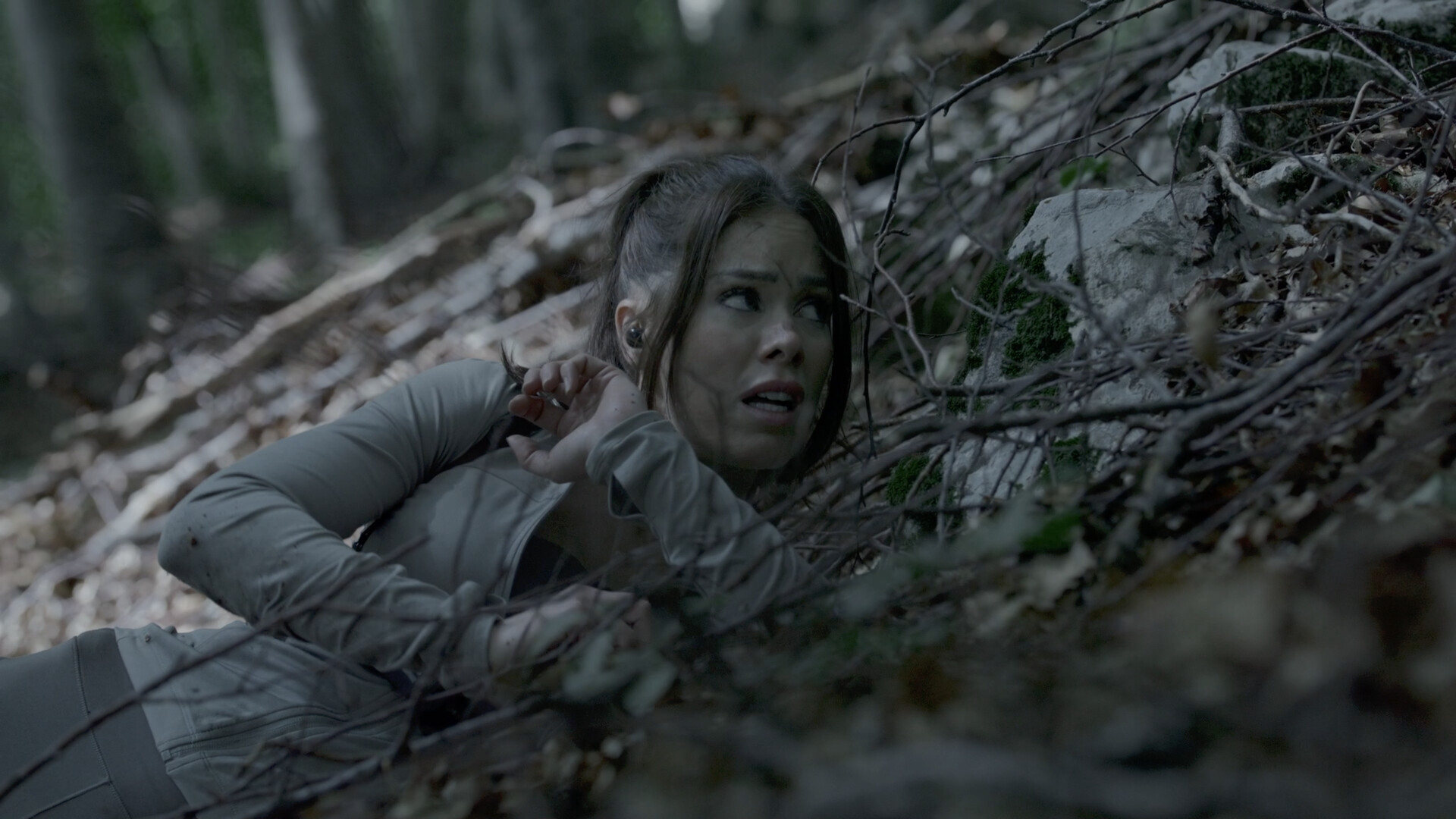
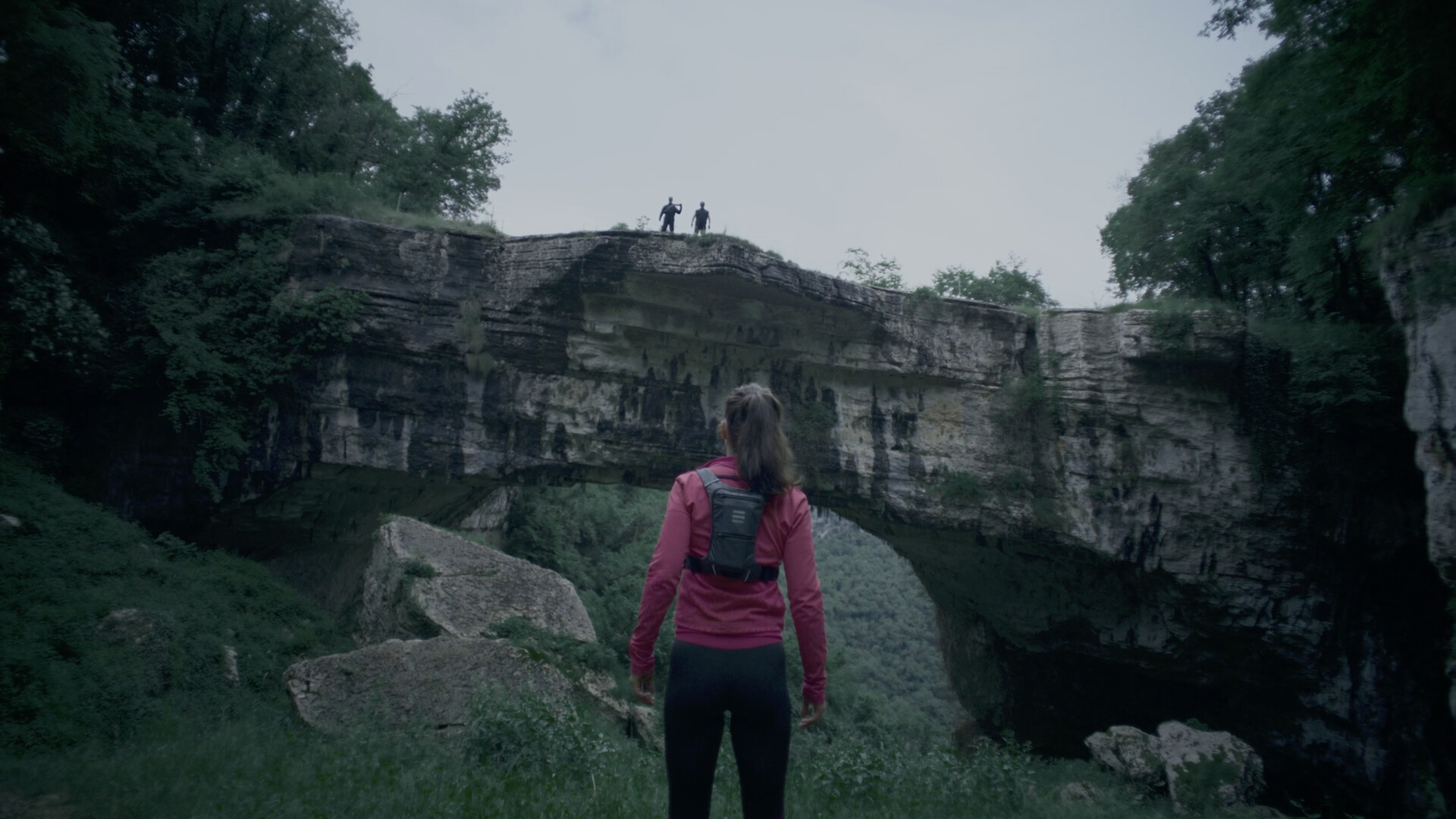
Most FMV horrors begin with a dinner party. The Run begins with a vlog. Official copy on Steam says Zanna Hendricks is a world-famous fitness influencer who has come to a remote running trail in the picturesque mountains of Northern Italy to celebrate another career milestone. The story prefers a steely façade, a traumatic past, and a couple of kilometres that refuse to stay scenic. Both versions agree on the next sentence. She is attacked by a group of masked killers. They relentlessly hunt her across the landscape. The morning run becomes a run for her life.
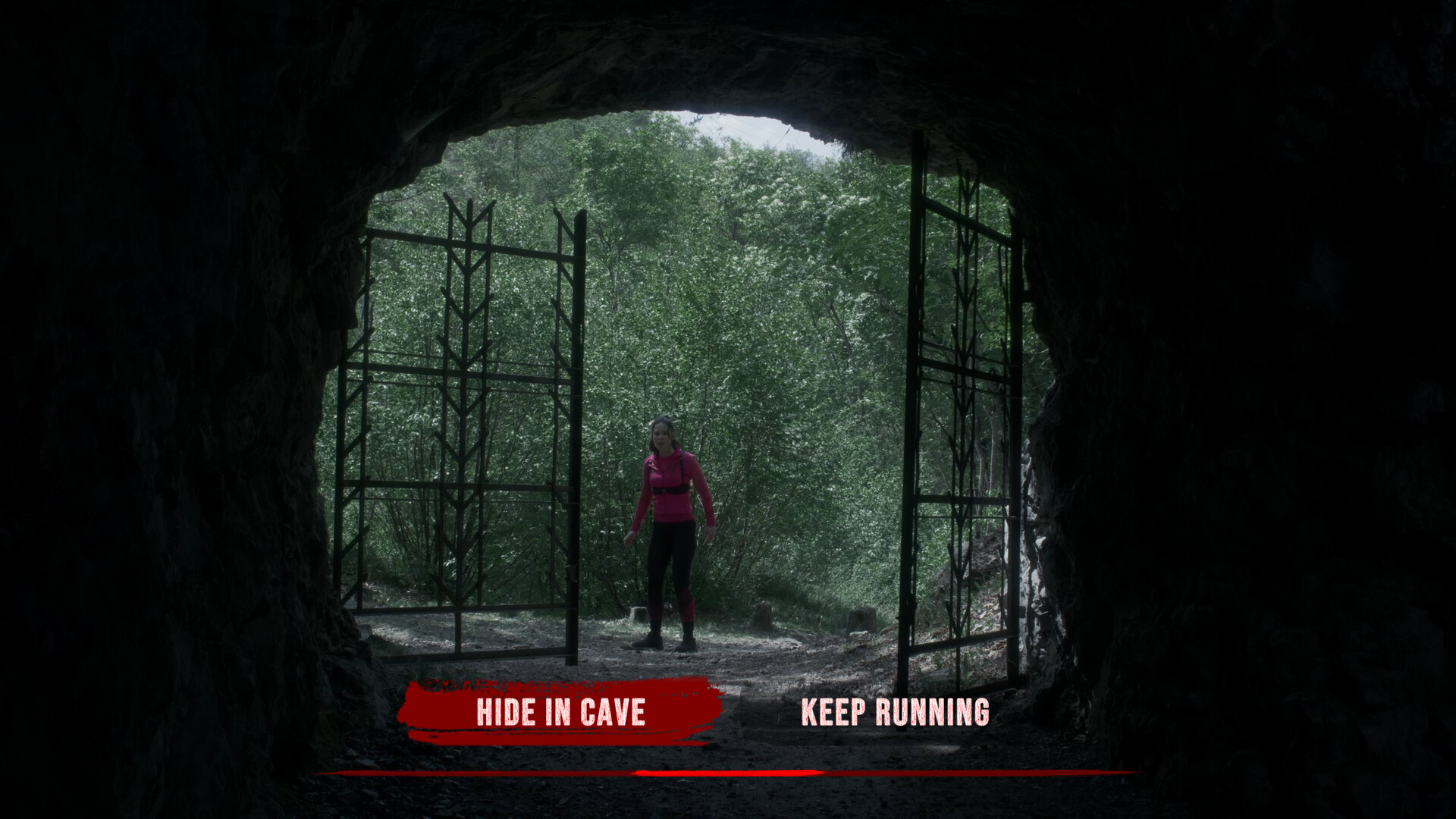
That is not flavor text. It is the design refusing to pay for a puzzle dungeon when a trail will do. You start making decisions because the alternative is becoming a rumor the forest already filed. The first ambush is staged like a punchline that forgot to be funny. You hide or you run. She is alive for now. The script, still a little breathless, asks who can assure the next fork is kind. Nobody can. That is the rest of the map.
I like a premise that prices influence as a hazard and then lets you jog toward it anyway. Zanna films the isolation like a person who has five million reasons to keep the camera rolling. The north trail and the south trail sit on the map like dares. Matteo, a local farmer with an American accent and unclear manners, arrives like a second camera. Official copy says the choices you make are worth life, death, and beyond. That sentence is not marketing. It is the design admitting that the sprint is the mechanic.
The fantasy is not mastery of a lore bible. The fantasy is competence arriving about half a kilometre after you invent a habit of not trusting the pretty path. You will die in ways that would be funny if the story map were not so sincere. You leave a branch. You walk back. You become the kind of person who thinks a pause button is a personality.
Timed Choices, Paused Choices, and a Map That Keeps Score
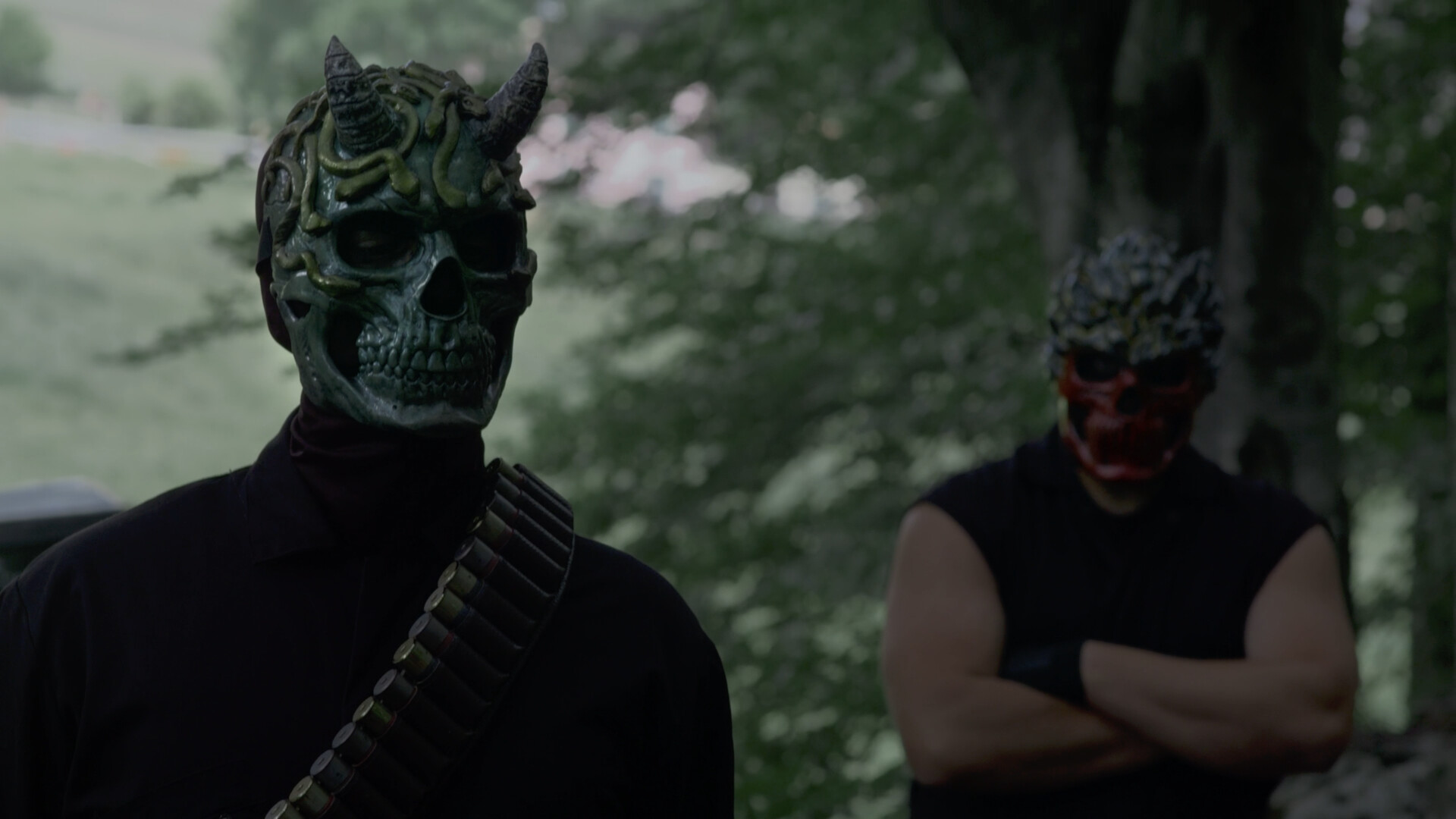
The loop is the old religion of interactive film and Paul Raschid does not pretend otherwise. Official copy lists choice-based mechanics, two game modes, and a graphic story map of all possible narrative branches. Timed Choices are the more immersive, pressured experience. Hesitate and the game will pick a grim path for you. Paused Choices exist for group play and audience participation during live streams. None of that is a revolution on paper. All of that is the sentence the rest of the toybox has to live in.
I have played a lot of FMVs that treat the first choice as a tutorial and the hundredth choice as a spreadsheet. The Run is lighter than that on purpose. There are no inventory puzzles, no lockers that want a code, no filler rooms that exist to hide a key. Every decision pushes the story forward. Hide here. Run there. Trust this person. Attack now. A single run can be a half hour or a little more. Exploring the major branches pushes you past three hours of filmed content. A skip-to-branch feature makes the second and third jogs faster than pride would recommend, which is a kindness.
The story map is the moment the trail changes tense. Official copy says branches unlock as the player progresses through the pool of filmed scenes. The map looks like the running trail with little photos appearing when you have made a key decision. You can see the paths you missed and how to find them. That shift is the closest The Run comes to a power fantasy, and I like it more than a new gun. Mastery, here, is logistics. You die, you stash the lesson, you jog a ridiculous little branch over a place that tried to eat you last night, and you land like a person who has mail. The map does not get smaller because the filmmakers deleted land. It gets smaller because you invented commuting.
I left timed mode on for an evening and paused mode on for another. The lake did not mind. The hunters minded either way. Timed is the version the systems were quietly designed around. Paused is the version you play when the couch has opinions. Both versions agree that a choice you did not make is still a choice.
Twenty Deaths and Five Ways Home
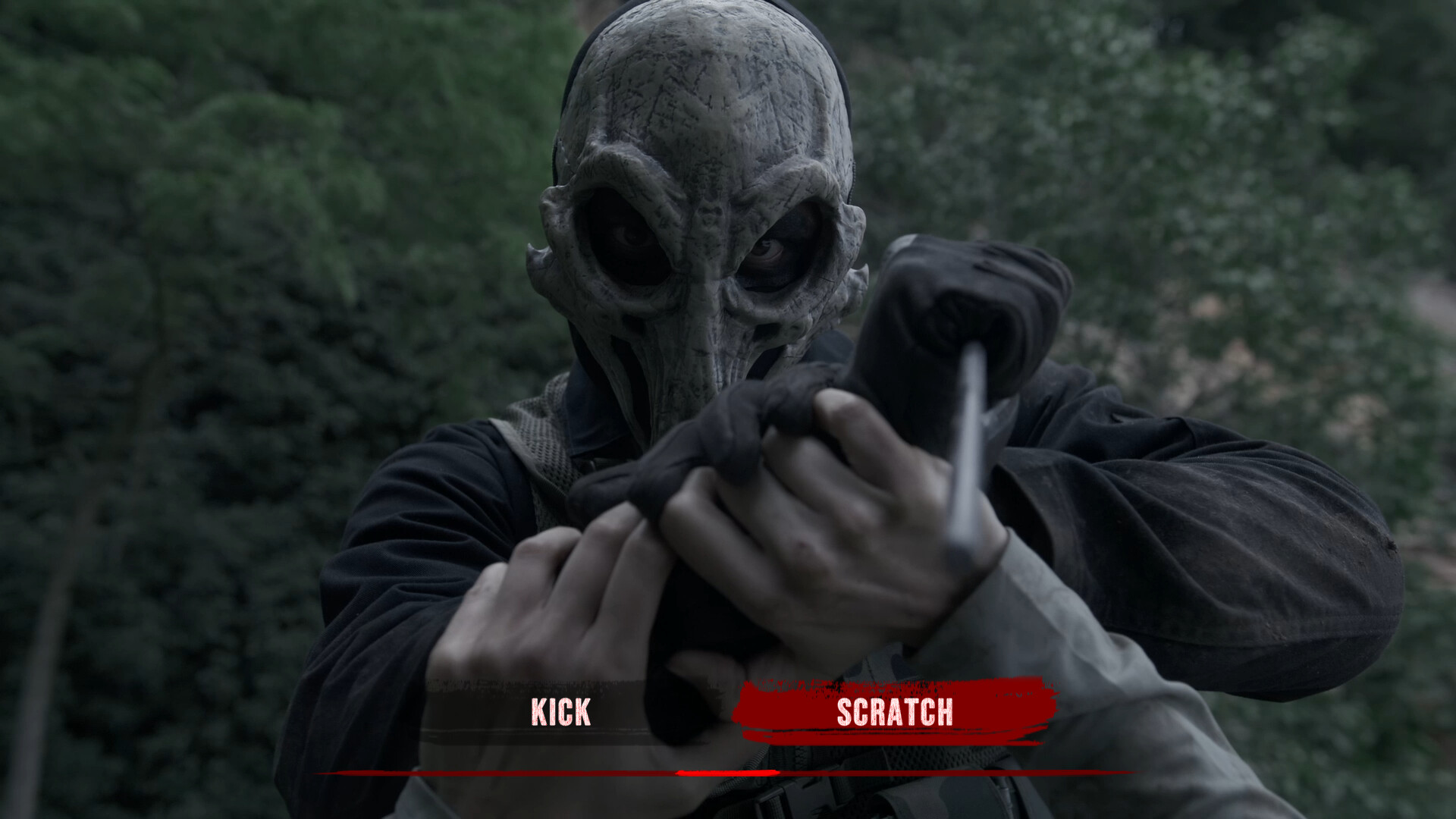
Death is the temperature change. Official copy promises twenty unique deaths and five endings. The deaths are not a meme reel you skip for a trophy. They are the design pricing hesitation as a resource. Some are sudden. Some are brutal without becoming a lecture. Zanna can go. Matteo can go. The stats menu keeps a tab like a coach who has decided civilization is a flowchart.
I will not invent a highlight reel with fake timestamps and tidy kill counts. The nights that stay with you are the ones where you thought the cottage was finished, then something started knocking in a rhythm that was not weather, and then you were on the wrong side of your own kindness. Stab high or stab low. Enter the fort or keep running. Tell Matteo or hide the horror. Trust is a mechanic. Distrust is a mechanic. Laughing at the wrong time is a mechanic. The game is not shy about making a personality into a branch.
The five endings are the other half of the short description and the fussier half of a completionist. They are distinct enough to justify the extra jogs and similar enough that a player who wanted five different novels will bounce. I am in the camp that wanted a feature-length chase with a map that tells the truth. The most elusive ending is not a courtesy. It is a dare. Ten achievements sit behind the loop for people who like a receipt. One-Track Mind. Music Lover. Friend Or Foe. Death Became Her. None of them change the central truth. You are here to pick a fork and then find out what the fork is for.
Replay is the vehicle. Official materials mention more than two hundred scenes if you are the kind of person who counts. I did not count. I felt the count. A first jog is a movie. A second jog is a conversation with the first movie. A third jog is the moment you realize Matteo’s manners were a plot point and not a vibe. I sold a theory I was sure I needed and then needed it, which is the oldest farmer joke in the book and still a good one.
Matteo, Masks, and a Vlog That Turns Into Evidence
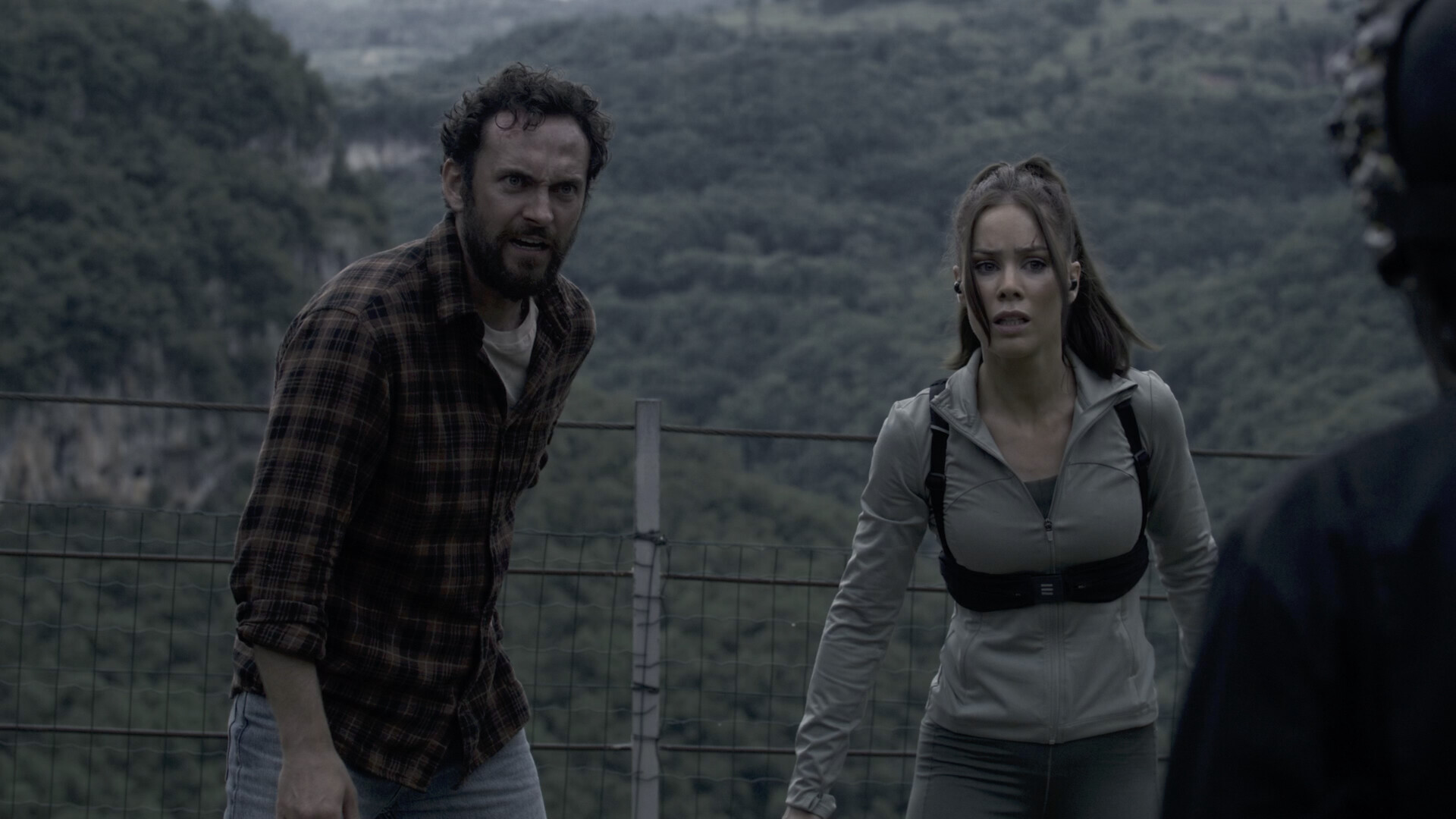
The cast is the reason a ten-dollar FMV does not feel like a student film with a tip jar. Official copy names Roxanne McKee as Zanna, George Blagden as the other half of a bad morning, Jamie Ward in the mix, and then, because this production would like a word with Italian cinema, Dario Argento and Franco Nero. I will not turn this into a headcount seminar. I will say McKee plays smug-and-scared with the exact ratio a vlog requires, and Blagden plays a farmer whose intentions remain a fork until the last scenes.
Zanna is an American running influencer who treats isolation like content. Matteo is a local who is also American, which is the kind of joke a production makes when it wants the audience to stay slightly uncomfortable. The first time you meet him, the morning has already become a rumor. The second time, men with guns have already edited the trail. You cannot be sure whether he is a bad dude until you finish a run-through, which is the right instinct for a thriller that wants your trust more than your inventory.
The masked hunters are the other vehicle. Official copy calls them a group of masked killers who relentlessly hunt Zanna across the landscape. They look motiveless until they do not. Bows, blades, the usual trail hospitality. I like a threat that prices the pretty scenery as a lie and then lets the scenery stay pretty. Misty forests, crumbling stone, a lake that would like a postcard. The Italian setting is not a backdrop you turn off. It is the design insisting that a fitness milestone can be a trap with better lighting.
Paul Raschid is the writer-director, one of the more prolific names in the modern FMV format, with The Complex, Hello Stranger, The Gallery, and Five Dates already on the shelf. The Run is a Benacus Entertainment production in association with RNF Productions, shops whose feature credits include Double Down South, St Agatha, Walden, and Dead Money. That sentence is a credit roll that arrived early. The pictures agree with it. This is filmed like a movie that learned to pause, not a game that learned to hire a camera.
Film Grain, Famous Faces, and a Trail That Edits You
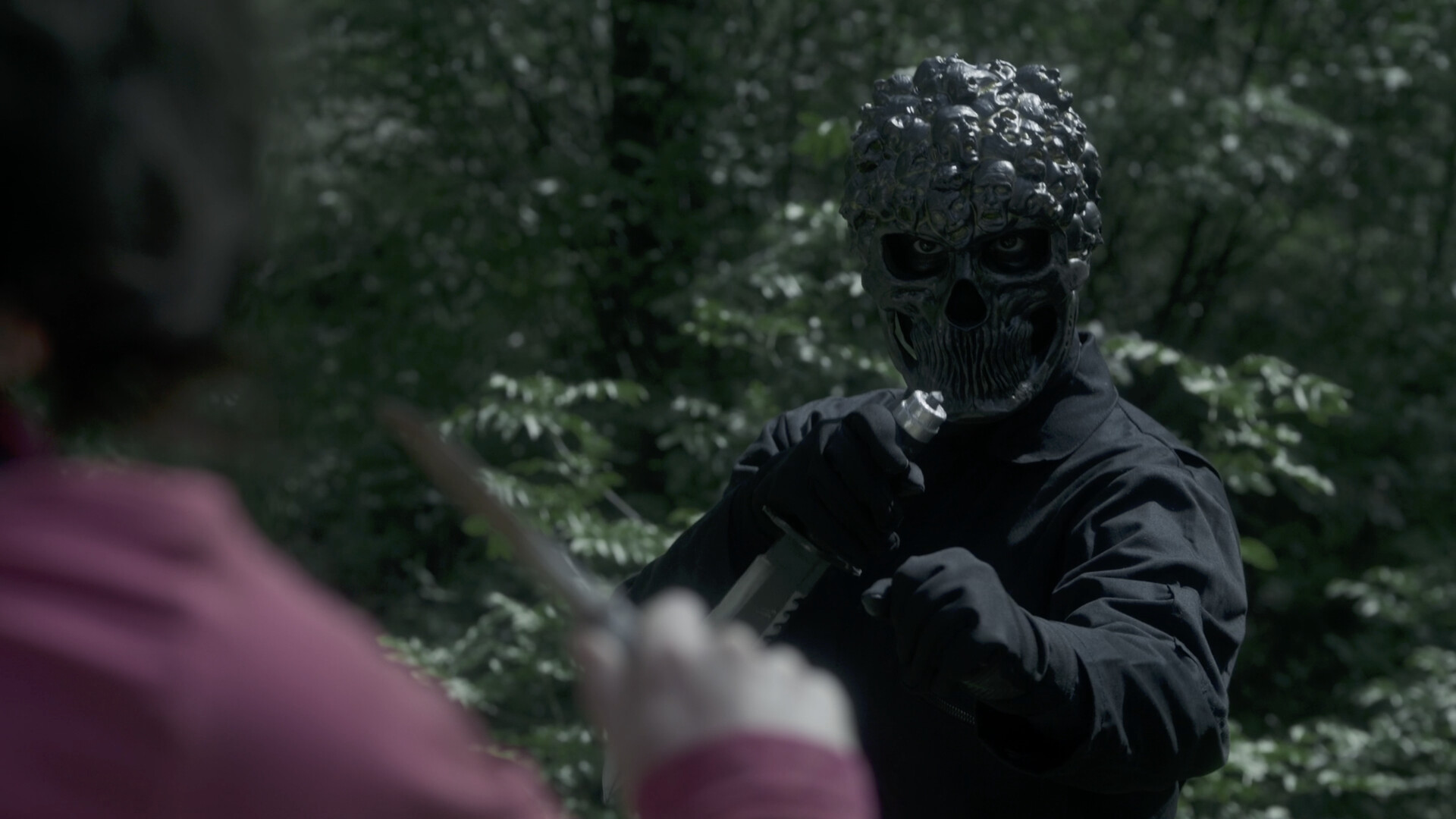
Presentation is readable, which matters more than prestige. You can tell a trail from a cottage from a cave at a glance. If you cannot read a fork, the hunt dies and the map becomes homework. These spaces are atmospheric enough to carry a scare and clear enough to carry a plan. You always know where you are. You do not always know why a hunter is already there.
I should be clear about the friction, because it is real and it is not a footnote you hide after the score. The Run looks like a game that was built by a shop that wanted a chase more than a toybox. There is no combat system to master, no crafting loop to unionize, no camp that learns to hum. If you wanted a survival that lets you punch a tree, you will feel unemployed. If you wanted a weekend that turns a vlog into a flowchart, you will feel hired. Some endings sit closer together than the store page’s five-way promise suggests. Some deaths are ruder than others. The first mobile outing already taught the production how to cut. The Steam build is the sharper cut.
Technical manners on a desktop build are the manners of a film player. Twenty-nine gigabytes is a lot of morning jog. Controller support is full. Keyboard only and mouse only are on the feature list, which is a kindness for a game that is mostly a decision. Playable without timed input exists because paused mode exists. I will not write a networking white paper. What I can say is that the loop is kinder when someone else is arguing about Matteo while you argue about the cave. Multitasking is the couch fantasy. So is the moment a death that would have ended a solo jog becomes a group project with worse manners.
English is among a wide language set, with full audio on English and Italian. I will not turn this into a localization seminar. The voice of the game is the trail, and the trail talks in breath, weather, and the occasional undead knock that is actually a living person with a mask. Ten achievements sit behind the loop for people who like a receipt. None of them change the central truth. You are here to finish a run and then find out what the run is for.
Short by Design, Replayable by Habit
I have a rule for cheap FMV. If a game is worse on the second night than the first, it is broken. If it is only good once, it is a movie. The Run is a game, and that honesty should sit next to $9.99.
A solo night is a competent feature. You lace up, you invent a plan, you lose a life, you walk back, you put a better lock on the joke. A map night is the version the systems were quietly designed around. Someone hunts the south trail. Someone hunts the north. Someone learns, too late, that a farmer does not respect a vlog. The lake becomes a shared instrument instead of a commute.
The Steam sample around a game this small is always going to look modest. Very Positive is the official weather, 96 of 107 on the side of yes, and that split is fair. Players who wanted a deeper toybox, a prettier fight, or five endings that never rhyme bounce off. Players who wanted a lightweight chase with a camera and a bad idea about influencers stay. I am in the second camp with caveats, which is the only honest place to stand.
Compared with the giants of the interactive-film business, The Run is not trying to be a career. It is trying to be a place. The developer wrote the loop into the store page with the candor of a person who has already chosen film over a skill tree. Choose. Die. Jog again. That is not a cop-out if the place is worth the walk. Some nights it is. Some nights the cottage is a myth and the doorway is a theology problem. Both nights are The Run.
Still Standing After the Sprint
The Run is a rare cheap thriller that understands its own joke and then has the nerve to make the joke a trail. PRM Games built a morning about a fitness influencer, a map about teamwork with a pause button, and a toybox that looks a little homemade and plays a lot more sincerely than that sentence suggests. The loop is the hook. The deaths are the spine. The walk from a vlog to a flowchart is the grin.
It is better as a set of nights than with a checklist. Endings can rhyme. The toybox is a camera. The presentation has indie fingerprints, from the stubborn similarity of some finales to the story that would rather be a sprint than a cutscene. All of that is true, and all of that is already priced in at $9.99. You are not buying a decade. You are buying a weekend that can turn into several weekends if you like being a coordinated disaster, or being the person who has to explain the disaster to a farmer.
I am scoring it 8.5, Great, because the identity is this clear and the limitations are the limitations of a focused FMV, not an empty one. I would recommend it to anyone who likes a choice that has weight and a trail that is allowed to be rude. Distinctive lake weather, a map that shrinks the horizon, deaths that turn wood into conversation, and a price that respects your week are a lot of game for the ask. The systems repeat their manners. The manners are still useful.
The trail is still out there, still hiring a night shift, still asking what a milestone was worth. After a few forks, you will understand why the job is not finished, and why you keep lacing up on the shore anyway.
We prepared this review with a digital copy of The Run for the PC version provided by Pressengine.