There is a particular kind of assignment, rare in a genre that usually hands you a stamina bar and a bonfire that still works, in being told the Moon is late and then being asked to keep ten thousand sleepers from dreaming the wrong thing. The staff is still a staff. The corridor is still a corridor. The first thing that is not what it seems is not a metaphor. 2nd EVE, the sci-fi action RPG from Gamer Cloud, is built on that fracture, and the fracture is ruder, quieter, and more useful than a fifteen-dollar hyperspace jump has any right to be.
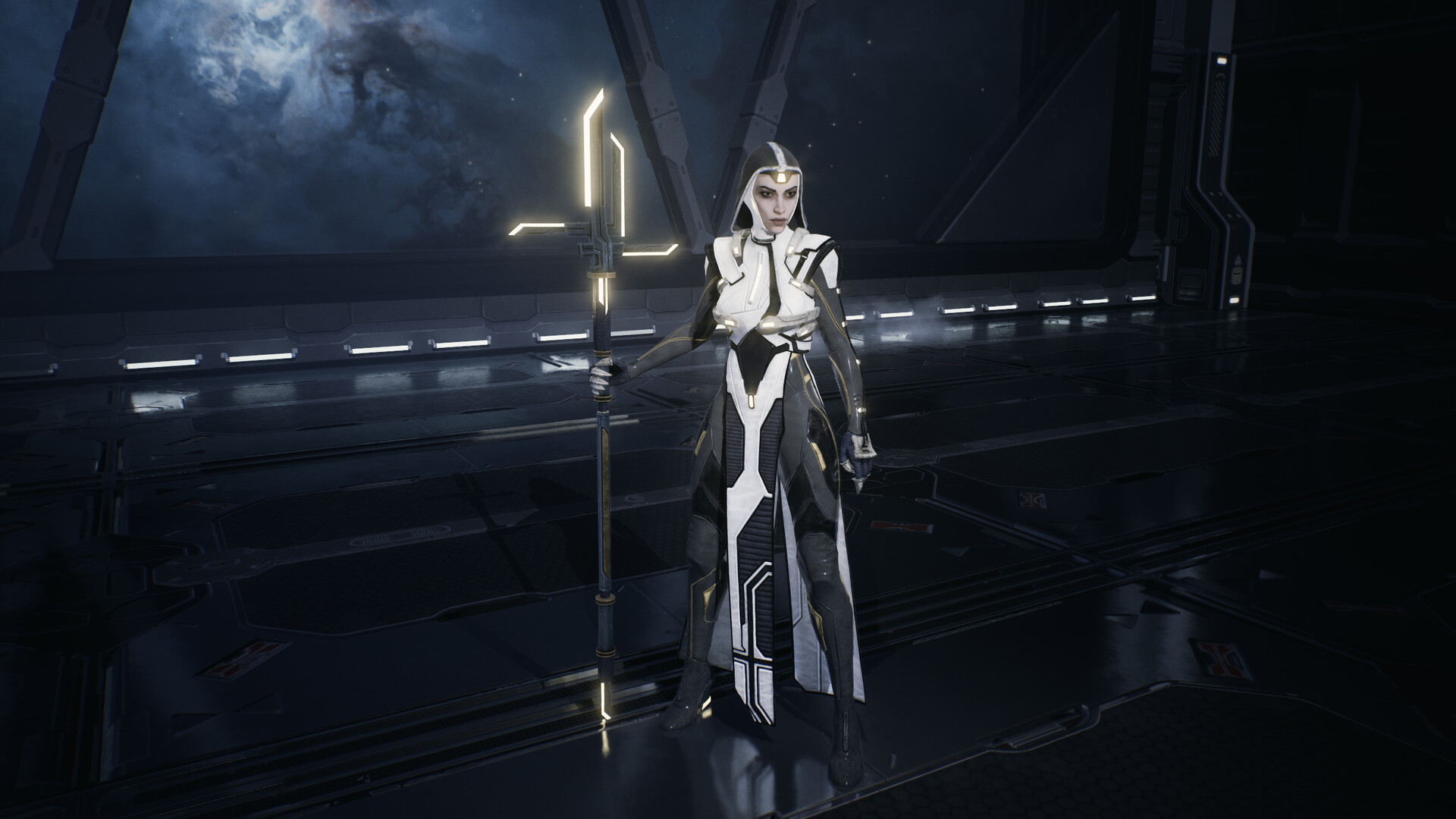
I played the PC version, the 13 April 2026 Early Access that Gamer Cloud walked onto Steam and the Epic store after a Next Fest demo, a Romanian debut, and a $14.99 ask that launched with a polite discount. You are Sister Superior Zola, nun, psychiatrist, and officer on the Argos, one of three colony ships aimed at Proxima B after a shattered Moon decided Earth was a deadline. Three playable chapters at launch, each with a boss, and a ten-chapter plan still on the board. A staff. Cooldowns instead of a stamina sermon. Thirty-two Steam achievements sit in the background. The Steam sample is Positive, 24 positive of 25, which is a small weather station and not a dare. Great, not glossy, and very much a night I would recommend you spend if you like a soulslike that remembers it is also a prayer.
The Moon Is Already Late
Most colony-ship stories begin with a briefing. 2nd EVE begins with a rock that already missed. Official copy says the Moon was shattered, that a mysterious impact knocked it off course, and that the collision with Earth is slow and inevitable. Three ships. One destination that is the closest thing to a new Earth. You are not touring a generic corridor pack. You are walking a vessel that remembers being a plan.
That is not flavor text. It is the design refusing to pay for a hero when a caretaker will do. Zola’s job, on paper, is minds. Cryosleep is a long sentence. Hyperspace, the store page says with the grammar of a person who has been awake too long, is not empty. Some devils have found their way through. The crew loses minds or souls. Some wake changed. Rogue machines stalk the halls. The ship becomes a maze that still has a name.
I like a premise that prices competence as a rumor and then lets you earn it back one log at a time. Story is environmental and stingy, which is the right instinct for a game that wants your hands more than your diary. You are not reading a novel. You are looting a cover-up that is still happening. Maintenance decks show repairs that never finished. Medical bays keep notes about symptoms nobody wanted to file. Living quarters look like panic learned to make a bed.
The fantasy is not mastery of a lore bible. The fantasy is still being the person who checks the corner after the mission has already decided the sleepers are the only constituency that matters. You will die in ways that would be funny if the tape were not so sincere. You reload. You walk back. You become the kind of person who thinks a cooldown is a personality.
Sister Zola Has a Staff and a Job
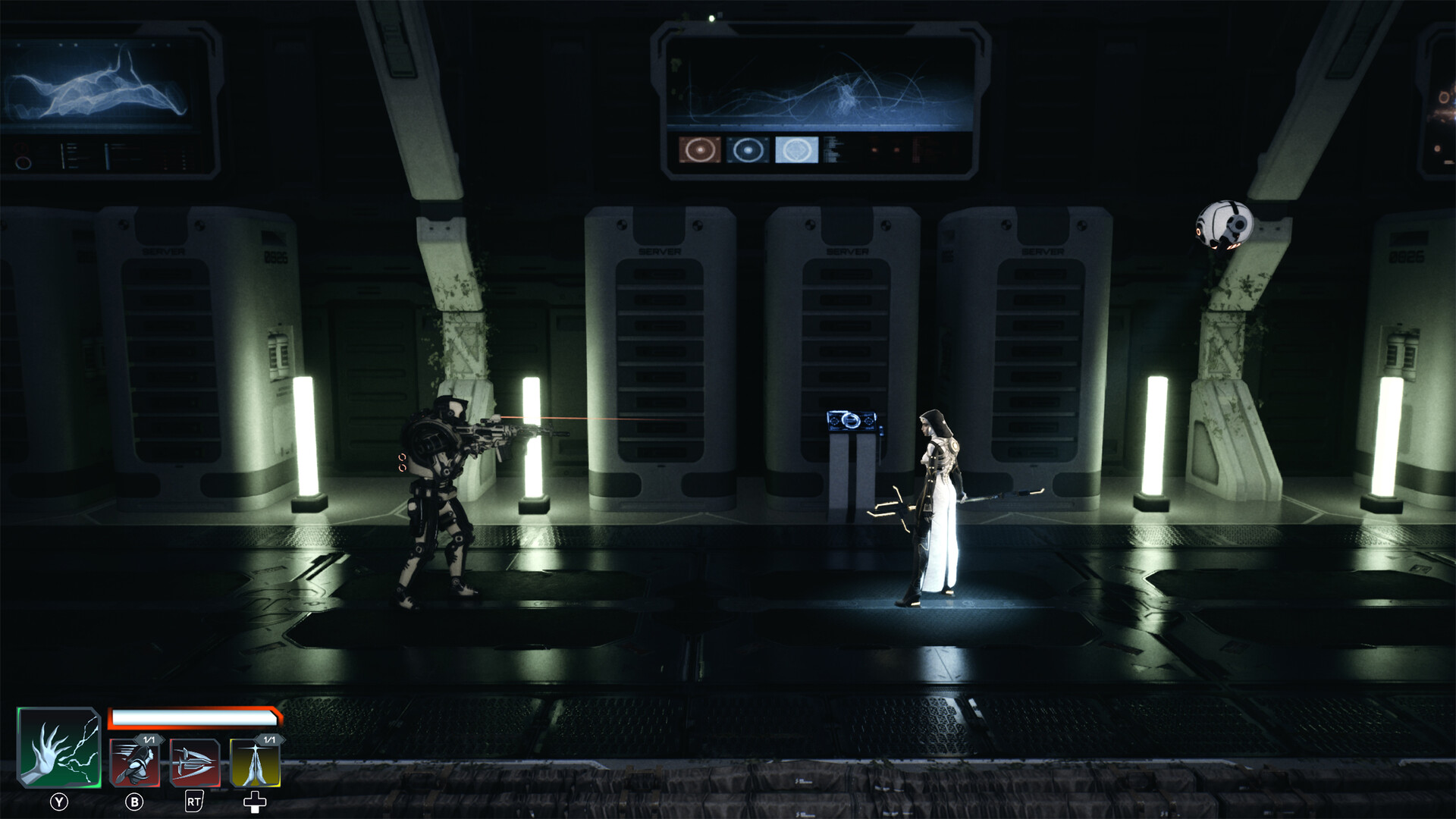
The loop is the old religion of deliberate combat and Gamer Cloud does not pretend otherwise, then it straps a habit to the religion and asks the religion to sweat. Official copy says every encounter demands thought, that cooldowns govern abilities, that positioning determines survival, and that timing separates victory from failure. That sentence is both a promise and a warning. If you want a clean stamina bar and a hero pose, you will feel underemployed. If you want a weekend that turns a hallway into a decision, you will feel hired.
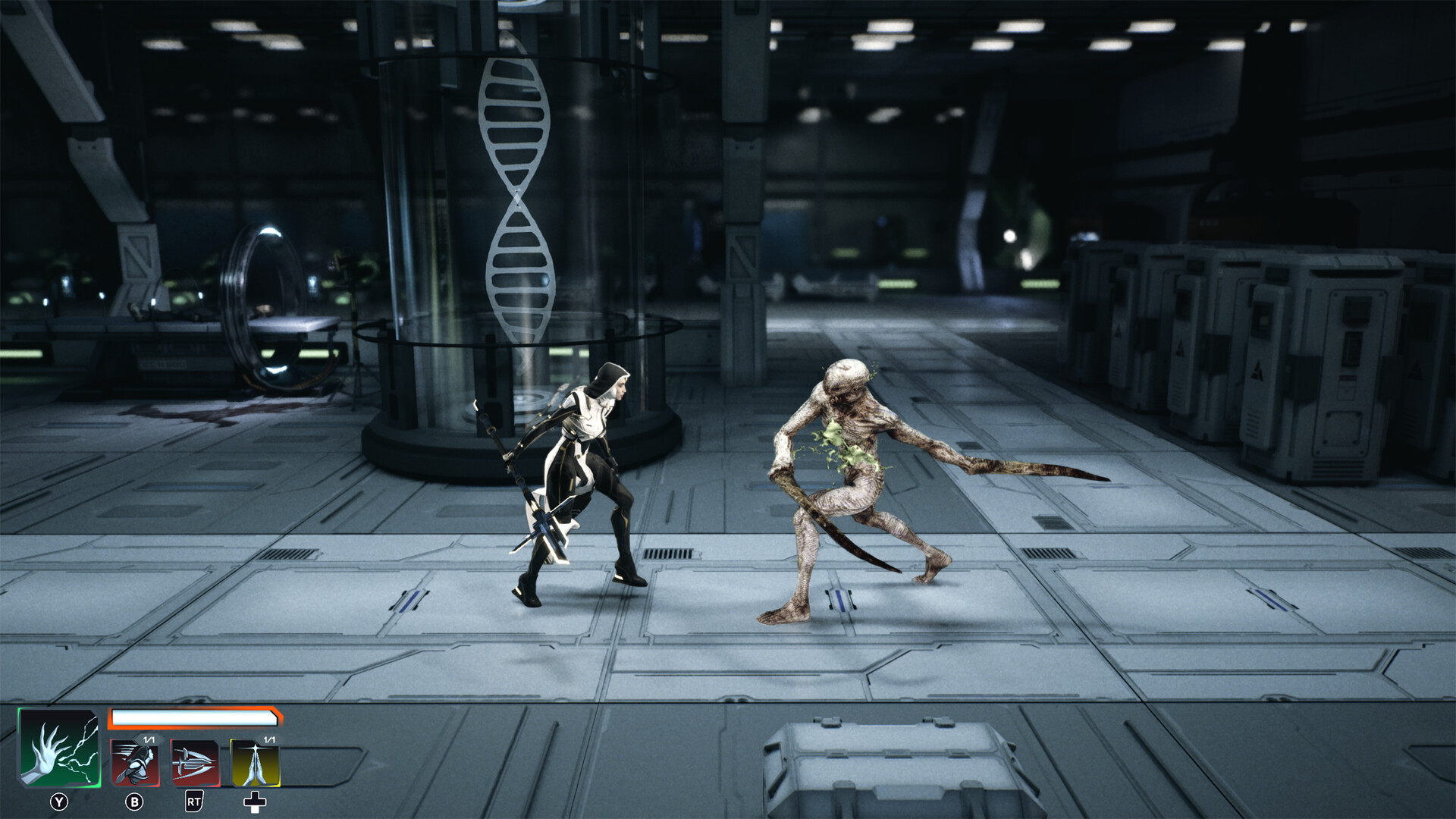
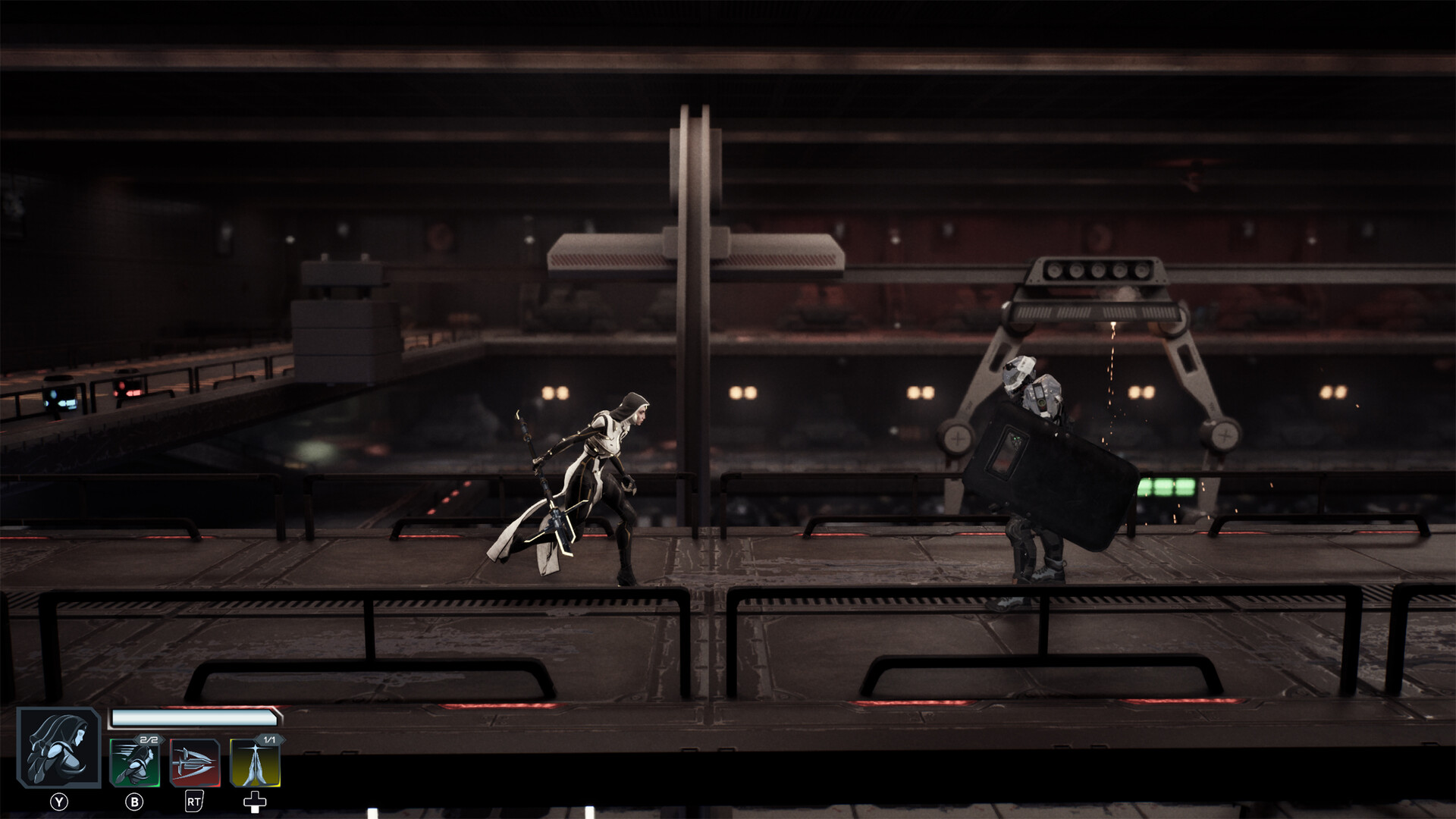
Movement has the slightly drunken honesty of a 2.5D corridor. Light attack. Heavy that can be charged. A parry that is kinder at the start than pride would recommend. A dash that became my commute. Healing is not a picnic. Warp Ash sits on the character sheet as the RPG layer that does not want to be the main character. None of that is a revolution. All of that is the sentence the rest of the toybox has to live in.
I have played a lot of games that treat the first firefight as a tutorial and the tenth as a spreadsheet. 2nd EVE is heavier than that on purpose and lighter than a sim. You are looking at a staff and deciding whether you have been useful enough today. Spells, close work, ranged precision. No rigid classes, the store page says, which is a polite way of saying the habit can grow up if you keep showing up. The same silhouettes return often enough that the arsenal feels like a kit, not a catalogue.
Presentation is readable, which matters more than prestige. You can tell a medical bay from an engineering deck from a quiet ring at a glance. If you cannot read a room, the hunt dies and the prayer becomes homework. These spaces are atmospheric enough to carry a scare and clear enough to carry a plan. You always know where you are. You do not always know why the thing in the next doorway is already looking at the habit.
Cooldowns, Corridors, and a Parry That Earns You
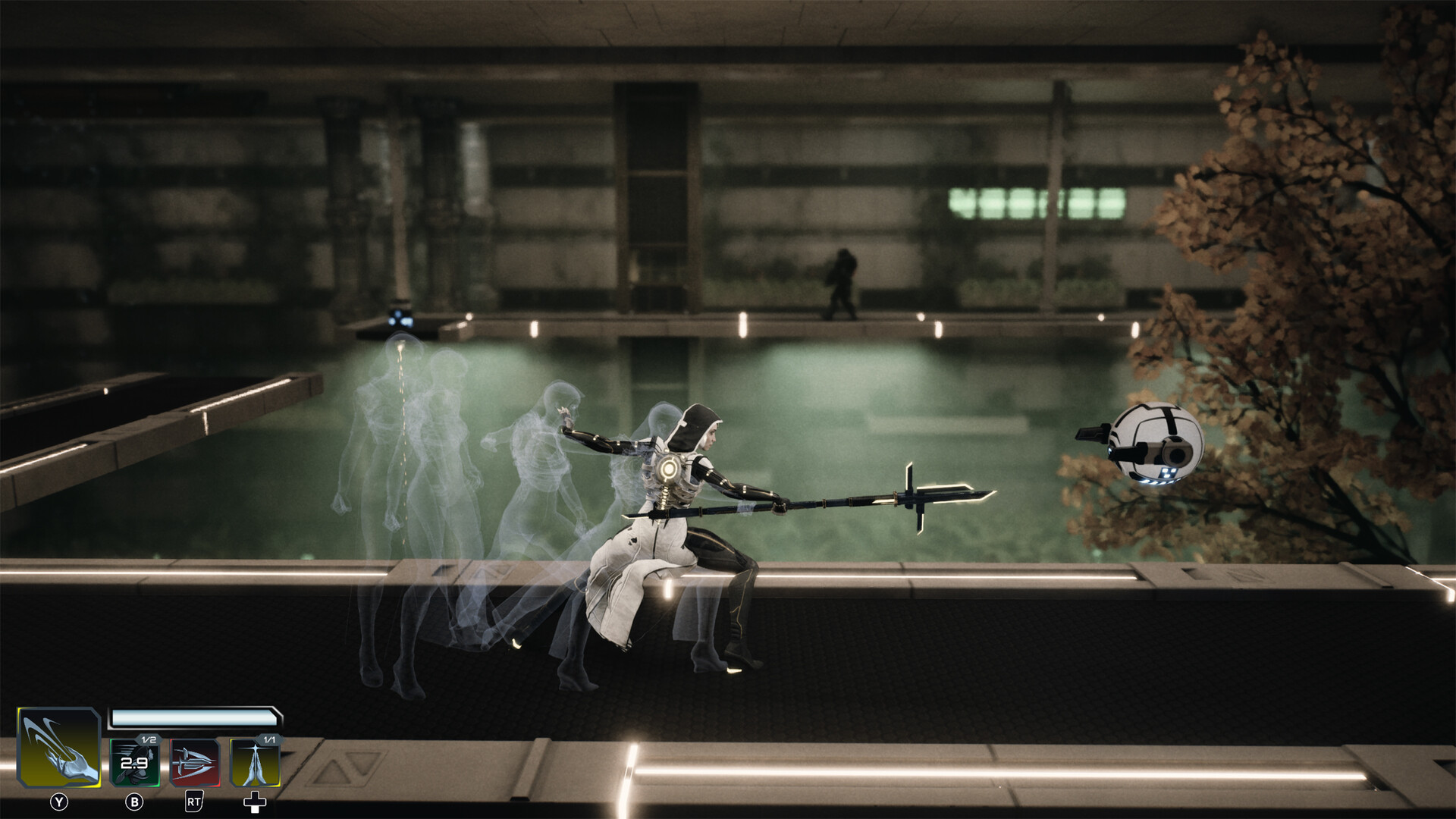
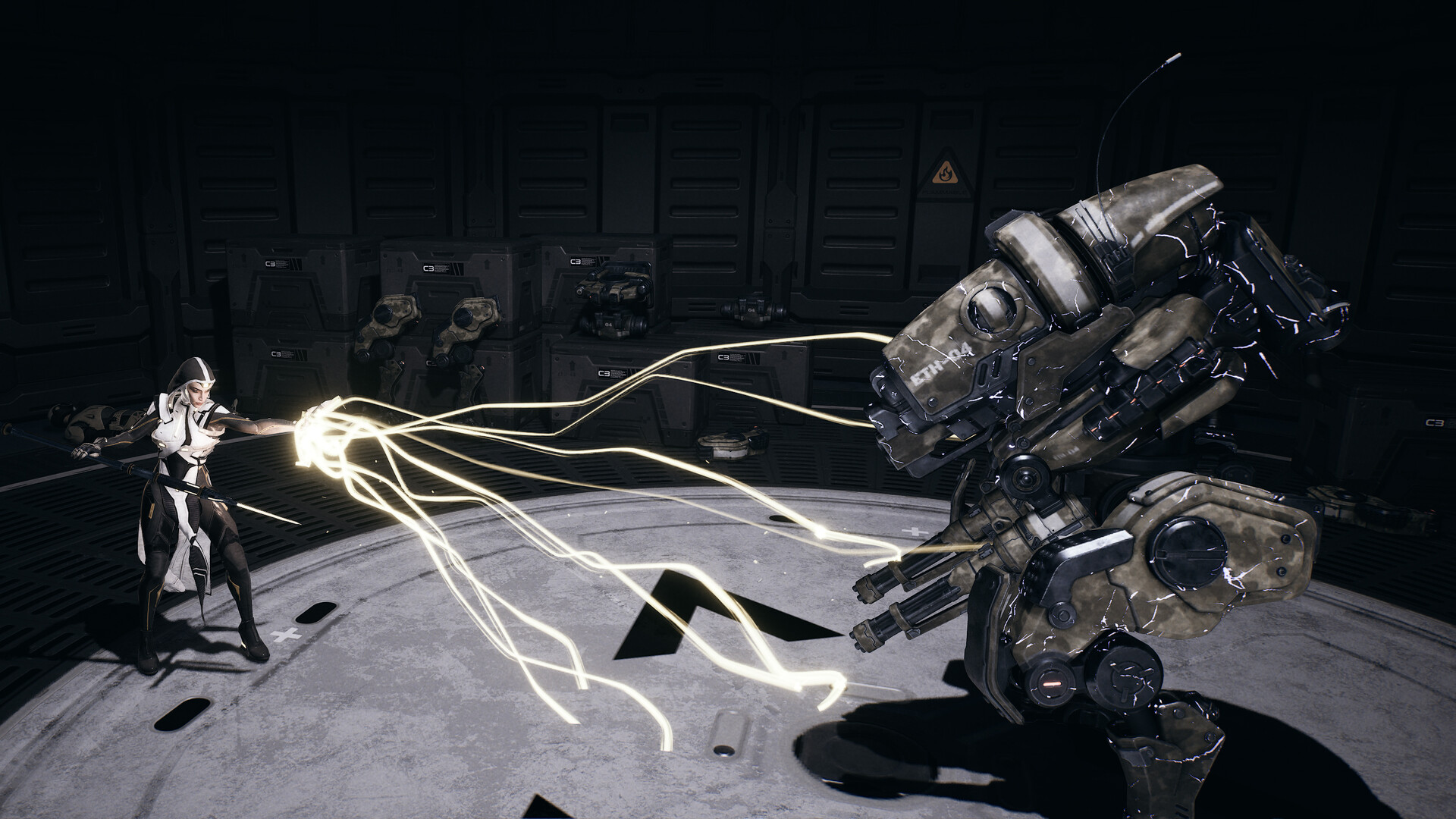
Combat is the temperature change. Early corrupted crew establish that this is not a walking tour with nicer lighting. They will hold a corner farther than pride would recommend. A staff handles the general population. The thing a chapter is named after will empty a health bar if you treat it like scenery. Official features list tactical combat with the parenthetical honesty of a person who has already lost the argument with button mashers. Commit. Read. Do not panic through a doorway that has already decided you are late.
I will not invent a highlight reel with fake timestamps and tidy kill counts. The nights that stay with you are the ones where you thought the corridor was finished, then something started occupying a rhythm that was not weather, and then you were on the wrong side of your own cooldown. Enemy variety is not a bestiary novel. It does not need to be. Pressure is the variety. A corner that holds is a better reward than a new silhouette if the silhouette is just another way to lose the sleepers.
AI can be stubborn. It can also get philosophical in a doorway, which is a sentence no designer writes for fun. That clunk is real. It is also priced into an Early Access combat loop that would rather you hunt, retreat, and come back dressed. Distance helps. Timing helps more. When more than one problem shares a hallway, the dash stops being a commute and becomes a confession.
I should be clear about the friction, because it is real and it is not a footnote you hide after the score. Combat can arrive a half-second late to its own impact. Cooldowns on basic manners can feel like two people agreeing to take turns being disappointed. Later rooms can swarm in a way that turns a patient fight into a reload. None of that is unique to this ship. All of that is the tax on a Romanian debut that wanted a nightmare more than a showcase.
Three Chapters and a Cryosleep Tab
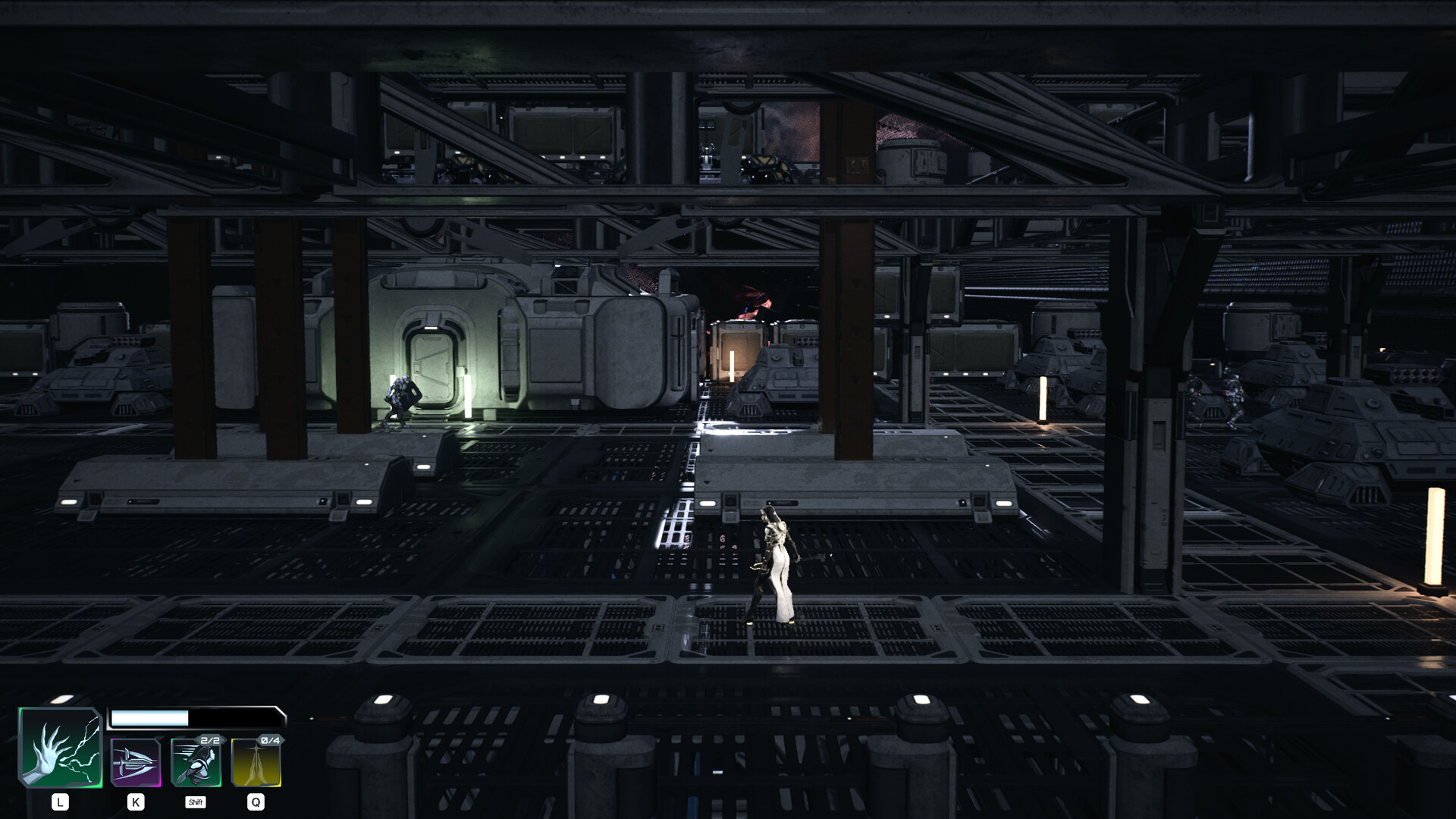
I should be clearer about the scope, because Early Access is not a vibe, it is a contract. Three fully playable chapters is a defensible starting point and a heavy bet. If those chapters do not land, there is not a fourth in the build to recover the evening. The studio wrote ten chapters on the calendar and gave itself about a year. That is the most honest sentence in the press copy.
Each chapter keeps a boss the way a parish keeps a difficult saint. I will not spoil the silhouettes. What I can say is that the loop is kinder when a boss asks you to use the kit you actually built, and ruder when it asks you to use a kit you have been ignoring. Decisions about who can still be saved sit next to the staff like a second weapon. Some faces look partially themselves. Some faces have already filed a different form. Rescue, containment, elimination. The sleepers do not vote.
Anomaly talk sits in the background of the pitch, the idea that everything around you is not what it seems. Some of that is supernatural. Some of that is a ship that has already had a worse jump than your campaign. I will not turn this into a theology seminar. The voice of the game is the corridor, and the corridor talks in cooldown, log, and the occasional thing that should not have a face.
English and Simplified Chinese carry full audio. A pile of interface languages lets a wider audience in the door. I will not turn this into a localization seminar either. Thirty-two achievements sit behind the loop for people who like a receipt. Cold Awakening. Know Thy Enemy. The Quiet Ring. None of them change the central truth. You are here to finish a mission that has already decided you are the evidence.
Warp Ash and a Build That Shifts
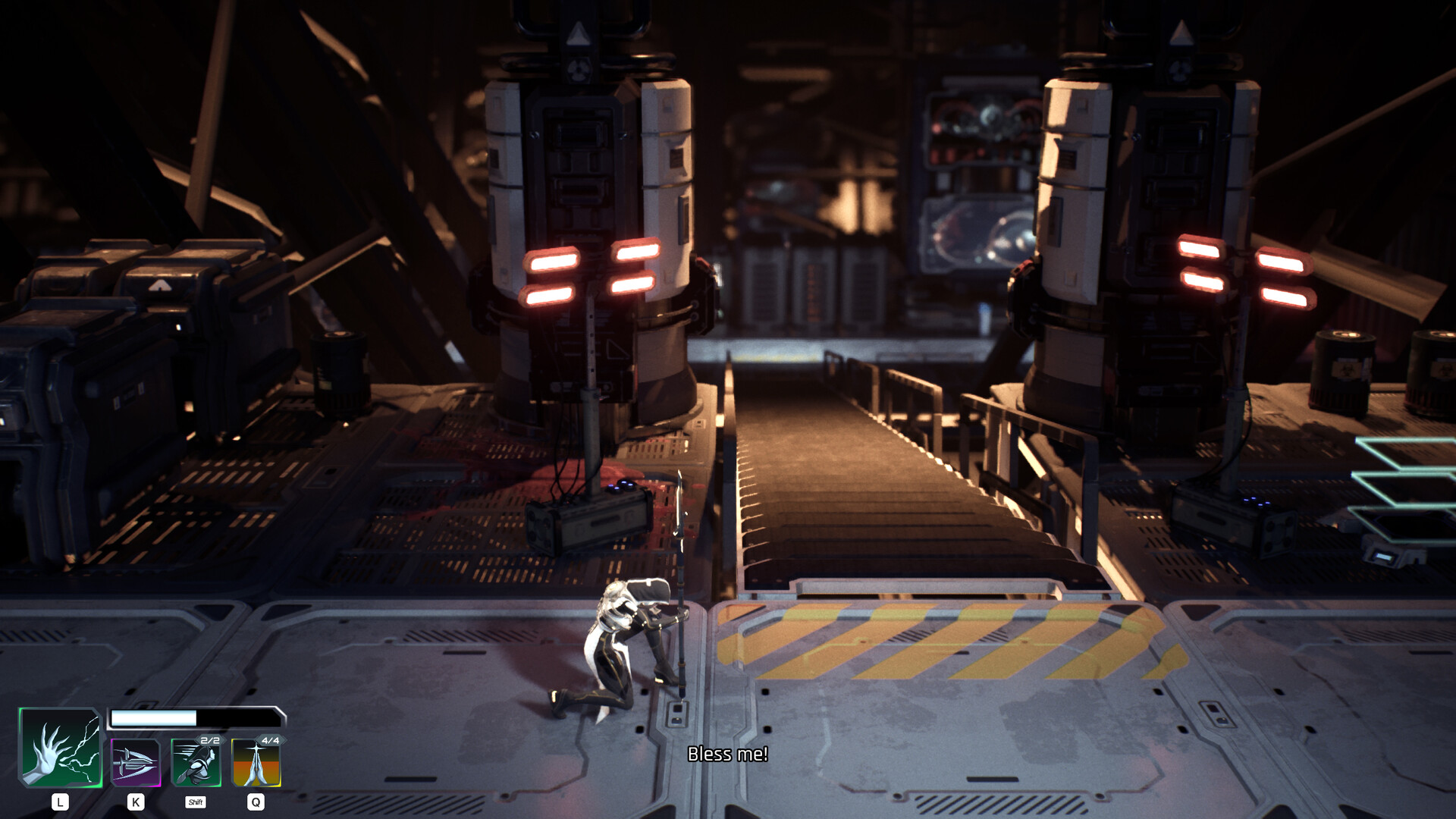
The build is the closest 2nd EVE comes to a power fantasy, and I like it more than a new cutscene. Official features list spells, close combat, and ranged precision, then shrug and say there are no rigid classes. In practice the choice is whichever manners the last room left on a crate and whether you have been paying attention to Warp Ash.
That shift is logistics wearing a habit. You gather, you stash a thought about the next corner, you dash like a person who has mail. The map does not get smaller because the developers deleted land. It gets smaller because you invented a route. The interface stays thin on purpose. No cluttered menus. No inventory novel. The store page wrote that quiet part with the candor of a person who has already lost the argument with feature creep. When the horror speaks, you are already inside it.
I sold myself on a heavy charge I was sure I needed and then needed a parry, which is the oldest loadout joke in the book and still a good one. Upgrades add an RPG layer without taking the pulpit. The player who learns patterns still wins. The player who treats the staff like a hose still donates a run to the machines.
A solo night is a competent weekend. You check the corner, you invent the loadout, you lose a cooldown, you walk back, you put a better dash on the joke. The body of the Argos is the version the systems were quietly designed around. Someone at Gamer Cloud looked at a colony ship and said the real threat should have a habit. Pixelated panic keeps the vessel from feeling like a dedicated server with nicer lighting. The crew is not a town. They are a reminder that someone else survived long enough to be a log.
Early Access Is a Hyperspace Jump
I have a rule for cheap-to-mid soulslike horror. If a game is worse with atmosphere than with a checklist, it is broken. If it is only good with atmosphere, it is honest. 2nd EVE is honest, and that honesty should sit next to the price.
The Steam sample around a game this early is always going to look like weather. Positive is the official report, 24 of 25 on the side of yes, and that split is a small station. Players who wanted a deeper campaign, a prettier fight, or a cooldown that never takes a philosophy break bounce off. Players who wanted a lightweight cathedral in space with a nun in the first chapter stay. I am in the second camp with caveats, which is the only honest place to stand.
Compared with the giants of the tactical-horror business, 2nd EVE is not trying to be a career yet. It is trying to be a ship. The developer wrote the quiet part on the store page. Save who you can. Destroy what you must. Pray you do not lose your soul too. That is not a cop-out if the place is worth the walk. Some nights it is. Some nights the doorway is a theology problem and the staff is a rumor. Both nights are 2nd EVE.
Technical manners on a mid-range box can stutter when the game decides to remember itself. Enemies can get stuck in a thought. Animations can be stubborn. Voice work and cutscenes still sound like a debut that is listening. Landscapes can be handsome in a bodycam-of-the-soul way, which is a polite way of saying the image is allowed to be ugly if the ugly is the point. I will not invent a mud census. I will say the ship sometimes forgets to stock the scare you need and then shrugs like weather. When the found-footage idea of a dying vessel and the staff-work shake hands, the tape is better than the price. When they miss, you are a person in a hallway with a very sincere habit.
Still Praying in the Dark
2nd EVE is a rare mid-priced sci-fi RPG that understands its own joke and then has the nerve to make the joke a prayer. Gamer Cloud built a nun about duty, a ship about amnesia, and a toybox that looks a little homemade and plays a lot more sincerely than that sentence suggests. The loop is the hook. The staff is the spine. The walk from a shattered Moon to a boss in a doorway is the grin.
It is better as a tape than as a novel. Three chapters is a short sentence. Combat is clunky in the way an Early Access fight is clunky. The presentation has indie fingerprints, from the stubborn cooldowns to the story that would rather be a log than a cutscene. All of that is true, and all of that is already priced in at $14.99 on Steam. You are not buying a decade. You are buying a weekend that can turn into several weekends if the roadmap keeps its appointments, or being the person who has to explain the appointment to a cryo bay.
I am scoring it 8, Great, because the identity is this clear and the limitations are the limitations of a focused Early Access, not an empty one. I would recommend it to anyone who likes a staff that has weight and a map that is allowed to be rude. Distinctive ship weather, a loadout that shrinks a hallway, chapters that know they are evidence, and a price that respects your week are a lot of game for the ask. The systems repeat their manners. The manners are still useful.
The Argos is still out there, still hiring a night shift, still asking who decided you get to live. After a few logs, you will understand why the job is not finished, and why you keep turning the habit back on anyway.
We prepared this review with a digital copy of the 2nd EVE for the PC version provided by Pressengine.