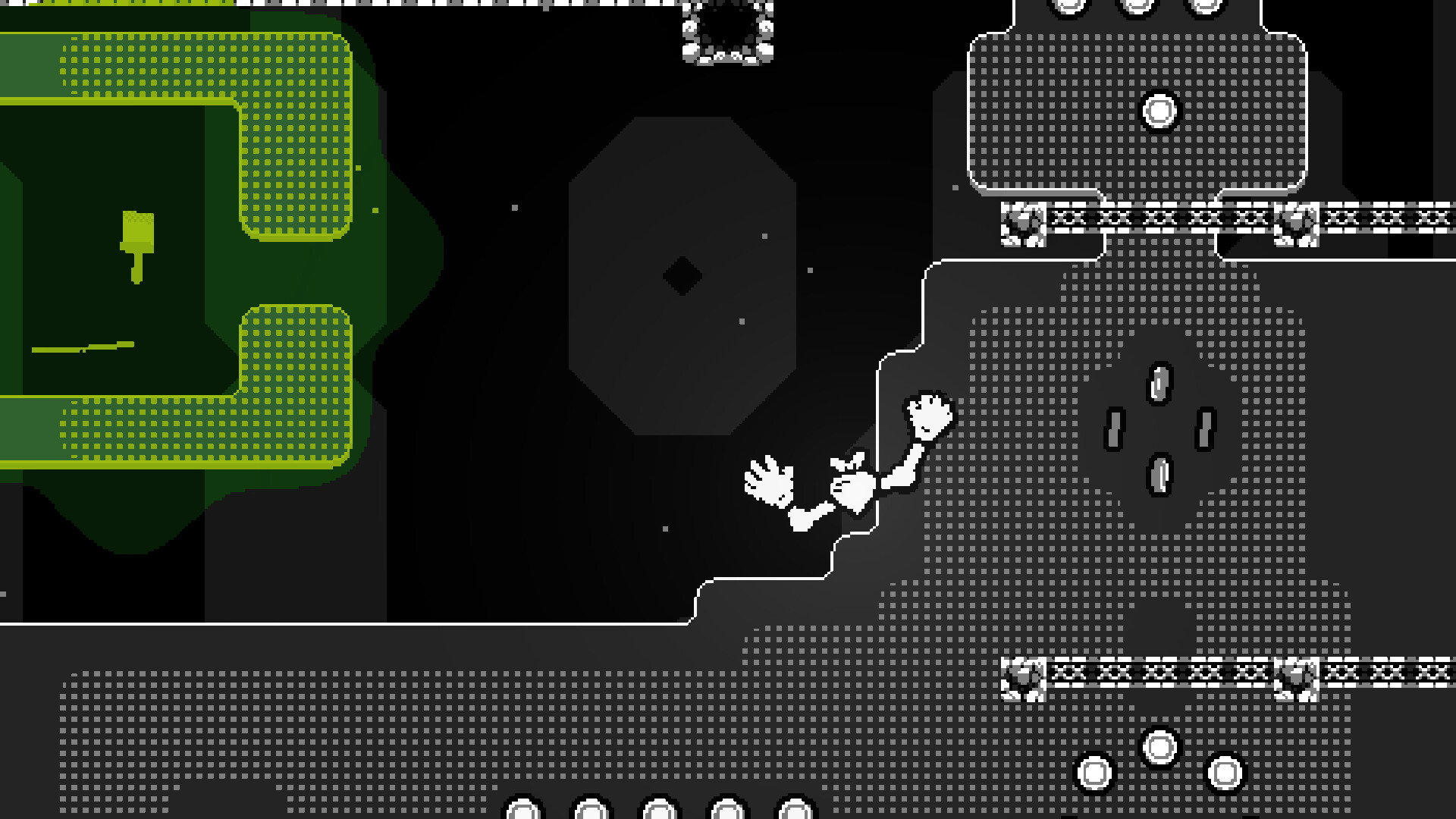
There is a particular kind of optimism, rare in a genre that usually hands you a jump button and a prayer, in watching a turnip decide that two enormous arms are a sufficient argument against gravity. The mountain is still a mountain. The hands do not share a brain. The next ledge is less a platform than a personality test. Turnip Mountain, the physics climbing adventure from solo developer Luke Sanderson and Barcelona publisher JanduSoft, is built on that test, and the test is ruder, funnier, and more generous than a ten-dollar vegetable has any right to be.
I played the PlayStation 5 version, the 30 July 2026 launch that put a UK indie onto living-room hardware at $10.49 after a Steam demo had already argued about the arms. Sanderson is one person with a fondness for momentum and a willingness to let a root vegetable look heroic. JanduSoft walked the thing to consoles the way that shop likes to walk small, strange toys to living rooms. Each hand is a separate stick. Grab, swing, push, launch. Local co-op hands one arm to a friend, which is either romance or a breakup depending on the ledge. More than twenty-five colour palettes. Coins for hats. A soundtrack by IsabelleChiming that treats the climb like a song you can fail. Twenty-three Steam achievements. The Steam sample is Very Positive, 81 of 83, which is the weather report and not a dare. Great, not gentle, and very much a summit I would recommend you attempt.
A Vegetable With a Grudge Against Gravity
Most platformers give you a path and a reason to follow it. Turnip Mountain gives you a mountain and a dare. Official copy says you grab, swing, and launch yourself to the summit your own way, which is a polite way of saying the game will not draw the line for you if you are willing to be ridiculous. Story is a patch and a return trip. The turnip wants to go home. The mountain would like a word first. That is enough plot for a game that wants your hands more than your diary.
I like a premise that refuses to apologize for its own joke. A lot of precision platformers announce a unique hero and then deliver a human in a hat. This one delivers a turnip with arms that could unionize, then asks whether you can make those arms agree. The fantasy is not lore. The fantasy is competence arriving about half a second after a grip turns into a fall. You will drop in ways that would be funny if the reset were not so sincere. The correct response is to reach again like a person who has a reservation at the summit.
The mountain is authored and readable, which matters, because if you cannot tell a friendly hold from a rude one the climb dies. Primary routes are clear enough that a determined tourist can finish. Optional lines are where the game stops being a postcard and starts being a craft. Shortcuts exist. So do the bruises you collect while inventing them. Every successful climb is its own reward, the store page says, and for once the marketing is not lying. The reward is the moment both hands do what you meant.
Sanderson’s handwriting is all over the silhouette. Pixel work that looks simple until you notice how clean a ledge is at speed. A monochrome costume that lets a splash of palette feel like a parade. The turnip is funny in stills and serious in motion, which is the whole review if you want it in one line. Everything else is grip.
Each Hand Is a Separate Argument
The control system is the thesis, not a costume. Each hand is independent. On a gamepad that means one analogue stick per arm, a sentence that sounds like a party trick until you spend ten minutes discovering that your left hand is an optimist and your right hand is a coward. On PC the two-mouse option is the full religion. One mouse per hand, a desk that looks like a dare, a climb that suddenly feels like reaching. I played the living-room edition, so the sticks were my mountain. The idea is the same. You are not pressing jump. You are negotiating with two employees who do not share a calendar.
The first hour is a tutorial in not letting go at the same time. The tenth hour is a tutorial in looking like you meant the chaos. Grip a wall. Swing from a rope. Push off a surface that had other plans. Build momentum until a gap becomes a sentence you can finish. Fail, and the turnip becomes a study in how vegetables meet ground. The reset is quick. The lesson is not.
I have played a lot of games that borrowed awkward controls and then treated the awkwardness like a joke they were afraid to commit to. Sanderson committed. The awkwardness is the skill. When intent, input, and outcome line up, the climb delivers a flow that feels closer to a craft than a combo. When they do not, you get a comedy of limbs that would play well in a silent film and poorly in your living room if anyone is watching.
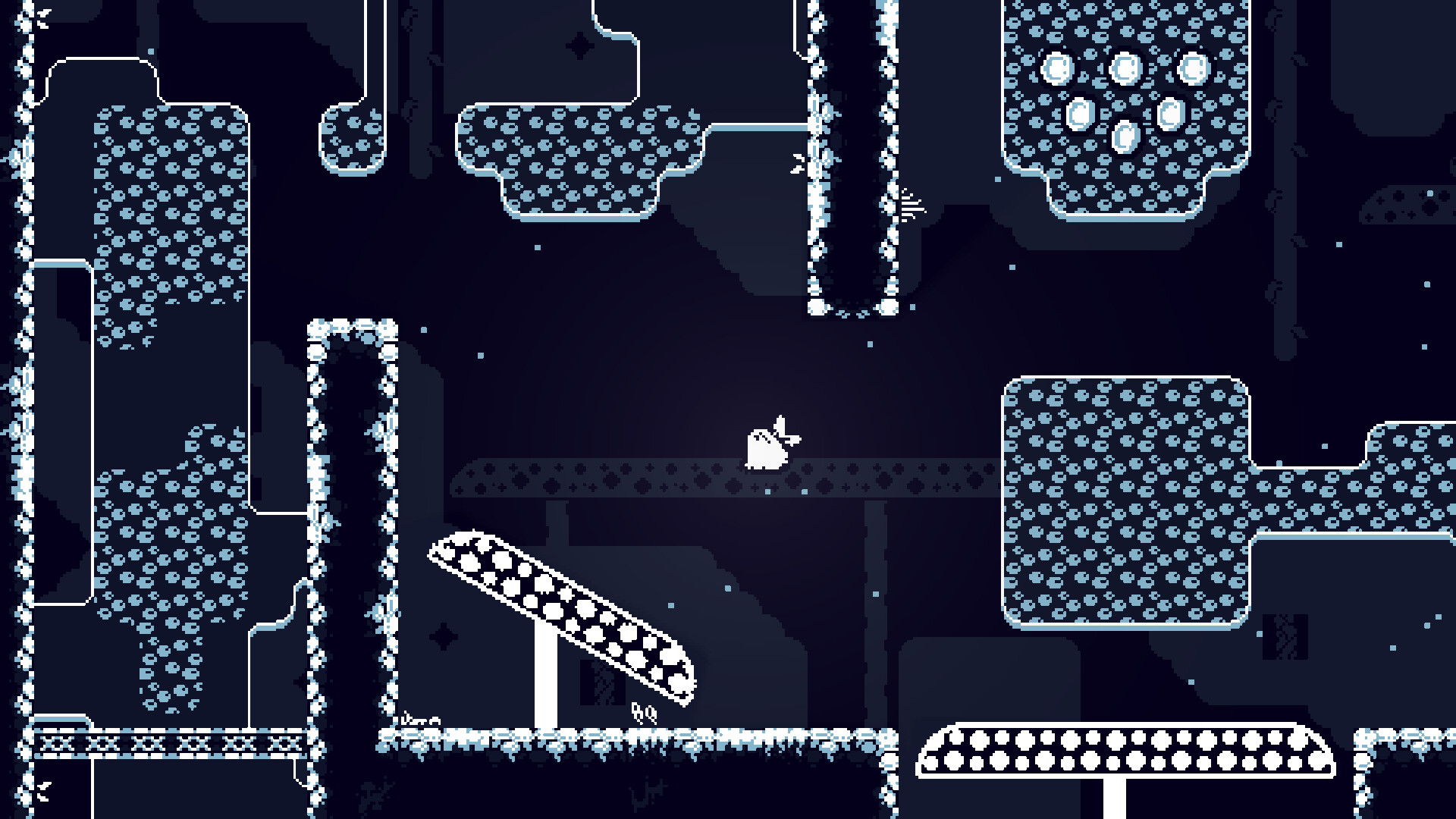
Ice, water, ropes, the usual mountain hospitality. Official notes mention swimming, which is a sentence I did not expect to respect. The turnip can swim. Levels pack new verbs without turning the mountain into a syllabus. A new surface is a new argument with friction. You learn it the way you learn a kitchen. Badly, then suddenly well.
Momentum Is the Landlord
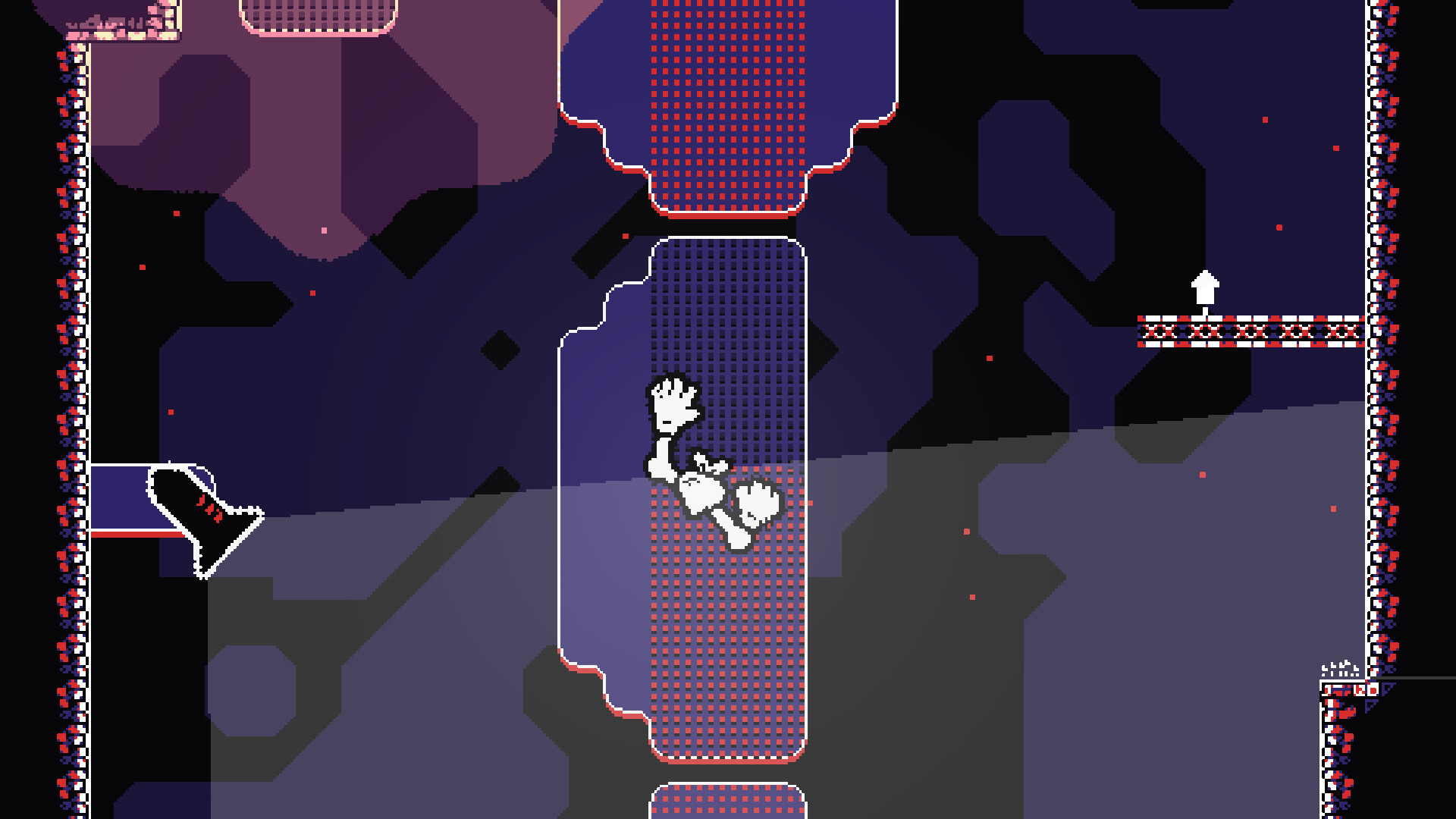
Physics is the house rule. You grab, you swing, you push, you launch, and momentum keeps the receipt. A lot of climbers fake weight with animation. Turnip Mountain lets the body be a body. That is why a good line feels earned and a bad line feels like you insulted a teacher. The mountain is not cruel in the sloppy sense. The tells are fair. The window is not generous. If you fell, you know whose hands did it.
I keep coming back to the launch. Not the jump. The launch. You build a swing, you pick a moment, you let go like a person who has done the math, and sometimes the math was a rumor. Sometimes it was a hymn. That range is the reason the object is worth ten dollars and a little pride. You are not solving a quiz. You are writing a sentence with shoulders.
Routes fork. The primary path will get a tourist to the top if the tourist is patient. The fashionable path will get a show-off into a tree. Shortcuts are real and they are not free. Discovering your own way up is the replayability the box promised, and it holds, because a mountain you already finished can still be a different argument if you take the rude holds. I have sat through plenty of platformers that sold multiple paths and then delivered a slightly higher ledge. This one means it.
I have a soft spot for a climb that lets you look stupid in public and then look inevitable five minutes later. The mountain does not care about your reputation. It cares about whether both hands agreed on a release. That is a mean lesson and a kind one. Mean because the fall is yours. Kind because the next hold is still there, still readable, still willing to be a better sentence if you stop rushing the punchline.
Difficulty spikes exist, and they will test people who wanted a charming vegetable and not a coordination exam. That is fair. The game explains new techniques when it needs to. Explanation is not the same thing as competence. You will understand the move and still drop. You will drop and still grin, which is the only review a physics climber needs if the grin survives the tenth fall.
Shortcuts, Palettes, and a Hat You Did Not Earn Easily
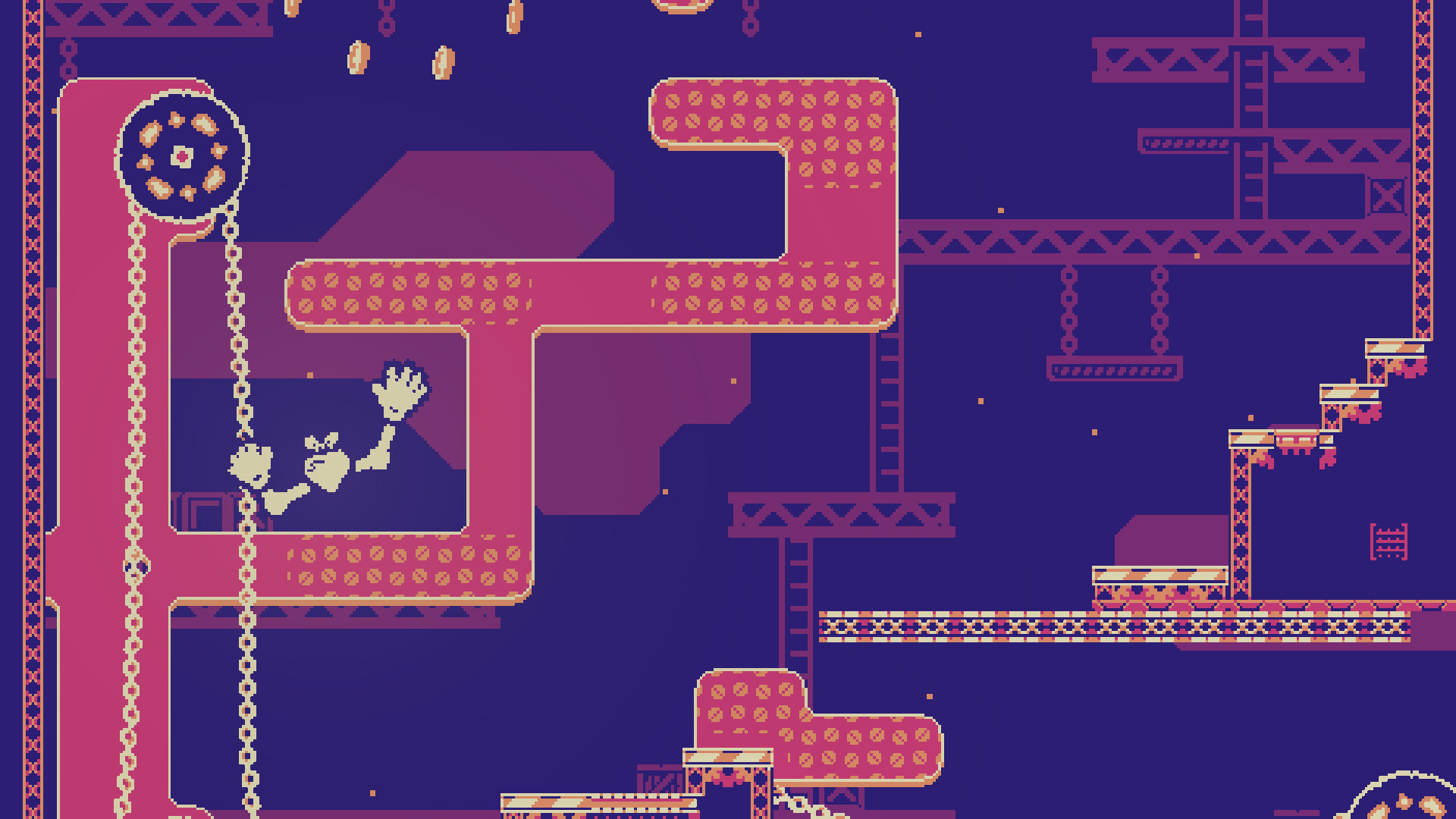
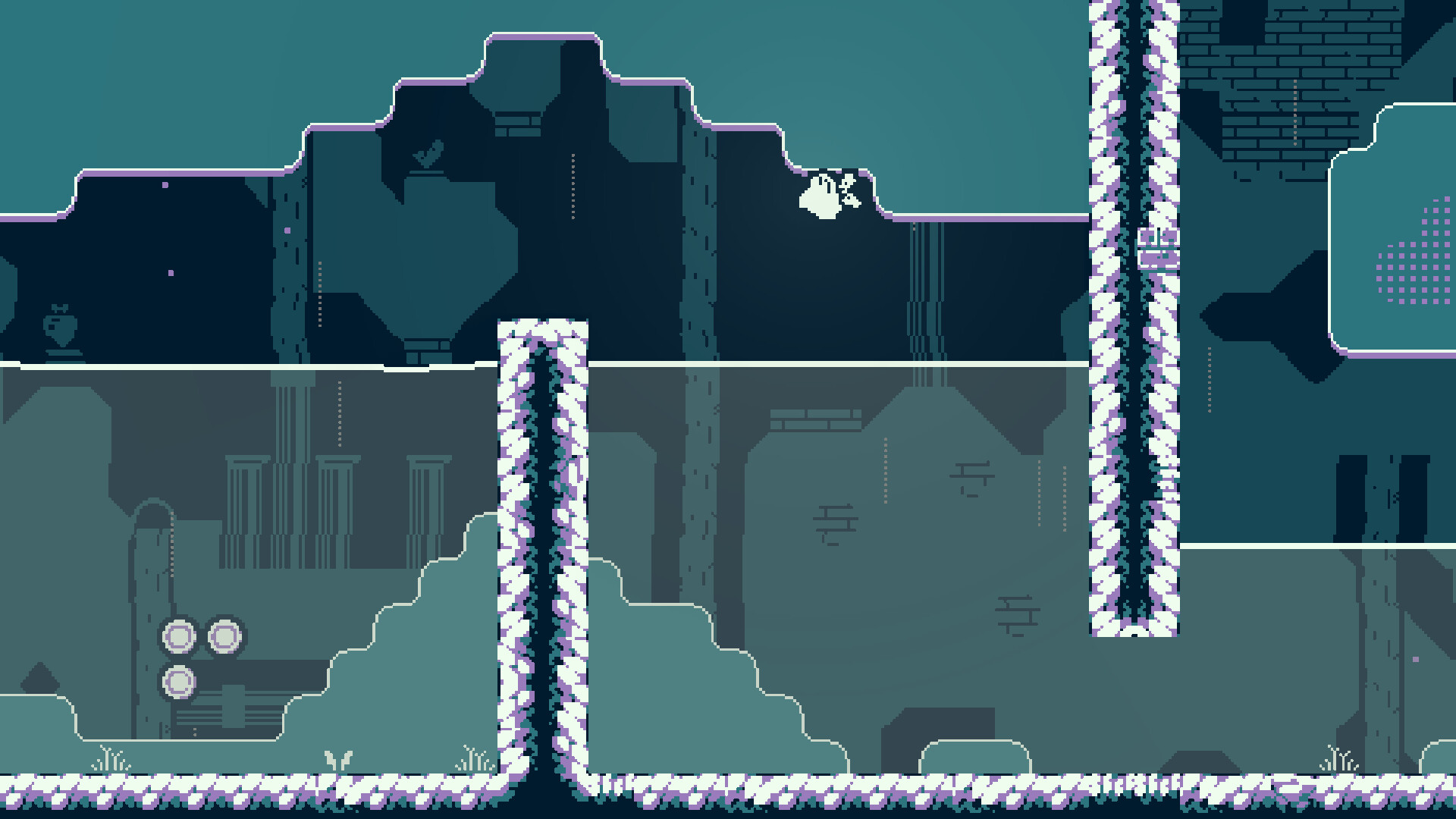
The toybox around the climb is small and correctly small. Colour palettes, more than twenty-five of them, recolor the whole picture until a monochrome mountain becomes a mood. Coins buy headwear, which is a silly sentence and a good one. You are not unlocking a skill tree. You are unlocking a reason to look at the same summit in a different jacket. For a ten-dollar climb that is the right economy. Cosmetics are the souvenir. Mastery is the product.
Twenty-three Steam achievements sit in the background like a second mountain. I will not turn this into a trophy guide. What I can say is that the list is more interested in your relationship to routes and stubbornness than in a collectible checklist you could put on a wiki. A demo exists if your hands want a job interview before you spend the price of a sandwich. Take that offer if your group is picky. The first ledges sort people.
Content is a mountain, not a season pass. That will delight anyone who likes a complete object and disappoint anyone who wanted a new biome every month. Sanderson built a climb you can finish and then immediately want to finish louder. Local co-op and optional lines are the replay, not a live-service calendar. At 40 MB on PC the install is a joke told with a straight face. It will run on pretty much anything, the Steam notes say, which is the most honest system requirement I have read this year.
I like a game that knows the difference between a souvenir and a system. Palettes change the weather in your eyes. Hats change the weather in your pride. Neither of them climbs for you. That refusal is the charm.
Bring a Friend, Lose a Friendship, Climb Anyway

Local co-op is the other religion. Each player gets one arm. Two controllers, or a controller and a mouse, or two mice if your desk is a stage. Official copy says the fun is absolutely guaranteed, which is marketing, and also, after a night of shared falling, almost true. You cannot carry a partner. The mountain does not accept charity. You can only agree, in real time, about a grip.
I have a rule for cheap local chaos. If a game is worse with a friend than with two sticks, it is broken. If it is only good with a friend, it is a party. Turnip Mountain is good both ways and honest about the tax. Solo is where the craft lives, because both limbs are your fault. Co-op is where the comedy lives, because one of you is always the reason the turnip is a smear. Remote Play Together is on the Steam checkbox if the friend is in another room. Shared screen is the living-room version of the same argument.
A stack of two people who already know how the other laughs will invent lines that look like genius. A stack of two people who do not will invent a story they will tell at dinner. Both outcomes are the feature. I would not recommend co-op as the only way in. I would recommend it as the way you find out whether your friendship can survive a rope.
The player sample around a game this small and this cheap is always going to look tiny. Very Positive is the official weather, 81 of 83 on the side of yes, and that split is almost suspiciously kind. Players who found the climb like the climb. Players who wanted a novel, a kinder learning curve, or a reward bigger than a hat bounce off. That is fair. Turnip Mountain is a $10.49 indie that knows what it is.
Pixel Mountain, a Score That Climbs With You
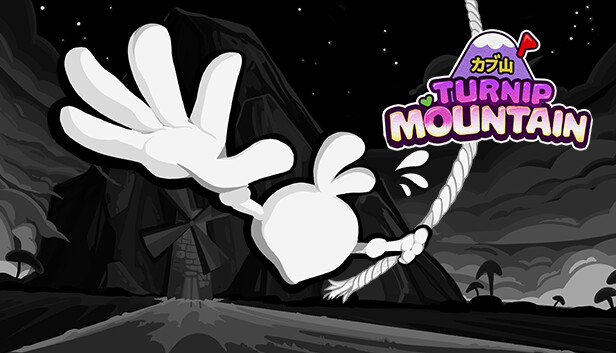
Presentation is the other reason the object feels more expensive than ten dollars. The look is hand-authored, high contrast, readable in a panic. Pixel is the costume. Clarity is the craft. You can tell a safe hold from a rude one at a glance, which is the review you want from a game that kills you for blinking. Early ledges still look like a postcard. Later ledges look like the postcard lost an argument with a physics teacher.
I have played a lot of indie climbers that announce a unique look and then deliver a pleasant palette with nicer outlines. Turnip Mountain has a handwriting. Monochrome until you unlock a mood. Colour as a souvenir, not as clutter. The turnip stays readable while flailing, which is the whole job of the animation. When a launch lands and the pixels celebrate, it is not a loot explosion. It is the picture admitting you shut gravity up.
IsabelleChiming’s soundtrack understands the assignment. Official copy calls it pitch-perfect and asks you to bop to the top, which would be unbearable if the music were not actually good. It hurries you without becoming a metronome you resent. A climb gets a pulse. A fall gets a courtesy. I am not writing an album review. I am saying the mountain sounds like a place you would like to fail in.
Full controller support is the Steam checkbox, and on a living-room stick the arms felt like arms. Input lag is not the villain. You are. That is the review you want from a physics platformer. If the grab is late, the game is over. The grab was not late. Languages cover English, Japanese, French, Italian, Spanish, and Simplified Chinese, enough to get a mixed group onto the same ledge. The mountain does not need a speech. It needs two hands that have decided to cooperate.
Still Reaching After the Fall
Turnip Mountain is a rare cheap climber that understands its own joke and then has the discipline to make the joke a system. Luke Sanderson built a vegetable about coordination, a mountain about tuition, and a toybox that looks like a doodle and plays like a craft. The two-handed control is the hook. Momentum is the spine. The night you finally mean a launch is the grin.
It is better as a solo craft than as a novel, and better as a local argument than as a silent commute. The difficulty will bruise people who wanted a charming mascot and not a coordination exam. The souvenir economy is hats and palettes, not a new mountain every month. All of that is true, and all of that is already priced in at $10.49. You are not buying a career. You are buying a summit that can turn into several summits if you like being a coordinated turnip, or being the person who has to explain the turnip to a friend holding the other arm.
I am scoring it 8.5, Great, because the identity is this strong and the limitations are the limitations of a focused climber, not an unfinished one. I would recommend it to anyone who likes a control scheme that has nerve and a path that is allowed to be optional. Distinctive two-handed physics, a soundtrack that treats falling as part of the song, local co-op for the brave, and a price that respects your week are a lot of game for the ask. The ledges repeat their manners. The manners are still sharp.
Bring a friend if you want the comedy. Bring two sticks if you want the craft. Bring both if you want to know which version of yourself you like on a ledge.
The turnip is still climbing a mountain that will not hold your hand. After a few summits, you will understand why the job is not finished, and why you keep reaching anyway.
We prepared this review with a digital copy of the Turnip Mountain for the PS5 version provided by Pressengine.